

How to Liquidate Excess Urban Fashion Inventory Without Devaluing Brand?
For over two decades in the vibrant, ever-evolving world of streetwear and urban fashion, I've witnessed firsthand the exhilarating highs of successful launches and the crushing lows of inventory gone stagnant. It's a common, often whispered, dilemma among brand owners: how do you clear out racks of last season's drops or over-ordered pieces without sending a clear signal to your loyal customers that your brand is in distress?
The problem is insidious. Hold onto excess stock, and you tie up capital, clog your warehouse, and risk irrelevance. Slash prices indiscriminately, and you erode perceived value, alienate full-price buyers, and potentially damage your carefully cultivated brand image for good. This isn't just about moving product; it's about safeguarding your legacy in a fiercely competitive market where perception is everything.
In this definitive guide, I'll share the strategies, frameworks, and hard-won insights I've gathered from the trenches. We'll explore actionable methods to strategically liquidate excess urban fashion inventory without devaluing your brand, ensuring you free up resources, maintain desirability, and even strengthen customer loyalty in the process. This isn't about quick fixes; it's about smart, sustainable solutions.
1. The Strategic Inventory Audit: Knowing Your Battlefield
Before you even think about marking down a single item, you need to understand precisely what you're dealing with. In my experience, many brands rush into reactive sales without truly analyzing the inventory at hand. This is a critical misstep.
Why a Deep Dive is Crucial
A comprehensive inventory audit isn't just counting boxes; it's a diagnostic tool. It helps you categorize items by age, sales velocity, profitability margin, and even potential for future relevance. Are these items truly "dead stock" or merely slow-moving? Is there a seasonal element you missed? Understanding these nuances allows for targeted, rather than blanket, liquidation strategies.
- Categorize by Age & Seasonality: Separate items by how long they've been in stock and their intended season. A winter jacket in summer is different from a timeless graphic tee.
- Analyze Sales Velocity: Track how quickly each SKU (Stock Keeping Unit) has sold historically. High velocity items, even if old, might move with a small push; low velocity items need more creative solutions.
- Calculate Carrying Costs: Understand the true cost of holding onto inventory – warehouse space, insurance, potential damage, and opportunity cost of capital. This provides a clear financial incentive for action.
- Assess Quality & Condition: Ensure items are still in pristine, sellable condition. Damaged goods require different approaches (e.g., repurposing, donation).
- Identify Core vs. Trend Items: Core pieces (e.g., basic hoodies, essential denim) have a longer shelf life and can often be integrated into future collections or sold through evergreen channels. Highly trend-specific items need faster, more decisive action.
According to a report by Accenture, effective inventory management can reduce carrying costs by 10-30%, directly impacting profitability. Knowing your inventory intimately is the first, non-negotiable step in strategic liquidation.

2. Curated Discounting: Art, Not Just Math
The knee-jerk reaction to excess inventory is often a blanket 50% off sale. While this might move product quickly, it's a surefire way to train your customers to wait for discounts, eroding your brand's perceived value. Strategic discounting is an art form, not just a numbers game.
Tiered Pricing Models & Exclusive Access
Instead of a universal markdown, consider a tiered approach. This allows you to control the flow of discounts and target specific customer segments without cheapening your entire brand.
- Early Access for VIPs: Offer loyal customers or email subscribers a smaller, exclusive discount (e.g., 20% off) before a public sale. This rewards loyalty and creates a sense of exclusivity.
- Limited-Time Flash Sales: Create urgency around specific items or categories for a very short period (e.g., 24-48 hours). This prevents prolonged perception of "on sale."
- Bundling Discounts: Instead of discounting a single item heavily, offer a discount when it's purchased with a full-price item (e.g., "Buy a new hoodie, get a previous season tee 30% off").
- Threshold Discounts: "Spend $150, get 25% off." This encourages higher average order values while still moving older stock.
"Price is a statement. It’s not just about what something costs; it’s about what it’s worth. Discounting indiscriminately tells your audience that your product wasn’t worth its original price." – Seth Godin (paraphrased)
I've seen brands successfully implement "secret" sales, accessible only via a password given to their most engaged followers. This turns liquidation into an exclusive event, maintaining a premium feel even with reduced prices.
| Strategy | Discount Range | Target Audience | Brand Impact | Risk of Devaluation |
|---|---|---|---|---|
| VIP Early Access | 15-25% | Loyal Customers, Email Subscribers | High exclusivity, rewards loyalty | Low |
| Flash Sale | 30-40% | General Audience, Urgency-driven | Temporary buzz, controlled duration | Medium (if overused) |
| Bundling | Varies by bundle | Customers buying new arrivals | Increases AOV, perceived value add | Low |
| Threshold Discount | 20-35% (on total order) | Customers with higher buying intent | Encourages larger purchases | Low to Medium |
3. Exclusive Collaborations & Pop-Ups: Elevating the Exit
One of the most innovative ways to liquidate excess urban fashion inventory without devaluing brand perception is to transform the process into an event. This strategy leverages the power of scarcity, novelty, and community, core tenets of streetwear culture.
The Power of Scarcity and Novelty
Instead of a traditional sale, imagine a limited-time collaboration with an emerging artist, a local streetwear influencer, or even another complementary brand. The excess inventory can be re-imagined, subtly rebranded, or simply presented in a fresh, unexpected context. This creates buzz and draws attention away from the "discount" aspect.
Case Study: 'Streetwave' Collective Reimagines Excess
A few years ago, I advised a mid-tier urban apparel brand, 'Streetwave', struggling with 25% overstock on a particular graphic tee line. Instead of a fire sale, we partnered with three up-and-coming street artists. Each artist received a portion of the tees and was commissioned to customize them with their unique artistic style. These limited-edition, hand-painted tees were then sold at a premium (higher than original retail!) through an exclusive online drop and a one-day pop-up event in a trendy gallery space. The event sold out, generating significant media attention and even boosting sales of their new collection. This not only cleared the excess but also enhanced Streetwave's reputation for innovation and supporting local talent.
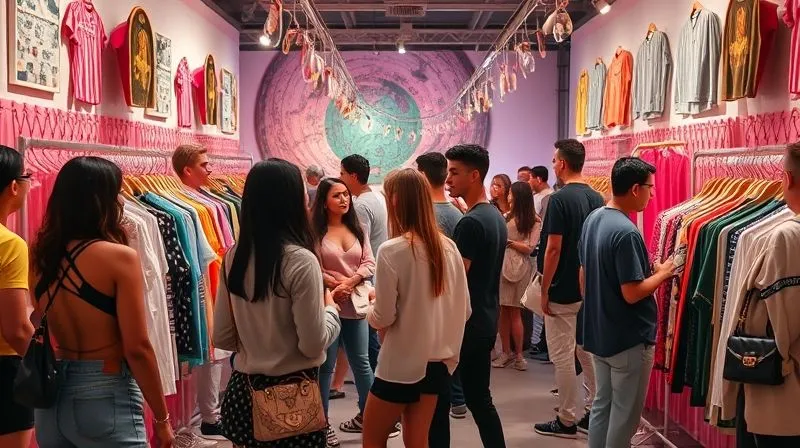
Pop-up shops, especially in unexpected or highly curated locations (think art galleries, niche cafes, or even temporary spaces within larger, complementary retail stores), create a sense of urgency and exclusivity. They offer a unique shopping experience that justifies even full-price items, let alone strategically priced older stock.
- Artist Collaborations: Commission artists to customize older pieces, turning them into unique, higher-value items.
- Brand Partnerships: Collaborate with non-competing brands (e.g., sneaker brands, accessory makers) for joint pop-ups, cross-promoting and moving inventory together.
- Exclusive Community Events: Host private shopping events for loyal customers, offering early access to new drops alongside strategically priced older items.
- Experiential Retail: Design pop-ups that offer more than just shopping – integrate music, art, or interactive elements to create a memorable experience.
4. Leveraging Outlet Channels and Private Sales
While the word "outlet" can sometimes send shivers down a brand owner's spine, there's a nuanced approach to using these channels effectively without outright devaluing your primary brand. It's about strategic segmentation and controlled distribution.
Navigating the Outlet Landscape with Precision
The key is to create a clear distinction between your main line and what goes to an outlet. This often means creating specific, slightly modified versions for outlet stores or strictly limiting the volume and type of full-price merchandise that ends up there. For excess inventory, an outlet can be a useful, albeit delicate, tool.
- Dedicated Outlet Line: Design specific items for outlet channels to avoid direct comparison with your main collection. While this doesn't directly address existing excess, it's a long-term strategy to prevent future devaluing.
- Private Label for Outlets: Partner with a third-party retailer to sell your excess under their private label. This removes your brand name from the discounted item entirely, protecting your primary brand.
- Controlled Online Outlets: Create a separate, less prominent section on your website or a completely different URL for "archive sales" or "sample sales." This allows you to control the narrative and access.
- Employee/Friends & Family Sales: These are excellent for clearing smaller quantities of stock without public exposure. They reward internal stakeholders and generate goodwill.
For larger quantities of genuine excess, especially items that are several seasons old, private sales or exclusive partnerships with off-price retailers (who understand and respect brand guidelines) can be incredibly effective. The goal is to move product discreetly, without broadcasting massive markdowns to your core customer base.
- Identify Suitable Partners: Seek out off-price retailers or online liquidators who specialize in discreet, bulk purchases and agree to specific resale terms (e.g., no online advertising, specific geographical restrictions).
- Negotiate Terms Carefully: Ensure contracts include clauses about how and where your products can be sold, preventing them from appearing next to your current collection at heavily discounted rates.
- Segment Inventory: Only send items that are truly past their prime or have no place in your current brand narrative to these channels. Keep newer excess for more controlled, brand-aligned strategies.
- Consider White Labeling: If possible, remove your brand's labels and sell items as generic or for another brand's private label. This is a more extreme measure but highly effective for brand protection.
As Harvard Business Review often highlights, the true cost of inventory often extends far beyond storage; it impacts brand perception and future pricing power. Smart use of outlet channels requires a sophisticated understanding of these dynamics.
5. Repurposing and Upcycling: A Sustainable Solution
In the urban fashion landscape, sustainability and uniqueness are increasingly valued. Repurposing and upcycling excess inventory not only clears stock but can also enhance your brand's ethical credentials and creative reputation. This approach transforms a liability into an asset, aligning with contemporary consumer values.
Creative Transformation for Renewed Value
Instead of merely selling off old items, consider giving them a new life. This requires a creative mindset and potentially partnerships with skilled artisans or designers who specialize in textile manipulation. The result can be limited-edition, unique pieces that command a premium, rather than being sold at a loss.
- Deconstruction & Reconstruction: Take elements from older garments (e.g., specific fabrics, patches, zippers) and integrate them into new designs or accessories. A pile of old hoodies could become unique tote bags or patchwork jackets.
- Dyeing & Embellishment: Overdyeing old garments in new, on-trend colors can completely refresh their appeal. Adding intricate embroidery, screen prints, or custom distressing can also elevate their perceived value.
- Collaborative Upcycling Projects: Partner with local designers or art schools on projects where students or artists are challenged to transform your excess into new, wearable art. The best pieces can then be sold through your channels, with credit to the creators.
- Limited-Edition Drops: Position these upcycled items as exclusive, one-of-a-kind drops. The inherent scarcity and unique story behind each piece can generate significant hype and demand, even at a higher price point.
- Donation with Purpose: While not a liquidation strategy in terms of revenue, donating to relevant charities (e.g., homeless shelters, youth programs) can generate positive PR and align with your brand's social responsibility initiatives. However, ensure it's truly excess that cannot be monetized.
This approach directly combats the fast-fashion cycle and appeals to a growing segment of consumers who prioritize ethical consumption and unique style. It's a powerful narrative that can differentiate your brand.
The rise of circular fashion models, as discussed by The Ellen MacArthur Foundation, underscores the importance of such innovative approaches. Brands that embrace these practices are often seen as leaders, not just retailers.
6. The Art of Bundling and Gifting with Purchase
Bundling and offering gifts with purchase are sophisticated strategies to move excess urban fashion inventory without directly advertising a markdown. These methods increase the perceived value of the overall transaction, making customers feel like they're getting a deal without the brand explicitly devaluing the individual item.
Maximizing Perceived Value
The psychology behind bundling is powerful: customers often perceive a bundle as a better value than buying items individually, even if they wouldn't have purchased all items separately. For excess inventory, this means you can include a slow-moving item alongside a popular, full-price product.
- Complementary Bundles: Pair an excess item (e.g., an older graphic tee) with a complementary new arrival (e.g., a new style of joggers or a jacket). Offer a slight discount on the bundle compared to buying both items separately.
- Size-Specific Bundles: If you have an abundance of specific sizes in older stock, create bundles around those sizes. For instance, "The 'Large' Outfit Deal" featuring an older shirt, a pair of jeans, and a hat.
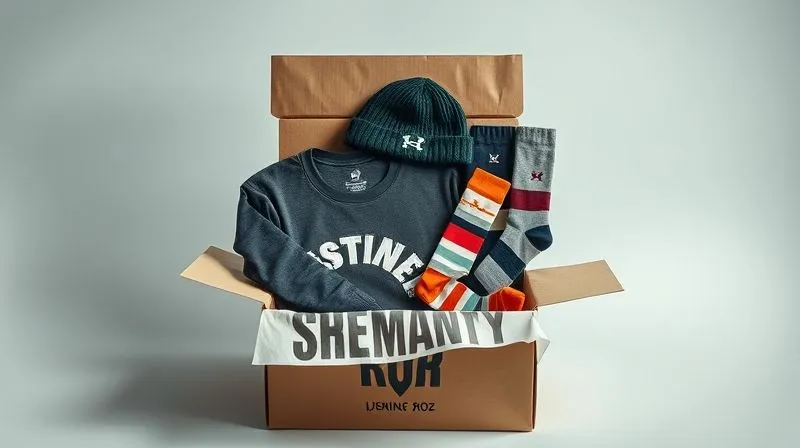
- Mystery Bundles/Boxes: Tap into the excitement of discovery. Offer "mystery boxes" at a set price, promising a value significantly higher than the purchase price. Fill these with a mix of current and older stock, ensuring the perceived value is always positive.
- Gift with Purchase (GWP): For every purchase over a certain amount, or for every new collection item bought, offer a piece of excess inventory as a free gift. Ensure the "gift" is still desirable and aligns with your brand's quality. This works particularly well for accessories like beanies, socks, or smaller graphic tees.
- Limited-Edition Sets: Curate a selection of older items into a "limited-edition archive set" with special packaging. This elevates the perception, turning old stock into a collector's item.
The key here is to frame the offer as an added benefit or an exclusive opportunity, rather than a clearance sale. This maintains the integrity of your brand's pricing structure while effectively moving product. I've often seen brands succeed by positioning these as "curated style boxes" or "seasonal essentials packs."
7. Data-Driven Forecasting & Prevention: The Long Game
While all the above strategies are excellent for reactive liquidation, the most effective long-term solution to the problem of excess urban fashion inventory without devaluing brand is prevention. This means investing in robust data analytics and forecasting capabilities to minimize overstocking in the first place.
Moving Beyond Reactive Measures
Many urban fashion brands, particularly smaller and mid-sized ones, rely heavily on intuition or simple historical sales data for purchasing decisions. While experience is valuable, supplementing it with predictive analytics can drastically reduce the likelihood of significant overstock. This is where your brand’s future profitability truly lies.
- Advanced Sales Forecasting: Utilize software and data science to predict demand more accurately. This involves analyzing past sales, seasonal trends, macroeconomic factors, social media sentiment, and even weather patterns.
- Lean Inventory Practices: Adopt principles from lean manufacturing, focusing on just-in-time inventory where possible. This minimizes holding costs and reduces the risk of obsolescence.
- Supplier Relationship Management: Build strong relationships with manufacturers that allow for more flexible order quantities, shorter lead times, and potential for re-orders on successful items rather than over-committing upfront.
- Customer Feedback Loops: Integrate customer feedback (surveys, social media listening, direct interactions) into your design and buying processes. Understanding what your audience truly desires can prevent misfires.
- Pilot Programs & Limited Drops: For new or experimental designs, consider small-batch pilot programs or limited drops to gauge demand before committing to large production runs. This is inherent to streetwear culture and can be strategically leveraged.
As marketing guru Gary Vaynerchuk often emphasizes, "data is the new oil." In the fashion industry, data-driven decisions are the bedrock of sustainable growth and brand health.
| Metric | Description | Goal | Impact on Inventory |
|---|---|---|---|
| Sell-Through Rate | Percentage of inventory sold vs. received | >80% for new arrivals | High sell-through minimizes leftover stock |
| Inventory Turnover | Number of times inventory is sold/replaced in a period | Higher is generally better (e.g., 4-6x/year) | Efficient movement of goods, less stagnation |
| Gross Margin Return on Investment (GMROI) | Profitability of inventory investment | As high as possible (e.g., >200%) | Ensures inventory is generating sufficient returns |
| Forecast Accuracy | How close predictions are to actual sales | >85% accuracy | Directly reduces over- or under-stocking |
| Carrying Cost Percentage | Cost of holding inventory as % of its value | <15-20% | Minimizes financial burden of unsold goods |
Investing in these preventative measures is arguably the most crucial step for any urban fashion brand looking to thrive long-term. It moves you from a reactive stance of 'how to liquidate excess urban fashion inventory without devaluing brand?' to a proactive one of 'how to prevent excess inventory while maximizing brand value?'.
For deeper insights into supply chain optimization and forecasting, I highly recommend exploring reports from reputable sources like Deloitte's Supply Chain & Network Operations.

Frequently Asked Questions (FAQ)
Q: What's the biggest mistake brands make when liquidating excess urban fashion inventory?
A: The single biggest mistake is panic-driven, indiscriminate discounting. Slashing prices across the board, without a clear strategy or segmentation, immediately signals distress to your customer base. It trains them to wait for sales, erodes your brand's perceived value, and makes it incredibly difficult to sell future collections at full price. Always prioritize a strategic, controlled approach that protects brand equity.
Q: How can I measure the success of my liquidation strategy beyond just moving product?
A: Success isn't just about clearing shelves; it's about doing so while maintaining or even enhancing brand perception. Key metrics include: customer feedback (are they still excited about your brand?), social media sentiment (any backlash about "cheapening" the brand?), average order value (is it holding steady?), and the impact on sales of your *new* collections. If your new collection sales suffer after a liquidation, your strategy likely devalued the brand. Also, track the cost of carrying inventory vs. the revenue generated from liquidation.
Q: Is it ever acceptable to sell excess inventory to a third-party liquidator?
A: Yes, it can be, but with extreme caution and strict conditions. If you have genuinely unsellable quantities of very old stock, a liquidator might be necessary. However, ensure your contract explicitly states how and where the items can be sold, ideally preventing them from appearing in channels that directly compete with your brand or at prices that severely undercut your current offerings. White-labeling or removing brand tags can be a protective measure. Always consider this a last resort for items that cannot be moved through brand-aligned strategies.
Q: How do I communicate a "sale" without sounding desperate or cheap?
A: Frame it as an "Archive Sale," "Limited Edition Drop," "Community Appreciation Event," or "Seasonal Refresh." Emphasize exclusivity, urgency, and the unique opportunity to acquire pieces from past collections. Use language that focuses on the special nature of the event rather than just the discount percentage. For instance, "Exclusive Vault Access" sounds far more premium than "50% Off Clearance."
Q: What role does sustainability play in modern inventory liquidation?
A: A significant one. Consumers, especially in urban fashion, increasingly value brands with ethical and sustainable practices. Repurposing, upcycling, or even donating excess inventory (when monetizing isn't viable) can be powerful brand-building tools. Positioning your efforts as part of a circular economy initiative or a commitment to reducing waste not only helps clear stock but also enhances your brand's reputation and attracts a socially conscious demographic. It turns a problem into a positive brand story.
Key Takeaways and Final Thoughts
Navigating the challenge of excess urban fashion inventory without devaluing your brand is a tightrope walk that demands strategy, creativity, and a deep understanding of your market. It's not about desperate sales; it's about smart, calculated moves that protect your hard-earned brand equity.
- Know Your Stock: A thorough inventory audit is the foundational step. Understand every SKU's story.
- Be Strategic with Discounts: Avoid blanket sales. Implement tiered pricing, exclusive access, or bundling to maintain perceived value.
- Innovate with Experience: Leverage collaborations, pop-ups, and upcycling to create unique, value-adding opportunities out of old stock.
- Control Your Channels: Use outlet channels and private sales judiciously, with strict control over where and how your products are sold.
- Prevent Future Overstock: Invest in data-driven forecasting and lean inventory practices to minimize the problem at its source.
As an industry specialist, I've seen brands emerge stronger from inventory challenges by embracing these principles. The goal isn't just to clear the racks, but to do so in a way that reinforces your brand's desirability, innovation, and long-term viability. Approach this challenge not as a burden, but as an opportunity to refine your operations and strengthen your connection with your audience. Your brand's reputation is your most valuable asset – protect it fiercely, even as you clear the path for what's next.
Recommended Reading
- Victorian Dress Patterns: Your Ultimate Guide to Sewing History
- Unlock Profit: How to Avoid Missing Crucial Fashion Trend Shifts?
- 7 Proven Steps to Accurately Predict Next Season's Casual Footwear Trends
- Petite Perfection: Your Guide to Classic Wardrobe Essentials
- The Ultimate Guide: How to Preserve Your Wedding Veil Long Term, Flawlessly




Your email address will not be published. Required fields are marked *