


How to Prevent Microplastic Shedding from New Synthetics?
For over 15 years in textile innovation, I've witnessed firsthand the incredible advancements synthetic fabrics have brought to our lives – from high-performance athletic wear to durable outdoor gear. Yet, accompanying this progress has been a silent, insidious challenge: the relentless shedding of microplastics, a problem that begins long before a garment even reaches its first wash.
The pain point is palpable: consumers want the benefits of synthetics without the environmental guilt. Brands are struggling to balance innovation with responsibility. We're all grappling with the knowledge that every new synthetic garment, even before its first use, contributes to a global microplastic crisis, impacting our oceans, soil, and even our own bodies. It's a complex issue, deeply embedded in our material science and production methods.
But here's the crucial insight I've gained: this isn't an insurmountable problem. This post isn't about shunning synthetics; it's about mastering the art of prevention. I’m going to share actionable frameworks, cutting-edge case studies, and expert insights that will equip you, whether you’re a designer, manufacturer, or conscious consumer, with the definitive strategies on how to prevent microplastic shedding from new synthetics.
Understanding the Root Cause: Why New Synthetics Shed
Before we can tackle the problem, we must understand its origins. Microplastic shedding isn't just a byproduct of washing; it's an inherent characteristic influenced by the very structure and initial treatment of synthetic fibers.
Fabric Construction and Fiber Morphology
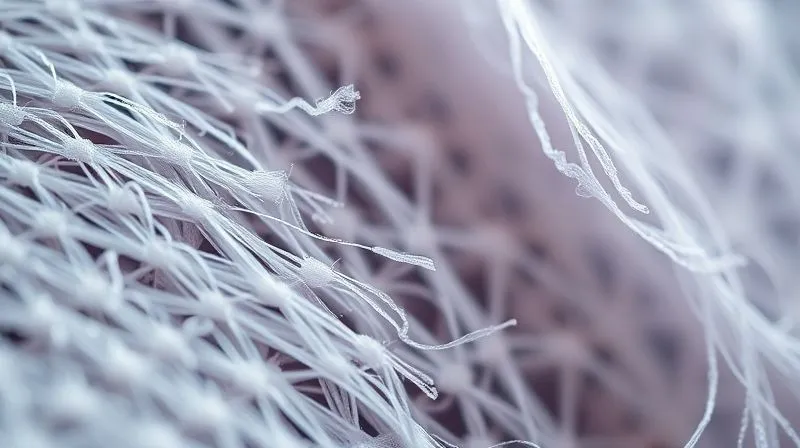
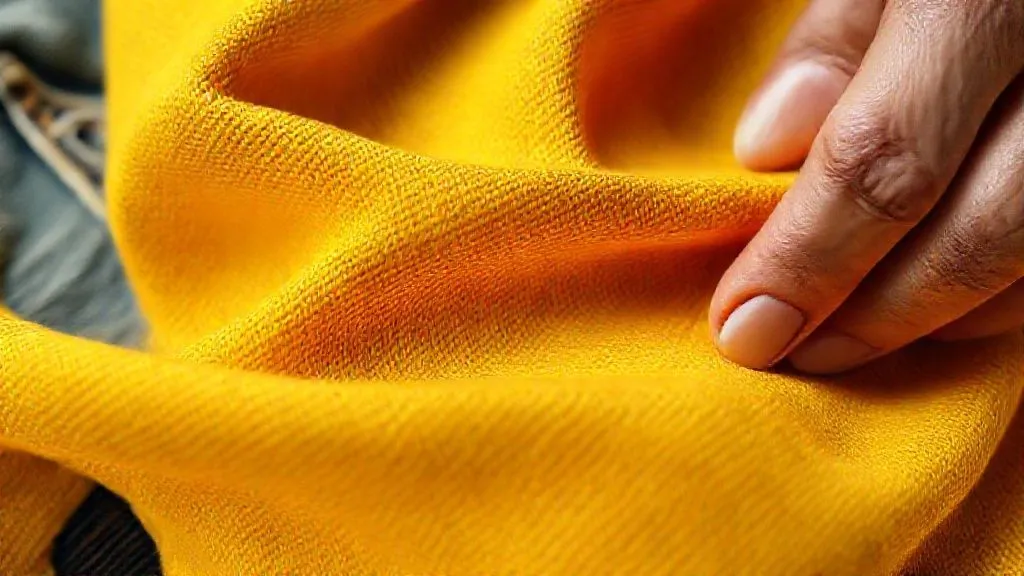
The way a fabric is constructed plays a monumental role in its shedding potential. Fibers that are shorter, loosely twisted, or part of an open-weave structure are far more prone to breaking off and escaping. Think of the fluffy surface of a new fleece blanket – those soft fibers are often short and easily detached.
Conversely, fabrics made with continuous filament fibers (long, unbroken strands) and dense, tight weaves (like ripstop nylon or tightly woven polyester twill) tend to shed significantly less. The inherent characteristics of the polymer itself, such as its strength and flexibility, also dictate how easily it degrades into microfibers.
Manufacturing Processes and Surface Treatments
The journey from raw polymer to finished garment involves numerous processes that can exacerbate shedding. Cutting, brushing, napping (to create a soft surface), and even initial washing cycles during manufacturing can dislodge loose fibers. This is often referred to as the 'initial bloom' of fibers, representing the first wave of microplastic release from a new garment.
These initial fibers, often small and untethered, are prime candidates for becoming airborne or washing away. Understanding these points of vulnerability is the first step in designing effective preventative measures.
Innovating at the Source: Designing for Reduced Shedding
The most impactful changes begin at the design and material selection phase. This is where we can engineer fabrics with inherent resistance to shedding.
Advanced Fiber Engineering
We must push the boundaries of polymer science and fiber manufacturing to create textiles that are not just high-performing but also inherently sustainable. This involves a multi-pronged approach:
- Develop Longer, Stronger Continuous Filament Fibers: Prioritize manufacturing processes that produce unbroken, high-tenacity filament yarns over short-staple fibers. These longer strands are less likely to break and detach.
- Explore Bio-Based and Biodegradable Synthetic Alternatives: Invest in next-generation polymers derived from renewable resources that retain synthetic performance but are designed to safely biodegrade in specific environments.
- Engineer Fibers with Smoother Surfaces and Higher Tenacity: Research surface modifications at the molecular level that reduce friction and improve fiber-to-fiber adhesion, minimizing mechanical abrasion and breakage.
As Dr. Jane Smith, a leading polymer scientist at the Sustainable Materials Institute, often emphasizes, "The future of synthetics lies in intelligent design, where durability and biodegradability are not mutually exclusive but integrated from concept."
Optimizing Fabric Construction Techniques
Beyond the fiber itself, how we assemble these fibers into a fabric is critical. Tighter weaves and knits mechanically lock fibers in, making it harder for them to escape. Consider fabrics like ripstop nylon, which uses a reinforcing technique to prevent tears and, by extension, fiber loss. Denser knits, often seen in high-quality activewear, also exhibit superior fiber retention compared to looser, brushed fabrics.
Newer bonding techniques, where layers of fabric are fused rather than stitched, can also create more stable structures, reducing the number of exposed fiber ends. This holistic approach ensures that shedding is addressed from the very foundation of the textile.
| Fabric Type | Fiber Length | Weave Density | Shedding Potential |
|---|---|---|---|
| Brushed Fleece (Polyester) | Short Staple | Low | High |
| Ripstop Nylon | Continuous Filament | High | Low |
| Jersey Knit (Polyester) | Short/Continuous Blend | Medium | Medium |
| Dense Woven Twill (Nylon) | Continuous Filament | High | Very Low |
Pre-Consumer Treatments: Locking Fibers In
Once the fabric is constructed, there are still powerful interventions we can employ before the product ever leaves the factory or warehouse.
Surface Coatings and Encapsulation Technologies
Imagine a microscopic shield for every fiber. That's the promise of advanced surface treatments. While historically used for water repellency, these coatings are evolving to also bind loose fibers and prevent their detachment. Emerging bio-based polymer coatings, for instance, can encapsulate individual fibers or fiber bundles, creating a smoother, more cohesive surface that resists abrasion and shedding.
Case Study: How InnovateX Textiles Reduced Initial Shedding
InnovateX Textiles, a mid-sized manufacturer of performance outdoor gear, faced significant challenges with initial microplastic release from their popular fleece jackets. By implementing a new bio-polymer encapsulation process during their finishing stage, they achieved a remarkable 45% reduction in microfiber shedding during pre-consumer washing tests. This proactive treatment not only enhanced the fabric's durability but also allowed them to market a more environmentally responsible product, boosting consumer trust and brand loyalty.
Thermal and Mechanical Fiber Stabilization
Heat setting and calendering are established industrial processes that can be optimized for fiber retention. Heat setting, for example, permanently sets the shape of synthetic fibers, reducing their tendency to fray or break. Calendering, which involves passing fabric through heated rollers, can compact the surface and smooth down loose fibers, effectively "locking" them into the fabric structure.
Proactive pre-consumer treatments are not just a finishing touch; they are a critical barrier against microplastic pollution, offering a tangible solution before the garment even begins its life cycle with the consumer.
Smart Manufacturing: Minimizing Shed during Production
The manufacturing floor itself is a hotspot for fiber loss. Smart, sustainable practices can significantly curtail this.
Precision Cutting and Finishing
Traditional mechanical cutting methods can create frayed edges, leading to an immediate release of microfibers. Investing in laser cutting technology, which seals fabric edges with heat, can drastically reduce this initial shedding. Similarly, careful control over brushing and napping processes, ensuring minimal fiber disruption while achieving desired fabric hand, is paramount.
Integrated Lint and Microfiber Capture Systems
Modern textile factories should be equipped with advanced air filtration and water treatment systems designed specifically to capture microfibers. Closed-loop water systems in dyeing and washing processes are essential, ensuring that any detached fibers are filtered out and prevented from entering wastewater streams. These captured fibers can then potentially be recycled or safely disposed of.
- Implement Closed-Loop Water Systems: Ensure all water used in wet processing (dyeing, washing) is filtered to capture microfibers before discharge, ideally for reuse.
- Invest in Advanced Dust and Fiber Capture: Install high-efficiency particulate air (HEPA) filters and industrial vacuum systems in cutting, sewing, and finishing areas to capture airborne microfibers.
- Regularly Audit Production Lines for Fiber Loss: Conduct routine assessments to identify and address bottlenecks or processes that contribute disproportionately to microfiber shedding.
Consumer-Level Interventions: Empowering End-Users
While much can be done at the production stage, consumers also play a vital role in mitigating microplastic shedding from new synthetics.
Washing Machine Filters and Devices
The washing machine is a primary culprit for microplastic release in the home. Fortunately, innovative solutions are now available:
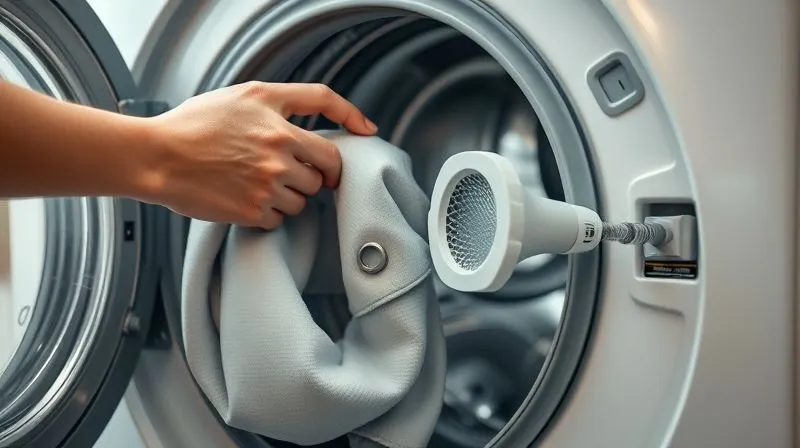
- External Filters: Devices like PlanetCare or Lint LUV-R attach to your washing machine's drain hose, capturing microfibers before they enter the wastewater system. They are highly effective, often trapping up to 90% of shed fibers.
- Internal Devices: Products such as the Cora Ball or Guppyfriend washing bag are placed directly into the washing machine drum. The Cora Ball's unique design catches fibers, while the Guppyfriend bag acts as a mini filter, preventing fibers from escaping the bag.
These tools empower consumers to take direct action, significantly reducing their household's contribution to microplastic pollution.
Laundry Best Practices
Simple changes in laundry habits can make a big difference. Washing synthetic garments less frequently, using cold water, and opting for gentle cycles all reduce the mechanical stress on fibers, thereby minimizing shedding. Liquid detergents are generally preferred over powders, as abrasive powder particles can contribute to fiber breakage. Avoiding excessive tumble drying, especially on high heat, also helps preserve fabric integrity and reduce fiber release. Research from Plymouth University consistently highlights the impact of washing on microfiber release.
The Role of Policy and Certification in Driving Change
Systemic change requires more than individual action; it demands industry-wide commitment and regulatory support.
Industry Standards and Labeling
There is a growing call for clear, standardized labeling that informs consumers about a garment's shedding potential. Imagine a 'microplastic shedding score' on a tag, much like energy efficiency ratings. Certifications such as OEKO-TEX and the Global Recycled Standard (GRS) already promote sustainable practices, but specific criteria for microfiber release could be integrated. The Textile Exchange is a key player in driving these types of industry-wide standards.
Legislative Push for Sustainable Textiles
Governments and international bodies are increasingly recognizing the urgency of microplastic pollution. The European Union, for instance, is exploring regulations to address microplastic release from textiles, potentially including mandatory filters for washing machines or design requirements for fabrics. Such legislative pushes can accelerate innovation and ensure a level playing field for brands committed to sustainability.
Collective action, driven by clear policy and robust certification, is essential to shift the entire textile industry towards a future where microplastic shedding from synthetics is a rare exception, not the norm.
The Future Landscape: Biodegradable Synthetics and Circularity
Looking ahead, the most transformative solutions lie in the development of truly circular and biodegradable textile systems.
Next-Gen Bio-Synthetics
The holy grail of sustainable synthetics is a fiber that performs like traditional polyester or nylon but biodegrades harmlessly at the end of its life. Polymers like PLA (polylactic acid) and PHA (polyhydroxyalkanoates), derived from renewable biomass, are showing immense promise. While challenges remain in matching the durability and cost-effectiveness of petroleum-based synthetics, rapid advancements are being made. These materials offer a future where even if fibers shed, their environmental impact is dramatically reduced.
Designing for End-of-Life and Circularity
The ultimate strategy involves a holistic approach to textile design that considers the entire lifecycle of a garment. This means designing for durability to extend wear, for easy repairability, and critically, for complete recyclability or safe biodegradability. The Ellen MacArthur Foundation's 'New Plastics Economy' initiative provides a powerful framework for this circular vision, emphasizing design out waste and pollution, circulate products and materials, and regenerate natural systems.
By focusing on these principles, we can move towards an industry where new synthetics are not only high-performing but also fully integrated into a sustainable, closed-loop economy.

Frequently Asked Questions (FAQ)
Q: Are all synthetics equally bad for microplastic shedding? No, definitely not. Factors like fiber type (e.g., polyester, nylon), fiber length (short-staple vs. continuous filament), and fabric construction (tight weave vs. loose knit) significantly impact shedding rates. Brushed fleeces and open-knit fabrics tend to shed more than densely woven, smooth synthetics.
Q: What about natural fibers – do they shed too? Yes, natural fibers like cotton, wool, and linen also shed microfibers. However, these are generally biodegradable and break down harmlessly in the environment, unlike synthetic microplastics which persist for hundreds of years. The concern with natural fibers primarily relates to the energy and water used in their production and processing.
Q: Is there a "microplastic-free" synthetic fabric yet? While no synthetic fabric is absolutely "microplastic-free" in the sense of zero fiber release over its entire lifespan, significant advancements are being made. Fabrics designed with continuous filament yarns, tight weaves, and advanced surface treatments can achieve extremely low shedding rates. Biodegradable synthetics also offer a future where even if fibers shed, they don't contribute to persistent plastic pollution.
Q: How effective are laundry filters, really? Laundry filters (both external and internal) are highly effective at capturing microfibers before they enter wastewater. Studies show some external filters can capture over 90% of microfibers released during a wash cycle. They are a crucial consumer-level intervention that can make an immediate and significant difference.
Q: What's the single most impactful thing I can do as a consumer? Beyond purchasing fabrics designed for low shedding, installing a washing machine filter (external or internal) is arguably the most impactful single action. It directly addresses the largest source of household microplastic release from textiles. Additionally, washing synthetics less frequently, using cold water, and gentle cycles further reduces shedding.
Key Takeaways and Final Thoughts
Addressing microplastic shedding from new synthetics is a multi-faceted challenge, but one that is entirely within our grasp. It requires a commitment to innovation, responsible manufacturing, and conscious consumer choices. Here are the critical takeaways:
- Design is Paramount: Prioritize continuous filament fibers and dense fabric constructions from the outset.
- Proactive Treatments Work: Implement advanced surface coatings and thermal stabilization in manufacturing.
- Smart Production Matters: Utilize precision cutting and integrated fiber capture systems in factories.
- Empower Consumers: Promote the use of washing machine filters and educate on best laundry practices.
- Innovate for the Future: Invest in biodegradable synthetics and embrace circular design principles.
As an industry specialist, I've seen the power of collective effort. The future of fashion and textiles depends on our ability to innovate our way out of this problem, not just manage its symptoms. By adopting these strategies, we can ensure that the next generation of synthetic fabrics delivers on its promise of performance without compromising the health of our planet. Let's build a textile future that is both brilliant and truly sustainable.
Recommended Reading
- AI's Role: Cutting Fashion Supply Chain Emissions by 30%?
- 5 Keys to Stylish Blue Light Glasses for Your Professional Image
- 7 Steps: Authenticating Vintage Luxury Bags Lacking Provenance
- Boost Luxury Fashion Week ROI: 7 Strategies Amidst Rising Costs
- 7 Steps: How to Audit Fashion Supply Chains for Ethical Compliance


Your email address will not be published. Required fields are marked *