


How to Select Stylish Blue Light Glasses for My Professional Image?
For over two decades in the dynamic world of eyewear fashion, I've witnessed a remarkable evolution. What began as a purely functional necessity has blossomed into a powerful statement of personal style and, crucially, professional identity. Yet, despite the growing awareness of digital eye strain, many professionals still grapple with a common dilemma: how to embrace the protective benefits of blue light glasses without compromising their carefully cultivated professional image.
The challenge isn't just about finding a pair of glasses; it's about integrating them seamlessly into your existing wardrobe and persona, ensuring they enhance, rather than detract from, your perceived competence and style. Generic or ill-fitting blue light glasses can inadvertently send the wrong message, undermining the very professionalism you strive to project.
In this definitive guide, I will share my accumulated wisdom to help you master the art of selecting stylish blue light glasses that not only safeguard your vision but also significantly elevate your professional presence. We'll delve into actionable frameworks, analyze real-world scenarios, and uncover expert insights to ensure your eyewear becomes an asset, not an afterthought, in your career journey.
Understanding the Dual Imperative: Protection Meets Professionalism
In today's hyper-connected professional landscape, digital screens are ubiquitous. From laptops and tablets to smartphones, our eyes are constantly exposed to high-energy visible (HEV) blue light. Prolonged exposure can lead to digital eye strain, headaches, blurred vision, and even disrupt sleep patterns, all of which directly impact productivity and well-being. Blue light filtering glasses offer a critical line of defense.
However, the modern professional understands that appearance matters just as much as capability. Your attire, your demeanor, and yes, your accessories – including your eyewear – all contribute to the narrative you project. A well-chosen pair of glasses can convey intelligence, sophistication, and attention to detail, while a poorly chosen pair can unfortunately diminish that perception.
"Your professional image isn't just about what you do, but how you present yourself doing it. Eyewear is a powerful, often underestimated, tool in this presentation."
The imperative, therefore, is dual: to protect your eyes from the rigors of digital work while simultaneously enhancing your professional aesthetic. Striking this balance is key to both your long-term health and your career advancement.

Decoding Your Personal Professional Aesthetic
Before you even begin browsing frames, the first critical step in how to select stylish blue light glasses for your professional image is to understand your existing personal and professional aesthetic. This isn't about rigid rules, but about thoughtful alignment.
Analyzing Your Workplace Culture
Consider the environment you operate in. Is it a highly corporate, conservative setting where tailored suits and muted tones are the norm? Or perhaps a more creative, business-casual tech startup where individuality is encouraged? Your eyewear should resonate with, and subtly elevate, the prevailing cultural expectations.
For instance, a classic, understated metal frame might be perfect for a legal professional, while a bolder, architectural acetate frame could shine in an advertising agency. Mismatching your eyewear to your environment can create a discordant impression.
Your Wardrobe's Color Palette
Take a moment to assess the dominant colors and tones in your professional wardrobe. Do you lean towards cool tones (blues, grays, silvers) or warm tones (browns, greens, golds)? Your glasses should complement these colors, not clash. Neutral frames like black, tortoiseshell, or clear can be versatile, but a subtle pop of color aligned with your palette can add sophistication.
Face Shape Fundamentals: The Foundation of Fit
This is perhaps the most fundamental aspect of choosing any eyewear. The right frame shape can balance your features, highlight your best attributes, and create a harmonious look. Conversely, the wrong shape can exaggerate certain features or make your face appear unbalanced.
As an industry veteran, I've seen countless individuals choose frames based purely on trends, only to find they don't suit their unique facial structure. Understanding your face shape – oval, round, square, heart, or diamond – is paramount. The general rule of thumb is to choose frames that contrast with your face shape, adding balance and definition.
| Face Shape | Recommended Frames | Frames to Avoid |
|---|---|---|
| Oval | Almost any style: rectangular, round, aviator, cat-eye | Overly wide or narrow frames that disrupt balance |
| Round | Angular, rectangular, or cat-eye frames to add definition | Round or overly small frames that emphasize roundness |
| Square | Round, oval, or cat-eye frames to soften angles | Sharp, angular frames that accentuate jawline |
| Heart | Bottom-heavy, round, or aviator frames to balance wider forehead | Top-heavy frames, overly decorated tops |
The Anatomy of Stylish Blue Light Frames: Beyond the Lens
Once you understand your personal aesthetic and face shape, we can dive into the specifics of frame design. The material, color, and precise shape of your frames all contribute significantly to their overall impact on your professional image.
Material Matters: Durability, Weight, and Impression
The material of your frames speaks volumes about quality and style. Each material offers distinct advantages:
- Acetate: A versatile plastic, acetate allows for rich colors, intricate patterns (like tortoiseshell), and a slightly bolder presence. It's durable and can be polished to a high sheen, projecting a sense of classic sophistication.
- Metal (e.g., Stainless Steel, Monel): Offers a sleek, minimalist, and often more understated look. Metal frames are lightweight and durable, conveying precision and modernity. They are excellent for a subtle yet refined professional image.
- Titanium: The pinnacle of lightweight durability. Titanium frames are hypoallergenic, incredibly strong, and often feature very thin, elegant designs. They project high-tech sophistication and an appreciation for quality.
- Wood/Natural Materials: For more creative or niche professional environments, wood or bamboo frames can offer a unique, eco-conscious, and distinctive look. They convey individuality and a connection to natural elements.
Color Psychology in Eyewear
Color is a powerful non-verbal communicator. For professional settings, classic choices often prevail:
- Black: Timeless, authoritative, and versatile. Black frames suit most complexions and professional environments.
- Tortoiseshell: Adds warmth and depth, often perceived as intelligent and approachable. It's a sophisticated alternative to solid black or brown.
- Grays/Silvers: Modern, cool, and understated. Ideal for those who prefer a minimalist or contemporary aesthetic.
- Subtle Metallics (Gold, Rose Gold): Can add a touch of luxury and warmth without being ostentatious.
- Clear/Transparent: A growing trend that offers a modern, almost invisible look, allowing your features to stand out. It projects a fresh, contemporary vibe.
Avoid overly bright or distracting colors unless your professional field explicitly encourages such bold statements.
Frame Shape: Silhouettes that Speak Volumes
Beyond matching your face shape, the frame's silhouette contributes to the message you send:
- Rectangular/Square: Conveys seriousness, intellect, and traditional professionalism. A safe and reliable choice for most corporate settings.
- Round/Oval: Softens features, often associated with creativity, approachability, and an artistic flair.
- Cat-Eye: Adds a touch of vintage glamour and subtle assertiveness. Can be very chic and powerful in the right context.
- Aviator/Pilot (Thinner versions): Can lend a confident, modern, and slightly adventurous edge, particularly in more relaxed professional environments.
Lens Technology & Aesthetics: Clarity Beyond Protection
While the frame dictates much of the style, the lenses themselves are crucial for both protection and presentation. Not all blue light lenses are created equal, and their aesthetic qualities can significantly impact your professional image.
The Tint Factor: Minimizing Distraction
Early blue light glasses often had a noticeable yellow or amber tint. While effective, this tint can sometimes look unprofessional, particularly in formal settings or during video calls where it might alter your appearance. Modern advancements have led to clearer lenses with effective blue light filtration.
When selecting your lenses, prioritize those with minimal or no discernible tint. High-quality blue light lenses can block a significant portion of harmful blue light (typically 30-50% in the 400-450nm range) while remaining virtually clear to the naked eye. This ensures your professional image remains crisp and untinted.
Anti-Reflective Coatings: Essential for Digital Professionals
An anti-reflective (AR) coating is non-negotiable for professional blue light glasses. Without it, glare from computer screens, office lighting, and even windows can cause distracting reflections on your lenses. This not only hinders your vision but also creates a barrier between you and your audience during presentations or video conferences.
"A clear, glare-free lens is a hallmark of professionalism. It shows you're prepared, focused, and that nothing obstructs your clear communication."
AR coatings significantly reduce these reflections, making your eyes more visible and allowing for clearer communication. They also improve the aesthetic appeal of your glasses, making them look cleaner and more sophisticated. This is particularly important for professionals who spend a lot of time on video calls, as reflections can be incredibly distracting for others.
Actionable Steps to Selecting Your Signature Professional Eyewear
Now that we've covered the foundational elements, let's consolidate this into a clear, step-by-step process on how to select stylish blue light glasses for your professional image. Follow these guidelines for a confident choice:
- Assess Your Professional Environment & Personal Style: Before anything else, define the formality of your workplace and your typical attire. Are you business formal, business casual, or creatively expressive? What colors dominate your wardrobe? This initial assessment will narrow down your options significantly.
- Identify Your Face Shape: Stand in front of a mirror and determine your face shape (oval, round, square, heart, diamond). Use the guide above to understand which frame shapes will best complement your features.
- Consider Frame Material & Color: Based on your workplace culture and desired impression, choose a material (acetate for classic boldness, metal for sleek modernity, titanium for subtle luxury) and a color that enhances your complexion and wardrobe. Stick to professional, versatile hues.
- Experiment with Frame Shapes: Try on various frames that align with your face shape and professional aesthetic. Don't be afraid to try a few unexpected styles, but always prioritize balance and proportion. Pay attention to how the top of the frame aligns with your eyebrows and how the width complements your temples.
- Prioritize Lens Quality and Features: Insist on high-quality blue light filtering lenses with minimal or no tint and, crucially, a premium anti-reflective coating. Discuss the specific blue light blocking percentages with your optician to ensure adequate protection.
- Seek Expert Advice: Visit a reputable optician or eyewear specialist. They can offer personalized recommendations based on your face shape, prescription (if any), and professional needs. A good optician is an invaluable resource in making the right choice.

Case Study: Sarah's Professional Image Upgrade
Case Study: Sarah's Professional Image Upgrade
Sarah, a talented marketing manager at a growing tech firm, was excellent at her job but felt her personal brand wasn't quite aligning with her ambitions. She spent hours in front of her computer, relying on generic, slightly yellowish blue light glasses she'd bought online. They were functional, but their clunky plastic frames and noticeable tint often made her feel less polished during client video calls and internal presentations. She knew she needed to improve how to select stylish blue light glasses for her professional image.
After consulting with an eyewear specialist and applying the principles we've discussed, Sarah made a strategic change. She identified her oval face shape and a preference for a sophisticated, modern aesthetic. She chose a pair of sleek, thin titanium frames in a muted charcoal gray, featuring a subtle cat-eye lift that added a touch of feminine power without being overtly trendy. The lenses were a high-grade, clear blue light filter with an exceptional anti-reflective coating.
The impact was immediate. During her next quarterly review, her team leader complimented her "sharp new look," noting how her confidence seemed to have increased. Clients perceived her as more refined and attentive, as the glare from her previous glasses was gone. Sarah not only felt more comfortable and less eye-strained at the end of long days but also experienced a boost in her professional self-perception, which translated into more confident presentations and interactions. Her eyewear became an extension of her polished, competent professional identity.
The Subtle Art of Accessorizing Your Eyewear
Your blue light glasses don't exist in a vacuum. They are part of your overall professional presentation. The way you style your hair, apply your makeup (if applicable), and choose your other accessories can either enhance or detract from your eyewear's impact.
- Hair: If you have bangs, ensure they don't obscure your frames. Updos or swept-back styles can highlight your glasses. Consider how your hair color complements the frame color.
- Makeup: Keep eye makeup subtle and clean to avoid competing with your frames. A defined brow is particularly important as it frames your eyes and works in harmony with your glasses.
- Jewelry: Match the metal tones of your glasses (e.g., silver frames with silver jewelry, gold frames with gold jewelry) for a cohesive look. Avoid overly large or distracting earrings that might clash with your frames.
- Clothing Necklines: A V-neck or open collar can draw attention upwards to your face and eyewear, creating a balanced focal point.
The goal is harmony. Your glasses should feel like an integral, well-chosen part of your professional ensemble, not an afterthought.

Common Pitfalls to Avoid When Choosing Professional Blue Light Glasses
Even with the best intentions, it's easy to stumble. Here are some common mistakes I've observed professionals make when selecting their blue light glasses:
- Ignoring Face Shape: Choosing frames that are trendy but don't flatter your unique facial contours. This often leads to an unbalanced or awkward look.
- Compromising on Lens Quality: Opting for cheap blue light lenses with a heavy yellow tint or poor anti-reflective coating. This undermines both the protective and aesthetic benefits. As The American Academy of Ophthalmology notes, not all blue light glasses are created equal.
- Overlooking Fit: Glasses that slide down your nose, pinch your temples, or sit too high/low are uncomfortable and look unprofessional. A proper fit is crucial for both comfort and appearance.
- Mismatching Style to Environment: Wearing overly casual, brightly colored, or overtly fashionable frames in a highly conservative workplace. While personal expression is good, professional settings demand a certain level of decorum.
- Neglecting Your Prescription: If you have a prescription, ensure your blue light lenses are accurately integrated. Poor vision, even with blue light protection, will impact your performance and confidence.
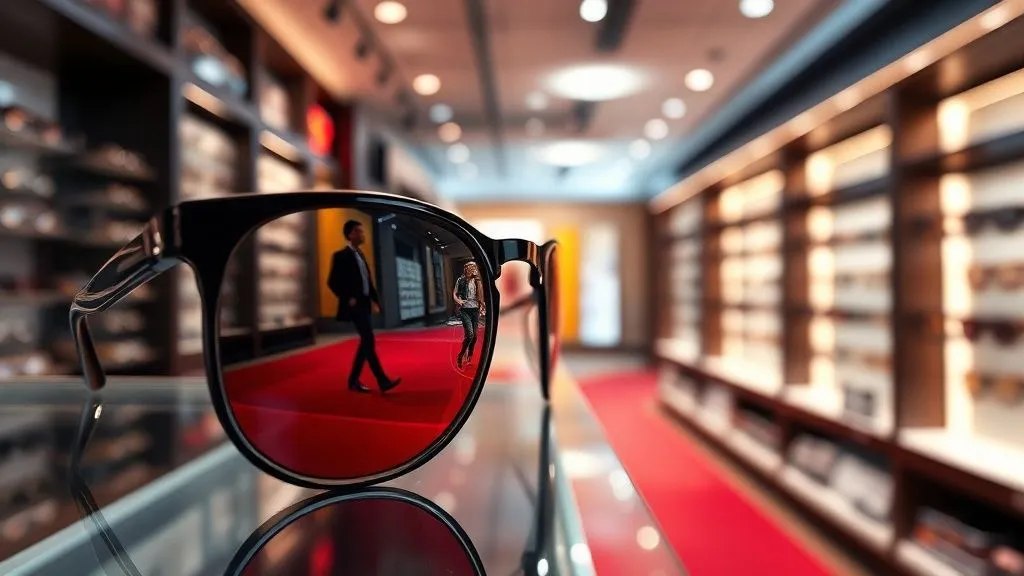
- Buying Without Trying: While online options are plentiful, buying glasses without trying them on can be a costly mistake. What looks good on a model might not suit you.
The Investment Perspective: Quality Over Quantity
When it comes to professional eyewear, thinking of your blue light glasses as an investment, rather than a mere purchase, is a paradigm shift I strongly advocate. The benefits of high-quality frames and lenses extend far beyond immediate protection.
According to a study published in the Harvard Business Review, elements of personal presentation significantly influence perceptions of competence and trustworthiness. Investing in well-crafted eyewear signals attention to detail and a commitment to quality, both in your work and your self-presentation. Cheap frames can break easily, and low-quality lenses can scratch, distort vision, and offer inadequate protection, leading to a cycle of frequent, unsatisfactory replacements.
Premium materials like titanium or high-grade acetate offer superior durability, comfort, and a refined finish that holds up over time. Advanced lens technologies provide more effective blue light filtration with minimal visual distortion and superior anti-reflective properties. This not only protects your eyes more effectively but also ensures your professional image remains impeccable day in and day out.
| Feature | Budget Glasses | Premium Glasses |
|---|---|---|
| Blue Light Filtration | Basic coating, inconsistent blocking | Advanced lens technology, targeted wavelength blocking (30-50%) |
| Lens Clarity & Distortion | May have visual distortion, glare | High-index lenses, minimal distortion, superior clarity |
| Anti-Reflective Coating | Minimal or low-quality AR coating | Multi-layer, high-performance AR coating (reduces glare significantly) |
| Frame Material & Durability | Flimsy plastic, prone to breakage | High-quality acetate, titanium, stainless steel; robust construction |
| Fit & Comfort | Generic sizing, less comfortable | Ergonomic design, adjustable features, tailored fit options |
| Aesthetic & Finish | Limited styles, less refined finish | Curated designs, premium finishes, attention to detail |
Consider the long-term value: fewer replacements, better comfort, superior eye health, and a consistent boost to your professional image. As Forbes often highlights, investing in your personal brand is a crucial component of career success.
Frequently Asked Questions (FAQ)
Q: Can blue light glasses really look professional? Absolutely. Modern blue light glasses come in an incredible array of sophisticated designs, materials, and colors. The key is to select frames that complement your face shape, personal style, and professional environment, and to ensure the lenses have minimal tint and excellent anti-reflective coatings. When chosen thoughtfully, they enhance, rather than detract from, your professional image.
Q: Should my blue light glasses match my outfit daily? While it's not necessary to match your blue light glasses to every single outfit, they should certainly complement your overall professional wardrobe. Opt for versatile frame colors like black, tortoiseshell, grays, or subtle metallics that work well with most of your professional attire. Having one or two well-chosen pairs that align with your dominant style is more practical than trying to match daily.
Q: Are clear or tinted blue light lenses better for a professional image? For a professional image, clear blue light lenses are almost always preferred. Early blue light glasses often had a noticeable yellow or amber tint, which can look distracting or unprofessional, especially during video calls. Modern, high-quality blue light lenses offer effective filtration with minimal to no discernible tint, maintaining a crisp, clear appearance.
Q: What's the best frame material for durability and style in a professional setting? For durability and professional style, high-quality acetate, titanium, and stainless steel are excellent choices. Acetate offers a classic, slightly bolder look with rich colors, while titanium and stainless steel provide a sleek, lightweight, and modern aesthetic. Each offers robust construction and a refined finish suitable for professional environments.
Q: How often should I update my professional blue light glasses? The lifespan of your blue light glasses depends on quality, care, and evolving prescriptions. High-quality frames can last for several years. However, if your prescription changes, if the frames become damaged, or if current styles no longer align with your professional image, it's a good time to consider an update. I recommend reviewing your eyewear every 2-3 years, or sooner if you notice changes in vision or style trends.
Key Takeaways and Final Thoughts
Selecting stylish blue light glasses for your professional image is a nuanced process that marries function with fashion. It requires an understanding of your personal aesthetic, your workplace culture, and the technical aspects of eyewear. By approaching this choice thoughtfully, you transform a functional necessity into a powerful statement of your professional brand.
- Self-Assessment is Key: Understand your face shape, wardrobe, and professional environment first.
- Quality Matters: Invest in high-quality frames and, crucially, clear, anti-reflective blue light lenses.
- Harmony is Paramount: Ensure your eyewear complements your overall look, from hair to accessories.
- Expert Guidance: Don't hesitate to consult with an optician for personalized advice.
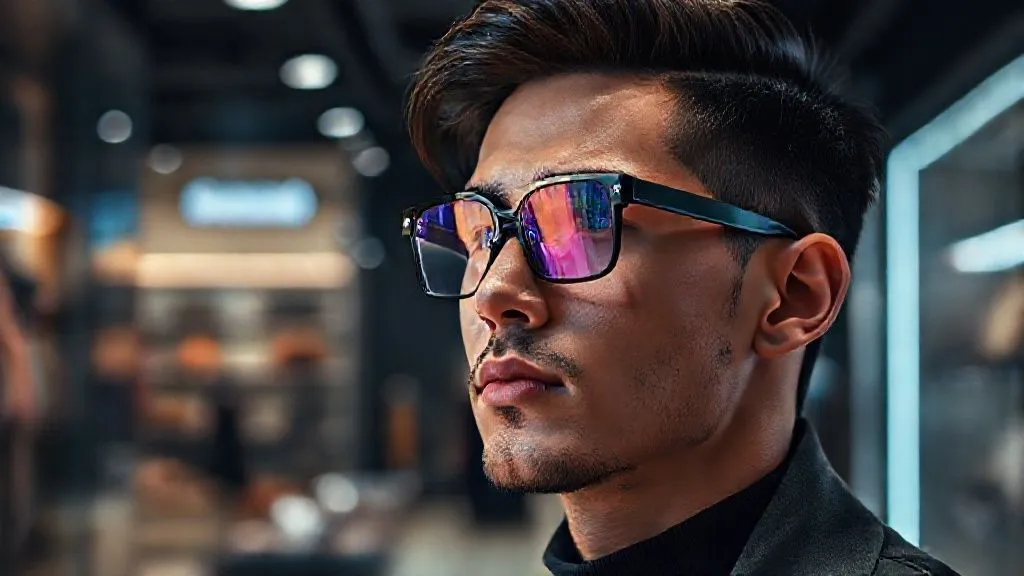
Remember, your glasses are often one of the first things people notice about you. They sit prominently on your face, influencing how you are perceived. By making an informed, deliberate choice, you not only protect your eyes but also project an image of confidence, competence, and impeccable style. Embrace this opportunity to refine your professional presence and let your eyewear speak volumes about the discerning professional you are.
Recommended Reading
- 7 Steps: Selecting Eyewear to Elevate Your Professional Brand
- Verify True Sustainability in Vintage: 7 Steps for Ethical Sourcing
- Unveiled: Why Haute Couture Heritage Techniques Are Vital for Fashion's Future
- Mastering Bespoke Creations: 7 Pillars of Haute Couture Excellence
- 7 Proven Strategies: Mitigating Recycled Fabric Sourcing Risks


Your email address will not be published. Required fields are marked *