

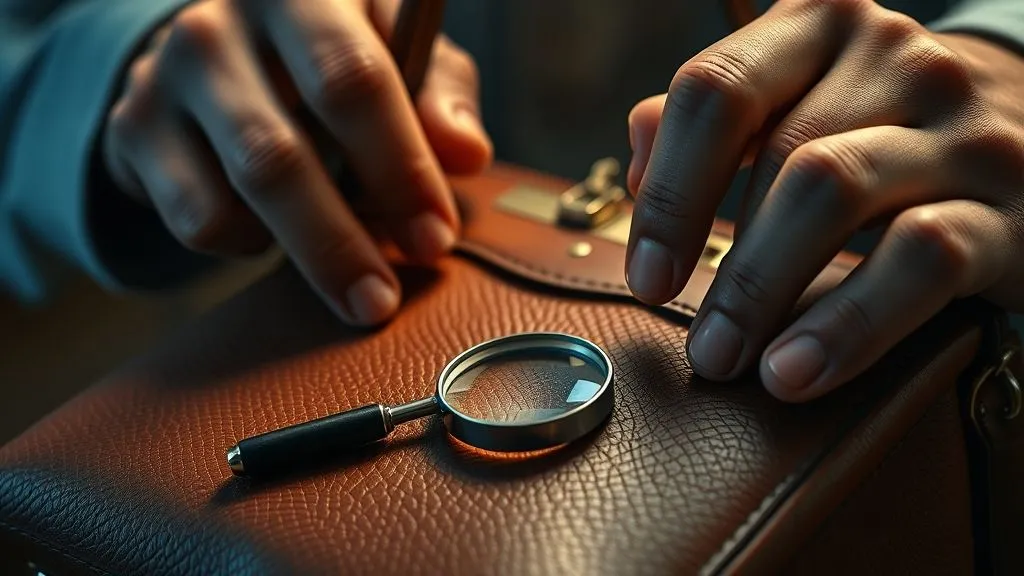
How to Authenticate Vintage Luxury Bags Lacking Original Provenance?
For over two decades in the luxury fashion market, I've witnessed the exhilarating thrill of discovering a rare vintage gem and, unfortunately, the crushing disappointment of a sophisticated counterfeit. The allure of vintage luxury bags is undeniable, offering a blend of history, unique style, and often, incredible value. Yet, one of the most common and paralyzing anxieties for collectors and first-time buyers alike is how to authenticate vintage luxury bags lacking original provenance – those beautiful pieces that come without their original receipts, dust bags, or authenticity cards.
This lack of a paper trail creates a significant hurdle, transforming what should be an exciting acquisition into a minefield of doubt. The fear of investing a substantial sum into a meticulously crafted fake is palpable, and rightly so. Many shy away from these 'unprovenanced' pieces, missing out on truly exceptional finds, simply because they lack the confidence in their ability to discern authenticity without the usual safeguards.
Today, I'm going to share with you the exact framework and expert insights I've developed over years of hands-on experience. We'll move beyond guesswork and delve into a systematic, multi-faceted approach, equipping you with the knowledge and actionable steps to confidently authenticate vintage luxury bags lacking original provenance. By the end of this guide, you'll understand not just *what* to look for, but *how* to critically examine every detail, transforming you from an anxious buyer into an astute connoisseur.
1. The Anatomy of Authenticity: Understanding Brand Signatures
When you're faced with a vintage luxury bag that lacks its original documents, your first line of defense is an intimate understanding of the brand's unique signatures. Each luxury house, be it Hermès, Chanel, Louis Vuitton, or Dior, maintains an incredibly high standard of craftsmanship and employs specific design codes that are almost impossible for counterfeiters to replicate perfectly, especially in older pieces. I always advise my clients to become 'fluent' in the language of their preferred brand.
This fluency begins with a deep dive into the brand's history and manufacturing evolution. For example, a vintage Chanel 2.55 from the 1980s will have different hardware finishes and interior linings than one from the early 2000s. Similarly, Louis Vuitton's date codes have changed formats multiple times over the decades. Understanding these historical nuances is crucial. You're looking for consistency with the era the bag purports to be from, not just with current production standards.
Focus on the overall 'feel' and construction. Authentic luxury bags possess a certain weight, balance, and tactile quality that fakes often miss. The leather should feel supple yet durable, the stitching precise, and the hardware substantial. This isn't just about superficial beauty; it's about engineering and material integrity. Remember, a luxury bag is built to last, often for generations.
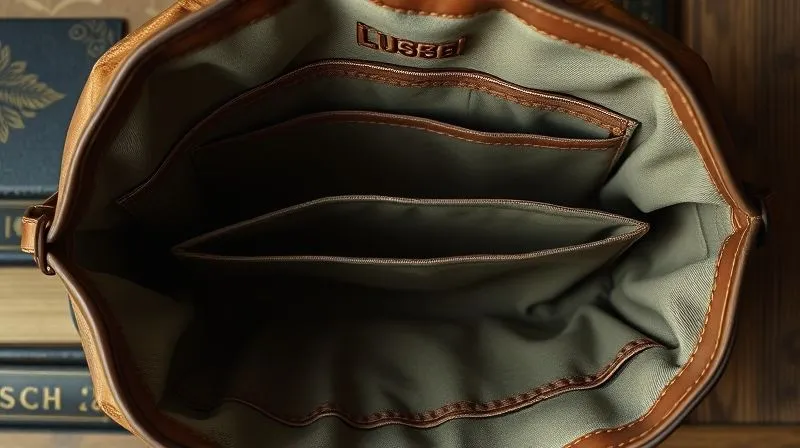
2. Decoding Date Codes and Serial Numbers: Beyond the Obvious
Even without an authenticity card, many vintage luxury bags still contain vital clues within their date codes or serial numbers. These aren't always straightforward serial numbers like you'd find on electronics; they often encode information about the bag's manufacturing location and date. However, this is where many novice authenticators make mistakes, as counterfeiters have become adept at copying these codes.
Louis Vuitton, for instance, uses a combination of letters (representing the factory location) and numbers (indicating the week and year of manufacture). These codes are usually stamped on a leather tab inside the bag, behind a pocket, or even on the lining itself. The key is not just to find the code, but to verify its format against known authentic examples for that specific period. Is the font correct? Is the stamping clean and legible? Does the factory code correspond to a known Louis Vuitton facility?
Chanel employs a different system, typically a sticker with a serial number covered by a clear protective tape, often accompanied by a hologram. These numbers correspond to the year of manufacture. The font, the texture of the sticker, the presence and quality of the hologram, and the way the sticker is affixed are all critical details. A perfectly centered, crisp sticker is a good sign; a crooked, peeling, or blurry one is a red flag. I've seen countless fakes with perfectly plausible-looking serial numbers that, upon closer inspection, reveal subtle inconsistencies in font weight or hologram quality.
"The true art of authentication lies not just in finding the 'mark,' but in understanding its context, its historical accuracy, and the minute details of its execution. A copied code is still a copied code if the execution is flawed."
It's also important to note that very old vintage bags (e.g., pre-1980s for Louis Vuitton, pre-1986 for Chanel) may not have date codes or serial numbers at all, or they might be in a very different format. This is where historical research becomes paramount. Consulting reputable online archives or brand-specific forums can provide invaluable context.
3. The 'Feel' Factor: Material Science and Craftsmanship
The materials used in luxury bags are not merely decorative; they are integral to their function, durability, and aesthetic. This is an area where even the most sophisticated fakes often fall short. Authentic luxury brands invest heavily in sourcing the highest quality leathers, exotic skins, and textiles, and their craftsmanship ensures these materials are treated with utmost respect.
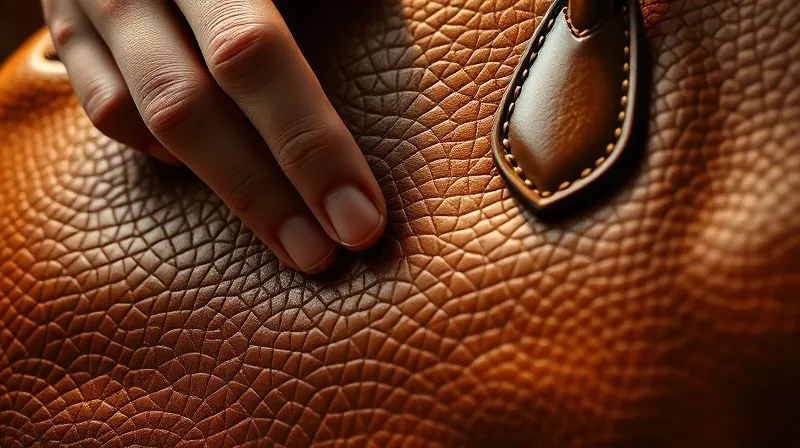
Leather: Genuine luxury leather, whether it's calfskin, lambskin, or exotic crocodile, has a distinctive smell, texture, and flexibility. It should feel rich, often smooth or subtly grained, and never plasticky or overly stiff unless it's a very specific, structured design. Lambskin from Chanel, for example, is incredibly soft and supple, while Louis Vuitton's Epi leather has a unique, durable texture. Fakes often use synthetic leathers or lower-grade hides that lack this depth and character. The way the leather ages is also a tell-tale sign; authentic leather develops a beautiful patina, while fakes tend to crack, peel, or simply look worn out in an unattractive way.
Lining: Don't overlook the interior! The lining material, whether it's Alcantara, canvas, or another type of leather, should be of high quality, neatly installed, and free of wrinkles or loose threads. The color should be consistent and vibrant. For example, the iconic red leather lining in many vintage Hermès bags is unmistakable in its quality and hue.
4. Hardware Hues and Stamps: A Closer Look at Metallic Details
Hardware is often considered the 'jewelry' of a luxury bag, and it's an area where brands spare no expense. This makes it an excellent focal point for authentication, especially for vintage pieces where original provenance is missing. Counterfeiters frequently cut corners here due to the cost and complexity of replicating high-quality metals and finishes.
- Weight and Feel: Authentic hardware, whether it's a clasp, zipper, or chain, should feel substantial and solid. It's usually made from brass, gold-plated metals, or other high-quality alloys, giving it a satisfying weight. Fakes often use lighter, cheaper metals that feel hollow or flimsy.
- Finish: Examine the finish for consistency and quality. Is it evenly plated? Is there any chipping, bubbling, or discoloration that seems out of place for a well-maintained vintage item? For instance, Chanel's gold plating is typically a rich, warm tone, not a brassy yellow.
- Engravings and Stamps: Many brands engrave their logos, names, or specific markings onto the hardware. These engravings should be crisp, precise, and evenly spaced. Look for any signs of blurring, unevenness, or shallow stamping. For example, Hermès hardware often has subtle, clean engravings. Zippers are particularly telling; check the brand of the zipper (e.g., Lampo, Riri, Eclair for some brands) and ensure the pull tab matches the brand's specific design for that era.
Case Study: The Misidentified 'Vintage' Dior Saddle
A client recently brought me a beautiful Dior Saddle bag, purchased online as 'vintage, no papers.' It had a convincing overall look, the leather felt decent, and even the interior lining seemed right. However, when we meticulously examined the hardware, the story changed. The 'CD' logo charms, while present, felt slightly too light, and the engraving on the zipper pull was just a hair less precise than genuine examples I had on file from that era. Crucially, the back of the zipper slider, which often carries a specific brand mark (like 'Lampo' or 'YKK' for certain periods), was completely blank. These subtle inconsistencies, particularly the lack of an expected zipper mark, revealed it to be a high-quality replica. My client, empowered by this knowledge, was able to secure a refund, saving a significant investment.
5. Stitching, Edging, and Glazing: The Unsung Heroes of Quality
The devil is truly in the details when it comes to luxury craftsmanship, and nowhere is this more evident than in the stitching, edging, and glazing of a vintage bag. These elements are often overlooked by the casual observer, but they are critical indicators of authenticity for the trained eye. According to a study published by the World Intellectual Property Organization (WIPO), the consistency and precision of manufacturing processes are key differentiators between genuine and counterfeit luxury goods.
| Detail | Authentic Characteristic | Counterfeit Red Flag |
|---|---|---|
| Stitching | Even, tight, consistent spacing, no loose threads, specific stitch count/inch | Uneven, loose, frayed, irregular spacing, visible knots |
| Edging (Piping) | Smooth, uniform, neatly sealed, perfectly aligned with seams | Rough, lumpy, peeling, inconsistent thickness, misaligned |
| Glazing | Smooth, flexible, consistent sheen, perfectly applied without excess | Sticky, brittle, cracking, unevenly applied, visible drips or bubbles |
- Stitching: Authentic luxury bags feature incredibly precise stitching. Look for perfectly straight, evenly spaced stitches. There should be no loose threads, no double stitching where it shouldn't be, and no crooked lines. For brands like Hermès, the saddle stitch is a hallmark of their hand-sewn leather goods, a technique that is extremely difficult to replicate by machine or by an untrained hand. Chanel's diamond quilting, for instance, should have perfectly aligned stitches, with the 'points' of the diamonds meeting precisely.
- Edging (Piping): The piping or edges of the bag, particularly on handles and flaps, should be smooth, neatly finished, and consistent. Authentic bags often use a heat-sealed or rolled edge that is incredibly durable and clean. Fakes frequently have rough, poorly finished edges that might peel or crack over time.
- Glazing: Glazing is the sealant applied to the raw edges of leather. On an authentic bag, this glazing should be smooth, slightly flexible, and perfectly applied without any excess spilling onto the leather. It should not be sticky, brittle, or prone to cracking. Poorly applied or low-quality glazing is a very common tell for fakes.
6. The 'Sniff Test' and Wear Patterns: Subtle Cues and Red Flags
While often dismissed as anecdotal, the 'sniff test' and an understanding of authentic wear patterns can offer surprisingly reliable insights, especially for vintage pieces. As luxury guru Seth Godin often says, "The details are not the details. They make the design." This extends to the sensory experience and the way a bag ages.
The 'Sniff Test': Authentic leather has a distinct, rich aroma. It's a natural, earthy smell that can vary slightly depending on the tanning process, but it's never chemical, plasticky, or overwhelmingly artificial. Counterfeit bags, especially those made with synthetic materials or poor-quality adhesives, often emit a strong chemical odor that is a significant red flag. I've encountered bags that smelled so strongly of glue or petroleum that it was an immediate indicator of a fake, regardless of other visual cues.
Authentic Wear Patterns: Vintage bags, by their very nature, will show signs of wear. However, authentic bags tend to age gracefully. Leather will develop a beautiful patina, corners might show gentle rubbing, and hardware might have slight scratches or dulling consistent with years of use. What you should look for are wear patterns that align with natural use. For example, the bottom corners might be slightly worn, or the handle might have softened from being carried. Red flags include:
- Premature or excessive cracking/peeling: Especially on areas that wouldn't see heavy stress.
- Uniform, artificial-looking 'distress': Fakes sometimes try to mimic vintage wear but do so in an unnatural, machine-generated way.
- Disproportionate wear: For example, a bag that looks brand new except for one severely damaged area that doesn't make sense with overall condition.
- Fading or discoloration inconsistent with material: Synthetic dyes in fakes often fade or bleed unevenly.
7. Leveraging Expert Resources: When to Call in the Pros
Even with all the knowledge in the world, there are times when the best course of action is to consult a professional. This is particularly true for high-value vintage items or when you're still uncertain after your own thorough inspection. Think of it as a second opinion from a specialist. The investment in professional authentication is often a small price to pay for peace of mind and protection against a costly mistake, especially when you're trying to authenticate vintage luxury bags lacking original provenance.
- Online Authentication Services: Several reputable companies specialize in authenticating luxury bags based on high-resolution photos. Services like Entrupy (which uses AI and microscopic analysis), Real Authentication, or Authenticate First offer certificates of authenticity. They have extensive databases of known genuine and counterfeit items and their teams are trained to spot the most subtle discrepancies.
- Reputable Consignment Stores: High-end luxury consignment stores often have in-house authenticators or work with external experts. While they won't authenticate a bag for a fee usually, they will certainly tell you if they would accept it for consignment, which is a strong indicator of authenticity.
- Brand Boutiques (with caution): Some brand boutiques may offer to inspect a bag, but many have policies against authenticating items not purchased directly from them, to avoid liability. It's worth a polite inquiry, but don't rely on it as your primary method.

8. Protecting Your Investment: Post-Authentication Best Practices
Once you've successfully authenticated your vintage luxury bag, the journey doesn't end there. Proper care and storage are paramount to preserving its value and beauty for years to come. This is especially true for vintage items, which may require a little extra TLC due to their age and potentially delicate materials. As a veteran in this niche, I've seen countless beautiful bags diminish in value due to improper handling, even after their authenticity has been confirmed.
Storage: Always store your bag in its original dust bag (if you acquire one separately, or a high-quality breathable cotton bag if not). Avoid plastic bags, which can trap moisture and cause damage. Stuff the bag with acid-free tissue paper or a bag shaper to maintain its silhouette and prevent creasing. Store it upright, away from direct sunlight, extreme temperatures, and humidity. A dry, cool, and dark place is ideal. For delicate leathers, consider using a specialized leather conditioner periodically, but always test on an inconspicuous area first.
Cleaning and Maintenance: For minor dirt or dust, a soft, dry cloth is usually sufficient. For deeper cleaning, especially on specific leathers, consult a professional leather cleaner or a specialist who deals with luxury goods. Never use harsh chemicals or abrasive cleaners. Addressing minor issues promptly, like a loose stitch or a tarnished piece of hardware, can prevent them from becoming major problems down the line. Regular, gentle maintenance is key to prolonging the life and enhancing the value of your authenticated vintage luxury bag.
"An authenticated vintage luxury bag is not just an accessory; it's a piece of history, an investment, and a testament to enduring craftsmanship. Treat it with the reverence it deserves, and it will reward you with timeless elegance."
By following these post-authentication best practices, you're not just preserving a bag; you're safeguarding a tangible piece of luxury heritage. This diligent care reflects the same level of respect and attention that went into its original creation, ensuring your cherished acquisition remains a valuable and beautiful asset for future generations.
Frequently Asked Questions (FAQ)
Q: Can I truly authenticate a luxury bag with just photos, especially without original provenance? A: While it's more challenging, it is absolutely possible to make a very strong assessment using high-resolution photos. You need clear, detailed shots of all critical areas: hardware, stitching, interior, date codes/serial numbers, logos, and materials. Many professional online authentication services rely solely on expert analysis of detailed images. However, for ultimate certainty, a physical inspection by a seasoned expert is always preferred.
Q: What are the most common 'tells' for a fake vintage luxury bag? A: In my experience, the most common tells include inconsistent stitching (uneven, loose, or incorrect stitch count), poor-quality hardware (lightweight, cheap plating, blurry engravings), incorrect or poorly executed date codes/serial numbers (wrong font, placement, or format), and an unnatural smell (chemical, plasticky). The overall 'feel' and balance of the bag are also strong indicators that fakes often fail to replicate.
Q: Is it always worth paying for professional authentication for a vintage bag without papers? A: For high-value vintage luxury bags, especially those from top-tier brands like Hermès, Chanel, or certain limited-edition Louis Vuitton pieces, professional authentication is almost always a worthwhile investment. The cost of authentication is minuscule compared to the potential loss from unknowingly purchasing a counterfeit. It provides peace of mind and enhances the bag's resale value if you ever decide to part with it.
Q: Do all vintage luxury bags have date codes or serial numbers? A: No, not all vintage luxury bags have date codes or serial numbers, especially older pieces from the 1970s and earlier. Manufacturing practices have evolved. For example, some very early Louis Vuitton pieces may not have date codes, and Chanel only introduced serial numbers with holograms in 1986. Understanding the brand's specific historical practices for the purported era of the bag is crucial.
Q: How can I educate myself further on a specific brand's authentication details? A: Beyond this guide, I recommend immersing yourself in brand-specific communities and resources. Join dedicated online forums (like PurseForum), follow reputable vintage luxury sellers on social media, and study high-resolution images of authenticated pieces from various eras. Many brands also publish their history and craftsmanship details on their official websites or in high-quality fashion publications like Vogue or Harper's Bazaar. Consistency is key: the more authentic examples you see, the better your eye will become at spotting discrepancies.
Key Takeaways and Final Thoughts
Authenticating vintage luxury bags lacking original provenance is undoubtedly a nuanced art, but it's an art that can be mastered with patience, meticulous attention to detail, and a structured approach. My goal today was to demystify this process and equip you with the expert tools and confidence needed to navigate the exciting world of pre-loved luxury.
- Become a Brand Historian: Understand the specific manufacturing evolution and design signatures of your target brand for the relevant era.
- Detail-Oriented Inspection: Go beyond the surface. Examine stitching, hardware, materials, and interior linings with a critical eye.
- Decode the Codes: Learn to interpret date codes and serial numbers, but always verify their format and execution against known authentic examples.
- Trust Your Senses: The 'feel' and 'smell' of a genuine luxury item are incredibly difficult for fakes to replicate.
- Know When to Call for Backup: Don't hesitate to engage professional authentication services for high-value or uncertain pieces.
Remember, every vintage luxury bag tells a story, and part of that story is its authenticity. By applying these expert strategies, you're not just buying a bag; you're investing in a piece of fashion history, safeguarding your investment, and truly becoming a connoisseur. Approach each piece with curiosity and a discerning eye, and you'll find yourself confidently unearthing genuine treasures where others see only risk. Happy hunting!
Recommended Reading
- Outsourced Costume Quality: 7 Steps to Flawless Production & Control
- The Ultimate Guide: How to Make Basic Outfits Look Effortlessly Chic
- Unveiling the Secret: What is the Process of Creating a Haute Couture Gown?
- 5 Expert Strategies: Wear Smart Accessories Without Looking Inappropriate
- Unveiling the Secrets: What Materials Are Best for Fantasy Costume Durability?


Your email address will not be published. Required fields are marked *