


How to Wear Smart Accessories Without Looking Inappropriate?
For over two decades in the accessories industry, I've seen countless individuals grapple with a common dilemma: how to elevate their style with smart accessories without crossing the line into ostentatious or, worse, inappropriate territory. It's a delicate balance, one that often feels more like navigating a minefield than choosing a complementary piece.
The pain point is palpable. You want to express your unique style, perhaps showcase a piece of technology that enhances your life, or simply add a touch of sophistication to your ensemble. Yet, there's that nagging fear: Am I overdoing it? Does this look professional? Am I sending the wrong message in a formal setting, or perhaps seeming out of place in a casual one?
This article isn't just about rules; it’s about understanding the psychology of perception, the art of subtle communication, and the strategic integration of accessories into your personal brand. I'm going to share actionable frameworks, real-world insights, and the distilled wisdom from my years of experience, ensuring you'll master the art of wearing smart accessories with confidence and impeccable taste.
The Foundation: Understanding Context and Occasion
The first, and arguably most crucial, step in mastering accessory appropriateness is understanding the context in which you're dressing. What flies at a weekend brunch might be a grave misstep in a boardroom. As an industry veteran, I've learned that accessories are not standalone items; they are extensions of your overall presentation, and that presentation must align with the environment.
Decoding Dress Codes: Unspoken Rules and Nuances
Dress codes, whether explicit or implicit, are your initial guide. A 'business formal' environment, for instance, demands understated elegance. Think classic watches, subtle cufflinks, and perhaps a delicate necklace. A 'business casual' setting offers more leeway, allowing for slightly bolder choices like a statement belt or a more intricate bracelet, but still within professional bounds. Even 'smart casual' has its limits; while it permits more personal expression, it doesn't invite novelty items or overly flashy pieces. I always advise my clients to observe the prevailing style of the environment they're entering. When in doubt, err on the side of simplicity.
According to a study published by Harvard Business Review, first impressions, often heavily influenced by visual cues, are formed within seconds and can significantly impact professional outcomes. Accessories play a silent yet powerful role in shaping these perceptions.
Professional vs. Personal: The Distinct Lines
The line between professional and personal accessory choices can blur, leading to common missteps. In a professional setting, your accessories should complement your capabilities, not distract from them. I often tell people: your accessories should whisper, not shout. This means avoiding anything that jingles excessively, reflects light too brightly, or is so large it interferes with tasks. For personal events, the rules relax considerably. Here, you can experiment more freely with trends, bolder colors, and more expressive pieces that genuinely reflect your personality. The key is to be intentional about which 'you' you are presenting.
"Your accessories are a silent language. Ensure they speak of professionalism, respect, and confidence, especially in formal settings."
The Art of Subtlety: Less is Often More
One of the most common pitfalls I've observed is the tendency to over-accessorize. In the quest for impact, many end up diluting their message. True elegance, in my experience, lies in restraint and the strategic deployment of a few impactful pieces rather than a multitude of distracting ones.
Quality Over Quantity: Investing in Timeless Pieces
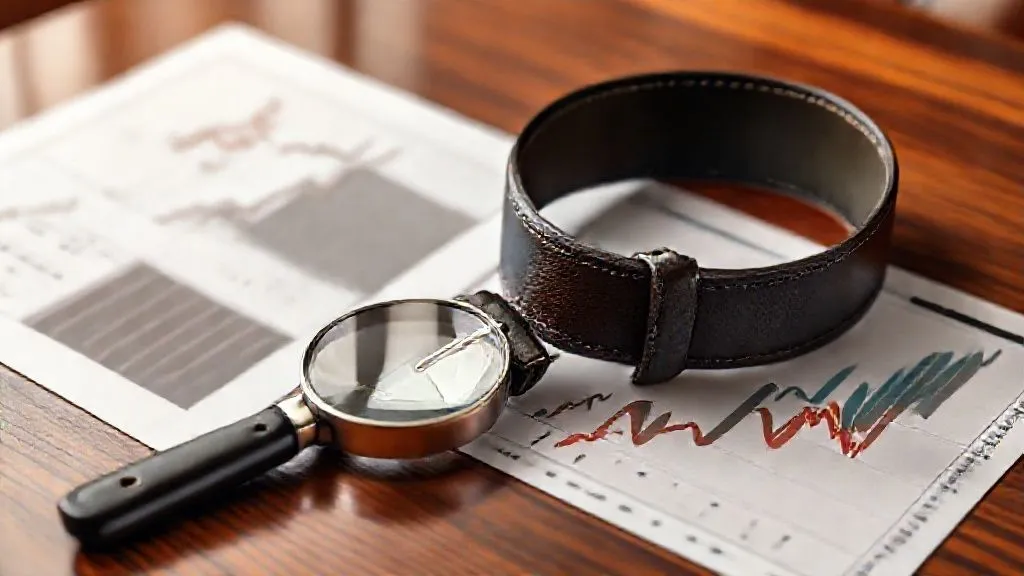
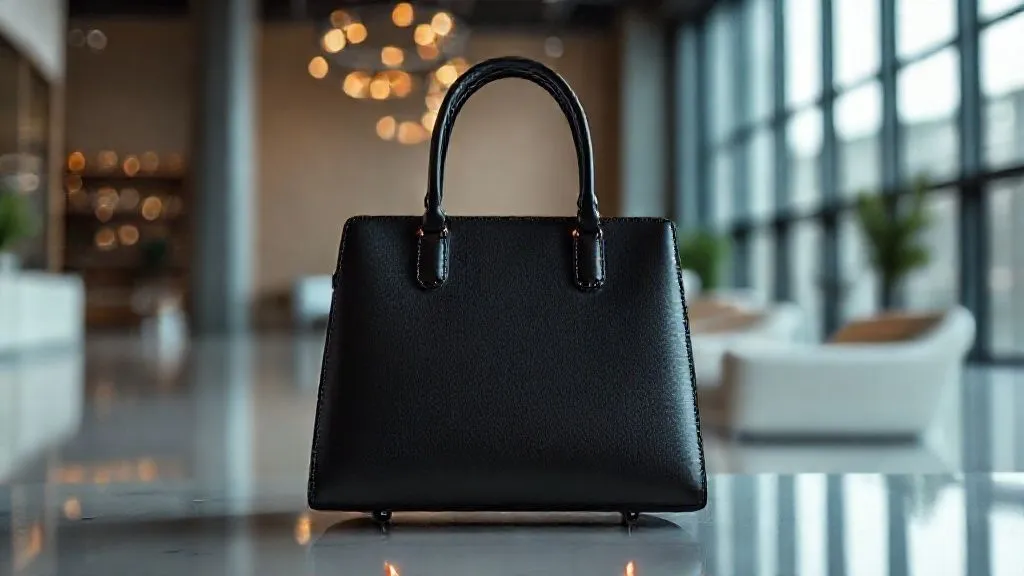
Rather than accumulating a large collection of trendy, inexpensive accessories, I consistently advocate for investing in a few high-quality, timeless pieces. A well-crafted leather belt, a classic watch, or a pair of genuine pearl earrings will always look more appropriate and sophisticated than a collection of cheaper, mass-produced items. Quality accessories not only last longer but also convey a sense of discernment and respect for one's own presentation. They are investments in your personal brand.
- Assess Your Core Wardrobe: Identify your most frequently worn outfits and consider what accessories would seamlessly integrate across multiple looks.
- Prioritize Versatility: Choose pieces that can transition from day to evening, or from business casual to semi-formal with ease.
- Research Materials: Learn about different metals, stones, and leathers to understand their durability and aesthetic appeal.
The Power of a Single Statement Piece
If you desire to make a statement, do so with a single, well-chosen piece. This could be a striking necklace, a unique watch, or an artfully designed brooch. When one accessory takes center stage, the others should recede into the background, providing subtle support rather than competing for attention. This principle of 'one focal point' ensures your look remains harmonious and intentional. For example, if you're wearing a bold, geometric necklace, pair it with simple stud earrings and no bracelet. The statement piece then truly shines, rather than getting lost in a cacophony of adornments.
Mastering Scale and Proportion
The size and scale of your accessories relative to your body type and outfit are critical for maintaining an appropriate look. An accessory that is too large can overwhelm a petite frame, while one that is too small might get lost on a larger physique. This often overlooked aspect is where many go wrong.
Body Type and Accessory Fit
Just as clothing should fit your body, so too should accessories. For those with a delicate bone structure, dainty necklaces and slender bracelets often look most elegant. For individuals with a more robust build, slightly chunkier pieces can be more proportionate. Think about the width of your wrists when choosing bracelets, or the length of your neck when selecting necklaces. The goal is to create visual harmony, ensuring that your accessories enhance your features rather than detract from them. It's about complementary sizing, not just personal preference.
Balancing Your Outfit: The Visual Weight Principle
Consider the 'visual weight' of your outfit. If your clothing is already busy with patterns, textures, or bold colors, opt for minimalist accessories. Conversely, if your outfit is simple and monochromatic, a carefully chosen statement accessory can add much-needed interest. Avoid competing elements. A highly structured suit calls for streamlined accessories, whereas a flowing, softer dress might accommodate more organic or fluid designs. This principle prevents your overall look from appearing chaotic or unbalanced.
"The most appropriate accessories are those that feel like a natural extension of your personal style, seamlessly integrated with your outfit and the occasion."
Integrating Smart Tech with Style
The rise of wearable technology has introduced a new layer of complexity to accessorizing. How do you incorporate smartwatches, fitness trackers, and other gadgets without looking like a tech enthusiast who forgot their fashion sense? This is a frontier where appropriateness is often defined by innovation meeting elegance.
Smartwatches and Fitness Trackers: Blending Function and Fashion
Smartwatches, once clunky and overtly techy, have evolved significantly. Many now offer interchangeable bands and sophisticated designs that mimic traditional timepieces. The key is to choose models and bands that align with your overall style. For professional settings, opt for leather or metal bands in classic colors (black, brown, silver, gold) and watch faces that are clean and uncluttered. Avoid brightly colored silicone bands or overly sporty designs unless you are in a truly casual environment or exercising. Think of your smartwatch as a modern wristwatch, and style it accordingly. Some brands even offer luxury versions specifically designed for formal wear.
Discreet Earbuds and Wearables: The Invisible Accessory
Wireless earbuds have become ubiquitous, but their visibility can sometimes be an issue for appropriateness. In formal meetings or quiet environments, having large, brightly colored earbuds visibly protruding can appear unprofessional or distracting. Opt for discreet, skin-toned, or black/white models that blend in, or remove them entirely when not actively in use. The goal is for your technology to serve you, not to make an overt statement that might be perceived as rude or out of place. Other wearables, like health monitors, should ideally be worn under clothing if they are not aesthetically integrated into your outfit.
Case Study: How AuraTech Blended Innovation with Elegance
AuraTech, a leading software development firm known for its innovative yet conservative culture, faced a challenge. Their younger employees, keen on wearable tech, were often seen with brightly colored fitness trackers and oversized smartwatches in client meetings, clashing with the firm's polished image. I was brought in to consult. We implemented a 'Tech-Chic' guideline, encouraging employees to invest in smartwatches with interchangeable leather or metal bands and to select discreet, smaller form-factor earbuds. AuraTech also provided a curated list of approved accessories that balanced functionality with professional aesthetics. Within six months, feedback from clients improved, noting a more cohesive and sophisticated presentation from the AuraTech team, demonstrating that blending innovation with elegance is not only possible but beneficial for a company's image.
Color Harmony and Material Mindfulness
The colors and materials of your accessories are as important as their design. They contribute significantly to the overall mood and appropriateness of your ensemble. An expert eye knows that these details can either elevate or undermine your look.
Tonal Dressing with Accessories
One of the safest and most sophisticated ways to ensure appropriateness is through tonal dressing. This involves choosing accessories in shades that are in the same color family as your clothing, or in neutral tones (black, white, gray, nude, metallics). This creates a cohesive and harmonious look that is inherently elegant and rarely inappropriate. For example, if you're wearing a navy suit, opt for silver or white gold accessories, or a watch with a dark blue leather strap. This avoids jarring contrasts and projects an image of thoughtful coordination.
Mixing Metals and Textures: When and How
While traditional wisdom often advised sticking to one metal (all gold or all silver), modern styling allows for tasteful mixing. The key is balance and intention. I advise choosing one dominant metal and using the other as an accent. For instance, wear a silver watch but add a delicate gold ring. Also, consider texture: a smooth leather bag with a textured scarf, or a polished metal bracelet with a woven fabric detail. Mixing textures adds depth and interest without adding visual clutter, making your accessories feel more curated and less random. However, in very formal settings, it's often safer to stick to a single metal for utmost appropriateness.
The Power of Purposeful Placement
Where and how you wear an accessory can dramatically alter its impact and appropriateness. Strategic placement ensures your accessories enhance your features and complement your outfit, rather than competing for attention or appearing out of place.
Necklines and Necklaces: A Perfect Pairing
The relationship between your necklace and your neckline is crucial. A chunky statement necklace can look out of place with a high-collared shirt, while a delicate pendant might get lost with a busy pattern. For V-necks, necklaces that mirror the V-shape or fall just above the dip are ideal. For crew necks, chokers or longer pendants can work. In professional settings, keep necklaces simple and close to the neck, avoiding anything too long or dangly that might interfere with tasks or become a distraction. The goal is to frame your face and draw the eye upwards, not downwards to an overly elaborate piece.
Cuffs and Bracelets: The Arm Candy Dilemma
When it comes to bracelets, consider your sleeve length and the formality of your attire. In a professional environment, a single, elegant watch paired with one or two slim bracelets is often sufficient. Avoid stacking multiple noisy bangles that jingle with every movement, as this can be distracting in quiet settings. If wearing long sleeves, ensure bracelets are either slim enough to fit under the cuff or worn over it intentionally as a fashion statement (less common in formal settings). For short sleeves, you have more freedom, but still prioritize quality over quantity. The aim is to enhance your wrist, not overwhelm it.
"Every accessory you choose sends a message. Make sure that message is one of sophistication, intentionality, and respect for your environment."
Confident Communication Through Accessories
Beyond aesthetics, accessories are powerful non-verbal communicators. They can signal your attention to detail, your personal brand, and even your respect for the occasion. Understanding this communicative power is key to ensuring your accessories are always appropriate.
Non-Verbal Cues and First Impressions
As a veteran in this field, I've observed that people unconsciously make judgments based on the smallest details. A perfectly chosen accessory can convey confidence, trustworthiness, and an appreciation for quality. Conversely, ill-fitting, cheap, or overly flashy accessories can unintentionally signal disorganization, lack of taste, or even a disregard for professional standards. Your accessories are part of your visual resume; ensure they are polished and professional. According to a study from the Forbes Leadership Institute, attention to detail in appearance can significantly impact perceived competence and reliability.
Avoiding Distractions: The Subtlety Imperative
The ultimate test of an appropriate accessory is whether it enhances your presence without becoming a distraction. In a professional meeting, you want people to focus on your words and ideas, not on your jingling bracelets or a glittering brooch that catches the light too much. Accessories should be part of the background hum of your style, not a blaring siren. If you find yourself constantly adjusting a piece, or if it makes noise, it's likely too distracting for a formal or focused environment. Subtlety is your ally in maintaining focus on what truly matters: your competence and communication.
Frequently Asked Questions (FAQ)
Q: Is it ever appropriate to wear a smartwatch with a formal suit or evening gown? A: Absolutely, but with caveats. For a formal suit, choose a smartwatch with a sleek, minimalist design and pair it with a high-quality leather or metal band (e.g., black leather, silver mesh). For an evening gown, it's generally best to opt for a traditional, elegant timepiece or a delicate bracelet. If you must wear a smartwatch, ensure it's a very high-end model with a jewel-toned or metallic band that blends seamlessly with the gown's aesthetic, and consider wearing it on your non-dominant wrist so it's less conspicuous. The goal is discretion and elegance.
Q: How many rings are too many for a professional setting? A: In a professional setting, less is almost always more. I recommend no more than two rings per hand, including your wedding ring. These should ideally be relatively simple and elegant. Large, chunky, or multiple rings can be distracting and may appear unprofessional. The focus should be on your hands for gestures and tasks, not on an array of jewelry.
Q: Can I wear a baseball cap or beanie as a 'smart accessory' in a business casual environment? A: Generally, no. While 'smart casual' offers more flexibility, headwear like baseball caps or beanies typically falls into the 'casual' category and is rarely considered appropriate for a business environment, even a relaxed one. They can convey a lack of seriousness or professionalism. An exception might be a very specific creative industry where such attire is an accepted part of the culture, but this is rare. For most, it's best to reserve them for genuinely casual, non-work settings.
Q: What's the rule for wearing perfume or cologne as an 'accessory'? A: Fragrance is indeed an accessory, and its appropriateness is paramount. The golden rule is 'less is more'. Your fragrance should be subtle and detectable only in close proximity, not across a room. Strong, overpowering scents can be distracting, cause discomfort for others with sensitivities or allergies, and even be perceived as unprofessional. Opt for light, fresh, or classic scents, and apply sparingly – typically one or two spritzes. Consider the environment: a very light scent for an office, and perhaps a slightly richer one for an evening event.
Q: Are visible tattoos and piercings considered 'inappropriate accessories' in formal settings? A: This is evolving, but in very formal or conservative settings, it's still safest to err on the side of caution. While many workplaces are becoming more accepting, large or numerous visible tattoos and piercings can still be perceived negatively in certain traditional professional environments. If you have them, consider covering tattoos with clothing or makeup for highly formal occasions. For piercings, opt for discreet studs or remove them if possible. In creative or more modern industries, the rules are often relaxed, but always assess the specific culture of the event or workplace.
Recommended Reading
- Apple Picking Perfection: Best Fall Accessories for Your Outfit
- Unlock Ultimate Comfort: How Responsive Textiles Enhance Wearer Experience
- Unlock the Secrets: How Do Brands Achieve Sustainable Textile Sourcing?
- Why Fashion Editorial Photography Fails: 7 Fixes for Brand Engagement
- 8 Keys to Authentically Market Haute Joaillerie to UHNW Gen Z
Key Takeaways and Final Thoughts
Mastering how to wear smart accessories without looking inappropriate is an art, not a rigid science. It's about thoughtful consideration, understanding context, and cultivating an eye for subtle elegance. As an industry expert, I've seen the transformative power of well-chosen accessories – they don't just complete an outfit; they complete a confident, professional presence. Remember these critical points:
- Context is King: Always consider the occasion and dress code first.
- Embrace Subtlety: Focus on quality over quantity, and let one statement piece shine.
- Mind Proportion: Ensure accessories complement your body type and outfit's visual weight.
- Integrate Tech Smartly: Choose tech accessories that blend seamlessly with your personal style.
- Harmonize Colors & Materials: Opt for tonal dressing and intentional mixing.
- Strategize Placement: Use accessories to enhance, not distract.
- Communicate Confidence: Let your accessories speak of your professionalism and attention to detail.
Your accessories are powerful tools in your personal branding arsenal. By applying these expert strategies, you'll not only avoid common faux pas but also cultivate a style that is consistently appropriate, sophisticated, and authentically you. Go forth and accessorize with confidence, knowing you're making the right statement, every time.



Your email address will not be published. Required fields are marked *