

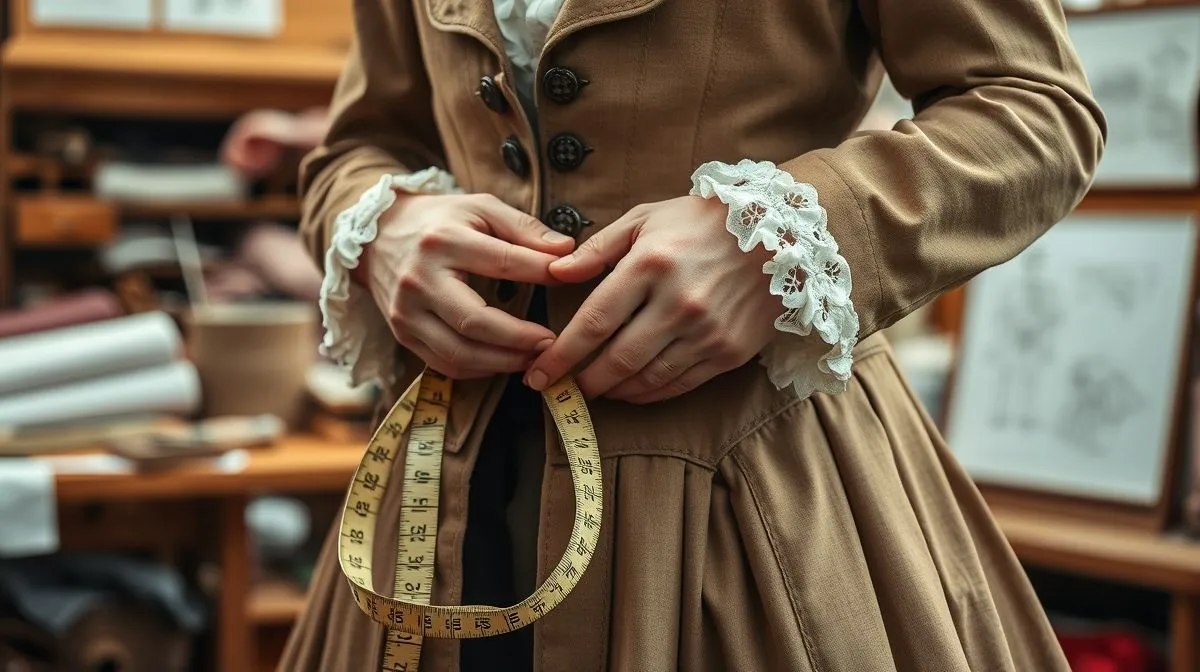
Ensuring Consistent Quality in Outsourced Costume Construction?
For over 25 years in the intricate world of costume design, I've navigated countless productions, from intimate theatrical pieces to large-scale film epics. One of the most persistent and often underestimated challenges I've observed, and personally tackled, is the perilous tightrope walk of outsourcing costume construction. The allure of specialized skills, cost efficiencies, and expanded production capacity is undeniable, yet the abyss of quality inconsistencies, missed deadlines, and compromised artistic vision looms large.
Many designers and production managers find themselves caught in a frustrating cycle: a brilliant design concept leaves their studio, only to return as a garment that falls woefully short of expectations. This isn't just about a few loose threads; it's about fundamental misinterpretations, material substitutions, and construction shortcuts that can jeopardize an entire production's aesthetic integrity and budget. The emotional toll of seeing your creative vision diluted due to a lack of control over the outsourced process is immense, not to mention the practical nightmare of last-minute reworks.
But what if there was a robust framework, a set of actionable strategies honed over decades of industry experience, that could transform this precarious process into a predictable, high-quality outcome? In this definitive guide, I will share the exact methodologies I've developed and refined to ensure consistent quality in outsourced costume construction. We'll delve into everything from meticulous documentation and rigorous vendor vetting to proactive quality assurance protocols and the art of building truly collaborative partnerships, providing you with the tools to master your outsourced supply chain and bring your designs to life flawlessly.
The Allure and The Abyss: Why Outsourcing Calls (And Sometimes Fails)
The decision to outsource costume construction often stems from a strategic need. Perhaps your in-house team lacks the specialized machinery for intricate embroidery, or you need to scale production rapidly for a multi-season series. Outsourcing can unlock access to global talent pools, specialized workshops, and potentially more competitive pricing, allowing your core team to focus on design and artistic direction.
The Promise of Scale and Specialization
I've personally witnessed how outsourcing to a workshop skilled in, say, historical corsetry or complex creature suits, can elevate a production beyond what a generalist in-house team could achieve. It allows for a division of labor where each entity focuses on its strengths, theoretically leading to superior results and faster turnaround times. For large-scale productions, the ability to produce hundreds of identical background costumes simultaneously is a logistical necessity that often mandates external partnerships.
The Hidden Traps: Miscommunication, Misaligned Expectations, and Material Mishaps
However, the promise often collides with reality. The most common pitfalls I've encountered are rooted in a breakdown of communication. A seemingly minor detail missed in a design brief can lead to a fundamental flaw in the final garment. Cultural differences, language barriers, and differing interpretations of quality standards can transform a simple instruction into a major production error. Furthermore, material substitutions, often made to cut costs or due to availability issues, can subtly (or not-so-subtly) alter the look, feel, and durability of a costume, directly impacting its stage presence and longevity. It’s a delicate dance where every step must be choreographed.
Laying the Foundation: Impeccable Design & Documentation
The cornerstone of successful outsourced costume construction is the clarity and completeness of your documentation. Your design brief isn't just a suggestion; it's the gospel. Any ambiguity here will inevitably lead to discrepancies down the line, costing time, money, and creative integrity.
The Power of the Tech Pack: Your Blueprint for Perfection
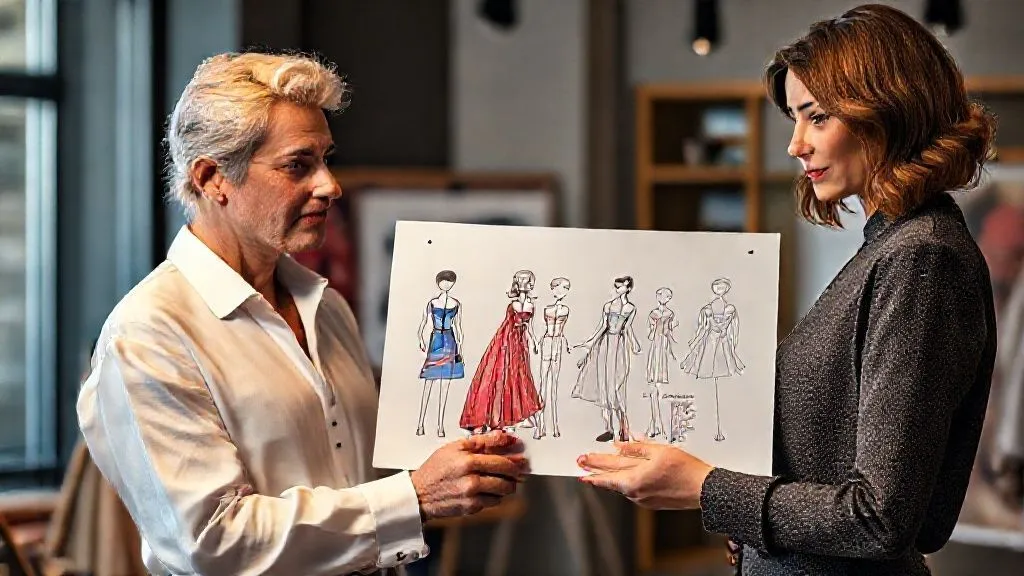
In my experience, a comprehensive 'tech pack' is the single most critical tool for ensuring consistent quality. This isn't just a sketch; it's an exhaustive manual for your costume. Think of it as the DNA of your design. It leaves no room for guesswork, ensuring that every stitch, every seam, and every embellishment is executed precisely as intended.
- Detailed Technical Drawings: Front, back, and side views with clear callouts for construction details, seams, and closures. Use industry-standard symbols.
- Precise Measurement Specifications: Include a graded spec sheet for all sizes, with tolerance allowances clearly defined. Specify body measurements and garment measurements.
- Fabric & Trim Swatches: Attach actual swatches of all approved fabrics, linings, interfacings, threads, zippers, buttons, and embellishments. Include supplier names and color codes.
- Construction Notes: Step-by-step instructions for garment assembly, outlining specific seam types (e.g., French seams, flat-felled), stitching details (e.g., topstitching, stitch per inch), and finishing techniques (e.g., rolled hems, bound buttonholes).
- Embellishment & Application Guides: Detailed diagrams or photographs showing the exact placement and method for applying appliques, embroidery, beading, and other decorative elements.
- Color Standards: Provide Pantone or specific fabric dye codes for color matching, especially crucial for historical accuracy or brand consistency.
- Fit & Draping Notes: Describe the desired drape, silhouette, and fit characteristics, including any specific tailoring requirements.
The Non-Negotiables: Quality Standards & Tolerances
Beyond the design, you must define measurable quality standards. What is an acceptable stitch per inch? What level of colorfastness is required? What is the maximum allowable seam allowance variation? These are the metrics against which the final product will be judged. I always include a section on acceptable tolerances for all key measurements and construction elements. For instance, I might specify a stitch per inch (SPI) range or a maximum deviation for a garment's length. This quantitative approach removes subjective interpretation and provides clear benchmarks for both you and your manufacturer.
Vendor Vetting: Choosing Your Creative Collaborators Wisely
Selecting the right outsourcing partner is as crucial as the design itself. This isn't merely a transactional relationship; it's a creative partnership. A thorough vetting process will save you countless headaches down the line and is fundamental to ensuring consistent quality in outsourced costume construction.
Beyond the Portfolio: Due Diligence & Site Visits
While an impressive portfolio is a good starting point, it's merely the cover of the book. I advocate for deep due diligence. Whenever possible, conduct a physical site visit to their facilities. If distance makes this impossible, arrange comprehensive video tours. What you're looking for goes beyond cleanliness:
- Equipment & Technology: Do they have the appropriate industrial sewing machines, pattern-making software, and specialized tools required for your specific costume needs?
- Team Expertise: Observe their staff. Are they skilled, organized, and do they demonstrate attention to detail? Ask about their training and experience with similar projects.
- Quality Control Processes: How do they conduct in-process checks? Do they have a dedicated QC team? Ask to see their QC documentation and procedures.
- Material Sourcing & Storage: How do they manage raw materials? Is there a system to prevent errors or damage?
- Communication & Logistics: How responsive are they? Do they have a clear point of contact?
The Pilot Project: A Litmus Test for Long-Term Success
Never dive into a large production run with a new vendor. Always initiate with a small pilot project or a sample order. This acts as a litmus test, allowing you to assess their communication, craftsmanship, adherence to specifications, and problem-solving abilities without committing significant resources. It's a low-risk way to identify potential issues and build a working relationship before scaling up. As I often tell my mentees,
"Trust is built on consistent performance, not just good intentions. Verify their capabilities before you bet your production on them."
Communication: The Unseen Thread in Quality Control
Effective communication is the lifeblood of any successful outsourced project. It's not just about what you say, but how you say it, and how often. Misunderstandings are the leading cause of quality issues, and in costume construction, even a slight misinterpretation can snowball into a major flaw.
Establishing Clear Channels and Protocols
From the outset, establish clear communication channels and protocols. Designate a single point of contact on both sides to streamline information flow and avoid confusion. Regular, scheduled video calls are invaluable – far superior to email alone. They allow for real-time discussion, immediate clarification, and the ability to visually assess progress or problems. I insist on weekly check-ins, even if just for 15 minutes, to maintain momentum and address nascent issues before they become crises.
Visual Communication: Pictures Speak a Thousand Stitches
In a field as visual as costume design, relying solely on written instructions is a recipe for disaster. Embrace visual communication. When providing feedback on prototypes or samples, use annotated photographs or short video clips to highlight specific areas of concern. Circle the problematic seam, point to the incorrect fabric texture, or demonstrate the desired drape. This leaves no room for misinterpretation. Develop a clear visual feedback loop system where your vendor can also send you progress photos or videos for approval at critical stages, allowing you to intervene proactively.
Proactive Quality Assurance: From Fabric to Finish
Quality control isn't a final inspection; it's a continuous process embedded throughout the entire production cycle. Catching errors early is exponentially cheaper and less disruptive than discovering them at the final stage. This proactive approach is paramount for ensuring consistent quality in outsourced costume construction.
Raw Material Inspection: Don't Skimp on the Source
The quality of the final costume is fundamentally dependent on the quality of its raw materials. Insist that your vendor conducts a thorough inspection of all incoming fabrics, trims, and notions before cutting or assembly begins. This should include:
- Color Matching: Verify against approved swatches, checking for dye lot variations.
- Fabric Flaws: Inspect for weaving defects, stains, pulls, or inconsistent textures.
- Dimensional Stability & Consistency: Check for proper width, weight, and stretch (if applicable).
- Quantity Verification: Ensure correct quantities have been received.
- Labeling & Documentation: Confirm materials match purchase orders.
Any discrepancies here should trigger an immediate notification and resolution process before production proceeds.
In-Process Checks: Catching Issues Early
The most effective quality assurance happens during the construction process. Implement a system of in-process quality checks at critical stages:
- First Article Inspection (FAI): Once the first garment of a production run is completed, it must be thoroughly inspected against all specifications before mass production begins. This is your last chance to catch systemic issues.
- Mid-Production Audits: Conduct random checks throughout the production run. This might involve inspecting a percentage of cut pieces, partially assembled garments, or specific construction steps.
- Critical Point Checks: Identify key stages where errors are most likely or most costly to correct (e.g., before attaching sleeves, before lining insertion, before complex embellishment). Mandate sign-offs or visual approvals at these points.
"Measure twice, cut once" isn't just a carpenter's adage; it's the mantra for efficient and quality-driven costume construction. Preventing mistakes is always better than fixing them.
Case Study: How 'The Grand Theatrical Company' Salvaged a Season
The Grand Theatrical Company, renowned for its elaborate period productions, faced a significant crisis during the pre-production of their highly anticipated new musical. They had outsourced the construction of over 150 unique wigs to a new, seemingly reputable vendor overseas. Initial samples were promising, but the first large shipment arrived with a horrifying discovery: inconsistent hair quality, poor ventilation, and significant variations in color and style from the approved prototypes. Panic set in, as the opening night was only weeks away.
Acting quickly, the Costume Designer, drawing on her experience with supply chain management, implemented a stricter in-process quality control regimen. They immediately halted further production by the vendor and initiated a detailed root cause analysis. It was discovered that the vendor had outsourced a portion of their work to a sub-contractor without The Grand's knowledge, and material substitutions had occurred. The solution involved a multi-pronged approach:
- Dedicated QC Liaison: A trusted member of The Grand's team was deployed to the vendor's facility (or hired locally) to oversee production directly.
- Real-Time Visual Approval: Every 10th wig was photographed and sent for approval before final styling, with detailed annotations on any deviations.
- Material Verification: All new hair shipments were required to have accompanying certifications and undergo a physical inspection before use.
- Detailed Remediation Plan: A clear plan was established for re-working defective wigs, with financial penalties for failures to meet specified standards.
This aggressive intervention, though costly in the short term, dramatically improved the quality of subsequent shipments. While some initial wigs still required in-house adjustments, the vast majority of the remaining order arrived up to standard. The Grand Theatrical Company learned a painful but invaluable lesson about the importance of deep vendor relationship management and rigorous, real-time quality assurance.
The Final Frontier: Post-Production Audits & Feedback Loops
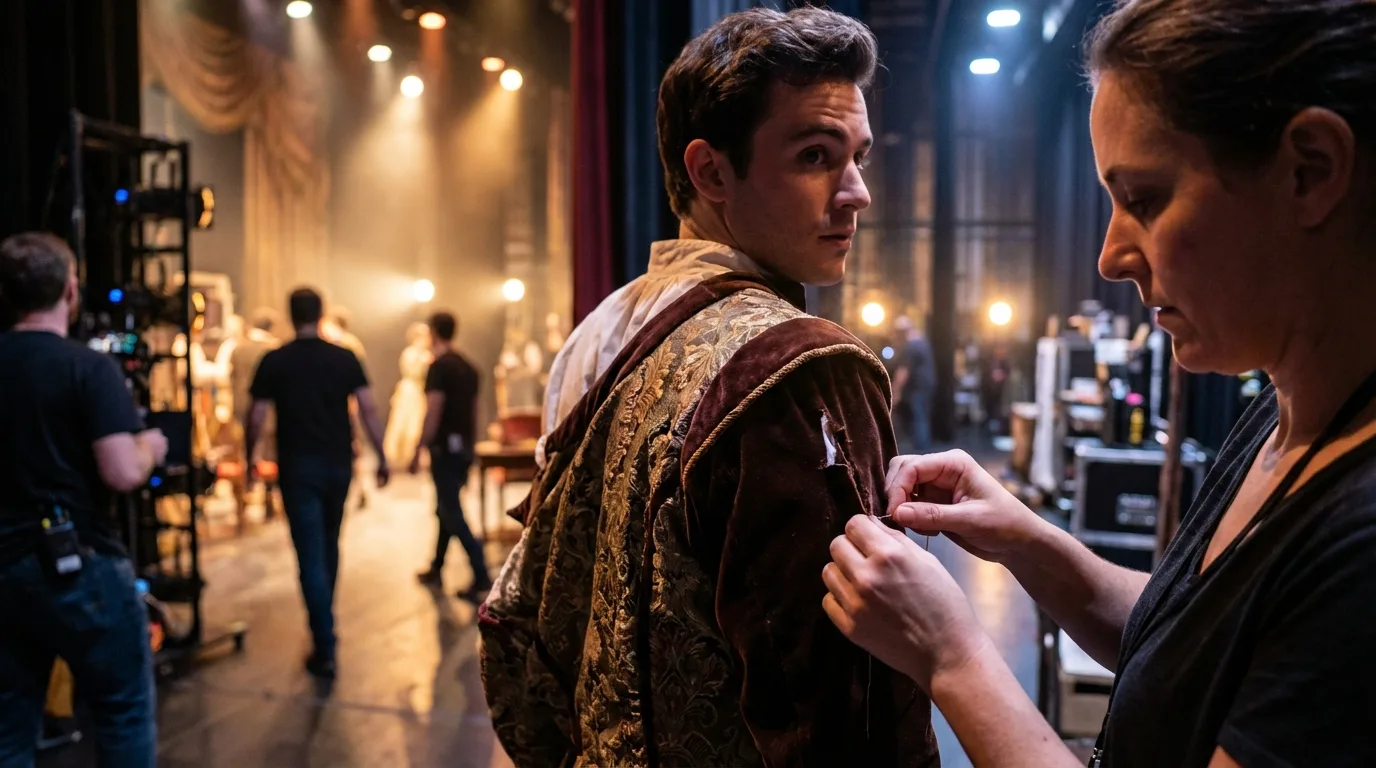
Even with rigorous in-process checks, a final, comprehensive audit is non-negotiable. This is your last chance to catch any lingering issues before the costumes are shipped and integrated into your production. Furthermore, the process doesn't end with delivery; a robust feedback loop is vital for continuous improvement and solidifying your partnership.
Comprehensive Final Inspection: Your Last Line of Defense
Before any shipment leaves the factory, ensure a full final inspection. This should be a detailed checklist verification of every garment against your tech pack and quality standards. Key areas to check include:
- Overall Dimensions & Fit: Spot-check measurements on a percentage of garments.
- Construction Quality: Inspect all seams, stitching, closures, and finishing details.
- Fabric & Color Accuracy: Confirm adherence to approved materials and colors.
- Embellishment & Detailing: Verify placement, security, and quality of all decorative elements.
- Cleanliness & Pressing: Ensure garments are clean, pressed, and ready for immediate use.
- Packaging & Labeling: Confirm correct sizing, garment identification, and appropriate packaging for shipping.
Continuous Improvement: The Power of Post-Mortems
Once a project concludes, schedule a post-mortem meeting with your outsourced partner. This isn't about blame; it's about learning. Discuss what went well, what challenges arose, and how processes can be improved for future projects. Share data on defects, common issues, and positive feedback. This collaborative approach fosters a sense of shared responsibility and continuous improvement. According to a study published in the Harvard Business Review, companies that prioritize strong supplier relationships and continuous feedback loops significantly reduce supply chain disruptions and improve product quality. This proactive engagement is key to ensuring consistent quality in outsourced costume construction over the long term.
Navigating Challenges: Contingency & Contracts
Even with the best planning, unforeseen challenges can arise. Therefore, having robust legal frameworks and contingency plans in place is crucial for mitigating risks and protecting your investment when outsourcing costume construction.
The Contract as Your Shield: Legal Protections
Your contract with the outsourcing partner is more than just a formality; it's your legal shield. It must explicitly define quality standards, timelines, payment terms, and most importantly, dispute resolution mechanisms. Ensure your contract includes:
- Detailed Quality Clauses: Reference your tech pack and quality standards as integral parts of the agreement. Specify acceptable defect rates and rework procedures.
- Intellectual Property Protection: Clear clauses stating that all designs, patterns, and specific construction methods remain your intellectual property.
- Confidentiality Agreements: Especially critical for productions with sensitive content or unique designs.
- Remediation & Penalties: What happens if quality standards are not met? Define penalties for delays or substandard work, and outline procedures for returns, reworks, or discounts.
For more insights on protecting your creative assets, consider consulting resources on international intellectual property law, such as those provided by the World Intellectual Property Organization (WIPO).
Building Buffers: Time, Materials, & Backup Plans
In the world of production, Murphy's Law often applies. Always build buffers into your timeline for potential rework, shipping delays, or customs issues. This means ordering materials with a slight surplus and allowing extra time in your schedule. Furthermore, consider developing relationships with a secondary, backup vendor. While you ideally want to consolidate with one trusted partner, having an alternative can be a lifesaver if your primary vendor faces unforeseen issues or cannot meet a sudden demand surge. This dual-sourcing strategy, as often discussed in supply chain resilience articles on Forbes, provides a critical safety net.
Cultivating Partnership: Beyond the Transaction
Ultimately, achieving consistent quality in outsourced costume construction transcends mere transactional exchanges. It evolves into a genuine partnership built on mutual respect, shared goals, and a commitment to excellence. When your outsourcing partner feels valued and invested in your success, they become an extension of your creative team.
Shared Vision and Mutual Respect
Invest time in understanding your partner's capabilities, challenges, and aspirations. Share your artistic vision beyond just the technical specifications. When they understand the story, the character, and the impact your costumes need to make, they are more likely to go the extra mile. Treat them as collaborators, not just a service provider. This fosters a sense of pride in their work and a deeper commitment to delivering exceptional quality.
Incentivizing Excellence: Rewards for High Performance
While contracts define minimums, consider ways to incentivize exceptional performance. This could be through preferred vendor status, long-term contracts, or even small bonuses for early delivery or outstanding quality. Recognizing and rewarding excellence reinforces positive behaviors and strengthens the partnership. A strong, respectful relationship with your vendor is one of the most powerful tools you have in ensuring consistent quality in outsourced costume construction.
Frequently Asked Questions (FAQ)
How do I ensure my unique design vision isn't compromised when working with an outsourced team? The key is meticulous documentation through a comprehensive tech pack, as discussed. Provide abundant visual references, including mood boards, fabric swatches, and even video explanations of desired drape or movement. Regular, visual check-ins (e.g., video calls showing garment progress) are crucial to address any creative deviations early on. Building a relationship of trust and ensuring your partner understands the artistic intent, not just the technical specs, is also vital.
What's the best way to handle significant time zone differences for quality control checks? Managing time zones requires strategic planning. Designate specific communication windows that overlap for both teams. Leverage asynchronous communication tools for detailed feedback (e.g., annotated images, video messages). Consider hiring a local quality control representative or a third-party inspection service in the vendor's region to conduct real-time checks and provide immediate feedback during their working hours. This provides a critical bridge.
How can I protect my intellectual property when outsourcing costume construction, especially overseas? IP protection is paramount. Ensure your contract includes strong clauses explicitly stating that all designs, patterns, and unique construction methods remain your sole intellectual property. Require all individuals working on your project to sign non-disclosure agreements (NDAs). Consider registering your designs or specific elements where possible. While complete protection can be challenging globally, these legal safeguards provide a strong deterrent and recourse.
What if a shipment arrives with significant defects despite all precautions? First, document everything: take clear photos and videos of all defects, quantify the extent of the damage, and cross-reference with your tech pack. Immediately contact your vendor, referencing the quality clauses in your contract. Initiate the agreed-upon dispute resolution process, which might include rework, replacement, or financial compensation. Having a contingency plan, like a trusted local alterations team or a backup vendor, is crucial for damage control and meeting your production deadlines.
Is it always cheaper to outsource costume construction compared to in-house production? Not necessarily. While outsourcing can offer lower labor costs, you must factor in hidden expenses such as shipping, import duties, quality control oversight (including travel or third-party inspections), communication costs, and potential rework expenses. The true cost also includes the time and effort spent on vendor management and problem-solving. It's essential to conduct a thorough cost-benefit analysis, weighing financial savings against potential risks to quality and timeline. Often, the value of specialized skill or rapid scalability outweighs a marginal cost saving.
Recommended Reading
- Unlock the Secret: How to Properly Clean & Maintain School Uniforms for Longevity
- Craft Believable Characters: Costume Design Secrets Revealed!
- The Ultimate Fix: Why Do Your Heels Slip Out of Women's Shoes?
- The Ultimate Secret: How to Spot Fake Logomania Streetwear Brands Instantly!
- Unlock Fashion Event Networking: The Blogger's Ultimate Guide to Connections
Key Takeaways and Final Thoughts
Mastering outsourced costume construction is not about luck; it's about meticulous planning, proactive management, and fostering genuine partnerships. As a veteran in this field, I've seen firsthand how these strategies can transform a daunting challenge into a seamless process, delivering stunning costumes that truly elevate a production.
- Documentation is King: Your tech pack is your bible. Leave no detail to chance.
- Vet Thoroughly, Test Small: Choose partners wisely and always start with a pilot project.
- Communicate Constantly & Visually: Clear, frequent, and visual communication prevents missteps.
- Quality is Proactive, Not Reactive: Implement checks at every stage, from raw materials to final inspection.
- Build Relationships, Not Just Transactions: Invest in your partners; their success is your success.
- Protect Your IP & Plan for Contingencies: Legal safeguards and backup plans are your safety net.
The journey of bringing a costume to life, especially when parts of that journey occur across continents, demands diligence, trust, and an unwavering commitment to quality. By embracing these principles, you'll not only ensure the consistent quality of your outsourced costume construction but also free yourself to focus on what you do best: creating breathtaking designs that captivate audiences and tell compelling stories. Step forward with confidence, knowing you have the framework to achieve excellence, every stitch of the way.

Your email address will not be published. Required fields are marked *