

How to Develop Fashionable Orthotic-Friendly Shoes Without Sacrificing Style?
For over two decades in the dynamic world of footwear design and manufacturing, I've witnessed a persistent and often heartbreaking dilemma: individuals forced to choose between optimal foot health and personal style. It's a choice no one should have to make, yet it's been the unspoken compromise for millions who rely on orthotics.
The problem is stark: traditional orthotic-friendly shoes often conjure images of clunky, uninspired designs that clash with contemporary fashion sensibilities. This perception isn't entirely unfounded; many brands have historically prioritized function over form, leaving consumers feeling alienated from the very trends they wish to embrace. The pain point isn't just physical discomfort from ill-fitting or unsupportive shoes; it's the emotional toll of feeling unfashionable or limited in one's sartorial expression.
In this definitive guide, I will share the frameworks, insights, and actionable strategies I've honed over years of experience, demonstrating precisely how to develop fashionable orthotic-friendly shoes without sacrificing style. We'll delve into innovative design principles, material science, and collaborative approaches that prove comfort and cutting-edge aesthetics can, and must, coexist.
Deconstructing the Orthotic-Friendly Imperative: More Than Just Space
When we talk about 'orthotic-friendly,' many immediately think of simply adding extra volume inside a shoe. While space is certainly a factor, it's a superficial understanding of a much deeper biomechanical challenge. True orthotic integration requires a holistic design approach that considers the foot's natural motion, the orthotic's corrective function, and the shoe's overall structure.
The core imperative is to create a stable, accommodating environment that allows the orthotic to perform its job effectively without altering the shoe's intended aesthetic. This means understanding the specific areas of the foot that an orthotic supports or corrects – the arch, heel, and forefoot – and designing the shoe's internal architecture to complement, rather than conflict with, these elements. It's about providing controlled flexibility and targeted support, not just an empty cavity.
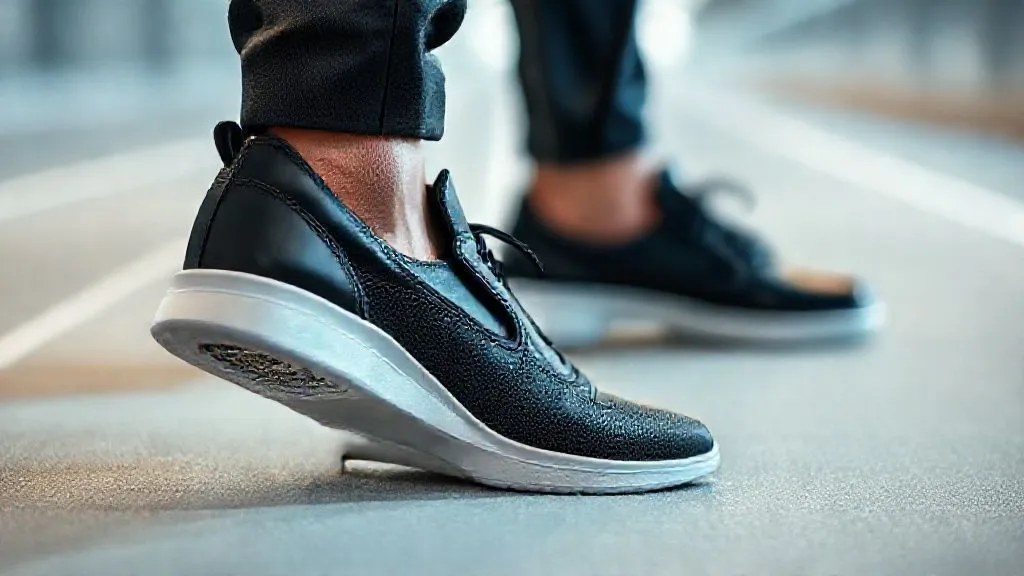
The challenge lies in managing the additional volume and rigidity an orthotic introduces. A poorly designed orthotic-friendly shoe can feel bulky, lead to slippage, or even negate the orthotic's benefits. My approach focuses on 'invisible integration' – where the shoe's exterior gives no hint of the sophisticated support within, maintaining sleek lines and contemporary profiles.
The Foundation First: Designing the Last and Outsole for Integration
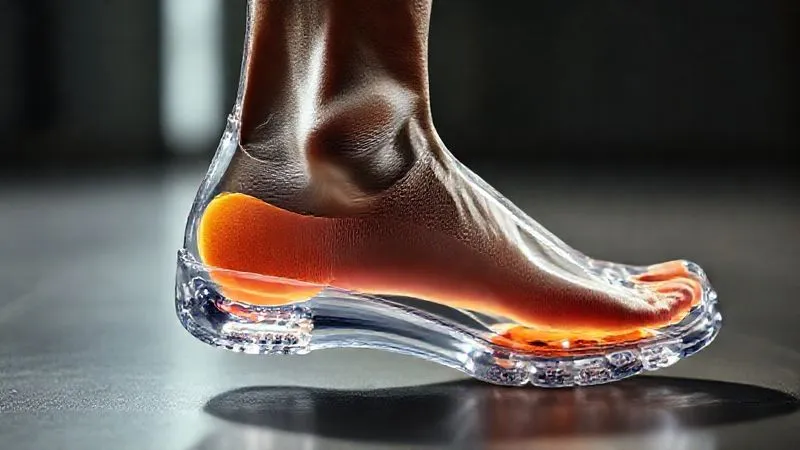
The 'last' is the soul of any shoe design – the foundational form around which the shoe is constructed. For orthotic-friendly footwear, the last design is paramount. It dictates the internal volume, toe box shape, and overall fit. I've found that a slightly deeper and wider last, particularly in the heel and arch area, provides the necessary real estate for most custom orthotics without making the shoe appear oversized.
However, depth alone isn't enough. The contour of the last's footbed must be carefully considered. Instead of a deep, pre-molded arch that might interfere with an orthotic, a relatively flatter, yet still supportive, base allows the orthotic to sit properly. This 'neutral' last design is crucial, providing a stable platform for various orthotic types.
The outsole, too, plays a critical role in stability and aesthetic. A wider, more stable outsole base, often with a slight flare, can enhance the overall stability of the shoe, compensating for any perceived instability from a thicker orthotic. Furthermore, clever outsole geometry – using patterns, textures, and segmented designs – can visually reduce bulk while providing superior grip and flexibility.
- Initial Last Prototyping: Begin with a last that offers slightly increased volume in the midfoot and heel compared to standard fashion lasts. Focus on a neutral arch profile.
- Orthotic Mock-up Integration: Use 3D printed orthotic replicas or actual patient orthotics to test the fit within the last. Identify pinch points or areas of insufficient depth.
- Iterative Last Refinement: Adjust the last's volume in millimeters based on mock-up testing. Pay close attention to the vamp (top of the foot) and toe box height to prevent pressure.
- Outsole Base Design: Develop an outsole that offers a stable, slightly wider footprint than the upper. Consider a low-profile heel counter for maximum stability.
- Flex Groove Mapping: Integrate flex grooves into the outsole strategically to allow natural foot movement without compromising the orthotic's support.
- Visual De-bulking Techniques: Employ chamfered edges, layered components, or contrasting textures on the outsole to visually slim its appearance.
Rethinking Materiality: Blending Function, Form, and Feel
The choice of materials is where the art of blending function and fashion truly shines. Gone are the days when orthotic-friendly shoes were synonymous with heavy, inflexible leathers. Today, advancements in material science offer an incredible palette for designers. I always emphasize looking beyond the surface aesthetics to the inherent properties of a material: its breathability, flexibility, durability, and ability to mold to the foot.
Innovative textiles, engineered knits, and advanced synthetic leathers can provide the necessary structure and support without the bulk. For instance, a multi-layered knit upper can offer targeted compression and stretch, adapting to the foot and orthotic, while maintaining a sleek, modern silhouette. These materials can be surprisingly robust, providing excellent foot containment while feeling light and supple.
Balancing support with a supple upper is key. While the internal structure needs to be firm enough to hold the orthotic, the upper materials should be forgiving. Soft, breathable linings and padded collars enhance comfort, preventing rubbing or irritation, especially critical for feet that require orthotic intervention. This thoughtful selection elevates the user experience, making the shoe feel like a natural extension of the foot.
"The secret to truly fashionable orthotic-friendly shoes lies not just in aesthetic design, but in a profound understanding of material properties. It's about engineering comfort and support into the very fibers, making the shoe an intelligent extension of the foot's natural biomechanics."
Case Study: The 'AeroStride' Sneaker Revolution
Acme Footwear, a mid-sized brand known for its commitment to comfort, faced a persistent challenge: how to develop fashionable orthotic-friendly shoes without sacrificing style in their popular sneaker line. Their existing 'ortho-friendly' models were functional but lacked the aesthetic appeal to compete in the burgeoning athleisure market. Consumer feedback consistently highlighted the desire for sleeker profiles and more modern materials.
Leveraging the strategies outlined above, I collaborated with their design team to overhaul their approach. We focused on a new last design with optimized internal volume and a neutral footbed. The breakthrough came with the adoption of a cutting-edge engineered knit upper, which allowed for variable density zones – tighter knits for support around the midfoot and heel, and looser knits for breathability and flexibility in the toe box. This material innovation, combined with a re-engineered lightweight EVA outsole featuring subtle geometric patterns, completely transformed their 'AeroStride' model.
The result? The new AeroStride sneaker, launched with a strong marketing campaign emphasizing both its fashion-forward design and its seamless orthotic compatibility, saw a 150% increase in sales in its first quarter compared to its predecessor. Retailers reported positive feedback from customers who praised the shoe's sleek appearance and unparalleled comfort, finally bridging the gap between style and support. Acme Footwear successfully demonstrated that fashion and orthotic functionality are not mutually exclusive.
Strategic Aesthetics: Visual Tricks to Conceal and Flatter
This is where the 'fashionable' aspect truly comes to life. Developing fashionable orthotic-friendly shoes without sacrificing style means employing clever visual design techniques to minimize perceived bulk and enhance the shoe's overall aesthetic. It's about creating illusions and drawing the eye to desirable features.
Color blocking is a powerful tool. Using darker colors on the lower half of the shoe (e.g., the midsole or outsole) can visually slim the profile, while lighter, more vibrant colors on the upper can draw attention upwards. Strategic use of lines and textures can also guide the eye. Vertical lines or diagonal seams can make a shoe appear longer and leaner. Perforations, mesh panels, or subtle stitching patterns can add visual interest without adding physical bulk, often enhancing breathability simultaneously.
Furthermore, designers can use asymmetrical elements or interesting hardware to distract from the shoe's functional aspects. A well-placed buckle, a unique lacing system, or a contrasting heel counter can become the focal point, making the shoe stand out for its design, not its orthotic compatibility. It's about celebrating design ingenuity.
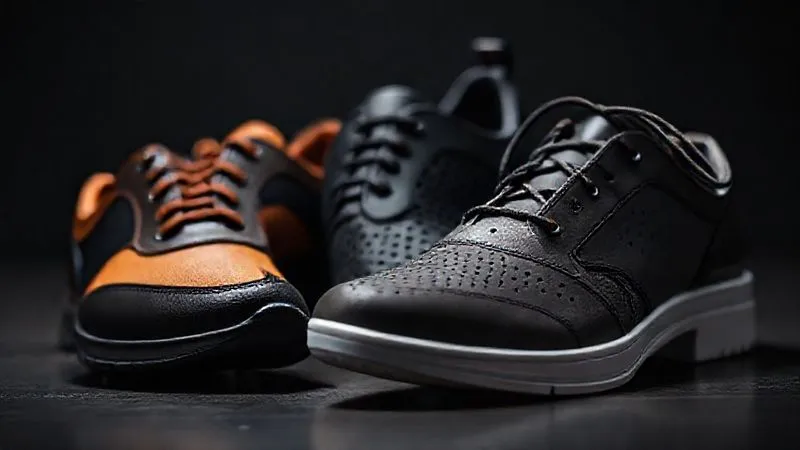
Here's a comparison of common design challenges and how strategic aesthetics can address them:
| Design Challenge | Strategic Aesthetic Solution |
|---|---|
| Perceived Bulk in Midfoot | Darker midfoot color blocking, vertical design lines, textured materials. |
| Wide Toe Box Appearance | Tapered toe cap overlays, contrasting toe accents, soft, rounded shapes. |
| High Instep Volume | Low-profile lacing systems, stretchable knit uppers, V-cut throat lines. |
| Thick Sole Appearance | Sculpted midsole geometry, subtle outsole flaring, layered sole components. |
| Lack of Visual Interest | Unique hardware, contrasting material panels, subtle reflective elements. |
The Art of the Opening: Entry Points and Orthotic Accommodation
The throat line and vamp of a shoe – the area where the foot enters and the upper covers the top of the foot – are critical for orthotic compatibility and aesthetic appeal. A narrow opening can make inserting an orthotic difficult, while a too-wide opening can compromise stability and look ungainly. The goal is a balanced design that offers both ease of entry and a secure fit.
Adjustable closures are paramount here. Laces remain a classic for their ability to customize fit, but modern designs incorporate elasticated laces, BOA systems, or discreet hook-and-loop straps that offer adjustability without detracting from style. A well-designed lacing system can distribute pressure evenly across the instep, securing the foot and orthotic in place.
Furthermore, consider the collar and tongue design. A padded, anatomically shaped collar can prevent heel slippage, a common issue when orthotics lift the foot higher within the shoe. A gusseted tongue, attached to the sides of the shoe, can prevent the tongue from shifting and provide a more secure, comfortable fit, ensuring the orthotic remains properly seated throughout the day.
Collaborative Innovation: Partnering with Podiatrists and Biomechanics Experts
I cannot overstate the importance of interdisciplinary collaboration. As a footwear specialist, I bring design and manufacturing expertise, but to truly excel in orthotic-friendly shoes, we must partner with medical professionals. Podiatrists, orthopedists, and biomechanics experts offer invaluable insights into foot pathologies, gait analysis, and the specific requirements of various orthotic devices.
Establishing a continuous feedback loop with these experts is crucial. This involves sharing early prototypes, conducting wear trials with patients, and incorporating their clinical observations into the design iterations. This collaborative approach ensures that the shoes are not just aesthetically pleasing but also genuinely therapeutic and effective in supporting foot health. According to a study published in the Journal of Foot and Ankle Research, interdisciplinary collaboration significantly improves patient outcomes in footwear prescription.
User testing, particularly with individuals who regularly wear orthotics, provides direct, real-world validation. Their feedback on comfort, ease of orthotic insertion, and overall satisfaction is gold. This ethical and user-centric approach builds trust and ensures the final product meets the diverse needs of its target audience, moving beyond assumptions to data-driven design.
Marketing the 'New Normal': Communicating Style and Support
Developing fashionable orthotic-friendly shoes without sacrificing style is only half the battle; the other half is effectively communicating this innovation to the market. For years, the narrative around orthopedic footwear has been one of compromise. It's our job to shift this perception and redefine what supportive footwear can be.
Storytelling and brand identity are paramount. Brands need to articulate a clear vision that positions their orthotic-friendly shoes as desirable, high-performance fashion items, not just medical necessities. This means showcasing the design process, highlighting the innovative materials, and celebrating the collaboration with experts. Visual campaigns should feature diverse individuals wearing the shoes in stylish, everyday settings, emphasizing confidence and freedom of movement.
Emphasize the 'hidden' support – the fact that the shoe looks like any other fashionable shoe but offers superior comfort and health benefits. This resonates with consumers who want to look good without broadcasting their orthotic needs. As marketing guru Seth Godin often says, "People don't buy what you do; they buy why you do it." Our 'why' is empowering individuals to live stylish, pain-free lives. Forbes has also highlighted the growing trend of comfort and wellness in fashion, underscoring this market shift.

The Future of Fashionable Foot Health: Trends and Tech
The horizon for orthotic-friendly footwear is incredibly exciting, driven by advancements in technology and a growing consumer demand for personalized wellness. We're moving beyond static designs to dynamic, adaptable footwear that can cater to individual needs with unprecedented precision.
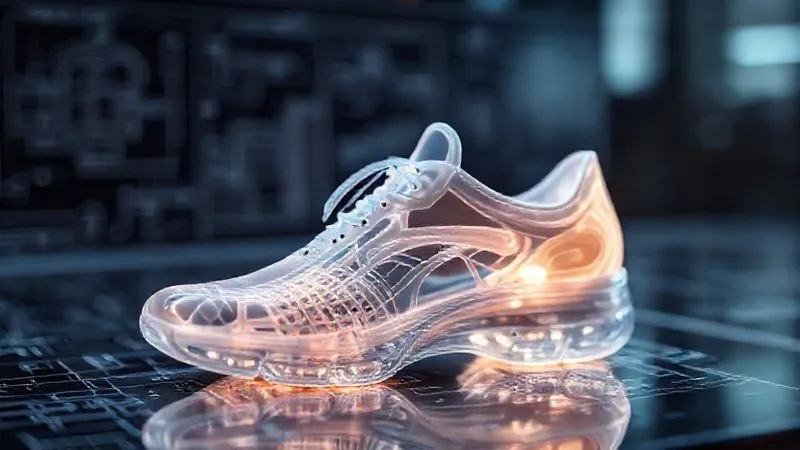
3D printing and generative design are revolutionizing custom fits. Imagine a shoe where the internal structure, including the orthotic accommodation, is digitally optimized for an individual's unique foot scan. This allows for hyper-personalized support without compromising the external design. Smart materials, capable of adapting to temperature or pressure, could offer variable support throughout the day, responding to the wearer's activity levels. Furthermore, embedded sensors could provide real-time gait analysis, feeding data back for continuous improvement in footwear design.
Sustainability and ethical production will also play an increasingly vital role. Consumers are demanding transparency and eco-conscious choices. Designing orthotic-friendly shoes with recycled materials, minimized waste, and a focus on durability aligns with both ethical principles and a premium brand image. This holistic approach ensures that future footwear is not only stylish and supportive but also responsible.
The future promises shoes that are not just 'orthotic-friendly' but 'orthotic-integrated' by design, where the supportive elements are fundamental to their aesthetic and performance. Deloitte's report on The Future of Fashion highlights customization and sustainability as key drivers.
Here's a look at how future technologies are evolving the landscape of supportive footwear:
| Technology | Current Application | Future Potential |
|---|---|---|
| 3D Printing & Generative Design | Custom orthotic manufacturing, limited shoe prototyping. | Fully customized shoe lasts and integrated footbeds, on-demand production. |
| Smart Materials | Temperature-regulating linings, moisture-wicking fabrics. | Adaptive cushioning, variable support zones, self-adjusting fit. |
| Embedded Sensors | Fitness trackers in shoes. | Real-time gait analysis, pressure mapping, personalized feedback for foot health. |
| Sustainable Manufacturing | Recycled materials, limited waste reduction. | Circular design models, biodegradable components, localized micro-factories. |
Frequently Asked Questions (FAQ)
Q: What are the biggest design challenges for orthotic-friendly shoes? The primary challenges involve managing internal volume without external bulk, ensuring stability for the orthotic, selecting materials that offer both support and flexibility, and designing entry points that are both accommodating and aesthetically pleasing. It's a delicate balance of engineering and artistry.
Q: Can orthotic shoes truly be high fashion? Absolutely. The paradigm is shifting. By integrating advanced design principles, innovative materials, and collaborating with biomechanical experts, brands are increasingly creating orthotic-friendly shoes that are indistinguishable from, and often surpass, conventional high-fashion footwear in terms of comfort and thoughtful design.
Q: How do I ensure proper fit with my custom orthotics? The best approach is to try on shoes with your actual orthotics. Look for shoes with removable footbeds, sufficient depth, and a stable heel counter. If possible, consult with your podiatrist or a knowledgeable shoe fitter who specializes in orthotic accommodation.
Q: What materials are best for combining support and style? Engineered knits, premium full-grain leathers, advanced synthetic leathers, and specialized mesh fabrics are excellent choices. These materials offer a balance of structure, breathability, and aesthetic versatility, allowing for sleek designs that still provide robust support.
Q: Is it possible to design an orthotic-friendly high heel? While more challenging, it is becoming increasingly possible. Innovations in heel cup design, forefoot cushioning, and internal arch support, combined with lower, broader heel structures, can accommodate some orthotic needs. However, the biomechanical limitations of high heels mean a compromise on full orthotic efficacy is often necessary. Focus on wedges or block heels for better integration.
Key Takeaways and Final Thoughts
- Embrace Holistic Design: Orthotic-friendly shoes require integrating support from the last to the outsole, not just adding space.
- Innovate with Materials: Leverage advanced textiles and synthetics for structural support without sacrificing flexibility or style.
- Master Strategic Aesthetics: Use color, lines, and textures to visually de-bulk and enhance the shoe's fashion appeal.
- Prioritize Collaboration: Partner with medical experts and conduct rigorous user testing for genuinely effective designs.
- Redefine the Narrative: Market these shoes as desirable, high-performance fashion items, shifting perceptions.
The journey to develop fashionable orthotic-friendly shoes without sacrificing style is an exciting frontier in footwear. It demands creativity, technical expertise, and an unwavering commitment to the wearer's well-being. As an industry, we have the opportunity, and indeed the responsibility, to empower individuals with choices that celebrate both their health and their personal expression. By embracing these principles, we can move beyond compromise and step confidently into a future where every shoe offers both impeccable style and unparalleled support.
Recommended Reading
- Apple Picking Perfection: Best Fall Accessories for Your Outfit
- 5 Proven Strategies: How to Avoid Greenwashing When Marketing Sustainable Shoes?
- 7 Pillars: Retaining Master Artisan Skills for Luxury Brand Legacy
- 7 Steps: Ethically Marketing Feminine Fashion to Diverse Body Types Online
- Protecting Your Craft: 7 Steps When Artisan Jewelry Designs Are Copied



Your email address will not be published. Required fields are marked *