


How to Avoid Greenwashing When Marketing Sustainable Shoes?
For over 15 years in the dynamic world of fashion footwear, I've witnessed firsthand the incredible evolution of consumer awareness, particularly concerning sustainability. What started as a niche concern has blossomed into a powerful market driver. Yet, with this growth comes a perilous pitfall: greenwashing. I've seen countless brands, both large and small, stumble into this trap, often with good intentions, only to erode consumer trust and damage their reputation.
The problem is stark: consumers are increasingly skeptical. They demand authenticity, transparency, and verifiable claims, not just empty promises. In an industry where 'eco-friendly' or 'sustainable' can mean vastly different things, the line between genuine commitment and misleading marketing is perilously thin. Brands that fail to navigate this complexity risk not only losing sales but also facing significant backlash and long-term brand erosion.
This article isn't just another guide; it's a deep dive into the practical frameworks and expert insights I've gathered over my career to help you genuinely communicate your sustainable footwear story. We'll explore actionable strategies, real-world examples, and the critical steps you need to take to build trust, foster loyalty, and truly differentiate your brand in a competitive market. By the end, you'll have a clear roadmap to confidently market your sustainable shoes without falling prey to greenwashing.
1. Master Radical Transparency: Your Supply Chain Story
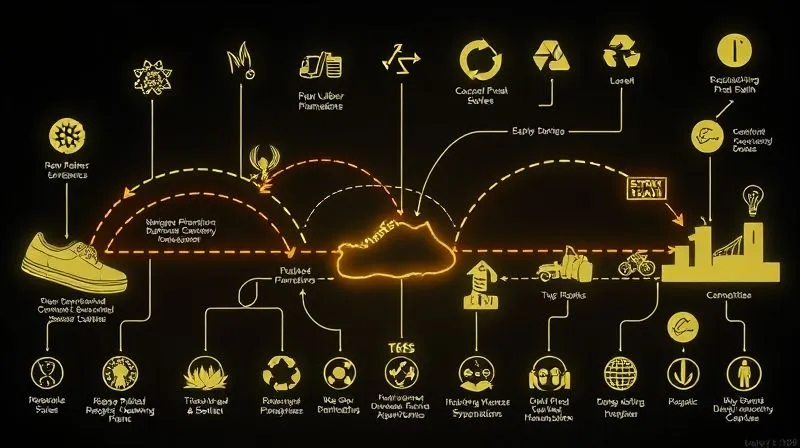
In my experience, the single most powerful antidote to greenwashing is radical transparency. It's not enough to say your shoes are 'sustainable'; you must be able to prove it, from the raw materials to the final stitch. Consumers today are savvier than ever; they want to know the 'who, what, where, and how' of their purchases.
This means digging deep into your supply chain. Understand every link: where your materials come from, how they are processed, the labor conditions, and the environmental impact at each stage. Don't just rely on your suppliers' word; conduct audits, request certifications, and build relationships based on shared values.
Actionable Steps for Supply Chain Transparency:
- Map Your Entire Supply Chain: Identify every supplier, from raw material extraction to manufacturing and distribution. This might seem daunting, but it's foundational.
- Gather Certifications and Documentation: Request environmental certifications (e.g., GOTS for organic textiles, FSC for rubber), social compliance audits (e.g., SA8000), and material data sheets.
- Implement a Traceability System: Use blockchain or other digital tools to track materials and components. This allows you to verify claims and share data with consumers.
- Communicate Openly About Challenges: No supply chain is perfect. Be honest about areas where you're working to improve. This builds immense trust.
"Authenticity isn't a marketing tactic; it's a foundational principle. In sustainable footwear, it means showing your work, not just telling a story." - Industry Expert's Insight
Case Study: EcoStride's Transparency Triumph
EcoStride, a fictional startup specializing in athletic footwear made from recycled ocean plastics, faced intense skepticism. Instead of generic 'eco-friendly' claims, they launched an interactive digital platform. Customers could scan a QR code on their shoe box, leading to a page detailing the exact origin of the recycled plastic, the name of the recycling facility, the energy used in manufacturing, and even photos of the factory workers. This radical transparency, which included admitting initial challenges in sourcing specific materials, built an incredibly loyal customer base and significantly boosted their brand's reputation for integrity. Their sales conversion rates improved by 15% within six months of implementing this strategy.
2. Back Your Claims with Verifiable Data and Certifications
Empty rhetoric is the hallmark of greenwashing. To truly avoid it when marketing sustainable shoes, every claim you make must be quantifiable and verifiable. This means moving beyond vague terms like 'natural' or 'green' and embracing specific metrics and third-party certifications.
Consumers are increasingly looking for external validation. A certification from a reputable organization acts as a powerful trust signal, assuring them that your products meet recognized environmental and social standards. However, be judicious; not all certifications are created equal. Focus on those with rigorous standards and widespread recognition.
Key Data Points and Certifications to Leverage:
- Material Composition: State percentages of recycled content, organic materials, or bio-based components.
- Water Usage: Quantify water savings in manufacturing processes.
- Energy Consumption: Detail renewable energy sources used or carbon footprint reductions.
- Certifications:
- Global Organic Textile Standard (GOTS): For organic cotton or other textiles.
- Forest Stewardship Council (FSC): For rubber or wood-based components.
- Global Recycled Standard (GRS): For products with recycled content.
- OEKO-TEX Standard 100: For harmful substance testing.
- B Corp Certification: A holistic assessment of social and environmental performance.
According to a recent Deloitte study, 32% of consumers are highly engaged with adopting a more sustainable lifestyle, and they are increasingly willing to pay more for sustainable brands, provided the claims are credible.
3. Educate, Don't Just Advertise: Empower Your Audience
One of the biggest mistakes I see brands make is assuming consumers understand the nuances of sustainability. They don't. Your role, as an authentic sustainable footwear brand, is to educate your audience, not just bombard them with buzzwords. This builds a deeper connection and positions your brand as a trusted resource.
Think of your marketing as a learning journey for your customers. Explain *why* a particular material is sustainable, *how* your production process is different, and *what* impact their purchase has. This shifts the dynamic from a transactional relationship to one of shared values and understanding.
Strategies for Educational Marketing:
- Content Marketing: Develop blog posts, videos, and infographics explaining your sustainable practices. For example, a video showcasing the journey of recycled plastic bottles becoming shoe soles.
- Product Pages: Go beyond basic descriptions. Dedicate sections to 'Our Sustainability Story' for each product, detailing materials, impact, and certifications.
- In-Store/Online Experiences: Create interactive displays or digital tools that allow customers to explore your sustainability efforts.
- Workshops & Events: Host webinars or local events on sustainable fashion, positioning your brand as a thought leader.
As marketing guru Seth Godin often says, "People don't buy what you do; they buy why you do it." This sentiment is particularly true in the sustainable market. When you explain your 'why' with passion and data, you connect on a much deeper level.

4. Avoid Green-Hushing: Embrace Your Imperfections and Improvements
Green-hushing, the opposite of greenwashing, is when companies deliberately underreport or stay silent about their environmental efforts for fear of being scrutinized or accused of greenwashing. This is a dangerous path. While the fear is understandable, silence can be just as damaging as false claims, as it deprives consumers of vital information and prevents your brand from contributing to the broader sustainability conversation.
No brand is 100% perfect, and consumers understand that. What they appreciate is honesty and a commitment to continuous improvement. Being transparent about your sustainability journey, including the challenges and areas for growth, builds immense credibility.
How to Navigate Imperfections Authentically:
- Set Clear, Achievable Goals: Publicly state your sustainability targets, e.g., 'By 2025, 80% of our materials will be recycled or bio-based.'
- Report on Progress (and Setbacks): Publish annual sustainability reports detailing your achievements and where you fell short. Explain why and what you're doing to address it.
- Use Nuanced Language: Instead of 'we are 100% sustainable,' say 'we are committed to continuous improvement in sustainability' or 'our latest collection features a 70% reduction in virgin plastic.'
- Engage in Dialogue: Create channels for customer feedback on your sustainability efforts. Show that you're listening and evolving.
"The most credible brands in the sustainable space aren't those claiming perfection, but those demonstrating relentless progress and unwavering transparency about their journey." - Industry Expert's Insight
5. Integrate Sustainability into Your Core Brand Identity, Not Just Marketing
True sustainability cannot be an add-on or a separate marketing campaign; it must be woven into the very fabric of your brand's DNA. If sustainability is merely a veneer, it will inevitably crack under scrutiny. For footwear brands, this means rethinking design, sourcing, manufacturing, and even end-of-life solutions.
When sustainability is a core value, it informs every business decision, from product development to packaging. This holistic approach makes your marketing claims inherently authentic because they reflect genuine operational practices. This is where the magic happens – where your brand moves from merely selling shoes to embodying a purpose.
Elements of an Integrated Sustainable Brand Identity:
- Product Design: Design for durability, repairability, and recyclability. Consider modular designs or materials that can be easily repurposed.
- Packaging: Use minimal, recycled, recyclable, or compostable packaging. Avoid single-use plastics entirely.
- End-of-Life Solutions: Offer take-back programs, repair services, or partnerships with recycling initiatives to close the loop on your products.
- Company Culture: Foster a culture where sustainability is valued and practiced internally, from office waste reduction to employee engagement in green initiatives.
- Partnerships: Collaborate with environmental organizations or ethical material innovators. For example, a partnership with a non-profit dedicated to ocean cleanup, where a portion of sales goes towards their efforts.
Remember, sustainability is a journey, not a destination. Your commitment to continuous improvement, backed by transparent communication, is what will ultimately resonate with consumers and shield your brand from accusations of greenwashing. By embedding sustainability deeply into your operations, you create an authentic narrative that is both compelling and verifiable.

Frequently Asked Questions (FAQ)
Question: How can small footwear brands compete with larger companies in proving sustainability claims? Small brands often have an advantage in agility and direct relationships. Focus on building deep transparency with fewer suppliers, telling personal stories about your materials and artisans, and leveraging local certifications. Niche certifications or direct verification from your community can be more impactful than trying to mimic large corporate reports. Authenticity and direct engagement with your customer base can be your strongest assets.
Question: What are the legal implications of greenwashing for footwear brands? The legal landscape around greenwashing is evolving rapidly. Regulatory bodies like the FTC in the US and the CMA in the UK are issuing stricter guidelines and pursuing legal action against misleading environmental claims. Penalties can include substantial fines, mandatory corrective advertising, and significant reputational damage. It's crucial to consult legal counsel to ensure your marketing claims comply with current regulations and avoid costly litigation.
Question: Is it better to focus on one aspect of sustainability (e.g., recycled materials) or a holistic approach? While a holistic approach is ideal for true sustainability, it's often more effective to start by focusing on one or two key areas where your brand excels and can make the most significant impact. Communicate these strengths clearly and transparently, while also acknowledging your commitment to improving other areas. This prevents overwhelming consumers and allows you to build credibility incrementally. As your brand grows, you can expand your focus.
Question: How can I ensure my marketing team understands and avoids greenwashing? Regular training and clear internal guidelines are paramount. Educate your marketing team on the specific definitions of sustainable materials and processes relevant to your brand. Provide them with a 'green claims checklist' to vet all marketing copy. Foster a culture where questioning claims and seeking verification is encouraged. Consider having an internal 'sustainability champion' who reviews all public-facing communications.
Question: What role do influencers play in avoiding greenwashing, and how should brands work with them? Influencers can be powerful allies or significant liabilities. To avoid greenwashing, partner with influencers who genuinely align with your brand's sustainable values and have a track record of promoting ethical products. Provide them with accurate, verifiable information about your products and encourage them to share your transparency efforts. Request that they clearly disclose sponsored content and avoid making exaggerated or unsubstantiated claims. Authenticity from influencers mirrors your own brand's need for it.
Key Takeaways and Final Thoughts
- Radical Transparency is Non-Negotiable: Map your supply chain, gather certifications, and communicate openly about both successes and challenges.
- Data and Certifications are Your Proof: Back every claim with quantifiable metrics and reputable third-party certifications.
- Educate, Don't Just Advertise: Empower your audience with knowledge about your sustainable practices and their impact.
- Embrace Imperfection and Progress: Be honest about your journey, set clear goals, and report on your continuous improvements.
- Integrate Sustainability Holistically: Weave sustainability into every aspect of your brand, from design to end-of-life solutions.
Navigating the sustainable footwear market without falling into the greenwashing trap requires diligence, integrity, and a genuine commitment to environmental and social responsibility. It's a challenging but incredibly rewarding path. By embracing transparency, backing your claims with data, and educating your audience, you won't just avoid greenwashing; you'll build a brand that stands for something truly meaningful, earning the trust and loyalty of a growing base of conscious consumers. The future of footwear is sustainable, and your authentic story is its most powerful advertisement.
Recommended Reading
- 7 Proven Strategies: Elevate Your Fashion Photography Aesthetics Uniquely
- 5 Proven Strategies: Convert Fashion Blogs into Affiliate Sales
- Bio-Based Fashion: 7 Strategies to Mitigate Greenwashing Accusations
- The Secret: How Phase Change Materials Regulate Clothing Temp?
- 7 Manufacturing Hurdles for Innovative Boots: A Guide to Overcome Them




Your email address will not be published. Required fields are marked *