

How to Make Fashion Photography Aesthetics Truly Unique?
For over two decades in the vibrant, often tumultuous world of fashion photography, I've witnessed a recurring challenge: the relentless pursuit of uniqueness in a landscape increasingly saturated with visual content. It's a common pitfall to chase fleeting trends or emulate successful artists, only to find oneself lost in a sea of sameness. This isn't just a creative block; it's a strategic misstep that can stifle your growth and prevent your work from truly resonating.
The problem is palpable: social media feeds overflow with stunning but indistinguishable images. AI-generated content blurs the lines of originality, and the pressure to conform to commercial expectations often overshadows the urge to innovate. Many photographers feel trapped, believing that 'unique' means 'unmarketable,' or that their personal vision simply isn't strong enough to break through the noise. I've seen countless talented individuals struggle to define their signature style, constantly questioning if their work holds any true distinction.
But what if I told you that crafting a truly unique fashion photography aesthetic isn't about grand, unattainable gestures, but rather a deliberate, strategic process of introspection, experimentation, and refinement? In this definitive guide, I'll share the actionable frameworks, real-world insights, and expert strategies I've honed over years in the industry. We'll explore how to transcend mere imitation, cultivate an authentic vision, and consistently produce work that not only stands out but also speaks volumes about your unique artistic voice. Prepare to transform your approach and truly answer the question: How to make fashion photography aesthetics truly unique?
Beyond Trends: Cultivating Your Authentic Vision
The first, and arguably most critical, step in forging a unique aesthetic is to look inward, not outward. While staying aware of industry trends is important, allowing them to dictate your creative choices is a recipe for visual anonymity. True uniqueness springs from an authentic, deeply personal vision.
Deconstructing Your Influences
Every artist draws inspiration from somewhere, and that's perfectly natural. The distinction between inspiration and imitation lies in how you process those influences. Instead of directly copying a pose, a lighting setup, or a color palette you admire, deconstruct it. Ask yourself: What core element resonates with me? Is it the emotional depth, the textural richness, the abstract composition, or the narrative implied? By understanding the underlying principles that attract you, you can then re-synthesize them through your own lens, rather than replicating the surface.
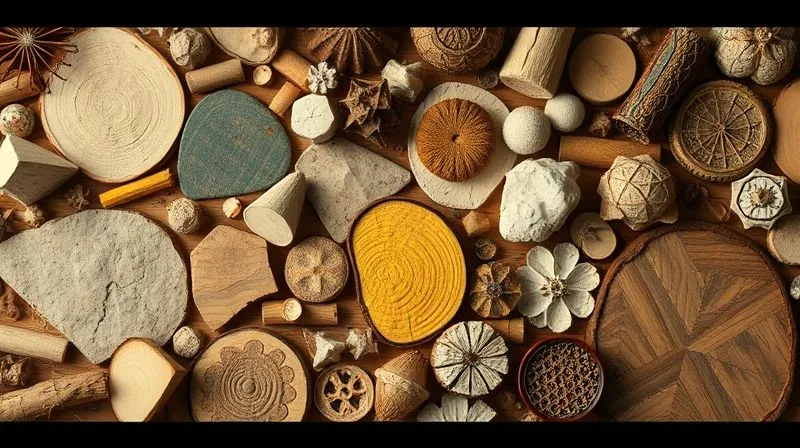
I advise photographers to create 'anti-mood boards.' Instead of collecting images you want to replicate, gather visuals that evoke a feeling or an idea you want to explore, even if they aren't fashion-related. Include architecture, paintings, nature, film stills, or even abstract art. This trains your eye to see beyond the literal and encourages conceptual thinking.
The Power of Personal Narrative
Your life experiences, cultural background, personal philosophies, and even your quirks are fertile ground for unique aesthetics. What stories do you want to tell? What perspectives do you hold that are different from others? Infusing your personal narrative into your fashion photography creates an undeniable layer of authenticity that cannot be replicated. Perhaps you're drawn to themes of nostalgia, urban decay, fantastical escapism, or minimalist purity. Let these personal leanings guide your creative direction, from styling to location choice, and even the emotional tone of your images. This is where your signature truly begins to emerge.
Mastering the Art of Unconventional Styling and Casting
Fashion photography is, at its core, about presenting garments, but the 'how' is where uniqueness shines. Moving beyond conventional styling and casting choices is a powerful way to differentiate your aesthetic. It's about seeing the fashion not just as clothing, but as a component within a larger, cohesive artistic statement.
Rethinking Wardrobe and Accessories
Instead of merely showcasing the latest designer collection, consider how you can use wardrobe to build character, tell a story, or create a specific mood. This might involve: mixing high fashion with vintage pieces, repurposing everyday objects as avant-garde accessories, or even collaborating with textile artists to create bespoke garments. Focus on texture, silhouette, and the unexpected pairing of elements. Think about the narrative potential of each piece – does it add to the visual conversation, or is it just 'pretty'?
Strategic Casting for Character, Not Just Looks
Who you choose to photograph can profoundly impact your aesthetic. While traditional modeling agencies provide stunning faces, seeking out individuals with unique features, compelling personal stories, or an unconventional presence can elevate your work. Look for models who embody the spirit of your aesthetic, whose expressions and movements naturally align with your vision. Sometimes, casting non-models or individuals from specific subcultures can inject an unparalleled authenticity and rawness into your images, making them truly unforgettable. According to a Harvard Business Review article on authenticity, audiences increasingly value genuine representation, and this extends to how models are portrayed in fashion.
Innovative Lighting Techniques: Sculpting Signature Moods
Lighting is the sculptor of photography. While many photographers rely on standard studio setups or natural daylight, pushing the boundaries of lighting can carve out a distinctive aesthetic fingerprint. It’s about understanding light not just as illumination, but as a narrative tool.
Experimenting with Non-Traditional Light Sources
Dare to look beyond strobes and continuous lights. Consider incorporating practical lights like neon signs, car headlights, old lamps, or even custom-built light installations. Projectors can cast intricate patterns or textures onto your subjects and backgrounds, creating dynamic and surreal environments. Mixing different color temperatures or light qualities (hard vs. soft, warm vs. cool) can produce complex, layered effects that are immediately recognizable as your own. I’ve often used simple household items or construction lights to achieve looks that were far more interesting than expensive studio equipment.
Harnessing Shadows and Negative Space
Often, what you choose *not* to light is as important as what you do. Shadows are not merely the absence of light; they are powerful compositional elements that can add drama, mystery, and depth. By intentionally sculpting shadows and utilizing negative space, you can guide the viewer's eye, create graphic compositions, and evoke profound emotions. This approach moves beyond simply exposing for the subject and into a realm where light and shadow dance in concert to tell a more nuanced story.
"Light reveals, but shadow defines. True mastery lies in understanding both. It's in the interplay of absence and presence that a truly unique visual language emerges." - [Your Expert Persona]
Location as a Character: Beyond the Studio White Wall
The backdrop for your fashion story is rarely just a background; it can be a vital character in itself. Moving beyond the sterile studio or the overused iconic landmark can dramatically elevate your aesthetic and imbue your images with a sense of place and narrative.
Scouting Unseen Worlds
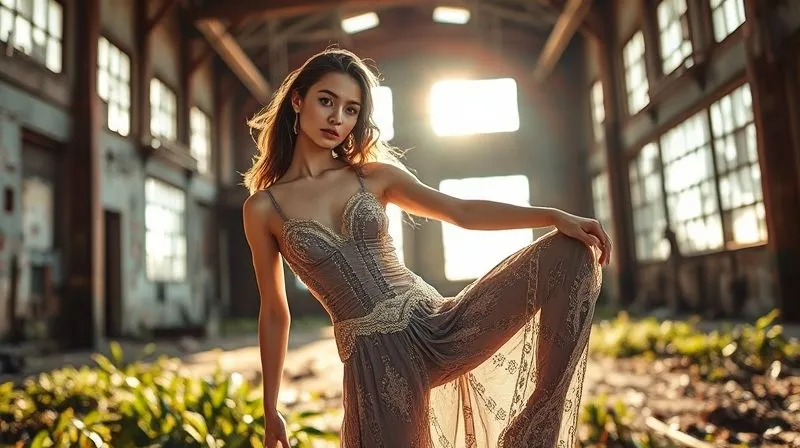
Invest time in discovering locations that are unique, unexpected, and resonant with your creative vision. This could mean abandoned industrial sites, hidden corners of urban landscapes, remote natural phenomena, or even mundane domestic settings transformed by your perspective. The goal is to find spaces that have a story to tell, or that can be reimagined to enhance the narrative of your fashion. Think about how the textures, colors, and architecture of a location can interact with the garments and the model.
Integrating Environment into the Narrative
Once you've found your unique location, don't just place a model in front of it. Integrate the environment into your composition and narrative. Let the model interact with the space – leaning against a weathered wall, walking through tall grass, or framed by an interesting architectural feature. This creates a sense of immersion and authenticity. The environment should feel like an organic extension of the fashion story, not just a pretty backdrop. This approach requires careful planning and a keen eye for how elements will coalesce. As renowned photographer Steve McCurry often demonstrates, the environment can be as powerful as the subject.
Post-Production as Artistic Expression, Not Just Correction
In the digital age, post-production is an integral part of the photographic process, but it should be seen as a creative tool for artistic expression, not merely a means of correction. Developing a distinctive post-production style can be a cornerstone of your unique aesthetic.
Developing a Unique Color Palette and Tone
Move beyond standard presets. Experiment with custom color grading, tonal shifts, and contrast adjustments to craft a palette that is recognizably yours. Do you favor muted, desaturated tones, or vibrant, hyper-real colors? Is there a particular color cast that defines your work? Consistency in your color and tonal approach across your portfolio creates a cohesive and unique visual identity. This isn't about creating an 'Instagram filter,' but about meticulously crafting the mood and atmosphere of your images.
Intentional Imperfection and Texture
While technical perfection is often lauded, sometimes intentional imperfections can add character and uniqueness. Consider adding subtle grain, light leaks, or even selective distortions to evoke a specific feeling or era. Textures can be introduced to images to add depth and tactile quality, making your photographs feel more painterly or cinematic. This requires a discerning eye and a clear artistic intention, ensuring that any 'imperfection' serves a deliberate creative purpose rather than appearing as an oversight. It's about breaking free from the sterile, plastic look that often dominates commercial photography.
- Analyze existing work: Identify common threads in your favorite images, both your own and others'. What emotional responses do they evoke, and how is that achieved?
- Experiment wildly: Try extreme color shifts, textures, and effects in a dedicated 'play' folder. Don't be afraid to make 'bad' edits; they often lead to breakthroughs.
- Refine and simplify: Distill your experiments into a cohesive, repeatable style. What are the core elements that define your unique look?
- Create custom presets: Build your own tools for consistency in your workflow. These aren't one-click solutions but starting points for further refinement.
- Seek feedback: Ask trusted peers or mentors if your post-processing enhances your unique vision and if it's becoming a recognizable part of your aesthetic.
The Power of Collaboration: Building a Creative Symbiosis
Fashion photography is rarely a solo endeavor. The creative team you assemble can either amplify your unique vision or dilute it. Strategic collaboration is a powerful, yet often overlooked, path to achieving truly distinctive aesthetics.
Curating Your Creative Team
Think beyond just hiring talent; focus on building a team whose individual aesthetics and working styles complement and enhance yours. Seek out stylists, hair and makeup artists, set designers, and even retouchers who share a similar artistic sensibility or who can bring a fresh, unique perspective that aligns with your overall vision. A strong, like-minded team can push boundaries together, resulting in a collective output that is greater than the sum of its parts. I've found that the most groundbreaking work often comes from individuals who are not afraid to challenge each other creatively.
Fostering Open Communication and Shared Vision
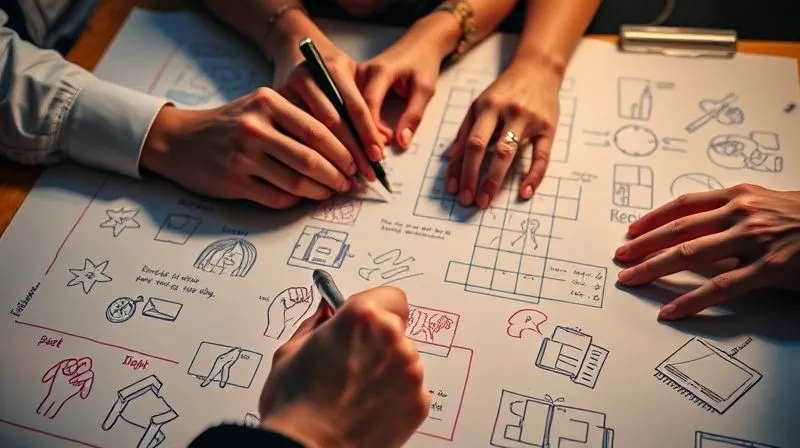
Once you have your team, foster an environment of open communication and shared vision. This means thorough pre-production meetings, detailed mood boards, and clear articulation of your conceptual goals. Encourage your team members to contribute their own creative input, as their specialized expertise can unlock unexpected avenues for uniqueness. When everyone is aligned and invested in the overarching aesthetic, the results are almost always more cohesive, innovative, and truly unique. As a Forbes article on creative collaboration highlights, diverse perspectives are crucial for innovation.
Case Study: The "Ephemeral Echoes" Series
I once collaborated with a textile artist and a conceptual dancer on a series called "Ephemeral Echoes." Instead of traditional fashion garments, we used the artist's deconstructed, hand-dyed fabrics draped and manipulated by the dancer in an ancient forest. My role was to capture the fleeting, organic shapes and the interplay of light and shadow, emphasizing the ephemeral nature of both fashion and art. The resulting images were unlike anything else in the industry at the time, garnering significant critical acclaim and leading to several gallery exhibitions. This project underscored the immense power of bringing truly unique perspectives together to create something entirely new. The key was a shared understanding of the core aesthetic and a willingness to push boundaries beyond conventional fashion photography, relying heavily on trust and creative freedom within the team.
Continuous Evolution: Staying Ahead in a Dynamic Landscape
Achieving a unique aesthetic is not a one-time event; it's a continuous journey of evolution and adaptation. The fashion industry is constantly in flux, and so too should your creative practice be. To truly make fashion photography aesthetics truly unique, you must commit to lifelong learning and experimentation.
Embracing New Technologies and Mediums
The technological landscape of photography is ever-changing. Don't shy away from exploring new tools and mediums. This could mean experimenting with AI-assisted creative processes, integrating augmented or virtual reality elements into your presentations, or delving into fashion film and motion photography. These new frontiers offer fresh avenues for expressing your unique vision and can open up entirely new aesthetic possibilities that others haven't yet explored. Staying curious and adaptable is paramount.
Critical Self-Reflection and Adaptation
Regularly step back and critically evaluate your own work. Ask yourself: Is my aesthetic still evolving? Am I falling into repetitive patterns? What can I learn from my successes and failures? Seek honest feedback from trusted peers and mentors. The ability to self-reflect, adapt, and even reinvent aspects of your style is crucial for maintaining a truly unique and relevant voice in the long run. The greatest artists are those who are never truly satisfied, always pushing the boundaries of their own creativity. This continuous process of refinement ensures your work remains fresh and distinct.
Frequently Asked Questions (FAQ)
How do I avoid simply copying artists I admire? The key is to deconstruct their work into its fundamental elements (light, composition, color, emotion) rather than replicating the surface. Understand *why* you like it, then re-synthesize those principles through your own perspective and personal narrative. Focus on internalizing the lessons, not imitating the outcomes. Also, draw inspiration from diverse, non-photographic sources like painting, sculpture, film, and architecture to broaden your visual vocabulary.
Is it possible to be unique while still being commercial? Absolutely. Many brands are actively seeking unique visions to differentiate themselves in a crowded market. The challenge is to find the intersection between your authentic aesthetic and the brand's messaging. Start by building a strong, unique portfolio, then target brands whose values and creative direction align with your style. Educate clients on the value of distinctiveness. Sometimes, the most unique aesthetics become the most commercially sought-after.
What if my unique aesthetic isn't immediately popular? Building a truly unique aesthetic often requires patience and resilience. Not every innovative idea gains immediate traction. Focus on consistency and quality. Keep refining your vision, sharing your work, and engaging with an audience that appreciates originality. Over time, your distinctive voice will attract its own following and opportunities. Remember, trends come and go, but a truly unique style has enduring power.
How do I protect my unique style from being imitated? While complete protection from imitation is difficult in the digital age, establishing a strong, recognizable brand identity around your unique aesthetic is your best defense. Copyright your significant works. More importantly, continuously evolve and innovate. Your unique style isn't just a look; it's a process, a vision, and a philosophy that is harder to replicate than a mere visual style. By always pushing boundaries, you stay ahead of potential imitators.
What role does personal brand play in unique aesthetics? Your personal brand is inextricably linked to your unique aesthetic. It's how you communicate your vision, values, and creative process to the world. A strong personal brand reinforces your uniqueness by providing context and personality to your images. It helps clients and collaborators understand who you are as an artist, making your aesthetic more memorable and desirable. Consistently presenting your unique style across all platforms builds trust and recognition.
Key Takeaways and Final Thoughts
Crafting a truly unique aesthetic in fashion photography is a journey, not a destination. It demands introspection, courage, and a relentless commitment to your artistic voice. It's about seeing the world differently and translating that vision into compelling imagery.
- Cultivate Authenticity: Look inward, deconstruct influences, and infuse personal narrative.
- Innovate Styling & Casting: Rethink wardrobe, accessories, and seek models who embody character.
- Master Lighting: Experiment with unconventional sources and harness the power of shadows.
- Utilize Location as Character: Discover unseen worlds and integrate environments into your narrative.
- Embrace Post-Production as Art: Develop unique color palettes and embrace intentional imperfections.
- Collaborate Strategically: Build a team that amplifies your vision through shared passion and open communication.
- Embrace Continuous Evolution: Stay curious, adapt to new technologies, and engage in critical self-reflection.
The path to making fashion photography aesthetics truly unique is paved with bold choices and unwavering dedication. Don't be afraid to break away from the norm, to experiment, and to trust your gut. Your unique perspective is your most valuable asset. The industry is waiting for your distinct vision to emerge. Go forth, create, and let your unique aesthetic speak volumes.
Recommended Reading
- 7 Proven Strategies: How to Sell Conceptual Wearable Art Jewelry to Niche Markets Effectively?
- 7 Steps to Master Cinematic Noir Lighting & Banish Flat Shots
- Beat Digital Eye Strain: 7 Stylish Eyewear Solutions for Professionals
- 7 Proven Strategies: Halting Toddler Outfit Returns from Sizing Guide Errors
- 7 Secrets: How Beauty Pros Spot Emerging Makeup Trends Early


Your email address will not be published. Required fields are marked *