

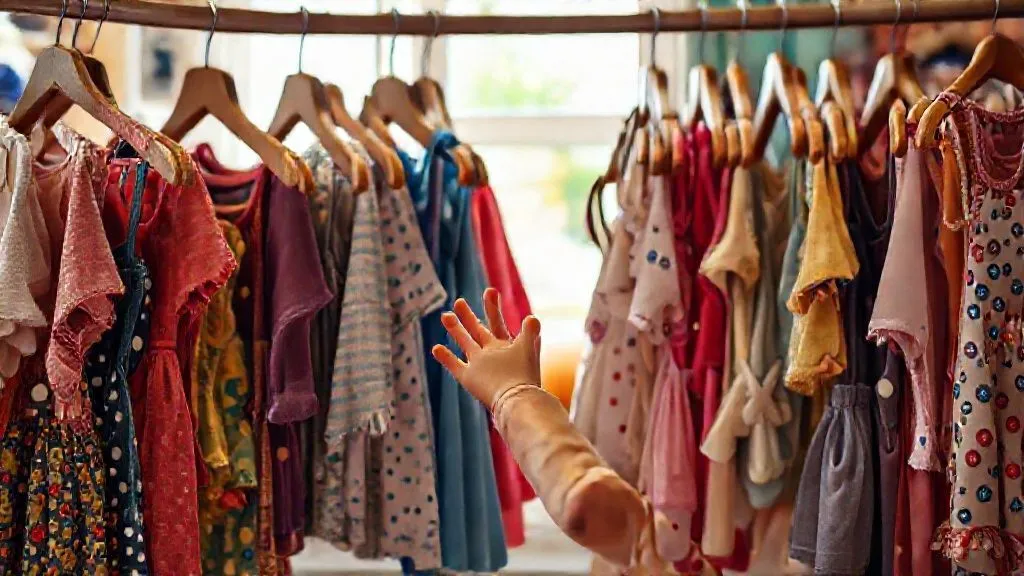
How to source genuinely unique kids' clothing lines for a boutique?
For over 15 years in the dynamic world of kids' fashion, I've witnessed firsthand the challenges boutique owners face. The market is saturated with mass-produced items, and the quest for something truly special, something that makes a boutique stand out, often feels like searching for a needle in a haystack. Many start with enthusiasm, only to find themselves stocking similar brands to their competitors, diluting their unique vision.
The pain point is palpable: how do you consistently offer your discerning customers genuinely unique kids' clothing lines when the mainstream options are so pervasive? This isn't just about finding a new print; it's about discovering brands with soul, integrity, and a distinctive aesthetic that resonates deeply with your boutique's identity and your clientele's values. Without this uniqueness, boutiques risk becoming interchangeable, struggling to build a loyal customer base.
In this definitive guide, I will share the actionable frameworks, insider strategies, and expert insights I've gathered over years in the industry. We'll move beyond conventional sourcing methods to uncover hidden gems, forge powerful partnerships, and leverage data intelligently, ensuring you can confidently answer the question: How to source genuinely unique kids' clothing lines for a boutique? Get ready to transform your inventory and solidify your boutique's reputation as a destination for unparalleled style.
Beyond the Trade Show Floor: Unearthing Hidden Gems
Relying solely on large-scale trade shows for sourcing unique kids' clothing lines is a common pitfall I've observed. While they offer convenience and exposure to established brands, the truly distinctive, emerging labels often can't afford the booth fees or prefer more intimate, direct connections. This means that if you're only walking the aisles of major shows, you're likely seeing what everyone else is seeing, leading to market homogenization.
To genuinely stand out, a boutique owner must adopt a proactive, multi-pronged sourcing strategy that delves deeper. It requires a commitment to exploration, a keen eye for nascent trends, and a willingness to step off the beaten path. The goal isn't just to find new products, but to discover partners who share your vision for originality and quality.
The Digital Deep Dive: Social Media & Niche Platforms
The digital landscape is a goldmine for discovering emerging talent. Instagram, Pinterest, and even TikTok have become powerful discovery tools for micro-brands and independent designers who might not have a large marketing budget but possess incredible creativity. I recommend dedicating specific time each week to 'digital scouting' using strategic hashtags and exploring accounts followed by other unique boutiques or industry influencers.
- Instagram: Follow hashtags like #indiekidsfashion, #smallbatchkids, #ethicalkidswear, #sustainablechildrensclothing. Engage with posts, explore 'suggested for you' profiles.
- Pinterest: Create mood boards for specific aesthetics you're seeking. Pin images that catch your eye and explore related pins to uncover new brands.
- Etsy & Niche Marketplaces: While often associated with handmade, Etsy can host incredible small-scale clothing designers. Also, seek out country-specific or theme-specific online marketplaces.
- Fashion Blogs & Online Magazines: Many smaller, independent blogs focus on sustainable or unique kids' fashion. Their curated lists can be invaluable.
"In today's interconnected world, the most unique brands don't always come to you; you have to actively seek them out in the digital ether. It's about being an anthropologist of style, not just a buyer." - Industry Veteran Insight
Connecting with Artisan Communities & Craft Fairs
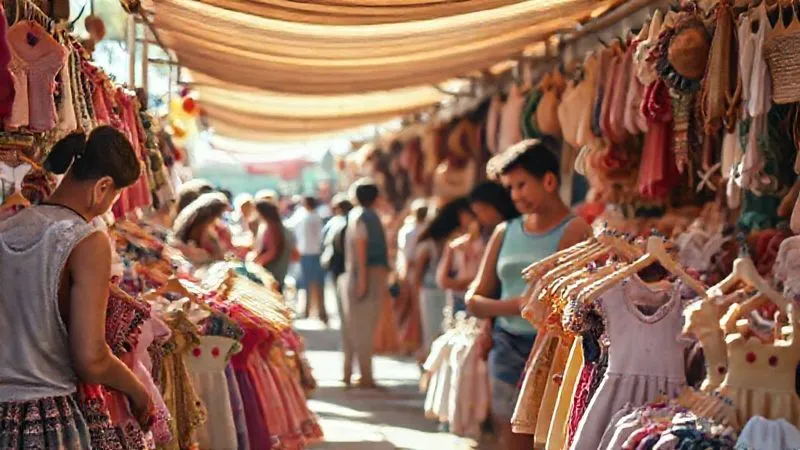
Beyond the digital, the tangible world of local and international artisan markets, craft fairs, and design festivals is ripe with opportunity. These venues often host designers who prioritize craftsmanship, unique materials, and small-batch production. Building relationships here often means direct interaction with the creators, allowing you to understand their story, process, and passion firsthand. This personal connection can lead to truly exclusive collaborations.
Consider attending smaller, regional events, and even explore international craft markets if your budget allows. The investment in travel can pay off exponentially in terms of truly distinctive inventory that no other boutique in your area will carry.
| Sourcing Channel | Pros | Cons |
|---|---|---|
| Large Trade Shows | Wide selection, established brands, networking | High competition, less unique, costly travel |
| Digital Platforms (Social Media, Etsy) | Emerging brands, low barrier to entry, niche discovery | Vetting required, inconsistent quality, shipping logistics |
| Artisan Markets/Craft Fairs | Truly unique, direct creator contact, strong brand stories | Limited scale, travel-intensive, less formal agreements |
The Art of Brand Storytelling: What Truly Makes a Line 'Unique'?
Uniqueness in kids' fashion extends far beyond a novel print or an unusual silhouette. While aesthetics are crucial, true distinction lies in the narrative, the values, and the ethos woven into the fabric of a brand. In my experience, customers, especially parents, are increasingly seeking products with meaning – items that reflect their values, support ethical practices, or tell a compelling story. A brand without a story, no matter how visually appealing, often struggles to carve out a memorable identity.
Your task, as a curator, is to identify brands whose stories resonate deeply with your boutique's mission and your target demographic. This requires a discerning eye, not just for design, but for the heart and soul behind each collection. It's about understanding the 'why' behind the 'what'.
Identifying Authentic Brand Narratives
When evaluating a potential unique kids' clothing line, dig into its origins. Who are the founders? What inspired them? What problem are they trying to solve or what joy are they trying to bring? Look for:
- Personal Connection: Brands often start from a parent's desire for something better for their own children.
- Cultural Influence: Designs inspired by specific cultural traditions, art forms, or heritage.
- Mission-Driven: Brands dedicated to specific causes, like empowering women artisans, supporting education, or environmental conservation.
- Innovative Techniques: Use of rare materials, traditional crafting methods, or cutting-edge sustainable processes.
- Design Philosophy: A clear, consistent design philosophy that stands apart from current trends, offering timeless appeal or a distinct point of view.
Ethical & Sustainable Practices: A Non-Negotiable
The modern consumer, particularly in the kids' wear segment, is highly conscious of a brand's impact. Ethical labor practices, sustainable material sourcing, and eco-friendly production methods are no longer just 'nice-to-haves'; they are often non-negotiable for genuinely unique and desirable brands. Integrating these values into your sourcing strategy not only aligns with consumer demand but also enhances your boutique's reputation for integrity and thoughtfulness. According to a recent study by Deloitte, consumer interest in sustainability continues to rise, with 32% of consumers highly engaged with adopting a more sustainable lifestyle. This shift is particularly pronounced among younger generations who are now becoming parents.
Investigate a brand's supply chain. Ask about their certifications (GOTS, Fair Trade, Oeko-Tex), their waste reduction efforts, and their transparency. A truly unique brand in today's market often leads with these values, making them an integral part of their story. This commitment to responsible practices is a powerful differentiator that attracts and retains loyal customers. Learn more about sustainable consumer trends from Deloitte.
Building Relationships: From Vendor to Partner
The journey to sourcing genuinely unique kids' clothing lines doesn't end with discovery; it begins with building robust, mutually beneficial relationships. I've seen countless boutiques make the mistake of treating suppliers as mere transaction points. In the niche world of unique fashion, where brands are often smaller and more personal, fostering a true partnership is paramount. It's about shared vision, open communication, and mutual growth.
When you invest in a relationship, you're not just buying clothes; you're buying into a brand's future, and they are investing in yours. This deeper connection can lead to better terms, exclusive opportunities, and a more reliable supply chain, which is crucial for maintaining your boutique's distinctiveness.
Initial Outreach & Vetting
Once you've identified a promising brand, your initial outreach sets the tone. Be professional, articulate your boutique's vision, and explain why you believe their brand is a perfect fit. Demonstrate that you've done your homework and genuinely appreciate their unique offering. During the vetting process, ask pertinent questions:
- What is your typical lead time for orders?
- What are your minimum order quantities (MOQs)? Are there any flexibilities for new accounts?
- What is your policy on returns or defective merchandise?
- Do you offer any marketing support or assets (e.g., high-res images, brand story blurbs)?
- Are there opportunities for exclusivity within my geographical area or for specific products?
- How do you handle quality control for your production?
Negotiating Terms That Benefit Both Sides
Negotiation isn't about winning; it's about finding common ground. For smaller, unique brands, flexibility is often key. You might find that they are willing to offer lower MOQs for an initial order if they believe you are a strong, aligned partner. Discuss payment terms, shipping arrangements, and potential for future collaborations. The goal is to establish a working agreement that supports your boutique's needs while respecting the supplier's operational realities.
Always aim for transparency. If you have specific needs regarding delivery dates, product customization, or marketing support, communicate them clearly from the outset. A strong partnership thrives on clarity and mutual respect.
"The most enduring relationships in business are built on trust and shared success, not just transactions. Treat your suppliers as partners, and they will become your greatest allies in sourcing truly unique inventory." - Expert Advice

Leveraging Data & Trends Without Losing Originality
While the pursuit of uniqueness is paramount, it doesn't mean ignoring market intelligence. In fact, understanding broader trends and consumer data can help you identify *where* the gaps are for truly unique offerings. The trick is to use data as a guide for discovery, not as a dictate for conformity. I've often seen boutiques either completely dismiss trends, becoming irrelevant, or blindly follow them, losing their distinctiveness. The sweet spot is leveraging data to inform your search for originality.
Think of data as a compass pointing you towards uncharted territories where unique brands can flourish. It helps you understand what problems consumers are facing that unique brands can solve, or what desires are unmet by the mainstream market.
Micro-Trend Spotting in Kids' Fashion
Instead of focusing on macro trends that quickly become saturated, pay attention to micro-trends and emerging consumer shifts. These are often indicators of deeper needs or values that unique brands are already addressing:
- Sustainability & Eco-Consciousness: Look for brands using organic cotton, recycled materials, or upcycled fabrics.
- Gender-Neutral Apparel: A growing demand for clothing that transcends traditional gender stereotypes.
- Comfort & Playfulness: Emphasis on durable, comfortable, and imaginative designs that support active play.
- Ethical Production & Transparency: Consumers want to know where and how their clothes are made.
- Nostalgia & Vintage Aesthetics: A resurgence in classic, timeless designs with a modern twist.
Sources for micro-trend spotting include industry reports (e.g., WGSN, Euromonitor, although these can be pricey), niche fashion blogs, social media analytics (look at engagement rates on specific types of content), and direct customer feedback in your own boutique. Forbes offers insights on leveraging data for trend identification.
Case Study: The 'Eco-Chic' Kids Boutique's Data-Driven Discovery
Case Study: The 'Eco-Chic' Kids Boutique's Data-Driven Discovery
Eco-Chic Kids, a boutique struggling with finding truly unique, sustainable lines, initially relied on popular 'organic' brands. Their sales data, however, showed a plateau. I advised them to conduct a deeper dive into their customer feedback and social media engagement. They discovered a significant segment of their clientele was actively searching for 'fair trade' and 'slow fashion' specific to children, beyond just 'organic'. This was a micro-trend they hadn't fully recognized.
Armed with this insight, Eco-Chic Kids shifted their sourcing strategy. Instead of just looking for organic certifications, they actively sought out brands emphasizing transparent supply chains, artisan craftsmanship, and small-batch production. They used Instagram to find brands with these specific keywords and attended smaller, ethical fashion markets. This led them to discover 'Terra Threads,' a brand working directly with women co-operatives in Peru, producing hand-dyed, organic cotton pieces. By integrating Terra Threads and similar brands, Eco-Chic Kids saw a 35% increase in customer engagement and a 20% rise in sales of their new, truly unique lines within six months, establishing themselves as a leader in ethical kids' fashion.
The Power of Exclusivity and Limited Editions
To truly answer the question of how to source genuinely unique kids' clothing lines for a boutique?, we must talk about exclusivity. In a market flooded with options, offering something that cannot be found elsewhere is the ultimate differentiator. This isn't just about finding a brand that isn't widely distributed; it's about actively creating unique opportunities through collaboration and strategic buying. Exclusivity generates excitement, urgency, and a sense of 'specialness' that drives customer loyalty and boosts your boutique's prestige.
The allure of a limited-edition piece or a collection available only at your boutique transforms a simple purchase into a coveted experience. It elevates your brand from a retailer to a curator of rare and desirable items.
Collaborating for Bespoke Collections
One of the most powerful ways to ensure uniqueness is to collaborate directly with designers for bespoke collections. This could involve:
- Exclusive Colorways: Working with a designer to produce their existing styles in colors or prints unique to your boutique.
- Capsule Collections: Partnering to create a small, themed collection designed specifically for your store. This might involve unique silhouettes or fabric choices.
- Private Label Partnerships: For established boutiques, this could mean developing your own line with a designer, sold under your boutique's label.
These collaborations require trust and a strong working relationship with your chosen designer, but the payoff in terms of unique inventory and brand prestige is immense. It allows you to offer something truly original that perfectly aligns with your boutique's aesthetic and your customers' desires.
Launching Limited Runs and Capsule Collections
Even without full bespoke collaborations, you can leverage the power of limited runs. Negotiate with suppliers for small, exclusive batches of certain items. This creates a sense of scarcity and urgency, encouraging immediate purchase and fostering a 'fear of missing out' (FOMO) among your customers. Announce these limited drops with fanfare, building anticipation and buzz.
Capsule collections, often centered around a specific theme, season, or holiday, are another excellent strategy. These are small, curated selections of pieces that work together cohesively, offering a complete look rather than just individual items. They allow you to tell a focused story and present a fresh, unique offering without overwhelming your inventory. This strategy keeps your boutique dynamic and exciting, always offering something new and exclusive.
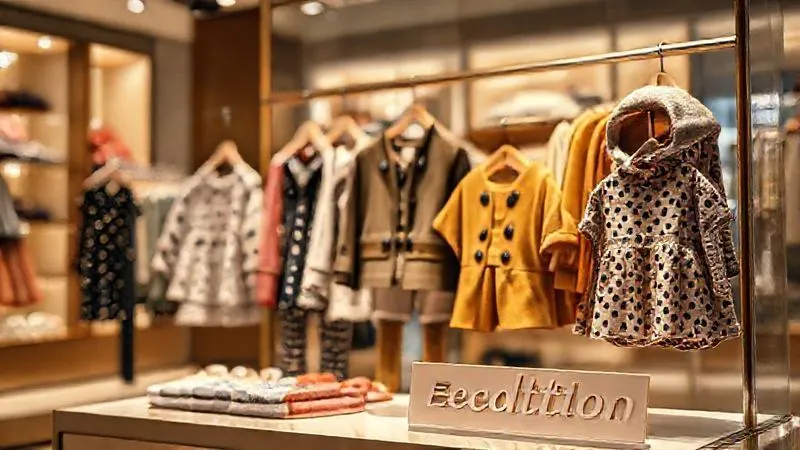
Mastering the Art of Negotiation and Contractual Safeguards
Securing genuinely unique kids' clothing lines involves not just finding exceptional products, but also protecting your investment and ensuring smooth operations. This is where mastering negotiation and understanding contractual safeguards becomes critical. I've guided many boutique owners through tricky situations that could have been avoided with clearer agreements. Without proper terms, even the most unique finds can become liabilities.
Your agreements with suppliers should be as unique and well-thought-out as the clothing lines you're sourcing. They are the backbone of a successful, long-term partnership, providing clarity and recourse if issues arise.
Key Elements of a Boutique-Supplier Agreement
A comprehensive agreement protects both parties and clarifies expectations. While specific legal advice should always be sought, here are common elements I advise boutiques to include:
- Product Specifications: Detailed descriptions, sizing charts, material composition, and quality standards.
- Pricing & Payment Terms: Wholesale pricing, payment schedule (e.g., 50% upfront, 50% upon delivery), currency, and any applicable discounts.
- Minimum Order Quantities (MOQs): Clearly defined MOQs for initial and subsequent orders.
- Lead Times & Delivery Schedule: Expected production and shipping timelines, including penalties for delays.
- Shipping & Logistics: Who is responsible for shipping costs, customs duties, and insurance? Preferred carriers.
- Return & Exchange Policy: Conditions for accepting returns (e.g., damaged goods, sizing errors) and the process for exchanges.
- Exclusivity Clause: If negotiated, clearly state geographical or product exclusivity terms.
- Intellectual Property: Clarify ownership of designs and usage rights for marketing materials.
- Marketing Support: Agreement on shared marketing assets or collaborative promotions.
- Termination Clause: Conditions under which either party can terminate the agreement.
Dealing with Minimum Order Quantities (MOQs)
MOQs can be a significant hurdle for smaller boutiques seeking unique, small-batch lines. Here are strategies I recommend:
- Build Relationships First: A strong relationship might allow for lower MOQs, especially for initial orders, as suppliers trust your commitment.
- Consolidate Orders: If you're sourcing from multiple unique brands in one region, consider using a freight forwarder to consolidate shipments, reducing overall costs.
- Start Small, Prove Success: Offer to place a smaller initial order to test market reception. If successful, commit to larger orders.
- Collaborate with Other Boutiques: Explore group buying with non-competing boutiques to meet MOQs.
- Negotiate for Samples: Sometimes, a supplier will offer a sample pack at a reduced cost, allowing you to gauge quality and customer interest without committing to a full MOQ.
Remember, open communication and a willingness to find a win-win solution are key. Harvard Business Review offers excellent strategies on negotiating with suppliers.
Integrating Your Unique Finds into a Cohesive Boutique Experience
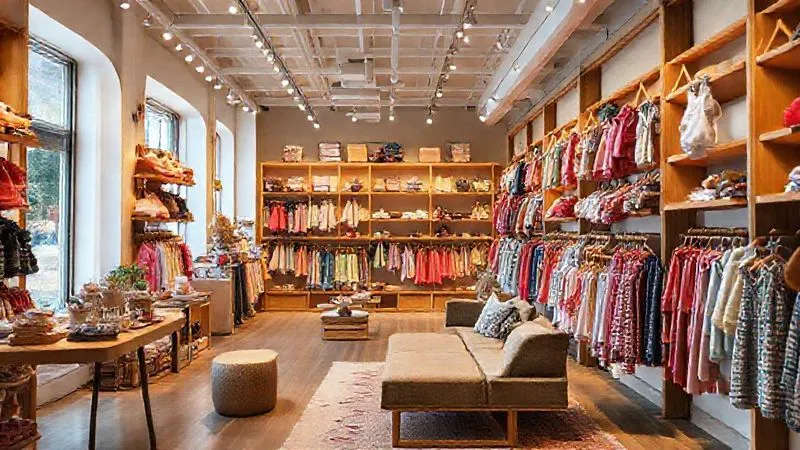
Sourcing genuinely unique kids' clothing lines is only half the battle. The other, equally critical half is how you present and market these treasures within your boutique. A truly unique product can still get lost if it's not showcased effectively. Your boutique's environment, visual merchandising, and storytelling are extensions of the unique brands you carry. They must work in harmony to create a cohesive, memorable experience that reinforces your boutique's distinct identity.
Think of your boutique as a stage where each unique piece plays a starring role. Your job is to set that stage perfectly, guiding your customers through a narrative of discovery and delight.
Visual Merchandising for Distinctive Kids' Wear
How you display your unique finds can significantly impact their perceived value and desirability. Move beyond simply hanging clothes on racks. Consider:
- Storytelling Displays: Group items by brand story, ethical origin, or specific collection. Use small signs or tags to share the narrative behind the clothes.
- Thematic Vignettes: Create small, imaginative scenes that evoke the spirit of the clothing. For example, a rustic display for nature-inspired organic cottons, or a whimsical, colorful corner for playful, artisan-made pieces.
- Quality Over Quantity: Avoid overcrowding. Give each unique piece space to breathe and be appreciated.
- Interactive Elements: For kids' clothing, consider adding interactive elements like a small dressing-up area or sensory textures that invite touch and play.
- Lighting & Ambiance: Use lighting to highlight key pieces and create a warm, inviting atmosphere that reflects the uniqueness of your offerings.
Marketing Your Curated Collection
Your marketing efforts should focus on amplifying the uniqueness you've worked so hard to source. Don't just list products; tell their stories:
- Brand Spotlights: Dedicate blog posts, social media features, or email newsletters to individual unique brands, sharing their origin story, their ethical practices, and the people behind them.
- Behind-the-Scenes Content: Share glimpses of your sourcing journey – perhaps a photo from an artisan market or a video of a designer discussing their process. This builds transparency and excitement.
- Highlight Exclusivity: Clearly communicate if a line or piece is exclusive to your boutique or part of a limited run. Use phrases like "Only at [Your Boutique Name]" or "Limited Edition Drop."
- Engage with Your Community: Host in-store events featuring a local artisan whose work you carry, or workshops related to the unique themes of your collections (e.g., sustainable crafting).
By thoughtfully integrating your unique finds into every aspect of your boutique's experience, you transform your store into a destination, not just a retail space. This is how you cultivate a loyal customer base eager to discover what unique treasures you'll offer next.
Frequently Asked Questions (FAQ)
How do I vet small, unknown brands for reliability and quality before committing to an order? Vetting is crucial. Start by requesting samples, even if you have to pay for them. Examine the stitching, fabric quality, and finishing details rigorously. Ask for references from other retailers they supply. Check their online presence for customer reviews (even if limited). Ask about their production process and quality control measures. A transparent brand will be happy to answer these questions. Consider starting with a very small initial order to test their reliability and product consistency before scaling up.
What if I can't meet MOQs for truly unique lines from small designers? MOQs are often negotiable, especially with smaller, independent designers who value boutique partnerships. Be transparent about your budget and sales projections. Propose a smaller initial order with a commitment to increase volume if the line performs well. Explore collaborative buying with non-competing boutiques. Offer to pay a slightly higher per-unit price for a lower MOQ, as this compensates the designer for their fixed costs. Sometimes, even offering to pre-pay a larger portion of the order can help.
How do I ensure my 'unique' finds don't become mainstream quickly, losing their exclusivity? This is a valid concern. Focus on brands with strong, unique design philosophies that are less susceptible to fast-fashion replication. Prioritize brands that emphasize craftsmanship, sustainable practices, or niche cultural influences, as these are harder to mass-produce. Implement exclusivity clauses in your agreements where possible (geographical or product-specific). Continuously scout for new, emerging talent and diversify your portfolio of unique suppliers to stay ahead of the curve. Developing bespoke capsule collections with designers is the ultimate way to guarantee exclusivity.
What's the best way to handle customs and international shipping for unique global brands? International sourcing requires careful planning. Research import duties and taxes for your country, as these can significantly impact costs. Work with suppliers who have experience with international shipping, or consider using a reputable freight forwarder who can manage customs clearance and consolidate shipments for you. Always get clear quotes for shipping costs and estimated delivery times upfront. Be aware of potential delays due to customs inspections and factor them into your inventory planning.
How important is sustainability for unique kids' fashion buyers, and how should I communicate it? Sustainability is increasingly vital. Modern parents are highly conscious of the environmental and ethical impact of their purchases. For unique kids' fashion, sustainability often goes hand-in-hand with quality and artisan production, making it a powerful selling point. Communicate it authentically: highlight specific certifications (GOTS, Oeko-Tex), explain the origin of materials (organic cotton, recycled fabrics), share the brand's ethical labor practices, and tell the story of the artisans involved. Use clear, concise language in-store and online, making it easy for customers to understand the positive impact of their purchase.
Key Takeaways and Final Thoughts
Sourcing genuinely unique kids' clothing lines for your boutique is an endeavor that demands dedication, strategic thinking, and a passion for discovery. It's a journey that moves beyond transactional buying to building meaningful partnerships and curating an experience that sets your boutique apart. The rewards, however, are immense: a loyal customer base, a strong brand identity, and the satisfaction of bringing truly special pieces to market.
- Go Beyond the Obvious: Actively seek out hidden gems on digital platforms, at artisan markets, and through word-of-mouth.
- Prioritize Story & Values: Look for brands with authentic narratives, ethical practices, and a commitment to sustainability.
- Build Strong Partnerships: Foster relationships with suppliers, treating them as collaborators, not just vendors.
- Leverage Data Smartly: Use micro-trends and consumer insights to guide your search for unique offerings, not to dictate conformity.
- Embrace Exclusivity: Explore collaborations, limited editions, and bespoke collections to offer truly distinctive inventory.
- Master the Details: Understand negotiation and contractual safeguards to protect your boutique and ensure smooth operations.
- Curate the Experience: Integrate your unique finds into a cohesive boutique environment through thoughtful merchandising and compelling storytelling.
The kids' fashion landscape is constantly evolving, and the desire for individuality continues to grow. By adopting these expert strategies, you're not just stocking shelves; you're building a unique destination, a haven for parents seeking something extraordinary for their children. Embrace the challenge, trust your curatorial eye, and continue to explore. Your boutique's most unique and celebrated collections are waiting to be discovered.
Recommended Reading
- Unlock Maximum Profit: 7 Proven Steps for Pricing Custom Jewelry
- The Ultimate Fix: Why Do Your Heels Slip Out of Women's Shoes?
- 7 Steps to Update Your Professional Work Wardrobe Post-Pandemic
- 7 AI Personalization Strategies to Halve Your Fashion E-commerce Returns
- 7 Ways Cultural Shifts Are Redefining Fashion Eyewear Design




Your email address will not be published. Required fields are marked *