


What to do when custom jewelry client keeps changing design?
For over two decades in the intricate world of bespoke jewelry design, I've witnessed the exhilarating highs of bringing a client's dream to life, and the frustrating lows when that dream becomes a moving target. The scenario is all too familiar: a promising custom piece begins, only for the client to request endless modifications, pushing timelines, budgets, and your patience to their limits.
This isn't just a minor inconvenience; it's a significant drain on resources, often leading to reduced profitability, creative burnout, and a strained client relationship. The emotional and financial toll of a project spiraling out of control because a custom jewelry client keeps changing design can be devastating for any independent designer or small studio.
But there's a better way. In this definitive guide, I will share battle-tested frameworks, expert insights, and actionable strategies I've honed over years to effectively manage client expectations, mitigate scope creep, and ensure your custom projects remain both profitable and creatively fulfilling. You'll learn how to establish clear boundaries, communicate effectively, and implement systems that protect your time and artistic integrity.
The Root Cause: Unclear Expectations and Communication Gaps
Before we delve into solutions, it's crucial to understand the fundamental problem: a lack of clarity. Often, clients don't intentionally try to be difficult; they simply haven't fully articulated their vision, or perhaps they don't understand the iterative nature and cost implications of custom design. This ambiguity creates a fertile ground for 'scope creep' – the gradual, uncontrolled expansion of project requirements.
The cost of ambiguity is far-reaching. It impacts not only your time and materials but also your reputation and the overall client experience. When expectations aren't explicitly set from the outset, every revision request feels like a negotiation, eroding trust and turning a creative partnership into a contentious one. This is why knowing what to do when custom jewelry client keeps changing design starts with prevention.
“Clarity is kindness. Unclear expectations are unkind.” – Brené Brown. This principle applies profoundly to custom design, where the creative process is inherently personal and prone to subjective interpretation.
Step 1: Fortify Your Initial Consultation & Discovery Phase
The foundation of a successful custom jewelry project is laid during the very first interactions. This isn't just about taking an order; it's about becoming an active listener and a strategic guide. A robust discovery phase prevents future headaches by thoroughly understanding the client's needs and educating them on the process.
Deep Dive into Client Vision
Your initial consultation should be more like an interview than a sales pitch. Ask open-ended questions that encourage the client to articulate not just what they want, but *why* they want it. Explore their lifestyle, personal style, and the sentiment behind the piece. This deep understanding allows you to anticipate potential changes and offer informed suggestions.
Visual Aids and Mood Boards
Words alone are insufficient in design. Use visual aids extensively. Create a collaborative mood board, either physical or digital, with images of similar pieces, gemstones, metal finishes, and design elements. This helps solidify the client's vision and ensures you're both speaking the same visual language. It's a powerful tool to prevent misinterpretations and manage client expectations from the start.

- Active Listening: Dedicate ample time to truly hear the client's story and desires without interruption.
- Probing Questions: Ask 'why' to uncover deeper motivations and unspoken needs.
- Visual Cues: Use images, sketches, and existing pieces to narrow down aesthetics.
- Budget Transparency: Discuss budget ranges early to align expectations on material and complexity.
- Process Overview: Clearly explain your design process, including revision limits and timelines, from day one.
Step 2: Crafting an Ironclad Design Agreement and Scope of Work
Once the vision is somewhat clear, the next critical step is to formalize it with a comprehensive design agreement. This document is your shield against scope creep and the most effective tool for knowing what to do when custom jewelry client keeps changing design. It legally binds both parties to the agreed-upon parameters.
Defining Iteration Limits
Crucially, your agreement must explicitly state the number of design revisions included in the initial price. I typically recommend two rounds of minor revisions. Any changes beyond this, or significant structural alterations, should trigger additional fees. This sets a clear boundary and encourages clients to be decisive.
Revision Fees and Timelines
Outline your fee structure for additional revisions. This could be an hourly rate, a fixed fee per revision round, or a percentage of the total project cost. Also, specify how long the client has to provide feedback at each stage. Delays on their end can impact your schedule and other projects, so clear timelines are essential.
“A good contract doesn't just protect you; it clarifies expectations for both parties, fostering a more professional and less stressful relationship.” – My own experience.
For more insights on crafting robust agreements, consider consulting legal resources for small businesses specializing in creative industries. Forbes Advisor offers excellent guidance on essential small business contracts.
| Revision Type | Included Rounds | Cost |
|---|---|---|
| Initial Design Concept | 1 (with 2 minor adjustments) | Included in Project Fee |
| Minor Adjustments (e.g., stone size, finish) | 2 | Included in Project Fee |
| Major Design Changes (e.g., new motif, structural redesign) | Per incident | $150/hour or 10% of Project Fee |
| Post-Approval Changes (before production) | Per incident | Negotiable, minimum $250 |
Step 3: Mastering the Art of Visual Communication and Prototyping
Once the design agreement is signed, your communication needs to become even more precise. This is where advanced visual tools come into play, minimizing guesswork and allowing clients to visualize the final product before significant resources are committed.
Leveraging 3D Renders and CAD
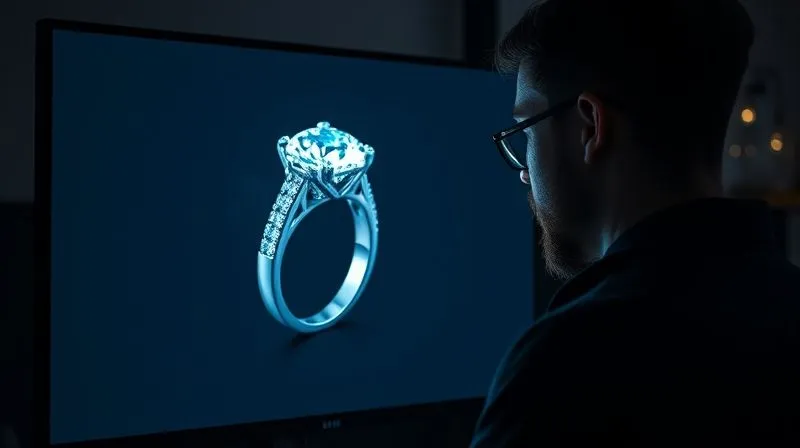
Computer-Aided Design (CAD) software is a game-changer for custom jewelry. It allows you to create highly realistic 3D renderings of the proposed piece from every angle. These renders can be rotated, zoomed, and even shown on a digital hand model. This level of detail empowers clients to make informed decisions and reduces the likelihood of changes later in the process. It's an invaluable asset when a custom jewelry client keeps changing design based on vague ideas.
Physical Prototypes and Wax Models
For more complex or high-value pieces, consider offering a physical prototype, such as a 3D-printed resin model or a hand-carved wax model. Holding a tangible representation of the jewelry can clarify scale, proportion, and wearability in a way that even the best 3D render cannot. While an additional cost, it's often a worthwhile investment to ensure client satisfaction and prevent costly rework.
Step 4: Establishing Clear Feedback Loops and Decision Points
Even with excellent initial communication and visual aids, revisions are inevitable. The key is to manage them systematically. Establishing clear feedback loops and decision points ensures that each stage is approved before moving to the next, preventing backtracking.
Structured Review Meetings
Schedule dedicated review meetings for each design phase (e.g., initial sketch, 3D render, wax model). During these meetings, present the design and specifically ask for feedback. Provide a structured form or checklist for them to use, guiding their comments to be constructive and focused. This prevents vague feedback that leads to more confusion.
Documenting Every Change
Every single requested change, no matter how small, must be documented in writing. This includes an email summary of the meeting, a signed revision request form, or an updated design agreement. This creates an unassailable paper trail, protecting you from 'he said, she said' scenarios and clearly defining what was agreed upon at each stage. This is paramount when dealing with a custom jewelry client who keeps changing design.
- Present Clearly: Showcase the design with all relevant details and explain your choices.
- Solicit Specific Feedback: Ask targeted questions like, "What aspects are working for you? What concerns do you have?"
- Document & Confirm: Write down all feedback and send a summary for client approval.
- Implement & Re-present: Make approved changes and present the revised design.
- Obtain Formal Sign-off: Secure written approval before proceeding to the next stage (e.g., casting).
Step 5: The "Pause" Protocol and Re-evaluation
Despite your best efforts, sometimes a client will continue to request changes beyond the agreed-upon limits, or their vision might fundamentally shift. This is when the "pause" protocol becomes essential. It's a professional way to regain control and realign the project.
When to Hit the Brakes
If a client exceeds their allotted revisions, or if their requests begin to fundamentally alter the original scope, it's time to pause. Politely inform the client that you need to halt work on the current design until a new agreement or understanding can be reached. This creates a necessary space for re-evaluation.
Realigning Expectations (and Contracts)
During the pause, schedule a meeting to discuss the situation transparently. Reiterate the initial agreement and the impact of the ongoing changes on time and cost. Present them with options: either revert to an earlier approved design, or create a new design agreement with revised timelines and additional fees. This demonstrates professionalism and respect for your own work process, which is critical when a custom jewelry client keeps changing design.
Case Study: How 'Azure Gems' Managed a Shifting Vision
Azure Gems, a custom jewelry studio, was commissioned to create an intricate sapphire necklace. After two rounds of revisions on the CAD model, the client suddenly decided they preferred emeralds and a completely different Art Deco motif, deviating significantly from the original brief. The designer, Sarah, invoked her "pause protocol." She scheduled a meeting, presented the original signed agreement, and outlined the additional costs and timeline required for a complete redesign. The client, understanding the implications, chose to proceed with the original sapphire design, with only minor adjustments. This saved Azure Gems weeks of uncompensated work and maintained profitability.
Understanding the psychology of client management in creative fields can also be beneficial. Harvard Business Review offers insightful articles on customer relationship management that can be adapted to bespoke services.
Step 6: Pricing for Profitability and Protecting Your Time
Effective pricing isn't just about covering costs; it's about valuing your expertise and time. When a custom jewelry client keeps changing design, it often impacts profitability. Proactive pricing strategies are key to mitigating this.
Value-Based Pricing for Custom Work
Move beyond simply charging for materials and labor. Price your custom pieces based on the unique value you provide: your design expertise, artistic vision, and the personalized experience. This allows you to build in a buffer for the inherent complexities of custom work, including a reasonable amount of client interaction.
Structuring Revision Costs
As mentioned in Step 2, transparently outlining revision costs is paramount. Ensure these fees are substantial enough to act as a deterrent for frivolous changes, while also fairly compensating you for your time. Consider tiered revision packages, where clients can pre-purchase extra rounds of changes at a slightly reduced rate, which can still be more profitable than endless unpaid revisions.

| Service Tier | Included Revisions | Design Fee |
|---|---|---|
| Standard Custom Design | 2 minor CAD adjustments | $500 - $1500 (project dependent) |
| Premium Custom Design | 3 minor CAD adjustments + 1 wax model adjustment | $1000 - $2500 (project dependent) |
| Additional Revision Package | Per 2 minor CAD adjustments or 1 major change | $250 - $500 (per package) |
| Expedited Design (Rush Fee) | For projects requiring faster turnaround | +20% of total design fee |
Step 7: Cultivating Client Trust Through Professionalism and Empathy
While boundaries and contracts are vital, the underlying goal is to foster a positive, trusting relationship. A client who trusts you is more likely to respect your process and adhere to agreements, even when they want to change something. This is the cornerstone of managing custom projects effectively.
Educating Your Client
Take the time to educate your clients about the custom design process. Explain the intricacies of metalwork, gemstone setting, and the time involved in each stage. A more informed client is a more understanding client. When they grasp the craftsmanship and effort, they're less likely to make casual, disruptive requests.
Maintaining Professional Boundaries
Empathy doesn't mean sacrificing professionalism. Be firm but fair. Clearly communicate your policies and stick to them. If a client consistently pushes boundaries, gently remind them of the agreed-upon terms. This shows that you value your work and your time, which in turn, encourages them to value it too. This balance is crucial for what to do when custom jewelry client keeps changing design.
“The strongest relationships are built on clear communication, mutual respect, and shared understanding, not just a handshake.” – A principle I live by in business.
For further reading on building strong client relationships, consider resources on client psychology in creative industries. Entrepreneur.com provides valuable insights into nurturing client relationships.
Frequently Asked Questions (FAQ)
What if a client refuses to sign a new agreement or pay for additional revisions? This is a challenging but clear situation. If the client refuses to adhere to the agreed terms or pay for additional work, you have the right to pause or terminate the project as per your contract's termination clause. It's crucial to have this clause defined. Offer to complete the project based on the last approved design within the original scope, or offer to return any deposit for work not yet completed, minus any costs incurred for work already performed. Document all communications thoroughly.
How do I handle a client who changes their mind after production has already started? This is the most costly scenario. Your contract should explicitly state that once production begins (e.g., casting, stone setting), significant changes are either impossible or will incur substantial additional costs, potentially requiring a complete restart. Clearly explain the financial implications and offer solutions, such as creating a new piece at a reduced cost, or salvaging what you can from the current production if feasible. Emphasize that the original design was approved and production was initiated based on that approval.
Should I ever make an exception to my revision policy? While consistency is key, there might be rare instances where a small, truly minor adjustment is quickly and easily made, and you might choose to waive a fee for a valued long-term client. However, this should be a conscious, rare decision, not a regular practice. Be aware that making exceptions can set a precedent, so weigh the pros and cons carefully. Your policy is there to protect you.
How can I prevent clients from 'shopping around' my design after I've put in the initial work? Your design agreement should include a clause stating that all preliminary designs, sketches, and 3D renders remain your intellectual property until the final payment is made and the piece is delivered. This prevents clients from taking your detailed designs to another jeweler. Some designers also charge a non-refundable design fee upfront that covers this initial work, regardless of whether the project proceeds to full production.
What if a client feels overwhelmed by too many options or technical details? While it's important to provide options, it's equally important to guide the client. Too many choices can lead to indecision. Present curated options, explaining the pros and cons of each. Simplify technical jargon, using analogies or visual comparisons. Remember, you are the expert, and your role is to guide them to the best solution, not just present a menu of choices.
Key Takeaways and Final Thoughts
- Clarity is King: Establish crystal-clear expectations and communication from the very first interaction.
- Contract is Your Shield: Implement a robust design agreement that defines scope, revision limits, and payment terms.
- Visualize, Visualize, Visualize: Utilize 3D renders, CAD, and prototypes to solidify the design before production.
- Systematic Feedback: Create structured feedback loops and document every single decision and change.
- Don't Be Afraid to Pause: Implement a 'pause protocol' when projects veer off course to realign expectations.
- Value Your Time: Price for your expertise and structure revision fees to protect your profitability.
- Build Trust: Educate clients and maintain professional boundaries to foster strong, respectful relationships.
Mastering the art of custom jewelry design isn't just about technical skill; it's also about mastering client management. By proactively implementing these strategies, you'll transform the challenge of a custom jewelry client who keeps changing design into a structured, manageable, and ultimately rewarding process. Take control of your projects, protect your creativity, and continue to craft the beautiful, unique pieces you're passionate about, with confidence and profitability.
Recommended Reading
- 7 Steps to Authenticate Holistic Ingredient Claims for Your Beauty Brand
- 5 Crucial Steps to Prevent Diamond Chipping in Micro-Pavé Setting
- 7 Critical Steps: How to Avoid Losing USDA Organic Status for Beauty Products
- 7 Proven Steps: Preventing Irreversible Damage to Vintage Textiles
- 7 Expert Strategies: Advising Clients on Eyewear Beyond Trends


Your email address will not be published. Required fields are marked *