


How to advise clients on eyewear styles conflicting with trends?
For over two decades in the dynamic world of eyewear fashion, I've witnessed the ebb and flow of countless trends. From the oversized frames of the 70s to the minimalist wire-rims of the 90s, and now the resurgence of bold, statement pieces, one constant remains: the individual standing before you. I've seen optical professionals make the critical mistake of pushing trends, only to lose the client's trust and, ultimately, their business.
It's a common dilemma: a client walks in, enamored with a style they saw on social media or a celebrity, yet that particular trend simply doesn't complement their unique facial structure, personal aesthetic, or lifestyle. The challenge isn't just about making a sale; it's about navigating this delicate conflict between fleeting fashion and enduring personal fit without alienating your client. How do you gently steer them towards what truly suits them, when their heart is set on something that might be a disservice?
In this definitive guide, drawing from my extensive experience, I will share actionable frameworks and empathetic communication strategies to empower you. We'll explore how to build profound client trust, educate them on the nuances of eyewear suitability, and ultimately, become their trusted style advisor, ensuring they leave not just with a new pair of glasses, but with a renewed sense of confidence and satisfaction, even when their initial desires conflicted with current trends.
Understanding the Core Conflict: Trend vs. Timeless
Before we delve into specific advisory tactics, it's crucial to understand the fundamental tension that often arises in eyewear consultations: the allure of trends versus the power of personal, timeless style.
The Allure of Trends
Trends are powerful. They tap into our desire for novelty, belonging, and perceived modernity. In eyewear, this can manifest as a sudden surge in popularity for specific shapes, colors, or materials – think the recent fascination with tiny, narrow frames or oversized, geometric designs. Clients are often influenced by:
- Social media influencers and celebrities
- Fashion magazines and runway shows
- Peer pressure and the desire to stay 'current'
This allure is often emotional, driven by the immediate gratification of being 'in style,' but it rarely considers long-term wearability or individual harmony.
The Power of Personal Style
Conversely, personal style is an authentic expression of an individual's identity, preferences, and lifestyle. It's about what makes them feel confident, comfortable, and truly themselves. When eyewear aligns with personal style, it becomes an extension of their personality, rather than just a functional accessory or a temporary fashion statement. Key benefits include:
- Enhanced Confidence: When glasses truly suit, they elevate the wearer.
- Timeless Appeal: Styles chosen for personal fit often remain relevant for years.
- Authentic Expression: Eyewear becomes a genuine part of their identity.
- Practicality & Comfort: Frames that fit well are more comfortable for daily wear.
The conflict arises because trends, by their very nature, are transient. What's 'in' today can be 'out' tomorrow. Personal style, while evolving, has a deeper, more enduring foundation.
"Fashion fades, style is eternal." This iconic quote from Yves Saint Laurent perfectly encapsulates the challenge we face in eyewear. Our role isn't just to sell glasses, but to cultivate lasting style and confidence for our clients.
The Art of Active Listening and Client Profiling
Before you even think about frames, your most potent tool is your ability to listen – truly listen – and observe. This is where the foundation of trust is built, allowing you to understand your client's underlying desires.
Beyond the 'What': Uncovering the 'Why'
When a client states, "I want those tiny sunglasses I saw on [celebrity name]," don't immediately jump to, "Those won't suit your face." Instead, explore the motivation behind their request. Ask open-ended questions:
- "What specifically draws you to that style?"
- "How do you envision yourself feeling or looking in them?"
- "What kind of image are you hoping to project?"
- "What's your typical daily routine like, and how do your current glasses fit into that?"
Their answers might reveal desires for modernity, sophistication, or even just a fun, temporary change. Understanding the 'why' allows you to address the underlying need, rather than just the superficial request.
Building a Visual Style Profile
While they're talking, be an astute observer. Their clothing, accessories, hairstyle, and even their demeanor offer clues to their inherent style. Are they classic, bohemian, minimalist, edgy, or eclectic? Do they prefer bold statements or understated elegance? Note their color preferences and material choices. This visual data, combined with their verbal cues, helps you create a comprehensive profile.
"Observational skills are paramount. A client's existing wardrobe often speaks louder than their words when it comes to understanding their authentic style."
Actionable Steps for Comprehensive Client Profiling:
- Initial Greeting & Observation: As they enter, make mental notes on their overall aesthetic, from their attire to their accessories.
- Open-Ended Inquiry: Start the conversation with questions that encourage detailed responses about their current eyewear, lifestyle, and aspirations for a new look.
- Visual Cues Integration: Connect their expressed desires with your observations. For example, "I notice you wear a lot of structured pieces; are you looking for a similar clean line in your eyewear?"
- Lifestyle Mapping: Discuss their work, hobbies, and social life. A graphic designer needs different eyewear than a construction worker or a retiree, impacting durability and style choices.
- Comfort & Practicality Check: Always ask about comfort, weight, and any issues with previous frames, ensuring functionality is also a priority.
This holistic approach ensures you understand the client as a whole, not just a trend-chaser, laying the groundwork for truly personalized advice.
Educating with Empathy: Bridging the Knowledge Gap
Once you've listened and observed, the next step is to gently educate. This isn't about telling a client they're 'wrong,' but about empowering them with knowledge that leads to better choices. This requires empathy and clear communication, avoiding jargon and focusing on visual impact.
The Science of Face Shapes and Frame Proportions
Many clients simply aren't aware of how different frame shapes interact with their facial features. This is your expertise. Instead of saying 'that won't work,' explain *why* in an accessible way.
- Contrast is Key: Suggest frames that contrast with face shape (e.g., angular frames for round faces, rounder frames for angular faces) to create balance.
- Proportion Matters: Frames should be proportionate to the face – not too wide, not too narrow, and the top line should ideally follow the brow line for a harmonious look.
- Feature Enhancement: Explain how certain frames can highlight or soften features, drawing attention to their best attributes.
Use a mirror to demonstrate. Hold up the trendy frame they like, then a more suitable alternative, and clearly articulate the visual impact of each. "See how this frame creates a beautiful balance with your jawline, while this one tends to disappear and make your face look wider?"
Material Matters: Durability, Comfort, and Aesthetics
Educate on the practicalities. The weight, flexibility, and durability of materials (e.g., acetate, titanium, stainless steel) significantly impact comfort and longevity. Explain how different finishes and colors can complement skin tone and hair color, adding another layer of informed choice beyond just 'looks.'
"Our role is to be the client's advocate, not just their salesperson. Providing objective, expert information builds a foundation of trust that transcends any single transaction, leading to genuine client satisfaction."
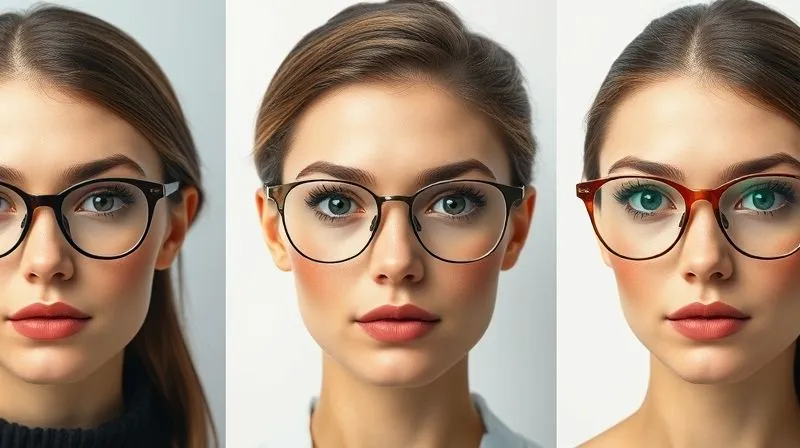
According to a study published in the Journal of Retailing and Consumer Services, customers who feel educated and empowered during a sales interaction are significantly more likely to make a purchase and return for future business. This underscores the importance of our advisory role.
Crafting a 'Style Narrative': Presenting Alternatives
Once you've gathered information and educated, it's time to present solutions. This is where your creativity and sales acumen merge. Don't just show 'better' options; weave a story that connects their initial desires with a more suitable, personal style.
The 'Bridge' Frame Strategy
If a client loves a specific trend that isn't ideal, find a 'bridge' frame. This is an option that incorporates an element of the trend they admire but in a more flattering and enduring silhouette. For example, if they want tiny, narrow frames but have a broad face, suggest a slightly wider, equally minimalist frame with a similar edgy aesthetic but better proportions.
Focus on shared attributes: "You love the modern feel of those frames; this pair offers a similar contemporary vibe but with a shape that truly enhances your features for a more sophisticated look that will last beyond the current season."
The 'Investment Piece' vs. 'Fashion Accessory' Approach
Help clients differentiate. An 'investment piece' is a timeless, high-quality frame that will serve them well for years, often suited for daily wear. A 'fashion accessory' might be a less expensive, trend-driven pair for occasional wear or to experiment with a passing fad. This framework empowers them to make conscious choices about where to allocate their budget and what purpose each frame serves.
Case Study: How Sarah's Optical Boutique Transformed Trend-Driven Requests
Sarah, an experienced optician at 'Clarity Eyewear,' faced a common scenario. A young professional, Maya, came in adamant about purchasing the very narrow, rectangular frames popular on social media. Maya had a soft, round face, and these frames visually widened her face and made her features appear harsher. Instead of dismissing Maya's choice, Sarah engaged in active listening, discovering Maya's desire for a 'modern, professional, and confident' look.
Sarah gently educated Maya on face shapes and proportions, explaining how the chosen narrow frames could inadvertently create an imbalance. She then introduced Maya to a 'bridge' frame: a slightly wider, contemporary cat-eye made from a sleek, lightweight metal. This frame maintained the modern, sharp aesthetic Maya desired but added a subtle lift and balance to her face.
During the try-on, Sarah highlighted the positive visual effects: "See how this cat-eye subtly lifts your cheekbones, giving you that confident, sharp look you mentioned, without making your face appear wider?" Maya, seeing the difference for herself and feeling empowered by the explanation, chose the cat-eye frames. She left feeling understood, confident, and with eyewear that truly elevated her professional image. This resulted in a loyal customer who later referred several colleagues to Sarah's boutique, proving that expert guidance builds lasting relationships, directly addressing the core problem of How to advise clients on eyewear styles conflicting with trends? effectively.
| Feature | Trendy Style (e.g., Tiny Rectangular) | Timeless/Bridge Style (e.g., Soft Cat-Eye) |
|---|---|---|
| Face Shape Compatibility | Often limited to specific face shapes (e.g., narrow oval) | Versatile, complements many face shapes, enhances features |
| Longevity & Versatility | Short-term appeal, can quickly look dated, limited styling options | Enduring appeal, adapts to various fashion trends, suitable for multiple occasions |
| Perceived Value | Driven by fleeting popularity, may feel disposable | Investment in personal style, enhances confidence, perceived as sophisticated |
| Client Confidence | May feel self-conscious as trends shift | Consistently feel their best, empowered by informed choice |
Mastering the Art of Gentle Persuasion and Trust-Building
Persuasion isn't about manipulation; it's about guiding clients to their best interest. It's a subtle dance of expertise, empathy, and providing undeniable value that resonates deeply with their needs.
Leveraging Social Proof and Testimonials
Sometimes, a client needs a little external validation. Share stories (anonymously, of course) of other clients who initially wanted a certain trend but found greater satisfaction with a more personalized choice. Display testimonials in your store or on your website that speak to your expertise in style guidance. "Many of our clients initially gravitate towards [trend], but find that [alternative] provides the modern look they want while being incredibly flattering."
According to Nielsen's Global Trust in Advertising report, 92% of consumers trust earned media, such as recommendations from friends and family, above all other forms of advertising. While these are not direct recommendations, showing that others have benefited from your expertise is a powerful form of social proof.
The 'Try-On' Experience: Making it Memorable
Transform the try-on process into an engaging, educational experience. Encourage clients to take photos of themselves in various frames. Offer honest, constructive feedback. Use positive reinforcement when they try on a frame that genuinely suits them. "Look how these frames bring out the color in your eyes!" or "Notice how this shape beautifully balances your features!"
Provide a comfortable, well-lit space. Offer a beverage. Make it an enjoyable, low-pressure consultation rather than a transaction. The aim is to create a moment where they *feel* the difference, not just hear it, ultimately leading to a more satisfying decision.
"The most powerful persuasion isn't in what you say, but in what you help the client discover for themselves through experience and self-reflection."

Post-Consultation: Nurturing Long-Term Client Relationships
Your relationship with a client doesn't end when they walk out the door with their new glasses. In fact, this is just the beginning of building a truly loyal customer base that views you as their indispensable eyewear expert.
Follow-Up Strategies
A simple follow-up email or call a week or two after purchase can make a huge difference. "How are you enjoying your new frames? Are they comfortable? Do you have any questions?" This shows you care beyond the sale and are committed to their ongoing satisfaction. Offer to make minor adjustments if needed, reinforcing the quality of your advice and service.
Consider sending personalized recommendations for accessories (e.g., cleaning kits, cases) or even future style suggestions based on their established profile, perhaps seasonally. This keeps you top-of-mind as their trusted eyewear expert and demonstrates a continued investment in their style journey.
Becoming Their Go-To Eyewear Advisor
By consistently providing insightful, empathetic, and knowledgeable advice, you position yourself as more than just a salesperson; you become their trusted eyewear advisor. This kind of relationship leads to repeat business, positive word-of-mouth referrals, and a strong sense of community around your brand. Clients will seek your counsel, knowing you prioritize their best interests over fleeting fads.
Think of it as nurturing a garden. Each positive interaction, each piece of sound advice, is a seed planted. Over time, these seeds blossom into a thriving ecosystem of loyal clients who value your expertise above all else.
Navigating Ethical Considerations and Sales Pressure
In any sales environment, there's an inherent tension between meeting targets and providing genuinely beneficial advice. As an expert in eyewear fashion, maintaining ethical standards and prioritizing client well-being is paramount to long-term success and reputation.
Prioritizing Client Well-being Over Sales Quotas
Your primary responsibility is to the client's vision and confidence. This means being honest, even if it means a smaller sale or no sale at all on a particular day. Pushing an unsuitable frame simply to meet a quota is a short-sighted strategy that erodes trust and damages your reputation. A satisfied client, even if they buy a less expensive frame, is more valuable long-term than a client who feels pressured and leaves unhappy.
As a professional, I've always advocated for a 'client-first' approach. The long-term benefits of a stellar reputation and loyal clientele far outweigh any immediate, short-term sales gain from a forced purchase. Ethical practice is the bedrock of sustainable business.
Maintaining Professional Integrity
If a client is absolutely determined to purchase a frame that you genuinely believe is a poor choice, and you've exhausted all empathetic education and alternative suggestions, it's crucial to maintain your professional integrity. You can express your expert opinion clearly and kindly, stating your concerns, but ultimately respect their autonomy. You might say, "While I've shared my professional recommendation regarding the best fit for your features and lifestyle, I understand this style truly speaks to you, and I want you to be happy and confident with your final choice."
Documenting your advice (e.g., in their client file) can also be a good practice, especially if there are significant functional concerns. This transparent approach protects both you and the client, ensuring that your expert guidance was provided. This structured approach to client interaction, as detailed by industry leaders like Harvard Business Review, emphasizes building value over mere transaction, leading to sustained business growth.
| Phase | Goal | Key Actions |
|---|---|---|
| Initial Contact | Understand & Observe | Active listening, visual profiling, open-ended questions |
| Education & Guidance | Empower Informed Choice | Explain face shapes, frame proportions, material benefits, use mirror demos |
| Recommendation & Selection | Present Best Fit & Alternatives | Bridge frames, style narratives, investment vs. accessory, case studies |
| Purchase & Follow-Up | Ensure Satisfaction & Loyalty | Smooth transaction, post-purchase check-ins, ongoing advice |
| Long-Term Relationship | Become Trusted Advisor | Personalized updates, referrals, consistent expert service |
Frequently Asked Questions (FAQ)
Q: What if a client is completely set on a trend that is truly unflattering?
A: After empathetic education and offering flattering alternatives (the 'bridge' strategy), if they remain unswayed, you must respect their choice. Clearly state your professional opinion and concerns, but ultimately, the decision is theirs. Focus on ensuring the chosen frame is at least functionally correct (e.g., correct fit for lenses, comfort). Your integrity is maintained by having provided expert advice.
Q: How do I handle a client who becomes defensive when I suggest alternatives?
A: Immediately shift from 'telling' to 'asking'. "I understand you love this style. Can I show you why some clients with similar features find this alternative creates a different effect?" Frame it as an exploration, not a correction. Emphasize that your goal is their ultimate satisfaction and confidence. Sometimes, stepping back and letting them try on multiple options themselves, then pointing out objective observations ("Notice how this frame sits higher on your cheek, creating more lift?"), can be less confrontational.
Q: Should I offer a 'trendy' frame as a secondary, less expensive option if they insist?
A: This can be a viable strategy. Position it as a 'fashion accessory' for fun or occasional wear, distinct from their primary, more timeless 'investment' pair. This acknowledges their desire for the trend while still guiding them to a truly suitable main frame. Ensure they understand the potential limitations (e.g., comfort, longevity) of the trend-driven piece.
Q: How do I stay updated on trends without becoming overly swayed by them myself?
A: Continuously educate yourself on both current trends and timeless design principles. Follow fashion publications, attend industry trade shows, and observe street style, but always filter this through the lens of functionality, ergonomics, and suitability for diverse face shapes. Your deep understanding of fundamental design will allow you to discern which elements of a trend can be adapted into a flattering style versus those that are purely fleeting.
Q: What's the biggest mistake optical professionals make when advising on style?
A: The biggest mistake is failing to listen and observe. Jumping straight to recommendations without understanding the client's underlying desires, lifestyle, and personal aesthetic often leads to a disconnect. It's also a mistake to be overly dismissive of a trend; instead, gently educate and offer solutions that bridge the gap between their desires and what truly suits them, turning a potential conflict into a win-win.
Key Takeaways and Final Thoughts
Navigating the intricate world of eyewear fashion, especially when client desires clash with current trends, is a testament to your skill as an expert and an advisor. It's a nuanced process that demands more than just product knowledge; it calls for empathy, profound observational skills, and the ability to educate without condescension. Here are the critical takeaways to embed in your practice:
- Prioritize Listening & Observation: Understand the 'why' behind their choices and their inherent personal style before recommending any frames.
- Educate with Empathy: Empower clients with knowledge about face shapes, proportions, and materials, using clear, non-technical language to build understanding.
- Offer Strategic Alternatives: Utilize 'bridge' frames and the 'investment vs. accessory' approach to blend current trends with timeless suitability.
- Build Trust, Not Just Sales: Focus on long-term client relationships through honest advice, memorable experiences, and consistent follow-up.
- Maintain Professional Integrity: Stand by your expert opinion, but respect client autonomy, always prioritizing their well-being and ultimate satisfaction.
Remember, your role transcends that of a mere salesperson. You are a style consultant, an educator, and a confidante. By mastering the art of advising clients on eyewear styles conflicting with trends, you won't just sell glasses; you'll build lasting confidence, cultivate loyalty, and distinguish yourself as a truly indispensable expert in the eyewear fashion industry. Embrace the challenge, and watch your clients — and your reputation — flourish.
Recommended Reading
- 7 Essential Checks: Identify Truly Durable Classic Menswear for Retail
- Cracking the Teen Code: 7 Steps to Forecast Volatile Fashion Trends
- 7 Ways to Master Dress Shoe Comfort Without Sacrificing Style
- 9 Ways to Verify Supply Chain Transparency in Sustainable Kids Wear
- Unlock Peak Performance: Why Arch Support is Crucial in Athletic Footwear




Your email address will not be published. Required fields are marked *