

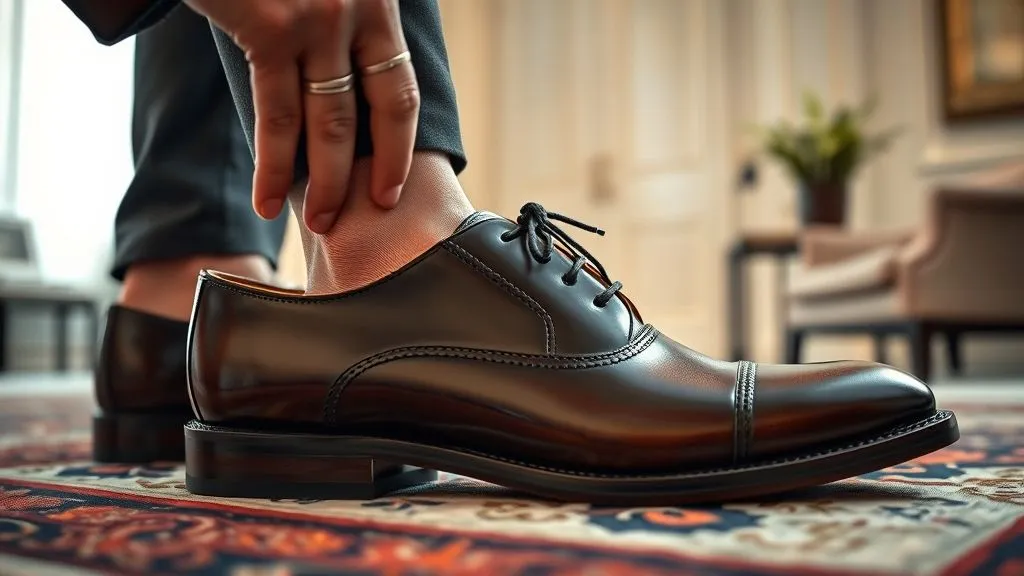
How to keep dress shoes comfortable all day without sacrificing style?
For over two decades in the menswear industry, I've witnessed countless gentlemen navigate the delicate balance between impeccable style and enduring comfort. It’s a common misconception that one must inevitably sacrifice the other, particularly when it comes to dress shoes. I've heard the sighs of relief when men kick off their shoes at the end of a long day, and I've seen the tell-tale grimace that accompanies prolonged wear of ill-fitting or unsupportive formal footwear.
The unspoken agony of formal wear – the pinching, the blisters, the aching arches by midday – is a problem far too many men simply accept. They believe that looking sharp demands a certain level of discomfort, a silent suffering for the sake of presentation. This compromise, in my expert opinion, is not only unnecessary but also counterproductive to projecting true confidence and poise.
This definitive guide isn't about ditching your exquisite Oxfords for sneakers. Instead, I'll share actionable, veteran-approved strategies, drawing from my extensive experience and deep industry insights, to ensure your dress shoes become a source of unwavering confidence and comfort, from your first step out the door until your last, without ever compromising your sartorial elegance. We’ll explore everything from selection to care, ensuring your feet feel as good as you look.
The Foundation: Choosing the Right Dress Shoe for All-Day Comfort
The journey to all-day comfort begins long before you even consider an insole or a shoe stretcher. It starts with the shoe itself – its construction, materials, and the very ‘last’ it was built upon. In my experience, many men prioritize brand or aesthetic over these fundamental comfort drivers, leading to inevitable discomfort down the line.
When I advise clients, I always emphasize the importance of quality leather. Full-grain calfskin, for instance, isn't just about luxurious appearance; it's about breathability and its ability to mold to your foot over time, creating a personalized fit. Unlike cheaper, corrected-grain leathers, full-grain leather allows your foot to breathe, preventing moisture buildup and reducing friction. This natural pliability is crucial for comfort.
Next, consider the construction method. A Goodyear Welted shoe, while initially stiffer, offers superior durability, water resistance, and, critically, the ability to be resoled multiple times. This means the shoe can adapt to your foot and be maintained for years, providing consistent comfort. Blake-stitched shoes, while more flexible from the outset, offer less support and are harder to resole. Cemented constructions, often found in lower-priced shoes, offer virtually no support or longevity, leading to rapid breakdown and discomfort.
The last shape – the anatomical form around which the shoe is built – is perhaps the most overlooked aspect. A last that closely matches the natural contours of your foot will provide immediate comfort and support. Different brands use different lasts, meaning a size 10 in one brand might feel entirely different from a size 10 in another. Always try shoes on and walk around to assess how the last interacts with your foot’s unique shape.
“Investing in high-quality dress shoes isn't an expense; it's an investment in your daily comfort, confidence, and long-term foot health. Compromising on the foundation means perpetually chasing comfort with temporary fixes.”
Here’s a brief overview of dress shoe types and their inherent comfort levels:
- Derby Shoes: Often more comfortable due to their open lacing system, which allows for greater adjustability, making them suitable for wider feet or higher insteps.
- Oxford Shoes: The closed lacing system offers a sleeker look but can be less forgiving for those with wider feet or high arches, requiring a more precise fit.
- Loafers: Generally comfortable for casual wear, but formal loafers should still offer good arch support and a secure fit to prevent slipping and rubbing.
- Monk Straps: Offer adjustability through buckles, bridging the gap between Oxfords and Derbys in terms of fit flexibility and formal appeal.
Case Study: Mr. Harrison's Comfort Revelation
Mr. Harrison, a corporate lawyer, spent over a decade enduring uncomfortable dress shoes, often opting for cheaper, cemented constructions that looked good but offered no support. He frequently suffered from foot fatigue and lower back pain after long days in court. Upon my recommendation, he invested in two pairs of Goodyear welted calfskin Oxfords from a reputable shoemaker, ensuring the last shape was appropriate for his slightly wider foot. While the initial investment was higher, he reported a significant reduction in foot fatigue within weeks. The shoes molded to his feet, and the superior support from the construction alleviated much of his discomfort, allowing him to focus on his cases, not his aching feet. This demonstrated the profound impact of starting with the right foundation.
The Unsung Heroes: Advanced Insoles and Orthotic Solutions
Once you have a well-constructed shoe, the next layer of defense against discomfort lies within: the insole. Many men overlook the power of a quality insole, viewing it as a generic accessory rather than a critical component of foot health and comfort. The stock insoles in even high-end dress shoes are often basic and lack the specific support or cushioning many individuals need.
I’ve guided countless clients through the world of insoles, and the transformation in their comfort levels is often dramatic. Beyond basic cushioning, modern insoles offer targeted arch support, heel stabilization, and advanced moisture-wicking properties. For those with specific foot conditions like plantar fasciitis or pronation, an off-the-shelf orthotic can provide immense relief, redistributing pressure and aligning the foot properly.
When considering insoles, it's essential to differentiate between simple cushioning inserts and true orthotic support. Cushioning insoles, typically made of gel or foam, are excellent for adding a layer of softness and absorbing impact. However, they don't correct biomechanical issues. Orthotic insoles, often semi-rigid, are designed to provide structured support to the arch and heel, guiding your foot into a more neutral position. While custom orthotics prescribed by a podiatrist offer the most personalized solution, many over-the-counter options are highly effective for common issues.
Here’s my step-by-step approach to choosing the right insole:
- Assess Your Needs: Do you need extra cushioning, arch support, heel stability, or a combination? Identify specific pain points or areas of fatigue.
- Measure for Fit: Ensure the insole can be trimmed to fit your shoe without bunching. Some insoles are designed for specific shoe types (e.g., low-profile for dress shoes).
- Consider Material: Gel offers superior shock absorption, foam provides cushioning, and leather insoles can add a touch of luxury and breathability.
- Trial and Error: Don't be afraid to try a few different types. What works for one person may not work for another. Wear them for a few hours to see how your feet react.
- Consult a Professional: If you have persistent foot pain or a diagnosed condition, a podiatrist can recommend custom orthotics or specific over-the-counter solutions.
According to a study published in the Journal of Foot and Ankle Research, appropriate orthotic intervention can significantly reduce foot pain and improve functional outcomes in individuals with various foot conditions. This underscores the scientific basis for considering advanced insole solutions.
For those seeking expert advice on foot health and orthotics, a visit to the American Podiatric Medical Association website can provide valuable resources and help you find a qualified professional.
Mastering the Fit: Beyond Your Shoe Size
This might sound obvious, but the single biggest determinant of comfort, even more than material or construction, is a proper fit. Yet, in my years, I've seen countless men walk out of stores with shoes that are 'close enough' in size, only to suffer later. Your shoe size isn't a static number; it's a dynamic measurement that can vary throughout the day and even over your lifetime. It also doesn't account for crucial factors like width, instep height, or toe box volume.
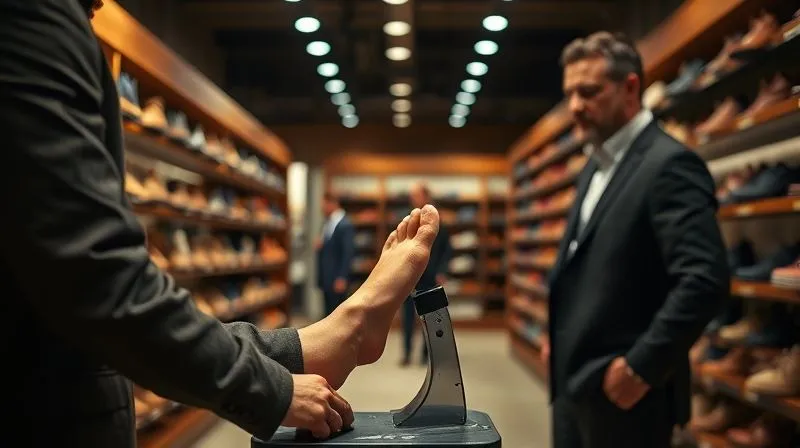
I always recommend getting your feet measured regularly, ideally at the end of the day when your feet are naturally at their largest due to swelling. Don't just rely on the Brannock device for length; ask for width measurements too. Many reputable shoe stores offer this service, and it's invaluable. Remember, a shoe that is too tight will pinch and restrict circulation, while one that is too loose will cause your foot to slide, leading to friction, blisters, and instability.
When trying on dress shoes, focus on these key areas:
- The Ball of the Foot: The widest part of your foot should align with the widest part of the shoe. This is where the shoe should flex naturally.
- The Toe Box: You should have about a thumb's width of space between your longest toe and the end of the shoe. Your toes should be able to wiggle freely, not feel cramped or pressed against the top or sides.
- The Instep: The top of your foot should feel snug but not constricted. For closed-lacing Oxfords, the eyelets should be parallel or just slightly V-shaped, indicating a good fit across the instep.
- The Heel: A slight amount of heel slip is normal in new leather shoes, especially Goodyear welted ones, as they need to break in. However, excessive slipping indicates the shoe is too large. Your heel should feel secure without rubbing.
Don't be afraid to try on multiple sizes and widths. If a shoe feels tight in a particular spot, don't assume it will 'stretch out enough.' While leather does have some give, it won't fundamentally change the shoe's last. As Seth Godin often says about marketing, "Don't find customers for your products, find products for your customers." The same applies to shoes: find shoes for your feet, not the other way around.
The Art of Breaking In: Patience Pays Off
Once you’ve invested in a quality pair of dress shoes, the next critical step for all-day comfort is the break-in process. This is where many men make mistakes, either expecting instant comfort or enduring unnecessary pain. I’ve seen countless beautiful shoes abandoned because their owners didn’t understand the gentle art of breaking them in. A common myth is that breaking in shoes must be painful – it absolutely does not have to be.
The goal of breaking in is to allow the leather to soften and mold to the unique contours of your foot. This takes time and gradual wear. Here’s how I advise my clients to approach it:
- Start Short: Begin by wearing your new shoes for only 1-2 hours at a time, preferably around the house or during light, low-impact activities. This allows your feet and the shoes to gradually adjust to each other.
- Wear Thick Socks: Initially, wear thicker socks to provide extra cushioning and protection against potential rubbing. Merino wool socks are excellent for this, as they also manage moisture.
- Condition the Leather: Before the first wear, apply a high-quality leather conditioner. This will soften the leather, making it more pliable and reducing the stiffness that causes discomfort. Pay particular attention to areas prone to creasing or rubbing.
- Strategic Stretching (if needed): If you identify specific pressure points, a shoe stretcher can be a valuable tool. Use it gently and incrementally, targeting only the tight areas. For severe tightness, consider professional stretching at a cobbler.
- Rotate, Don’t Dominate: Avoid wearing new shoes for consecutive full days. Give them a day or two to rest between wears, allowing the leather to dry and relax, which is crucial for comfort and longevity.
Common break-in mistakes to avoid:
- Wearing them for a full day immediately: This is a recipe for blisters and pain, and can even damage the shoe.
- Ignoring pressure points: Don't hope they'll magically disappear. Address them early with conditioning or stretching.
- Not conditioning the leather: Dry leather is stiff leather, and stiff leather is uncomfortable.
- Using heat to stretch: While some methods suggest heat, it can permanently damage the leather, making it brittle. Stick to gentle, gradual methods.
Breaking in is a dialogue between your foot and the shoe. Listen to your feet, and be patient. The reward is a pair of shoes that feel custom-made for you.
| Day | Wear Time | Activity | Notes |
|---|---|---|---|
| 1-3 | 1-2 hours | Light walking indoors, short errands | Focus on identifying hot spots; use thick socks. |
| 4-7 | 3-4 hours | Office work, non-strenuous activities | Apply conditioner; consider spot stretching if needed. |
| 8-14 | Full day (with rotation) | Normal routine, monitor comfort | Ensure proper shoe tree use; continue conditioning. |
Material Matters: Breathability, Flexibility, and Support
Beyond the initial fit and break-in, the specific materials used in various parts of the shoe play a profound role in its all-day comfort. As an expert, I look beyond the superficial shine to the very components that make a shoe a pleasure, not a pain, to wear. It's a holistic view that encompasses the upper, lining, and sole.
While full-grain calfskin is a benchmark, other materials offer unique comfort benefits. Suede, for instance, is inherently softer and more flexible than polished calfskin, often requiring less break-in. Cordovan, a highly prized leather from horsehide, is incredibly durable and develops a unique patina, but it can be stiffer and requires a longer break-in period. The key is understanding how these materials interact with your foot over time.
The lining material is often overlooked but is crucial for interior comfort and foot health. A full leather lining (calfskin being ideal) offers superior breathability and moisture-wicking properties compared to synthetic linings. Synthetic linings can trap heat and moisture, leading to discomfort, odor, and even fungal issues. A well-lined shoe feels smooth against the foot, preventing friction and creating a luxurious interior environment.
“The true measure of a dress shoe’s comfort isn't just its exterior allure, but the intelligent harmony of its internal components – from the supple lining to the responsive sole – all working in concert to support your foot.”
Finally, let's talk about sole materials. Traditionally, dress shoes feature leather soles, which are breathable and mold beautifully to the foot. However, they offer less grip and can be less comfortable on hard surfaces, especially in wet conditions. Modern alternatives like Dainite rubber soles or other proprietary rubber compounds offer excellent grip, increased cushioning, and superior durability without significantly compromising the shoe's elegant profile. They also provide better insulation from cold ground. For maximum comfort on long walks or standing, a rubber-soled dress shoe is often the superior choice, balancing flexibility, grip, and shock absorption.
Understanding these material nuances allows you to make informed decisions that align with your daily activities and comfort priorities. For a deeper dive into leather types and their properties, the resources from reputable tanneries like Horween Leather Company offer excellent insights into the science behind quality footwear materials.
The Power of Rotation and Proper Care
Even the most comfortable dress shoes will eventually succumb to wear and tear if not properly cared for. In my experience, neglecting proper shoe care is one of the fastest ways to diminish both the lifespan and the comfort of your investment. This isn't just about aesthetics; it's about maintaining the structural integrity and hygiene that contribute to all-day comfort.
The cardinal rule for dress shoe comfort and longevity is shoe rotation. I cannot stress this enough. Wearing the same pair of shoes day in and day out doesn't allow the leather to fully dry out from perspiration. Over time, this constant moisture can break down the leather and internal components, leading to a loss of shape, reduced support, and an unpleasant odor. Ideally, you should have at least two to three pairs of dress shoes that you rotate, allowing each pair a full 24-48 hours to air out and dry completely.
Proper cleaning and conditioning are equally vital. Regularly wiping down your shoes with a damp cloth removes surface dirt, and applying a quality leather conditioner every few weeks keeps the leather supple and prevents it from drying out and cracking. Conditioned leather is more flexible and less prone to causing friction against your foot. For polished leathers, a good shoe cream or polish will not only maintain their luster but also provide additional nourishment.
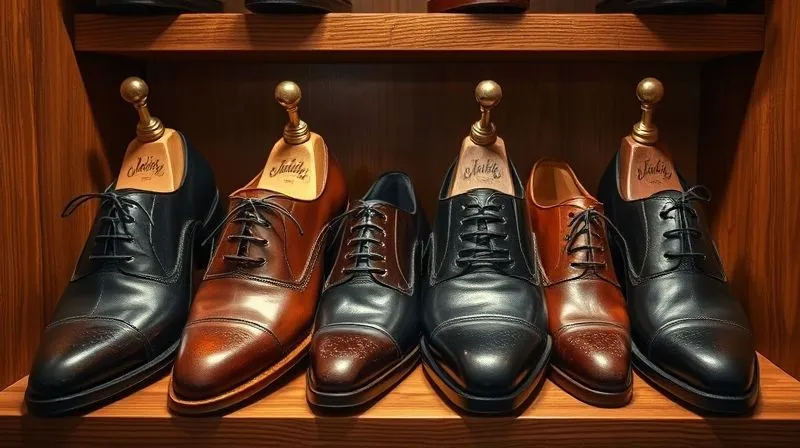
Don't underestimate the power of shoe trees. After each wear, immediately insert cedar shoe trees into your shoes. Cedar shoe trees perform two crucial functions: they absorb residual moisture from the leather, and they help maintain the shoe's original shape, preventing creases and curling. This ensures that the shoe retains its comfortable fit and supportive structure over time.
- Shoe Care Essentials:
- Quality Shoe Polish/Cream: For nourishment and shine.
- Leather Conditioner: To keep leather supple and prevent cracking.
- Soft Brushes: For applying polish and buffing.
- Cleaning Cloths: For wiping down and final shine.
- Cedar Shoe Trees: For moisture absorption and shape retention.
Finally, don't hesitate to utilize the services of a skilled cobbler for repairs. Resoling, heel replacement, or even minor stitching repairs can significantly extend the life and comfort of your shoes, often making them feel like new again. A well-maintained shoe is a comfortable shoe.
Strategic Accessories: The Role of Socks and Shoe Trees
While we've already touched upon shoe trees, their strategic importance warrants a deeper dive, and we absolutely must discuss socks – the often-unsung heroes of dress shoe comfort. As a menswear specialist, I've seen men invest hundreds in shoes only to undermine their comfort with the wrong hosiery. The right sock can make a world of difference, acting as a crucial barrier and comfort enhancer.
Let's start with socks. The material, thickness, and fit of your socks directly impact how your foot feels inside the shoe. Thin, ill-fitting cotton socks can bunch up, cause friction, and offer poor moisture management. Instead, I recommend:
- Merino Wool Blends: These are fantastic. Merino wool is naturally moisture-wicking, breathable, and odor-resistant. It provides excellent thermoregulation, keeping your feet warm in winter and cool in summer, all while offering a comfortable cushion.
- Bamboo Blends: Known for their incredible softness and natural antibacterial properties, bamboo socks are highly breathable and gentle on the skin, making them ideal for sensitive feet.
- High-Quality Cotton Blends: If you prefer cotton, opt for mercerized cotton blends that are durable, smooth, and offer good breathability. Avoid cheap, thick cotton that absorbs sweat and stays damp.
- Proper Fit: Ensure your socks fit well – not too tight, not too loose. Socks with arch compression can offer additional support and reduce fatigue.
The right sock minimizes friction, wicks away moisture, and provides an extra layer of cushioning, directly contributing to all-day comfort. For a comprehensive guide on the benefits of different sock materials, explore resources from premium hosiery brands like Stance or Smartwool.
Now, back to shoe trees. I consider them non-negotiable for anyone serious about their dress shoes. Specifically, I advocate for cedar shoe trees. They don't just maintain the shoe's shape; the aromatic cedar wood naturally absorbs moisture and odor from the leather, preventing the buildup of bacteria and keeping the interior fresh. This is vital for hygiene and comfort. Plastic shoe trees might preserve shape, but they do nothing for moisture or odor control.
“Never underestimate the combined power of quality socks and cedar shoe trees. They are the silent guardians of your dress shoe comfort, working tirelessly to preserve both the shoe’s integrity and your foot’s well-being.”
Using shoe trees immediately after wear, coupled with strategic sock selection, creates an optimal environment for your feet and extends the life of your cherished dress shoes, ensuring they remain comfortable and supportive for years to come.
Foot Health Fundamentals: Supporting Your Stride and Overall Well-being
Ultimately, the comfort of your dress shoes is intrinsically linked to the health of your feet. As an industry specialist, I’ve learned that even the most meticulously chosen and cared-for shoes can't overcome neglected foot health. Think of your feet as the foundation of your entire posture and mobility; if the foundation is weak, everything else suffers. This section delves into the often-overlooked aspects of holistic foot care that contribute significantly to all-day dress shoe comfort.
Simple daily practices can make a profound difference. Incorporate basic foot exercises into your routine, such as toe curls, ankle rotations, and picking up marbles with your toes. These exercises strengthen the intrinsic muscles of the foot, improving stability and reducing fatigue, especially when wearing less forgiving footwear like dress shoes. Furthermore, regular stretching of your calf muscles and hamstrings can alleviate tension that often transfers to the feet.
Don't shy away from professional foot care. A regular pedicure isn't just for aesthetics; it's a vital part of foot hygiene. Proper nail trimming prevents ingrown toenails, callus removal reduces painful pressure points, and professional moisturizing keeps the skin supple, reducing cracks and dryness. These small details prevent minor irritations from escalating into debilitating pain when confined within a dress shoe.
Understanding common foot ailments and how your shoes impact them is also crucial. Conditions like bunions, hammertoes, and plantar fasciitis are often exacerbated by ill-fitting shoes, particularly those with narrow toe boxes or inadequate arch support. If you suffer from such conditions, seeking advice from a podiatrist is paramount. They can recommend specific footwear modifications, custom orthotics, or therapeutic interventions that will dramatically improve your comfort.
“Your feet are your body's unsung heroes, carrying you through life's demands. Prioritizing their health is not a luxury, but a necessity for sustained comfort, balance, and overall well-being, especially when confined in formal footwear.”
Finally, remember the broader picture: hydration and diet. Staying well-hydrated helps maintain skin elasticity and overall joint health, including in your feet. A balanced diet rich in vitamins and minerals supports bone and muscle health. These seemingly unrelated factors contribute to your body's ability to withstand the demands of prolonged standing or walking, even in dress shoes.
By adopting a holistic approach to foot health, you're not just making your dress shoes more comfortable; you're investing in your overall physical well-being. Your feet will thank you for it, and your stride will reflect a newfound confidence.
Frequently Asked Questions (FAQ)
Question: Can I stretch my dress shoes if they are too tight, and is it safe for the leather?
Detailed answer: Yes, dress shoes made from genuine leather can be stretched, but it must be done carefully to avoid damaging the material. I recommend using a professional shoe stretcher with specific bunion plugs if the tightness is localized, or a two-way stretcher for overall width and length. Apply a leather stretching spray to the interior of the shoe before inserting the stretcher, as this helps to relax the leather fibers. Leave the stretcher in for at least 24-48 hours. For significant stretching, especially for high-value shoes, I always advise taking them to a skilled cobbler who has specialized equipment and expertise to stretch them safely and effectively without overstressing the leather. Avoid DIY methods involving excessive heat or harsh chemicals, as these can permanently damage the leather.
Question: What's the best way to deal with blisters from new dress shoes?
Detailed answer: Dealing with blisters promptly is key to preventing further discomfort and infection. First, do not pop the blister, as the skin acts as a natural sterile barrier. Clean the area gently with mild soap and water. Apply an antiseptic ointment and cover the blister with a specialized blister plaster (hydrocolloid dressing), which provides cushioning, promotes healing, and protects against friction. If the blister is large or very painful, or if there are signs of infection (redness, pus, increased pain), consult a medical professional. More importantly, identify the cause of the blister – usually friction from an ill-fitting shoe or lack of proper break-in – and address it to prevent recurrence. This might mean adjusting your lacing, wearing thicker socks, or using moleskin on pressure points.
Question: Are rubber soles always more comfortable than leather soles for dress shoes?
Detailed answer: Not always, but generally, rubber soles offer superior comfort for all-day wear, especially on hard urban surfaces. Rubber provides better shock absorption, cushioning, and grip, reducing impact on your feet and joints. Leather soles, while traditional and breathable, offer less cushioning and can be slippery in wet conditions. However, a well-made leather sole, especially one that has broken in and molded to your foot, can be very comfortable and offers a refined feel. The choice often comes down to your primary use case: for extensive walking and standing, rubber is often preferred for comfort and durability. For occasional wear or situations where traditional aesthetics are paramount, leather remains a classic choice. Many brands now offer hybrid soles that combine the elegance of leather with strategic rubber inserts for grip and comfort.
Question: How often should I replace the insoles in my dress shoes?
Detailed answer: The frequency of insole replacement depends on several factors: the quality of the insole, how often you wear the shoes, and your activity level. As a general rule, I recommend inspecting your insoles every 6-12 months. Look for signs of wear such as flattened cushioning, loss of arch support, or noticeable indentations from your foot. If the insole is compressed, torn, or no longer provides its intended support, it's time for a replacement. Even if they look fine, insoles can lose their resilience over time. For daily wearers or those who put a lot of miles on their shoes, more frequent replacement (every 3-6 months) might be necessary to maintain optimal comfort and support. Custom orthotics, being more durable, typically last longer but should be checked periodically by your podiatrist.
Question: Do wide-fit shoes compromise style in formal menswear?
Detailed answer: Absolutely not. This is a common misconception that I actively dispel. Modern shoemakers understand the diverse needs of men's feet. Many reputable brands now offer wide-fit (E, EE, or even EEE) options in their most classic and stylish designs. The key is to find a brand that has perfected lasts for wider feet, ensuring the proportions remain elegant and the silhouette isn't clunky. Compromising on fit for the sake of a perceived 'sleeker' look will inevitably lead to discomfort, blisters, and foot health issues, which will ultimately detract from your overall presentation. True style is about confidence and comfort. A well-fitting wide shoe will always look better than a standard-width shoe that pinches and distorts your foot. Look for brands specializing in comfort footwear or those known for offering a range of widths.
Key Takeaways and Final Thoughts
Navigating the world of dress shoes without sacrificing comfort for style is entirely achievable. It requires a thoughtful, informed approach, moving beyond superficial aesthetics to consider the fundamental elements that contribute to true comfort and longevity. As a seasoned specialist, I've seen firsthand how these strategies transform the daily experience of countless men, turning potential agony into enduring elegance.
- Invest in Quality: Prioritize well-constructed shoes (Goodyear welted) made from high-grade, breathable leathers.
- Master the Fit: Get your feet measured accurately, considering both length and width, and try shoes on at the end of the day.
- Leverage Insoles: Don't underestimate the power of advanced insoles or orthotics for targeted support and cushioning.
- Break Them In Gently: Be patient with new shoes, using gradual wear and conditioning to allow them to mold to your feet.
- Embrace Proper Care: Rotate your shoes, use cedar shoe trees, and maintain them with regular cleaning and conditioning.
- Choose the Right Socks: Opt for moisture-wicking, breathable materials like merino wool or bamboo blends.
- Prioritize Foot Health: Incorporate basic foot exercises and consider professional foot care for overall well-being.
Remember, true style emanates from confidence, and genuine confidence is impossible when you're distracted by aching feet. By integrating these expert strategies into your menswear routine, you're not just buying shoes; you're investing in your comfort, your health, and your unwavering poise. Step out with confidence, knowing your dress shoes are as comfortable as they are stylish. Your feet, and your entire demeanor, will thank you for it.
Recommended Reading
- Beat Digital Eye Strain: 7 Stylish Eyewear Solutions for Professionals
- Slash Sampling Costs: 7 Ways 3D Fashion Design Software Delivers ROI
- The Avant-Garde: How Haute Couture Challenges Traditional Art Boundaries
- Unlock the Secret: Tips for Long-Lasting Professional Stage Makeup?
- 7 Steps to Verify Cruelty-Free Fashion Supply Chains Ethically





Your email address will not be published. Required fields are marked *