

How to Shoot Fashion Lookbooks That Actually Boost Sales?
For over two decades in the dynamic world of fashion photography and brand strategy, I've witnessed countless brands invest heavily in their lookbooks, only to see them languish, generating little more than aesthetic appeal. It's a common, heartbreaking scenario: beautiful imagery that fails to translate into tangible sales or meaningful customer engagement. The creative vision is there, the budget is spent, but the commercial impact? Often, it's a whisper rather than a roar.
The core problem isn't usually a lack of talent or effort; it's a fundamental disconnect between artistic expression and strategic intent. Many approach lookbooks as purely visual showcases, overlooking their immense potential as powerful sales tools. They become expensive art projects rather than meticulously crafted marketing assets designed to guide a customer from admiration to acquisition. This oversight leaves brands frustrated, with stunning visuals that don't move the needle on their bottom line.
My goal with this guide is to bridge that gap. I'm going to share the actionable frameworks, insider insights, and practical strategies I've honed over years of working with successful fashion brands. We’ll delve into how to shoot fashion lookbooks that actually boost sales, transforming your visual content into a high-performing engine for growth. Get ready to learn not just how to take pretty pictures, but how to craft a visual narrative that compels, converts, and consistently delivers ROI.
1. Understanding Your Audience & Brand Story First
Before a single camera is unpacked or a model is cast, the most critical step is to deeply understand who you're talking to and what you're trying to say. A lookbook isn't just about showing clothes; it's about selling a lifestyle, an emotion, a solution to your customer's unarticulated desires.
Defining Your Ideal Customer Persona
I've seen brands spend fortunes on shoots that resonated with no one because they hadn't truly defined their target audience. Who are they? What are their aspirations, their values, their daily routines? What problems does your fashion solve for them? Go beyond demographics; delve into psychographics. Are they trend-setters, comfort-seekers, eco-conscious consumers, or luxury aficionados?
- Age & Demographics: Basic, but essential for initial targeting.
- Lifestyle & Interests: What do they do for fun? Where do they shop?
- Values & Beliefs: Do they prioritize sustainability, ethical production, or exclusive luxury?
- Pain Points & Desires: How does your brand fulfill a need or aspiration?
- Media Consumption: Where do they get their fashion inspiration? Instagram, TikTok, magazines, blogs?
Your lookbook should feel like it was made specifically for *them*.
Crafting Your Unique Brand Narrative
Every successful fashion brand tells a story. What's yours? Is it about empowerment, rebellion, timeless elegance, or innovative comfort? This narrative must permeate every aspect of your lookbook, from location scouting to model expressions to post-production grading. It’s the emotional glue that connects your product to your customer.
"A lookbook without a compelling story is just a catalog. A lookbook with a story is an invitation to a world your customer wants to be a part of."
According to a study by Harvard Business Review, customers who have an emotional connection with a brand have a 306% higher lifetime value. Your lookbook is a prime opportunity to forge that connection.
2. Pre-Production Mastery: The Blueprint for Success
The success of any shoot is 90% preparation. This is where you translate your audience and brand story into a concrete visual plan. Skipping or rushing this stage is a recipe for expensive reshoots and diluted messaging.
Developing a Detailed Mood Board & Shot List
I always start with a comprehensive mood board. This isn't just for pretty pictures; it's a visual bible for your entire team. It should include:
- Color Palettes: Reflecting brand identity and collection mood.
- Location Inspiration: Specific types of environments (urban, natural, studio, architectural).
- Model Poses & Expressions: How do you want your garments to be worn and expressed?
- Hair & Makeup References: Consistent with the brand aesthetic.
- Lighting Styles: High-key, low-key, natural, studio strobes.
- Overall Vibe & Feel: Words that describe the desired emotional impact.
Alongside the mood board, create a meticulous shot list. This is your roadmap for the day, detailing every outfit, every pose, every angle. Include notes on specific garments, accessories, and the desired emotional tone for each shot. This prevents missed opportunities and ensures comprehensive coverage.
Casting the Right Talent & Team
Your models are more than mannequins; they are storytellers. They must embody your brand persona and resonate with your target audience. Look for models whose expressions and movements naturally align with your brand's narrative. A diverse cast can also significantly broaden your appeal and demonstrate inclusivity.
Beyond models, assemble a dream team: a photographer who understands your vision, a stylist who can translate your aesthetic, a hair and makeup artist who can execute the look, and a reliable production assistant. Clear communication and a shared understanding of the lookbook's objectives are paramount.
3. Styling for Conversion: Beyond Just Pretty Pictures
This is where the rubber meets the road. Styling isn't just about making clothes look good; it's about making them look desirable and wearable. It's about demonstrating value and inspiring purchase.
Contextual Styling: Showing, Not Just Telling
Instead of isolated product shots, show your garments in context. How would your ideal customer wear this outfit in their daily life? A trench coat isn't just a coat; it's part of a chic urban commute. A cocktail dress isn't just fabric; it's the centerpiece of an unforgettable evening.
- Create Full Looks: Don't just photograph a single item. Style complete, aspirational outfits that customers can imagine themselves wearing.
- Incorporate Accessories: Scarves, jewelry, bags, shoes – these complete the story and offer cross-selling opportunities.
- Suggest Occasions: Is it for a brunch, a business meeting, a casual weekend? Let the styling hint at the appropriate context.
- Show Versatility: If an item can be styled in multiple ways, demonstrate it. This adds perceived value.
Emphasizing Key Selling Points Visually
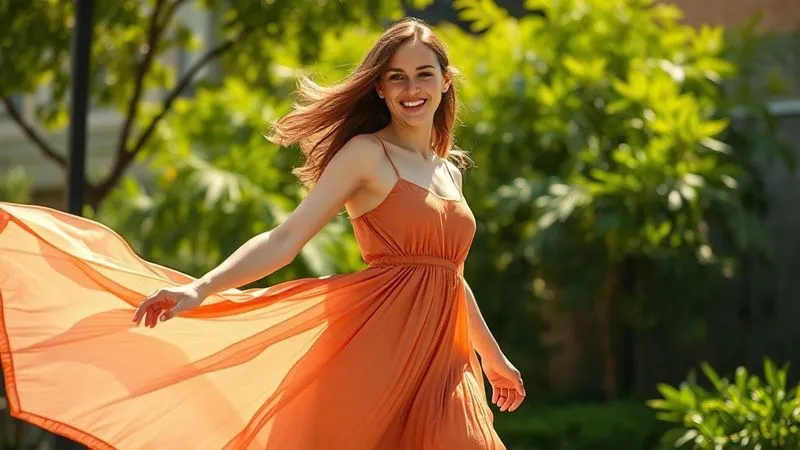
What makes your product special? Is it the fabric, the fit, a unique detail, or its sustainable origin? Your styling and photography should highlight these attributes. For example, if a fabric has a beautiful drape, ensure poses and movement showcase that fluidity. If an item is incredibly comfortable, convey that through relaxed, natural poses.
| Feature to Highlight | Styling Approach | Sales Impact |
|---|---|---|
| Sustainable Fabric Texture | Close-up shots, natural light, tactile poses | Appeals to eco-conscious buyers, justifies premium |
| Versatile Layering Piece | Show 2-3 distinct outfit combinations, different occasions | Increases perceived value, encourages multiple purchases |
| Unique Embellishment/Detail | Dynamic angles, focus on detail with shallow depth of field | Highlights craftsmanship, differentiates product |
Case Study: Elevating 'Urban Nomad' with Contextual Styling
Case Study: How 'Urban Nomad' Boosted Sales with Contextual Styling
'Urban Nomad', a small brand specializing in ethically sourced outerwear, struggled to convert interest into sales despite high-quality garments. Their initial lookbooks featured standard model shots against plain backdrops. By implementing a strategy of contextual styling, they transformed their approach. They shot their collection in real-world urban environments – bustling markets, hidden alleyways, and rooftop gardens – showing models actively wearing the jackets, scarves, and bags in practical, stylish scenarios. They focused on showing the garments in motion, emphasizing durability and versatility. This shift in visual storytelling resulted in a 45% increase in online conversions within three months, as customers could better visualize themselves integrating the pieces into their own lives.
4. The Art of Photography: Lighting, Composition, and Authenticity
This is where the technical craft meets the artistic vision. Great photography elevates your lookbook from good to unforgettable, directly influencing how desirable your products appear.
Mastering Lighting for Mood & Detail
Lighting is the sculptor of your image. It sets the mood, highlights textures, and defines form. Natural light, when used skillfully, can create a soft, authentic, and aspirational feel. Studio lighting offers more control, allowing you to sculpt light and shadow to emphasize specific garment features or create dramatic effects.
- Soft, Diffused Light: Ideal for showcasing fabric texture and creating a gentle, approachable mood.
- Hard, Dramatic Light: Can add edge and highlight architectural details of garments, often used for avant-garde or high-fashion looks.
- Backlighting: Creates a halo effect, adding depth and a dreamy quality, often used to silhouette models or highlight movement.
- Directional Light: Emphasizes form and texture, crucial for showing the construction and quality of a piece.
Always consider how the lighting choice supports your brand's narrative and the collection's aesthetic.
Composition That Guides the Eye
Effective composition leads the viewer's eye exactly where you want it to go – to your product. Use principles like the rule of thirds, leading lines, and negative space to create visually engaging and balanced images. Don't be afraid to experiment with different angles and perspectives. A low angle can convey power, while a high angle can offer a broader view of an outfit.
Ensure that the garment is always the hero. While the environment and model are crucial, they should enhance, not detract from, the clothing. Pay attention to backgrounds; they should complement, not compete with, your product.
Authenticity in Posing & Expression
The days of stiff, unnatural posing are largely over. Modern consumers crave authenticity. Encourage your models to move naturally, interact with their environment, and express genuine emotion. This human element makes the lookbook feel more relatable and aspirational.
"People don't buy products; they buy better versions of themselves. Your lookbook should show them that better version."
Capture candid moments, subtle gestures, and genuine smiles. These unscripted moments often become the most powerful and sales-driving images. As renowned fashion photographer Annie Leibovitz often emphasizes, it's about capturing the essence of the subject, not just their surface.
5. Post-Production Power: Enhancing, Not Altering
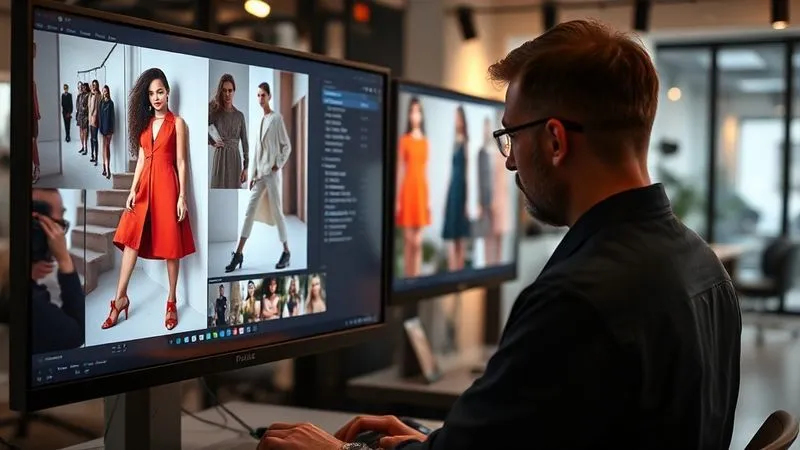
Post-production is not about creating something that wasn't there; it's about refining and enhancing what you've captured. It's the final polish that ensures your lookbook images are consistent, vibrant, and perfectly aligned with your brand's aesthetic.
Consistent Color Grading & Retouching
Consistency is key. Your lookbook should feel cohesive, with a unified color palette and tone across all images. Develop a specific color grade that enhances your brand's mood – whether it's warm and inviting, cool and minimalist, or bold and vibrant. This creates a professional and memorable visual identity.
Retouching should be subtle and purposeful. Focus on:
- Color Correction: Ensuring accurate representation of garment colors.
- Skin Smoothing: Achieving a natural, healthy glow without over-airbrushing.
- Distraction Removal: Eliminating unsightly background elements or minor imperfections.
- Highlighting Details: Gently enhancing fabric textures or intricate embellishments.
The goal is to present your product and models in their best light, not to create an unrealistic fantasy. Over-retouching can alienate consumers who prioritize authenticity.
Optimizing for Web & Print
Your lookbook will likely live in multiple formats, each with its own technical requirements. High-resolution files are essential for print, while optimized web images are crucial for fast loading times and a smooth online experience. Slow-loading images lead to high bounce rates, directly impacting potential sales.
For web, compress images without sacrificing quality. Use appropriate file formats (JPEG for photos, PNG for transparency). Consider responsive design principles so your lookbook looks stunning on any device, from a desktop monitor to a smartphone.
6. Distribution & Analytics: Getting Your Lookbook Seen & Measured
A stunning lookbook is only effective if it reaches your target audience and its performance is tracked. This is where strategic distribution and rigorous analysis come into play.
Multi-Channel Distribution Strategy
Don't just upload your lookbook to your website and hope for the best. Actively distribute it across channels where your audience spends their time:
- Website & E-commerce Platform: Integrate it seamlessly. Create dedicated landing pages.
- Email Marketing: Announce new lookbooks to your subscribers. Segment lists for targeted content.
- Social Media: Share snippets, behind-the-scenes content, and direct links. Use carousels, Reels, and Stories.
- Influencer Marketing: Partner with influencers to share the lookbook and style pieces.
- PR & Media Outreach: Send your lookbook to fashion editors, bloggers, and publications.
- In-Store Displays: Use physical copies or digital screens in your retail locations.
Each channel requires a slightly different approach to maximize engagement.
Measuring Performance & ROI
This is where we determine if your lookbook is actually boosting sales. Set clear KPIs (Key Performance Indicators) before launch. Track metrics such as:
- Website Traffic: How many visitors are viewing the lookbook pages?
- Time on Page: Are users spending sufficient time engaging with the content?
- Click-Through Rate (CTR): How many clicks from the lookbook to product pages?
- Conversion Rate: How many lookbook viewers ultimately make a purchase?
- Sales Attributed to Lookbook: Use UTM parameters and analytics to track direct sales.
- Social Media Engagement: Likes, shares, comments, saves on lookbook content.
Analyze this data to understand what's working and what isn't. Are certain looks performing better? Are specific channels driving more conversions? This feedback loop is crucial for optimizing future lookbooks. As Forbes contributor Forbes Communications Council consistently highlights, data-driven marketing is the cornerstone of modern success.
7. Storytelling Through Sequence: The Narrative Flow
A lookbook isn't a random collection of images; it's a visual journey. The sequence in which you present your images can dramatically impact the viewer's experience and their propensity to purchase.
Building a Visual Arc
Think of your lookbook as a short film or a magazine spread. There should be a beginning, a middle, and an end. Start with an impactful hero shot that grabs attention and sets the tone. Introduce key pieces, gradually building the collection's narrative. Vary your shots – wide, medium, close-up – to maintain visual interest. End with a memorable image that leaves a lasting impression and reinforces your brand's essence.
Consider the flow between outfits. Do they transition smoothly? Do they build upon a theme? A well-planned sequence guides the viewer through your collection, making it easier to digest and more enjoyable to explore.
Creating Desire with Pacing and Variety
Varying the pacing of your images keeps the viewer engaged. Don't show too many similar shots in a row. Mix full-body looks with detail shots, action shots with more contemplative poses. This rhythm prevents visual fatigue and keeps the customer eagerly anticipating the next page.
Highlight different aspects of your collection – perhaps a section dedicated to outerwear, followed by a focus on accessories, then a series of styled complete outfits. This variety ensures all facets of your offering are showcased effectively, appealing to different customer interests.
8. Optimizing for E-commerce: Seamless Shopping Experience
The ultimate goal is sales, which means your lookbook must integrate flawlessly with your e-commerce platform. A beautiful lookbook with a clunky shopping experience is a wasted opportunity.
Direct Links & Shoppable Features
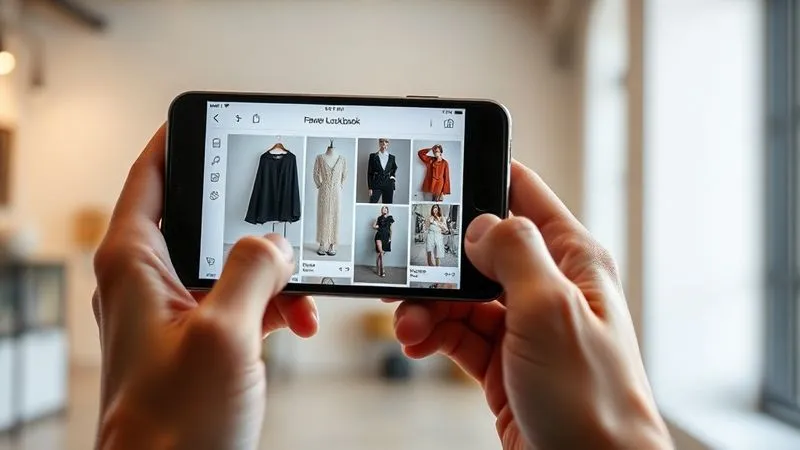
Every item featured in your digital lookbook should be easily clickable, leading directly to its product page. Implement "shoppable" features where users can click on an outfit and see a breakdown of the individual items with links. This reduces friction and makes the path to purchase effortless.
Consider interactive elements: hover-to-reveal product details, quick-add-to-cart buttons, or even augmented reality (AR) try-on features if your budget allows. The less effort a customer has to exert to find and buy an item, the higher your conversion rate will be.
Mobile Responsiveness & Speed
A vast majority of online shopping now happens on mobile devices. Your lookbook *must* be perfectly responsive, loading quickly and displaying beautifully on smartphones and tablets. Test thoroughly across different devices and browsers.
Mobile optimization means:
- Fast Loading Times: Compressed images, efficient code.
- Clear Navigation: Easy to swipe, scroll, and click.
- Large, Tap-Friendly Buttons: Avoiding frustrating misclicks.
- Legible Text: Even on smaller screens.
A slow or clunky mobile experience is a guaranteed sales killer. Google's algorithm also prioritizes mobile-first indexing, so this is critical for SEO as well. As industry leader Neil Patel consistently advises, site speed and mobile experience are paramount for online conversions.
Frequently Asked Questions (FAQ)
Q: What's the ideal number of looks for a fashion lookbook? The ideal number varies, but I typically advise between 10-20 distinct looks. This provides enough variety to showcase your collection comprehensively without overwhelming the viewer. For smaller capsule collections, 6-8 looks might suffice. The key is quality over quantity, ensuring each look tells a part of your brand's story and offers clear value.
Q: How important is location scouting for sales conversion? Extremely important. The location is a silent character in your brand's story. It provides context, enhances the mood, and reinforces your brand's identity. A carefully chosen location helps your customer visualize themselves in the scenario, making the product more desirable and relatable. A mismatched or generic location can detract from the product and confuse the brand message, directly impacting conversion.
Q: Should I use professional models or everyday people for my lookbook? This depends entirely on your brand's identity and target audience. Professional models offer experience, posing expertise, and a polished look, which is crucial for high-fashion or luxury brands. However, for brands aiming for relatability, authenticity, or a "real people" aesthetic (e.g., sustainable, inclusive, or comfort-focused brands), using everyday people or micro-influencers can be incredibly powerful for building trust and connection, often leading to higher engagement and sales.
Q: What's the biggest mistake brands make with their lookbooks? In my experience, the biggest mistake is approaching the lookbook purely as an artistic endeavor without a clear commercial strategy. They focus on beautiful images for beauty's sake, rather than consciously designing each shot to evoke desire, answer customer questions, and facilitate a purchase. The lack of a strategic pre-production plan, poor post-production consistency, and neglecting distribution and analytics are common symptoms of this fundamental oversight.
Q: How often should a fashion brand release new lookbooks? The frequency should align with your collection release schedule. Typically, brands release lookbooks seasonally (Spring/Summer, Autumn/Winter) and often for mid-season drops or capsule collections. If you have a fast-fashion model, you might release more frequently. The goal is to keep your content fresh and exciting, reflecting your latest offerings and maintaining customer interest without over-saturating your audience. Quality and strategic timing always trump sheer volume.
Key Takeaways and Final Thoughts
- Strategic Foundation: A high-converting lookbook begins with a deep understanding of your audience and a compelling brand story.
- Meticulous Preparation: Success is built in pre-production – detailed mood boards, shot lists, and the right team are non-negotiable.
- Conversion-Focused Styling: Style to demonstrate wearability, versatility, and key selling points, not just aesthetics.
- Authentic Photography: Master lighting, composition, and encourage natural expressions to create relatable desire.
- Refined Post-Production: Ensure consistency and enhancement, not alteration, across all images.
- Measured Distribution: Strategically share your lookbook across channels and rigorously track its performance to optimize ROI.
- Seamless E-commerce Integration: Make the path from inspiration to purchase as effortless as possible with shoppable features and mobile optimization.
Shooting fashion lookbooks that actually boost sales isn't about magic; it's about method. It's about blending artistic vision with strategic marketing, ensuring every creative decision serves a commercial purpose. By adopting these expert-level strategies, you're not just creating beautiful images; you're crafting powerful sales tools that will elevate your brand, engage your audience, and significantly impact your bottom line. It's time to transform your lookbooks from mere showcases into engines of growth. Go forth and shoot with purpose!
Recommended Reading
- 7 Secrets to Direct Inexperienced Models for Natural, Dynamic Poses
- 7 Ways Bridal Stylists Ensure Comfort in High-Fashion Wedding Shoes
- 7 Proven Strategies to Boost Handmade Hair Accessory Profit Margins
- Unlock Your Vision: Solving Creative Blocks in Fashion Shoot Direction Once and For All
- Mastering the Art: How to Effectively Age a Costume for Theater Production

Your email address will not be published. Required fields are marked *