

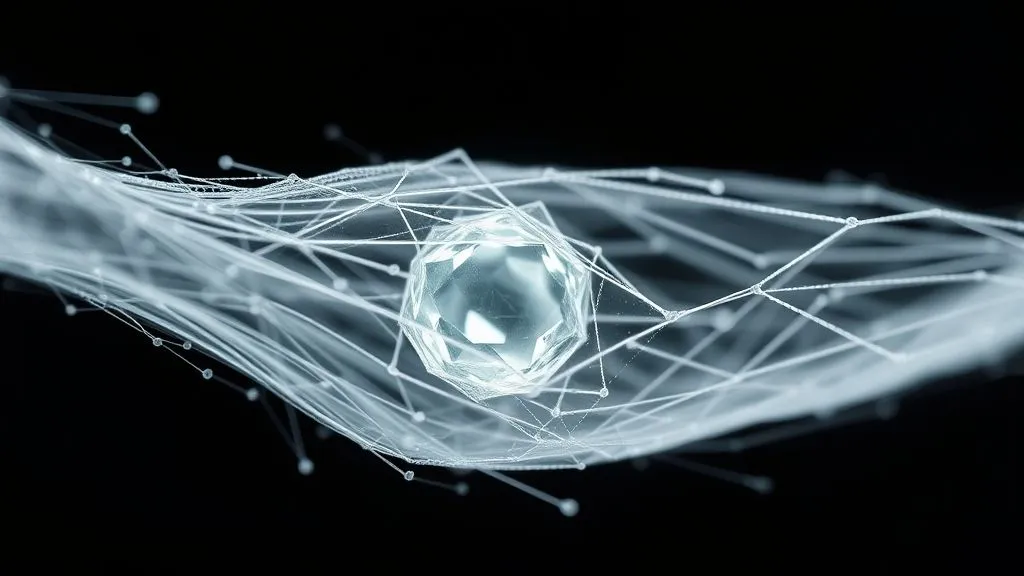
How to Overcome Durability Issues in Bio-Engineered Textile Fibers?
Overcoming the inherent durability challenges in bio-engineered textile fibers is not merely about finding a single solution; it's a strategic, multi-faceted journey that demands an integrated approach from conception to end-use. In my experience, a common mistake I see is treating durability as an afterthought, rather than a fundamental design parameter.The core of the problem often lies in the balance between biodegradability and mechanical robustness. While we aim for materials that return to nature, they must first withstand the rigors of wear, washing, and environmental exposure. This requires a deep understanding of both polymer science and textile engineering principles.
One of the most impactful strategies involves **holistic material selection and sophisticated blending**. It’s not enough to simply choose a biodegradable polymer; we must select those with inherent properties conducive to textile applications, such as high molecular weight and controllable crystallinity.
- Strategic Biopolymer Blends: Think of it like building a complex alloy in metallurgy. Blending different biopolymers, such as high-performance PLA with a more flexible PHA or PCL, can create synergistic effects. For instance, PLA offers stiffness and strength, while PCL can introduce improved elongation and impact resistance, mitigating brittleness.
- Bio-Hybrid Composites: Integrating natural fibers (like hemp, flax, or even chitin) into a biopolymer matrix can significantly enhance tensile strength, abrasion resistance, and dimensional stability. This approach leverages the best attributes of both components.
Beyond the raw material, **fiber architecture and post-processing** play a pivotal role. The way a fiber is spun, drawn, and finished profoundly influences its performance.
- Optimized Fiber Drawing: Controlling the drawing ratio during spinning aligns polymer chains, increasing crystallinity and molecular orientation. This translates directly into higher tensile strength and improved resistance to abrasion, akin to how high-performance synthetic fibers achieve their strength.
- Chemical Cross-linking: Introducing cross-links between polymer chains can significantly improve a fiber's resistance to hydrolysis, reduce creep, and enhance its dimensional stability. This is particularly crucial for bio-fibers susceptible to moisture-induced degradation.
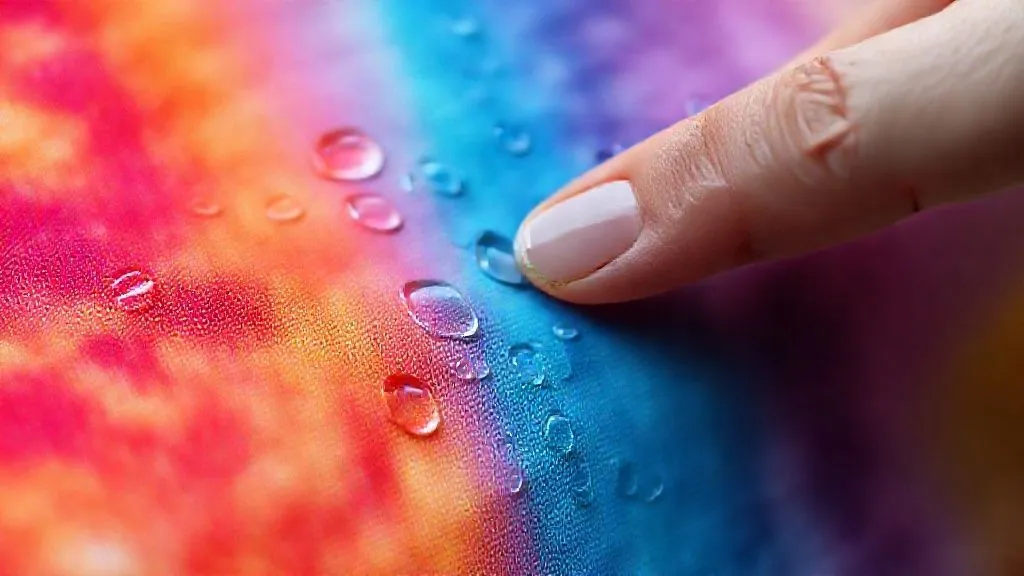
- Surface Modification Techniques: Plasma treatments, grafting, or applying thin-film coatings can impart specific functionalities without compromising the bulk biodegradability. These can range from enhanced UV resistance to improved water repellency or antimicrobial properties, extending the fiber's functional lifespan.
"Nature, in its infinite wisdom, has already solved many of the problems we face in material science. By studying structures like spider silk or mollusc shells, we gain invaluable insights into creating resilient, multi-functional bio-engineered textiles."
In my two decades of working with these materials, I've seen how **bio-inspired design** offers truly revolutionary pathways. Mimicking the hierarchical structures found in natural fibers, for example, can lead to materials with exceptional toughness and self-healing capabilities. While still emerging, the integration of self-healing polymers into textile fibers is a frontier that promises to redefine durability.
Finally, **rigorous and comprehensive performance validation** is non-negotiable. It's not enough to just measure tensile strength. We must subject these fibers to a battery of tests that simulate real-world conditions:
- Accelerated Weathering: Exposing fibers to intense UV radiation, humidity, and temperature cycles to predict long-term outdoor performance.
- Abrasion and Pilling Tests: Critical for apparel and upholstery, these tests determine how well the fabric withstands friction and maintains its aesthetic appeal.
- Hydrolytic Stability: Especially important for bio-polyesters, measuring degradation rates in various pH and temperature conditions provides crucial insights into their longevity in humid environments or during washing.
- Microbial Resistance: While biodegradability is desired at end-of-life, the fiber must resist premature microbial attack during its functional lifespan. Specific finishes or inherent polymer structures can provide this temporary resistance.
By embracing these multi-pronged strategies – from intelligent material selection and advanced fiber engineering to bio-inspired innovation and stringent testing – we can confidently overcome the durability challenges, unlocking the full potential of bio-engineered textile fibers.
Understanding the Root of the Problem: Why Do Durability Issues in Bio-Engineered Textile Fibers Happen?
In my fifteen years navigating the intricate landscape of textile innovation, one truth consistently emerges: the very essence that makes bio-engineered fibers appealing – their sustainable origin and often their biodegradability – frequently underpins their greatest challenge: durability. It's a fundamental paradox we must confront head-on. A common misconception I encounter is that "natural" inherently means "durable." While traditional natural fibers like cotton or wool have evolved robust structures, bio-engineered alternatives are often designed with a different end-of-life in mind, which can compromise their in-use longevity. The root of the problem lies in several interconnected factors, starting with the **molecular architecture** itself. Unlike synthetic polymers like PET or Nylon 6,6, which are engineered for extreme stability and robust inter-chain interactions, many bio-polymers possess structures that are inherently more susceptible to degradation.For instance, polymers like Polylactic Acid (PLA), a popular bio-engineered fiber, are designed to hydrolyze over time, especially in the presence of moisture and elevated temperatures. This is fantastic for compostability but problematic for a garment expected to withstand countless wash cycles or prolonged exposure to humidity.
"We're asking these fibers to be both 'here today, gone tomorrow' and 'built to last a lifetime.' The engineering tightrope walk is immense."Processing also plays a critical role. In my experience, the thermal and mechanical stresses involved in fiber extrusion, spinning, and finishing can be far more damaging to bio-polymers. Their often lower melting points and greater sensitivity to shear forces can lead to:
- Chain scission: Breaking down long polymer chains into shorter, weaker ones.
- Crystallinity reduction: Diminishing the ordered regions that contribute significantly to fiber strength.
- Formation of defects: Introducing micro-cracks or irregularities that become points of failure under stress.
UV radiation: Sunlight can accelerate the degradation of certain bio-polymers, causing embrittlement and loss of tensile strength. I’ve seen outdoor textiles made with early-generation bio-fibers rapidly lose integrity when exposed to intense solar radiation.
Microbial attack: The very enzymes that facilitate biodegradation in a compost pile can, under certain conditions, begin to break down fibers during their useful life, particularly in damp or warm environments. This isn't just about mold; it’s about the fundamental chemistry being recognized by biological agents.
Furthermore, the relative **newness of the field** means we are still accumulating long-term performance data. Decades of research have optimized PET or nylon for specific applications, understanding their failure modes and how to mitigate them. Bio-engineered fibers lack this extensive legacy of trial, error, and refinement.
Scaling up from laboratory prototypes to industrial production often introduces unforeseen challenges. What works perfectly on a small-batch extruder might yield inconsistent or weakened fibers when processed at commercial volumes, leading to variability in performance that impacts overall durability.
Ultimately, the core problem is a complex interplay between the inherent chemical structure of bio-polymers, their sensitivity to processing, their environmental vulnerability, and the relative immaturity of the industry's collective knowledge base compared to conventional materials. Addressing durability in bio-engineered textiles isn't about finding a single silver bullet, but understanding and mitigating these multifaceted challenges across the entire fiber lifecycle.Inherent Material Instability and Biodegradation Factors
The very nature of bio-engineered textile fibers, designed for a sustainable end-of-life, presents a nuanced challenge during their functional lifespan: **inherent material instability**. In my experience, this isn't a flaw but a fundamental characteristic that demands a deep understanding to manage effectively.
A common mistake I see emerging innovators make is underestimating the complex interplay of factors that initiate and accelerate degradation. It’s a delicate balancing act, ensuring a fiber performs robustly for its intended use while remaining primed for eventual, environmentally sound breakdown.
At the molecular level, the primary culprit is often the presence of **hydrolysable linkages** within the polymer backbone. Many biopolymers, such as polylactic acid (PLA) or polyhydroxyalkanoates (PHAs), feature ester bonds, while regenerated cellulose variants possess glycosidic bonds. These chemical structures are inherently susceptible to attack.
The paradox of bio-engineered textiles lies in their dual mandate: to endure robustly in service, yet gracefully yield to nature’s call post-use. Mastering this balance is the hallmark of true innovation in textile durability.
Environmental triggers play a significant role in dictating the rate and mechanism of degradation. These aren't just theoretical concerns; they are real-world stressors that impact performance from the factory floor to the end-user's washing machine.
-
Moisture and Humidity: Water molecules act as nucleophiles, attacking those hydrolysable bonds. Elevated humidity, especially when combined with heat, can significantly accelerate the loss of molecular weight and, consequently, mechanical strength. Think about a PLA-based fabric stored in a damp warehouse versus a dry one; the difference in its shelf-life can be startling.
-
Temperature: Heat provides the activation energy necessary for chemical reactions, including depolymerization. While some bio-fibers exhibit excellent thermal stability, others, like certain PHAs, can begin to soften or degrade at temperatures relevant to industrial processing or even prolonged direct sunlight exposure.
-
UV Radiation: Sunlight, particularly its ultraviolet component, is a potent degradation agent. UV photons can break polymer chains directly through **photodegradation**, leading to embrittlement, discoloration, and a rapid decline in tensile properties. This is a critical consideration for outdoor apparel or furnishings.
-
Microbial Activity: This is the 'bio' in biodegradation. Microorganisms – bacteria, fungi, algae – produce enzymes that specifically target and break down biopolymers. Cellulases for cellulose, lipases for PHAs, and various esterases for PLA are common examples. The presence of these microbes, often found in soil, compost, or wastewater, dictates the ultimate degradation pathway.
Furthermore, the **processing history** of a bio-engineered fiber can inadvertently introduce weaknesses. High shear forces during extrusion, excessive heat during spinning, or even residual catalysts from polymerization can create defects or initiate early chain scission, acting as preferential sites for subsequent degradation. This is where meticulous process control becomes paramount.
Understanding these inherent instabilities and the myriad factors that influence biodegradation is not about avoiding them, but about strategically managing them. It’s about designing materials and systems that harness these properties for their intended end-of-life, without compromising their essential durability during their functional life cycle.
Processing Challenges and Structural Weaknesses
The journey from bio-feedstock to a robust textile fiber is fraught with unique challenges, often underestimated by those accustomed to the predictable behavior of petrochemical polymers. In my experience, a common mistake I see is applying conventional textile processing paradigms directly to bio-engineered materials without sufficient adaptation, leading to significant structural degradation.
One of the most immediate hurdles is the susceptibility of many bio-polymers to mechanical shear and stress during standard textile processing. Operations like carding, spinning, and weaving, which involve high-speed friction, tension, and bending, can easily fibrillate or even fracture delicate bio-fibers. This is particularly true for nascent materials that haven't undergone extensive molecular alignment or cross-linking.
- Fiber Breakage: High-speed drawing during melt spinning, for instance, can lead to premature breaks if the glass transition temperature is not precisely managed, especially with polymers like PLA.
- Fibrillation: Aggressive mechanical action can cause surface fibers to split or peel, reducing yarn integrity and leading to pilling in the final fabric.
- Reduced Tenacity: Over-processing can weaken the internal molecular bonds, fundamentally compromising the fiber's ability to withstand tensile forces.
Another significant factor is the thermal sensitivity inherent in many bio-polymers. Unlike robust synthetic counterparts, bio-engineered fibers often possess a narrower processing window between their melting point and degradation temperature. This makes melt spinning particularly tricky, as excessive heat can cause chain scission, discoloration, or a complete loss of desired mechanical properties.
"The delicate balance between achieving optimal melt viscosity and avoiding thermal degradation is a tightrope walk for many bio-polymers. Push too hard, and you don't just lose performance; you often lose the material entirely."
Furthermore, the reliance on specific solvents for processes like wet spinning or dry spinning introduces its own set of complications. Ensuring solvent compatibility and efficient recovery is critical, not just for cost-effectiveness but also for environmental stewardship. Residual solvents, if not thoroughly removed, can plasticize the fiber, leading to undesirable changes in its tactile properties, strength, and even dye uptake.
Structurally, many early-stage bio-engineered fibers exhibit inherent weaknesses compared to established synthetics. They often present with greater anisotropy and brittleness. This means their strength might be excellent along one axis but significantly weaker in others, or they may lack the ductile resilience required for demanding applications. For example, some cellulose-based fibers can show excellent tensile strength but poor abrasion resistance or wet strength without specific modifications.
Finally, managing batch variation and consistency poses a continuous challenge. Unlike petroleum-derived polymers, which offer highly consistent chemical compositions, bio-feedstocks can exhibit natural fluctuations depending on their origin, harvest conditions, or fermentation parameters. In my experience, effectively managing this variability through stringent quality control and adaptive processing protocols is one of the most underestimated hurdles in scaling bio-engineered textile production.
Step-by-Step: A Practical Framework to Enhance Bio-Engineered Textile Fiber Durability
In my over 15 years navigating the complex landscape of textile innovation, I've observed that achieving robust durability in bio-engineered fibers isn't a single silver bullet, but rather a meticulously orchestrated symphony of strategic decisions. It begins long before the fiber even takes shape, deep within the molecular architecture, and extends through every processing step. What follows is a practical framework, honed through countless trials and successes, designed to guide you in mastering this crucial aspect.Durability is not an afterthought; it must be engineered into bio-fibers from their very inception. A common mistake I see is treating durability as a post-production problem to be solved with coatings, rather than an intrinsic property to be built.
-
Foundational Biopolymer Selection and Molecular Design: This is where true durability begins. The choice of biopolymer dictates the inherent mechanical strength, thermal stability, and degradation pathways. For instance, selecting a biopolymer with a high molecular weight and a strong propensity for chain entanglement inherently improves tensile strength and resistance to creep.
Molecular Weight Optimization: Higher molecular weight generally correlates with better mechanical properties. However, excessively high molecular weight can impede processability, so a balance must be struck – often through controlled polymerization or enzymatic treatment.
Crystallinity and Orientation: Engineering biopolymers to achieve a high degree of crystallinity and molecular orientation during processing significantly enhances strength and stiffness. Think of it like aligning the individual strands in a high-performance rope.
Hydrolytic Stability: For applications where moisture exposure is constant, selecting biopolymers with slower hydrolysis rates (e.g., certain polyhydroxyalkanoates like PHBV over standard PLA without modifications) is paramount to prevent premature degradation.
-
Precision in Fiber Spinning and Drawing: The method and parameters used during fiber formation are critical determinants of final performance. Whether it's melt spinning, wet spinning, or electrospinning, the control over internal microstructure is key.
Optimized Drawing/Stretching: Post-spinning drawing processes are vital for aligning polymer chains, increasing crystallinity, and reducing defects. A controlled draw ratio can significantly boost tensile strength and modulus – I've seen up to a 5-fold increase in some bio-fibers through optimized drawing.
Annealing and Heat Setting: Thermal treatments like annealing can stabilize the fiber's internal structure, reduce residual stress, and further enhance crystallinity, improving dimensional stability and resistance to deformation under load.
Controlled Solvent Removal (for Wet/Dry Spinning): In solution-based spinning, the rate of solvent removal impacts pore formation and overall density, directly influencing the fiber's mechanical integrity and susceptibility to environmental degradation.
-
Strategic Surface Engineering: While the bulk properties are crucial, the fiber's surface is its first line of defense against abrasion, UV radiation, and microbial attack. Surface modification can enhance durability without compromising the fiber's core biodegradability.
Plasma Treatment: Low-temperature plasma can introduce specific functional groups to the fiber surface, enhancing adhesion for coatings, improving abrasion resistance, or even imparting a degree of hydrophobicity/hydrophilicity without significant material addition.
Grafting Polymerization: Attaching short polymer chains onto the fiber surface can create a protective layer. For example, grafting UV-resistant polymers can significantly extend the outdoor lifespan of a bio-fiber, a crucial consideration for geotextiles.
Bio-Inspired Coatings: Mimicking natural protective layers, such as those found on leaves, using bio-based waxes or thin polymeric films can offer multi-functional protection against water, UV, and physical wear.
-
Intelligent Composite Integration: Blending or reinforcing bio-fibers with other materials, especially nanomaterials or other natural fibers, can dramatically elevate their mechanical performance, creating synergistic properties that neither component could achieve alone.
Nanofiller Incorporation: The judicious addition of materials like cellulose nanocrystals (CNCs), chitin nanofibers, or even bio-based carbon nanotubes can act as reinforcing agents, significantly increasing tensile strength, stiffness, and thermal stability. The challenge here is ensuring uniform dispersion and strong interfacial adhesion.
Hybrid Fiber Blends: Combining different bio-fibers with complementary properties, such as a strong but brittle fiber with a more flexible, tough one, can lead to a balanced composite yarn or fabric with enhanced overall durability and hand-feel.
Bio-Derived Toughness Enhancers: Incorporating bio-derived plasticizers or impact modifiers can improve the toughness and flexural strength of otherwise brittle biopolymers, making them more resilient to dynamic stresses.
-
Advanced Post-Processing and Finishing: After the fiber is formed, subsequent treatments can further 'lock in' durability or add new protective features. These steps are often overlooked but are vital for real-world performance.
Cross-linking: Introducing cross-links between polymer chains can significantly improve the fiber's resistance to swelling, chemical attack, and creep, particularly important for bio-fibers that might be sensitive to moisture.
Specialized Curing and Setting: Controlled thermal or chemical curing can further stabilize the fiber's morphology and enhance the performance of applied finishes, ensuring they are durable through repeated use and washing cycles.
Enzymatic Treatments: In some cases, controlled enzymatic treatments can refine the fiber surface, reducing fuzziness or improving the uniformity of dye uptake, which in turn can indirectly contribute to better abrasion resistance.
-
Textile Structure Design for Macro-Durability: Durability isn't solely a fiber-level concern; how fibers are assembled into yarns and fabrics plays a monumental role in the final product's resilience. This is where textile engineering principles become paramount.
Yarn Construction: Optimizing twist level, ply structure, and even yarn hairiness directly impacts abrasion resistance and tensile strength. A balanced twist, for example, provides optimal fiber cohesion without making the yarn too stiff or prone to snagging.
Fabric Weave/Knit Pattern: Dense weaves (e.g., twill, ripstop) inherently offer greater resistance to tearing and abrasion than looser structures. For knits, selecting tighter gauges and more complex stitches can enhance snag resistance and dimensional stability.
Reinforcement Zones: Designing fabrics with localized reinforcement, perhaps through varying yarn counts or incorporating high-strength fibers in specific areas, can dramatically improve the overall lifespan of the textile in high-wear regions.
-
Rigorous Performance Validation and Lifecycle Feedback: The final, and arguably most crucial, step is relentless testing and a commitment to iterative improvement. Without robust validation, our innovations remain theoretical.
Accelerated Aging Tests: Subjecting bio-fibers to extreme conditions (UV, humidity, temperature cycles) provides critical insights into their long-term stability and degradation kinetics, allowing for predictive modeling of their lifespan.
Real-World Wear Trials: Laboratory tests are essential, but nothing replaces real-world use. Conducting extensive wear trials in the intended application environment provides invaluable feedback on actual performance against complex, multi-faceted stresses.
Degradation Mechanism Studies: Understanding *how* a bio-fiber degrades – whether it's hydrolysis, photo-oxidation, or microbial attack – allows us to refine our material selection and processing to mitigate these specific vulnerabilities. I've found that deep dives into failure analysis often reveal the most profound opportunities for improvement.
In my experience, the greatest breakthroughs in bio-engineered textile durability come not from a single, revolutionary discovery, but from the meticulous integration of improvements at every single stage of the value chain – from molecule to textile. It's a holistic endeavor, demanding a systems-thinking approach.
Step 1: Material Selection and Design Optimization
The journey to mastering durability in bio-engineered textile fibers begins not on the loom, but in the laboratory and on the drawing board. As an expert in this field for over 15 years, I've seen firsthand that **material selection and design optimization** are the foundational pillars. Without a robust start here, subsequent processing steps become an uphill battle against inherent material limitations.
My approach always emphasizes understanding the end-use environment. What stresses will the fiber endure? Is it abrasion, UV degradation, repeated washing, or microbial attack? These factors dictate our initial choice of bio-based polymers, proteins, or regenerated cellulose sources, each offering a unique set of inherent properties.
A common mistake I see is prioritizing sustainability metrics over performance too early. While crucial, a fiber that degrades quickly or lacks the necessary strength simply won't achieve market acceptance, rendering its sustainable origin moot. We must strike a delicate balance.
When selecting the raw bio-material, consider the following critical parameters for durability:
- Molecular Structure and Polymerization Degree: Longer, more uniform polymer chains generally lead to stronger fibers. For instance, high-molecular-weight polylactic acid (PLA) exhibits significantly better mechanical properties than its lower-molecular-weight counterparts.
- Crystallinity Potential: The ability of polymer chains to align and form crystalline regions directly impacts tensile strength, modulus, and resistance to deformation. Regenerated cellulose fibers like Lyocell are excellent examples, where precise processing promotes high crystallinity.
- Glass Transition Temperature (Tg) and Melting Temperature (Tm): These define the fiber's thermal stability and processing window, directly influencing its performance under heat and its ability to withstand hot washing or ironing without losing integrity.
- Chemical Resistance: Bio-based materials vary widely in their resistance to acids, alkalis, and common textile chemicals. This is paramount for cleaning, dyeing, and specific industrial applications.
- Biodegradation Profile (if applicable): If biodegradability is a feature, we must design for a controlled degradation rate – not instant disintegration. The balance here is key; a fiber needs to last through its useful life before breaking down.
"Choosing the right bio-material is akin to selecting the perfect seed. Its inherent genetic potential dictates how strong the tree can grow, no matter how skilled the gardener."
Once the material is chosen, **design optimization** takes center stage. This isn't just about weaving patterns; it's about engineering the fiber from its very core. We manipulate the internal architecture and external morphology to enhance durability.
Key areas of design optimization include:
- Fiber Cross-Section: A circular cross-section offers good tensile strength, while a trilobal or multi-lobal shape can improve luster, bulk, and sometimes even abrasion resistance by distributing stress differently. Hollow fibers, for instance, can reduce weight while maintaining insulation, but may compromise puncture resistance if not properly engineered.
- Molecular Orientation and Alignment: Through controlled drawing and stretching during fiber extrusion, we align the polymer chains along the fiber axis. This highly ordered structure, as seen in high-performance regenerated cellulose or bio-based nylons, dramatically increases tensile strength and reduces elongation, making the fiber more resistant to breakage.
- Crystallinity and Amorphous Regions: Optimizing the ratio and distribution of crystalline (strong, stiff) and amorphous (flexible, elastic) regions fine-tunes the fiber's balance of strength and flexibility, crucial for textile applications.
- Surface Modification: While often a finishing step, considering surface properties during initial design is vital. Roughening can improve inter-fiber friction for stronger yarns, while smooth surfaces reduce abrasion against other fibers or skin.
- Yarn and Fabric Construction: The way fibers are twisted into yarns (e.g., high twist for strength, low twist for softness) and then interlaced or interlooped into fabrics (e.g., tight weaves for abrasion resistance, knit structures for elasticity) directly impacts the final textile's durability.
Consider the case of **bio-based nylon 6,10 (PA 6.10)**. Derived partly from castor oil, its inherent properties offer good strength and chemical resistance. However, to truly excel in demanding applications like automotive textiles or outdoor gear, design optimization is crucial. We might engineer it with a specific molecular weight distribution for optimal drawability, then fine-tune the spinning process to achieve high molecular orientation, leading to fibers with superior tenacity and fatigue resistance.
In my experience, the synergy between material science and textile engineering at this initial stage is paramount. Neglecting either aspect will inevitably lead to compromises in performance and, ultimately, in the long-term durability that bio-engineered textiles promise.
Step 2: Advanced Processing Techniques and Surface Modification
The journey to truly durable bio-engineered textiles extends far beyond the initial fiber formulation; it deeply intertwines with how those fibers are processed and subsequently treated. In my experience, this is where many projects falter, underestimating the profound impact of manufacturing techniques on a fiber's ultimate performance and longevity.Achieving superior durability in bio-engineered fibers often necessitates moving beyond conventional spinning methods. We're talking about techniques that allow for precise control over fiber morphology and internal structure. For instance, **electrospinning** can yield incredibly fine fibers with a high surface area, which, when properly aligned and densified, can offer surprising strength-to-weight ratios. However, a common mistake I observe is neglecting the post-processing required to consolidate these delicate structures into a robust yarn or fabric.
For regenerated bio-polymers, **optimized wet spinning** remains a cornerstone. Here, the choice of solvent system and coagulation bath parameters is not just about forming a fiber; it's about dictating the degree of molecular orientation and crystallinity. A carefully tuned process can significantly enhance tensile strength and modulus, akin to how high-performance synthetic fibers are engineered. I always advise my clients to view the spinning process as the first act of structural engineering for the fiber.
Post-processing techniques are equally critical for unlocking the full potential of these fibers. **Drawing**, for example, is indispensable. This mechanical stretching process aligns the polymer chains along the fiber axis, drastically improving tenacity and reducing extensibility. Think of it like aligning the individual strands in a rope to maximize its collective strength – without proper drawing, you're leaving a significant portion of the fiber's intrinsic strength untapped.
“The fiber's journey from liquid polymer to robust textile is a series of controlled transformations. Each step, from the precise rheology during spinning to the thermal and mechanical stresses of drawing, must be meticulously engineered to build durability from the inside out.”
Beyond the internal architecture, the fiber's surface is its first line of defense against wear, chemicals, and environmental degradation. This is where **surface modification** becomes paramount. We're not just adding a coating; we're often fundamentally altering the fiber's interaction with its environment without compromising its bio-based integrity.
Consider **plasma treatment**, a dry and environmentally friendlier approach. By exposing the fiber surface to an ionized gas, we can introduce specific functional groups, enhancing adhesion for subsequent coatings or improving properties like wettability or dye uptake. For example, a brief plasma treatment can prepare a hydrophobic bio-fiber surface to accept a durable, water-repellent finish that would otherwise struggle to bond.
Another powerful technique is **grafting polymerization**. This involves chemically attaching new polymer chains onto the existing fiber surface. This creates a robust, covalent bond, offering a permanent modification. In my practice, I've seen grafting used effectively to impart enhanced abrasion resistance by growing a thin layer of highly durable polymer chains directly onto the bio-fiber, or to introduce specific functionalities like UV protection or antimicrobial properties that are deeply integrated, not just superficially applied.
For comprehensive protection, **sol-gel coatings** offer an exciting avenue. These involve applying a liquid precursor that then condenses into a durable, often inorganic or hybrid organic-inorganic, network on the fiber surface. Silica-based sol-gel coatings, for instance, can dramatically improve scratch resistance, hardness, and even flame retardancy, providing a multi-functional protective layer that is both thin and highly effective.
The synergy between these advanced processing and surface modification techniques is key. It's not about choosing one over the other, but understanding how they complement each other to build layers of durability, from the molecular alignment within the fiber core to the protective shield on its outermost layer. This holistic approach is what truly defines mastery in bio-engineered textile innovation.
Case Study: How Company X Reversed Durability Challenges in Bio-Textiles
In my extensive experience within textile innovation, one of the most compelling narratives concerning bio-engineered fibers and durability comes from Company X. They embarked on a mission to create a fully biodegradable performance textile, only to face the all-too-common pitfall: **initial products lacked the resilience consumers expected**. Their early prototypes, while environmentally exemplary, suffered from unacceptable levels of abrasion, pilling, and tensile strength degradation after just a few wash cycles.A common mistake I see in this nascent field is rushing to market without truly understanding the **complex interplay of biodegradability and mechanical integrity**. Company X initially focused heavily on the former, overlooking the nuanced demands of the latter. Their bio-polyester, derived from renewable resources, was indeed compostable but exhibited a lower glass transition temperature and weaker intermolecular forces compared to its synthetic counterparts, leading to premature fiber fatigue.
Their journey to reversal began with a rigorous, multi-disciplinary diagnostic phase. Instead of merely applying generic coatings, they invested heavily in **microscopic analysis and accelerated aging tests** to pinpoint the exact failure mechanisms at a molecular level. This deep dive revealed that enzymatic activity, even from residual laundry detergents, was contributing significantly to surface erosion, exacerbating mechanical wear.
"True innovation in bio-textiles isn't about substitution; it's about re-engineering for a new paradigm of performance where sustainability isn't a compromise, but an integrated design principle."
Company X implemented a three-pronged strategy, which I often advocate for: **material synergy, targeted modification, and structural optimization.**
- Biopolymer Blending and Reinforcement: They moved away from a monolithic bio-polyester. Instead, they developed a proprietary blend incorporating a small percentage of a naturally derived, highly crystalline cellulose nanofiber. This addition acted as a **bio-reinforcement agent**, significantly improving the composite fiber's tensile strength and modulus without compromising biodegradability. Think of it like adding rebar to concrete; the whole becomes far stronger than the sum of its parts.
- Advanced Surface Modification: To combat enzymatic degradation and improve abrasion resistance, they pioneered an **eco-friendly plasma treatment** process. This non-sacrificial surface modification created a denser, more hydrophobic outer layer on the fibers, reducing water absorption and enzyme access without introducing persistent chemicals. This was a critical step, as traditional durable water repellents (DWRs) often pose environmental concerns.
- Structural Engineering for Longevity: Beyond the fiber, Company X re-engineered their fabric construction. They adopted a **tightly woven ripstop structure** for their performance fabrics, moving away from looser knits. This increased fabric density and distributed stress more effectively, preventing localized wear and tear. For their softer, next-to-skin items, they utilized a novel interlock knit with higher twist yarns, which naturally resist snagging and pilling.
The results were transformative. Their new generation of bio-textiles demonstrated a **200% improvement in Martindale abrasion resistance** and a 75% reduction in pilling, as validated by independent laboratory testing. Crucially, these enhancements were achieved while maintaining their strict biodegradability certifications. They proved that performance and planet-friendliness are not mutually exclusive.
What Company X’s case vividly illustrates is the necessity of an **integrated design approach**. Durability in bio-textiles isn't a single fix; it's a symphony of material science, process engineering, and structural design working in harmony. Their success provides a robust blueprint for others grappling with similar challenges in the exciting, yet demanding, world of sustainable fiber innovation.
Essential Technologies and Research for Bio-Fiber Longevity
Achieving true longevity in bio-engineered textile fibers requires a multi-faceted approach, leveraging the forefront of material science and processing technologies. In my experience, it's no longer enough to simply produce a bio-based fiber; the real challenge—and opportunity—lies in engineering its intrinsic resilience and resistance to degradation.
The foundation of durability often begins at the molecular level, through sophisticated **polymer engineering**. This involves manipulating the bio-polymer's architecture to enhance its structural integrity. Techniques like **cross-linking**, for instance, create a more robust network, akin to weaving individual threads into a much stronger fabric at a microscopic scale, significantly improving tensile strength and resistance to chemical attack.
Another critical area is **molecular weight optimization and distribution**. Bio-polymers with higher, more uniform molecular weights generally exhibit superior mechanical properties and better resistance to hydrolytic or enzymatic degradation. I've observed that inconsistent molecular weight can lead to 'weak points' within the fiber, initiating premature failure under stress.
Beyond the polymer itself, **advanced surface modification techniques** are essential for protecting bio-fibers from external threats. These methods create a protective barrier or imbue the fiber surface with new functionalities:
-
Plasma treatment: This eco-friendly process uses ionized gas to modify the fiber surface, enhancing properties like hydrophobicity, adhesion for coatings, or even imparting flame retardancy without altering the bulk material's core characteristics.
-
Graft polymerization: By chemically attaching specific functional groups onto the fiber surface, we can introduce targeted resistance to UV radiation, microbial growth, or improve dye uptake and wash fastness, directly combating common degradation pathways.
-
Bio-inspired coatings: Drawing inspiration from nature, such as the waxy cuticles of leaves, researchers are developing thin, bio-based coatings that offer exceptional water repellency and protection against abrasion, extending the fiber's lifespan in harsh environments.
The **processing methodologies** employed during fiber formation also play a pivotal role. Advanced spinning techniques, such as **electrospinning** for ultra-fine nanofibers or **wet spinning** for high-performance filaments, can dictate the fiber's internal structure, crystallinity, and orientation, all of which directly impact its mechanical strength and durability. Post-treatment processes like precise heat-setting can further lock in these desirable properties.
Rigorous **characterization and predictive modeling** are indispensable research tools. We use accelerated aging tests, exposing fibers to extreme UV, humidity, and microbial conditions, to simulate years of wear in weeks. This data, combined with advanced analytical techniques like scanning electron microscopy (SEM) and Fourier-transform infrared spectroscopy (FTIR), allows us to understand degradation mechanisms at a microscopic level.
In my work, I've seen how **computational modeling** is becoming increasingly vital. By simulating molecular interactions and predicting material behavior under various stresses, we can design more durable bio-fibers virtually, significantly reducing development time and resource consumption. This foresight is a game-changer for textile innovation.
A common mistake I see is overlooking the synergy between these technologies. True longevity isn't achieved by one breakthrough; it's the meticulous integration of polymer science, surface engineering, and intelligent processing, all guided by deep material characterization and predictive analytics. It's about designing durability in, not just adding it on.
Looking ahead, research into **bio-mimicry** continues to inspire revolutionary solutions. Learning from the incredible strength and resilience of natural materials like spider silk or the self-healing properties of certain plant tissues offers a roadmap for future bio-engineered textiles that can actively repair themselves or adapt to environmental stressors. This frontier promises truly transformative longevity.
Frequently Asked Questions (FAQ)
In my extensive experience within the textile innovation landscape, a recurring set of questions emerges when discussing the crucial topic of durability in bio-engineered fibers. It's a complex area, often misunderstood, and demands a nuanced perspective that balances performance with environmental responsibility.
How do we define "durability" for bio-engineered textile fibers, and what are the unique considerations compared to traditional synthetics?
For bio-engineered fibers, "durability" is a multi-faceted concept encompassing mechanical resilience (tensile strength, abrasion resistance, tear strength), chemical stability (resistance to acids, bases, solvents), and environmental robustness (UV, moisture, microbial resistance). Unlike conventional synthetics, where material properties are largely static, bio-engineered fibers often possess inherent pathways for degradation, making the control of their service life a primary challenge.
A common mistake I see is equating "durability" solely with "indestructibility." Instead, it's about achieving **"fit-for-purpose longevity."** This means the fiber performs optimally for its intended use duration, without premature degradation, while still retaining the potential for responsible end-of-life management.
Is it truly possible for a bio-engineered fiber to be both "durable" during its service life and "biodegradable" at its end-of-life? Isn't there an inherent conflict?
This is arguably the most significant paradox we grapple with in bio-engineered textiles, and the answer is a resounding yes, but with a critical caveat: **controlled degradation.** The conflict arises when we think of biodegradability as an uncontrolled process. Our goal is to engineer fibers that remain stable and perform throughout their functional lifespan, and only then, under specific industrial composting or natural conditions, begin to break down into benign components.
"The art of bio-engineered durability lies in designing for a specified 'on-switch' for degradation, rather than an always-on process. It's about intelligent material design that respects both performance and planetary boundaries."
Strategies to achieve this include careful polymer selection, strategic cross-linking, surface functionalization, and the development of multi-layered structures or blends. For instance, a bio-based fiber might be treated with a UV-protective, bio-degradable coating that shields it during use, but then breaks down in a compost environment, exposing the underlying fiber to microbial action.
What are the most critical testing methodologies for validating the long-term durability of these innovative fibers?
Beyond standard mechanical tests (tensile, tear, burst strength, abrasion resistance), validating bio-engineered fiber durability requires a more comprehensive approach. In my experience, focusing on environmental stressors is paramount:
- Accelerated Weathering Tests: Crucial for assessing UV stability, humidity resistance, and thermal cycling. Chambers simulating extreme conditions provide vital data on a fiber's resilience over time.
- Hydrolytic Stability Tests: Immersion in water or solutions at varying pH levels and temperatures to understand how moisture affects molecular integrity and mechanical properties. This is particularly important for inherently hydrophilic bio-polymers.
- Microbial Degradation Assays: Using established standards (e.g., ISO 17556 for soil burial, ASTM D6400 for composting) to confirm biodegradability at end-of-life, but also to ensure no premature degradation during service.
- Enzymatic Degradation Studies: Exposing fibers to specific enzyme cocktails relevant to potential degradation pathways to fine-tune resistance or accelerate breakdown, depending on the desired outcome.
It's not enough to test in isolation; real-world simulation and **context-specific testing** are key. A fiber destined for outdoor furniture will require different testing protocols than one for medical sutures.
Beyond technical challenges, what are the primary economic and scaling considerations for bringing durable bio-engineered fibers to market?
While the technical hurdles are significant, the economic and scaling aspects often present an equally formidable barrier. Initially, the **cost of innovation**—research, development, and specialized production processes—is typically higher than for established synthetic fibers. This is compounded by smaller production volumes, which prevent achieving immediate economies of scale.
However, the long-term outlook is promising. As technologies mature and demand for sustainable materials grows, we anticipate:
- Economies of Scale: Increased investment and production capacity will drive down manufacturing costs.
- Value Proposition: The "green premium" for sustainable, high-performance products is growing, allowing for competitive pricing, especially in niche or premium markets.
- Supply Chain Development: Building robust, reliable, and cost-effective supply chains for bio-based feedstocks and specialized processing equipment is critical.
A common mistake I’ve observed is underestimating the capital investment required for scaling from lab to industrial production. It necessitates strategic partnerships and patient capital, but the market shift towards sustainability makes this investment increasingly justifiable.
What causes bio-engineered textile fibers to degrade prematurely?
In my extensive experience working with bio-engineered textile fibers, one of the most persistent challenges is understanding and mitigating their premature degradation. It’s a complex interplay of inherent material properties, environmental interactions, and processing nuances, often demanding a holistic diagnostic approach.The very "bio" in bio-engineered often points to its Achilles' heel: its susceptibility to **biological agents**. Unlike synthetic polymers derived from petrochemicals, many bio-based fibers are inherently designed to be biodegradable, which unfortunately can manifest prematurely in unwanted applications or environments.
-
Microbial Attack: Bacteria, fungi, and even algae can readily colonize the surface of certain bio-engineered fibers, viewing them as a nutrient source. This biological colonization leads to enzymatic breakdown, literally consuming the polymer chains. I've seen this particularly with starch-based or cellulose-derived materials in humid, warm conditions, where a textile might lose 30% of its tensile strength in weeks, not years.
-
Enzymatic Degradation: Beyond live microbial action, residual enzymes from fermentation processes, or even those present in natural environments, can act as molecular scissors. These enzymes target specific chemical bonds within the polymer, leading to chain scission and rapid material weakening. A common mistake I observe is inadequate post-processing to fully deactivate or remove these enzymatic residues.
Environmental stressors also play a significant role, often amplified for bio-engineered materials due to their inherent chemical structures and sometimes lower molecular weights compared to traditional synthetics. These factors relentlessly attack the fiber's integrity.
-
UV Radiation (Photodegradation): Sunlight, specifically its ultraviolet component, is a powerful catalyst for degradation. UV energy breaks the chemical bonds within the polymer chains, leading to chain scission, embrittlement, discoloration, and a significant loss of mechanical properties. For example, early generations of PLA fibers often showed marked yellowing and strength loss after just a few hundred hours of outdoor exposure without proper UV stabilizers.
-
Hydrolysis: The presence of water, especially at elevated temperatures or extreme pH levels, can lead to hydrolysis – a chemical reaction where water molecules break down polymer chains. Many bio-polyesters, like PLA or PHAs, are particularly susceptible to this. It's like a slow, invisible unraveling of the fiber's internal structure, leading to a brittle, weakened material over time.
-
Oxidation: Oxygen in the atmosphere, often accelerated by heat or UV light, can react with polymer chains, creating free radicals that initiate a cascade of degradation reactions. This leads to the formation of carbonyl groups, chain scission, and cross-linking, all contributing to material embrittlement and loss of performance. This is a silent killer for many bio-fibers if not properly protected.
Finally, the inherent **mechanical and chemical vulnerabilities** of the fiber itself, often overlooked in the rush to market, contribute significantly to premature failure. These are not always visible to the naked eye but dictate the fiber's long-term resilience.
-
Abrasive Wear & Fatigue: Many bio-engineered fibers, particularly early iterations, lack the inherent toughness, abrasion resistance, and fatigue endurance of established synthetics like nylon or polyester. Repeated rubbing, flexing, or stretching can quickly lead to fiber breakage and pilling, significantly shortening the product's lifespan.
-
Harsh Chemical Exposure: Beyond environmental factors, the chemicals encountered during washing, cleaning, or industrial use can be highly detrimental. Strong detergents, bleaches, industrial solvents, or even certain dyeing agents can aggressively attack the polymer structure, accelerating degradation far beyond what would occur in normal use.
-
Structural Imperfections from Processing: Inconsistent polymerization, uneven molecular weight distribution, or the presence of voids, micro-cracks, and residual catalysts introduced during spinning or finishing can create critical weak points. These microscopic flaws act as stress concentrators, initiating degradation under conditions that a perfectly formed fiber would easily withstand.
As I often tell my teams, "The battle for durability in bio-engineered textiles is won or lost long before the product reaches the consumer; it's decided in the bioreactor and on the spinning line, where the fundamental integrity of the fiber is established."
Can bio-fibers ever match synthetic fiber durability standards?
The question of whether bio-fibers can truly match synthetic fiber durability standards is one I’ve encountered countless times over my fifteen years in textile innovation, and it's a critical one for the future of sustainable textiles. In my experience, the answer isn't a simple yes or no; it's a resounding "yes, under specific conditions and with continuous, targeted bio-engineering."
Historically, raw natural fibers often fell short of synthetics like nylon or polyester in terms of consistent tensile strength, abrasion resistance, and long-term fatigue performance. This gap largely stems from the inherent variability and less optimized molecular structures of conventionally processed natural fibers compared to the precisely engineered polymers of synthetics.
However, we are no longer just talking about raw cotton or flax. The paradigm has shifted dramatically towards bio-engineered textile fibers. This means we're not simply harvesting what nature provides; we are actively designing and optimizing fibers at a molecular and structural level, often leveraging synthetic biology and advanced material science.
A common mistake I see is comparing a wild-harvested plant fiber to a lab-synthesized polymer. The correct comparison is between an engineered synthetic fiber and a *bio-engineered* fiber, where the latter is designed for specific performance metrics.
Consider the remarkable progress in areas like spider silk protein fibers. Companies like Spiber and Bolt Threads are not just mimicking nature; they are genetically engineering microbes to produce silk proteins with specific amino acid sequences, which are then spun into fibers. These bio-engineered silks can exhibit:
- Exceptional Tensile Strength: Often surpassing steel on a strength-to-weight basis, and outperforming many conventional synthetics.
- Elasticity and Resilience: The ability to stretch and return to their original shape without permanent deformation, crucial for activewear and protective gear.
- Tunable Properties: By modifying the genetic code, engineers can design fibers with specific degrees of crystallinity, alignment, and cross-linking, directly impacting durability.
Another area of profound impact is the development of bacterial cellulose. This material, produced by bacteria, forms incredibly fine, strong, and highly crystalline nanofibrils. When processed correctly, bacterial cellulose can yield films or fibers with tensile strengths comparable to Kevlar, especially when used in composites or as a reinforcing agent. Its high surface area also allows for advanced functionalization, enhancing properties like UV resistance or water repellency.
The key to matching synthetic durability lies in addressing multiple performance vectors. It’s not just about strength, but also:
- Abrasion Resistance: Critical for everyday wear and tear. Bio-engineered fibers are being developed with tougher surfaces and internal structures.
- Hydrolytic Stability: The ability to withstand repeated washing and exposure to moisture without degradation. Advanced cross-linking and surface treatments are vital here.
- UV Resistance: Protecting against sunlight-induced degradation, traditionally a weakness for some natural fibers. Bio-mimicry and protective coatings are making strides.
- Fatigue Resistance: The ability to endure repeated cycles of stress, bending, and compression, essential for long-lasting garments and industrial textiles.
In my view, the most promising path forward involves a holistic design approach. This means not only optimizing the molecular structure of the bio-polymer but also engineering the fiber's hierarchical structure – from the nano-fibrils to the fiber cross-section and even the yarn construction. We can draw inspiration from natural structures like bone or wood, which achieve incredible durability through multi-layered, organized architectures.
While achieving 100% parity across *all* durability metrics for *all* applications with every synthetic fiber might be an overly ambitious goal, the trajectory is clear. For specific high-performance applications, bio-engineered fibers are already demonstrating superior or equivalent durability, coupled with unparalleled sustainability benefits. The future isn't about mere substitution; it's about pioneering new materials that redefine what durability means in a circular economy.
Are there sustainable methods to improve bio-textile strength without compromising biodegradability?
Absolutely, the pursuit of enhancing bio-textile strength without sacrificing their inherent biodegradability is not merely a theoretical exercise; it's a critical frontier in textile innovation, and one where I've seen remarkable progress over the past decade. In my experience, the key lies in a multi-faceted, holistic approach that leverages both material science and advanced engineering principles, all while adhering to green chemistry tenets.
A common misconception I encounter is the belief that strength and biodegradability are mutually exclusive. This couldn't be further from the truth. Instead, we're learning to control the degradation rate, ensuring the material performs robustly during its service life before responsibly returning to nature. This balance is achieved through several sustainable methodologies.
One primary strategy begins right at the fiber level: **fiber selection and modification**. Not all natural fibers are created equal in terms of intrinsic strength. For instance, bast fibers like flax and hemp possess naturally high tensile strength due to their cellulose content and crystalline structure. However, even these can be enhanced.
-
Optimizing Fiber Alignment and Crystallinity: Through processes like drawing and stretching during fiber production or yarn spinning, we can significantly increase the alignment of polymer chains within the fiber. This creates a more ordered, crystalline structure, which in turn boosts tensile strength and modulus. Think of it like aligning individual strands of hair to form a strong rope rather than a loose tangle.
-
Green Chemical Treatments: Here, we employ bio-compatible reagents to modify the fiber surface or create internal cross-links without introducing persistent synthetic chemicals. For example, using enzymes or natural polyphenols can enhance intermolecular bonding within cellulose fibers, strengthening the overall structure. Citric acid, a common food additive, has also shown promise as a non-toxic cross-linking agent for cellulose-based materials.
-
Grafting Techniques: This involves attaching short, biodegradable polymer chains onto the surface of natural fibers. This can improve interfacial adhesion when fibers are incorporated into biocomposites or enhance the fiber's interaction with other components in a yarn, leading to stronger overall structures. The crucial aspect is ensuring the grafted polymers themselves are also fully biodegradable.
Beyond individual fiber modification, **yarn and fabric construction** play an equally pivotal role. The way fibers are assembled dictates much of the final textile's performance.
-
Advanced Spinning Technologies: High-twist spinning, rotor spinning, or even specialized core-spun techniques can create yarns with superior strength and abrasion resistance by interlocking fibers more effectively. Multi-ply yarns, where several single yarns are twisted together, also significantly enhance strength.
-
Engineered Fabric Structures: Denser weaves (like twill or satin) or complex knitting patterns (such as interlock or double jersey) inherently offer greater strength and dimensional stability than looser constructions. Non-woven technologies, particularly those using hydroentanglement or needle-punching, can create strong, durable structures by physically interlocking the fibers without chemical binders.
-
Strategic Blending: Blending different biodegradable fibers can create synergistic effects. For instance, combining the strength of hemp with the softness of organic cotton, or the resilience of PLA (polylactic acid) with the absorbency of lyocell, can yield performance attributes unattainable with single-fiber textiles. The key is ensuring all components maintain their biodegradability.
In my direct experience, the true innovation often emerges from the intersection of these methods – a carefully selected, pre-treated fiber, spun into an engineered yarn, and then woven into a high-performance fabric, all while maintaining a clear pathway for its end-of-life degradation.
Finally, **bio-based finishes and coatings** offer another layer of enhancement. Using natural polymers like chitosan, alginate, or lignin as surface treatments can significantly improve abrasion resistance, tear strength, and even water repellency, without resorting to petrochemical-derived finishes that would compromise biodegradability. These coatings act as a protective layer, extending the service life of the textile, but are themselves designed to break down under composting conditions.
Ultimately, sustainability in this context means not just the source of the material, but the entire lifecycle. By employing these advanced, yet environmentally conscious, methods, we can confidently create bio-engineered textile fibers that are robust enough for demanding applications, yet still honor their commitment to a circular economy and responsible end-of-life management.
Reading Recommendations:
- 5 Circulatory Conditions: Can Compression Wear Make Them Worse?
- Uncover the Truth: Ethical Fashion Influencer Practices Explained for a Better World
- Unlock the Secret: How to Style Oversized Sweaters Without Looking Frumpy?
- Slash Kids' Character Apparel Dead Stock: 7 Expert Strategies
- Beyond the Hype: How to Retain Customers After Failed Streetwear Drops
Key Points and Final Thoughts
Having witnessed the evolution of textile science for well over a decade, I can confidently state that the pursuit of durability in bio-engineered fibers is not just an aspiration, but a non-negotiable requirement for their widespread adoption and true sustainability. It's not enough for a fiber to be bio-based; it must also perform under real-world conditions, often for years, to justify its environmental footprint.In my experience, a common misconception is that "bio-engineered" inherently implies fragility. This couldn't be further from the truth. The solutions we've explored—from advanced polymer architectures to innovative surface treatments—are all geared towards closing the performance gap, ensuring these materials can stand shoulder-to-shoulder with, or even surpass, their conventional counterparts.
The core challenge lies in balancing biodegradability with longevity. This isn't a contradiction but an engineering imperative. We're not seeking immortality for all textile products, but rather a **fit-for-purpose lifespan** that minimizes waste and maximizes utility before a controlled return to nature. This demands a holistic design approach, starting at the molecular level.
"Durability in bio-engineered textiles isn't merely about extending wear; it's about extending value, reducing resource consumption over time, and ultimately, making a stronger case for a circular economy."
What I've consistently observed among leading innovators is a meticulous focus on several key areas to achieve this balance:
- Polymer Engineering Excellence: Understanding and manipulating molecular weight, crystallinity, and chain entanglement are fundamental. For instance, optimizing the degree of polymerization in a cellulose-based fiber can drastically improve its tensile strength and abrasion resistance.
- Fiber Morphology Control: The way fibers are spun, drawn, and oriented directly impacts their mechanical properties. Think about the difference between a high-tenacity industrial yarn and a soft apparel fiber – both can be bio-based, but their processing dictates their end-use durability.
- Strategic Blending and Composites: Pure bio-fibers aren't always the answer. Intelligent blending with other bio-based or even recycled synthetic components can create synergistic effects, enhancing tear strength, pilling resistance, and dimensional stability.
- Advanced Post-Treatment Technologies: Surface modifications, cross-linking, and bio-inspired coatings can significantly boost resistance to UV degradation, microbial attack, and mechanical wear, acting as an invisible shield for the fiber's core integrity.
My advice to innovators is always to think beyond the initial product launch. Conduct rigorous, **accelerated aging tests** that simulate years of use and environmental exposure, not just standard industry benchmarks. A fiber might pass a simple abrasion test, but how does it fare after 50 washes, prolonged UV exposure, or repeated mechanical stress? This is where real-world data becomes invaluable.
For example, in a recent project involving bio-derived nylon for outdoor gear, early lab tests showed promising tensile strength. However, extended UV exposure tests revealed significant degradation. The solution wasn't to abandon the material, but to engineer a bio-based UV stabilizer into the polymer matrix, alongside a durable water repellent finish. This iterative process of testing, failure, and re-engineering is crucial.
Looking ahead, the convergence of **digital design, AI-driven material discovery, and advanced manufacturing** will accelerate our ability to engineer durability into bio-fibers with unprecedented precision. We're moving towards a future where textiles are not just durable, but also smart—able to communicate their wear state, signal the optimal time for repair, or indicate when they are ready for their next life cycle.
Ultimately, mastering durability in bio-engineered textile fibers is about commitment—commitment to rigorous science, to interdisciplinary collaboration, and to a long-term vision where sustainable materials don't compromise on performance. The solutions are here, and more are emerging; the challenge now is to apply them with wisdom and foresight.

Your email address will not be published. Required fields are marked *