

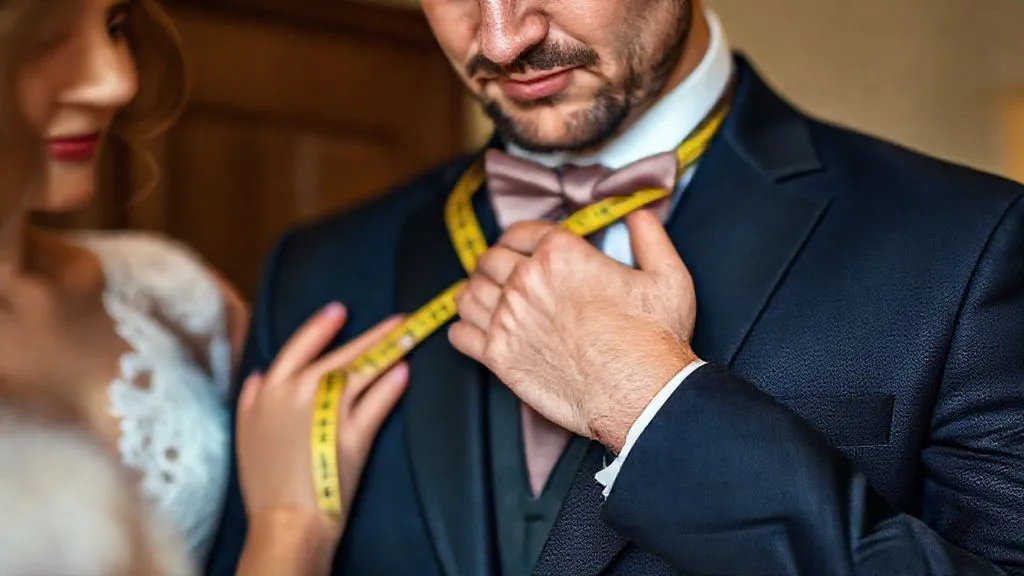
What to do when the groom's suit doesn't fit days before wedding?
For over 15 years in the bridal fashion industry, I've witnessed countless moments of joy, anticipation, and yes, the occasional wave of panic. One of the most common, yet utterly avoidable, last-minute crises I've encountered is the groom's suit simply not fitting days before the wedding. It's a scenario that can send even the most composed groom into a tailspin, overshadowing the excitement with anxiety.
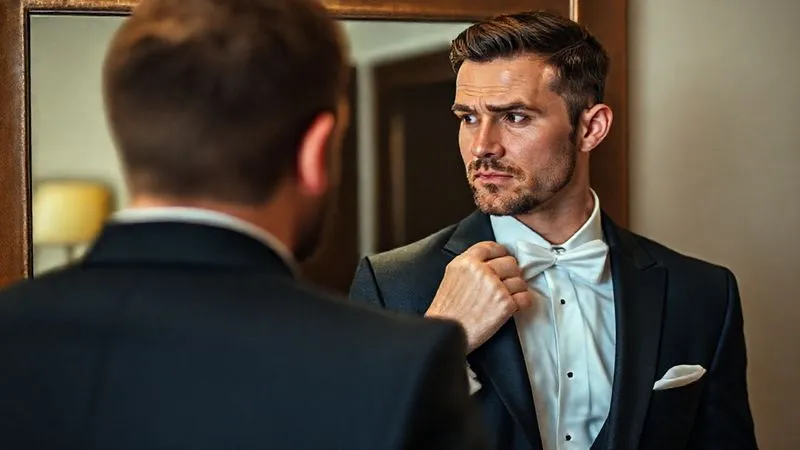
The image is vivid: a groom, perhaps a little more stressed from wedding planning or a little too enthusiastic with pre-wedding diets (or lack thereof!), stands before a mirror, suit jacket pulled taut across the shoulders or swimming around his frame. The immediate thought? Catastrophe. The big day is looming, every detail feels critical, and suddenly, the very foundation of his wedding day look is crumbling. This isn't just about aesthetics; it's about comfort, confidence, and feeling his absolute best as he stands beside his partner.
But here's the crucial insight I want to share: this isn't an insurmountable problem. In fact, it's a common hurdle with a definitive playbook of solutions. In this comprehensive guide, I'll walk you through the precise steps, expert strategies, and practical advice on what to do when the groom's suit doesn't fit days before wedding. We'll cover everything from urgent tailoring hacks to exploring rental alternatives, ensuring that no matter the fit issue, you'll walk down that aisle looking impeccably sharp and feeling completely at ease.
The Immediate Assessment: Understanding the Problem's Scope
The first step in any crisis management is accurate assessment. Before you panic, take a deep breath and objectively evaluate the fit issue. Is it a minor tweak or a major overhaul? The answer will dictate your next moves and the feasibility of various solutions.
Too Tight vs. Too Loose: A Critical Distinction
Understanding whether the suit is too tight or too loose is paramount, as the solutions often differ significantly. A suit that's too tight generally presents more challenges, especially if the seams have little fabric to 'let out'. Key areas to check are:
- Shoulders: Are they pulling or bunching? This is often the hardest area to alter significantly.
- Chest/Torso: Is the jacket buttoning comfortably without strain, or are there visible 'X' creases?
- Arms: Are the sleeves too tight around the bicep or wrist?
- Trousers: Are the waist and thighs uncomfortably snug, or do they restrict movement?
Conversely, a suit that's too loose is generally easier to fix. Excess fabric can almost always be taken in. Look for:
- Shoulders: Do the shoulder pads extend past your actual shoulders?
- Chest/Torso: Does the jacket feel baggy, with too much room when buttoned?
- Arms: Are the sleeves too wide or too long?
- Trousers: Is the waist gaping, or are the legs too wide and long?
Fabric Type and Alteration Limits
The suit's fabric also plays a critical role. Natural fibers like wool and cotton are generally more forgiving for alterations than synthetics. More importantly, check the suit's interior. Are there generous seam allowances? If a suit has been previously altered to its maximum, or if it's a budget-friendly option with minimal seam allowance, your options for 'letting out' fabric will be severely limited. Taking fabric in is almost always possible, but letting it out depends entirely on what the original garment allows.
Urgent Tailoring Triage: What Can Be Fixed, and How Fast?
Once you've assessed the problem, your first port of call should be an experienced tailor. But not just any tailor – you need one who specializes in urgent, high-stakes alterations. This is where your network, or a quick, targeted search, comes into play.
- Identify Emergency Tailors: Start by searching for 'urgent suit alterations near me' or 'wedding tailor last minute'. Call local dry cleaners or bridal boutiques; they often have tailors on staff or can recommend trusted, fast-working professionals. Be upfront about your timeline.
- Be Prepared for a Rush Fee: Expect to pay a premium for expedited service. This isn't a rip-off; it's compensation for a tailor dropping other work to prioritize your emergency. Factor this into your budget.
- Understand the Limits: A skilled tailor can work wonders, but there are limits. Taking in the waist, adjusting sleeve length, or tapering trousers can often be done within 24-48 hours. Letting out seams (if fabric allows) is also possible. Major structural changes, like recutting shoulders or significantly altering the jacket's body, are usually impossible in such short order.
- Communicate Clearly: When you meet the tailor, clearly explain the wedding date and your absolute deadline for pick-up. Be specific about what feels wrong with the suit. Bring the shirt, shoes, and any other accessories you'll wear on the day to ensure a perfect fit with everything else.
Expert Insight: "In my experience, the difference between a minor panic and a full-blown disaster often comes down to communication. A good tailor needs clear instructions and a realistic timeline. Don't sugarcoat the urgency, but also don't demand the impossible. Trust their expertise on what can and cannot be achieved within your timeframe."
According to industry insights from a reputable fashion tailoring guild, urgent alterations for minor adjustments can often be completed within a 24-hour window, sometimes even same-day, depending on the tailor's availability and workload. However, more complex 'letting out' procedures might require slightly more time, typically 2-3 days, to ensure the integrity of the garment and a flawless finish. Understanding typical tailoring timelines can help manage expectations.
The "Too Small" Dilemma: Strategies for Expanding Your Options
When a suit feels too small, it's often the most anxiety-inducing scenario. But don't despair; there are several avenues to explore before throwing in the towel.
Minor Adjustments: Letting Out Seams
As discussed, if there's sufficient seam allowance, a tailor can 'let out' the waist of the trousers, the side seams of the jacket, or even the sleeves. This is a common fix for minor weight fluctuations. A skilled tailor can often gain an inch or two in critical areas, which can make all the difference between discomfort and confidence.
The Shirt, Tie, and Vest as Saviors
Sometimes, the suit itself isn't the only problem; it's the ensemble. If the jacket is just slightly snug, ensure your shirt isn't adding to the problem. A well-fitting, but not overly tight, dress shirt can alleviate some pressure. A slightly looser tie knot can also improve comfort around the neck. If you're wearing a vest, ensure it fits perfectly, as a well-fitted vest can distract from a slightly less-than-perfect jacket fit or even allow you to keep the jacket unbuttoned if it's too tight.
Emergency Rental or Purchase: When to Pull the Trigger
If tailoring isn't an option (e.g., no seam allowance, too tight in shoulders), you must consider a replacement. This is a last resort, but a viable one. Leading online formalwear rental services often offer expedited shipping, allowing you to get a new suit within a few days. Alternatively, scout local department stores or men's formalwear shops for an off-the-rack option that can be quickly altered.
| Option | Pros | Cons |
|---|---|---|
| Urgent Tailoring | Keeps original suit, cost-effective for minor issues, personalized fit | Limited by seam allowance, rush fees, not for major structural issues |
| Expedited Rental | Quick delivery, wide size range, often includes accessories | May not be exact match, limited customization, another fitting required |
| Off-the-Rack Purchase | Immediate availability, new suit, good for major fit issues | Potentially expensive, still needs quick alterations, limited stock |
The "Too Big" Predicament: Nipping, Tucking, and Accessorizing
While less stressful than a too-tight suit, a suit that's too big can look sloppy and detract from your overall appearance. Fortunately, these issues are generally easier to resolve quickly.
Simple Fixes: Taking In Seams
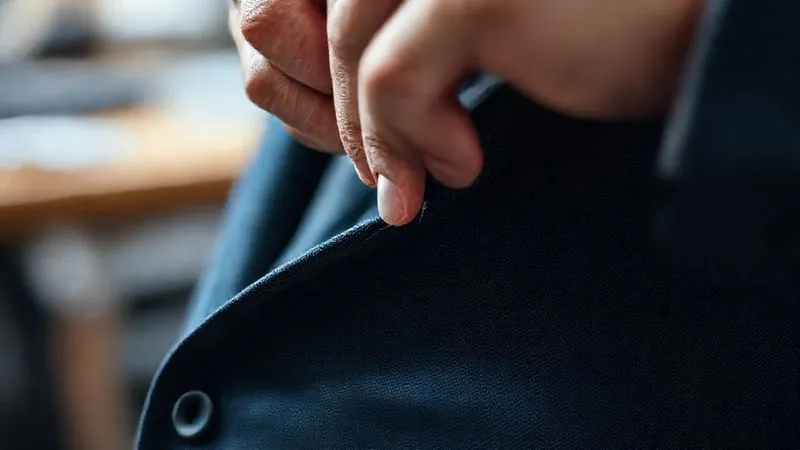
A tailor can usually take in a suit jacket's side seams, taper trouser legs, and adjust the waist of trousers with relative ease and speed. Sleeves can be shortened from the cuff or, for a more complex but cleaner look, from the shoulder. These are standard alterations that most competent tailors can perform efficiently, even on short notice.
The Power of a Well-Fitted Shirt and Belt
If your trousers are just slightly too big around the waist, a good quality, well-fitting belt can work wonders. Ensure it's not cinched so tightly that it creates gathers, but rather provides a comfortable, secure fit. For the jacket, a perfectly fitting dress shirt beneath it can help fill out any minor excess fabric and provide a crisp foundation, making the jacket appear better fitted.
Strategic Layering (Vest, Waistcoat)
If you're wearing a three-piece suit, the vest (or waistcoat) can be a powerful tool. A well-fitted vest can streamline your torso, making the overall silhouette appear more tailored, even if the jacket is a touch roomy. It also allows you the option to remove your jacket for parts of the reception without sacrificing a polished look.
Case Study: From Panic to Perfection – Mark's Last-Minute Suit Save
Case Study: Mark's Eleventh-Hour Miracle
Mark, a groom I worked with a few years ago, found himself in a familiar bind. Three days before his elegant vineyard wedding, he tried on his custom-made suit for the final time. To his horror, the jacket was noticeably too tight across the chest and shoulders. He’d been hitting the gym hard, and his tailor, while excellent, hadn't accounted for his sudden muscle gain.
Panic set in. He called me, voice trembling. My advice was clear: immediate action, no excuses. First, we identified the most reputable emergency tailor in his city through a quick online search and a call to his wedding planner for recommendations. He explained the situation over the phone and secured an immediate appointment.
At the tailor's, we discovered the jacket had minimal seam allowance. The tailor confirmed she could let out the side seams by a mere half-inch, which provided some relief but wasn't a perfect fix. Simultaneously, I guided Mark to a high-end department store known for its excellent selection of ready-to-wear suits. We found a very similar suit in a slightly larger size that, with minor adjustments to the trousers (which the same emergency tailor handled overnight), fit him almost perfectly.
The original custom suit was a lost cause for the wedding day, but Mark walked down the aisle in a fantastic alternative. The cost was higher than anticipated due to the rush purchase and alterations, but the peace of mind and impeccable appearance were priceless. This experience underscored the importance of having a backup plan and acting swiftly, without dwelling on the problem.
Exploring Rental and Off-the-Rack Alternatives: Plan B & C
Sometimes, despite the best efforts of a miracle-working tailor, the original suit simply cannot be salvaged in time. This is when you must pivot to alternatives, and thankfully, the industry has evolved to support these last-minute needs.
Expedited Suit Rentals: What to Look For
Many major suit rental companies offer expedited shipping options. When exploring this route, prioritize:
- Reputation for Speed: Read reviews specifically mentioning quick turnaround times and reliable delivery.
- Local Pickup Options: Some services have physical locations or partnerships where you can pick up a rental, potentially saving critical shipping time.
- Fit Guarantee/Backup Sizes: Inquire if they send a 'backup' size for key pieces, or if they have a robust system for ensuring fit.
- Style Match: Try to find a suit that closely matches the style, color, and formality of your original suit, especially if you have groomsmen in matching attire.
Leading online formalwear rental services like Men's Wearhouse or The Black Tux often have robust logistics for expedited orders, sometimes delivering within 2-3 business days. Comparing suit rental services can help you make an informed decision under pressure.
The Ready-to-Wear Option: Finding a Quick Fit
If time is truly critical (24-48 hours), visiting a department store or a dedicated men's formalwear retailer might be your best bet. The advantage here is immediate availability. You can try on multiple options until you find one that fits reasonably well off the rack, requiring only minimal, rapid alterations (e.g., trouser length, sleeve length). Look for stores with in-house tailoring services or those that can recommend an express tailor. Focus on the shoulders fitting perfectly, as this is the hardest area to alter. The rest can often be adjusted.
The Accessories Advantage: Distraction and Enhancement
While not a direct fix for a poorly fitting suit, strategic use of accessories can significantly enhance your overall look and even subtly distract from minor imperfections.
- The Right Shirt: A crisp, perfectly ironed shirt in the correct size is fundamental. It sets the foundation for the entire ensemble.
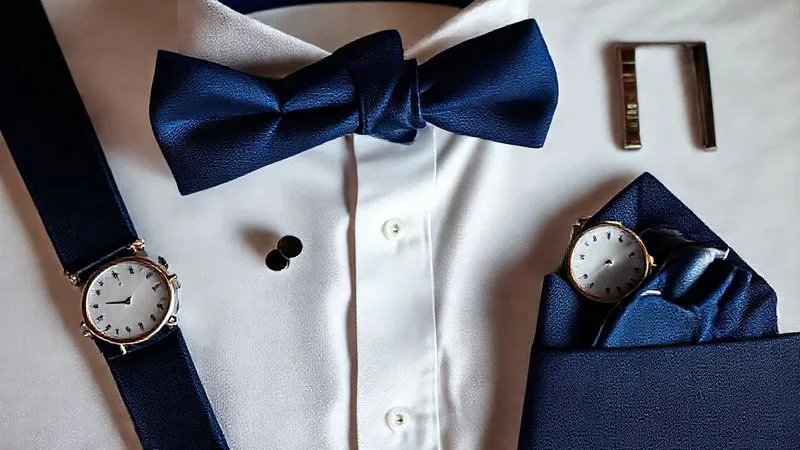
- Tie or Bow Tie: A well-chosen tie or bow tie adds personality and draws the eye upwards, away from potential fit issues lower down. Ensure it's tied neatly and appropriately for the collar style.
- Pocket Square: A vibrant or elegantly folded pocket square adds a touch of flair and sophistication, again drawing attention to your upper body.
- Cufflinks: These small details can elevate your look, conveying attention to detail and polish.
- Shoes and Belt: Ensure your shoes are polished and well-maintained, and your belt matches your shoes. These elements, though seemingly minor, complete the picture of a well-dressed groom.
- Waistcoat/Vest: As mentioned, a well-fitted waistcoat can create a streamlined silhouette and allow you to keep your jacket unbuttoned if it's too tight.
Prevention is Key: Lessons for Future Formal Events (and Groomsmen!)
While this article focuses on crisis management, the best solution is always prevention. Use this experience as a lesson for future formal occasions, and certainly for guiding your groomsmen to avoid similar predicaments.
Expert Insight: "The single most important piece of advice I can give any groom, or anyone needing formal wear, is to initiate your fittings early. Not just 'early enough,' but with ample buffer time. Aim for your first fitting 8-10 weeks out, with a final fitting 2-3 weeks before the event. This allows time for alterations, re-alterations, and crucially, removes immense stress."
For future reference, understanding the nuances of proper suit measurement, as detailed by sartorial experts, can empower you to communicate better with tailors and make more informed choices when purchasing or renting. GQ's guide on buying a suit offers excellent insights into proper fit and measurements.
Here's a quick checklist to help prevent future suit-fitting disasters:
| Task | Timeline | Notes |
|---|---|---|
| Book first fitting | 8-10 weeks before event | Allows for major adjustments |
| Final fitting | 2-3 weeks before event | Accounts for minor body changes |
| Try on with all accessories | During final fitting | Ensures cohesive look |
| Pick up suit | 3-5 days before event | Time for last-minute checks or minor tweaks |
| Delegate suit check (groomsmen) | 1 week before event | Assign a responsible groomsman to ensure everyone's fit |

Frequently Asked Questions (FAQ)
How much time does a tailor need for urgent alterations? For minor adjustments like hemming trousers or taking in a jacket by an inch, a skilled tailor might be able to do it in 24-48 hours, sometimes even same-day for a significant rush fee. More complex alterations, like letting out seams or major structural changes, typically require 3-5 days if possible at all. Always call ahead and be explicit about your wedding date.
Can I lose/gain weight quickly to fit my suit? While it's tempting to try extreme measures, rapid weight loss or gain days before your wedding is generally ill-advised. It can negatively impact your health, energy levels, and overall well-being on an already demanding day. Focus on hydration and light, healthy eating, but don't rely on body changes to fix a suit fit issue. Address the suit, not your body, at this late stage.
What if my rental suit doesn't fit on arrival? This is why choosing a reputable rental company with a strong customer service policy is crucial. Many will offer express shipping of replacement items or have local partners for quick exchanges. Contact them immediately upon trying on the suit. Have backup options in mind, such as a local department store for a quick purchase, if the rental company cannot resolve it in time.
Should I buy a new suit if the original is beyond repair? If your original suit is irrevocably ill-fitting and cannot be fixed by a tailor, and rental options are not suitable, then yes, purchasing a new, off-the-rack suit should be considered. Prioritize stores with in-house tailoring or those that can offer very rapid alterations. While an unexpected expense, it's a worthwhile investment for your wedding day confidence and comfort.
Are there any temporary DIY fixes for a suit? For very minor issues, some grooms might consider temporary fixes like safety pins or fabric tape. However, I strongly advise against this for a wedding suit. These 'fixes' are often visible, can damage the fabric, and are prone to failing at the worst possible moment. They can also look unprofessional in wedding photos. Always prioritize professional tailoring or a replacement over DIY solutions for such an important occasion.
Key Takeaways and Final Thoughts
- Assess Quickly and Accurately: Determine if the suit is too tight or too loose, and the extent of the issue.
- Engage an Emergency Tailor: Seek out experienced professionals who can handle rush alterations, and be prepared for rush fees.
- Understand Limits: Not all alterations are possible, especially for too-tight suits with minimal seam allowance.
- Explore Alternatives: Be ready to pivot to expedited rental services or an off-the-rack purchase if tailoring isn't feasible.
- Leverage Accessories: A well-chosen shirt, tie, and other accessories can significantly enhance your look.
- Prioritize Prevention: For future events, schedule fittings well in advance to avoid last-minute stress.
The days leading up to your wedding should be filled with excitement, not anxiety over your attire. While discovering that your suit doesn't fit can feel like a major setback, remember that it's a manageable problem with clear solutions. By acting swiftly, communicating effectively with professionals, and being open to alternatives, you can navigate this challenge with grace. Trust in the process, lean on expert advice, and focus on the beautiful journey ahead. You've got this, and you will look absolutely perfect on your special day.
Recommended Reading
- 7 Strategies: How to Prevent Logomania Burnout in Streetwear Brands?
- 7 Proven Strategies: How to Boost Traditional Wedding Gown Sales in a Modern Market?
- Unveiling the Secret: How to Clean Delicate Theatrical Stage Costumes Like a Pro
- AI's Role: Cutting Fashion Supply Chain Emissions by 30%?
- The Unseen Value: Best Heritage Luxury Brands for Investment Revealed



Your email address will not be published. Required fields are marked *