

How to Prevent Logomania Burnout in Streetwear Brands?
For over 15 years in the dynamic world of streetwear, I've witnessed countless trends rise and fall, from the chunky sneaker phenomenon to the enduring appeal of vintage graphics. One of the most pervasive and, frankly, predictable cycles I've observed is the meteoric ascent and eventual burnout of logomania. It's a powerful tool, no doubt, but one that, if wielded without foresight, can quickly lead to brand fatigue and a profound loss of identity.
The problem is clear: what begins as a bold statement of brand loyalty and aspirational status can, over time, devolve into a cacophony of competing logos, diluting exclusivity and fostering consumer apathy. Streetwear brands, in particular, are susceptible to this trap, as their very essence often relies on immediate visual recognition. But when every piece screams your name, what happens when consumers stop listening?
In this definitive guide, I will share the invaluable insights I've gathered from navigating these waters, offering you a robust framework and seven actionable strategies. You'll learn how to move beyond the logo-centric paradigm, cultivate brand longevity, and ensure your streetwear brand continues to resonate deeply with its audience, long after the logomania hype has faded. This isn't just about survival; it's about evolving your brand into an enduring cultural force.
Understanding the Logomania Lifecycle: From Hype to Saturation
Logomania, at its core, is a celebration of brand identity, a public declaration of allegiance to a particular aesthetic or lifestyle. For streetwear, where cultural cachet and perceived exclusivity are paramount, a prominent logo acts as a badge of honor, a signifier of belonging to an 'in' crowd.
The Allure of the Logo
Initially, logomania provides an undeniable boost. A strong, recognizable logo creates instant brand awareness, fostering a sense of community among wearers. It's an accessible entry point for new consumers, offering a piece of the brand's larger narrative without requiring deep knowledge of its history or design philosophy.
The Inevitable Plateau and Decline
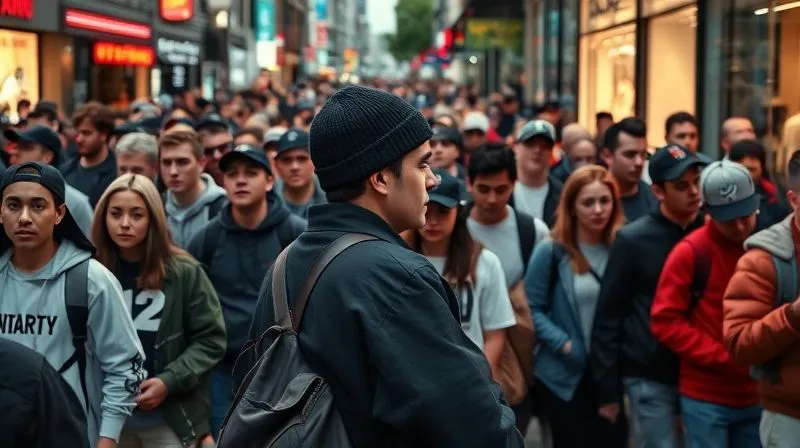
However, this initial success often plants the seeds of its own downfall. As demand for logo-heavy items skyrockets, brands often scale production, making their once-exclusive emblems ubiquitous. This widespread availability erodes the very exclusivity that made the logo desirable in the first place, leading to a sense of over-saturation. Consumers, always on the hunt for the next unique statement, begin to perceive overt branding as commonplace or, worse, unsophisticated.
“A brand is no longer what we tell the consumer it is – it is what consumers tell each other it is.” This timeless insight from Scott Cook, co-founder of Intuit, perfectly encapsulates the shift. When the conversation around your logo moves from 'aspirational' to 'everywhere,' you've hit the logomania plateau.
The Perils of Overt Branding: Why Less Can Be More
In my experience, relying too heavily on your logo as the primary selling point is akin to building a house on sand. It might stand tall for a while, but it lacks the foundational strength for long-term resilience. The risks associated with overt branding are multi-faceted and can severely impact a streetwear brand's longevity.
- Dilution of Exclusivity: As mentioned, widespread availability diminishes the 'specialness' of a logo.
- Perceived Lack of Creativity: When design relies solely on placing a logo, it can signal a lack of innovative thought to discerning consumers.
- Vulnerability to Trends: Logomania itself is a trend. Brands that are too deeply intertwined with it risk being discarded when the trend inevitably shifts.
- Loss of Brand Story: The logo becomes the story, overshadowing the deeper narrative, values, and craftsmanship that truly define a brand.
- Commoditization: When the logo is the only differentiator, products become interchangeable, leading to price wars and reduced profit margins.
These challenges highlight a critical need for streetwear brands to evolve their strategy. The goal isn't to abandon your logo entirely, but to recontextualize its role and build a richer, more resilient brand identity that transcends mere visual recognition.
Strategy 1: Cultivating Subtlety – The Art of Understated Branding
The first and most immediate step to prevent logomania burnout is to pivot towards subtlety. This doesn't mean hiding your brand; it means integrating it with greater sophistication and intention. Think of it as a whisper that carries more weight than a shout.
Case Study: How 'Zenith Apparel' Redefined Minimalist Streetwear
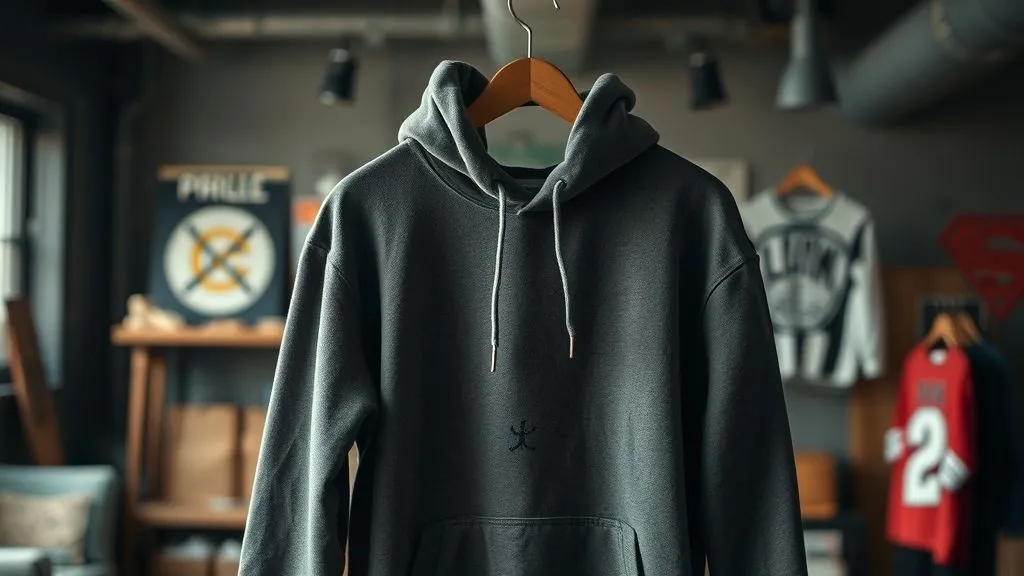
Zenith Apparel, a fictional mid-sized streetwear brand, faced a plateau in sales after three years of heavy logo-centric designs. Their consumer base, initially drawn to bold branding, was showing signs of fatigue. I advised them to experiment with a 'recalibration collection' that prioritized design, material, and fit over overt logos. They introduced pieces with tiny, tonal embroideries, debossed insignias, or logos subtly integrated into patterns or garment construction.
The results were compelling. Within two seasons, Zenith Apparel saw a 25% increase in average order value, as customers appreciated the elevated aesthetic and perceived quality. More importantly, their customer retention rate improved by 18%, indicating a stronger, more loyal connection built on design appreciation rather than transient trend adherence. This shift allowed them to attract a more mature, discerning segment of the streetwear market, proving that less branding can indeed lead to more profound brand impact.
- Embrace Tonal Branding: Use your logo in colors that are very close to the garment fabric, making it visible upon closer inspection but not immediately obvious.
- Debossing and Embossing: Integrate logos directly into the fabric texture through pressing or raising, creating a tactile and sophisticated effect.
- Strategic Placement: Move logos from the chest or back to less conventional spots like cuffs, hems, inner labels, or hidden pockets.
- Minimalist Symbolism: Develop a small, abstract symbol derived from your logo that represents your brand without being a direct reproduction of the full wordmark.
- Quality Over Quantity: Let the superior fabric, cut, and construction speak for themselves. A well-made garment with a tiny, understated logo often conveys more luxury than a loud, heavily branded one.
Strategy 2: Narrative-Driven Design – Storytelling Beyond the Logo
True brand loyalty isn't built on recognition; it's built on connection. In an era where consumers seek authenticity, a compelling brand narrative is an invaluable asset. Your designs should tell a story, evoke an emotion, or represent a philosophy, moving beyond mere aesthetic appeal.
According to a Harvard Business Review article on brand building, consumers are increasingly engaging with brands that have a clear purpose and story. For streetwear, this means designs that reference cultural movements, historical moments, artistic expressions, or even personal anecdotes from the brand's founders. The logo then becomes a subtle signature on a piece of art, rather than the art itself.
Strategy 3: Material Innovation and Craftsmanship as Your Signature
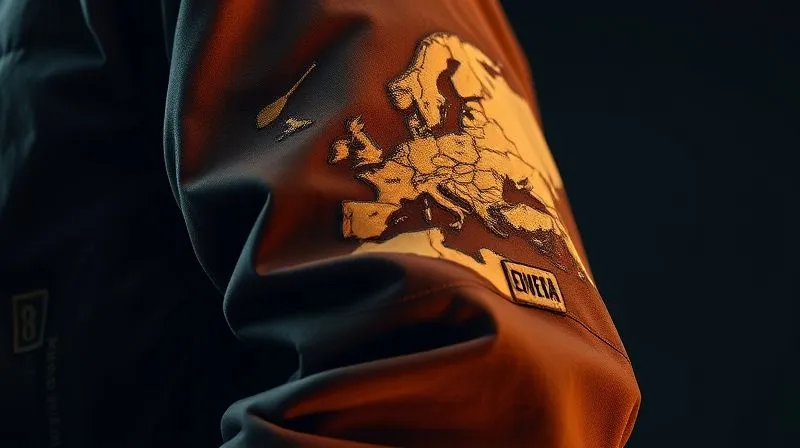
When the logo takes a backseat, what emerges is the inherent quality of the garment itself. I've always advocated for investing in superior materials and impeccable craftsmanship. These elements become your new 'branding,' communicating value and exclusivity without uttering a single word.
Consider the tactile experience of a garment. How does it feel? How does it drape? Does it stand up to wear and tear? These are the questions that truly discerning streetwear enthusiasts ask. Utilizing innovative fabrics – whether sustainable, performance-oriented, or simply luxuriously soft – sets your brand apart. Similarly, focusing on intricate stitching, unique cuts, and thoughtful construction elevates your product from a commodity to a coveted item.
| Investment Area | Immediate Impact | Long-Term Risk |
|---|---|---|
| Overt Logo Production | High brand visibility, quick trend adoption | Burnout, commoditization, perceived lower quality |
| Material Innovation & Craftsmanship | Higher production cost, slower initial adoption | Brand longevity, premium perception, customer loyalty, reduced burnout |
| Narrative Design | Stronger emotional connection, niche appeal | Authenticity, unique brand voice, cultural relevance |
For more insights into the future of textiles, explore resources like WGSN's textile forecasts, which highlight the growing consumer demand for innovative and sustainable materials. This focus on tangibles creates a lasting impression that a mere logo cannot replicate.
Strategy 4: Community & Collaboration – Building a Movement, Not Just a Brand
Streetwear has always been intrinsically linked to culture and community. Rather than just selling products, successful brands cultivate a movement. This means engaging with your audience, collaborating with artists, musicians, and other brands, and fostering a sense of belonging that extends far beyond the transaction.
When your brand becomes a hub for creativity, shared values, and authentic connection, your logo transforms from a mere identifier into a symbol of a larger collective. This approach builds a robust, loyal following that is less susceptible to the fleeting nature of trends. It's about co-creation, shared experiences, and mutual respect.
- Host Local Events: Sponsor art shows, music nights, skate competitions, or pop-up experiences that align with your brand's ethos.
- Collaborate with Emerging Artists: Partner with local or online artists to create limited-edition collections, giving them a platform and infusing your brand with fresh creative energy.
- Empower Your Community: Feature customer-generated content, run design contests, or create exclusive forums where your audience can connect and share their passion.
- Strategic Brand Partnerships: Collaborate with complementary brands (e.g., a sneaker brand, a coffee shop, a music label) that share your values, expanding your reach and offering unique products or experiences.
- Give Back: Support causes or initiatives that resonate with your brand's values and your community, demonstrating a commitment beyond profit.
As Seth Godin often emphasizes, building a 'tribe' is paramount in modern marketing. Your community becomes your most powerful advocates, naturally amplifying your message and reinforcing your brand's unique identity.
Strategy 5: Experiential Retail and Brand Activations
In a saturated market, merely having a great product isn't enough. Brands need to create memorable experiences that immerse consumers in their world. Experiential retail and brand activations offer a powerful antidote to logomania burnout by shifting focus from product display to emotional engagement.
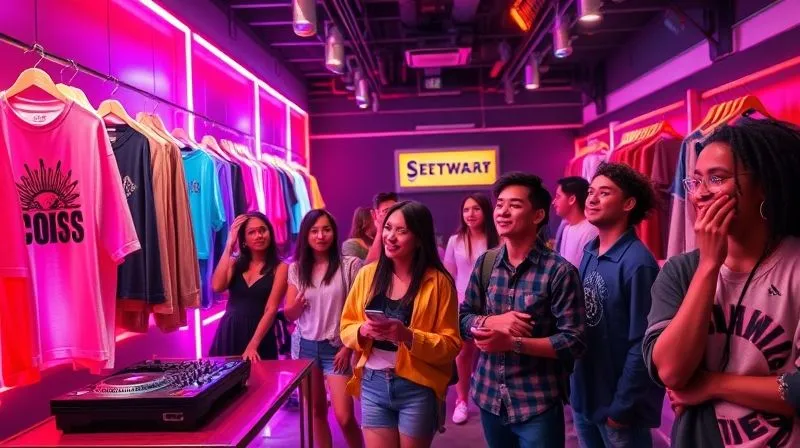
Imagine a pop-up shop that doubles as an art installation, a launch event with live music and interactive design stations, or a temporary space that offers exclusive workshops. These experiences create a deeper connection, transforming a casual shopper into a brand evangelist. They provide opportunities for customers to touch, feel, and interact with your brand's story in a tangible way, forging memories that last longer than any fleeting trend.
Strategy 6: Limited Drops & Exclusivity – Mastering Scarcity Without Burnout
The allure of streetwear has always been tied to its exclusivity. While logomania can lead to over-saturation, a carefully managed strategy of limited drops and controlled scarcity can reignite desirability without relying on overt branding. This is about creating genuine demand through perceived rarity, rather than artificial hype.
“Scarcity drives value. When something is truly hard to get, its perceived worth escalates, not just financially, but culturally.” This principle is fundamental to maintaining an aspirational status for your brand. It’s about making each release feel like a special event.
This strategy requires discipline. It means resisting the urge to overproduce and focusing on fewer, more impactful releases. Each drop becomes an event, fostering anticipation and rewarding dedicated fans. The key is to ensure the scarcity is genuine and tied to unique design, material, or narrative, rather than just being a marketing gimmick.
Strategy 7: Diversifying the Product Portfolio and Brand Extensions
To truly prevent logomania burnout, a streetwear brand must demonstrate versatility. Relying on a single product category or a narrow aesthetic makes you vulnerable. Diversifying your product portfolio allows you to explore new creative avenues, attract different customer segments, and spread your brand's influence.
Consider extending your brand into complementary categories: homeware, accessories, art prints, or even digital collectibles. Each extension should align with your core brand identity but offer a fresh perspective. This not only opens new revenue streams but also reinforces the idea that your brand is a lifestyle, a philosophy, rather than just a clothing label. It shows your audience that your brand has depth and range, moving beyond a single product or design motif.
For strategic insights on brand diversification, I often refer to studies on successful brand extensions, such as those found on McKinsey & Company's insights page, which highlight the importance of brand fit and market understanding. This proactive approach ensures your brand remains dynamic and relevant.
Frequently Asked Questions (FAQ)
Q: Is logomania completely dead in streetwear, or can it still be used effectively? Logomania isn't dead, but its role has evolved. It can still be effective when used sparingly, strategically, and as a complement to a strong underlying brand identity. Think of it as an accent, not the entire outfit. Brands that use logos as part of a larger, more nuanced design narrative, or in very limited, exclusive drops, can still leverage its power without falling into the burnout trap. The key is intent and moderation.
Q: How do smaller, emerging streetwear brands build recognition without relying on logos? For emerging brands, authenticity and a compelling story are paramount. Focus on building a strong community from day one, collaborating with local artists or influencers, and creating truly unique, high-quality pieces. Word-of-mouth and genuine connection will build a more sustainable foundation than plastering your logo everywhere. Consider unique garment construction, custom dyes, or intricate, non-logo graphics as your initial visual identifiers.
Q: What role does sustainability play in moving beyond logomania? A significant one. Consumers are increasingly valuing ethical production, sustainable materials, and transparency. By prioritizing these elements, your brand inherently communicates value and purpose beyond surface-level branding. Sustainability becomes a core part of your brand's narrative and a powerful differentiator, attracting a conscious consumer base who are often less swayed by fleeting trends and more by enduring values. It's a testament to quality and thoughtfulness.
Q: How can I measure if my brand is suffering from logomania burnout? Look for several indicators: declining engagement on logo-heavy posts, increased inventory of logo-centric items, a drop in repeat purchases, negative sentiment in customer feedback (e.g., 'too much branding,' 'looks cheap'), or a general feeling that your brand is becoming 'just another logo.' Conducting customer surveys and analyzing sales data for specific product lines can provide concrete evidence. Also, observe what competitors are doing and how consumers are reacting to their branding strategies.
Q: Is it possible to rebrand or pivot away from heavy logomania without alienating existing customers? Yes, but it requires careful communication and a phased approach. Start by introducing new, subtly branded collections alongside your existing offerings, clearly articulating the evolution of your brand's vision. Educate your audience about the 'why' behind the shift – perhaps emphasizing craftsmanship, sustainability, or a deeper artistic narrative. Offer exclusive access or incentives for loyal customers to experience the new direction. A gradual transition, rather than an abrupt change, helps bring your existing community along on the journey.
Key Takeaways and Final Thoughts
Navigating the ever-shifting currents of the streetwear industry demands foresight, adaptability, and a deep understanding of consumer psychology. While logomania has offered a powerful shortcut to recognition, its limitations are becoming increasingly apparent. The path to preventing logomania burnout isn't about abandoning your brand identity; it's about enriching it, diversifying it, and building a foundation that transcends fleeting trends.
- Cultivate Subtlety: Let design, material, and fit speak louder than your logo.
- Embrace Narrative: Tell compelling stories that resonate emotionally with your audience.
- Prioritize Quality: Let superior craftsmanship and innovative materials be your signature.
- Build Community: Foster authentic connections and collaborations.
- Create Experiences: Offer immersive brand activations beyond mere product display.
- Master Scarcity: Leverage limited drops to maintain exclusivity and desirability.
- Diversify Your Portfolio: Explore brand extensions that reinforce your lifestyle.
The streetwear brands that will thrive in the long run are those willing to innovate beyond the obvious, to delve deeper into what truly makes their brand unique. By adopting these strategies, you're not just preventing burnout; you're building a legacy – a brand that is cherished for its depth, authenticity, and enduring appeal, long after the noise of overt branding has faded into the background. Your brand's true power lies not in how loudly it shouts its name, but in how profoundly it resonates with the hearts and minds of its community.
Recommended Reading
- Boost Your Tee Drops: 7 Proven Ways to Ignite Streetwear Hype Now
- Chafe-Free Ultras: 7 Design Principles for Activewear That Prevents Blisters
- Safely Setting Fragile Antique Gemstones: 7 Expert Methods You Need
- 5 Smart Ways to Express Style in Strict Corporate Dress Codes
- 6 Data Challenges Hindering AI Fashion Design & How to Conquer Them


Your email address will not be published. Required fields are marked *