


How to Integrate Personal Style into a Strict Corporate Dress Code?
For over two decades immersed in the dynamic world of menswear, particularly advising professionals navigating the corporate landscape, I've witnessed a recurring struggle: the desire for personal expression clashing with the rigid expectations of a strict corporate dress code. Many men feel their individuality is stifled, relegated to bland conformity, or worse, they make missteps that undermine their professional image.
The problem is clear: how do you maintain your authentic self, your unique aesthetic, when the rulebook dictates a uniform of charcoal, navy, and white? This tension isn't just about clothes; it's about confidence, comfort, and how you project your personal brand in a highly competitive environment. The fear of being seen as unprofessional often leads to a sartorial paralysis, where every outfit feels like a compromise.
But I'm here to tell you it doesn't have to be that way. In this definitive guide, I'll share my proven frameworks and actionable strategies, gleaned from years of advising executives and rising stars, on how to integrate personal style into a strict corporate dress code. We'll explore the nuances of fabric, fit, accessories, and even grooming, ensuring you not only comply with the rules but also elevate your presence with subtle, sophisticated statements that are uniquely yours.
Mastering the Foundation: Impeccable Fit and Quality First
Before we even begin to talk about 'personal style,' we must address the bedrock of all good menswear: fit and quality. I've seen countless men try to introduce interesting patterns or colors into ill-fitting, cheaply made garments, and the result is always disastrous. A perfect fit elevates even the most basic suit or shirt, making you look sharper, more authoritative, and inherently more stylish.
Investing in quality fabrics like fine wool, crisp cotton, and luxurious silk for your core wardrobe pieces isn't an extravagance; it's a strategic investment. These materials drape better, resist wrinkles, and convey a sense of gravitas that synthetic blends simply cannot. Think of your foundational pieces – suits, blazers, dress shirts, trousers – as your canvas. The better the canvas, the more impactful your artistic additions will be.
The Tailoring Imperative
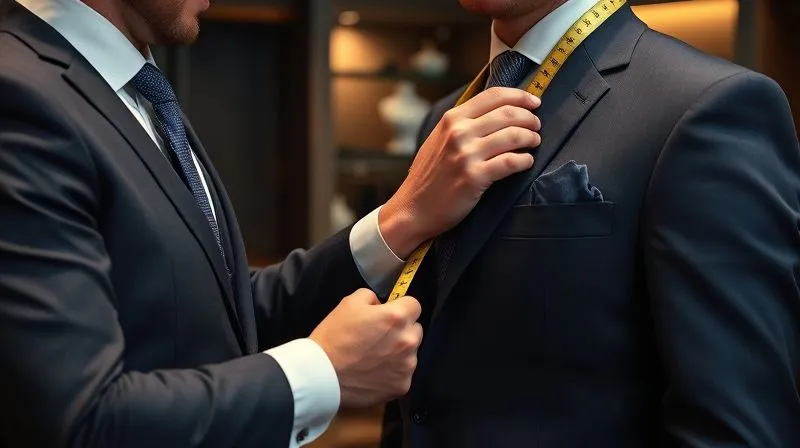
This is non-negotiable. Off-the-rack clothing is designed for an 'average' body, and very few of us are truly average. A suit jacket might fit your shoulders but be too long in the sleeve, or trousers might fit your waist but be too baggy in the leg. Even a minor adjustment can transform a garment. I've often said that a well-tailored affordable suit looks infinitely better than an expensive, ill-fitting one.
"Tailoring isn't a luxury; it's the secret weapon of every truly well-dressed man. It's the difference between wearing clothes and owning them, between looking good and looking impeccable."
Find a trusted local tailor and build a relationship. They are an invaluable partner in your style journey. Focus on key areas: jacket length (should cover your seat), sleeve length (expose about half an inch of shirt cuff), trouser break (a slight break over your shoes), and waist fit (snug but comfortable).
The Art of Subtle Differentiation: Accessories as Your Signature
Once your foundation is impeccable, accessories become your primary playground for personal expression within a strict corporate dress code. These are the elements that allow you to inject personality without breaking the rules. Think of them as sartorial whispers, not shouts.
- Pocket Squares: Perhaps the most versatile tool. A silk pocket square can introduce a pop of color, a subtle pattern, or a luxurious texture. Opt for subtle patterns like paisleys, geometric designs, or sophisticated florals in colors that complement your shirt or tie, rather than exactly matching.
- Ties: While corporate environments often lean towards solid ties, you can still express yourself. Explore ties with interesting textures (grenadine, knit), or very subtle patterns (foulard, small polka dots). The width of your tie also matters; a slightly slimmer tie can feel more modern.
- Watches: A classic timepiece is a powerful statement of sophistication. It doesn't have to be overtly flashy; a well-chosen dress watch with a leather strap (brown, black, or even a deep burgundy) speaks volumes about your attention to detail and appreciation for craftsmanship.
- Belts: A simple rule: match your belt to your shoes. However, you can choose belts with interesting buckle designs (without being ostentatious) or subtle textures in the leather.
- Socks: This is where you can have a little fun. While not always visible, a flash of tastefully patterned or colored socks when you sit down can be a delightful, unexpected touch of personality. Just ensure they aren't overly cartoonish or distracting.
The key to using accessories is moderation and harmony. Don't try to incorporate every expressive accessory all at once. Choose one or two focal points and ensure they complement, rather than compete with, your overall ensemble.
- Start Small: Begin with a single, well-chosen pocket square or an interesting pair of socks.
- Observe & Adapt: Pay attention to what senior leaders in your organization wear. This helps gauge the unspoken boundaries.
- Color Coordination: Ensure your chosen accessory colors harmonize with your main outfit. Use a color wheel as a guide if unsure.
- Quality Over Quantity: One high-quality silk pocket square is better than five cheap, synthetic ones.
Color and Pattern Play: Strategic Choices within Constraints
Navigating color and pattern in a strict corporate dress code requires a deft hand. While bold, vibrant colors or large, expressive patterns might be off-limits, there's still ample room for sophisticated play. It's about understanding the psychology of color and the subtlety of pattern.
For suits and blazers, sticking to the classics – navy, charcoal, and various shades of grey – is usually safest. However, you can introduce depth with very fine pinstripes, subtle windowpanes, or herringbone weaves that only become apparent upon closer inspection. These textures add visual interest without being loud.
Shirts offer more flexibility. While white and light blue are corporate staples, consider pale lavender, soft grey, or even a very subtle check or stripe pattern. The key is to keep the colors muted and the patterns small and understated. This allows you to differentiate without drawing undue attention.
Case Study: Elevating Executive Presence at Sterling & Co.
At Sterling & Co., a venerable financial institution with an exceptionally conservative dress code, a rising VP, Mark, felt his personal style was completely suppressed. He approached me for guidance. Instead of advising radical changes, we focused on subtle shifts. We upgraded his core suits to custom-tailored navy and charcoal in fine wool with a very faint pinstripe. For shirts, we introduced a light cream, a muted sage green, and a fine houndstooth check, all in high-quality cotton. His ties remained classic, but we chose ones with rich textures like grenadine silk. The result? Mark exuded a quiet confidence and sophistication that set him apart from his peers, earning him praise for his 'polished' and 'distinguished' look, without ever violating the strict rules. This demonstrated that integrating personal style into a strict corporate dress code is about refinement, not revolution.
When it comes to ties, think about introducing colors like deep burgundy, forest green, or even a rich plum. These are professional yet add more personality than a plain navy. Small patterns like foulard prints or muted paisleys can also work beautifully. The goal is to create visual interest without disrupting the professional harmony of your outfit.
| Category | Safe & Classic | Subtle Personalization |
|---|---|---|
| Suit/Blazer Colors | Navy, Charcoal, Grey | Darker Olive, Rich Brown, Fine Pinstripe/Windowpane |
| Shirt Colors | White, Light Blue | Pale Lavender, Soft Grey, Muted Check/Stripe |
| Tie Colors/Patterns | Solid Navy/Burgundy | Deep Forest Green, Plum, Small Foulard Print, Knit Texture |
Texture Talk: Adding Depth without Distraction
Beyond color and pattern, texture is an often-overlooked element that can significantly enhance your personal style within a corporate framework. It adds depth, dimension, and a tactile richness to your outfit without needing to be loud or unconventional.
Consider swapping a smooth worsted wool suit for one with a subtle sharkskin, fresco, or bird's-eye weave. These fabrics catch the light differently and offer a more sophisticated visual appeal. For blazers, a hopsack weave or even a subtle tweed (if appropriate for your industry's level of formality) can introduce character.
Shirts aren't just about color. Explore pinpoint oxford, royal oxford, or even a subtle herringbone cotton. These weaves provide a luxurious feel and a distinct visual texture compared to a standard poplin. Similarly, knit ties offer a different tactile experience than traditional silk ties, lending a slightly more relaxed yet still professional vibe.
"Texture is the quiet language of luxury. It allows you to speak volumes about your discernment and attention to detail without uttering a single word. It's the subtle nuance that truly distinguishes a well-dressed man."
Even your choice of socks can play into this. Fine merino wool socks, for example, offer a different feel and drape than standard cotton. The key is to layer textures harmoniously, ensuring they complement each other without creating a chaotic ensemble. A smooth worsted suit, a crisp pinpoint oxford shirt, a textured grenadine tie, and a silk pocket square with a subtle sheen – this combination speaks volumes about refined taste.
Footwear Finesse: The Unsung Hero of Personal Style
The importance of footwear in a man's professional wardrobe cannot be overstated. I've often said that you can tell a lot about a man by his shoes. In a strict corporate environment, your shoes are a powerful indicator of your attention to detail and overall polish. While sneakers are almost universally out, there's still significant room for personal expression through your choice of dress shoes.
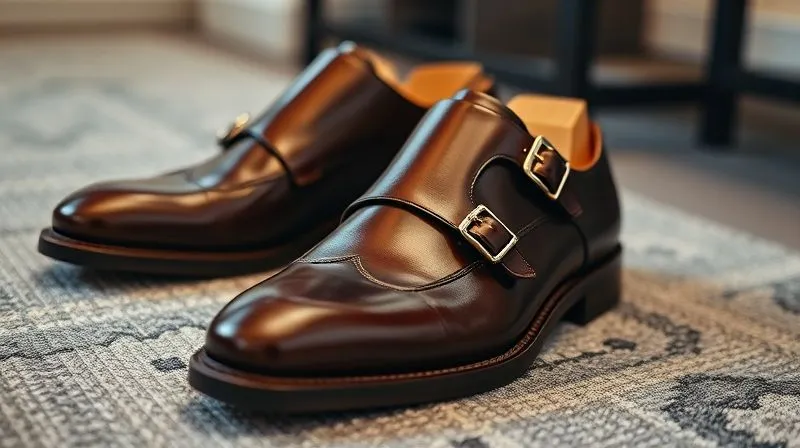
Classic options like black or dark brown Oxfords are indispensable. However, you can introduce personal style by exploring variations. Consider a cap-toe Oxford with elegant broguing, or a pair of sleek wholecut Oxfords for a minimalist, sophisticated look. Monk strap shoes, either single or double, offer a touch of continental flair and are perfectly appropriate for most corporate settings, adding a distinctive edge.
Loafers, particularly sophisticated penny or tassel loafers, can also be worn in slightly less formal corporate environments, bridging the gap between business casual and business formal. Always ensure your shoes are impeccably polished and in excellent condition. Scuffed or worn shoes can undermine an otherwise perfect outfit.
The material also offers a chance for subtle differentiation. While smooth calf leather is standard, consider shoes in polished pebble grain leather or even a luxurious cordovan for a richer texture and deeper sheen. The color of your shoes, while typically black or brown, can also be a point of interest. A deep oxblood or burgundy can add a sophisticated touch to navy or grey suits. For more insights on professional footwear, I highly recommend exploring resources like Forbes' guide to essential men's shoes.
The Power of the Outer Layer: Blazers, Coats, and Cardigans
Your outer layer – be it a blazer, a topcoat, or even a sophisticated cardigan – provides another avenue for expressing personal style, especially in transitional seasons or in environments where you might remove your suit jacket. These pieces can add depth, color, and texture to your overall look.
While a navy or charcoal suit jacket is standard, consider a standalone blazer in a different fabric or pattern. A wool flannel blazer, a hopsack sport coat, or even a subtle tweed blazer (depending on your corporate culture) can be worn with tailored trousers or even dark, well-fitting chinos on a 'dress down' day. These introduce a more relaxed yet still polished aesthetic.
For colder months, a classic wool topcoat or trench coat isn't just functional; it's a powerful style statement. A camel-colored topcoat over a navy suit, for example, is a timeless combination that exudes sophistication. Ensure the coat fits well over your suit jacket – it shouldn't feel bulky or restrictive. For more on selecting professional outerwear, a resource like GQ's expert recommendations for men's outerwear can be quite insightful.
In some corporate settings, a fine-gauge merino wool or cashmere cardigan can replace a blazer in slightly less formal situations, offering a comfortable yet refined alternative. It’s crucial that the cardigan is well-fitting, without excessive bulk, and in a professional color like charcoal, navy, or a deep forest green. Layering is an art, and the outer layer is your final flourish.
Grooming and Scent: The Invisible Style Statement
Personal style isn't solely about the clothes you wear; it extends to your grooming and even your choice of fragrance. These 'invisible' elements contribute significantly to your overall professional image and can subtly enhance your personal brand. They are the details that convey meticulousness and self-respect.
A well-maintained haircut and, if applicable, a neatly trimmed beard or clean-shaven face are paramount. Hair should be styled neatly and kept off your collar. Skincare, while often overlooked by men, plays a crucial role. A clear, healthy complexion projects vitality and confidence. A simple routine involving cleansing, moisturizing, and sun protection can make a noticeable difference.
Fragrance is another subtle yet powerful tool. Choose a sophisticated, understated scent that complements your personality without overpowering your colleagues. Avoid anything too heavy, sweet, or overtly 'clubby.' Classic, clean, and woody or citrus-based scents are generally safe bets for the office. Apply sparingly – a subtle hint is far more effective than a cloud of cologne.
Remember, grooming is about presenting the best version of yourself. It's a sign of respect for yourself and for those you interact with professionally. As highlighted in articles on professional presence, such as those found on the Harvard Business Review, your overall image, including grooming, profoundly impacts how you are perceived.
Navigating Corporate Culture: Understanding the Unspoken Rules
Ultimately, successfully integrating personal style into a strict corporate dress code hinges on understanding and respecting the specific culture of your workplace. Every company has its own nuances, its 'unspoken rules' that dictate what's truly acceptable and what might be perceived as pushing boundaries too far. I always advise my clients to be cultural anthropologists in their own offices.
- Observe and Learn: Pay close attention to how senior leadership and successful colleagues dress. Are they conservative to a fault, or do they allow for subtle personal touches? This provides valuable clues.
- Start Subtly: Don't introduce a bold, patterned shirt on your first day. Begin with small, low-risk style statements, like a unique pocket square or a textured tie, and gauge the response.
- Seek Feedback (Indirectly): If you have a trusted mentor or colleague, you might casually ask for their thoughts on professional presentation within the company.
- Prioritize Professionalism: When in doubt, always err on the side of formality and professionalism. It's easier to scale back than to recover from a perceived misstep.
Your goal is to enhance your professional image, not detract from it. Personal style should reinforce your competence and confidence, not overshadow it. It's a delicate balance, but one that, with careful consideration and strategic choices, can be mastered.
| Dress Code Level | Style Flexibility |
|---|---|
| Ultra-Conservative (e.g., Finance, Law) | Minimal, focus on fit, quality, classic accessories (watch, subtle pocket square) |
| Conservative (e.g., Corporate HQ, Consulting) | Moderate, tasteful patterns/textures, varied tie choices, sophisticated shoes |
| Smart Casual (e.g., Tech, Creative Agencies) | High, allowing blazers with chinos, stylish loafers, more expressive shirts/sweaters |
Frequently Asked Questions (FAQ)
Can I wear sneakers in a strict corporate dress code? Generally, no. Strict corporate dress codes almost universally exclude sneakers, even designer ones. Stick to polished leather dress shoes like Oxfords, Derbies, Monk Straps, or sophisticated loafers. The emphasis is on formality and traditional professionalism.
How much should I spend on a suit for a corporate environment? The cost varies, but focus on value. A well-fitting, quality wool suit from a reputable brand, tailored to perfection, is a better investment than a high-priced designer suit that doesn't fit. Expect to spend anywhere from $500-$1500 for a solid entry-level to mid-range suit that will last and look excellent with proper care. Don't forget to factor in tailoring costs.
What's the biggest mistake men make when trying to personalize their corporate style? The biggest mistake is going too bold too quickly or trying to incorporate too many 'statements' at once. This leads to a chaotic or unprofessional look. True style is about subtlety and harmony. Focus on one or two refined personal touches per outfit, ensuring they blend seamlessly with the corporate aesthetic.
How do I know if I'm pushing my style too far in the office? A good rule of thumb is to observe if your attire is drawing negative attention or if you feel uncomfortable. If you're constantly wondering if you're 'getting away with it,' you might be pushing it. When in doubt, ask yourself: 'Does this enhance my professional image, or distract from it?' If the answer is the latter, dial it back.
Is it okay to wear a t-shirt under a blazer in a corporate setting? In a strict corporate dress code, absolutely not. A t-shirt under a blazer is a smart casual or business casual look, not appropriate for formal corporate environments. Always opt for a collared dress shirt, impeccably ironed, or a fine-gauge knit polo if the environment allows for a slight relaxation of formality.
Key Takeaways and Final Thoughts
Integrating personal style into a strict corporate dress code doesn't mean sacrificing your individuality; it means expressing it with discernment, sophistication, and strategic intent. It's about mastering the unspoken language of professional menswear and using its nuances to your advantage.
- Foundation First: Prioritize impeccable fit and quality fabrics for your core wardrobe.
- Accessories are Key: Leverage pocket squares, ties, watches, and socks for subtle personal statements.
- Strategic Color & Pattern: Introduce depth with muted colors and understated patterns.
- Texture Adds Dimension: Utilize various fabric textures to create visual interest.
- Footwear Matters: Invest in high-quality, polished dress shoes that reflect attention to detail.
- Grooming & Scent: Don't underestimate the power of a polished appearance and a subtle fragrance.
- Cultural Intelligence: Always observe and adapt to your specific corporate environment.
Remember, your personal style in the corporate world is an extension of your professional brand. When done correctly, it communicates confidence, competence, and a keen eye for detail, helping you stand out for all the right reasons. Embrace the challenge, refine your approach, and let your authentic, polished self shine through, even within the strictest of dress codes.
Recommended Reading
- Unlock Your Style: Solving Fashion Blogger Content Block Issues Fast
- Unlock the Secret: How to Identify Ethically Sourced Gemstone Jewelry
- Unlock Your Style: The Ultimate Guide to Selecting Streetwear Accessories for Outfit Cohesion
- Mastering Menswear: 7 Ways to Blend Classic Style & Modern Trends
- Unraveling the Mystery: Why Consistent Quality Eludes Recycled Fibers





Your email address will not be published. Required fields are marked *