


Solving Chafing Issues in Seamless Activewear for High-Intensity Training?
For over two decades in the activewear industry, I've witnessed countless innovations aimed at enhancing athletic performance and comfort. Seamless technology, in particular, was heralded as a game-changer, promising a second-skin feel and unparalleled freedom of movement. Yet, despite these advancements, one persistent, painful problem continues to plague athletes: chafing, especially during high-intensity training sessions. It's a frustrating paradox – gear designed for ultimate comfort sometimes becomes the source of excruciating skin irritation.
I empathize deeply with the burning sensation, the angry red marks, and the sheer distraction that chafing causes. It's not just a minor inconvenience; it can derail your focus, compromise your technique, and even force you to cut short a crucial workout or competition. For many, it transforms the joy of pushing physical limits into a dreaded ordeal, undermining the very purpose of investing in high-quality activewear.
In this definitive guide, I'm not just going to tell you *what* chafing is; I'm going to equip you with actionable frameworks, expert insights, and proven strategies to conquer it. We'll dive deep into fabric science, fit dynamics, and practical prevention methods, ensuring your seamless activewear truly lives up to its promise of comfort, even during your most demanding high-intensity training. Prepare to reclaim your comfort and unleash your full potential, free from the agony of friction.
The Unseen Enemy: Why Seamless Activewear Can Still Chafing
Seamless activewear is engineered to minimize seams, reducing potential points of irritation. The irony, however, is that even without prominent seams, friction can still occur. This is often due to a complex interplay of fabric properties, body mechanics, and environmental factors.
Fabric Science vs. Real-World Friction
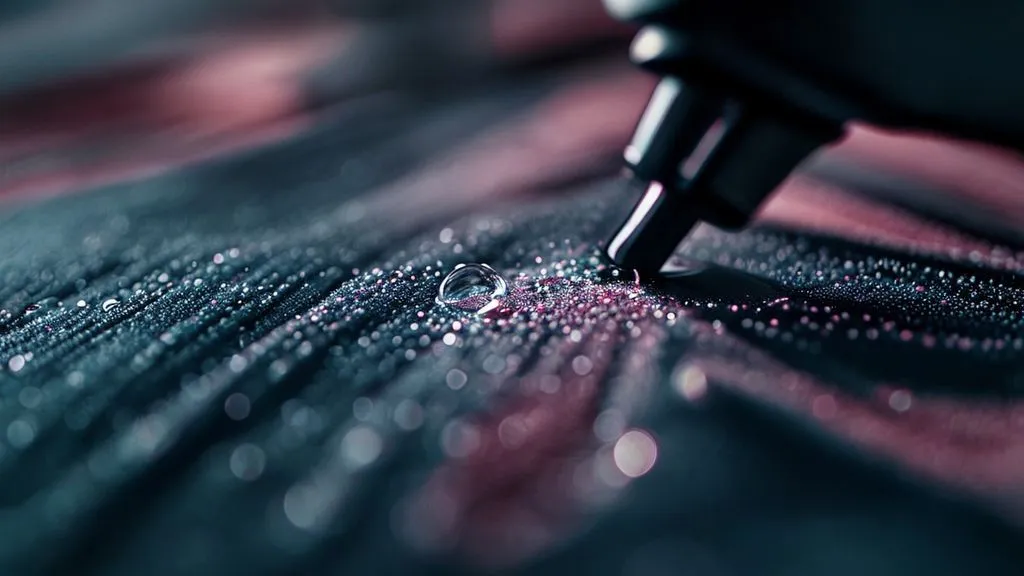
While seamless garments are celebrated for their smooth, uninterrupted surfaces, the very nature of their construction can sometimes contribute to chafing. These garments are typically knitted in a tubular fashion, often using a blend of synthetic fibers like nylon, polyester, and spandex. These materials are chosen for their elasticity, moisture-wicking properties, and durability. However, the density of the knit, the specific fiber blend, and how the fabric interacts with sweat and skin movement are critical. A fabric that feels soft and smooth when dry might behave differently when saturated with sweat, becoming slightly abrasive or losing its structural integrity.
"In my experience, the 'seamless' label is a promise of reduced seam-related irritation, but not a blanket guarantee against all forms of friction. The devil is in the details of the knit structure and fiber blend, which dictate how the fabric manages moisture and moves with the body under stress."
The continuous movement of skin against fabric, especially in high-friction areas like the inner thighs, underarms, and bra lines, generates heat. When moisture (sweat) is introduced, it acts as a lubricant initially, but as it evaporates, it leaves behind salt crystals which can increase friction and irritation. Furthermore, the fabric itself can sometimes lose its integrity, becoming rougher over time with washing and wear, exacerbating the problem.
Decoding Your Chafing Hotspots: A Personal Assessment Guide
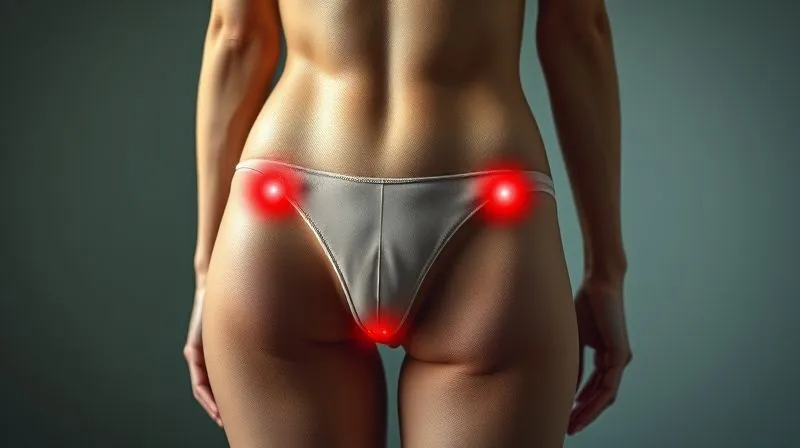
Before you can effectively solve chafing, you need to understand where and why it's happening to *you*. Chafing is highly personal, influenced by individual body shape, movement patterns, and even sweat composition. A systematic assessment can pinpoint your specific vulnerabilities.
I've seen athletes spend fortunes on new gear without understanding their unique chafing profile. This is a mistake. Take the time to identify your personal hotspots.
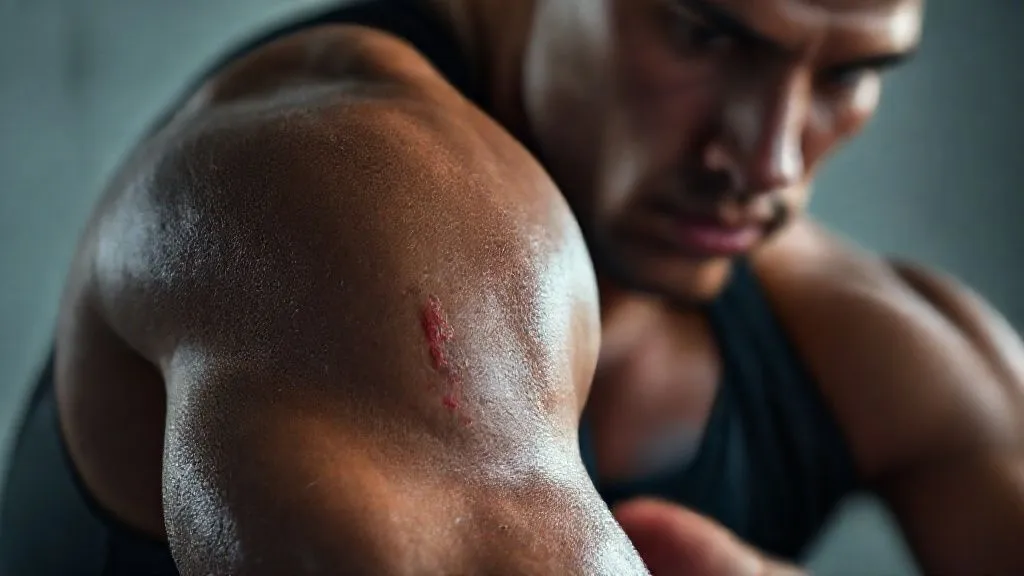
- Post-Workout Inspection: Immediately after a high-intensity session where chafing occurred, examine your skin in a well-lit area. Look for redness, irritation, or even small blisters. Common areas include inner thighs, armpits, nipples (for men), bra lines (for women), waistbands, and inner glutes.
- Garment Analysis: Examine the activewear you were wearing. Are there any areas where the fabric bunches, creases, or feels particularly tight or loose? Pay attention to areas where seams (even flatlock ones) might align with irritated skin.
- Movement Observation: During your next workout, consciously pay attention to how your body moves and where the fabric rubs. Is it a constant friction, or does it only happen during specific movements like lunges, sprints, or jumps?
- Sweat Pattern Mapping: Notice where you sweat most profusely. High sweat zones are often high-chafing zones because moisture, combined with salt and friction, accelerates skin irritation.
- Journaling Your Findings: Keep a brief log. Note the type of workout, duration, specific activewear worn, environmental conditions (humidity, temperature), and precise locations of chafing. Over time, patterns will emerge, providing invaluable data for targeted solutions.
The Foundational Fix: Choosing Truly Chafing-Resistant Seamless Gear
The right garment choice is your first and most powerful defense. Not all seamless activewear is created equal. Understanding what to look for can drastically reduce your risk of chafing.
Beyond the Label: What to Look for in Fabric Composition
The blend of fibers in your seamless activewear plays a crucial role. I always advise looking for fabrics with a higher percentage of nylon or polyamide combined with elastane (spandex). Nylon offers superior durability and a smoother hand-feel compared to some polyesters, which can sometimes feel coarser when wet. The elastane content is vital for elasticity and recovery, ensuring the garment maintains its shape and doesn't bunch up.
Beyond the fiber, consider the knit structure. A denser, finer knit often provides a smoother surface and better compression, which can prevent fabric from shifting and causing friction. Look for phrases like "interlock knit" or "double-knit" which suggest a more robust and less abrasive construction. Some advanced seamless technologies incorporate micro-perforations or zoned ventilation, which can improve breathability and moisture management, indirectly reducing chafing.
The Importance of Fit: Compression vs. Restriction
Fit is paramount. Activewear should feel like a second skin, moving with you, not against you. For high-intensity training, a compressive fit is generally preferred. This means the garment hugs your body without feeling restrictive or digging in. Compression helps stabilize muscles, but more importantly for chafing, it minimizes fabric movement against the skin.
However, there's a fine line between compression and restriction. A garment that's too tight can create pressure points, restrict blood flow, and paradoxically, increase friction by pulling and stretching the fabric taut against sensitive areas. Conversely, activewear that's too loose will bunch, fold, and rub, leading to inevitable chafing. Always try on activewear and perform movements you'd do in your workout – squats, lunges, arm raises – to ensure it moves seamlessly with your body.
| Fabric Type | Chafing Resistance | Key Benefit |
|---|---|---|
| Nylon/Spandex Blend | High | Smooth, durable, excellent stretch & recovery |
| Polyester/Spandex Blend | Medium-High | Good wicking, often more affordable |
| Bamboo/Viscose Blend | Medium | Very soft, but can retain moisture |
| Cotton Blends | Low | Breathable when dry, poor wicking when wet |
For a deeper dive into textile science and its impact on performance, I often refer to studies on advanced material engineering. For instance, research published in journals like the Textile Research Journal frequently explores how fiber structure and fabric finish influence comfort and durability in athletic wear.
Advanced Barrier Strategies: Topical Solutions & Protective Layers
Even with the perfect activewear, some individuals, especially during ultra-endurance or extremely high-intensity sessions, may need an extra layer of protection. This is where topical solutions and strategic undergarments come into play.
Anti-Chafe Balms and Creams: Your First Line of Defense
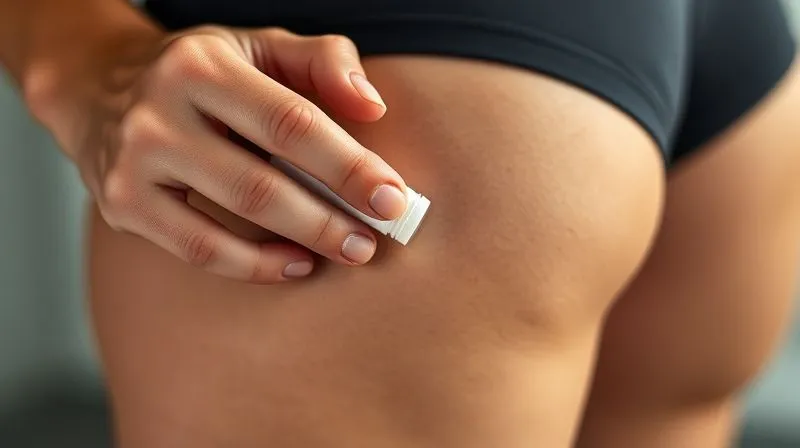
Think of anti-chafing products as an invisible shield for your skin. These typically create a slick, protective barrier that reduces friction between skin and fabric, or skin on skin. They come in various forms: balms, sticks, creams, and powders. Balms and sticks are often preferred for their ease of application and mess-free nature. Look for formulations that are sweat-resistant, non-greasy, and free from harsh chemicals that could irritate already sensitive skin.
Apply these products generously to known chafing hotspots *before* your workout. Don't wait until you feel the burn. Common application areas include inner thighs, underarms, beneath bra straps, around the waistband, and even on nipples (for men). Reapplication may be necessary for very long or particularly sweaty sessions.
Strategic Undergarments: A Game Changer
While seamless activewear aims to be an all-in-one solution, sometimes an additional, specialized undergarment can make all the difference. For inner thigh chafing, consider wearing thin, moisture-wicking compression shorts or briefs underneath your main leggings or shorts. These create an additional barrier, ensuring skin-on-skin friction is minimized.
For women, a well-fitting, supportive sports bra is crucial. The material and construction of the bra, especially around the rib cage and shoulder straps, can be a major source of chafing. Opt for bras with smooth, flat seams (if any), soft edges, and excellent moisture-wicking capabilities. Some athletes find that specific seamless bra designs, with integrated support zones, offer superior comfort without any points of irritation.
Mastering Moisture Management: Sweat is Not Your Friend (for Chafing)
Sweat, while essential for thermoregulation, is a primary catalyst for chafing. Effective moisture management is therefore non-negotiable for high-intensity training comfort.
The Role of Wicking Technology
High-quality seamless activewear is designed with moisture-wicking properties. This means the fabric is engineered to draw sweat away from your skin's surface to the outer layer of the garment, where it can evaporate more quickly. This process keeps your skin drier, significantly reducing the likelihood of friction and irritation. However, the effectiveness of wicking can degrade over time with improper care or if the garment is oversaturated.
Always choose activewear explicitly labeled as "moisture-wicking" or "sweat-wicking." Understand that not all fabrics wick equally, and the construction of the seamless knit also plays a role in how efficiently moisture is transported and released. A fabric that feels heavy or damp after just a few minutes of intense activity is likely not wicking effectively enough for your needs.
Pre- and Post-Workout Routines for Skin Health
Your skin's condition also impacts its susceptibility to chafing. Hydrated, healthy skin is more resilient. Ensure you're drinking enough water throughout the day. Before your workout, ensure your skin is clean and dry. Any residual moisture or products can contribute to friction.
Post-workout care is equally important. Shower promptly after intense sessions to rinse off sweat and salt. Gently pat your skin dry, rather than rubbing vigorously, especially in areas prone to chafing. Applying a gentle, non-comedogenic moisturizer to these areas can help restore your skin's barrier function and promote healing. As The American Academy of Dermatology Association frequently advises, maintaining skin integrity is key to preventing various irritations, including chafing.
Case Study: Sarah's Triathlon Triumph Over Torment
How a Holistic Approach Transformed Her Training
Sarah, a dedicated triathlete, was on the verge of giving up on her iron-distance dreams. Her biggest hurdle wasn't the swim, bike, or run; it was the excruciating chafing she experienced during long training sessions, particularly on her inner thighs and under her sports bra. She had tried countless brands of seamless activewear, always ending up with painful red welts that made subsequent training unbearable.
I worked with Sarah to implement a holistic anti-chafing strategy. First, we meticulously evaluated her existing seamless gear. We discovered that while the fabric was technically 'wicking,' its knit density wasn't optimal for her high-sweat output, and the fit, though snug, allowed for subtle shifts during her powerful stride. We transitioned her to seamless leggings and a sports bra made with a premium, tightly-knit nylon/spandex blend, ensuring a truly compressive yet flexible fit.
Next, we introduced a pre-emptive topical barrier. Sarah began applying a long-lasting, sweat-proof anti-chafing balm to her inner thighs and bra line 15 minutes before every long run or bike. During her brick sessions (bike immediately followed by run), she carried a small reapplication stick. Finally, we refined her post-workout routine: immediate cool showers, gentle pat-drying, and a non-irritating barrier cream to soothe and protect her skin after cleansing.
The results were transformative. Within weeks, Sarah reported significantly reduced irritation. Her long runs became enjoyable again, and her focus shifted back to performance. By her iron-distance race, she completed the event chafing-free, attributing her comfort directly to this multi-faceted approach. This holistic strategy not only saved her triathlon career but also underscored the importance of addressing every variable – from fabric to routine – when solving chafing issues in seamless activewear for high-intensity training.
Beyond the Basics: Apparel Maintenance & Longevity for Comfort
The lifespan and performance of your seamless activewear are heavily influenced by how you care for it. Proper maintenance isn't just about making your clothes last longer; it's about preserving their anti-chafing properties.
Washing Wisdom: Preserving Fabric Integrity
Fabric softeners are the enemy of moisture-wicking and anti-chafing properties. They leave a residue that can clog the fabric's pores, reducing its ability to wick sweat effectively and potentially making the surface feel less smooth. Always wash seamless activewear in cold water with a mild detergent, preferably on a delicate cycle. Air drying or tumble drying on low heat is recommended, as high heat can damage the synthetic fibers and elastic, altering the garment's fit and performance.
Turning garments inside out before washing can also help protect the outer surface from abrasion in the washing machine. Avoid washing with items that have zippers, Velcro, or rough textures, as these can snag and damage the delicate seamless knit, creating potential points of irritation.
When to Retire Your Gear: The Lifespan of Comfort
Even the highest quality seamless activewear has a finite lifespan, especially under the duress of high-intensity training. Over time, the elastic fibers (spandex/elastane) can break down, leading to a loss of compression and shape. When a garment starts to feel loose, bunch up, or no longer provides that "second-skin" fit, it's a strong indicator that its anti-chafing efficacy is compromised.
Visually inspect your gear for signs of wear: pilling (small balls of fabric), thinning areas, or stretched-out sections. These indicate a degradation of the fabric's integrity, which can lead to increased friction. While it might be tempting to hold onto beloved activewear, investing in new, properly functioning gear is crucial for maintaining comfort and preventing chafing. For more insights on sustainable care and when to replace activewear, resources like Patagonia's Worn Wear program offer valuable perspectives on garment longevity and repair.
Mindset & Adaptation: Listening to Your Body
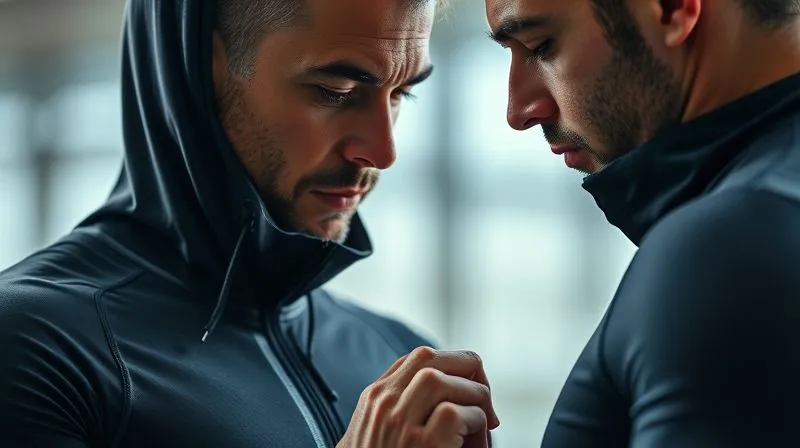
Ultimately, solving chafing issues in seamless activewear for high-intensity training requires an ongoing dialogue with your body. No single solution fits all, and what works one day might need slight adjustments the next, depending on factors like hydration, skin sensitivity, and even hormonal changes.
Develop a habit of checking in with your body during and after workouts. Recognize the very first hint of discomfort – a slight warmth, a subtle rub – before it escalates into full-blown chafing. This early detection allows you to adapt. Perhaps it means applying more balm, adjusting a strap, or even pausing to re-evaluate your gear. Ignoring early warning signs is a common mistake I've seen athletes make, often leading to more severe and harder-to-heal irritation.
Be patient and persistent. Finding your ultimate chafing solution is a process of experimentation and refinement. Trust your instincts, learn from your experiences, and don't be afraid to mix and match strategies until you find the combination that provides consistent, chafing-free comfort for your high-intensity pursuits.
Frequently Asked Questions (FAQ)
Q: Can seamless activewear cause chafing more than seamed activewear? A: While seamless activewear is designed to reduce seam-related chafing, it can still cause irritation due to other factors like fabric composition, fit, sweat accumulation, and individual body mechanics. The absence of traditional seams doesn't eliminate all potential friction points. In some cases, the uniform compression of seamless garments can create consistent pressure that leads to chafing if the fit isn't perfect or if the fabric isn't adequately wicking.
Q: Are there specific ingredients to look for in anti-chafing products? A: Yes, look for ingredients that create a long-lasting, non-greasy barrier. Common effective ingredients include silicone (dimethicone), waxes (beeswax, carnauba wax), and plant-based oils (coconut oil, shea butter) that are formulated to be non-occlusive (won't clog pores). Avoid products with strong fragrances or alcohol, especially if you have sensitive skin, as these can exacerbate irritation. Petroleum jelly can be effective but can also stain activewear and may not be ideal for breathability.
Q: How often should I replace my high-intensity activewear? A: The lifespan varies, but for high-intensity activewear, generally every 6-12 months is a reasonable guideline if you're training frequently (3-5+ times a week). Look for signs of wear such as loss of compression, pilling, thinning fabric, stretched-out areas, or if the garment no longer feels supportive and smooth. Deterioration of the fabric's integrity directly impacts its ability to prevent chafing.
Q: Does hydration impact skin's susceptibility to chafing? A: Absolutely. Well-hydrated skin is healthier, more pliable, and generally more resilient to friction and irritation. Dehydrated skin can become drier and more prone to micro-tears and inflammation, making it more susceptible to chafing. Maintaining optimal hydration levels is a foundational aspect of overall skin health and, by extension, chafing prevention during intense physical activity.
Q: What's the best way to treat existing chafing? A: For existing chafing, the priority is to soothe the skin and promote healing. First, gently clean the area with mild soap and water, then pat dry thoroughly. Apply a protective, healing balm or cream containing ingredients like zinc oxide (diaper rash cream), aloe vera, or colloidal oatmeal to reduce inflammation and create a barrier. Avoid tight clothing and abrasive fabrics on the irritated area. If the chafing is severe, blistering, or shows signs of infection (pus, increasing redness, fever), consult a healthcare professional.
Key Takeaways and Final Thoughts
Conquering chafing in seamless activewear for high-intensity training is not about finding a magic bullet, but rather adopting a comprehensive, informed strategy. After years in this industry, I've learned that true comfort comes from an integrated approach.
- Strategic Gear Selection: Prioritize seamless activewear with optimal fabric blends (e.g., high nylon/spandex), dense knits, and a precise, compressive fit that moves with your body.
- Pre-emptive Protection: Utilize high-quality anti-chafing balms or creams as a protective barrier on your personal hotspots before every workout.
- Master Moisture: Ensure your activewear has superior wicking capabilities and maintain excellent skin hygiene before and after training to manage sweat effectively.
- Listen to Your Body: Pay attention to early signs of discomfort and be prepared to adapt your strategy, whether it's reapplication, adjusting gear, or even replacing worn-out items.
- Holistic Skin Care: Support your skin's resilience through proper hydration and gentle post-workout care.
Don't let chafing dictate your training intensity or enjoyment. By applying these expert-backed strategies, you can transform your high-intensity experience, allowing you to focus on performance, not pain. Embrace the journey towards chafing-free training – your body and your performance will thank you.
Recommended Reading
- 7 Ways Retailers Adapt Teen Fashion for Micro-Trends & Boost Sales
- 7 Steps to Curate Executive Eyewear for Authority & Impact
- Unveiling the Secret: Why Choose Organic Cotton for Your Baby's Clothing?
- Cracking the Code: 7 Ways to Design Kids' Fashion Parents Actually Buy
- Bespoke Jewelry Design: Your Ultimate Guide to Getting Started

Your email address will not be published. Required fields are marked *