

My fashion blog's outfit ideas feel stale, how to innovate?
For over 15 years in the fashion blogging landscape, I've witnessed a recurring challenge that often stifles even the most passionate creators: the dreaded feeling that your outfit ideas have gone stale. It’s a silent creeping sensation, a creative block that can undermine your confidence and, more importantly, disengage your loyal audience. I’ve seen this mistake countless times, where bloggers continue to churn out similar content, hoping for a different result, only to find their traffic plateauing and their comment sections growing quieter.
This isn't just about a lack of new clothes; it's a deeper creative rut. You might be struggling with how to present existing pieces in novel ways, feeling uninspired by current trends, or simply unsure of how to evolve your personal style narrative for your readership. The pain point is palpable: you know your blog needs a jolt, but the 'how' remains elusive, leaving you feeling frustrated and wondering if your innovative spark has faded.
Fear not, because your blog's outfit ideas don't have to remain stale. In this definitive guide, I'll share a robust framework, drawing from my extensive experience, designed to reignite your creativity and provide genuinely fresh angles. We’ll explore actionable strategies, real-world examples, and expert insights to transform your content, ensuring your blog not only survives but thrives in a competitive digital fashion space. Get ready to innovate, inspire, and reconnect with your passion for style.
Beyond the Basic Lookbook: Redefining Your Outfit Concept
The days of simply posting a picture of 'what I wore today' with a list of brands are, for many, a relic of early fashion blogging. While still effective for some niches, to truly innovate when your fashion blog's outfit ideas feel stale, you must move beyond the basic lookbook. This means adding layers of intention, narrative, and conceptual depth to every ensemble you present.
Actionable Step 1: Shift from 'What' to 'Why' and 'How'. Instead of just showing an outfit, explain the thought process behind it. What mood were you aiming for? What occasion inspired it? How did you combine unexpected elements? This provides value far beyond mere aesthetics.
- Deconstruct Your Style Choices: Break down each outfit into its core components (color palette, texture, silhouette, accessories) and explain why each was chosen.
- Highlight Styling Techniques: Focus on specific methods like layering, color blocking, mixing high-low, or accessorizing to transform a look. Teach your audience *how* to replicate or adapt these techniques.
- Introduce a 'Challenge' Element: Can you create X outfits from Y pieces? Or style one item five different ways? This adds a problem-solving dimension.
As fashion commentator Tim Gunn famously advises, "Make it work." This isn't just about making the clothes fit, but making the outfit tell a story and serve a purpose. Your audience craves insight, not just imagery.
Expert Insight: "Innovation in fashion blogging isn't about buying more clothes; it's about seeing familiar pieces through new lenses and inviting your audience to share in that discovery."
Consider the concept of a "style formula" – not a rigid rule, but a flexible framework. For example, instead of "a dress," think "a structured midi dress + unexpected sneakers + a statement necklace." This level of detail elevates your content from passive viewing to active learning. This approach also naturally incorporates the keyword: when your fashion blog's outfit ideas feel stale, redefining your concept is the first major step.
Unlock New Perspectives: Diversifying Your Inspiration Sources
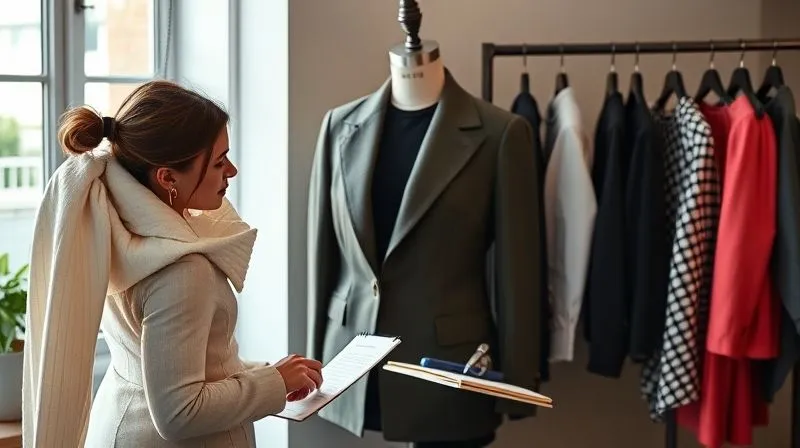
One of the quickest ways for your fashion blog's outfit ideas to feel stale is to draw inspiration solely from other fashion blogs or current retail offerings. The echo chamber effect is real. To truly innovate, you must cast a wider net, pulling ideas from unexpected places that will surprise and delight your audience.
Actionable Step 2: Look Beyond the Fashion Industry.
- Art & History: Explore art movements (e.g., Art Deco, Impressionism), historical periods (Victorian, 1960s mod), or specific artists for color palettes, silhouettes, and textures. How can a Renaissance painting inspire a modern outfit?
- Architecture & Design: Notice lines, structures, materials, and colors in buildings or interior design. A minimalist building could inspire a clean, monochromatic look; a brutalist structure, a deconstructed, edgy ensemble.
- Nature & Travel: The hues of a sunset, the textures of a forest, the vibrant patterns of a foreign market – these can all spark unique outfit combinations. Document your travels and link them to your style.
- Film & Literature: Iconic movie costumes or character descriptions can offer rich inspiration for thematic outfits. Think about the mood, the character's journey, and how that translates into clothing.
By tapping into these diverse sources, you're not just creating outfits; you're creating culturally rich, intellectually stimulating content. This positions you as a thought leader, not just a trend follower. According to a Forbes article on content marketing, unique storytelling significantly boosts engagement.
Mini Case Study: The 'Architectural Lines' Series
Case Study: How 'StyleStruct' Blog Found Freshness
Sarah, the blogger behind 'StyleStruct,' found her fashion blog's outfit ideas felt stale, often relying on similar combinations. She decided to dedicate a month to a new inspiration source: architecture. Each week, she chose a famous building – from the Guggenheim Museum to a Bauhaus-style house – and created an outfit inspired by its lines, materials, and color palette. For the Guggenheim, she styled a flowing, asymmetrical white dress with metallic accessories, mimicking the museum's curves. For the Bauhaus house, she opted for clean, geometric shapes in primary colors. This series not only provided her with an endless stream of innovative outfit ideas but also attracted a new audience interested in art and design, boosting her engagement by 40% and her unique page views by 25% within two months.
Thematic Storytelling: Crafting Narratives Around Your Outfits
To truly combat the feeling that your fashion blog's outfit ideas feel stale, you need to infuse them with narrative. People connect with stories. When an outfit tells a story, it becomes memorable, relatable, and inspiring. This approach moves beyond simply displaying clothes to creating an emotional connection with your audience.
Actionable Step 3: Develop a Theme for Your Outfit Posts.
- Mood-Based Themes: Instead of 'winter outfits,' think 'cozy Sunday morning,' 'fierce Friday night,' or 'mindful Monday.' How does the outfit embody that specific mood?
- Character-Driven Themes: Imagine you're dressing a character for a specific role or scenario. 'The Creative Entrepreneur,' 'The Weekend Adventurer,' 'The Modern Romantic.' This allows for diverse styling within your aesthetic.
- Location-Specific Themes: 'What to wear to a Parisian café,' 'An outfit for a foggy coastal escape,' 'Urban jungle explorer.' The environment becomes an integral part of the outfit's narrative.
- Event-Specific, But Unique: Beyond 'wedding guest attire,' think 'attending an avant-garde art exhibition' or 'a vintage flea market hunt.'
This thematic approach encourages creativity and provides a clear framework for your content. It makes each post a mini-editorial, offering a richer experience for your readers. Consider how a single accessory can change the entire story of an outfit, transforming it from casual to chic, or edgy to elegant. This nuance is what differentiates truly innovative content.
Example Theme Categories & Outfit Ideas:
| Theme Category | Outfit Idea Example |
|---|---|
| Mood-Based | The 'Power Dressing for a Creative Pitch' look: a deconstructed blazer, wide-leg trousers, and a bold graphic tee. |
| Character-Driven | 'The Urban Gardener': utility jumpsuit, stylish wellington boots, and a wide-brimmed hat. |
| Location-Specific | 'Autumn in the Vineyard': a chunky knit sweater, plaid midi skirt, and knee-high leather boots. |
| Event-Specific | 'Gallery Opening Chic': a sculptural top, tailored trousers, and art-inspired jewelry. |
By providing these narrative anchors, you give your audience more than just visual inspiration; you give them a concept they can apply to their own lives and wardrobes. This is crucial when your fashion blog's outfit ideas feel stale, as it shifts the focus from consumption to creative application.
Engaging Your Audience: Co-Creating Outfit Ideas with Your Community
Your audience isn't just a passive consumer of your content; they are a rich source of inspiration and a vital part of your community. When your fashion blog's outfit ideas feel stale, turning to your readers for input can be a powerful way to inject new life and relevance into your content. This fosters loyalty and ensures your content resonates deeply.
Actionable Step 4: Implement Interactive Outfit Idea Formats.
- 'Style Me' Challenges: Ask your audience to submit a tricky item from their wardrobe or a specific occasion they need an outfit for. You then create outfits based on their requests.
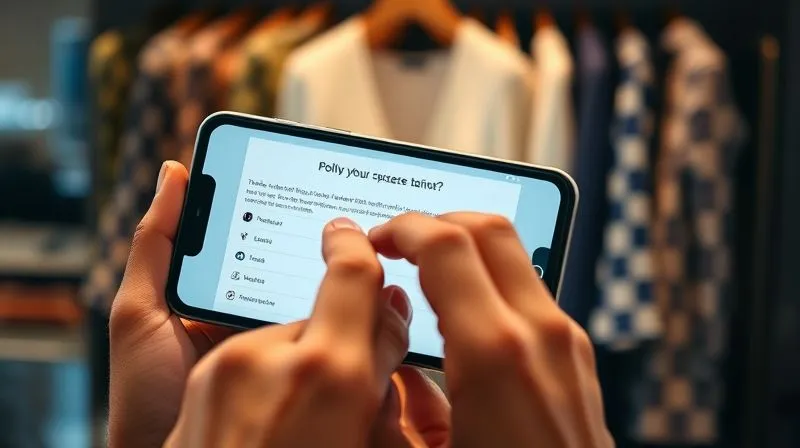
- Polls & Quizzes: Use Instagram Stories or blog polls to let your audience vote on styling dilemmas (e.g., "Which shoes with this dress?" or "Formal vs. Casual for this event?").
- User-Generated Content (UGC) Showcases: Encourage your audience to share their own interpretations of your styling tips or themed outfits using a specific hashtag. Feature the best ones on your blog.
- Q&A Sessions: Host live sessions (Instagram Live, YouTube) where you answer real-time styling questions and create impromptu outfit ideas based on viewer input.
This co-creation strategy not only provides you with endless fresh ideas but also makes your audience feel valued and heard. It transforms your blog from a monologue into a dynamic conversation. Research by Harvard Business Review consistently highlights the benefits of customer co-creation for innovation and loyalty.
Expert Insight: "Your most engaged readers are often your best creative consultants. Leverage their input to generate ideas that are inherently relevant and resonant."
Remember to always credit your audience members when using their ideas or featuring their content. This builds trust and encourages more participation. When your fashion blog's outfit ideas feel stale, a fresh perspective from your community can be the most authentic form of innovation.
Visual Innovation: Elevating Your Photography & Styling Techniques
Even the most brilliant outfit concept can fall flat with uninspired visuals. In fashion blogging, photography is paramount. To combat the feeling that your fashion blog's outfit ideas feel stale, you must continuously push the boundaries of your visual presentation. This isn't about expensive equipment, but creative execution.
Actionable Step 5: Refresh Your Photography and Styling Approach.
- Dynamic Posing & Movement: Move beyond static poses. Capture candid moments, walking shots, twirls, or intentional gestures that showcase the flow and movement of the fabric.
- Unique Locations & Context: Scout for unconventional backdrops. Instead of the same brick wall, find an architectural marvel, a vibrant mural, a lush garden, or an unexpected urban corner that adds character to your outfits.
- Creative Angles & Composition: Experiment with low angles, high angles, close-ups on details, or wide shots that capture the environment. Play with the rule of thirds or leading lines.
- Prop Integration: Thoughtfully chosen props can enhance the story. A vintage book, a cup of coffee, a bouquet of flowers, or even a pet can add personality and context.
- Editing Style Evolution: Periodically review your editing presets and color grading. A slight shift in tone, contrast, or saturation can give your entire feed a fresh, modern feel.
Consider the work of influential fashion photographers; they don't just document, they interpret. Your blog can do the same. This doesn't mean you need professional gear, but a keen eye and willingness to experiment. Even smartphone photography has evolved to allow for stunning visuals with the right techniques.
Key Visual Elements for Impact:
| Visual Element | Impact |
|---|---|
| Composition | Guides the viewer's eye, creates balance, and highlights key outfit details. |
| Lighting | Sets the mood, enhances textures, and can dramatically alter the perception of colors. |
| Background | Provides context, avoids distractions, and complements the outfit's aesthetic. |
| Focus | Directs attention to specific elements, creating depth and professionalism. |
Investing time in learning basic photography principles or even watching tutorials on posing and composition can yield incredible results. When your fashion blog's outfit ideas feel stale, sometimes the solution is not in the clothes themselves, but in how you present them.
Sustainability & Conscious Styling: A Fresh Niche for Outfit Content
The fashion industry is undergoing a significant shift towards sustainability and ethical practices. This presents a powerful, relevant, and innovative angle for fashion bloggers whose outfit ideas feel stale. Embracing conscious styling not only aligns with growing consumer values but also opens up a wealth of creative content opportunities.
Actionable Step 6: Integrate Sustainable & Ethical Fashion into Your Outfit Ideas.
- The "Re-Wear Challenge": Showcase how to style the same core pieces in drastically different ways over time. This promotes longevity and challenges the idea of needing new clothes constantly.
- Thrifted & Vintage Finds: Create entire outfits or integrate key pieces from second-hand sources. Highlight the unique stories behind these items and the thrill of the hunt.
- Capsule Wardrobe Concepts: Develop mini-capsule collections (e.g., "10 Pieces, 20 Outfits") that emphasize versatility, mindful consumption, and smart styling.
- Highlight Ethical Brands: Partner with or feature brands committed to sustainable production, fair labor practices, and transparent supply chains. Explain *why* these brands matter.
- Upcycling & DIY: Show simple ways to refresh or alter existing garments to give them a new lease on life (e.g., cropping jeans, adding embellishments, dyeing fabrics).
This approach isn't just a trend; it's a movement. By championing conscious consumption, you position your blog as a resource for thoughtful, responsible style. According to a Deloitte study, consumer demand for sustainable products is increasing significantly.
Expert Insight: "Sustainable fashion isn't a limitation; it's a creative playground. It forces you to innovate with what you have, which is the purest form of styling genius."
This niche offers endless possibilities for unique outfit ideas, from "how to style a thrifted blazer" to "building a travel capsule for minimal impact." It adds depth and purpose to your content, making it incredibly valuable to an increasingly conscious audience. When your fashion blog's outfit ideas feel stale, exploring this ethical dimension can be a truly refreshing and impactful direction.
Experimentation & Iteration: The Fashion Blogger's Growth Mindset
Innovation is rarely a one-time event; it's a continuous process of experimentation, learning, and iteration. When your fashion blog's outfit ideas feel stale, the most powerful tool you possess is a growth mindset – the willingness to try new things, analyze their impact, and evolve your approach. Stagnation is the enemy of creativity.
Actionable Step 7: Embrace a Cycle of Experimentation and Analysis.
- Dedicated "Experimentation Days": Set aside specific days or weeks to try out completely new outfit concepts, photography styles, or content formats that are outside your comfort zone. Don't worry about perfection; focus on discovery.
- A/B Testing Content Formats: For similar outfits, try presenting them in different ways: one as a detailed breakdown, another as a quick visual carousel, or one with a personal anecdote versus a pure styling guide.
- Monitor Analytics Closely: Pay attention to which outfit posts generate the most engagement (likes, comments, shares), page views, and time on page. Look for patterns in what resonates.
- Solicit Direct Feedback: Use surveys, Instagram polls, or direct questions in your blog posts to ask your audience what they want to see more of, and what they find less engaging.
- Learn from "Failures": Not every experiment will be a runaway success, and that's perfectly fine. Analyze what didn't work and why. Use these insights to refine your next attempt.
This iterative process ensures that your blog is always evolving, keeping both you and your audience engaged. It prevents the creative burnout that often leads to content feeling stale. As marketing guru Seth Godin often emphasizes, consistent shipping and learning from the market are key to long-term success.

Don't be afraid to occasionally publish something that feels a bit risky or outside your usual aesthetic. These moments of brave experimentation are often where true innovation is born. It shows your audience that you're continually pushing boundaries and growing as a creator. When your fashion blog's outfit ideas feel stale, remember that a willingness to experiment is your most powerful antidote.
Frequently Asked Questions (FAQ)
Question: How often should I post new outfit ideas to avoid staleness? There's no magic number, but consistency and quality are key. Instead of daily, focus on 2-3 genuinely innovative posts per week. More importantly, ensure each post offers a fresh perspective or valuable insight. If you're struggling, reduce frequency slightly to prioritize depth and creativity over sheer volume. A well-thought-out post once a week will outperform daily, rushed content.
Question: What if my personal style is very consistent – how can I still innovate? A consistent personal style is a strength, not a weakness! Innovation doesn't mean changing your core aesthetic. Instead, focus on innovating *within* your style. This could mean experimenting with new silhouettes, unexpected color pairings, advanced layering techniques, or showcasing how your signature pieces adapt to different occasions or moods. Thematic styling (as discussed above) is particularly effective here, allowing you to tell new stories with your consistent wardrobe.
Question: Is it okay to revisit old pieces in new ways? Absolutely, it's encouraged! In fact, this is a cornerstone of sustainable and innovative styling. Your audience likely owns similar pieces and will appreciate seeing how to maximize their wardrobe. Create "Re-style It" or "Oldie but Goodie" series where you showcase how to transform a familiar item with different accessories, layers, or styling tricks. This builds trust and positions you as a practical style expert.
Question: How do I measure if my new outfit ideas are resonating with my audience? Beyond likes and comments, dive into your analytics. Look at page views, bounce rate (a lower rate means people are staying longer), and time on page for your outfit posts. Pay attention to shares and saves, especially on platforms like Pinterest and Instagram, as these indicate strong resonance. Also, track specific calls to action – are people clicking through to product links or engaging with your interactive elements? Direct feedback from surveys or questions in your posts is also invaluable.
Question: What are common pitfalls when trying to innovate outfit content? One common pitfall is trying to jump on every trend without aligning it to your core aesthetic, leading to content that feels inauthentic. Another is over-complicating outfits to the point of being unwearable or unrelatable. Finally, neglecting your audience's feedback in pursuit of pure "innovation" can alienate your community. True innovation balances fresh ideas with what your audience genuinely loves and finds useful.
Key Takeaways and Final Thoughts
Overcoming the challenge of stale fashion blog outfit ideas is not just possible; it's an opportunity to redefine your creative vision and deepen your connection with your audience. The strategies we've explored provide a comprehensive roadmap for injecting genuine novelty and value into your content.
- Redefine Your Concept: Move beyond basic lookbooks to explain the 'why' and 'how' behind your outfits.
- Diversify Inspiration: Look beyond fashion blogs to art, history, nature, and architecture for truly unique ideas.
- Craft Narratives: Use thematic storytelling to give your outfits emotional depth and context.
- Co-Create with Your Audience: Involve your community through challenges, polls, and UGC to generate relevant, engaging ideas.
- Elevate Visuals: Innovate your photography with dynamic poses, unique locations, and creative angles.
- Embrace Conscious Styling: Explore sustainable and ethical fashion as a rich source of meaningful content.
- Cultivate a Growth Mindset: Continuously experiment, analyze, and iterate your approach to stay fresh and relevant.
Remember, your unique perspective is your most valuable asset. When your fashion blog's outfit ideas feel stale, it's not a sign of failure, but a powerful indicator that it's time for growth. Embrace these expert-backed strategies, trust your creative instincts, and watch as your blog transforms into a vibrant, inspiring hub for fashion innovation. The journey to fresh, compelling content starts now – go forth and create something truly remarkable!
Recommended Reading
- 8 Keys to Authentically Market Haute Joaillerie to UHNW Gen Z
- 7 Proven Strategies: Turn Beauty Influencer Content into Direct Sales
- Why Aren't My Fashion Style Guides Converting to Sales? 7 Fixes.
- 5 Steps to Stylish Ergonomic Shoes for Long Workdays: An Expert's Guide
- 7 Steps to Authenticate Your Vintage Chanel Flap Bag with Confidence



Your email address will not be published. Required fields are marked *