

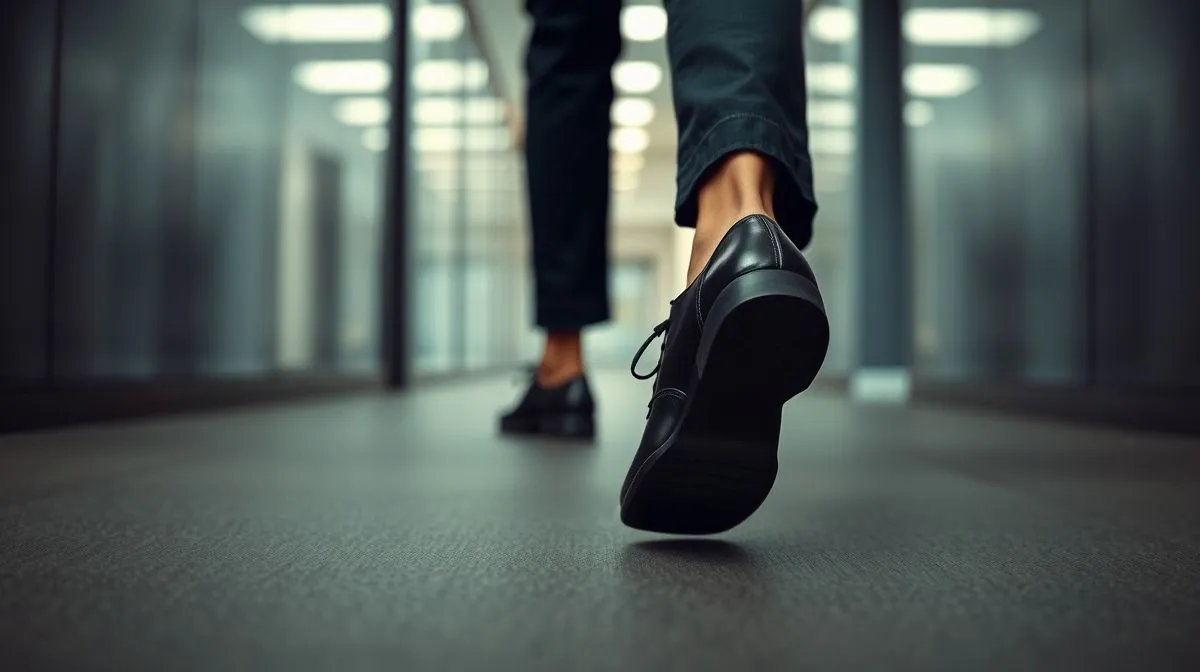
How to Find Stylish Ergonomic Shoes for Long Workdays?
For over 20 years in the footwear industry, I’ve witnessed a pervasive and painful dilemma: countless professionals sacrificing their foot health and overall well-being for the sake of appearing 'put-together.' I’ve seen the grimace of pain hidden beneath a polished exterior, the subtle limp at the end of a long shift, and the chronic back issues that often trace back to one fundamental oversight: poor footwear choices.
The truth is, the belief that comfort and style are mutually exclusive in professional footwear is an outdated myth. This misconception leads to daily discomfort, reduced productivity, and long-term musculoskeletal problems. Your feet are the foundation of your body; neglecting them sends ripples of pain and fatigue throughout your entire system.
This isn't just about finding 'comfortable' shoes; it's about understanding the science of ergonomics and applying it to your workday wardrobe without compromising your professional image. In this definitive guide, I will share my expert insights, actionable frameworks, and practical strategies to empower you to confidently answer the question: How to find stylish ergonomic shoes for long workdays? We'll delve into the nuanced criteria, essential technologies, and smart shopping strategies that will transform your daily comfort and elevate your professional presence.
Understanding the Ergonomic Imperative: Why Your Feet Deserve Better
Our feet are complex bio-mechanical marvels, designed to support our entire body weight, absorb shock, and facilitate movement. When we spend hours on our feet, whether standing, walking, or transitioning between tasks, the cumulative stress can be immense. I often tell clients, 'Your shoes are your first line of defense against gravity and fatigue.'
The wrong shoes can lead to a cascade of issues: plantar fasciitis, bunions, hammer toes, Achilles tendonitis, and even knee, hip, and lower back pain. A study published by the American Podiatric Medical Association consistently highlights the prevalence of foot pain and its significant impact on daily life and productivity. Ignoring these signals is not just uncomfortable; it's a direct threat to your long-term health and career longevity.
Ergonomic footwear isn't a luxury; it's a necessity for anyone who spends significant time on their feet. It’s about creating a harmonious relationship between your foot, your shoe, and the ground, ensuring proper alignment and distributing pressure evenly. Investing in true ergonomic footwear is an investment in your physical well-being, your focus, and your overall quality of life.
Beyond the Hype: What Truly Makes a Shoe Ergonomic?
The term 'ergonomic' is often misused in marketing. As a seasoned expert, I define ergonomic footwear by its ability to support the natural mechanics of the foot, absorb shock effectively, and provide stability without restricting natural movement. It’s a delicate balance of science and design.
True ergonomic shoes incorporate several key elements. First, they prioritize proper arch support, tailored to different foot types—whether you have high arches, flat feet, or a neutral arch. Second, they offer superior cushioning that provides both shock absorption and energy return, reducing impact on your joints. Third, the fit is paramount; an ergonomic shoe should accommodate the natural shape of your foot, especially the toe box, allowing your toes to splay naturally.
Expert Insight: "An ergonomic shoe isn't just soft; it's smart. It works with your foot's natural biomechanics, not against them, preventing fatigue and injury from the ground up."
I've seen countless individuals buy 'comfort' shoes that are merely soft but lack structured support. This often leads to more problems in the long run. The goal is supportive comfort, not just plushness.
The Style Equation: Marrying Form and Function
This is where my expertise as a content writer and SEO specialist comes into play for our readers, particularly for those wondering how to find stylish ergonomic shoes for long workdays. The biggest hurdle for many professionals is the perception that truly ergonomic shoes are inherently clunky or unattractive. I'm here to tell you that this simply isn't true anymore.
The footwear industry has made incredible strides. Designers are now integrating advanced ergonomic features into genuinely fashionable silhouettes. You can find sleek loafers, sophisticated oxfords, elegant pumps with sensible heel heights, and even stylish boots that secretly house robust support systems. The key is knowing what to look for and where to look.
- Modern Aesthetics: Look for clean lines, premium materials like genuine leather or high-quality synthetics, and contemporary color palettes.
- Discreet Technology: Many brands now embed their ergonomic tech discreetly within the sole or lining, so it’s invisible from the outside.
- Versatility: Choose styles that can transition seamlessly from the office to after-work engagements, maximizing your investment.
It’s about being discerning. Don't settle for either extreme—neither purely fashionable shoes that cripple your feet nor purely functional shoes that undermine your professional image. The perfect pair strikes a harmonious balance.
Decoding Footwear Technology: Key Innovations to Look For
Understanding the technological jargon can be daunting, but it’s crucial for making informed choices. When you're trying to figure out how to find stylish ergonomic shoes for long workdays, knowing the tech inside can make all the difference.
- Advanced Cushioning Systems: Look for proprietary technologies like gel pods (e.g., ASICS GEL™), air units (e.g., Nike Air), or responsive foams (e.g., Boost, Fresh Foam). These absorb impact and provide energy return, reducing fatigue.
- Stability and Motion Control: For those needing extra support, features like medial posts (firmer foam on the inner side of the shoe) or structured heel counters prevent excessive pronation or supination, keeping your foot aligned.
- Removable Insoles: This is a game-changer. It allows you to insert custom orthotics or high-quality over-the-counter insoles, tailoring the shoe’s support precisely to your foot's needs.
- Outsole Traction and Flexibility: A good outsole should provide reliable grip (especially important in varied work environments) and sufficient flexibility to allow natural foot movement during gait. Materials like rubber or specialized compounds offer durability and slip resistance.
- Breathable Materials: Leathers, mesh, and engineered synthetics with moisture-wicking properties keep your feet dry and comfortable, preventing blisters and odors.
As a seasoned industry expert, I've seen brands innovate tirelessly in this area. These technologies are not just buzzwords; they represent years of biomechanical research aimed at enhancing comfort and preventing injury.
Key Features to Prioritize When Shopping
When you embark on your search, keep this checklist in mind. It's the framework I use to evaluate any shoe claiming to be ergonomic and stylish:
- Arch Support: Does the shoe offer adequate support for your specific arch type? Press on the insole to feel the firmness under the arch.
- Toe Box: Is it wide and deep enough to allow your toes to splay naturally without rubbing or cramping? This is crucial for preventing bunions and hammertoes.
- Heel Counter: Is the heel counter firm and structured, providing stability and preventing your heel from slipping?
- Cushioning and Shock Absorption: Can you feel a discernible bounce or softness when you walk, indicating good cushioning?
- Flexibility: Does the shoe bend easily at the ball of the foot, where your foot naturally flexes, but remain firm through the arch?
- Material Quality: Are the upper materials breathable and durable? Is the lining smooth and free of irritating seams?
- Stability: When you twist the shoe gently, does it resist excessive torsion, indicating good structural integrity?
- Heel Height (for dress shoes): If wearing heels, opt for a block heel or wedge that is no more than 1.5-2 inches, and ensure it's wide enough for stability.
Expert Tip: "Always try on shoes at the end of the day when your feet are slightly swollen. Wear the socks you typically wear to work. Walk around the store for several minutes to get a true feel for the fit and comfort."
The Shopping Strategy: From Online Exploration to In-Store Fitting
Finding the perfect pair requires a strategic approach. It’s not just about browsing; it’s about research and informed decision-making.
Phase 1: Online Research and Brand Identification
Start by researching brands known for merging comfort and style. Look for those that explicitly market ergonomic features, have certifications from podiatric associations, or boast a strong reputation for comfort. Read reviews, paying close attention to comments about long-term wear, support, and professional appearance. Websites like Forbes or business casual fashion blogs often feature articles on professional comfort footwear, providing a good starting point.
Phase 2: In-Store Fitting and Expert Consultation
While online shopping is convenient, for ergonomic shoes, an in-store fitting is invaluable. Visit specialty shoe stores or department stores with knowledgeable staff. Ask for a professional fitting, where they measure both your foot length and width. Don't be shy about explaining your work demands and specific foot concerns.
Try on both shoes. Walk around the store, up and down stairs if available. Pay attention to any pressure points, rubbing, or instability. Trust your instincts; if it doesn't feel right immediately, it likely won't improve with wear. This crucial step is key to truly understanding how to find stylish ergonomic shoes for long workdays that fit *your* unique feet.
Mini Case Study: How Sarah Found Her Footwear Freedom
Sarah, a marketing executive, suffered from chronic plantar fasciitis. She loved her designer heels but dreaded every step by midday. After years of pain, she sought my advice. We applied the shopping strategy: first, identifying brands with advanced arch support and cushioning, then visiting a specialized store for a professional fitting. Sarah discovered a brand that offered stylish ballet flats and low block heels with integrated orthotic support and generous toe boxes. Within two months of consistently wearing her new ergonomic shoes, her plantar fasciitis symptoms significantly diminished. She reported feeling more energetic, focused, and no longer distracted by foot pain, leading to a noticeable improvement in her overall work performance and mood. Her colleagues even commented on her new 'pep in her step' and chic yet comfortable look.
Categories of Brands and What to Look For
While I can't recommend specific brands by name due to the dynamic nature of product lines, I can guide you on the types of brands to seek out when learning how to find stylish ergonomic shoes for long workdays:
- Orthotic-Friendly Brands: These often have removable insoles and wider toe boxes, designed to accommodate custom orthotics if needed. They prioritize foot health above all else, often with stylish options emerging.
- Comfort-Focused Dress Shoe Brands: Many traditional dress shoe manufacturers have innovated with hidden comfort technologies, like cushioned footbeds, flexible outsoles, and soft leather uppers. Look for collections specifically labeled 'comfort' or 'flex.'
- Athletic-Inspired Professional Shoes: The rise of 'athleisure' has led to professional-looking shoes with athletic shoe-level cushioning and support. Think sleek sneakers or hybrid styles that blend dress shoe aesthetics with performance features.
- Workwear-Specific Brands: Some brands specialize in shoes for professionals who are on their feet all day (e.g., healthcare, hospitality). While not always 'dressy,' many now offer more refined, contemporary designs.
Always check for certifications from podiatric associations or positive reviews from professionals in fields similar to yours. This due diligence is critical.
Maintaining Your Ergonomic Investment: Longevity and Care
Once you’ve found the perfect pair of stylish ergonomic shoes, proper care is essential to maximize their lifespan and maintain their supportive qualities. Think of them as high-performance tools that require maintenance.
First, rotate your shoes. I strongly advise against wearing the same pair every single day. Allow shoes to air out for at least 24 hours between wears. This helps dissipate moisture, prevents bacterial growth, and allows the cushioning materials to decompress and regain their shape. According to Mayo Clinic recommendations for foot health, proper shoe care is a component of overall foot hygiene.
Key Insight: "Shoe rotation isn't just about hygiene; it’s about preserving the integrity of the cushioning and support systems. Give your shoes a rest, and they’ll give your feet a rest too."
Second, clean your shoes regularly according to their material. Leather requires conditioning, synthetics can be wiped down, and mesh may need gentle brushing. Proper cleaning prevents material breakdown and keeps them looking professional. Finally, pay attention to the wear of the outsole and the feel of the cushioning. When the tread is worn smooth or the cushioning feels flat and unresponsive, it's time for a replacement. Typically, ergonomic shoes need to be replaced every 6-12 months depending on wear, or when you notice a return of discomfort.
The Long-Term ROI of Smart Footwear Choices
The initial investment in high-quality, stylish ergonomic shoes might seem significant, but in my experience, the return on investment (ROI) is immeasurable. Consider the hidden costs of poor footwear: chronic pain, frequent doctor visits, reduced productivity due to discomfort, and even taking sick days. These add up quickly.
When you wear shoes that truly support your body, you experience:
- Reduced Pain and Fatigue: Say goodbye to aching feet, knees, and back at the end of a long day.
- Increased Productivity and Focus: Without the distraction of pain, you can concentrate better on your tasks and perform at your peak.
- Improved Posture and Alignment: Proper foot support ripples up your kinetic chain, leading to better overall body alignment.
- Enhanced Professional Presence: When you're comfortable, you exude confidence and professionalism naturally.
- Long-Term Health Benefits: Preventing chronic foot conditions and musculoskeletal issues means a healthier, more active future.
Choosing the right shoes isn't just a purchase; it's a proactive health decision that empowers you to perform better, feel better, and live better. It’s a testament to the fact that you value your health and your career.
Frequently Asked Questions (FAQ)
Question: Can high heels ever be ergonomic for long workdays? While traditional high heels are challenging for ergonomics, some brands now offer 'comfort' or 'ergonomic' high heels. These typically feature wider, lower block heels (1.5-2 inches maximum), substantial cushioning in the forefoot, arch support, and often a platform to reduce the incline. They prioritize stability and shock absorption. While they won't offer the same support as a flat or low-heeled shoe, they are a significant improvement over standard heels and can be an option for shorter periods or rotational wear. Look for brands that specifically mention 'comfort technology' or 'extended wear' in their heel collections.
Question: How often should I replace my ergonomic shoes if I wear them daily? As a rule of thumb, if you wear your ergonomic shoes daily for long workdays, I recommend considering replacement every 6 to 12 months. This timeframe can vary based on your body weight, activity level, and the specific shoe's construction. Key indicators for replacement include worn-down outsoles (lack of grip), flattened or unresponsive cushioning, a breakdown in arch support, or a return of foot discomfort you previously didn't experience with the shoes. Don't wait until the pain returns; proactive replacement is key to continuous comfort.
Question: Are custom orthotics always necessary with ergonomic shoes? Not always. Many high-quality ergonomic shoes come with excellent built-in arch support and cushioning that may be sufficient for individuals with neutral arches or minor foot issues. However, if you have specific biomechanical issues (e.g., severe pronation, high arches needing specific support) or chronic conditions like plantar fasciitis, custom orthotics prescribed by a podiatrist can provide personalized support that off-the-shelf shoes cannot. Always look for ergonomic shoes with removable insoles if you anticipate needing custom orthotics.
Question: What's the difference between 'comfort shoes' and 'ergonomic shoes'? This is a crucial distinction. 'Comfort shoes' often prioritize softness and plushness, which can feel good initially but may lack the structured support needed for long-term wear and proper foot alignment. They might have soft cushioning but insufficient arch support or stability. 'Ergonomic shoes,' on the other hand, are engineered based on biomechanical principles to support the foot's natural structure, absorb shock efficiently, provide stability, and distribute pressure evenly. They offer a balance of cushioning and firm support, aiming to prevent fatigue and injury, not just provide a soft landing. An ergonomic shoe is inherently comfortable due to its design, but a 'comfort shoe' isn't necessarily ergonomic.
Question: How do I break in new ergonomic shoes without discomfort? Even ergonomic shoes may require a short break-in period. Start by wearing them for shorter durations, perhaps an hour or two at home, then gradually increase the wear time. Avoid wearing them for a full workday right out of the box. Ensure you're wearing the appropriate socks. If you feel any specific pressure points, address them immediately. Sometimes, a thicker sock can help, or a very minor stretch in a specific area. If persistent discomfort occurs after a week of gradual wear, the shoe might not be the right fit for your foot, despite its ergonomic claims.
Recommended Reading
- Haute Couture Consultations: Ask These Questions!
- Mastering Character Costume Design: How to Conceptualize Effectively
- Unlock the Secrets: How to Write an Engaging Fashion Blog Post That Captivates
- The Future of Fashion: How Advanced Materials Will Reshape Clothing Design
- Clean Suede Shoes Like a Pro: Avoid Ruining Them! Here's How
Key Takeaways and Final Thoughts
- Prioritize Proper Fit: It’s the single most important factor. Get professionally measured and try shoes on at the end of the day.
- Understand Ergonomic Principles: Look beyond 'comfort' for structured support, effective cushioning, and proper foot alignment.
- Embrace Modern Style: The industry has evolved; you no longer have to sacrifice style for foot health.
- Invest in Quality: High-quality ergonomic shoes are an investment in your long-term health, productivity, and professional image.
- Maintain and Rotate: Proper care and shoe rotation extend the life of your footwear and maintain its supportive properties.
As a veteran in the footwear industry, I've seen the transformative power of the right pair of shoes. It's more than just footwear; it's a foundation for your well-being, your energy, and your professional success. By applying the insights and strategies I've shared on how to find stylish ergonomic shoes for long workdays, you are not just buying shoes; you are investing in a future where tired, aching feet are a distant memory, replaced by lasting comfort and confident strides. Step into that future, and embrace the power of truly smart footwear choices.


Your email address will not be published. Required fields are marked *