


How to Reverse Chronic Skin Inflammation with Holistic Gut Health?
For over 15 years in the beauty and wellness industry, I've witnessed countless individuals battle persistent skin issues – from stubborn eczema and rosacea to frustrating adult acne. They often arrive at my practice having tried every topical cream, every conventional treatment, only to find temporary relief or, worse, a worsening of their condition. It's a deeply disheartening cycle, and I've seen this mistake countless times: focusing solely on external symptoms while ignoring the profound internal drivers.
The truth is, chronic skin inflammation isn't just a surface problem; it’s a distress signal from deeper within your body. It's your system crying out for balance, often originating from a place few consider when looking in the mirror: your gut. The frustration of constant flare-ups, redness, itching, and discomfort can erode self-confidence and quality of life, leaving many feeling hopeless and misunderstood.
But there’s a powerful, often overlooked solution rooted in holistic principles. In this definitive guide, I will share my expert insights and actionable frameworks on how to reverse chronic skin inflammation with holistic gut health. You’ll learn not just *what* to do, but *why* it works, backed by the latest science and real-world results, empowering you to achieve lasting skin clarity and vibrant well-being from the inside out.
Understanding the Gut-Skin Axis: The Foundation of Holistic Beauty
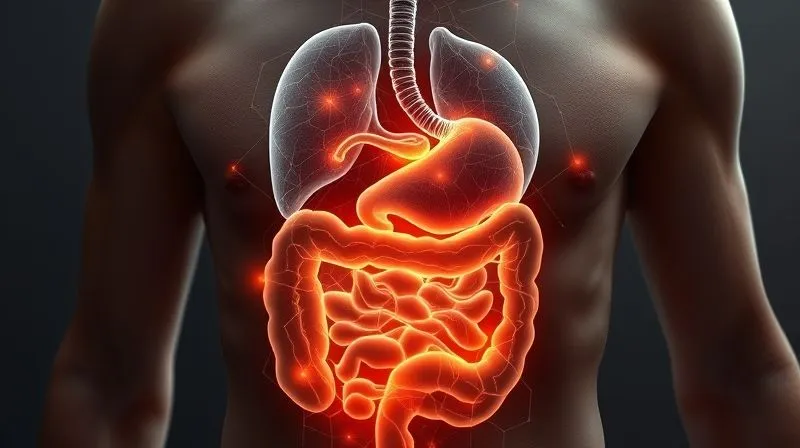
The connection between your gut and your skin, often referred to as the 'gut-skin axis,' is far from a new-age concept; it's a well-established scientific reality. Your gut, home to trillions of microorganisms collectively known as the microbiome, plays a pivotal role in everything from nutrient absorption to immune regulation. When this delicate ecosystem is out of balance, its effects ripple throughout the body, manifesting visibly on your skin.
From my perspective, a compromised gut barrier, often called 'leaky gut,' is a primary culprit. When the tight junctions in your intestinal lining become permeable, undigested food particles, toxins, and microbes can 'leak' into your bloodstream. Your immune system, perceiving these as threats, mounts an inflammatory response. This systemic inflammation then travels, often finding its way to the skin, triggering or exacerbating conditions like eczema, psoriasis, rosacea, and acne.
Understanding this intricate dance is the first step towards true healing. It means shifting our focus from merely treating symptoms to nurturing the root cause. As Harvard Health often highlights, the gut is central to overall health, and its influence on the skin is undeniable.
Identifying the Root Causes: Beyond Topical Treatments
Before we can effectively reverse chronic skin inflammation, we must identify its underlying triggers. Topical treatments, while offering temporary symptom relief, rarely address the root of the problem. In my experience, the most common culprits stem directly from our modern lifestyles and dietary choices.
Dietary Inflammatories: The Silent Saboteurs
Many foods common in Western diets are highly inflammatory. These include refined sugars, processed foods, unhealthy fats (trans fats, excessive omega-6s), and dairy. These ingredients can disrupt the gut microbiome, feed pathogenic bacteria, and directly trigger systemic inflammation. Eliminating these is often the first, most impactful step toward reducing skin inflammation.
Stress and the Gut-Brain-Skin Connection
The gut-brain axis is another critical link. Chronic stress can profoundly impact gut health by altering gut motility, increasing intestinal permeability, and shifting the balance of the microbiome. This stress-induced gut dysbiosis then fuels the inflammatory fire, reflecting on the skin. I've seen clients make significant dietary changes, only to find their skin issues persist due to unmanaged stress.
Environmental Toxins and Medications
Exposure to environmental toxins, certain medications (especially antibiotics), and even harsh skincare products can disrupt the microbiome and compromise the skin barrier. It's crucial to assess your daily environment and product choices for potential inflammatory triggers.
Expert Insight: "Your skin is a mirror to your gut. Persistent inflammation is rarely just a cosmetic issue; it's a profound signal that something within your internal ecosystem needs rebalancing. Listen to what your skin is telling you."
The Anti-Inflammatory Diet: Fueling Your Skin from Within
The cornerstone of reversing chronic skin inflammation with holistic gut health is a nutrient-dense, anti-inflammatory diet. This isn't about deprivation; it's about abundance – filling your plate with foods that heal, nourish, and protect your gut and skin.
Prioritizing Whole, Unprocessed Foods
Focus on whole, unprocessed foods. This means plenty of fresh fruits, vegetables, lean proteins, and healthy fats. These foods provide essential vitamins, minerals, and antioxidants that combat inflammation and support cellular repair. Think vibrant colors and natural ingredients.
Embracing Omega-3 Fatty Acids
Omega-3s are powerful anti-inflammatory agents. Incorporate sources like wild-caught salmon, mackerel, flaxseeds, chia seeds, and walnuts into your diet. These fats help to modulate the body's inflammatory response, directly benefiting skin health.
The Power of Fiber: Prebiotics for a Healthy Gut
Dietary fiber, particularly soluble fiber, acts as a prebiotic, feeding the beneficial bacteria in your gut. Rich sources include oats, apples, bananas, asparagus, garlic, and onions. A diverse intake of fiber promotes a robust and balanced microbiome, which in turn reduces systemic inflammation.
Hydration: The Unsung Hero
Adequate hydration is crucial for both gut and skin health. Water helps maintain the integrity of the intestinal lining, aids in nutrient transport, and supports detoxification processes. Aim for at least 8 glasses of filtered water daily.
| Category | Examples | Impact on Skin |
|---|---|---|
| Inflammatory Foods (Limit/Avoid) | Refined sugars, processed snacks, fried foods, excessive dairy, gluten (for sensitive individuals) | Increases systemic inflammation, exacerbates acne, rosacea, eczema |
| Anti-Inflammatory Foods (Prioritize) | Leafy greens, berries, fatty fish, turmeric, ginger, olive oil, nuts, seeds | Reduces inflammation, promotes clear skin, supports skin barrier function |
Probiotics and Prebiotics: Nurturing Your Inner Ecosystem
Once you've removed inflammatory triggers, the next step in how to reverse chronic skin inflammation with holistic gut health is to actively rebuild and rebalance your gut microbiome. This involves strategically incorporating probiotics and prebiotics.
The Role of Probiotics: Beneficial Bacteria for Your Gut and Skin
Probiotics are live beneficial bacteria that, when consumed in adequate amounts, confer a health benefit to the host. They help restore microbial balance, strengthen the gut barrier, and produce anti-inflammatory compounds. For skin health, specific strains like Lactobacillus and Bifidobacterium have shown promising results in clinical studies.
- Fermented Foods First: Incorporate naturally fermented foods into your daily diet. Examples include kimchi, sauerkraut, kefir (dairy or non-dairy), kombucha, and unsweetened yogurt. Start small and gradually increase your intake.
- Targeted Probiotic Supplements: If dietary changes aren't enough, consider a high-quality probiotic supplement. Look for one with diverse strains and a high CFU count (billions). Consult with a healthcare professional to choose the right supplement for your specific needs.
- Consistency is Key: Probiotics need consistent replenishment. Make them a regular part of your routine for sustained benefits.
Prebiotics: Food for Your Good Bacteria
Prebiotics are non-digestible fibers that selectively feed the beneficial bacteria in your gut. They are essential for probiotics to thrive and multiply. Without prebiotics, probiotics may not be as effective. Excellent sources include garlic, onions, leeks, asparagus, bananas, apples, and oats.

Stress Management and Sleep: Unsung Heroes of Skin Health
It's easy to overlook the profound impact of stress and sleep on our physical health, especially when battling visible conditions like chronic skin inflammation. Yet, in my practice, addressing these lifestyle factors is as critical as dietary changes for holistic gut and skin health.
Taming the Stress Response
Chronic stress triggers a cascade of hormonal responses that can directly harm gut integrity and fuel inflammation. Cortisol, the primary stress hormone, can increase intestinal permeability, leading to a 'leaky gut' and a subsequent inflammatory response that manifests on the skin. I always advise clients to integrate daily stress-reduction practices.
- Mindfulness and Meditation: Even 10-15 minutes daily can significantly reduce cortisol levels. Apps like Calm or Headspace can be great starting points.
- Deep Breathing Exercises: Simple diaphragmatic breathing can activate the parasympathetic nervous system, promoting relaxation and reducing the stress response.
- Regular Physical Activity: Exercise is a powerful stress reliever, but avoid overtraining, which can be another stressor.
- Nature Connection: Spending time outdoors has been shown to lower stress hormones and improve mood.
Prioritizing Restorative Sleep
Sleep is when your body repairs and regenerates. Chronic sleep deprivation elevates inflammatory markers and impairs skin barrier function. Aim for 7-9 hours of quality sleep per night. Establish a consistent sleep schedule and create a relaxing bedtime routine to optimize your sleep hygiene. As the Sleep Foundation emphasizes, inadequate sleep can visibly impact skin health.
Targeted Supplements: Bridging Nutritional Gaps
While a whole-food diet is foundational, targeted supplementation can be a powerful tool to accelerate healing and bridge nutritional gaps when learning how to reverse chronic skin inflammation with holistic gut health. However, supplements should always complement, not replace, a healthy lifestyle.
Key Supplements for Gut-Skin Health:
- Omega-3 Fatty Acids: If dietary intake is insufficient, a high-quality fish oil supplement (rich in EPA and DHA) can provide potent anti-inflammatory benefits.
- Vitamin D: Many people are deficient in Vitamin D, which plays a crucial role in immune regulation and reducing inflammation.
- Zinc: Essential for immune function, wound healing, and skin health. It also has anti-inflammatory properties.
- L-Glutamine: An amino acid vital for repairing the intestinal lining and reducing gut permeability. It's a key player in healing a 'leaky gut'.
- Digestive Enzymes: Can support proper digestion and nutrient absorption, reducing the burden on the gut and minimizing undigested food particles that can trigger inflammation.
Always consult with a healthcare professional before starting any new supplement regimen, especially if you have underlying health conditions or are taking medications.
Lifestyle Adjustments: Cultivating a Gut-Friendly Routine
Holistic beauty extends beyond diet and supplements; it encompasses your entire lifestyle. Small, consistent adjustments can significantly impact your gut and skin health, helping you to reverse chronic skin inflammation.
Mindful Eating Practices
How you eat is almost as important as what you eat. Slow down, chew your food thoroughly, and eat in a relaxed state. This supports proper digestion and nutrient absorption, reducing stress on your gut. Avoid eating on the go or while stressed.
Gentle Skincare
While focusing on internal healing, don't neglect your skin's external needs. Use gentle, non-toxic skincare products that support your skin barrier. Avoid harsh chemicals, fragrances, and excessive exfoliation, which can further irritate inflamed skin. Look for ingredients that soothe and hydrate.
Movement and Exercise
Regular, moderate exercise promotes healthy circulation, reduces stress, and supports detoxification. It can also positively influence the gut microbiome. Find activities you enjoy, whether it's walking, yoga, dancing, or swimming, and make them a consistent part of your week.
| Time of Day | Gut-Friendly Action | Skin Benefit |
|---|---|---|
| Morning | Drink a large glass of filtered water with lemon, engage in 10 minutes of mindfulness meditation. | Hydrates, reduces cortisol, promotes clarity |
| Mid-day | Eat a fiber-rich, anti-inflammatory lunch, take a short walk. | Nourishes, aids digestion, boosts circulation |
| Evening | Consume fermented foods with dinner, practice gentle stretching or deep breathing. | Supports microbiome, calms nervous system, reduces inflammation |
Case Study: Sarah's Journey to Clearer Skin
Case Study: How Sarah Reversed Chronic Eczema and Rosacea
Sarah, a 38-year-old marketing professional, came to me after years of struggling with severe, persistent eczema patches on her arms and face, coupled with rosacea flare-ups that left her skin red, bumpy, and intensely itchy. She had tried multiple steroid creams, antibiotics, and elimination diets recommended by dermatologists, but nothing offered lasting relief. Her confidence was at an all-time low, and she felt trapped in a cycle of discomfort.
After a thorough consultation, I identified several key contributors: a highly stressful job, frequent consumption of processed foods and sugary snacks, chronic constipation, and a history of antibiotic use. Her gut health was clearly compromised, manifesting as chronic skin inflammation.
We embarked on a holistic gut healing protocol:
- Dietary Overhaul: We eliminated refined sugars, gluten, dairy, and processed foods, replacing them with a nutrient-dense, anti-inflammatory diet rich in organic vegetables, fruits, healthy fats, and lean proteins.
- Gut Repair & Rebalancing: Sarah started a high-quality probiotic supplement, incorporated daily fermented foods (sauerkraut and kefir), and took L-Glutamine to support intestinal lining repair.
- Stress Management: She committed to 15 minutes of daily meditation and evening walks, recognizing the gut-brain-skin connection.
- Hydration & Lifestyle: We emphasized increased water intake and a consistent sleep schedule.
Within six weeks, Sarah noticed a significant reduction in redness and itching. The eczema patches began to fade, and her rosacea flare-ups became less frequent and less intense. By three months, her skin was remarkably clearer, calmer, and more resilient. Her constipation resolved, and she reported significantly higher energy levels and improved mood. This resulted in a complete transformation, not just of her skin, but of her overall well-being and confidence. Sarah's story is a powerful testament to the efficacy of addressing how to reverse chronic skin inflammation with holistic gut health.
Frequently Asked Questions (FAQ)
Q: How long does it typically take to see results when focusing on gut health for skin inflammation? A: Healing is a highly individual journey. While some clients report noticeable improvements in as little as 4-6 weeks, significant and lasting changes, especially for chronic conditions, often take 3-6 months of consistent effort. Be patient and persistent; true healing takes time.
Q: Can diet alone cure severe skin conditions like psoriasis or eczema? A: While diet is a cornerstone, it's rarely the sole solution for severe, long-standing conditions. A holistic approach that includes stress management, targeted supplementation, adequate sleep, and gentle skincare, alongside dietary changes, offers the best chance for comprehensive healing. Always consult with your healthcare provider.
Q: Are there any specific foods I should absolutely avoid if I have chronic skin inflammation? A: While individual sensitivities vary, common inflammatory culprits include refined sugars, processed foods, trans fats, excessive omega-6 oils (found in many vegetable oils), and often dairy and gluten. I recommend an elimination diet under guidance to identify your specific triggers.
Q: What's the biggest mistake people make when trying to heal their skin holistically? A: The biggest mistake I've seen is inconsistency and a lack of patience. Holistic healing isn't a quick fix; it's a lifestyle transformation. People often give up too soon or only partially commit. Consistency in diet, stress management, and supplement protocols is paramount for long-term success.
Q: Can topical products help while I'm working on my gut health? A: Absolutely. While internal healing is key, using gentle, non-toxic topical products can help soothe irritated skin, support the skin barrier, and provide comfort during the healing process. Look for ingredients like ceramides, hyaluronic acid, and anti-inflammatory botanicals, avoiding harsh chemicals or strong actives that could further irritate.
Key Takeaways and Final Thoughts
Reversing chronic skin inflammation with holistic gut health is not just a trend; it's a profound paradigm shift in how we approach beauty and well-being. It acknowledges the undeniable truth that true radiance emanates from within, specifically from a balanced and thriving internal ecosystem.
- The Gut-Skin Axis is Real: Your skin's health is intrinsically linked to your gut's health.
- Identify and Remove Triggers: Eliminate inflammatory foods, manage stress, and reduce toxin exposure.
- Nourish and Rebuild: Embrace an anti-inflammatory diet rich in whole foods, fiber, and healthy fats.
- Support Your Microbiome: Incorporate probiotics (fermented foods and supplements) and prebiotics.
- Prioritize Lifestyle: Manage stress, ensure quality sleep, and engage in mindful movement.
- Supplement Smartly: Use targeted supplements to bridge nutritional gaps under expert guidance.
I've seen firsthand the transformative power of this holistic approach. It moves beyond superficial treatments to address the very root of chronic skin inflammation, offering not just clearer skin but enhanced vitality, improved digestion, and a profound sense of well-being. Your journey to radiant, calm skin begins with nurturing your gut. Embrace these strategies with consistency and patience, and prepare to witness the incredible healing capacity of your own body.
Recommended Reading
- 7 Proven Strategies: How to Grow Your Fashion Photography Blog Audience
- Precision Tailoring: How to Fix Subtle Fit Issues in Haute Couture
- 12-Hour Fresh: Your Expert Guide to a Polished Workday Look
- 7 Legal Shields: Protect Your Unique Jewelry from Fast Fashion Copying
- Restore Heavily Corroded Edwardian Platinum: The Damage-Free Expert Guide





Your email address will not be published. Required fields are marked *