

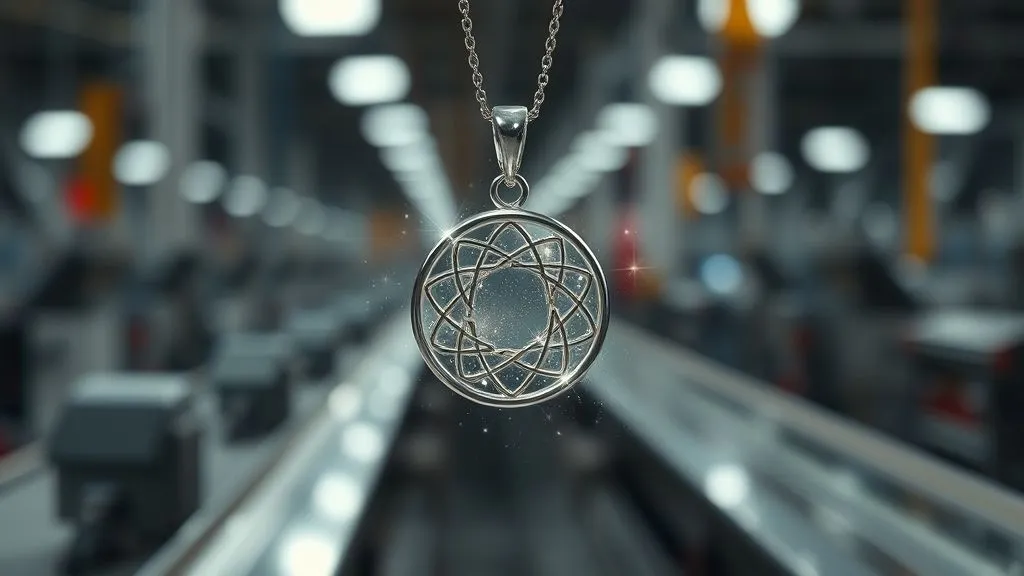
How to legally protect unique jewelry designs from fast fashion copying?
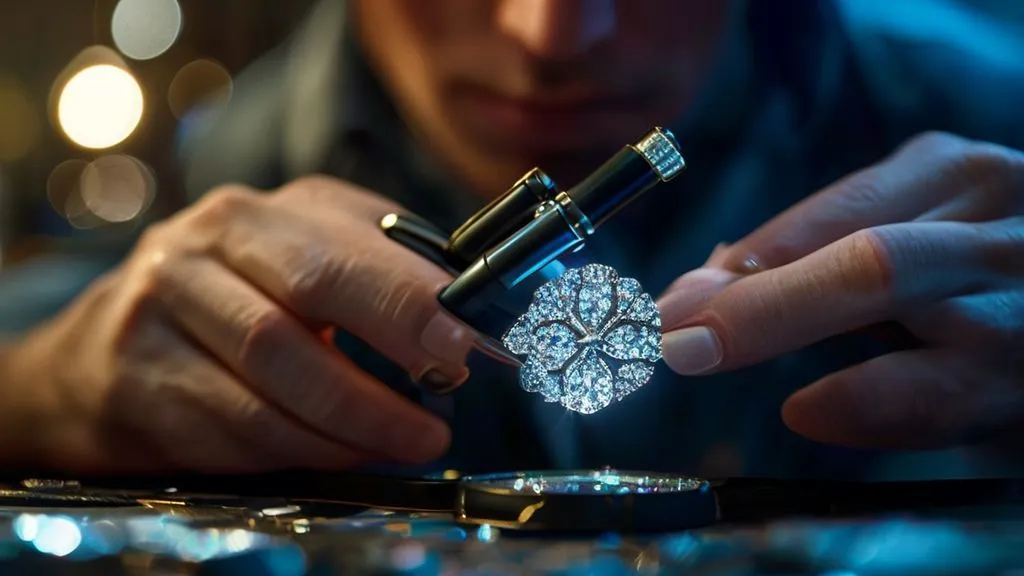
For over two decades in the intricate world of jewelry design, I've witnessed countless brilliant, innovative creations emerge from passionate artisans, only to see them unceremoniously swallowed and replicated by the relentless, often predatory, machinery of fast fashion. It's a heartbreaking narrative that plays out far too often, leaving independent designers feeling helpless and robbed of their artistic integrity and potential livelihoods.
The problem isn't just about losing sales; it's about the erosion of trust, the devaluation of genuine craftsmanship, and the profound emotional toll it takes on creators. Many designers, understandably focused on the artistry itself, are either unaware of the legal safeguards available or find the intellectual property landscape too daunting to navigate. This vulnerability is precisely what fast fashion exploits, leveraging speed and scale to flood the market with cheap imitations.
But I'm here to tell you that you are not powerless. This comprehensive guide will equip you with actionable frameworks, real-world insights, and expert strategies on how to legally protect unique jewelry designs from fast fashion copying. We'll explore the essential legal tools at your disposal, from foundational registrations to proactive enforcement, ensuring your unique vision remains yours.
Understanding the Legal Landscape: Your First Line of Defense
Before we dive into specific protections, it's crucial to grasp the fundamental legal concepts that govern intellectual property in design. Many designers mistakenly believe a single 'magic bullet' solution exists. In reality, a multi-layered approach, leveraging different legal tools, offers the most robust protection.
Copyright vs. Design Patent vs. Trademark: A Critical Distinction
Each of these intellectual property rights serves a distinct purpose, and understanding their individual strengths and limitations is the cornerstone of effective protection for your jewelry designs.
- Copyright: Protects original works of authorship, including literary, dramatic, musical, and certain artistic works. In jewelry, it covers the artistic expression of a design, such as a unique sculptural element or a specific arrangement of motifs. It does not protect utilitarian aspects or purely functional components.
- Design Patent: Protects the ornamental design of an article of manufacture. This is often the most potent tool for truly unique jewelry designs, as it safeguards the *appearance* of the article, not its function. Think of a distinctive ring setting or a uniquely shaped pendant.
- Trademark: Protects brand names, logos, slogans, and other identifiers that distinguish your goods or services from those of others. For jewelry, this would apply to your brand name, your unique hallmark, or even the distinctive packaging that identifies your brand. It prevents others from creating confusion in the marketplace.
In my experience, the biggest mistake designers make is relying solely on one form of protection. A holistic strategy, often combining elements of copyright, design patent, and trademark, creates a far more formidable barrier against infringement.
Copyright: Your Automatic, Yet Limited, Ally
Copyright protection arises automatically the moment an original work of authorship is fixed in a tangible medium. For a jewelry designer, this means when you sketch a design, sculpt a wax model, or even complete a finished piece, a basic level of copyright protection already exists. However, 'automatic' doesn't mean 'strong' or 'easily enforceable.'
While automatic, federal registration significantly enhances your ability to enforce your rights. In the U.S., registering your design with the U.S. Copyright Office provides several critical advantages:
- It creates a public record of your ownership, making it easier to prove your claim.
- It's a prerequisite for filing an infringement lawsuit in federal court.
- It allows you to seek statutory damages and attorney's fees, which can be far more substantial than actual damages, making litigation a more viable option.
- It enables you to record your copyright with U.S. Customs and Border Protection to help prevent infringing imports.
Remember, copyright protects the artistic expression, not the functional aspects. If your design has a purely utilitarian purpose, copyright won't cover it. For instance, a basic chain link is functional; a unique, sculptural clasp is more likely to be copyrightable.
Design Patents: The Strongest Shield for Novelty
When it comes to truly innovative and visually distinctive jewelry, a design patent is often the most powerful form of protection. Unlike copyright, which protects artistic expression, a design patent protects the *ornamental appearance* of an article. This means if your jewelry piece has a unique shape, configuration, or surface ornamentation that is novel, non-obvious, and ornamental, it could be eligible for a design patent.
Obtaining a design patent is a more rigorous and costly process than copyright registration, but the protection it offers is incredibly robust, lasting for 15 years from the date of grant. It grants you the exclusive right to make, use, offer for sale, or sell articles embodying the patented design.
Applying for a Design Patent: A Step-by-Step Guide
- Novelty Search: Before investing in an application, conduct a thorough search to ensure your design is truly novel and hasn't been publicly disclosed or patented by someone else.
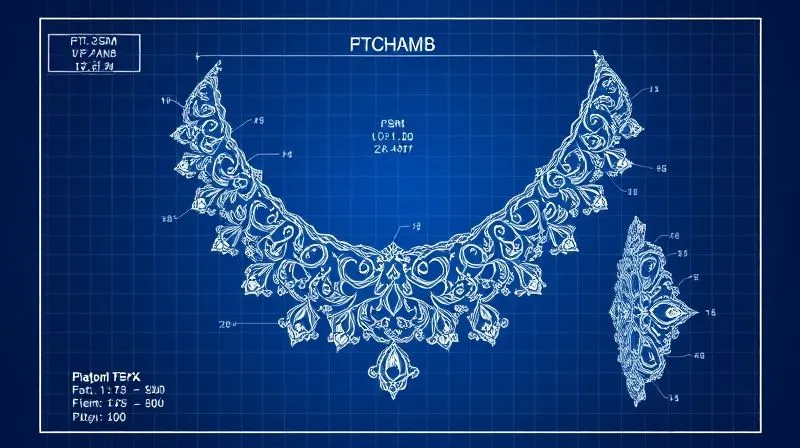
- Prepare Drawings: The most critical part of a design patent application consists of detailed, professional drawings or photographs illustrating every view of your unique design. These visuals define the scope of your protection.
- File Application: Submit your application to the relevant intellectual property office (e.g., the U.S. Patent and Trademark Office - USPTO). This includes the drawings, a brief description, and claims.
- Examination: An examiner will review your application for compliance with legal requirements and conduct their own prior art search.
- Grant: If approved, your design patent is granted, providing you with exclusive rights.
I’ve seen designers mistakenly believe that a design patent is only for complex machinery. On the contrary, many iconic jewelry pieces, from specific watch designs to unique diamond cuts, are protected by design patents. It’s a strategic investment for your signature collections.
Trademark: Protecting Your Brand Identity
While copyright and design patents protect your individual creations, trademark law is about safeguarding your brand. Your brand name, logo, specific color scheme, or even the distinctive packaging of your jewelry can be protected by a trademark. This prevents competitors from using similar marks that could confuse consumers about the source of your beautiful pieces.
A strong trademark allows you to build brand recognition, customer loyalty, and a valuable asset that grows with your business. Imagine the confusion if another jewelry brand started selling under your exact name or with a nearly identical logo; trademark law is designed to prevent this.
Case Study: The 'Aurora Gem' Brand Battle
Aurora Gem, a small independent jeweler, had meticulously built a reputation for exquisite, ethically sourced gemstone pieces. Their distinctive logo – a stylized 'A' intertwined with a sparkling star – was instantly recognizable. One day, a new online retailer emerged, 'Aura Gems,' using a logo that was strikingly similar in its celestial theme and font style. Customers began confusing the two, leading to misdirected inquiries and tarnishing Aurora Gem's carefully cultivated image.
Because Aurora Gem had proactively registered its trademark with the USPTO, they had a clear legal basis to act. With the help of legal counsel, they issued a cease and desist letter, backed by the weight of their registered trademark. Aura Gems, facing potential litigation and significant damages, quickly changed its name and logo. This case perfectly illustrates how a registered trademark is not just a formality; it's a powerful tool for defending your brand's integrity and preventing market confusion.
The Power of Contracts and Non-Disclosure Agreements (NDAs)
Legal protection isn't solely about government-granted rights; it also extends to the agreements you make with others. As a jewelry designer, you often work with manufacturers, suppliers, photographers, and collaborators. Each of these relationships presents a potential vulnerability for your unique designs if not properly managed.
Non-Disclosure Agreements (NDAs) are crucial when sharing sensitive design information with third parties before formal IP protections are in place. An NDA legally obligates the recipient to keep your disclosed information confidential and not use it for any purpose other than what's specified in the agreement.
Similarly, comprehensive manufacturing agreements or collaboration contracts should explicitly address intellectual property ownership, confidentiality, and what happens to your designs, molds, or prototypes if the relationship ends. I've seen countless designers lose control over their designs simply because they didn't have clear contractual terms in place with their production partners.
Here's a simplified look at key clauses to consider in agreements involving your designs:
| Clause | Purpose | Importance |
|---|---|---|
| Confidentiality | Prevents unauthorized disclosure of design details. | High - essential for initial discussions. |
| Intellectual Property Ownership | Clearly states who owns the design rights (usually the designer). | Critical - avoids future disputes over creation. |
| Scope of Use | Defines how the third party can use your designs (e.g., for manufacturing only, not for resale). | High - prevents unauthorized commercialization. |
| Return/Destruction of Materials | Ensures molds, prototypes, or design files are returned or destroyed upon contract termination. | High - prevents continued unauthorized production. |
| Non-Compete/Non-Solicitation | Prevents the third party from creating similar designs or poaching talent. | Medium to High - depends on relationship depth. |
Documentation is Key: Building Your Evidence Trail
Regardless of the formal legal protections you pursue, meticulous documentation of your design process is paramount. If you ever need to prove prior creation or assert infringement, a detailed, dated record of your work can be invaluable. This evidence trail helps establish the originality of your design and the date of its creation.
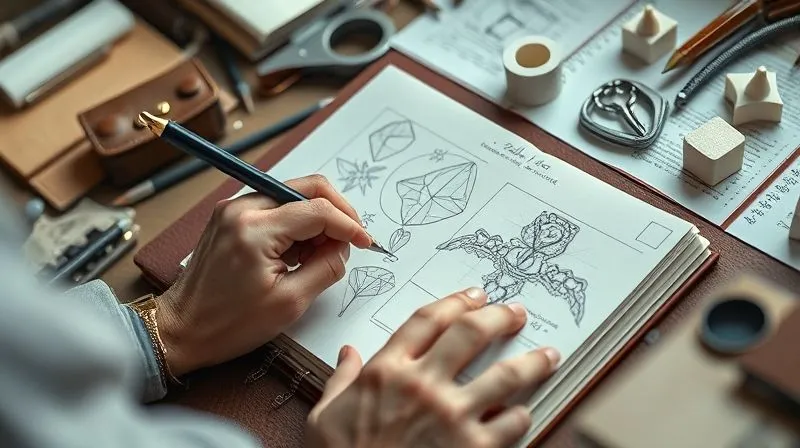
- Design Journals/Sketchbooks: Keep a physical or digital sketchbook where you record your initial ideas, sketches, material explorations, and design evolution. Date every entry.
- Digital Timestamps: Save digital files (CAD drawings, 3D models, photos) with creation dates. Cloud storage services often maintain version histories and timestamps automatically.
- Witnesses: Share your designs with trusted individuals (under NDA, if appropriate) and keep records of these disclosures.
- "Poor Man's Copyright": While not a substitute for federal registration, some designers mail a copy of their design to themselves via certified mail, leaving the envelope unopened. The postmark serves as a timestamp. However, this method is largely unproven in court and offers minimal legal standing compared to official registration.
As I often tell my mentees, "If it wasn't documented, it didn't happen." A well-maintained design archive is your silent, but powerful, witness in any potential dispute.
Monitoring and Enforcement: Staying Vigilant
Securing your intellectual property rights is only half the battle; the other half is actively monitoring for infringement and being prepared to enforce your rights. Fast fashion operates at lightning speed, so vigilance is crucial.
Proactive Monitoring Strategies:
- Online Search Tools: Regularly search for your designs or very similar ones on major e-commerce platforms (Amazon, Etsy, Alibaba, Shein, Temu, etc.), social media, and image search engines (e.g., Google Images, Tineye).
- Reverse Image Search: Use tools that allow you to upload an image of your design and find visually similar images online.
- Legal Counsel: Establish a relationship with an intellectual property attorney who can advise you on monitoring services or conduct periodic checks.
Enforcement Actions:
If you discover an infringement, your response should be strategic and proportionate:
- Cease and Desist Letter: Often the first step, a formal letter from your attorney demanding the infringer stop their activities. This can be highly effective, especially if your IP is registered.
- Takedown Notices: Most online platforms have procedures for intellectual property owners to request the removal of infringing content. This is a powerful and often swift remedy for online copies.
- Negotiation/Settlement: Sometimes, an amicable resolution can be reached, perhaps involving a licensing agreement or a monetary settlement.
- Litigation: If all else fails, and the infringement is significant enough to warrant it, legal action in court may be necessary. This is a costly and time-consuming process, but sometimes essential to protect your brand and livelihood.
Remember, the goal isn't always to sue; it's to stop the infringement and protect your market. Sometimes a strongly worded letter or a platform takedown is enough to achieve that. For more on enforcement, consider resources like WIPO's guide on IP enforcement.
International Protection: Thinking Beyond Borders
In today's global marketplace, your unique jewelry designs can be copied anywhere in the world. While national registrations (like those with the USPTO) provide protection within that country, if you're selling internationally or manufacturing abroad, you need to consider international IP protection.
- Hague Agreement (for Design Patents): The Hague Agreement Concerning the International Registration of Industrial Designs allows designers to obtain protection for industrial designs in multiple member countries through a single international application. This simplifies the process considerably compared to filing individual applications in each country.
- Berne Convention (for Copyright): Most countries are signatories to the Berne Convention, which dictates that copyright protection granted in one member country is generally recognized in other member countries. However, enforcement mechanisms can still vary significantly.
- Country-Specific Registrations: For key markets where you have significant sales or manufacturing, it's often advisable to pursue country-specific design patents or trademarks, as these can offer more robust and direct enforcement pathways.

Frequently Asked Questions (FAQ)
Question? Can I copyright a necklace design, or do I need a patent?
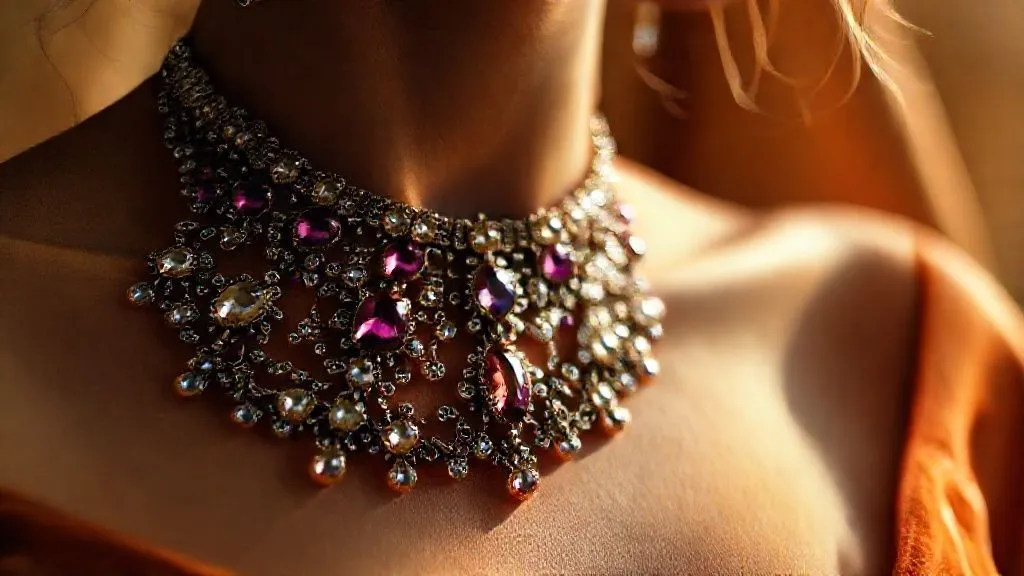
Answer: You can often copyright the artistic, sculptural elements of a necklace design, especially if it involves unique motifs, arrangements, or shapes that are not purely functional. For example, a unique pendant sculpture or an intricate, non-utilitarian chain link pattern could be copyrighted. However, copyright does not protect the functional aspects (e.g., the clasp mechanism, the general idea of a necklace). For stronger protection of the ornamental appearance of the entire necklace, especially if it's visually distinctive and novel, a design patent would be the more robust option. Many designers pursue both: copyright for the artistic elements and a design patent for the overall ornamental design.
Question? How much does it cost to patent a jewelry design, and is it worth it for every piece?
Answer: The cost of a design patent can vary significantly, typically ranging from a few thousand to several thousand dollars (USD) when including attorney fees, filing fees, and drawing preparation. It's a substantial investment. Therefore, it's generally not worth patenting every single jewelry piece. Instead, focus on your signature designs, your hero products, or pieces that embody a truly novel and unique aesthetic that defines your brand and has high commercial value. For less unique or lower-value pieces, relying on copyright and brand protection (trademark) might be more cost-effective. A strategic approach is key.
Question? What should I do if I find a fast fashion company copying my registered jewelry design?
Answer: The first and most crucial step is to gather irrefutable evidence of the infringement: screenshots, product links, purchase receipts (if possible), and clear comparisons to your original design. Next, immediately consult with an intellectual property attorney. They will advise on the best course of action, which typically starts with sending a strong cease and desist letter. If the infringement is online, a DMCA takedown notice to the platform is often effective. Your attorney can also assess the potential for statutory damages and explore other legal remedies. Do not attempt to engage the infringer directly without legal counsel.
Question? Is it possible to protect a jewelry design if I haven't registered any IP rights?
Answer: Yes, to some extent, but it's significantly harder to enforce. As mentioned, copyright protection arises automatically upon creation, so you would still own the copyright to the artistic expression. However, without registration, proving ownership and infringement in court is more challenging, and you may be limited in the types of damages you can claim. Design patents and trademarks require registration to exist. If you haven't registered, your legal options are weaker, but an attorney can still explore avenues like unfair competition claims, depending on the specifics of the case and jurisdiction. This highlights why proactive registration is so vital.
Question? What's the main difference between copyright and patent for jewelry, and when should I use each?
Answer: The main difference lies in what they protect. Copyright protects the *artistic expression* of your design – the unique sculptural elements, patterns, or arrangements. It's automatic upon creation but strengthened by registration. A design patent protects the *ornamental appearance* of the entire article – its unique shape, configuration, or surface ornamentation. It requires a rigorous application process but offers very strong protection for novel designs. Use copyright for designs where the artistic element is primary (e.g., a unique pendant carving). Use a design patent for truly innovative, non-obvious, and ornamental jewelry pieces that have a distinctive overall look (e.g., a groundbreaking ring setting or earring shape). Often, the most effective strategy involves using both for different aspects of a single design.
Key Takeaways and Final Thoughts
Protecting your unique jewelry designs from the pervasive threat of fast fashion copying is not a luxury; it's a strategic imperative for any serious designer. The journey can seem complex, but by breaking it down into manageable steps and leveraging the right legal tools, you can build a robust shield around your creative endeavors.
- Embrace a Multi-Layered Approach: Combine copyright, design patents, and trademarks for comprehensive protection.
- Prioritize Registration: Don't rely on automatic rights; register your key designs and brand elements to strengthen your enforcement capabilities.
- Document Everything: Maintain meticulous records of your design process to establish proof of creation.
- Utilize Contracts: Implement NDAs and clear manufacturing agreements to safeguard your designs when working with third parties.
- Stay Vigilant and Act Decisively: Monitor the marketplace for infringements and be prepared to enforce your rights with legal counsel.
Your creativity is your most valuable asset. Invest in protecting it with the same passion and precision you put into crafting your jewelry. By taking these proactive steps, you're not just safeguarding a design; you're preserving your artistic legacy, your livelihood, and the integrity of the entire independent jewelry design community. Be empowered, be protected, and let your unique vision shine brightly, uncopied and celebrated.
Recommended Reading
- Why Dress Styles Fail Online? 5 Proven Ways to Skyrocket E-commerce Sales
- 5 Pillars: Crafting Streetwear Graphic Tees That Defy Trends
- Scaling Luxury Fashion: 7 Strategies to Preserve Artisan Quality
- Master Q4 Women's Shoe Trends: How to Avoid Outdated Buys Now
- Unlock Profit: 7 Strategies for Niche Outdoor Wear Brands

Your email address will not be published. Required fields are marked *