

How to Avoid Buying Outdated Women's Shoe Trends for Q4?
For over 15 years in the dynamic world of fashion, specifically womenswear, I've witnessed the exhilarating highs and frustrating lows of trend cycles. One of the most common pitfalls I've seen countless women fall into is the Q4 shoe trap: investing in footwear that feels fresh and exciting one moment, only to realize it's already on its way out the next. It's a costly mistake, not just for your wallet, but for your confidence and your personal style narrative.
The problem is pervasive. As the holiday season approaches, retailers flood the market with new collections, often blending genuine emerging trends with fleeting fads designed for impulse buys. Without a discerning eye and a strategic approach, it's incredibly easy to get swept up in the excitement, only to find yourself with a closet full of shoes that feel "off" by January. The quest for staying current often leads to buying outdated women's shoe trends for Q4, leaving a trail of buyer's remorse.
But it doesn't have to be this way. In this definitive guide, I will share my expert framework and insights, honed over years of forecasting and navigating the fashion landscape. You'll learn not just what to look for, but how to develop an intuitive understanding of footwear trends, enabling you to make smart, stylish investments that elevate your wardrobe for Q4 and beyond. This isn't about rigid rules; it's about empowerment, helping you confidently answer the question: how to avoid buying outdated women's shoe trends for Q4?
Understanding the Trend Cycle: From Runway to Clearance Rack
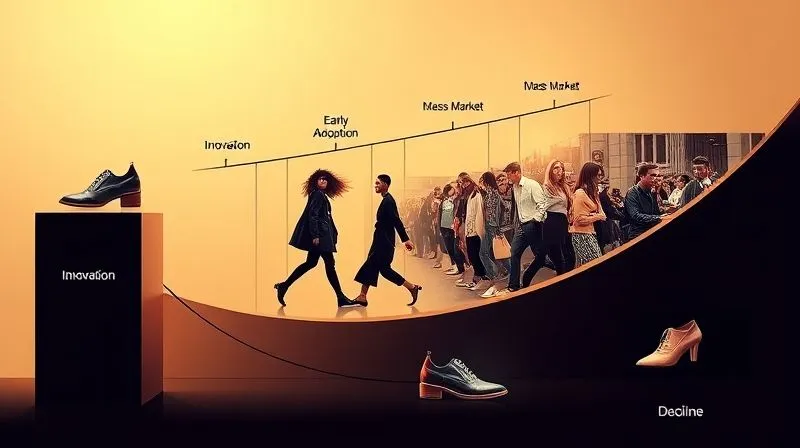
Before we can effectively understand how to avoid buying outdated women's shoe trends for Q4, we must first grasp the intricate dance of the fashion trend cycle itself. Imagine it as a dynamic, ever-moving current, beginning with the whisper of innovation, often originating from high-fashion runways or the visionary work of avant-garde designers pushing aesthetic boundaries. From there, it gradually moves into the realm of early adoption, embraced by influential stylists, fashion-forward celebrities, and niche publications who champion its novelty. This initial phase is characterized by exclusivity and a sense of discovery.
The current then gathers momentum, entering the mass market phase where it becomes widely accessible and popular, replicated across various price points by mainstream retailers. This is where most consumers encounter and adopt a trend. However, this widespread saturation often marks the beginning of the end. Once a trend becomes ubiquitous, it inevitably enters its decline, slowly fading from prominence until it's relegated to the clearance rack, or worse, languishing unworn in the back of your closet. Q4, with its heightened consumer activity and relentless product launches, often accelerates this cycle, making it even harder to discern genuine longevity from fleeting novelty.
"The true art of navigating fashion trends isn't about blindly following, but about understanding their trajectory and knowing when to invest, when to dip a toe, and crucially, when to gracefully step aside. This discernment is your superpower against buyer's remorse."
My experience has taught me that many women, eager to refresh their look for the festive season or simply to stay 'on-point,' inadvertently buy at the peak or even the decline phase of a trend. This is precisely why knowing how to avoid buying outdated women's shoe trends for Q4 requires a deeper understanding of this lifecycle. We want to catch trends on their upward swing, or better yet, identify the timeless pieces that transcend cycles altogether, offering enduring style and value.
The Foundation First: Investing in Timeless Women's Footwear Staples
Before chasing any new trend, I always advise my clients to solidify their footwear foundation. These are the workhorse shoes, the unsung heroes of your wardrobe that consistently look chic, regardless of the season or prevailing fads. For Q4, think classic leather or suede ankle boots, elegant knee-high boots, sophisticated loafers, versatile block-heel pumps, and crisp, minimalist white sneakers. These aren't just 'basics'; they are the strategic investment pieces that elevate any outfit and provide endless styling possibilities, forming the resilient core of your shoe collection.
Why do these styles endure? Their longevity stems from several critical factors: timeless design, superior craftsmanship, and unparalleled versatility. A well-made leather pump in a neutral shade, for instance, can effortlessly transition from a crucial business meeting to a festive holiday gathering. A classic loafer offers both comfort and a touch of intellectual sophistication for everyday wear, while a sleek black ankle boot is practically indispensable for cooler weather. These pieces are the antithesis of fleeting trends, offering a high cost-per-wear value that truly makes them sustainable choices in the long run.
Here's my 3-step guide to identifying and investing in timeless footwear, particularly with Q4 in mind:
- Assess Your Lifestyle Needs for the Season: Before you even think about buying, consider your typical Q4 activities. Are you attending formal holiday parties, navigating snowy streets, or simply needing comfortable yet chic everyday options? Your lifestyle dictates the types of classic shoes you'll genuinely wear and appreciate, ensuring they integrate seamlessly into your life.
- Prioritize Quality Materials and Construction: For timeless pieces, compromising on quality is a false economy. Look for genuine full-grain leather, supple suede, or high-quality, durable vegan alternatives. Pay close attention to details like the stitching (is it even and strong?), sole attachment (is it securely stitched or merely glued?), and heel stability. These indicators ensure longevity, comfort, and a polished appearance over many seasons.
- Choose Versatile Colors and Silhouettes: Neutrals like black, rich brown, deep burgundy, forest green, and classic navy are always safe bets for Q4, offering maximum pairing potential. For silhouettes, opt for clean lines and classic shapes that aren't overly embellished or exaggerated. A simple almond-toe pump or a streamlined Chelsea boot will always look elegant, whereas a shoe with excessive adornment might quickly date. These form the backbone of a resilient shoe capsule wardrobe that easily helps you avoid buying outdated women's shoe trends for Q4.
By building this strong, enduring foundation, you automatically reduce the pressure to constantly buy into new, potentially fleeting trends. You'll find yourself needing fewer new shoes and making more deliberate, confident choices, helping you naturally avoid buying outdated women's shoe trends for Q4, and instead, investing in enduring style.
Decoding Fashion Forecasts: How to Spot Emerging vs. Fading Trends
To truly stay ahead and skillfully navigate how to avoid buying outdated women's shoe trends for Q4, you need to become adept at interpreting fashion forecasts. This isn't about clairvoyance; it's about observing patterns, understanding the subtle shifts, and interpreting the signals from key industry players. As an industry veteran, I rely heavily on professional trend forecasting agencies like WGSN, detailed fashion week reports from major fashion capitals (New York, London, Milan, Paris), and the insightful editorials of established, high-authority fashion magazines. These sources offer a far more grounded and predictive perspective than the often-ephemeral buzz of social media.
When analyzing these forecasts, pay meticulous attention to subtle shifts rather than dramatic, overnight overhauls. Emerging trends often manifest as slight modifications to existing popular styles – perhaps a new, more ergonomic heel shape, a refined toe silhouette (e.g., from square to a soft almond), or an unexpected yet luxurious material application. Fading trends, on the other hand, tend to be widely saturated, replicated by every fast-fashion brand, and often feel 'too much' or overly specific. The objective is to identify trends that are still on their upward curve, before they reach peak saturation and begin their inevitable decline. A key indicator of an emerging trend is its presence across multiple reputable designer collections, hinting at a broader industry movement rather than an isolated design whim.
Case Study: The Rise and Fall of the 'Barely There' Sandal
Consider the 'barely there' sandal trend that enjoyed immense popularity for a few consecutive summers. It initially emerged subtly on high-fashion runways, characterized by its delicate, minimalist straps and an almost invisible aesthetic that elongated the leg. Early adopters, those with a keen eye for nascent trends, embraced its chic simplicity, pairing it with everything from tailored trousers to flowing dresses. As it gained traction, its design was swiftly replicated across the entire spectrum of the market, from luxury to fast fashion, leading to an explosion of similar styles at every price point. By its third summer, the market was utterly oversaturated; the 'barely there' had become ubiquitous. While still technically worn, the excitement had waned, and new, chunkier, and more substantial sandal styles began to emerge as its successor. Investing heavily in 'barely there' sandals for Q4 of their peak year would have meant buying into a trend nearing its ultimate end, destined to become an outdated purchase for the following spring. This illustrates the critical importance of timing in trend adoption.
Here’s a snapshot of how I rigorously differentiate between emerging and fading trends, a skill crucial for knowing how to avoid buying outdated women's shoe trends for Q4:
| Indicator | Emerging Trend Characterization | Fading Trend Characterization |
|---|---|---|
| Source of Trend Revelation | Predominantly seen on high-fashion runways (e.g., Paris, Milan), niche designers, avant-garde fashion editorials, early celebrity adoption. | Dominant presence in mass-market retail windows, widespread social media saturation (especially TikTok), repeated endorsements by general influencers, significant discounts. |
| Design Characteristics & Innovation | Subtle innovation, refined details, often feels 'new' but not 'loud' or overtly experimental, a fresh take on a classic silhouette. | Overly exaggerated features, ubiquitous and uniform designs, feels 'done' or 'too common,' often a diluted version of an original concept. |
| Material & Color Palette | Novel textures, unexpected yet sophisticated color combinations, high-quality finishes, perhaps a unique application of a classic material. | Cheap imitations of original materials, predictable and overused 'on-trend' colors, visible decline in material quality across budget brands, a sense of being 'everywhere'. |
| Market Saturation & Exclusivity | Limited availability, a sense of exclusivity, sparks curiosity and a desire to discover, often higher price points initially. | Available everywhere from department stores to online giants, deeply discounted in sales, evokes a sense of 'been there, done that' and general fatigue. |
By consistently using this framework, you can develop a more critical and informed eye, enabling you to make discerning decisions and consciously sidestep the trap of acquiring outdated women's shoe trends for Q4. Remember, knowledge is your most powerful accessory in the world of fashion.
Explore WGSN, a leading global authority for cutting-edge trend insights and consumer forecasts.The Peril of 'Micro-Trends' and How to Sidestep Them
Beyond the broader, more observable trend cycles, we also contend with the insidious nature of 'micro-trends' – fleeting, hyper-specific fads that explode onto the fashion scene with immense, often viral, popularity, only to disappear just as quickly. These can manifest as anything from a very particular, often quirky, heel shape (e.g., highly sculptural or geometric heels that become overly ornate), a specific, seasonal embellishment (like exaggerated chains, oversized bows, or whimsical feathers), or an unusual, temporary material application (e.g., all-over iridescent finishes or very specific novelty textures). While undeniably eye-catching and exciting in the moment, micro-trends are incredibly dangerous territory when you're diligently trying to avoid buying outdated women's shoe trends for Q4.
The inherent danger lies in their notoriously short shelf life and, consequently, their often high cost-per-wear. You might be tempted to spend a significant amount on a pair of shoes featuring a prominent micro-trend, only to find them completely passé, even embarrassing, within a mere few months. In the context of Q4, with its emphasis on festive occasions, social gatherings, and the impulse of holiday gift-giving, micro-trends can be particularly alluring. Retailers and fast-fashion brands often push these visually striking styles aggressively, knowing they grab immediate attention and capitalize on the desire for novelty, but they rarely, if ever, offer lasting value or integration into a truly chic wardrobe.
My seasoned advice for micro-trends is unequivocal: proceed with extreme caution. If a particular micro-trend genuinely captivates you and, more importantly, aligns perfectly with your established personal style (a rare occurrence for true micro-trends), then consider investing in a very affordable, low-commitment version. This approach allows you to participate in the fun of the moment without a significant financial commitment, minimizing buyer's remorse when the trend inevitably fades into obscurity. Never, under any circumstances, splurge on a micro-trend, as its intrinsic value is inherently limited by its fleeting nature. As marketing guru Seth Godin wisely states, "In a world that is changing so quickly, the only strategy that is guaranteed to fail is not taking risks." However, not all risks are created equal; some are simply bad bets, and micro-trends in footwear often fall into this category.
Here are some common micro-trend pitfalls to be acutely aware of, especially when making shoe purchases for Q4:
- Overly Specific or Novelty Embellishments: Think shoes adorned with excessive, cartoonish crystals, oversized or awkwardly placed bows, or hardware that unmistakably screams "this season only" and lacks timeless elegance.
- Exaggerated or Gimmicky Heel Shapes: While some architectural heels become iconic, many are fleeting experimental designs (e.g., heels shaped like objects, or extreme, unstable-looking geometries) that quickly look dated and impractical.
- Extreme Platforms or Soles (beyond classic styles): Unless it's a classic, enduring style like a Dr. Martens boot or a traditional espadrille, overly exaggerated or chunky platforms often have a very short peak of popularity before appearing clunky.
- Hyper-Specific and Unconventional Color Combinations: Beyond classic color blocking or subtle seasonal shifts, highly unusual, "of the moment" or garish color pairings can date a shoe remarkably quickly.
- Texture Overload or Novelty Fabrics: Shoes entirely covered in faux fur, excessive sequins, very specific animal prints that lack sophistication, or highly unusual, temporary textile applications.
By being mindful of these distinct indicators, you can more effectively discern between a lasting style evolution and a temporary market blip, ensuring your Q4 shoe purchases remain relevant and truly enhance your wardrobe, rather than quickly becoming a source of regret.
Strategic Shopping in Q4: Navigating Sales and New Collections
Q4 is undeniably a shopper's paradise, but it can also be an insidious minefield for the unprepared and the impulsive. Black Friday, Cyber Monday, and the relentless stream of holiday sales often present seemingly irresistible discounts. However, I've observed countless women express deep regret over purchases made in the heat of a sale, only to realize months later that they've acquired something outdated, ill-suited to their wardrobe, or simply not what they truly needed. The crucial insight here is profoundly simple: a discount on an outdated shoe is still, unequivocally, a waste of money. Your primary objective for Q4 should be to acquire shoes that will genuinely serve you, complement your existing style, and offer long-term value, not merely to fill a void at a reduced price.
When confronted with the siren song of sales, I urge you to employ a simple yet powerful litmus test: ask yourself, "Would I honestly consider buying this shoe at its full, original price?" If your honest answer is no, then the allure of the discount is not a good enough reason to proceed. Instead, channel your focus towards finding classic, high-quality pieces that are rarely discounted, or strategically look for items that align with genuine, emerging trends you've already identified and deemed worthy of investment. Do not allow the manufactured urgency of a "limited-time offer" to cloud your judgment or override your carefully considered style strategy. Remember, the true cost of a shoe isn't solely its initial price tag; it's its cost-per-wear and how long it remains a valuable, cherished part of your functional wardrobe.
Navigating new collections is another distinct Q4 challenge. Many brands strategically release their "resort" or "pre-spring" collections towards the end of the year, offering a tantalizing glimpse into what's next for the warmer months. While it's certainly beneficial to be aware of these upcoming trends for future planning, it's generally too early and often impractical to invest heavily in these for immediate Q4 wear, as they are explicitly designed for the upcoming spring/summer season. For your Q4 purchases, prioritize styles that are undeniably seasonally appropriate (think closed-toe, richer materials, deeper hues) and align with the current, established trends that still demonstrate clear longevity and relevance. This focused approach ensures your purchases are both timely and enduring.
"A true fashion investment is not measured by the price you pay, but by the enduring value it brings to your wardrobe, your confidence, and your personal expression over time. Never let a fleeting discount dictate your long-term style strategy."
Conversely, if you happen to spot a high-quality, classic style you've been eyeing for months, and it genuinely aligns with your foundational needs, and it *then* happens to be on sale, that is a strategic win – a thoughtful acquisition. Always prioritize quality, versatility, and timelessness, especially during sale periods when impulsive decisions are most common. This disciplined, forward-thinking approach is absolutely fundamental to successfully answering how to avoid buying outdated women's shoe trends for Q4, transforming you from a reactive shopper into a proactive style strategist.
Read more on strategic holiday shopping trends and consumer psychology from Forbes.The Power of Personal Style: Your Ultimate Trend Filter
In my many years as a fashion specialist, I've come to believe with unwavering conviction that the most powerful tool for navigating the often-turbulent waters of trends, and indeed for definitively knowing how to avoid buying outdated women's shoe trends for Q4, is a well-defined and deeply understood sense of personal style. Trends, by their very nature, are transient; they ebb and flow with the seasons. Personal style, however, is your enduring aesthetic fingerprint – it's the unique narrative you tell through your clothing and accessories. It acts as an invaluable internal filter, allowing you to confidently embrace trends that genuinely resonate with your core identity while gracefully, and unapologetically, sidestepping those that don't, regardless of their momentary popularity.
Developing your personal shoe aesthetic is a journey of introspection and deliberate experimentation. It’s about more than just what you like; it’s about understanding what makes you feel truly confident, authentically comfortable, and unequivocally "you." Begin by reflecting on your existing wardrobe: What are your favorite pieces? What colors and silhouettes do you consistently gravitate towards? Do you feel most powerful in minimalist designs, or are you drawn to bold, expressive statements, perhaps with a touch of bohemian flair or edgy modernism? Are you a heels person who loves the lift, a flats devotee who prioritizes comfort, or someone who enjoys a versatile mix? Once you begin to understand these core preferences, you gain a powerful lens through which to evaluate any new shoe trend. If a trend doesn't align with your established, authentic style, it becomes an automatic and easy pass, saving you from a potentially outdated, and ultimately regretted, purchase.
Here's a simple yet profoundly effective set of questions I encourage all my clients to ask themselves before any shoe purchase, especially during the tempting Q4 season:
- Does this shoe genuinely excite me and reflect my authentic self, or am I merely buying into fleeting hype propagated by social media?
- Does it seamlessly complement at least three distinct existing outfits in my wardrobe, proving its versatility and integration potential?
- Is it genuinely comfortable enough for me to wear regularly and confidently throughout my day, or will it sit unworn, a beautiful but impractical ornament?
- Does it truly reflect my personal aesthetic and enhance my established style, or am I subtly trying to mimic someone else's look?
- Will I still genuinely love and confidently wear this shoe a year from now, or does it feel like a momentary, fleeting fancy that will quickly lose its appeal?
These introspective questions serve as a powerful reality check, helping you to clearly differentiate between a true desire for a valuable addition to your wardrobe and a trend-driven impulse. By consistently prioritizing and nurturing your personal style, you build a shoe collection that is cohesive, highly functional, and deeply reflective of who you are. This foundational approach makes it exponentially easier to bypass shoes that will quickly become outdated, ensuring long-term style satisfaction and exceptionally smart spending.

Quality Over Quantity: The Sustainable Approach to Footwear
In an era of increasing environmental consciousness and a global call for more responsible consumption, the 'buy less, choose well' mantra has never been more critically relevant, especially concerning footwear. Opting for quality over sheer quantity is not just a smart financial decision; it is, fundamentally, a sustainable and ethical one. High-quality shoes, meticulously crafted from durable, responsibly sourced materials and with an unwavering attention to detail, are designed to last. They are built to withstand the rigors of daily wear and the test of time, both in terms of physical resilience and enduring aesthetic relevance, directly and powerfully addressing the core problem of how to avoid buying outdated women's shoe trends for Q4.
Consider the stark contrast in the lifecycle of a cheaply made, mass-produced, trendy shoe versus a thoughtfully crafted, quality pair. The former is often produced quickly and in vast quantities, frequently utilizing synthetic materials that offer poor breathability, lack durability, and contribute significantly to microplastic pollution. It's worn for a season, perhaps two, before inevitably falling apart or becoming aesthetically obsolete. This contributes immensely to overflowing landfills and exacerbates the global fast fashion waste crisis. In stark contrast, a pair of well-constructed leather boots, while representing a larger initial investment, can last for years, even decades, with proper care and occasional resoling. They not only develop a beautiful patina and mold comfortably to your feet over time, but they also remain consistently stylish because their design is often rooted in classic, time-tested principles.
When evaluating quality, it's crucial to look beyond just the brand name; delve into the specifics of construction. Examine the sole construction: is it securely stitched (like a Goodyear welt or Blake stitch, indicating superior durability and repairability) or merely glued (a sign of lower quality)? Inspect the lining: is it breathable leather or a comfortable, natural fabric, or a cheap synthetic that traps moisture? Assess the finish of the materials: does the leather feel supple and rich, or stiff and plastic-like? A shoe that feels substantial, well-balanced, and expertly finished in your hand and on your foot is usually a strong indicator of superior quality and longevity. Investing in such pieces not only reduces your overall consumption but also minimizes your environmental footprint and ensures your footwear collection remains chic, relevant, and a source of pride.
This approach aligns perfectly and synergistically with the overarching goal of avoiding outdated trends. When you commit to investing in quality, you naturally gravitate towards more classic, enduring designs because you expect them to last and remain stylish. It fundamentally shifts your mindset from impulse buying and chasing fleeting fads to thoughtful curation and building a resilient, sophisticated wardrobe. This mindful consumption is a powerful, transformative strategy for any woman seeking to elevate her style sustainably and confidently, making every Q4 shoe purchase a wise investment.
Discover leading sustainable shoe brands and ethical practices in Vogue's comprehensive guide to conscious footwear.Leveraging Digital Tools and Expert Insights
In today's hyper-connected, information-saturated world, digital tools and expert insights are invaluable allies in your quest to confidently navigate and avoid buying outdated women's shoe trends for Q4. While social media platforms can often be a chaotic hotbed of fleeting micro-trends and sponsored content, they can also be a powerful source of genuine information and inspiration – *if* you know precisely where to look and, crucially, how to filter. I strongly recommend meticulously curating your digital feed to follow reputable fashion journalists, established and respected stylists, academic fashion historians, and brands known for their enduring, timeless aesthetic rather than just those pushing the latest, soon-to-be-obsolete fads.
Beyond quick-hit social media, delve into dedicated fashion apps, insightful style blogs, and online publications from industry veterans or academic fashion experts. These resources can provide a depth of context and analytical insight that short-form content like Instagram Reels or TikTok videos often lack. Look for content that explains *why* a particular trend is emerging or declining, rather than merely showcasing it. These platforms often share detailed trend analyses, historical context for various styles, and practical, actionable advice that can significantly sharpen your trend-spotting and discerning skills. They help you understand the foundational nuances, allowing you to make far more informed and strategic decisions when it comes to your Q4 footwear.
The role of influencers in this landscape is a nuanced one. While some genuinely offer valuable style inspiration and thoughtful curation, many are primarily driven by sponsored content and commercial partnerships, promoting whatever is new and available, regardless of its true longevity or intrinsic style value. Learn to critically discern: Look for influencers who demonstrate a consistent, authentic personal style, who visibly prioritize quality and versatility, and who offer genuine, unvarnished reviews, rather than those who simply push product after product. Their endorsements should consistently align with the principles of timelessness, quality, and mindful consumption that we’ve discussed throughout this comprehensive guide. Your critical thinking is your most powerful filter.
Ultimately, the digital landscape is a powerful tool; its effectiveness is entirely dependent on how you wield it. Use it to educate yourself, to gather diverse and expert perspectives, and to validate your own informed observations, rather than solely as a source of impulse shopping suggestions. By consciously doing so, you transform a potential source of trend confusion into a powerful, strategic resource for intelligent decision-making, ensuring you stay well ahead of the curve and master how to avoid buying outdated women's shoe trends for Q4. This proactive engagement with information is key to building an enviable and enduring shoe collection.

Frequently Asked Questions (FAQ)
What's the difference between a trend and a classic? A trend is a popular style or aesthetic that gains widespread acceptance for a limited period, typically a few seasons to a few years, before fading or evolving. A classic, on the other hand, is a design or style that transcends seasonal changes, remaining consistently stylish and relevant across decades due to its timeless appeal, versatility, and often superior craftsmanship. Classics form the bedrock of a sophisticated wardrobe.
How far in advance should I look for Q4 shoe trends? For Q4, I recommend starting to observe trends in late spring/early summer. Fashion weeks for Fall/Winter collections typically happen in February/March. By June/July, you'll see these trends filtering into early retail collections and high-end fashion editorials. This gives you ample time to assess their longevity and integrate them thoughtfully into your planning, well before the Q4 shopping frenzy begins.
Are designer shoes always a safe investment against becoming outdated? Not necessarily. While many designer shoes are crafted with exceptional quality and often feature classic designs, even luxury brands introduce trendy pieces. A designer shoe with a highly specific, 'of-the-moment' detail can become outdated just as quickly as its fast-fashion counterpart. The investment lies in the quality and timelessness of the design, not solely the label. Always apply the same critical eye to designer purchases.
Can I still wear 'outdated' shoes? Absolutely! Personal style is paramount. If you love a pair of shoes, they are comfortable, and they still align with your aesthetic, wear them with confidence. The goal of avoiding outdated trends is primarily about making smart new purchases and curating a forward-looking wardrobe, not about discarding perfectly good items you enjoy. Sometimes, what's "outdated" can even become "vintage" or "retro-chic" if styled intentionally.
What are common mistakes women make when buying Q4 shoes? The most common mistakes include impulse buying during sales without considering versatility or longevity, blindly following micro-trends, neglecting the foundational classic pieces in their wardrobe, and prioritizing fleeting novelty over quality craftsmanship. Additionally, many women fail to consider their personal lifestyle and existing wardrobe when making new purchases, leading to shoes that sit unworn.
Key Takeaways and Final Thoughts
Navigating the complex world of women's shoe trends for Q4 doesn't have to be a daunting task. By adopting a strategic, informed, and mindful approach, you can confidently build a footwear collection that is both current and enduring. Remember, the goal isn't to be a slave to every passing fad, but to cultivate a discerning eye that allows you to make smart, stylish investments.
- Understand the Trend Cycle: Recognize where a trend is in its lifecycle to avoid buying at its peak or decline.
- Build Your Foundation: Invest in high-quality, timeless classics that serve as the backbone of your wardrobe.
- Decipher Forecasts: Learn to differentiate between genuine emerging trends and fleeting micro-trends.
- Shop Strategically: Don't let sales or new collections pressure you into impulsive, potentially outdated purchases.
- Prioritize Personal Style: Use your unique aesthetic as the ultimate filter for any new shoe.
- Embrace Quality: Choose well-made shoes for longevity, sustainability, and enduring style.
- Leverage Expert Resources: Utilize reliable digital tools and insights to stay informed, not just influenced.
As we step into Q4, equipped with this knowledge, you are no longer just a consumer; you are a curator. Trust your instincts, invest wisely, and let your footwear reflect a sophisticated understanding of style that transcends the fleeting whims of the fashion industry. Here's to a season of confident, stylish steps, free from the regret of outdated purchases!
Recommended Reading
- Clean Beauty's Credibility: 7 Proven Ways to Banish Greenwashing Skepticism
- Lab-Grown Diamonds Soaring? 7 Strategies for Natural Stone Sales
- Most Flattering Denim Wash for Men: Look Your Best!
- Ethical Smart Textiles: 7 Steps to a Responsible Supply Chain
- 7 Secrets to Direct Inexperienced Models for Natural, Dynamic Poses



Your email address will not be published. Required fields are marked *