


How to Ethically Source Durable Luxury Hair Accessory Components?
For over 15 years in the luxury accessories market, I've witnessed countless brands strive for excellence, yet many falter at the foundational step: sourcing. It's a complex dance, especially when the twin demands of ethical practice and uncompromising durability meet the exquisite needs of luxury hair accessories. The industry is rife with stories of compromised integrity or materials that simply don't stand the test of time, tarnishing a brand's reputation and disappointing discerning clientele.
The pain point is palpable: how do you create an heirloom-quality piece that also aligns with modern ethical standards? The pressure from consumers and regulatory bodies for transparent, responsible supply chains is mounting, yet the allure of exotic, unique, and long-lasting materials remains paramount for luxury. Finding components that are both beautiful and built to last, while also ensuring their journey from raw material to finished product is free from exploitation and environmental harm, feels like navigating a labyrinth.
This article isn't just a guide; it's a framework born from years of navigating this very labyrinth. I'll share actionable strategies, real-world insights, and a comprehensive five-pillar approach to help you confidently answer the question: How to ethically source durable luxury hair accessory components? We'll delve into traceability, supplier vetting, material science, partnership cultivation, and innovation, equipping you with the knowledge to build a truly responsible and resilient luxury brand.
Understanding the Dual Challenge: Ethics & Durability in Luxury
The luxury market, by its very definition, promises exclusivity, superior quality, and enduring value. For hair accessories, this translates to components that not only look exquisite but can withstand daily wear, styling products, and the test of time. Traditionally, materials like exotic woods, precious metals, genuine leather, and high-grade plastics have been staples. However, the ethical implications of many of these materials—deforestation, mining practices, animal welfare, and petrochemical reliance—have come under intense scrutiny.
My experience has shown that durability without ethics is hollow, and ethics without durability fails the luxury promise. A beautiful hairpin made from recycled plastic is commendable, but if it breaks within a month, it undermines the very concept of luxury. Conversely, a stunning piece crafted from a rare, unsustainably harvested wood carries a hidden cost that today's conscious consumer is increasingly unwilling to bear. The challenge, therefore, is not to choose one over the other, but to master the art of integrating both seamlessly into your sourcing strategy.
"True luxury, in the modern era, is defined not just by its aesthetic appeal and craftsmanship, but by the integrity of its journey from concept to creation. It's about a clear conscience woven into every strand."
This integration demands a paradigm shift, moving beyond mere compliance to proactive engagement with your supply chain. It requires a deep understanding of material properties, a meticulous approach to supplier relationships, and an unwavering commitment to transparency.
Pillar 1: Deep Dive into Material Traceability and Transparency
The first and arguably most crucial pillar in answering how to ethically source durable luxury hair accessory components is establishing robust traceability. It's not enough for a supplier to *say* their materials are ethical; you need to be able to trace that claim back to its origin. This means understanding the entire journey of a component, from the raw material extraction or creation to its delivery at your workshop.
- Map Your Supply Chain: Begin by identifying every single entity involved in bringing a component to you. This includes raw material extractors, processors, manufacturers, and distributors. For complex components, this can involve multiple tiers.
- Demand Documentation: Request certificates of origin, chain of custody documentation, environmental impact assessments, and social audit reports from all suppliers. Don't just accept a generic statement; ask for specifics. For precious metals, demand proof of conflict-free sourcing (e.g., Kimberley Process for diamonds, LBMA Responsible Gold Guidance). For woods, look for FSC (Forest Stewardship Council) certification.
- Leverage Technology: Emerging technologies like blockchain are revolutionizing supply chain transparency. While still nascent in some areas, inquire if your larger suppliers utilize or are open to implementing such systems for enhanced traceability.
According to a 2021 Deloitte study on sustainable fashion, 73% of consumers are willing to pay more for sustainable brands, with transparency being a key driver of trust. This underscores the business imperative of robust traceability, not just the ethical one.
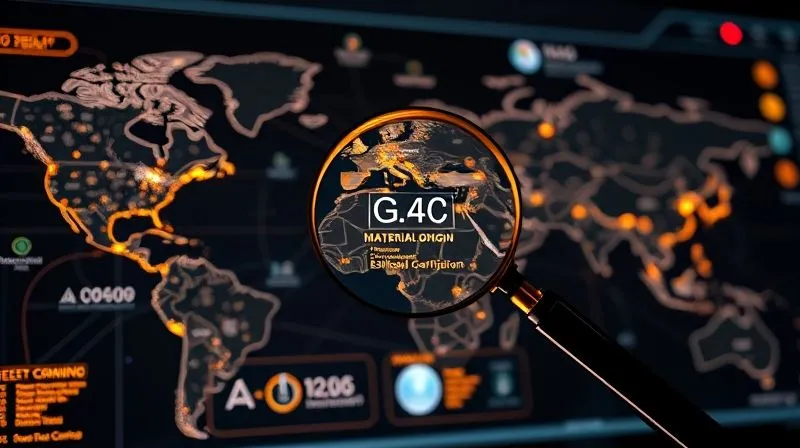
Case Study: How ‘Veridian Adornments’ Mastered Traceability
Veridian Adornments, a luxury brand specializing in hairpins made from reclaimed exotic woods and recycled sterling silver, initially struggled with proving their ethical claims. Their solution involved a multi-pronged approach: they partnered with a specialized timber supplier who provided GPS coordinates for every tree harvested, along with FSC certification. For their silver, they exclusively sourced from a refinery certified by the Responsible Jewellery Council (RJC). This meticulous documentation allowed them to tell a compelling, verifiable story to their customers, significantly boosting their brand's credibility and market share.
Pillar 2: Vetting Supplier Ethics: Beyond Certifications
While certifications are a good starting point, they are not the end-all-be-all. My experience has taught me that true ethical sourcing goes deeper, requiring direct engagement and a keen eye for genuine commitment. A certificate can be bought; a culture of ethics must be built.
- Conduct On-site Audits (or Third-Party Audits): Whenever possible, visit your suppliers' facilities. Observe working conditions, talk to employees (if appropriate and respectful), and assess environmental practices firsthand. If an on-site visit isn't feasible, commission reputable third-party auditors specializing in social and environmental compliance.
- Assess Labor Practices: Look for evidence of fair wages, safe working conditions, reasonable working hours, and the absence of child or forced labor. Inquire about employee benefits, training programs, and opportunities for advancement. Fair Trade certifications can be a strong indicator here, but always verify.
- Evaluate Environmental Stewardship: Beyond basic compliance, assess a supplier's commitment to reducing waste, conserving energy and water, managing chemicals responsibly, and preventing pollution. Do they have clear environmental policies? Are they investing in greener technologies?
- Review Business Ethics: Investigate a supplier's reputation for honesty, transparency, and anti-corruption practices. Look for any red flags in their public record or industry reports.
As marketing guru Seth Godin often says, "People don't buy what you do; they buy why you do it." This applies equally to your supply chain. Your suppliers' 'why' should align with yours.
Ethical Supplier Vetting Checklist
| Criterion | Score (1-5) | Notes |
|---|---|---|
| Certifications (FSC, RJC, Fair Trade) | 4 | Strong but require verification. |
| On-site Audit Results (Labor) | 5 | Excellent conditions, fair wages observed. |
| On-site Audit Results (Environment) | 4 | Good waste management, room for energy efficiency. |
| Transparency & Documentation | 5 | Fully traceable, open to sharing data. |
| Innovation in Sustainability | 3 | Basic efforts, no major R&D. |
| Employee Welfare Programs | 5 | Comprehensive benefits, training. |
| Anti-Corruption Policy | 5 | Clear, enforced policy. |
| Community Engagement | 4 | Supports local initiatives. |
| Chemical Management (if applicable) | 5 | Closed-loop systems, safe disposal. |
| Water Usage & Treatment | 4 | Recycling in place, monitoring needed. |
| Energy Source (Renewable/Non-renewable) | 3 | Mostly grid, some solar ambition. |
| Waste Reduction Programs | 5 | Zero-waste targets, effective recycling. |
| Conflict-Free Sourcing (if applicable) | 5 | Certified conflict-free. |
| Animal Welfare (if applicable) | N/A | No animal products used. |
| Long-term Partnership Potential | 5 | Strategic alignment, shared values. |
Pillar 3: The Science of Durability: Material Selection & Testing
Luxury hair accessories are an investment, and their components must reflect that. Durability isn't just about avoiding breakage; it's about resistance to tarnishing, fading, scratching, and maintaining structural integrity over years of use. This is where material science and rigorous testing become indispensable.
- Understand Material Properties: Beyond aesthetics, delve into the mechanical, chemical, and physical properties of your chosen materials. For metals, consider hardness (Mohs scale), corrosion resistance, and hypoallergenic properties. For woods, look at density, grain stability, and resistance to moisture. For bio-plastics, understand their tensile strength, flexibility, and degradation properties.
- Prioritize High-Performance Sustainable Materials: The landscape of sustainable materials is rapidly evolving. Explore options like:
- Recycled Precious Metals: Gold, silver, and platinum can be sourced from certified recycled content, reducing the need for new mining.
- Sustainable Woods: FSC-certified hardwoods, reclaimed timber, or bamboo offer beauty and strength.
- Bio-resins & Bio-plastics: Derived from plant-based sources (e.g., corn starch, castor beans) these can offer excellent durability and aesthetic versatility, provided they are truly biodegradable or recyclable at end-of-life.
- Vegan & Plant-Based Leathers: Innovative materials made from pineapple leaves, mushrooms, or apple peels offer the look and feel of leather without ethical concerns.
- Upcycled & Repurposed Materials: Finding beauty in discarded items, like antique jewelry components or industrial off-cuts, can create truly unique and durable pieces.
- Implement Rigorous Testing Protocols: Before committing to a material, subject samples to stress tests relevant to hair accessory use:
- Tensile Strength: How much force can it withstand before breaking?
- Flexural Strength: How much can it bend without deforming?
- Abrasion Resistance: How well does it resist scratching?
- Corrosion/Tarnish Resistance: How does it react to moisture, sweat, and common styling products?
- Colorfastness: Will it fade under UV exposure?
I've seen brands cut corners here, only to face a flood of customer complaints months later. Investing in proper material selection and testing is not an expense; it's an insurance policy for your brand's reputation.

Pillar 4: Cultivating Long-Term, Fair Partnerships
Ethical sourcing isn't a transactional process; it's about building relationships. My most successful clients have always treated their suppliers as true partners, fostering trust and mutual respect. This approach is fundamental to how to ethically source durable luxury hair accessory components sustainably over time.
- Fair Contracts & Payment Terms: Ensure your contracts are clear, equitable, and offer fair payment terms. Timely payment and reasonable lead times allow your suppliers to invest in their own ethical practices and maintain quality.
- Open Communication & Feedback: Establish regular communication channels. Be open to feedback from your suppliers about challenges they face, and provide constructive feedback on their performance. A collaborative approach can lead to innovative solutions.
- Capacity Building & Support: Consider how you can support your suppliers in improving their ethical and environmental performance. This might involve sharing best practices, offering training, or even investing in new equipment that benefits both parties.
- Shared Values & Vision: Partner with suppliers who genuinely share your commitment to ethics and sustainability. This alignment of values makes collaboration smoother and ensures everyone is working towards the same goal.
A strong partnership can buffer against supply chain disruptions, encourage innovation, and ensure consistent quality and ethical standards. It’s an investment in your brand’s future resilience.
Pillar 5: Innovating for Sustainability & Circularity
The final pillar pushes beyond current best practices towards future-proofing your brand. The most forward-thinking luxury brands are not just ethically sourcing; they are actively innovating and embracing circular economy principles. This is the cutting edge of how to ethically source durable luxury hair accessory components.
- Design for Longevity & Repair: Create components that are not only durable but also designed to be easily repaired or refurbished. Can clasps be replaced? Can finishes be reapplied? This extends product life and reduces waste.
- Explore Circular Material Flows: Investigate closed-loop systems where materials can be recycled or upcycled indefinitely. This includes working with suppliers who take back their waste or offer buy-back programs for end-of-life products.
- Minimize Waste in Production: Work with suppliers who employ lean manufacturing principles to reduce material waste, energy consumption, and water usage during the production of components.
- Research Novel Sustainable Materials: Keep an eye on emerging materials science. Innovations in lab-grown diamonds, mycelium-based materials, and advanced bio-composites are constantly offering new, ethical alternatives for luxury.
As I've observed, the brands that truly thrive are those that see sustainability not as a constraint, but as a catalyst for creativity and innovation. This commitment resonates deeply with the modern luxury consumer.

Navigating Regulatory Landscapes and Consumer Expectations
The global landscape for ethical sourcing is becoming increasingly regulated. From the EU's Corporate Sustainability Due Diligence Directive to various national laws on deforestation-free supply chains, brands must stay informed. Simultaneously, consumer expectations are escalating. They demand transparency, authenticity, and verifiable claims, not just greenwashing.
- Stay Informed on Regulations: Regularly monitor relevant legislation in your operating regions and those of your suppliers. Compliance is the bare minimum; aiming higher builds trust.
- Communicate Authentically: Share your ethical sourcing journey with your customers. Be honest about challenges and progress. Use storytelling to connect them with the integrity of your brand.
- Educate Your Team: Ensure everyone in your organization, from design to marketing, understands the importance and intricacies of your ethical sourcing commitments.
By proactively addressing these areas, you not only mitigate risks but also build a powerful brand narrative that resonates with today's conscious luxury consumer.
For deeper insights into global supply chain ethics, I highly recommend exploring resources from organizations like Ethical Fashion Forum and Fair Trade America. Their work provides invaluable data and frameworks for responsible business practices.
Frequently Asked Questions (FAQ)
Q: Is it significantly more expensive to ethically source durable luxury hair accessory components? A: While initial investments in ethical sourcing can sometimes be higher due to fair labor practices, premium sustainable materials, and robust traceability systems, my experience shows that these costs are often offset by long-term benefits. These include enhanced brand reputation, increased customer loyalty, reduced supply chain risks, and potentially higher pricing power. The perception of value for a truly ethical and durable product is much greater.
Q: How can small businesses compete with larger brands in ethical sourcing without massive budgets? A: Small businesses often have an advantage in agility and direct relationships. Focus on building strong, personal connections with a few key suppliers. Prioritize local sourcing where possible, which reduces carbon footprint and allows for easier vetting. Leverage industry networks and collaborative platforms for shared resources and knowledge. Start with one or two key materials and scale your ethical commitments incrementally. Transparency about your journey, even with limitations, builds immense goodwill.
Q: Are "vegan" materials always ethical and durable for luxury hair accessories? A: Not necessarily. While "vegan" addresses animal welfare, many vegan leathers or plastics are still petroleum-based, raising environmental concerns. Durability also varies widely. It's crucial to apply the same scrutiny to vegan materials as any other: trace their origin, understand their composition, and test their longevity. Look for plant-based or recycled content, and inquire about their end-of-life options.
Q: How do I ensure my international suppliers meet my ethical standards, especially in regions with laxer regulations? A: This is where comprehensive due diligence becomes paramount. Beyond certifications, conduct regular third-party audits by reputable firms specializing in social and environmental compliance in that specific region. Build long-term relationships based on trust and shared values. Consider implementing a supplier code of conduct that clearly outlines your expectations and provides mechanisms for reporting and remediation. Regular communication and capacity-building initiatives can also foster improvements.
Q: What are the biggest red flags to look for when vetting a new component supplier? A: Several red flags should prompt further investigation: lack of transparency or unwillingness to share documentation (e.g., certificates of origin, audit reports), unusually low pricing that seems unsustainable, high employee turnover, vague answers about labor practices or environmental policies, and resistance to facility visits or third-party audits. Any supplier who seems too good to be true, or who avoids direct questions, warrants extreme caution.
Key Takeaways and Final Thoughts
- Traceability is Non-Negotiable: Know your supply chain from end to end. Demand documentation and embrace technology for transparency.
- Beyond Certifications: Conduct thorough due diligence, including audits, to truly understand your suppliers' ethical and environmental practices.
- Science Meets Style: Invest in understanding material properties and rigorous testing to guarantee the durability worthy of luxury.
- Partnership, Not Transactions: Cultivate long-term, fair relationships with suppliers who share your values.
- Innovate for the Future: Embrace circularity, design for longevity, and explore novel sustainable materials.
The journey to ethically source durable luxury hair accessory components is challenging, but immensely rewarding. It’s a path that requires diligence, empathy, and a forward-thinking mindset. As an industry specialist, I've seen firsthand that brands who genuinely commit to this dual promise of ethics and durability don't just survive; they thrive. They build legacies, not just products. Embrace these pillars, and you'll not only create exquisite hair accessories but also contribute to a more responsible and sustainable future for luxury fashion. Your discerning customers, and indeed the planet, will thank you.
Recommended Reading
- Designing Playful Kids' Wear: 7 Steps to Sensory Comfort
- 5 Breakthrough Strategies: Gripping Flexible Fabrics with Fashion Robots
- Luxury Footwear's Future: 5 Sustainable Materials Dominating Men's Style
- The Ultimate Guide: How to Select Durable Fabrics for Active Stage Costumes?
- 7 Steps: Translate Abstract Script Themes to Conceptual Costume Design



Your email address will not be published. Required fields are marked *