


How to Ethically Source Directly from Small-Scale Artisanal Miners?
For over two decades in the intricate world of jewelry design and ethical sourcing, I've witnessed firsthand the transformative power—and the profound challenges—of connecting directly with the very hands that bring our precious materials to light. It's a journey often romanticized, yet fraught with complexities that can easily overwhelm even the most well-intentioned brands.
Many designers and brands struggle with the opaque nature of traditional supply chains, feeling a disconnect from the origins of their materials. They yearn for transparency, to ensure their beautiful creations don't carry a hidden cost of exploitation, environmental damage, or community neglect. The desire is strong, but the 'how' often remains elusive, leading to frustration and sometimes, a retreat to less impactful, albeit 'safer,' conventional routes.
This guide isn't just a theoretical exercise; it’s a distillation of years of hands-on experience, partnership building, and navigating the nuances of global artisanal mining communities. I'm going to walk you through a proven, step-by-step framework for establishing genuine, ethical, and impactful direct sourcing relationships, ensuring your jewelry not only shines but tells a story of positive change.
Understanding the Landscape: Why Direct Sourcing Matters
In my experience, direct sourcing isn't merely a trend; it's a fundamental shift towards accountability and integrity in the jewelry industry. When you cut out layers of intermediaries, you gain unparalleled visibility into your supply chain, allowing you to verify ethical practices firsthand and build genuine relationships with the people at the source.
The benefits extend far beyond compliance. Direct engagement fosters greater transparency, ensures fair compensation reaches the miners, and allows for targeted community development initiatives. It also often leads to access to unique, high-quality materials, distinguishing your brand in a competitive market. However, it's not without its hurdles. Logistical complexities, varying regulatory environments, and the critical need to build deep trust require a committed, long-term approach.
Direct sourcing isn't just about ethics; it's about building resilient, transparent supply chains that reflect your brand's true values and connect directly to positive human impact.
As the industry increasingly demands traceability and ethical provenance, mastering direct sourcing becomes not just a moral imperative but a strategic advantage. It allows you to tell a compelling, verifiable story behind every piece of jewelry, resonating deeply with today's conscious consumer.

Step 1: Due Diligence & Risk Assessment
Before you even think about purchasing a single gemstone or gram of metal, thorough due diligence is non-negotiable. This is where many eager brands falter, rushing into partnerships without fully understanding the context. My mantra has always been: 'Know your source, know their story, know their risks.'
Identifying Responsible Mining Communities
The first step involves identifying potential mining communities that align with your ethical aspirations. This isn't about finding perfection, but about identifying communities and operations committed to improving their practices. Look for:
- Absence of Child Labor: Absolutely paramount. Verify that no children are involved in mining activities.
- Environmental Stewardship: Communities demonstrating efforts towards minimizing environmental impact, such as responsible water management, land reclamation, or mercury-free processing.
- Community Engagement & Governance: Strong local leadership, established community structures, and a clear process for decision-making regarding mining activities.
- Safety Protocols: Basic safety measures for miners, even in small-scale operations.
- Legal Status: Miners operating legally within their country's framework.
According to a report by the OECD, comprehensive due diligence is critical for preventing human rights abuses and conflict financing in mineral supply chains. It's not a one-time check but an ongoing process.
Navigating Local Regulations and Cultural Nuances
Every mining region has its own unique legal framework and cultural landscape. What's acceptable in one area might be a serious violation in another. I've seen companies make critical errors by imposing Western business models without understanding local customs.
It’s essential to:
- Understand Local Laws: Research and comply with all national and local mining and export regulations. This often requires local legal counsel.
- Respect Cultural Norms: Learn about and respect the traditions, social structures, and communication styles of the community. Building trust is a slow, respectful process.
- Identify Key Stakeholders: Beyond the miners themselves, who are the local leaders, government officials, and community organizations you need to engage with?
To effectively manage risks and ensure a truly ethical partnership, a structured approach is vital. Here's a simplified risk assessment matrix I often use:
| Risk Category | Potential Issue | Mitigation Strategy | Impact Level |
|---|---|---|---|
| Human Rights | Child labor, unsafe conditions | On-site verification, community engagement, training | High |
| Environmental | Water contamination, deforestation | Support eco-friendly techniques, environmental monitoring | High |
| Governance | Corruption, illegal mining | Legal counsel, transparent contracts, stakeholder mapping | Medium |
| Social | Community conflict, unfair wages | Fair pricing, community development projects, conflict resolution mechanisms | Medium |
Step 2: Building Trust and Establishing Relationships
This is arguably the most critical, yet often overlooked, step. Direct sourcing is a marathon, not a sprint. It's about forging genuine human connections, not just transactional agreements. As marketing guru Seth Godin often says, "People do not buy goods and services. They buy relations, stories, and magic." In ethical sourcing, this rings especially true.
On-the-Ground Presence and Engagement
My advice is always to go there. Visit the mining sites, spend time in the communities, listen to the miners’ stories, understand their challenges, and celebrate their successes. This isn't just about optics; it's about gaining invaluable insights and demonstrating a sincere, long-term commitment. A transient presence fosters suspicion; a consistent, empathetic one builds bridges.
- Regular Visits: If possible, schedule consistent visits to maintain relationships and monitor progress.
- Active Listening: Don't just talk; listen to the needs and concerns of the miners and the community.
- Cultural Immersion: Participate in local events, share meals, and show genuine interest in their way of life.
Fair Pricing and Payment Structures
Fair pricing is the cornerstone of ethical sourcing. It means offering a price that not only covers the miners' costs but also provides a living wage and allows for reinvestment in their operations and communities. This requires transparency and education on both sides.
- Transparent Cost Analysis: Work with miners to understand their true costs of extraction, processing, and transportation.
- Market-Based Premiums: Pay a premium above the prevailing market rate for ethically sourced materials. This premium acknowledges the extra effort and investment in responsible practices.
- Timely and Reliable Payments: Establish clear payment schedules and adhere to them strictly. Delays can be devastating for small-scale operations.
- Pre-financing/Pre-payments: Consider offering pre-payments or micro-financing to help miners cover operational costs, especially during lean periods. This builds immense loyalty and stability.
Organizations like the Fairmined Standard provide excellent frameworks for fair pricing and responsible practices, offering a benchmark for what truly ethical engagement looks like.
Step 3: Ensuring Traceability and Transparency
Once relationships are established, the next challenge is to maintain a clear line of sight from the mine face to your workshop. Traceability is the backbone of any credible ethical sourcing claim. It's about knowing where your material came from, who handled it, and under what conditions, every step of the way.
Documentation and Chain of Custody
Robust documentation is essential. This isn't just bureaucratic red tape; it's your proof of provenance. I've advised countless brands on setting up systems that capture critical information at each stage.
- Origin Certificates: Documents from the mining cooperative or local authorities confirming the specific mine site and date of extraction.
- Weight and Quality Logs: Detailed records of material weight, grade, and characteristics at the point of purchase.
- Payment Records: Proof of fair payment to individual miners or cooperatives.
- Export/Import Declarations: All necessary paperwork for legal cross-border movement.
- Batch Tracking: Assigning unique identifiers to batches of material, allowing them to be tracked through cutting, polishing, and manufacturing.
Leveraging Technology for Transparency
While traditional paperwork is vital, emerging technologies offer powerful tools for enhancing traceability. Blockchain, for example, is gaining traction as a way to create immutable records of a material's journey. I've seen pilot projects demonstrate its potential to revolutionize transparency.
- Blockchain Solutions: Explore platforms that allow for secure, unalterable digital records of origin, transactions, and certifications.
- Digital Ledgers: Simple digital databases can also streamline data management and make information easily accessible.
- QR Codes/RFID Tags: For individual stones or batches, these can link directly to their digital traceability profile.
Traceability isn't a burden; it's the bedrock of trust, allowing you to tell an authentic story and build an unshakeable reputation for integrity.
Remember, the goal is to create a transparent narrative that can be shared with your customers, assuring them of the ethical journey of their jewelry.
Step 4: Supporting Community Development & Environmental Stewardship
True ethical sourcing goes beyond simply buying fairly; it involves actively contributing to the well-being of the communities and the environment from which you source. This is where your brand can make a profound, lasting impact and truly embody the spirit of responsible business.
Beyond Fair Prices: Investing in Communities
While fair prices are foundational, a truly ethical partnership extends to community investment. This isn't charity; it's a strategic investment in the stability and prosperity of your supply chain partners. In my experience, these initiatives foster incredible loyalty and create a more resilient source.
- Education Initiatives: Support local schools, provide scholarships, or fund vocational training programs for miners and their families. This offers pathways out of the mines for the next generation.
- Healthcare Access: Contribute to local clinics, provide health education, or facilitate access to medical services.
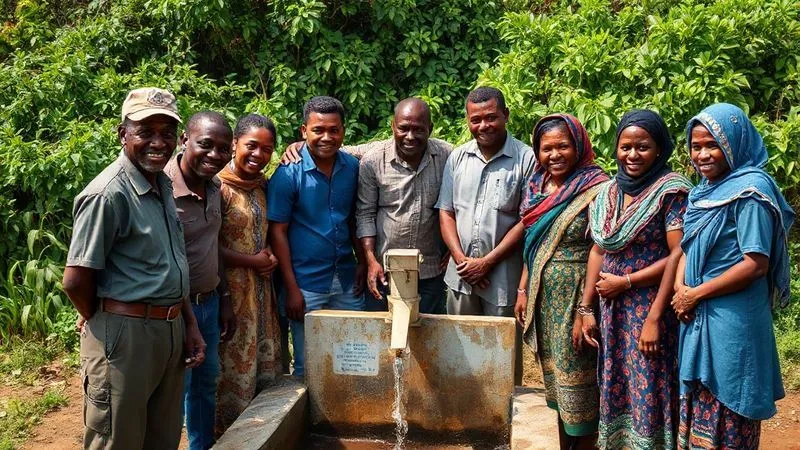
- Infrastructure Development: Partner on projects like clean water systems, sanitation facilities, or improved housing.
- Alternative Livelihoods: Explore programs that help miners diversify their income streams, reducing their sole reliance on mining, especially during market fluctuations.
As outlined by the UN Sustainable Development Goals (SDGs), responsible production and consumption (Goal 12) are intrinsically linked to poverty reduction (Goal 1), good health and well-being (Goal 3), and quality education (Goal 4). Your sourcing strategy can directly contribute to these global objectives.
Promoting Sustainable Mining Practices
Environmental impact is a critical concern for artisanal mining. Your partnership can be a catalyst for adopting more sustainable, less harmful practices. This often requires education, resources, and a willingness to invest in greener technologies.
- Mercury-Free Gold Extraction: Support and facilitate the transition away from mercury, a highly toxic substance, to safer, more sustainable methods like retorts or direct smelting.
- Responsible Waste Management: Help implement systems for managing tailings and other mining waste to prevent pollution.
- Land Reclamation: Encourage and support efforts to rehabilitate mined-out areas, restoring vegetation and biodiversity.
- Water Conservation: Introduce techniques for efficient water use and preventing water contamination.
The Responsible Jewellery Council (RJC) provides a robust certification system that includes environmental performance, offering a benchmark for best practices in responsible supply chains.
Step 5: Overcoming Logistical and Regulatory Hurdles
Even with solid relationships and ethical practices in place, the practicalities of moving materials across borders can be daunting. This is where meticulous planning and expert guidance become indispensable. I've navigated customs nightmares and complex export laws enough times to know that preparation is your best defense.
Export/Import Regulations and Customs
Understanding and complying with the specific export laws of the sourcing country and the import regulations of your own country is paramount. Failure here can lead to costly delays, confiscation of goods, or even legal penalties. This is not an area to cut corners.
- Local Export Licenses: Ensure the miners or their cooperative have all necessary permits to legally export minerals.
- International Trade Agreements: Be aware of any treaties or agreements that might impact duties or tariffs.
- Customs Brokers: Engaging experienced customs brokers in both the sourcing and destination countries can significantly streamline the process and prevent errors.
- Material Classification: Accurately classify your materials according to Harmonized System (HS) codes to ensure correct duties and regulations are applied.
Quality Control and Assaying
Maintaining consistent quality and accurately valuing materials is crucial for fair trade and product integrity. When sourcing directly, you often take on the responsibility that an intermediary would typically handle.
- On-Site Assessment: Train yourself or a trusted local partner to perform initial quality assessments at the mine site.
- Independent Assaying: For precious metals and high-value gemstones, engage independent, certified assayers to verify purity, weight, and quality. This ensures both parties receive a fair deal.
- Grading Standards: Establish clear grading standards for gemstones (e.g., color, clarity, cut, carat) to ensure consistency and manage expectations.
A well-defined supply chain map, detailing each step from extraction to your workshop, can be an invaluable tool for identifying potential bottlenecks and ensuring compliance.
Case Study: "Glimmer & Grit" - A Partnership for Impact
How "Glimmer & Grit" Transformed Their Supply Chain
Let me share a fictional, yet highly realistic, example from my advisory work. "Glimmer & Grit," a burgeoning artisanal jewelry brand, faced a common dilemma: they wanted to use ethically sourced gold but were overwhelmed by the complexities of verifying its origin. They initially relied on certified dealers, but felt a nagging disconnect from the actual mining communities.
After engaging with my framework, Glimmer & Grit committed to direct sourcing from a small-scale artisanal gold mining cooperative in South America. Their journey involved:
- Extensive Due Diligence: Partnering with local NGOs, they spent months verifying the cooperative's labor practices, environmental commitments (mercury-free processing), and legal status.
- Building Trust: The brand founder made multiple trips, spending weeks living within the community, learning their language, and understanding their needs beyond just gold extraction.
- Fair Pricing & Pre-financing: Glimmer & Grit agreed to purchase gold at a 15% premium above market rate and provided a small pre-payment to help the cooperative invest in safer mining equipment.
- Community Investment: They co-funded a local clean water project, identified as a top priority by the community elders, significantly improving public health.
- Transparent Traceability: A simple, paper-based chain-of-custody system was implemented, tracking each batch of gold from the mine to their workshop, verified by an independent local auditor.
The results were profound. Glimmer & Grit not only secured a consistent supply of verifiable ethical gold but also saw their brand reputation soar. Their customer base, deeply valuing authenticity, grew by 40% in two years. The cooperative, empowered by fair trade and community support, became a model for other local miners, demonstrating the tangible benefits of responsible practices. This partnership wasn't just about gold; it was about mutual respect, shared prosperity, and a powerful story of positive impact.
Common Pitfalls to Avoid in Direct Sourcing
While the rewards of ethical direct sourcing are immense, the path is not without its traps. Having guided many brands, I've seen common missteps that can derail even the most sincere efforts. Avoiding these pitfalls is as crucial as following the positive steps.
- Tokenism Over Transformation: Don't engage in direct sourcing purely for marketing optics without a genuine commitment to deep, systemic change. Communities can sense insincerity.
- Unrealistic Expectations: Sustainable change takes time. Expecting immediate, dramatic shifts in practices or community conditions can lead to frustration and abandonment of projects.
- Lack of Cultural Sensitivity: Imposing your solutions or values without understanding and respecting local customs, decision-making processes, and power dynamics is a recipe for failure.
- Ignoring Local Laws & Regulations: Operating outside the legal framework of the sourcing country, even with good intentions, can lead to severe legal repercussions and damage trust.
- Short-Term Focus: Treating direct sourcing as a one-off project rather than a long-term partnership undermines the trust and stability you're trying to build.
- Inadequate Resources: Direct sourcing demands time, financial investment, and human resources. Underestimating these needs can lead to burnout and project failure.
- Lack of Independent Verification: Relying solely on self-reporting from miners without any form of independent audit or third-party verification can compromise the credibility of your ethical claims.
As a veteran in this field, I can tell you that transparency and humility are your greatest assets. Be prepared to learn, adapt, and invest for the long haul. The ethical sourcing journey is continuous improvement, not a destination.
Frequently Asked Questions (FAQ)
Is direct sourcing always more expensive than traditional channels? Not necessarily. While you might pay a premium for ethical practices and community development, you often eliminate intermediary costs. Furthermore, the enhanced brand reputation, customer loyalty, and direct access to unique materials can provide significant long-term value that outweighs initial cost differences. It's an investment, not just an expense.
How do I verify a miner's ethical practices if I can't be on-site constantly? While initial visits are crucial, ongoing verification can involve a multi-pronged approach. Partner with reputable local NGOs or third-party auditors who can conduct periodic checks. Establish a clear, documented chain of custody. Leverage technology like blockchain for immutable records. Build strong relationships with community leaders who can provide ongoing feedback and oversight.
What if my brand is too small to invest heavily in community development projects? Even small brands can make an impact. Community investment doesn't always mean large infrastructure projects. It can be pooling resources with other small brands, contributing to existing local initiatives, providing educational materials, or simply paying a consistently fair price that allows miners to invest in their own communities. Every ethical dollar makes a difference.
What are the biggest risks involved in direct ethical sourcing? The primary risks include logistical hurdles (transportation, customs), regulatory compliance in foreign countries, potential for miscommunication due to cultural differences, and market fluctuations impacting miner livelihoods. However, with thorough due diligence, strong local partnerships, and a robust risk management plan, these can be effectively mitigated.
How can small brands compete with larger corporations in securing direct sourcing partnerships? Small brands often have an advantage in building personal, agile relationships. Artisanal miners frequently prefer working with partners who genuinely care and offer consistent, fair terms, rather than large, impersonal corporations. Focus on building deep trust, offering fair prices, and demonstrating a commitment to their community's well-being. Your authenticity is your competitive edge.
Key Takeaways and Final Thoughts
Embarking on the journey of direct ethical sourcing from small-scale artisanal miners is a profound commitment, but one that yields immeasurable rewards. It's a path I've walked for many years, witnessing its power to transform lives, empower communities, and elevate brands to new heights of integrity and authenticity.
- Relationships are Paramount: True ethical sourcing is built on trust, respect, and long-term partnership, not just transactions.
- Due Diligence is Non-Negotiable: Thoroughly understand the social, environmental, and regulatory landscape of your potential sources.
- Transparency and Traceability: Implement robust systems to track your materials from mine to market, ensuring every step is verifiable.
- Beyond the Transaction: Invest in the well-being of mining communities and support sustainable environmental practices.
- Patience and Persistence: Expect challenges and be prepared for a continuous journey of learning and adaptation.
Your choice to ethically source directly is a powerful statement. It's a commitment to a more just, transparent, and sustainable future for the jewelry industry. By following these steps, you're not just buying materials; you're investing in people, empowering communities, and crafting a legacy that shines brighter than any gemstone. Go forth, build those relationships, and create jewelry that truly tells a story of positive impact.

Recommended Reading
- 7 Ways to Halt Antimicrobial Fabric Degradation Post-Wash Cycles
- 7 Steps to Transform Abstract Play into Stunning Costume Designs
- 5 Proven Strategies: How to Avoid Greenwashing When Marketing Sustainable Shoes?
- Cracking the Code: What Are the Secrets to Streetwear Influencer Success?
- Stop Gel Nail Art Lifting: 7 Pro Tips for Flawless, Lasting Designs





Your email address will not be published. Required fields are marked *