

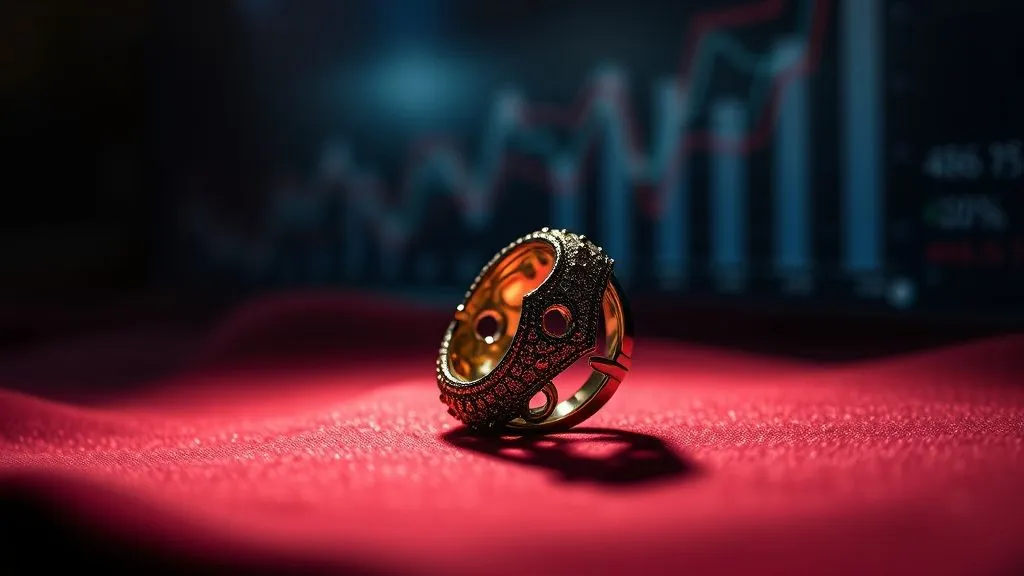
How to Monetize Unique Contemporary Jewelry Designs Artistically?
For over two decades immersed in the dynamic world of jewelry design, I've witnessed countless brilliant artists create breathtaking contemporary pieces that challenge conventions and redefine beauty. Their vision is often unparalleled, their craftsmanship exquisite, yet many struggle with a fundamental challenge: translating that artistic genius into sustainable financial success.
The paradox is stark: the more unique and avant-garde a design, the harder it often seems to find its market. Artists pour their souls into creations, only to face the daunting task of pricing, marketing, and selling pieces that don't fit neatly into commercial boxes. This isn't a failure of art; it's often a gap in strategic understanding of the unique market dynamics for contemporary, artistic jewelry.
This article isn't about compromising your artistic integrity for commercial gain. Instead, I'll share actionable frameworks, expert insights, and real-world strategies I've seen successful designers employ to not just sell their work, but to build thriving businesses that honor their artistic vision. You'll learn how to attract the right collectors, articulate your value, and establish a robust, artistic monetization pathway for your unique contemporary jewelry designs.
1. Defining Your Artistic Niche and Identifying Your Ideal Collector
Before you can effectively monetize, you must intimately understand who you are creating for. Your art, by its very nature, isn't for everyone. And that's its strength.
The Power of a Hyper-Niche
In my experience, trying to appeal to 'everyone' leads to appealing to no one. Contemporary jewelry often speaks to a specific sensibility, a particular aesthetic, or even a philosophical outlook. Your niche isn't just about the style of jewelry; it's about the story it tells and the person it resonates with.
Actionable Steps:
- Articulate Your Artistic Philosophy: What drives your designs? What emotions or ideas do they convey?
- Profile Your Ideal Collector: Go beyond demographics. What are their values? What other art do they appreciate? Where do they shop? What magazines do they read? What causes do they support?
- Analyze the Competitive Landscape: Identify other designers in your niche. What do they do well? Where are the gaps you can fill?
"Your ideal collector isn't just buying a piece of jewelry; they're buying into a vision, a story, and a piece of your soul."

2. Crafting a Compelling Brand Narrative and Digital Presence
In today's market, your brand is as crucial as your product. For unique contemporary jewelry, the narrative surrounding your work is paramount. It’s what transforms a beautiful object into a coveted piece of art with a soul.
Storytelling as Your Core Marketing Tool
People connect with stories. Your journey, your inspiration, the techniques you employ, and the meaning embedded in each piece—these are all elements of a powerful narrative. This narrative differentiates you and justifies the artistic value (and price) of your work.
Key Elements of Your Brand Narrative:
- Origin Story: How did you start? What was your 'aha!' moment?
- Inspiration: What informs your designs? Nature, architecture, philosophy, personal experiences?
- Process & Craftsmanship: Highlight the unique techniques, the time, and the skill involved.
- Meaning & Impact: What does your jewelry represent? How does it make the wearer feel?
Building an Immersive Digital Showcase
Your online presence is your primary gallery. It must be as meticulously crafted as your jewelry itself.
- Professional Website: Invest in a high-quality, visually stunning website that is easy to navigate. This is your digital storefront and portfolio.
- High-Resolution Photography & Videography: This is non-negotiable. Your jewelry must be showcased with exquisite detail, from multiple angles, and ideally, worn by diverse models. Consider short videos showing the piece in motion or the making process.
- Engaging Blog & Social Media: Share your story, your process, behind-the-scenes glimpses, and connect with your audience. Platforms like Instagram and Pinterest are visual powerhouses for jewelry.
According to a study by Forbes, storytelling is 22 times more memorable than facts alone. This applies directly to the art market, where emotional connection drives purchasing decisions.
3. Strategic Pricing: Valuing Artistry and Craftsmanship
Pricing unique contemporary jewelry is one of the most challenging aspects for designers. It's not just about material cost plus a markup; it's about valuing your time, skill, artistic vision, and the uniqueness of the piece.
Beyond Cost-Plus: The Value-Based Approach
In the contemporary art market, price often reflects perceived value, rarity, and the artist's reputation. While you must cover your costs, your pricing strategy should primarily be value-based.
Components of Artistic Value:
- Materials: Precious metals, gemstones, unique alternative materials.
- Labor: Your time, specialized skills, and years of training.
- Overheads: Studio rent, tools, marketing, administrative costs.
- Artistic Premium: This is where your uniqueness, brand reputation, and the 'story' of the piece come in. It's the intangible value that collectors are willing to pay for.
- Market Positioning: Where do you want to position your brand? Entry-level art jewelry, mid-range collector pieces, or high-end luxury?
Developing a Tiered Pricing Structure
Consider offering a range of price points to cater to different levels of collectors, without diluting your brand.
| Tier | Description | Target Audience | |
|---|---|---|---|
| Collector Series (Unique/Limited Edition) | Signature, one-of-a-kind or very limited production pieces. Highest price point. | Serious art collectors, patrons. | |
| Artisan Collection (Small Batch) | More accessible designs, still handcrafted, but produced in small batches. Mid-range price point. | Emerging collectors, art enthusiasts. | |
| Entry-Level (Conceptual) | Smaller, more conceptual pieces or accessories that introduce your aesthetic. Lower price point. | New buyers, gift-givers. | Ensure these still align with your brand's artistic integrity. |
Actionable Pricing Considerations:
- Research Gallery & Auction Prices: For comparable contemporary art jewelry.
- Consult Mentors: Speak to experienced designers or gallery owners about their pricing strategies.
- Incrementally Build Reputation: As your brand grows and gains recognition, you can gradually increase your prices.
4. Diversifying Sales Channels: Beyond the Traditional Gallery
While traditional galleries remain vital, relying solely on them can limit your reach. Successful contemporary jewelers employ a multi-channel approach to maximize exposure and sales.
Exploring Diverse Avenues
I've seen many artists broaden their horizons beyond the conventional, often with incredible success. The key is to find channels that align with your brand and target collector.
- Online Boutiques & Marketplaces: Beyond your own website, consider curated online platforms specializing in art jewelry or high-end craft.
- Art Fairs & Exhibitions: Participate in prestigious art and craft fairs. These offer direct interaction with collectors and immediate feedback.
- Bespoke Commissions: Offer custom design services. This can be highly profitable and allows for deep client engagement.
- Collaborations: Partner with fashion designers, interior decorators, or even luxury brands for capsule collections.
- Pop-up Shops: Temporarily set up in high-traffic areas or alongside complementary businesses to create unique retail experiences.
Case Study: "Lumen & Line" Studio's Multi-Channel Mastery
Case Study: How Lumen & Line Studio Expanded Their Reach
Lumen & Line Studio, known for its architecturally inspired contemporary silver and gold jewelry, initially struggled with inconsistent gallery sales. Their unique aesthetic appealed to a niche audience, but traditional galleries found it hard to 'place' their pieces. By implementing a diversified strategy, they transformed their business.
They first invested in a sophisticated e-commerce website with stunning photography and a detailed 'designer's journal' blog. Simultaneously, they actively sought out and participated in three high-end contemporary craft shows annually, which allowed them to connect directly with collectors and gather invaluable feedback. They also established a bespoke commission service, advertised through their website and social media, which now accounts for 25% of their annual revenue. Furthermore, a successful collaboration with an avant-garde fashion designer for a runway show garnered significant press, driving traffic to all their channels. This multi-pronged approach led to a 150% increase in sales within two years, demonstrating the power of not putting all your eggs in one basket.
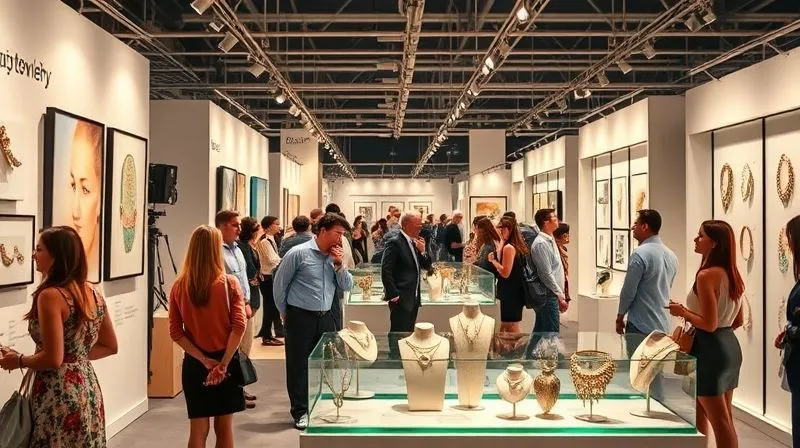
5. Leveraging Digital Storytelling and Visual Merchandising
The digital realm is where your contemporary jewelry truly comes alive for a global audience. It's not enough to just post pictures; you need to create an immersive experience that conveys the artistry and value of your work.
The Art of Digital Presentation
Think of your website and social media as extensions of your physical exhibition space. Every image, every video, every word contributes to the perception of your brand.
- Contextual Photography: Showcase your jewelry not just as isolated objects, but worn by diverse individuals, in different settings, reflecting the lifestyle of your ideal collector.
- Behind-the-Scenes Content: Share glimpses of your studio, your tools, your process. This builds transparency, trust, and allows collectors to appreciate the labor and skill involved.
- Video Narratives: Short, high-quality videos can tell a powerful story. A video showing the inspiration, the design process, and the final piece being worn can be incredibly compelling.
- Augmented Reality (AR) Try-On: If feasible, consider AR tools that allow customers to 'try on' your jewelry virtually. This enhances engagement and reduces purchase hesitation.
As marketing guru Seth Godin often says, "People do not buy goods and services. They buy relations, stories, and magic." Your digital presence is where you weave that magic.
6. Building a Community: Engagement and Loyalty
In the world of art, collectors often become patrons. Building a loyal community around your brand is essential for long-term artistic monetization.
Fostering Connection and Advocacy
Your collectors are your best advocates. Nurture these relationships, and they will not only return for more but also spread the word about your unique contemporary jewelry designs.
Strategies for Community Building:
- Personalized Communication: Send handwritten thank-you notes with purchases, remember collectors' preferences, and engage with their comments on social media.
- Exclusive Previews: Offer your loyal collectors first access to new collections, limited editions, or studio visits.
- Workshops & Artist Talks: Host virtual or in-person workshops or talks where you share your techniques or inspirations. This positions you as an expert and builds a deeper connection.
- Collector Spotlights: Feature your collectors wearing or displaying your pieces on your blog or social media (with their permission).
- Email Newsletter: A curated newsletter is a powerful tool for sharing updates, new work, behind-the-scenes content, and exclusive offers directly with your most engaged audience.
"True artistic monetization comes not just from transactions, but from cultivating a tribe of passionate admirers and patrons."
7. Protecting Your Intellectual Property and Artistic Integrity
Your unique contemporary jewelry designs are your intellectual property. Protecting them is crucial for long-term artistic and financial sustainability.
Safeguarding Your Creative Assets
I've seen designers suffer significant losses due to lack of IP protection. While the art world often operates on trust, proactive measures are always wise.
Key IP Considerations:
- Copyright: Your original designs are automatically protected by copyright upon creation, but registration offers stronger legal standing.
- Design Patents: For highly unique and functional designs, a design patent can protect the ornamental design of an article of manufacture.
- Trademark: Protect your brand name, logo, and any distinctive slogans.
- Documentation: Keep meticulous records of your design process, sketches, and dates of creation.
For more detailed information on protecting your creative work, consult resources from organizations like the U.S. Patent and Trademark Office (USPTO) or relevant international bodies.
Maintaining Artistic Integrity While Monetizing
This is the core tension for many artists: how to monetize without 'selling out.' The answer lies in alignment with your artistic values.
- Say No When Necessary: Don't take commissions or engage in collaborations that don't resonate with your artistic vision.
- Educate Your Collectors: Help them understand the value of your unique approach and the reasons behind your pricing.
- Innovate Continuously: Keep pushing boundaries. Your artistic growth will naturally attract new collectors and sustain interest among existing ones.

8. Scaling Artistically: Limited Editions, Collaborations, and Masterclasses
Once you've established a strong foundation, the next step is to consider how to expand your reach and revenue streams without compromising the 'unique' aspect of your contemporary jewelry.
Thoughtful Expansion Strategies
Scaling for an artist isn't about mass production; it's about strategic growth that amplifies your artistic voice and increases your impact.
- Limited Edition Collections: Release small, numbered series of designs. This creates exclusivity, demand, and often allows for higher price points.
- High-Profile Collaborations: Partner with other artists, designers, or luxury brands whose values align with yours. This expands your audience and can lead to exciting new creative directions.
- Masterclasses & Workshops: Share your expertise. Teaching can be a significant revenue stream and positions you as a thought leader in the contemporary jewelry space. This can be in-person or online.
- Art Books & Publications: Document your work, process, and philosophy in a beautifully produced book. This serves as a premium product and a lasting legacy.
| Strategy | Benefit | Consideration |
|---|---|---|
| Limited Editions | Creates exclusivity, drives demand, allows premium pricing. | Careful management of production numbers. |
| Collaborations | Expands audience, fresh creative input, shared marketing. | Ensure artistic alignment with partners. |
| Masterclasses | Monetizes expertise, builds community, establishes authority. | Requires teaching skills and clear curriculum development. |
| Art Books | Legacy building, premium product, broadens reach. | Significant upfront investment in production and distribution. |
Remember, each step in scaling should be a deliberate artistic choice, reflecting your brand's evolution rather than a simple pursuit of profit. The goal is to grow your influence and income while remaining true to the essence of your unique contemporary jewelry designs.
Frequently Asked Questions (FAQ)
Q: How do I price a one-of-a-kind contemporary jewelry piece that took hundreds of hours to create? A: For such intricate pieces, a simple cost-plus model is insufficient. You must factor in material costs, your hourly rate for labor, significant overheads, and crucially, an 'artistic premium' that reflects the uniqueness, conceptual depth, your reputation as an artist, and the market's perceived value for similar art objects. Research prices of comparable art jewelry at high-end galleries and auctions, and don't be afraid to value your skill and vision highly. Consider the investment of time as part of the story, adding to its value.
Q: Is it better to sell directly to collectors or through galleries for contemporary jewelry? A: Both channels have distinct advantages, and a hybrid approach is often most effective for how to monetize unique contemporary jewelry designs artistically. Direct sales (via your website, studio, or art fairs) offer higher profit margins and direct engagement with your collectors, fostering community. Galleries, however, provide curation, prestige, a ready-made audience of art buyers, and handle many sales and marketing aspects. Evaluate which channels best align with your brand, time availability, and target market.
Q: How can I stand out in a crowded market of jewelry designers? A: Differentiation is key. Focus intensely on what makes your contemporary jewelry truly unique: your artistic vision, the materials you use, your specialized techniques, or the conceptual narrative behind your work. Develop a strong, consistent brand identity and an authentic story that resonates with a specific niche audience. High-quality photography, engaging storytelling, and active participation in relevant art communities will further elevate your presence.
Q: What role does social media play in monetizing artistic jewelry? A: Social media, especially platforms like Instagram and Pinterest, is indispensable for visual artists. It serves as a dynamic portfolio, a storytelling platform, and a direct communication channel. Use it to showcase your work (high-quality images and videos), share your inspiration and process, engage with your audience, and drive traffic to your website or gallery. Consistent, authentic engagement builds a loyal following that can translate into sales.
Q: How important is intellectual property protection for my unique designs? A: Extremely important. Your designs are your livelihood. While copyright automatically protects original artistic works, formal registration provides stronger legal recourse against infringement. For unique structural or ornamental designs, a design patent might be appropriate. Always document your design process meticulously and be aware of your rights. Protecting your IP safeguards your artistic legacy and financial future. For more information, consult legal resources like the World Intellectual Property Organization (WIPO).
Key Takeaways and Final Thoughts
Monetizing unique contemporary jewelry designs artistically is an endeavor that demands both creative brilliance and strategic business acumen. It’s a journey of understanding your value, articulating your vision, and connecting with those who truly appreciate your craft. Here are the critical takeaways:
- Define Your Niche: Know your ideal collector intimately.
- Craft Your Narrative: Tell your story compellingly.
- Price for Value: Reflect your artistry, skill, and uniqueness.
- Diversify Your Reach: Explore multiple sales channels.
- Master Digital Storytelling: Create an immersive online experience.
- Build Community: Nurture relationships with your collectors.
- Protect Your IP: Safeguard your creative assets.
- Scale Artistically: Grow strategically without compromise.
The path to artistic monetization isn't always linear, but by embracing these strategies, you can build a sustainable and thriving business that allows your unique vision to flourish. Your art deserves to be seen, appreciated, and valued, not just aesthetically, but economically. Go forth, create boldly, and confidently claim the artistic and financial success you deserve.
Recommended Reading
- Why Do Bespoke Shoes Still Disappoint? Solving Fit Issues Now
- 7 Proven Strategies: How to Grow Your Fashion Photography Blog Audience
- 5 Pillars: Crafting Streetwear Graphic Tees That Defy Trends
- 7 Proven Strategies: How to Sell Conceptual Wearable Art Jewelry to Niche Markets Effectively?
- 7 Strategies: Adapting Vintage Silhouettes for Every Modern Body Type


Your email address will not be published. Required fields are marked *