

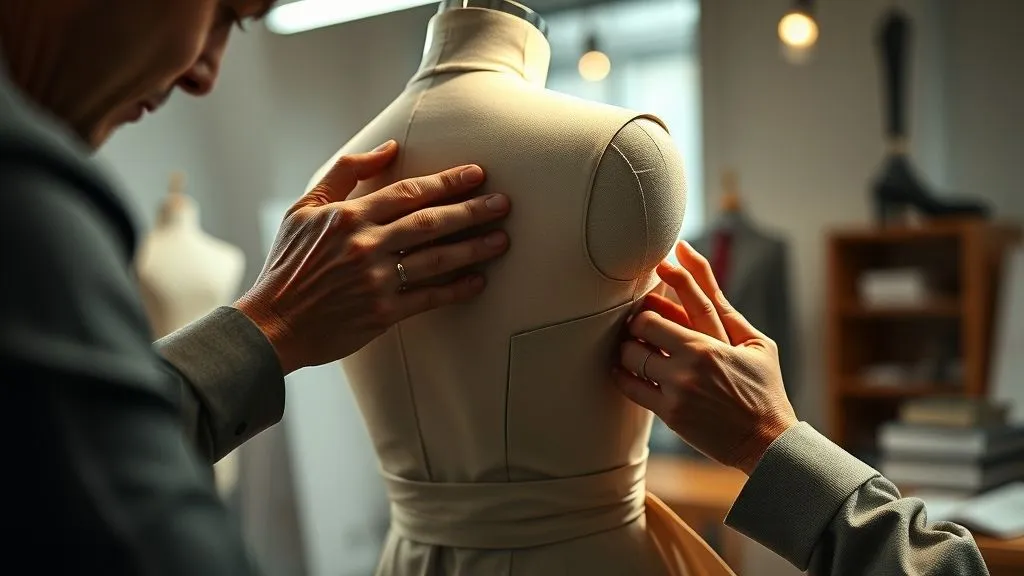
Solving Haute Couture Fit Problems for Challenging Body Asymmetries
For over two decades in the exclusive realm of haute couture, I’ve witnessed firsthand the profound impact of a perfectly tailored garment. But what happens when the body itself defies conventional symmetry? This isn't just a minor alteration; it's a fundamental challenge to the very essence of bespoke design.
Clients seeking haute couture often have a profound understanding of their unique silhouette, yet they frequently encounter designers who struggle to translate those nuances into a garment that feels like a second skin. The frustration of ill-fitting luxury, where a shoulder sags or a hem skews, can detract from the artistry and investment, leaving both client and creator feeling unfulfilled.
In this definitive guide, I will share the expert strategies and meticulous processes I’ve refined for solving haute couture fit problems for challenging body asymmetries. We'll delve into actionable frameworks, real-world insights, and advanced techniques that ensure every stitch contributes to impeccable harmony, transforming the perceived 'problem' into an opportunity for unparalleled sartorial excellence.
Understanding the Nuance of Body Asymmetry in Haute Couture
Body asymmetry is not an anomaly; it's a natural human characteristic. From slight discrepancies in shoulder height to more pronounced differences due to scoliosis, injury, or muscle development, no two bodies are perfectly identical. In the world of ready-to-wear, these variations are often masked or simply ignored, leading to compromises in fit and comfort.
However, haute couture, by its very definition, demands perfection. It’s about creating a garment that flows with the body, enhancing its natural beauty without constraint. My experience has taught me that truly understanding asymmetry goes beyond simple measurements; it requires an artistic eye, a deep knowledge of anatomy, and an empathetic approach to the client's self-perception.
The challenge lies in designing a garment that appears symmetrical to the observer, while accommodating and balancing the underlying asymmetry of the wearer. This often means creating an 'illusion of symmetry' through clever patternmaking, construction, and internal support, rather than trying to force the body into an unnatural shape. According to a study published in the Journal of Anatomy, human bilateral asymmetry is prevalent, underscoring why a one-size-fits-all approach, even in bespoke, is fundamentally flawed.
The Initial Consultation: Beyond Measurements to Body Mapping
The foundation of any successful couture garment for an asymmetrical body begins with an exceptionally thorough initial consultation. This phase is far more than just taking standard measurements; it's an intricate process of 'body mapping' that captures every curve, contour, and variation.
- Detailed Visual Assessment: I always begin with a comprehensive visual inspection from all angles (front, back, sides). This involves observing posture, shoulder slope, hip alignment, and any visible differences in limb length or muscle mass.
- 3D Body Scanning: Whenever possible, I advocate for 3D body scanning technology. This provides an incredibly precise digital model of the client's body, revealing even subtle asymmetries that might be missed with traditional methods.
- Photographic Documentation: High-resolution photographs taken in specific poses (both relaxed and engaged) serve as invaluable references throughout the design process, allowing for objective comparison and tracking of adjustments.
- Client-Centric Dialogue: Crucially, I engage in an in-depth conversation with the client. How do they perceive their own body? What are their comfort points and areas of concern? Their insights are paramount to creating a garment that not only fits but also feels right.
- Functional Movement Analysis: Observing the client move – walking, sitting, raising arms – reveals how their asymmetry impacts the body in motion, which is vital for designing a garment that performs gracefully, not just statically.
This holistic approach ensures that we have a complete understanding of the unique canvas we are working with, setting the stage for truly personalized design. It’s about listening to the body’s story before even a single cut of fabric is considered.
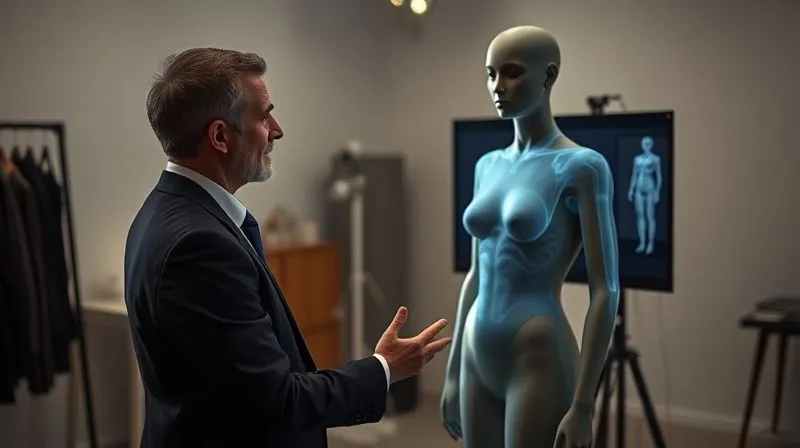
Advanced Patternmaking: Engineering Balance from Imbalance
Once the body mapping is complete, the magic truly begins in the patternmaking studio. This is where the artistry of couture meets the precision of engineering, transforming complex body data into a two-dimensional blueprint that will ultimately create a three-dimensional masterpiece. For solving haute couture fit problems for challenging body asymmetries, standard block patterns are merely a starting point, if used at all.
My approach involves creating custom patterns that inherently account for the asymmetry. This often means drafting two slightly different halves of a garment – one for the left side and one for the right – and then subtly blending them at the seams. It's a nuanced dance of dart manipulation, seam placement, and strategic fabric grain alignment.
Key Patternmaking Techniques:
- Asymmetrical Draping: Often, I prefer to drape directly on a custom-padded dress form that replicates the client's exact asymmetrical contours. This allows for a more intuitive understanding of how the fabric will fall and where adjustments are needed in three dimensions.
- Split Pattern Construction: For significant asymmetries, I create entirely separate pattern pieces for corresponding left and right body sections. For instance, one shoulder piece might be slightly longer or wider than the other, or a bodice half might incorporate more darting to accommodate a higher bust point on one side.
- Strategic Seam Placement: Seams can be powerful tools. By carefully placing and curving seams, we can visually correct imbalances and guide the eye, creating an optical illusion of symmetry and fluidity.
- Grainline Manipulation: The direction of the fabric grain can dramatically influence how a garment drapes. I often adjust grainlines on asymmetrical panels to ensure a smooth, even fall, preventing twisting or pulling that would highlight the asymmetry.
This meticulous pattern engineering is what truly differentiates haute couture from even the most high-end ready-to-wear. It's about designing *for* the body, not forcing the body *into* the design.
| Aspect | Standard Pattern Approach | Asymmetrical Couture Approach |
|---|---|---|
| Shoulder Height | Average shoulder slope, minimal adjustment | Separate shoulder seam lines, padded or eased to match individual heights |
| Hip/Waist Asymmetry | Uniform waist/hip circumference | Differential side seam shaping, strategic darting, internal support on one side |
| Spinal Curvature | Straight back panel | Curved center back seam, differential length/width in back panels, internal boning/corsetry |
| Bust Line | Symmetrical bust darts/shaping | Individual bust dart placement and depth, potentially built-in cups of differing volumes |
The Bespoke Fitting Process: Iteration, Observation, and Craft
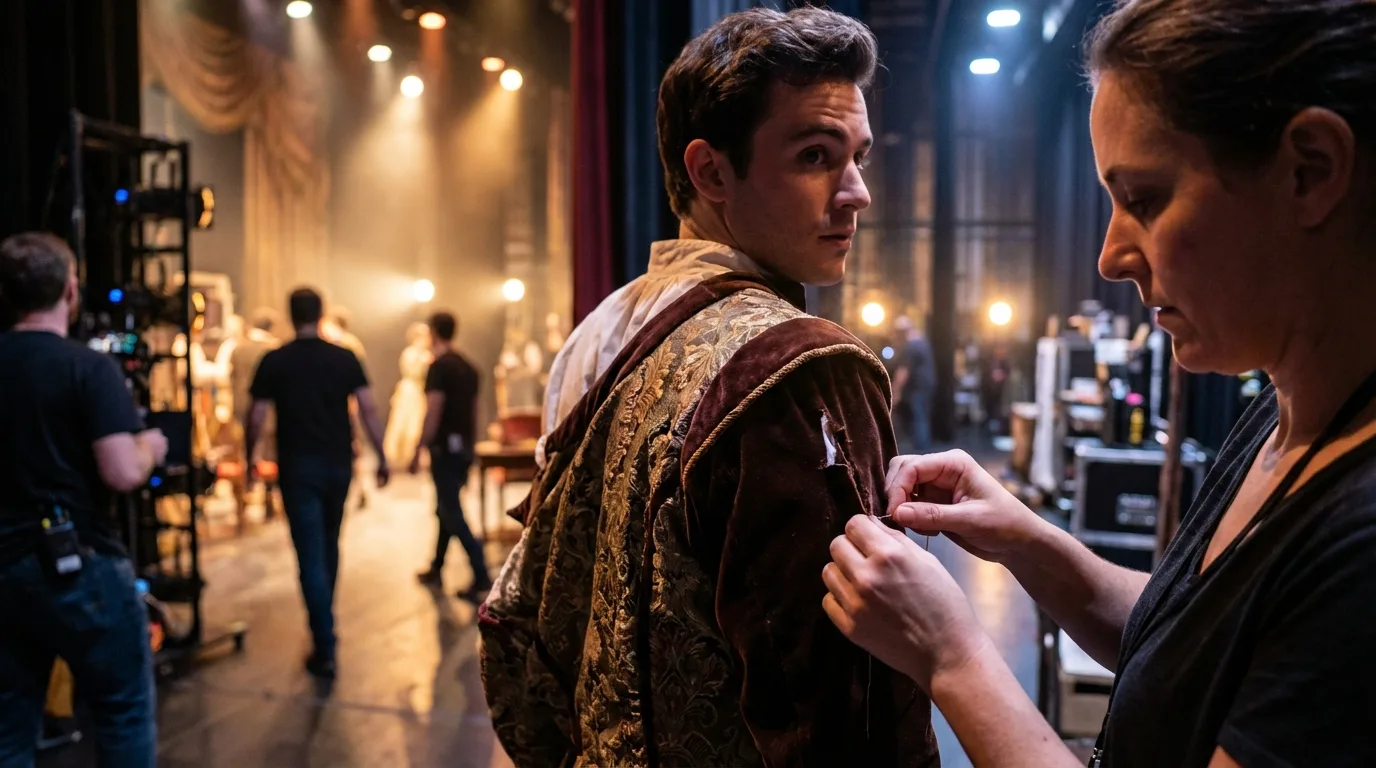
Even with the most precise patternmaking, the true fit is always perfected on the body. The bespoke fitting process for an asymmetrical figure is an iterative dance of observation, adjustment, and client feedback, often involving multiple stages from toile to finished garment. I've seen countless times where a pattern that looks perfect on the table needs subtle, yet critical, adjustments once it meets the living form.
Stages of Fitting:
- Muslin Toile Fitting: The first fitting uses a 'toile' – a mock-up garment made from inexpensive fabric like muslin. This allows us to assess the basic shape, balance, and proportions without risking the precious final fabric. Here, we make major adjustments to seams, darts, and overall structure.
- Fabric Toile/First Fabric Fitting: For complex designs or challenging fabrics, a second toile might be made in a similar weight and drape to the final fabric. Alternatively, the first fitting of the actual garment fabric begins, focusing on finer adjustments, drape, and how the fabric interacts with the body's movements.
- Refinement Fittings: Typically, two to three additional fittings are required to perfect the fit, address any pulling or gaping, and ensure the garment moves seamlessly with the wearer. This is where we fine-tune details like hem length, sleeve fit, and collar lie.
My Golden Rule: “The garment must not only look flawless but feel effortless. If the client is constantly adjusting, pulling, or feeling constrained, the fit is not truly perfect, regardless of how it appears in the mirror.”
During these fittings, I pay close attention to the client's comfort, their range of motion, and how the garment balances their figure. It's a collaborative process where the client's insights are as valuable as my expert eye. This meticulous attention to detail is paramount in solving haute couture fit problems for challenging body asymmetries, ensuring every garment is a true extension of the wearer.
Specialized Construction Techniques for Seamless Integration
Beyond patternmaking and fittings, the actual construction of the haute couture garment plays a pivotal role in accommodating and balancing body asymmetries. This is where the invisible architecture of the garment comes to life, providing support, shaping, and fluidity that appear entirely natural.
Advanced Construction Methods:
- Internal Corsetry and Boning: For garments requiring significant structural support, I often integrate bespoke corsetry or strategic boning. This internal framework can gently guide the body, provide lift where needed, and create a smooth, balanced silhouette without being restrictive. For instance, a client with a higher hip on one side might benefit from targeted boning that subtly lifts the fabric on the opposing side to create visual equilibrium.
- Custom Padding and Shaping: Discreet, custom-made padding can be strategically placed within shoulder pads, bust cups, or hip areas to fill voids or create the illusion of symmetry. These are never off-the-rack; they are sculpted specifically for the individual client and integrated seamlessly into the garment’s lining.
- Fabric Manipulation: The way fabric is cut and manipulated is crucial. Bias cuts, for example, allow fabric to drape and mold more fluidly over asymmetrical curves. Strategic pleating, gathering, or ruching can also be employed to camouflage discrepancies or draw the eye in a way that enhances the overall aesthetic balance.
- Invisible Adjustments: Many of the most effective solutions are entirely internal and unseen. This might include differential seam allowances, varying tensions in hand-stitching, or subtle internal weights that ensure the garment hangs perfectly level, regardless of the body beneath.
These techniques are not about 'fixing' the body, but about creating a garment that celebrates and harmonizes with its unique form. It's the silent engineering that underpins the outward beauty of haute couture.
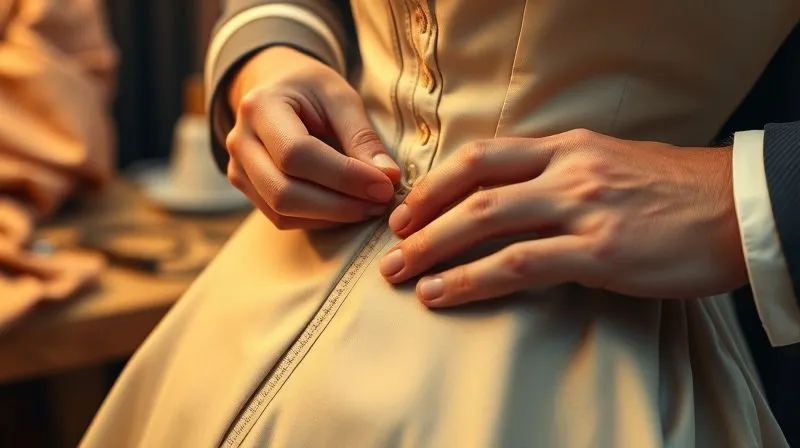
Addressing Posture and Movement: The Garment in Motion
A haute couture garment is not meant to be a static sculpture; it is designed to be worn, to move, and to live with the client. This means that solving haute couture fit problems for challenging body asymmetries must always consider the garment's performance in motion, not just its appearance on a still form.
Posture, in particular, plays a significant role. Small habitual changes in how one stands or sits can dramatically alter the drape and feel of a garment. For a client with asymmetry, these postural nuances are even more critical. I always conduct a 'movement fitting' where the client performs a range of actions they would typically undertake while wearing the garment – walking, sitting, dancing, raising their arms.
During these observations, I look for:
- Any pulling or tightness that restricts natural movement.
- How the hemline behaves – does it twist or hike up on one side?
- The flow of the fabric around the shoulders, bust, and hips.
- How the garment settles after movement.
As marketing guru Seth Godin often says, "People don't buy what you do, they buy why you do it." In couture, clients invest in the experience of feeling impeccable, effortlessly elegant. This requires designing for fluidity and comfort, ensuring the garment remains flattering and comfortable through all activities. For further reading on the intersection of fashion and ergonomics, articles like those found on Forbes' Coaches Council often highlight the importance of designing for the human form and function.
Case Study: The 'Opulent Symmetry' Gown for a Client with Spinal Curvature
Case Study: Achieving Grace with 'Opulent Symmetry'
I recall a particularly rewarding project for a client, let's call her Madame Dubois, who desired a show-stopping gown for a major philanthropic gala. Madame Dubois had a pronounced scoliosis, resulting in one shoulder being notably higher and more forward than the other, and a subtle hip asymmetry. Her primary concern was feeling confident and balanced, rather than having her posture highlighted by the garment.
Our initial consultation involved extensive 3D scanning and dynamic photographic analysis. We discovered that while her skeletal structure was asymmetrical, her desire was for the gown to present an outward appearance of serene balance. Instead of 'correcting' her body, our goal was to 'balance' the garment around her unique form.
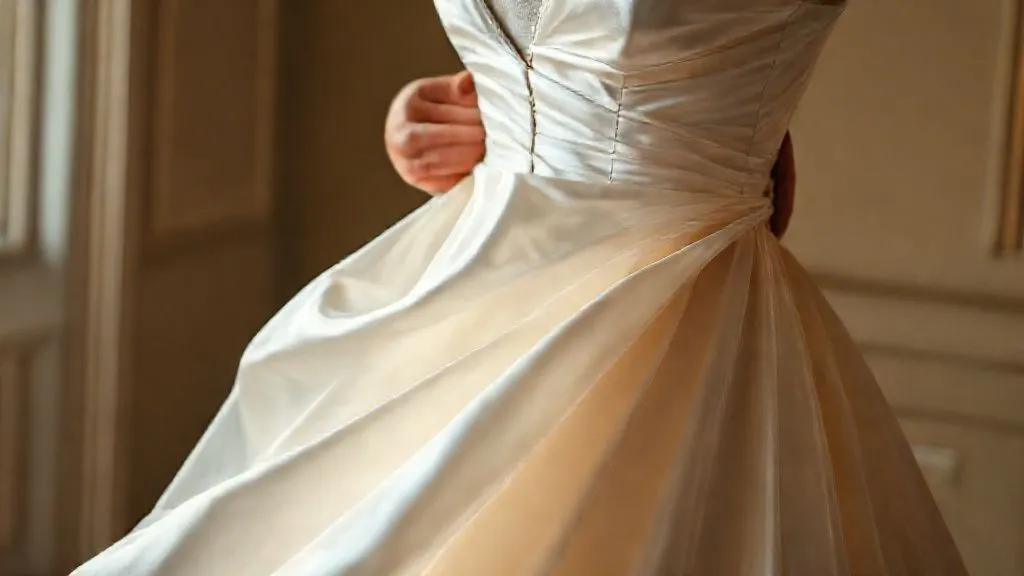
The solution involved a complex patternmaking strategy. I drafted a bodice that was effectively two different halves, with the right side incorporating additional length and width in the shoulder and side seam, along with a custom-sculpted internal shoulder pad to subtly lift and fill. The left side, conversely, had less volume. The center back seam was gently curved to follow her spine, allowing the fabric to fall perfectly without tension.
During the toile fittings, we experimented with varying tensions in the internal silk organza lining, which acted as a second skin, providing gentle support. For the skirt, a bias-cut technique in luxurious silk crepe allowed the fabric to flow effortlessly over her hip asymmetry, creating a fluid, unbroken line. The final gown, dubbed 'Opulent Symmetry,' was a triumph. Madame Dubois not only looked regal and perfectly balanced, but she also spoke of feeling utterly comfortable and confident, something she hadn't experienced in formal wear for years. This project truly exemplified the art of solving haute couture fit problems for challenging body asymmetries by embracing, rather than fighting, the individual form.
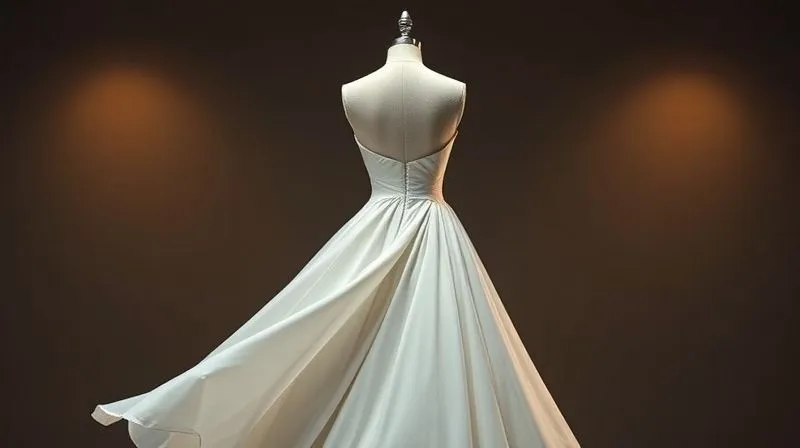
Collaborating with Allied Professionals: A Holistic Approach
While my expertise lies in the sartorial realm, there are instances where a holistic approach, involving other professionals, can significantly enhance the outcome for clients with complex body asymmetries. This is not about medical intervention through fashion, but about informed design decisions.
In cases where a client's asymmetry stems from significant medical conditions, I have, with their explicit consent, consulted with their orthopedists or physical therapists. This collaboration is strictly to gain a deeper understanding of the body's mechanics, limitations, and areas of sensitivity, never to influence medical advice or treatment.
Benefits of Collaboration:
- Enhanced Understanding: Medical insights can inform pattern adjustments, particularly regarding areas of potential pressure points or limited mobility.
- Optimized Comfort: Knowing the anatomical nuances helps in designing garments that avoid exacerbating discomfort or hindering therapeutic aids.
- Client Confidence: Clients often appreciate the comprehensive approach, feeling more secure that their unique needs are being addressed from every angle.
This interdisciplinary dialogue is rare in fashion, but in the highest echelons of haute couture, where personalization is paramount, it reflects a commitment to unparalleled client care. It underscores the profound responsibility we undertake when creating garments that interact so intimately with the human form. For more on the ethical considerations and best practices in client relations within bespoke industries, resources from organizations like the Council of Fashion Designers of America (CFDA) can offer valuable perspectives on professional conduct.
| Professional Role | Key Contribution |
|---|---|
| Haute Couture Designer/Tailor | Expert patternmaking, draping, construction; visual balancing of asymmetry |
| 3D Body Scan Technician | Precise digital mapping of body contours and asymmetries |
| Orthopedist/Physical Therapist (Optional) | Medical insights into skeletal/muscular conditions; guidance on comfort areas |
| Client | Personal comfort feedback, aesthetic preferences, daily movement patterns |
Frequently Asked Questions (FAQ)
Question: Is designing for body asymmetry significantly more expensive than standard haute couture? While it does require additional expertise, time, and specialized techniques in patternmaking and fitting, the cost increase is typically absorbed within the overall premium of haute couture. The value lies in achieving a truly flawless and comfortable fit that wouldn't be possible otherwise, representing a justified investment for the discerning client.
Question: How much longer does the process take when addressing challenging asymmetries? The timeline can extend by 2-4 weeks, primarily due to the need for more intensive initial consultations, additional toile fittings, and the meticulous nature of asymmetrical pattern adjustments and construction. Patience is key to achieving perfection.
Question: Can asymmetry be completely 'hidden' or corrected by the garment? The aim is not to 'hide' or 'correct' the body, but rather to create an illusion of balance and harmony within the garment itself. We design to celebrate the individual form while ensuring the clothing drapes beautifully and appears visually symmetrical, enhancing the wearer's confidence rather than attempting to alter their natural physique.
Question: What if my body asymmetry changes over time, for example, due to age or physical therapy? Haute couture garments are designed with a degree of internal flexibility and often include discreet seam allowances that allow for minor adjustments. For more significant changes, a re-fitting and skilled alteration by the original atelier would be necessary. This is part of the enduring value and service associated with bespoke luxury.
Question: Do these advanced fitting techniques apply to ready-to-wear garments, or only haute couture? While the principles of understanding body asymmetry are universal, the meticulous, labor-intensive techniques discussed are exclusive to haute couture and bespoke tailoring. Ready-to-wear, by its nature, cannot accommodate such individual precision. However, understanding your own body's asymmetries can help you choose ready-to-wear pieces that are more forgiving or adaptable.
Key Takeaways and Final Thoughts
Navigating the complexities of solving haute couture fit problems for challenging body asymmetries is a journey that demands unparalleled skill, empathy, and artistic vision. It’s a testament to the true essence of bespoke craftsmanship – creating something truly unique for an individual, not merely adapting a standard.
- Embrace comprehensive body mapping beyond basic measurements.
- Leverage advanced patternmaking to engineer balance from imbalance.
- Prioritize iterative fittings and client feedback for ultimate comfort and drape.
- Utilize specialized construction techniques for invisible support and shaping.
- Always consider the garment's performance in motion, not just in stillness.
- Collaborate when appropriate, but always with the client's consent and well-being at heart.
Ultimately, the goal is to empower the wearer, allowing them to inhabit a garment that feels like an extension of themselves – perfectly fitted, effortlessly elegant, and utterly confident. As a veteran in this niche, I can assure you that with the right approach, challenging body asymmetries become not obstacles, but canvases for the most exquisite and personalized expressions of haute couture artistry.
Recommended Reading
- Mastering Authentication: 5 Steps to Profitable Luxury Vintage Resale
- 7 Creative Lenses: Revitalizing Stagnant Fashion Campaigns with Visual Stories
- Ultimate Guide: Best Men's Wallet Styles For Minimalist Carry
- 7 Proven Strategies: Attracting Younger UHNW to Haute Couture Collections
- 7 Proven Strategies: Liquidate Unsold Bridal Gowns Quickly & Profitably

Your email address will not be published. Required fields are marked *