

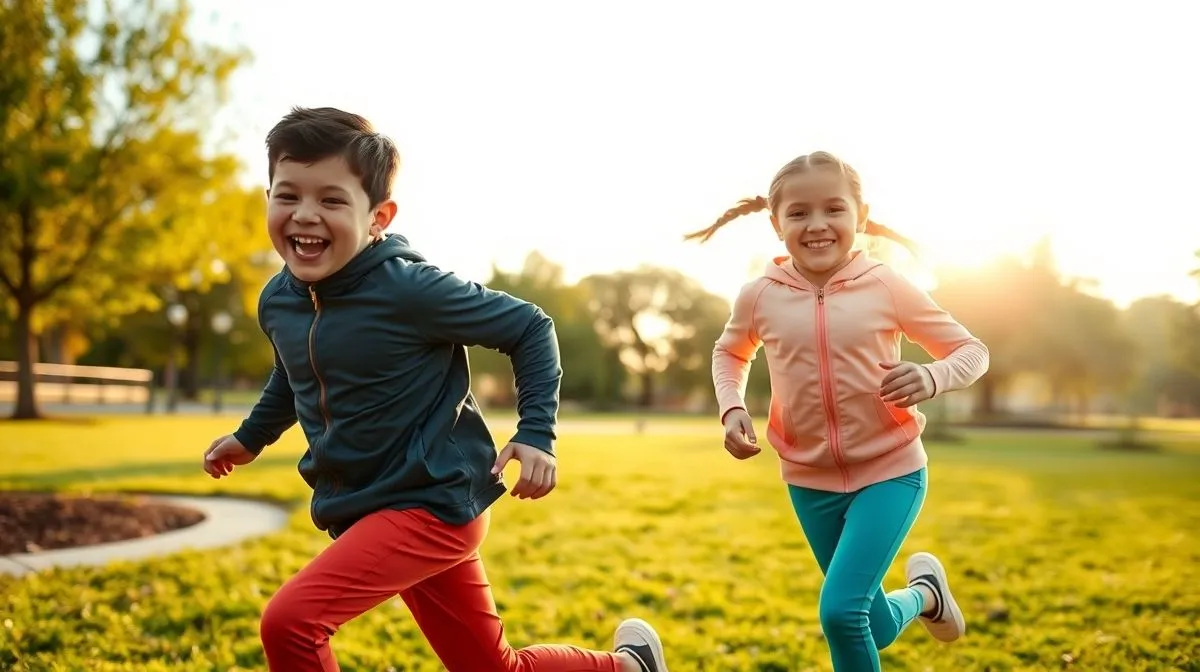
How to Pick Cute Outfits for Active Kids That Blend Style & Durability
Have you ever watched your child zoom across the playground, a blur of boundless energy, only to notice a fresh tear in their knee or a stain that seems to defy all laundry detergents? It’s a common dilemma for parents: how do you keep your energetic little ones looking adorable without constantly replacing their wardrobe?
The challenge lies in finding that sweet spot where fashion meets function, where an outfit can withstand the rigors of climbing, jumping, and tumbling, yet still look effortlessly charming. Traditional kids' clothing often forces a choice between practicality and aesthetics, leaving parents frustrated with worn-out clothes that barely last a season.
This comprehensive guide will unravel the secrets to curating a wardrobe that’s as dynamic as your child. You’ll learn the essential factors in selecting durable fabrics, smart designs, and versatile pieces that ensure your active kids not only look cute but also feel comfortable and confident in every adventure, all while saving you time and money in the long run.
Understanding the Unique Needs of Active Kids' Clothing
Dressing an active child isn't just about covering them; it's about enabling their exploration and protecting them through countless adventures. Their clothing needs to be an extension of their playful spirit, not a hindrance.
Why Durability Matters
For active kids, durability isn't a luxury; it's a necessity. From scraped knees on the pavement to muddy slides in the park, their clothes endure constant stress. Fabrics need to withstand repeated washing, stretching, and friction without losing their shape or integrity.
Investing in durable clothing means fewer rips, tears, and faded colors, translating into less money spent on replacements and more time for play. It also teaches children the value of their belongings, even if they're too young to articulate it.
The Importance of Comfort and Mobility
Imagine trying to run a marathon in a restrictive suit – that's how uncomfortable ill-fitting or stiff clothing can feel to an active child. Comfort is paramount, directly impacting their willingness to move and engage in physical activity. Clothes should allow for a full range of motion, without pinching, chafing, or riding up.
Lightweight, breathable materials and ergonomic designs are crucial. When children are comfortable, they are more likely to participate fully in activities, fostering healthy physical development and a love for movement. According to the American Academy of Pediatrics, physical activity is vital for children's overall well-being, and appropriate clothing facilitates this.
Balancing Style and Practicality
While function is key, style doesn't have to take a backseat. Kids, even young ones, develop their own sense of style. Cute outfits can boost their confidence and make getting dressed an enjoyable experience rather than a battle. The trick is to find pieces that are both aesthetically pleasing and highly practical.
This balance often involves choosing vibrant colors, fun patterns, and contemporary cuts that still prioritize ease of movement and resilience. It's about creating a wardrobe where every item is ready for action, yet looks great in any setting, from school to a birthday party.
Decoding Fabric Choices for Energetic Play
The foundation of any great active outfit lies in its fabric. Understanding material properties is crucial for making informed choices that stand up to the test of childhood.
Natural Fibers vs. Synthetics: Pros and Cons
Both natural and synthetic fibers have their place in an active kid's wardrobe:
- Cotton: Soft, breathable, and absorbent. Excellent for everyday wear and sensitive skin. However, it can absorb and hold moisture, becoming heavy and slow to dry, which isn't ideal for intense sweating or cold weather.
- Wool (especially Merino): Surprisingly soft, excellent at regulating temperature, and naturally moisture-wicking and odor-resistant. More expensive but incredibly durable and versatile.
- Polyester: A synthetic powerhouse. Durable, wrinkle-resistant, quick-drying, and excellent at wicking moisture away from the skin. Often used in sportswear. Can sometimes feel less breathable than cotton in very hot conditions.
- Nylon: Strong, elastic, and abrasion-resistant. Similar to polyester in its quick-drying properties. Great for outerwear and swimwear.
- Spandex (Lycra/Elastane): Rarely used alone, but often blended with other fibers to add stretch and shape retention. Essential for activewear that needs to move with the body.
Moisture-Wicking and Breathable Materials
For kids who work up a sweat, moisture-wicking fabrics are game-changers. These materials, typically synthetics like polyester or blends, draw sweat away from the skin to the fabric's surface, where it evaporates quickly. This keeps kids dry, comfortable, and helps regulate body temperature, preventing chills in cooler weather or overheating in warm conditions.
Breathability, allowing air to circulate through the fabric, is equally important. It prevents sweat buildup and reduces the likelihood of skin irritation or rashes. Look for fabric labels indicating these properties, especially for athletic wear or summer clothing.
Prioritizing Easy Care and Stain Resistance
Parents know that laundry is an endless cycle with active kids. Opt for fabrics that are machine washable, quick-drying, and resistant to wrinkles. This simplifies your life and ensures clothes are ready for the next adventure without fuss.
While no fabric is entirely stain-proof, some materials and weaves are better at repelling or releasing dirt. Darker colors and patterns can also help camouflage minor smudges, making outfits look cleaner for longer. Pre-treating stains immediately is key, regardless of the fabric.
Key Design Elements for Functional and Fashionable Outfits
Beyond fabric, the actual design and construction of the garment play a significant role in its practicality and longevity for active kids.
Strategic Seams and Reinforced Knees/Elbows
Examine the construction of the clothing. Flatlock seams reduce chafing and irritation, especially important for sensitive skin during active play. Reinforced knees and elbows, often with double layers of fabric or patches, are a godsend for preventing rips in high-wear areas. This is particularly true for pants and long-sleeved tops designed for crawling, climbing, and general rough-and-tumble play.
Look for sturdy stitching and well-finished edges. Loose threads or flimsy seams are red flags that indicate poor quality and a short lifespan for the garment.
Adjustable Features and Grow-With-Me Designs
Kids grow at an astonishing rate. Clothing with adjustable waistbands, cuffs that can be rolled up or down, or convertible features (e.g., pants that zip off into shorts) can extend the life of an garment significantly. These “grow-with-me” designs provide excellent value, allowing clothes to fit comfortably for longer periods.
Consider items with generous sizing that allows for layering underneath or a bit of room to grow into, without being overly baggy or cumbersome. This thoughtful design ensures comfort and extends usability.
Incorporating Bright Colors and Fun Patterns
Active kids often gravitate towards bright colors and playful patterns. These choices are not just about aesthetics; they can also serve practical purposes. Bright colors enhance visibility, which is important for safety during outdoor play, especially near roads or in crowded areas.
Patterns, particularly busy ones, are excellent at camouflaging minor dirt, grass stains, or food spills, keeping outfits looking fresh longer between washes. Let your child have a say in selecting patterns and colors they love; it encourages them to wear the clothes and express their personality.
Practical Tips for Building a Versatile Kids' Wardrobe
Building a wardrobe for an active child doesn't mean buying endless clothes. It's about strategic choices that maximize utility and fun.
The Layering Principle for All Seasons
Layering is the golden rule for active kids' clothing. It allows for easy adaptation to changing temperatures and activity levels. Start with a moisture-wicking base layer, add an insulating middle layer (like a fleece or hoodie), and finish with a weather-resistant outer shell for rain or wind.
This system ensures comfort whether they're starting a chilly morning at the park or working up a sweat by midday. It also means fewer specialized items are needed, as pieces can be mixed and matched for various conditions.
Investing in Quality Over Quantity
It might seem counterintuitive, but buying fewer, higher-quality pieces often saves money in the long run. Durable items last longer, withstand more washes, and maintain their appearance better than cheap, fast-fashion alternatives. Think of it as an investment in your child's comfort and your peace of mind.
Focus on versatile staples that can be dressed up or down, or mixed and matched to create multiple outfits. This approach reduces clutter and ensures every item in their closet serves a purpose.
Involving Kids in the Selection Process
Kids are more likely to wear and care for clothes they've helped choose. Involve them in the selection process by giving them limited, appropriate choices. For instance, present two or three pre-approved options that meet your criteria for durability and comfort, and let them pick their favorite color or pattern.
This fosters independence and ensures they feel good in what they're wearing, reducing morning dressing battles. It also teaches them about making practical choices while expressing their personal style.
Common Mistakes to Avoid When Dressing Active Children
Even with the best intentions, parents can sometimes fall into common traps when choosing clothes for their energetic offspring.
Ignoring Sizing and Fit
One of the biggest mistakes is buying clothes that are either too small or too large. Too-small clothes restrict movement, can be uncomfortable, and are prone to tearing at the seams. Too-large clothes can be a tripping hazard, get caught on playground equipment, or simply look sloppy.
Always check size charts, and if possible, have your child try on clothes. Pay attention to the fit around the shoulders, waist, and length of sleeves and pant legs. Remember that sizing can vary significantly between brands. For active children, a comfortable, non-restrictive fit is paramount.
Sacrificing Comfort for Trendiness
While it's tempting to dress kids in the latest fashions, not all trends are practical for active play. Stiff denim, overly embellished items, or clothes with restrictive cuts might look cute for a photo, but they can hinder movement and cause discomfort during everyday activities.
Prioritize comfort and functionality first. There are plenty of stylish options that are also play-friendly. Remember, a truly cute outfit for an active child is one they can move freely and happily in, not one that restricts their natural inclination to explore.
Overlooking Safety Considerations
Safety should always be a top priority. Avoid clothing with long drawstrings around the neck or waist, especially for younger children, as these can pose a strangulation hazard. Loose or dangling embellishments can get caught on playground equipment.
For outdoor play, consider bright, reflective clothing for visibility, especially during dawn or dusk. Ensure shoes have good grip to prevent slips and falls. Always check labels for fire safety ratings, particularly for sleepwear. For more comprehensive safety guidelines, parents can refer to resources from organizations like the U.S. Consumer Product Safety Commission.
Beyond the Basics: Accessories and Footwear for Active Lifestyles
Outfits aren't complete without the right accessories, and for active kids, footwear is arguably the most crucial component.
The Right Shoes Make All the Difference
Footwear is critical for active kids, supporting their developing feet and providing necessary grip and cushioning. Look for shoes that offer:
- Flexibility: The sole should bend easily at the ball of the foot.
- Support: Adequate arch support and ankle stability.
- Breathability: Materials that allow air circulation to prevent sweaty feet.
- Durability: Reinforced toes and sturdy soles to withstand wear and tear.
- Proper Fit: Always measure your child's feet and ensure there's enough room for growth without being too loose.
Sneakers are often the best choice for everyday active play, but consider specialized shoes for specific sports or activities.
Hats, Socks, and Other Essentials
Don't underestimate the power of good accessories:
- Socks: Moisture-wicking socks prevent blisters and keep feet dry. Cotton socks are fine for light activity, but for intense play, synthetic blends or wool are better.
- Hats: Essential for sun protection outdoors. Wide-brimmed hats or baseball caps can shield faces and scalps.
- Outerwear: A good quality, waterproof and windproof jacket is a must for rainy or windy days. Lightweight vests can provide core warmth without restricting arm movement.
- Gloves/Mittens: For colder climates, ensuring hands stay warm is vital for outdoor play.
Caring for Activewear to Maximize Lifespan
Proper care extends the life of even the most durable clothing. Always follow the care instructions on the garment label. For most activewear, this means washing in cold water, using a gentle cycle, and avoiding harsh detergents or fabric softeners that can break down technical fabrics.
Air drying or tumble drying on low heat is often recommended to preserve elasticity and prevent shrinking. Promptly treating stains and mending small tears can also prevent minor damage from becoming irreparable.
Frequently Asked Questions (FAQ)
What are the best fabrics for active kids' clothing? The best fabrics are those that offer a balance of durability, breathability, and comfort. Polyester and nylon blends are excellent for moisture-wicking and quick-drying properties, ideal for sportswear. For everyday wear, sturdy cotton blends or merino wool offer comfort and natural temperature regulation.
How often should I replace my active child's clothes? The frequency depends on the quality of the clothing, how often it's worn, and your child's growth rate. High-quality, durable items may last through several growth spurts or be passed down. On average, expect to replace core activewear pieces every 6-12 months due to growth or wear and tear.
Are 'cute' and 'practical' mutually exclusive when it comes to kids' outfits? Absolutely not! Modern children's fashion increasingly blends style with functionality. Look for brands that prioritize durable fabrics, comfortable cuts, and fun designs. Bright colors, playful patterns, and well-constructed basics can be both adorable and highly practical for active play.
How can I make my child's activewear last longer? To maximize lifespan, invest in quality pieces, follow care labels diligently (cold wash, air dry often), and teach children to be mindful of their clothes. Promptly repair small tears or loose seams. Using a delicates bag for items with zippers or embellishments can also help.
Should I size up for active kids' clothes? While it's tempting to size up for growth, avoid buying clothes that are excessively large. Overly baggy clothing can hinder movement and pose safety risks. Instead, look for 'grow-with-me' features like adjustable waistbands or roll-up cuffs, or choose items with a slightly generous fit that still allows for full range of motion.
Recommended Reading
- Unveiling the Secret: How to Clean Delicate Theatrical Stage Costumes Like a Pro
- Unlock the Secret: How to Care for Contemporary Jewelry Materials?
- Unlocking Tomorrow's Style: How to Predict Emerging Streetwear Trends
- Unlock the Secret: How to Make Unique Jewelry Designs Truly Stand Out
- Fashion Blogging: Social Media Style Tips to Explode Your Brand
Conclusion
Mastering how to pick cute outfits for active kids is an art that balances aesthetics with the undeniable demands of childhood energy. By understanding the importance of durable, comfortable, and functional materials, focusing on smart design elements, and adopting practical wardrobe strategies, you can ensure your child is always dressed for adventure. Embrace the blend of style and resilience, allowing your little ones to explore, learn, and play without restriction, looking adorable every step of the way. Investing wisely now means more joy, less frustration, and a wardrobe that truly keeps pace with their boundless spirit.


Your email address will not be published. Required fields are marked *