

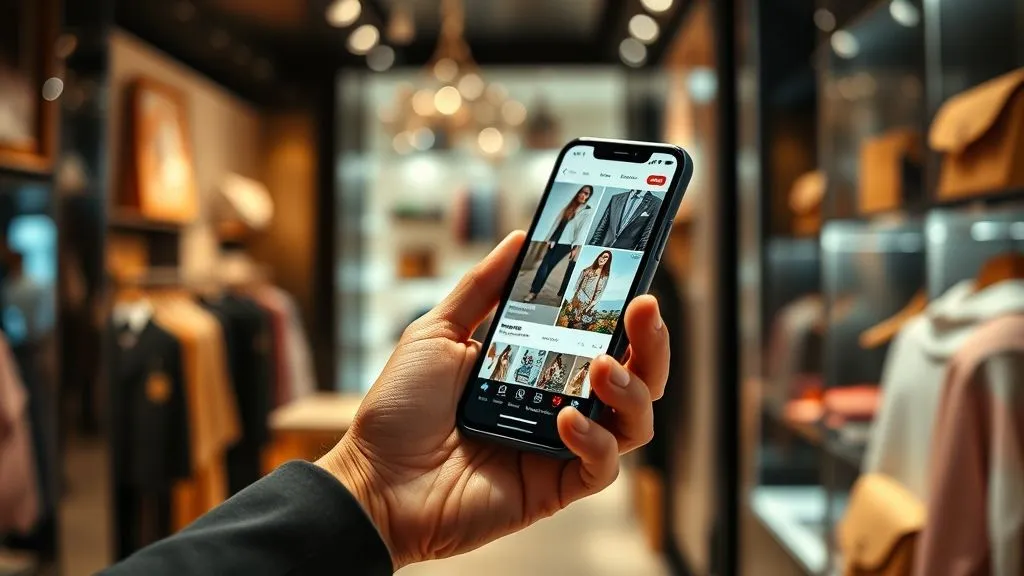
How to Convert Social Media Fashion Followers into Paying Clients?
For over 15 years in the dynamic world of fashion blogging and digital marketing, I've witnessed a common, disheartening scenario: immensely talented fashion influencers and brands amass colossal followings on social media, yet struggle to translate that impressive reach into tangible revenue. It's a classic case of 'vanity metrics' overshadowing the true potential for business growth. The likes, comments, and shares are intoxicating, but if they don't lead to sales, they're merely applause, not profit.
The pain point is palpable. Many feel trapped on a content treadmill, constantly creating without a clear, effective pathway to monetization. They invest countless hours in styling, photography, and engagement, only to find their sales figures remain stagnant, leaving them questioning their entire strategy. It's frustrating to know your audience loves your content but isn't buying your recommendations or products.
But what if I told you there's a strategic, proven framework to bridge this gap? In this definitive guide, I'll share the actionable steps, expert insights, and real-world strategies I've honed over years, showing you precisely how to transform your engaged social media fashion followers into loyal, paying clients. We'll move beyond mere influence to measurable income, offering you the tools to build a sustainable, profitable fashion business.
Understanding Your Fashion Follower: Beyond the Like Button
The first, and arguably most critical, step in converting followers into clients is to genuinely understand who your followers are. I'm not just talking about demographics – age, gender, location. While foundational, that's merely scratching the surface. To truly unlock their purchasing power, you need to delve into psychographics: their aspirations, pain points, lifestyle choices, values, and their relationship with fashion itself.
Think of it this way: a 25-year-old in New York might follow you for different reasons than a 25-year-old in London, even if their demographics are identical. One might be seeking sustainable fashion advice, while the other is focused on luxury trendspotting. Your content, and subsequently your sales approach, must resonate with these underlying motivations.
"Authentic conversion begins with deep empathy. Understand your audience's desires better than they understand them themselves, and you'll naturally offer solutions they're eager to buy." - [Your Expert Persona]
To gather these insights, go beyond analytics. Engage in conversations, run polls, analyze comment sentiment, and even conduct direct surveys. Look for patterns in what content performs best, what questions are frequently asked, and what problems your audience expresses. Are they seeking affordability, exclusivity, ethical production, or unique style inspiration? Understanding these nuances allows you to tailor your offerings and messaging with surgical precision.
- Demographics: Age, gender, location, income level.
- Psychographics: Values, interests, lifestyle, aspirations, pain points, buying habits.
- Engagement Patterns: What content types resonate most? What questions do they ask?
- Feedback: Direct messages, comments, survey responses.

Building Authentic Engagement: The Bridge to Trust
Once you understand your audience, the next step is to cultivate genuine engagement. This isn't about chasing viral trends; it's about building relationships and fostering a sense of community. Remember, people buy from people and brands they know, like, and trust. Social media is the perfect platform for building that trust, but it requires more than just posting pretty pictures.
I've seen countless brands with stunning visuals but zero interaction. That's a missed opportunity. True engagement involves dialogue. Ask questions, respond thoughtfully to comments and DMs, run interactive polls and quizzes, and go live to answer questions in real-time. Share behind-the-scenes glimpses of your creative process, your values, or even your daily life. This humanizes your brand and makes your followers feel invested.
According to a recent Sprout Social report, brands that consistently engage with their audience see higher loyalty and a greater likelihood of purchase. It's not just about being present; it's about being *responsive* and *relatable*. This consistent, authentic interaction builds a reservoir of goodwill that is essential for conversion.
- Respond to Every Comment & DM: Show you value their input. Personalize your responses.
- Run Interactive Stories: Use polls, quizzes, 'ask me anything' stickers to gather insights and spark conversations.
- Go Live Regularly: Host Q&A sessions, style talks, or product showcases. This builds a strong, immediate connection.
- Share User-Generated Content (UGC): Feature your followers wearing your products or inspired by your styling. This builds social proof and community.
- Create Engaging Captions: Ask open-ended questions that encourage discussion, not just emojis.
Case Study: How 'ChicThreads' Transformed Engagement into Leads
ChicThreads, a boutique online retailer specializing in sustainable fashion, initially struggled with converting their 50k Instagram followers. Their content was beautiful, but engagement was low. By implementing a new strategy focused on interactive stories, weekly live Q&A sessions about ethical fashion, and actively featuring follower-submitted style photos, they saw a dramatic shift. Within six months, their average comment rate per post increased by 150%, and their DM inquiries about products surged by 200%. This direct engagement led to a 30% increase in newsletter sign-ups and a 15% uplift in direct sales, proving that active community building directly fuels the sales pipeline.
Crafting Irresistible Value: From Inspiration to Indispensability
In the crowded fashion landscape, simply showcasing products isn't enough. To convert followers, you must offer irresistible value that goes beyond the garment itself. Your goal is to move from being a source of inspiration to being an indispensable resource or solution for your audience's fashion needs. This is where your expertise as a fashion specialist truly shines.
Instead of just saying, "Buy this dress," explain *why* it's a must-have. Is it versatile? Does it solve a common wardrobe dilemma? Does it align with a specific trend or lifestyle? Provide comprehensive styling tips, demonstrate multiple ways to wear a single item, offer advice on building a capsule wardrobe, or share insights into sustainable fashion practices. Position yourself as the trusted authority who can solve their fashion problems and elevate their style.
"The most successful fashion brands don't just sell clothes; they sell confidence, identity, and a lifestyle. Your content should reflect this aspirational value at every touchpoint." - [Your Expert Persona]
Consider creating different content pillars that offer various forms of value: educational content (e.g., "How to identify quality fabrics"), inspirational content (e.g., "5 ways to style a trench coat"), and aspirational content (e.g., "Luxury resort wear for your next getaway"). Each piece of content should subtly guide your audience closer to seeing your offerings as the solution they've been seeking.

The Seamless Sales Funnel: Guiding Them to Purchase
Even with great content and engagement, conversion won't happen magically. You need a clear, low-friction sales funnel that gently guides your followers from initial interest to final purchase. This isn't about being pushy; it's about creating a natural progression where each step feels like a logical next move for the follower.
Think of your social media presence as the top of the funnel – the awareness and interest stage. Here, you're building brand recognition and generating curiosity. The challenge is to then lead them to the consideration and conversion stages, which often happen off-platform or through specific calls-to-action within your social content.
A well-designed funnel might involve micro-conversions before the main purchase. For example, inviting followers to sign up for an exclusive style guide (lead magnet), join a private community, or attend a virtual styling workshop. These smaller commitments build trust and provide you with valuable contact information, allowing for more direct communication and nurturing.
As HubSpot emphasizes, a clear sales process reduces friction and increases conversion rates. Your social media strategy should be integrated into this larger sales journey.
- Awareness (Social Media Posts): Inspire, educate, entertain. Use strong visuals and engaging captions.
- Interest (Link in Bio/Swipe Up): Direct them to a specific landing page, product collection, or lead magnet.
- Consideration (Email List/Website Visit): Offer more detailed information, exclusive content, or personalized recommendations via email or your blog.
- Conversion (Product Page/Checkout): Ensure your product pages are optimized, clear, and have a seamless checkout process.
- Loyalty (Post-Purchase Engagement): Follow up with thank-you notes, loyalty programs, or exclusive previews for repeat purchases.
| Funnel Stage | Social Media Content | Desired Action |
|---|---|---|
| Awareness | Inspirational Style Reels, Trend Breakdowns | Like, Comment, Follow |
| Interest | 'Shop the Look' Posts, Product Spotlights | Click Link in Bio, Visit Landing Page |
| Consideration | Behind-the-Scenes, Testimonials, Live Q&A | Sign up for Newsletter, Add to Cart |
| Conversion | Limited Time Offers, Direct Product Links | Complete Purchase |
| Loyalty | Exclusive Community Invites, Early Access | Repeat Purchase, Referrals |
Leveraging Scarcity & Urgency: The Psychological Push
Once you've nurtured your followers through the funnel, sometimes a gentle nudge is all that's needed to convert them into paying clients. This is where the ethical application of scarcity and urgency comes into play. These psychological triggers, when used genuinely and sparingly, can be incredibly effective in prompting a purchase decision.
Scarcity creates a fear of missing out (FOMO) – the idea that an item or opportunity is limited and might soon be gone. Urgency adds a time-sensitive element, implying that the window for action is closing. Together, they can motivate hesitant buyers to commit.
However, I must stress the importance of authenticity here. Falsely creating scarcity or urgency can damage your brand's trust and credibility. Only use these tactics when they are genuinely applicable, such as for limited-edition collections, seasonal sales, or exclusive early bird access to new drops.
"Ethical scarcity and urgency are about respecting your audience's time and desire for unique access, not manipulating them into a purchase they'll regret." - [Your Expert Persona]
Examples include "Limited stock available," "Sale ends in 24 hours," "Only 50 pieces of this exclusive design," or "Early bird access for newsletter subscribers for the next 48 hours." Pair these messages with clear, compelling visuals and a direct call-to-action. This creates a sense of immediate value and encourages prompt decision-making.
- Limited Edition Drops: Exclusive collections with a finite number of pieces.
- Flash Sales: Short-duration discounts on specific items.
- Early Bird Access: Offering special access or pricing to a select group (e.g., email subscribers) before a general launch.
- Seasonal Collections: Emphasizing that items are only available for a specific season.
- Inventory-Based Scarcity: Showing low stock alerts for popular items.
Personalized Outreach & Community Building: The Human Touch
In an increasingly automated world, the human touch remains a powerful differentiator. While broad social media campaigns are essential, personalized outreach and the cultivation of an exclusive community can significantly accelerate follower-to-client conversion. This is where you move beyond broadcasting to truly connecting one-on-one.
Direct messages are not just for customer service; they are powerful sales tools. When a follower asks a question about an outfit or expresses interest in a product, engage them personally. Offer tailored recommendations based on their stated preferences or past interactions. This level of personalized attention makes them feel seen and valued, vastly increasing their likelihood of purchasing.
Beyond individual messages, consider creating exclusive, private communities. This could be a private Facebook group, a Discord server, or even a WhatsApp broadcast list. In these spaces, you can offer members-only content, early access to new collections, exclusive discounts, or even host intimate virtual styling sessions. This fosters a strong sense of belonging and loyalty, transforming casual followers into dedicated brand advocates and repeat customers. As a Gartner study suggests, communities are vital for customer retention and advocacy.

Analyzing, Adapting, and Optimizing: The Data-Driven Approach
The journey from follower to client is rarely a straight line. It's an iterative process that requires constant analysis, adaptation, and optimization. Relying on intuition alone is a recipe for stagnation. To consistently convert, you must become fluent in your data and willing to pivot your strategies based on what the numbers tell you.
This means regularly diving into your social media analytics, website traffic data, and sales reports. Which posts generated the most clicks to your product page? What content led to the highest engagement but not necessarily sales? Where are potential clients dropping off in your sales funnel? Understanding these metrics is crucial for identifying bottlenecks and opportunities.
Don't be afraid to A/B test different calls-to-action, content formats, or even landing page designs. Small tweaks, when informed by data, can lead to significant improvements in conversion rates. The fashion industry is dynamic; what worked last season might not work this one. Your strategy must be agile and responsive to both audience behavior and market trends.
- Track Key Metrics: Monitor click-through rates (CTR) from social media to your website, conversion rates, average order value, and customer lifetime value.
- Analyze Funnel Drop-offs: Identify where potential clients are abandoning the purchase process. Is it the product page, the cart, or checkout?
- A/B Test Everything: Experiment with different headlines, images, calls-to-action, and ad copy.
- Listen to Feedback: Combine quantitative data with qualitative feedback from surveys and customer service interactions.
- Regularly Review & Adapt: Schedule monthly or quarterly reviews of your strategy and adjust based on performance and market changes.
| KPI | Definition | Benchmark (Fashion) |
|---|---|---|
| Social Media CTR | Clicks to website / Impressions | 1-3% |
| Conversion Rate | Purchases / Website Visitors | 1-2% |
| Average Order Value (AOV) | Total Revenue / Number of Orders | Varies by price point |
| Customer Lifetime Value (CLTV) | Total revenue a customer is expected to generate | Higher is always better |
| Engagement Rate | (Likes + Comments) / Followers | 2-5% |
Frequently Asked Questions (FAQ)
Q: How do I balance authentic content with sales pitches without alienating my fashion followers? The key is integration, not interruption. Your sales pitches should feel like a natural extension of your authentic content. Instead of a hard sell, focus on providing value and solving problems. For example, if you're discussing 'winter wardrobe essentials,' subtly weave in links to the specific essential items you're selling, explaining why they're the best choice. Use storytelling around your products and show them in real-life contexts. The 80/20 rule often applies: 80% value-driven content, 20% promotional.
Q: What if my fashion niche is very small or hyper-specific? Can these strategies still work? Absolutely, and often even better! A niche audience is typically more engaged and has very specific needs, making them ideal for conversion. The strategies of deep audience understanding, authentic engagement, and personalized outreach become even more powerful. You can tailor your value proposition with extreme precision, becoming the go-to authority in that specific niche. Focus on building an incredibly loyal, albeit smaller, community, and their conversion rates will often outperform larger, less targeted audiences.
Q: How important are paid ads in this conversion strategy, or can I rely solely on organic reach? While organic reach is foundational for building trust and community, paid ads can significantly amplify your conversion efforts, especially once you have a clear understanding of your audience and what converts them. Think of paid ads as fuel for your well-tuned engine. They allow you to reach a wider, yet targeted, audience who might be in the 'consideration' or 'intent' phase, accelerating their journey through your sales funnel. Start with organic, refine your message, and then strategically use paid ads for retargeting or expanding reach to lookalike audiences.
Q: What's the biggest mistake fashion bloggers make when trying to convert followers into clients? In my experience, the biggest mistake is focusing solely on product presentation without building sufficient trust and value first. Many jump straight to "Shop now!" without having cultivated a relationship or demonstrated why their offering is truly valuable or different. They treat social media as a catalog instead of a community hub. Without that foundation of trust and demonstrated expertise, followers remain just that – followers, not buyers. You must earn their attention and respect before you can ask for their wallet.
Q: How long does it typically take to see results from implementing these conversion strategies? Results can vary widely depending on your starting point, audience size, consistency, and the quality of your implementation. However, you should start seeing incremental improvements in engagement and click-through rates within 1-3 months. Significant conversion rate increases and a noticeable impact on revenue typically require a more sustained effort, often becoming evident within 6-12 months. It's a marathon, not a sprint, requiring consistent effort and data-driven adjustments.
Key Takeaways and Final Thoughts
- Know Your Audience Deeply: Go beyond demographics to understand psychographics, pain points, and aspirations.
- Prioritize Authentic Engagement: Build relationships, foster community, and respond genuinely to build trust.
- Offer Irresistible Value: Position yourself as an indispensable resource, not just a product showcase.
- Design a Seamless Sales Funnel: Guide followers logically from awareness to purchase with clear calls-to-action.
- Use Scarcity & Urgency Ethically: Motivate action with genuine, time-sensitive offers.
- Embrace Personalization & Community: Connect one-on-one and build exclusive spaces for loyalty.
- Be Data-Driven: Continuously analyze, adapt, and optimize your strategies based on performance metrics.
Converting social media fashion followers into paying clients isn't a mystical art; it's a strategic, empathetic, and data-driven process. By consistently implementing these expert-level strategies, you'll not only transform your social media presence into a powerful revenue-generating machine but also build a loyal, engaged community that champions your brand. The runway to success is clear – it's time to walk it with confidence and convert those admirers into customers.
Recommended Reading
- 7 Proven Ways to Slash Toddler Outfit Returns: Sizing Solutions
- 7 Proven Strategies: Preventing Smart Clothing Sensor Failure During Repeated Washing
- Unlock the Secrets: Your Ultimate Guide to Commissioning Haute Couture
- 5 Steps to Source Eco-Friendly Textiles for Performance Running Gear
- Unraveling the Fabric: What Challenges Hinder Sustainable Textile Innovation?




Your email address will not be published. Required fields are marked *