


Preventing Smart Clothing Sensor Failure During Repeated Washing? My Expert Guide
For over 15 years in the fashion technology space, I've witnessed the incredible evolution of smart clothing. From performance-enhancing activewear to health-monitoring garments, the potential is boundless. Yet, I've also seen a recurring Achilles' heel for many early adopters: the disheartening failure of integrated sensors, often after just a few laundry cycles.
The promise of smart clothing is its seamless integration into our daily lives, but that promise shatters when a £200 smart shirt becomes a regular shirt because its heart rate monitor stopped working after its third wash. This isn't just an inconvenience; it's a significant barrier to mainstream adoption and a costly problem for consumers and manufacturers alike.
In this definitive guide, I'll share my accumulated wisdom and practical frameworks for effectively preventing smart clothing sensor failure during repeated washing. We’ll delve into material science, care protocols, and even design considerations, offering you actionable insights to extend the life and functionality of your valuable wearable tech.
Understanding the Enemy: Why Sensors Fail in the Wash
Before we can prevent sensor failure, we must understand its root causes. It's not always about outright water ingress, though that's a common culprit. Often, it's a more insidious combination of mechanical stress, chemical exposure, and thermal shock that degrades sensor integrity over time.
The Triple Threat: Water, Mechanics, and Chemicals
When smart clothing goes into a washing machine, it's subjected to a rigorous environment. Water, even if the garment is rated 'washable,' can find its way into microscopic cracks or imperfect seals, especially under pressure. The mechanical agitation of the wash cycle, coupled with the spin cycle's centrifugal forces, can put immense strain on delicate connections, conductive threads, and encapsulated components. Furthermore, harsh detergents and fabric softeners contain chemicals that can corrode metallic contacts, degrade polymer coatings, or alter the electrical properties of sensing elements.
"The true test of smart clothing isn't its initial functionality, but its sustained performance through the mundane rigors of everyday life – and laundry is a major one."
It's a complex interplay. A sensor might be perfectly waterproof on its own, but when integrated into a flexible fabric that stretches and contracts, those seals can be compromised. This understanding forms the bedrock of our preventative strategies.
Proactive Purchasing: Choosing Wash-Resilient Smart Clothing
The first line of defense against sensor failure begins even before you make a purchase. As an industry specialist, I can tell you that not all 'washable' smart clothing is created equal. Astute consumers look for specific indicators of durability.
Key Features to Look For:
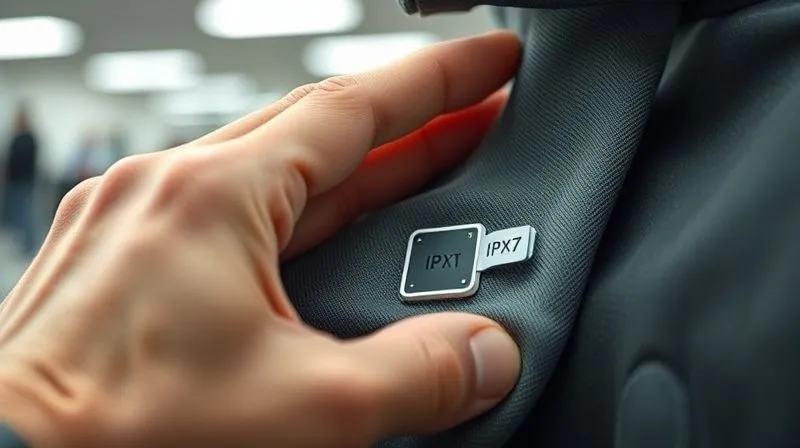
- IP Rating: While often associated with phones, some smart garments or their modular components carry an IP (Ingress Protection) rating. An IPX7 or higher indicates significant water resistance, making it suitable for submersion.
- Modular Design: Garments with removable sensor modules are a game-changer. These allow you to simply pop out the electronics before washing the textile, eliminating the risk entirely.
- Encapsulation Technology: Research how the sensors are integrated. Are they merely sewn on, or are they fully encapsulated within a flexible, waterproof polymer? Look for terms like 'seamless integration,' 'fully embedded,' or 'laminated electronics.'
- Conductive Yarn Quality: If conductive threads are used, inquire about their durability. Some advanced conductive yarns are designed to withstand thousands of flex cycles and repeated washing without degradation.
According to a recent market analysis by Grand View Research, the demand for truly washable and durable smart textiles is a key driver for market growth, pushing manufacturers towards more robust integration methods.
Mastering the Pre-Wash Ritual: Essential Preparations
Even with the most robust smart clothing, proper preparation before washing is paramount. This isn't just about reading the label; it's about understanding the vulnerabilities and taking specific steps to mitigate them.
- Remove All Removable Components: This is non-negotiable. Batteries, sensor pods, Bluetooth transmitters – if it can be detached, detach it. Store these components safely and dry.
- Close All Zippers, Snaps, and Velcro: These can snag on delicate sensor wiring or conductive pathways during agitation, causing mechanical damage.
- Turn Garment Inside Out: This protects the outer surface, which often houses more visible or exposed sensor elements, from abrasion. It also helps protect any delicate prints or logos.
- Place in a Mesh Laundry Bag: This acts as a protective barrier, reducing friction and preventing the garment from getting tangled with other items in the wash. Choose a bag with a fine mesh to prevent snags.
- Check for Loose Threads or Damage: Before washing, inspect the garment for any signs of wear, loose stitching around sensor areas, or small tears. Washing a compromised garment will only exacerbate the problem.
Case Study: How 'ActiveSense' Extended Product Life
ActiveSense, a startup producing smart compression sleeves for athletes, faced significant sensor failure rates within the first year. By implementing a strict pre-wash ritual – specifically emphasizing the removal of their snap-in sensor module and recommending mesh bags – they saw a 60% reduction in warranty claims related to washing damage. This proactive education, combined with their modular design, transformed their customer satisfaction and product longevity.
The Gentle Cycle Advantage: Optimized Washing Settings
The washing machine settings you choose are critical. Aggressive cycles, high temperatures, and harsh detergents are the enemies of integrated electronics.
Recommended Washing Parameters:
| Setting | Recommendation | Reason |
|---|---|---|
| Water Temperature | Cold Water (30°C/86°F or less) | Minimizes thermal shock and prevents degradation of adhesives, polymers, and delicate electronic components. |
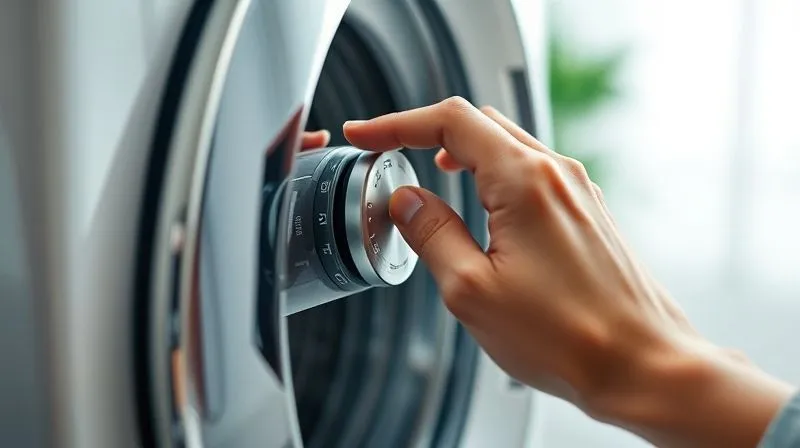
| Wash Cycle | Delicate/Gentle Cycle | Reduces mechanical stress and agitation, protecting sensors from excessive flexing and impact. |
| Detergent Type | Mild, pH-neutral, non-bio detergent | Avoids harsh chemicals that can corrode metallic contacts or degrade insulating layers. |
| Fabric Softener | Avoid entirely | Can leave residues that interfere with sensor conductivity and breathability. |
| Spin Speed | Low Spin Speed | Minimizes centrifugal force on integrated electronics, reducing mechanical strain. |
I always advise against using bleach or strong stain removers directly on smart fabric areas. If a stain is localized, try spot-cleaning with a mild solution before washing the entire garment, always testing on an inconspicuous area first.
The Drying Dilemma: Air-Drying is Your Best Friend
While washing poses significant risks, improper drying can be equally, if not more, damaging to smart clothing sensors. The high heat and tumbling action of a conventional dryer are often a death sentence for integrated electronics.
Why Tumble Drying is a No-Go:
- Excessive Heat: High temperatures can melt or deform plastic components, degrade adhesive bonds, and damage sensitive electronic circuits. This is particularly true for temperature-sensitive sensors.
- Mechanical Stress: The constant tumbling and impact against the dryer drum or other clothes can cause significant mechanical stress, leading to fractured connections or dislodged components.
- Static Electricity: The dry, tumbling environment of a dryer can generate static electricity, which can potentially damage delicate electronic components through electrostatic discharge (ESD).
My unwavering recommendation is always to air-dry smart clothing. Lay the garment flat on a clean, dry surface or hang it on a non-metal hanger, away from direct sunlight or extreme heat sources. Ensure good air circulation to facilitate even drying. This slow, gentle process preserves the integrity of all integrated elements.
"Patience in drying your smart garments is not just a virtue; it's a necessity for their longevity."
Advanced Material Solutions: The Future of Washable Wearables
While consumer care is crucial, the industry itself is rapidly innovating to address the washing challenge. As an expert, I'm excited by the advancements in material science and engineering that are making smart clothing more robust.
Emerging Technologies for Enhanced Durability:
- Self-Healing Polymers: Researchers are developing polymers that can automatically repair microscopic cracks or punctures, enhancing the longevity of sensor encapsulation.
- Encapsulation Innovations: New flexible, highly durable encapsulation materials are being developed that can withstand thousands of flex cycles and resist chemical degradation from detergents.
- Printed Electronics: Instead of traditional rigid PCBs, advancements in printed electronics allow for circuits and sensors to be directly printed onto flexible substrates or even textiles, making them inherently more integrated and less prone to mechanical failure.
- Wireless Power Transfer: Eliminating physical charging ports can reduce a major point of ingress for water and a common failure point.
Companies like DuPont are at the forefront of developing advanced materials for printed and flexible electronics, paving the way for truly robust smart textiles. The goal is to make the entire garment, including its electronic components, as durable and washable as a conventional textile.

The Role of Software and Diagnostics: Early Warning Systems
Beyond physical care, software and diagnostic tools are increasingly playing a role in preventing catastrophic sensor failure. Think of it as an early warning system for your smart clothing.
Leveraging Diagnostics for Longevity:
| Feature | Description | Benefit |
|---|---|---|
| Sensor Health Monitoring | Some advanced smart clothing apps can monitor the electrical resistance or signal integrity of sensors, alerting users to potential degradation before complete failure. | Allows for proactive intervention or replacement, preventing data loss. |
| Firmware Updates | Manufacturers can push updates to optimize sensor performance, improve power management, and sometimes even enhance resilience to environmental factors. | Ensures optimal operation and addresses known vulnerabilities. |
| Usage Analytics | Tracking how often a garment is worn and washed can help manufacturers refine durability standards and inform users about expected lifespans. | Provides insights for both consumers and product developers. |
| Error Logging | Internal systems can log instances of unusual sensor readings or connectivity issues, which can be shared with support for diagnostics. | Facilitates faster and more accurate troubleshooting. |
I encourage users to regularly check their smart clothing's companion app for any diagnostic alerts or available firmware updates. A proactive approach to software maintenance can significantly contribute to the hardware's longevity.
Long-Term Care and Storage: Beyond the Wash Cycle
Preventing smart clothing sensor failure during repeated washing isn't just about the wash cycle itself; it's also about how you treat your garments in between. Proper storage and handling are crucial for maintaining integrity.
Best Practices for Storage and Handling:
- Avoid Cramped Spaces: Don't stuff smart clothing into tightly packed drawers where constant pressure and creasing can stress integrated electronics.
- Proper Folding/Hanging: Fold garments along natural seams, avoiding sharp creases directly over sensor areas. If hanging, use padded hangers to prevent stretching or deforming the fabric.
- Control Environmental Factors: Store smart clothing in a cool, dry place, away from extreme temperatures, high humidity, and direct sunlight. These conditions can degrade materials and electronics over time.
- Periodic Cleaning (Even if Not Visibly Dirty): Dust and skin oils can accumulate, potentially interfering with some sensor types. A gentle hand wash or wipe-down can be beneficial, following all previous guidelines.
- Follow Manufacturer's Specific Guidelines: Always refer to the care label and user manual provided by the manufacturer. They often have specific recommendations tailored to their product's unique design and materials. For example, some specialized garments might have unique charging or calibration procedures that impact longevity.
As Harvard Business Review highlighted, the Internet of Things (IoT) demands a holistic approach to product lifecycle, where post-purchase care is as important as the initial design.
Frequently Asked Questions (FAQ)
Question? Can I use a garment steamer on my smart clothing?
Answer: I generally advise caution. While a steamer uses less direct heat than an iron, the concentrated steam can introduce moisture and high temperatures that may still harm delicate sensors or their encapsulation. If you absolutely must, ensure any removable components are taken out, and apply steam sparingly and from a distance, focusing only on the fabric and avoiding direct contact with sensor areas. Always check the manufacturer's specific guidelines, as some may explicitly forbid it.
Question? My smart clothing has a small tear near a sensor. Can I repair it?
Answer: Repairing smart clothing, especially near sensors, is extremely difficult and often not recommended. Even a small tear can compromise the integrity of the sensor's encapsulation or expose conductive pathways. Attempting to sew or patch it yourself could cause further damage or short circuits. Your best bet is to contact the manufacturer's support for advice. They might offer repair services or guidance specific to their product.
Question? Are all smart clothing sensors equally vulnerable to washing damage?
Answer: No, vulnerability varies significantly. Sensors that are fully encapsulated within durable, flexible polymers or those designed as removable modules are generally far more resilient than those that rely on exposed conductive threads or surface-mounted components. The type of sensor also matters; some, like pressure sensors, might be more susceptible to mechanical stress than optical sensors, for example. Always research the specific integration method of your garment.
Question? What's the expected lifespan of smart clothing, considering repeated washing?
Answer: This is highly variable, depending on the quality of the garment, the technology integrated, and adherence to care instructions. High-quality smart clothing, with proper care, could potentially last as long as a conventional garment (e.g., 2-5 years). However, early-generation or lower-cost items might see sensor degradation after as few as 20-50 washes. The industry is striving for 100+ wash cycles without performance loss, but we're not universally there yet. Look for manufacturer claims on wash cycle durability.
Question? Does hand washing offer better protection than machine washing for smart clothing?
Answer: In many cases, yes. Hand washing, when done correctly and gently, provides greater control over mechanical agitation, water temperature, and detergent application. It significantly reduces the stress on sensors compared to even a delicate machine cycle. If your smart clothing is particularly delicate or you're concerned about its longevity, hand washing is often the safest option, provided you follow all other care guidelines regarding temperature and detergent.
Key Takeaways and Final Thoughts
- Proactive Choices: Start with purchasing durable, wash-resilient smart clothing with features like high IP ratings or modular designs.
- Rigorous Preparation: Always remove components, close fasteners, turn inside out, and use a mesh bag.
- Gentle Washing: Opt for cold water, delicate cycles, mild detergents, and absolutely no fabric softener.
- Air-Dry Exclusively: Avoid tumble dryers at all costs to prevent heat and mechanical damage.
- Embrace Innovation: Be aware of new material science and encapsulation techniques that are improving durability.
- Utilize Diagnostics: Leverage companion apps for sensor health monitoring and firmware updates.
- Holistic Care: Proper storage and handling outside the laundry room are equally vital for longevity.
Preventing smart clothing sensor failure during repeated washing isn't just a chore; it's an investment in the longevity and functionality of your advanced garments. By adopting these expert-backed strategies, you're not just protecting your purchase; you're helping to push the entire fashion technology industry forward by demonstrating the demand for durable, truly integrated wearables. Embrace these practices, and your smart clothing will continue to serve you, wash after wash, cycle after cycle.
Recommended Reading
- Thrift Store Gold: 7 Quick Ways to Spot Undervalued Vintage Gems
- 7 Proven Strategies: Ethically Sourcing Rare Gemstones for Sustainable Jewelry Lines
- Unlock Profit: 9 Ways to Scale Your Personal Style Blog into a Thriving Business
- 7 Steps: Predict Sunglasses Trends & Avoid Dead Stock Profitably
- 7 Proven Strategies for Consistent Waste Streams in Upcycled Fashion




Your email address will not be published. Required fields are marked *