

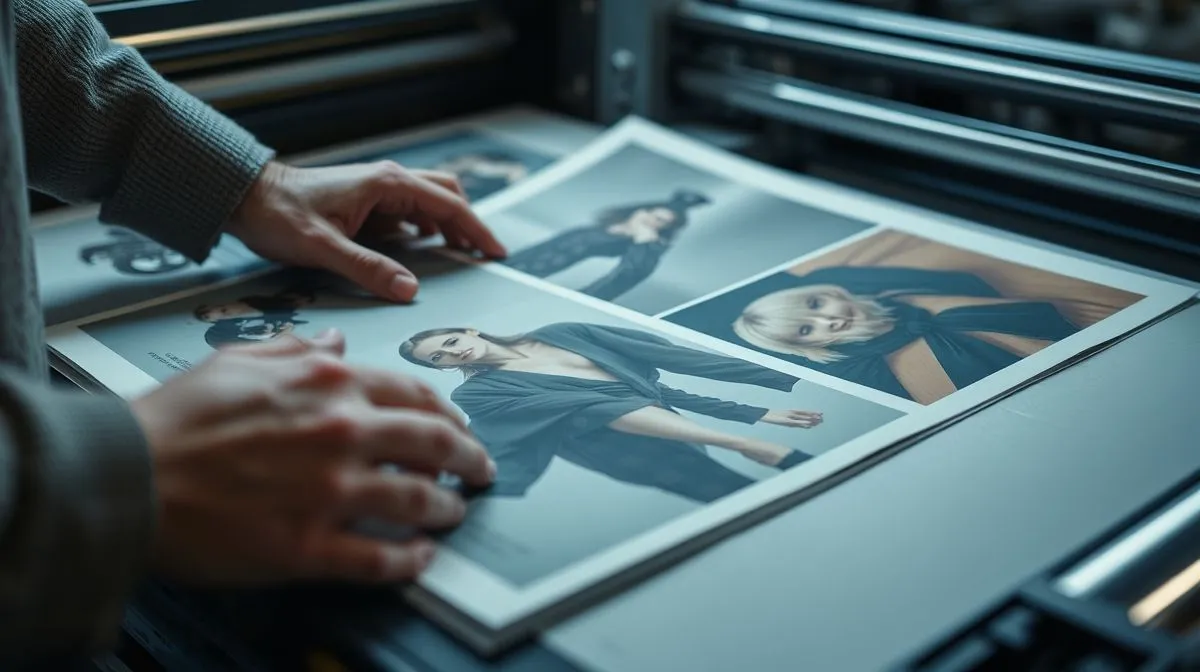
How to Get Your Fashion Editorial Published?
Have you ever flipped through the glossy pages of a high-fashion magazine, or scrolled through a prestigious online publication, and found yourself captivated by the stunning imagery, the evocative storytelling, and the sheer artistry of a fashion editorial? Perhaps you've dreamed of seeing your own creative vision brought to life within those coveted pages, your work admired by thousands, even millions.
The journey from concept to publication, however, often feels shrouded in mystery, a daunting maze of industry gatekeepers and unwritten rules. For many aspiring photographers, stylists, and creative directors, the burning question is precisely this: how to get your fashion editorial published? It's a challenge that demands not just artistic talent, but also strategic thinking, meticulous planning, and relentless persistence.
This definitive guide aims to demystify that process. By the end of this reading, you will possess a comprehensive understanding of the editorial landscape, learn how to craft an irresistible portfolio, master the art of the pitch, and navigate the often-bumpy road to seeing your fashion editorial dreams become a tangible reality. We'll equip you with the insights and actionable steps needed to elevate your work from passion project to published masterpiece.
Understanding the Editorial Landscape
What is a Fashion Editorial?
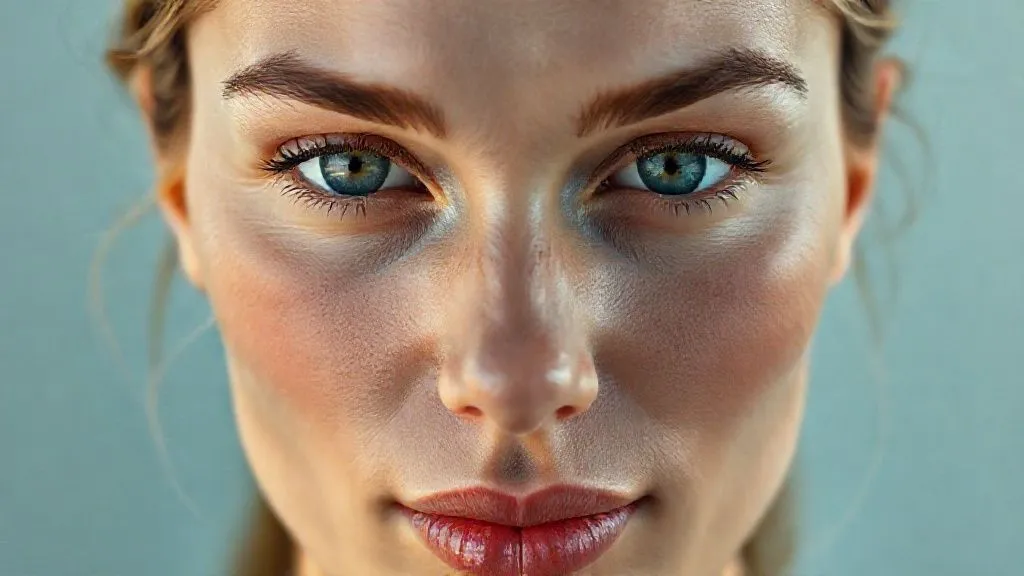
At its core, a fashion editorial is a narrative told through fashion photography. Unlike commercial campaigns, which aim to sell specific products, editorials prioritize artistic expression, storytelling, and the exploration of themes, trends, or concepts. They often feature multiple looks, locations, and a cohesive visual story, designed to inspire and inform the reader about current or upcoming fashion directions. It's a collaborative art form, involving photographers, stylists, models, hair and makeup artists, and creative directors.
Why Get Published? Credibility and Exposure
Publication in a reputable magazine or online platform offers immense benefits. Firstly, it provides unparalleled credibility and validation for your work, signaling to potential clients and collaborators that your vision is professional and noteworthy. Secondly, it offers significant exposure, putting your work in front of a wider audience, including industry professionals, brands, and agencies who might otherwise never discover you. Published work also serves as a powerful testament to your skills, enriching your portfolio and opening doors to new opportunities.
Types of Publications: Print vs. Digital, Niche vs. Mainstream
The world of fashion publishing is diverse. Print magazines, from high-end glossies like Vogue and Harper's Bazaar to independent art and fashion journals, offer a tactile, lasting presence. Digital platforms, including online magazines, fashion blogs, and brand websites, provide immediate global reach and often have more flexible submission guidelines. You'll also encounter niche publications, which cater to specific aesthetics, subcultures, or geographical regions, and mainstream publications, which target a broader audience. Understanding these distinctions is crucial for tailoring your submissions effectively.
Building Your Unstoppable Portfolio
Quality Over Quantity
When it comes to your portfolio, less is often more. Editors are inundated with submissions, and they don't have time to sift through mediocre work. Focus on showcasing only your absolute best, most impactful images. Each image should be a testament to your skill, creativity, and unique artistic voice. Think of your portfolio as a curated exhibition, not a complete archive of everything you've ever shot. For more insights on curating a strong portfolio, consider resources from reputable photography associations or educational institutions, such as this guide on building a fashion portfolio from UAL.
Curating Your Best Work
Select images that demonstrate versatility while maintaining a cohesive aesthetic. Include a range of lighting techniques, styling approaches, and emotional tones. Ensure your portfolio tells a story about who you are as an artist. Remove anything that doesn't align with the level of quality you aspire to, or that doesn't fit the type of work you want to attract.
The Importance of a Cohesive Vision
Editors look for artists with a strong, identifiable vision. Your portfolio should not just be a collection of disparate images, but a reflection of your unique perspective. This cohesion can come from recurring themes, a consistent color palette, a particular stylistic approach, or a signature mood. Developing this vision takes time and self-reflection, but it's what will make your work memorable.
Test Shoots and Creative Collaborations
Don't wait for paid gigs to build your portfolio. Test shoots are invaluable opportunities to experiment, push creative boundaries, and produce editorial-quality content. Collaborate with other emerging talents—stylists, makeup artists, models, and designers—who share your ambition. These collaborations are not only cost-effective but also foster a dynamic environment for creating innovative work that might just catch an editor's eye.
Crafting the Perfect Editorial Concept
Researching Trends and Themes
Editors are always looking for fresh, relevant content. Stay abreast of current fashion trends, social narratives, and cultural movements. Read reputable fashion news sites like The Business of Fashion or Vogue Business, and observe what's happening on runways and in street style. However, don't just copy; interpret these trends through your unique lens to create something original and compelling.
Developing a Unique Narrative
Every great editorial tells a story. What is the narrative you want to convey? Is it about empowerment, fantasy, rebellion, or a specific historical period reinterpreted? A strong narrative provides a framework for your styling, location choices, and model direction, ensuring a cohesive and engaging final product. Think about the emotional journey you want your audience to experience.
Mood Boards and Pre-Production Planning
Before you even pick up your camera, create a detailed mood board. This visual collage should include inspiration for styling, hair and makeup, location, lighting, posing, and overall atmosphere. It serves as a blueprint for your entire team. Thorough pre-production planning, including shot lists, call sheets, and contingency plans, is essential for a smooth and successful shoot. This meticulous preparation demonstrates professionalism and foresight.
Assembling Your Dream Team (Stylist, MUA, Model)
An editorial is a collaborative effort. Your team is critical to the success of your vision. Seek out talented individuals whose work you admire and whose aesthetics align with yours. A skilled fashion stylist can transform garments into art, a talented makeup artist and hairstylist can define character, and an experienced model can bring your narrative to life. Clear communication and mutual respect are paramount for a harmonious and productive working relationship.
The Art of the Pitch: Reaching Out to Editors
Identifying Target Publications
Not every publication is right for every editorial. Research magazines and online platforms that align with your aesthetic, target audience, and the tone of your work. Study their past editorials: what kind of themes do they feature? What is their photographic style? Submitting to the right publication significantly increases your chances of success. For example, a high-concept, avant-garde shoot might be perfect for an independent art magazine but unsuitable for a mainstream commercial publication.
Finding the Right Editor
Once you've identified your target publications, find the specific editor responsible for fashion editorials or submissions. This is usually the Fashion Editor, Photo Editor, or Art Director. Avoid generic 'info@' email addresses. LinkedIn, publication mastheads, and industry directories can be valuable resources for finding direct contacts. A personalized approach always stands out.
Structuring Your Pitch Email (Concise, Professional)
Your pitch email is your first impression. Keep it concise, professional, and to the point. Editors are busy. The subject line should be clear and compelling, e.g., 'Editorial Submission: [Your Project Title] - [Your Name]'. In the body, briefly introduce yourself, explain why your editorial is a good fit for their publication, and provide a brief, compelling overview of your concept. Mention key team members and models. Attach a low-resolution PDF or link to a private online gallery of your best 5-10 images from the shoot. Do not send high-resolution files in the initial email unless requested, as they can clog inboxes.
What to Include in Your Submission (Low-res proofs, concept statement)
Your submission package should be easy to navigate. Include a concise concept statement (1-2 paragraphs) that summarizes your editorial's theme and narrative. Provide a curated selection of low-resolution proofs (usually JPGs, 72dpi, around 1500px on the longest side) that showcase the strength and coherence of your story. Ensure your contact information is clearly visible. Some publications may also require a full team credit list and a wardrobe list.
Navigating Rejection and Persistence
Learning from Feedback
Rejection is an inevitable part of the publication process. Don't take it personally. If an editor offers feedback, embrace it as a valuable learning opportunity. It might highlight areas for improvement in your photography, styling, or pitching strategy. Use constructive criticism to refine your approach for future submissions. Even if no specific feedback is given, analyze your submission critically and compare it to the work that does get published in your target magazines.
The Power of Follow-Up
Editors often have overflowing inboxes. A polite follow-up email a week or two after your initial submission is acceptable. Keep it brief, professional, and simply reiterate your interest and availability. Do not spam or send multiple follow-ups within a short period. There's a fine line between persistence and annoyance.
When to Revise and Resubmit
Sometimes, an editorial might be 'almost there' but not quite right for a specific publication. Based on feedback or your own critical review, consider if your editorial can be revised or re-edited to better suit another publication's aesthetic. Perhaps a different set of images tells a stronger story, or a slight tweak to the styling could make it more appealing. Don't be afraid to rework your creative output.
Exploring Alternative Platforms
If traditional avenues prove challenging, explore alternative platforms. Independent online magazines, niche blogs, and even self-publishing on your own website or social media can provide valuable exposure and allow you to build a following. Many established photographers started by creating their own platforms. The goal is to get your work seen, and there are more avenues than ever before to achieve that.
Leveraging Your Published Work
Promoting Your Editorial
Once your editorial is published, don't just sit back. Actively promote it! Share it across all your social media channels, tag the publication, the team members, and any brands involved. Write a blog post about the creative process behind the shoot. Send out a newsletter to your contacts. The more eyes on your published work, the greater the benefit to your career. This proactive promotion also shows publications that you are a valuable partner who helps extend their reach.
Updating Your Portfolio
Immediately update your online and physical portfolios with your newly published work. Clearly label it with the publication name and issue date. This fresh content keeps your portfolio current and demonstrates your ongoing success and industry relevance. Prospective clients and collaborators will see that your work is not only high-quality but also validated by industry gatekeepers.
Building Industry Relationships
Publication is not just about the images; it's about the relationships you build. Thank the editors and the publication team. Maintain positive communication. Attend industry events and network. These connections can lead to future opportunities, collaborations, and invaluable mentorship. A strong network is a cornerstone of a successful career in the fashion industry.
Common Pitfalls to Avoid on Your Publication Journey
Lack of Originality
The fashion world thrives on innovation. Submitting work that looks like everything else will likely lead to rejection. Strive for a unique perspective, a fresh take on a trend, or an entirely new concept. Editors want to be surprised and inspired. Don't just mimic what you see; infuse your own personality and artistic voice into every frame.
Poor Production Quality
Even the most brilliant concept can be undermined by poor execution. Ensure your photography is technically flawless, your styling is impeccable, and your hair and makeup are professional. Blurry images, inconsistent lighting, or ill-fitting garments will immediately signal a lack of professionalism. Investing in quality equipment and skilled collaborators is paramount.
Ignoring Submission Guidelines
This is a surprisingly common mistake. Every publication has specific submission guidelines regarding image size, file type, number of images, and contact methods. Failing to adhere to these rules demonstrates a lack of attention to detail and respect for the editor's time. Always read and follow the instructions meticulously; it's a basic sign of professionalism that can make or break your submission.
Impatience and Giving Up Too Soon
The path to publication is rarely a sprint; it's a marathon. Rejection is part of the process, and success often comes to those who persevere. Don't get discouraged by initial setbacks. Learn, adapt, refine your work, and keep submitting. The industry is competitive, but consistent effort and a genuine passion for your craft will eventually pay off. Mastering how to get your fashion editorial published requires resilience.
Frequently Asked Questions (FAQ)
How long does it typically take to hear back from an editor after submission? It varies widely, from a few days to several weeks, or even months. Some publications only contact you if they are interested. A polite follow-up after 1-2 weeks is generally acceptable.
Can I submit the same editorial to multiple magazines simultaneously? Generally, no. Most reputable publications require exclusive submissions for editorials, meaning they want to be the first to publish your work. Always check their specific guidelines regarding exclusivity.
What if my editorial gets accepted but I need to make changes? Editors often request minor edits or re-shoots to align with their vision or layout requirements. Be open to feedback and collaborative changes. It's part of the process of getting your work into their publication.
Do I get paid for fashion editorials? Often, especially for emerging artists, editorial work is not paid monetarily, but rather in exposure and tearsheets (the published pages). Payment for editorial work is more common for established photographers and larger publications. Always clarify this upfront.
Recommended Reading
- Eyewear for Sensitive Skin: Find Your Perfect, Irritation-Free Fit
- Unmasking Souls: What Costume Details Reveal Character Backstory?
- Top Picks: Discover the Best Contemporary Urban Streetwear Brands Now!
- Unlock the Secret: Tips for Long-Lasting Professional Stage Makeup?
- Shine On: How to Clean Diamond Jewelry at Home Safely (Easy Guide)
Conclusion
The journey to seeing your fashion editorial published is a testament to your artistic vision, perseverance, and strategic acumen. It's a path paved with creativity, collaboration, and often, a fair share of rejections. However, by understanding the editorial landscape, meticulously crafting an exceptional portfolio, mastering the art of the pitch, and learning from every experience, you significantly increase your chances of success. Remember, every published piece is not just a beautiful image; it's a stepping stone in your career, a validation of your talent, and a powerful statement to the world about your unique contribution to the realm of fashion. Keep creating, keep learning, and keep pushing the boundaries of your artistic expression. Your dream editorial is within reach.

Your email address will not be published. Required fields are marked *