


How to Prove Genuine Sustainability Claims for Vintage Fashion?
For over two decades in the vintage fashion industry, I've witnessed a remarkable transformation. What was once a niche pursuit has blossomed into a global movement, driven by a growing awareness of fashion's environmental impact. Yet, with this growth comes a critical challenge: the increasing difficulty in discerning genuine sustainability from mere marketing rhetoric, especially when it comes to vintage.
The problem is palpable. As more brands and individual sellers jump on the 'sustainable vintage' bandwagon, consumers are left questioning: Is this truly an eco-conscious choice, or am I falling for another case of greenwashing? The lack of standardized verification, coupled with the inherent mystery of a garment's past, creates a minefield for conscientious shoppers and honest sellers alike. This isn't just about trust; it's about the very integrity of the sustainable fashion movement.
That's why I've distilled my years of experience into a comprehensive framework designed to empower you. In this definitive guide, I will share actionable steps, delve into real-world verification techniques, and provide expert insights that will not only answer 'How to prove genuine sustainability claims for vintage fashion?' but equip you with the tools to confidently navigate the complex world of ethical vintage.
Understanding the Core Pillars of Vintage Sustainability
Before we dive into the 'how,' it's crucial to define what 'sustainable vintage' truly embodies. It's far more nuanced than simply buying second-hand. From my perspective, genuine vintage sustainability rests on several interconnected pillars that go beyond mere reuse.
Firstly, it's about extending the life cycle of existing garments, thereby reducing demand for new production, conserving resources like water and energy, and minimizing textile waste. Secondly, it involves the inherent durability and quality of older garments, often made to last longer than their fast-fashion counterparts. Thirdly, it's about the ethical journey of the garment – its origin, materials, and how it was made, even if historical. Finally, it encompasses the transparent and responsible practices of the vintage seller themselves.
“True vintage sustainability isn't just about buying old; it's about understanding the entire historical and contemporary impact of that choice, from fiber to final purchase.”
The Lifecycle Audit: Tracing a Garment's Journey
One of the most powerful ways to prove genuine sustainability claims for vintage fashion is to conduct a diligent lifecycle audit, as much as historical records allow. This involves researching the garment's origins, its material composition, and the potential ethical implications of its production era.
Material Composition and Durability
Start by examining the material. Natural fibers like wool, cotton, linen, and silk, especially when undyed or naturally dyed, generally have a lower environmental footprint than many synthetics. However, even synthetics from earlier eras, like high-quality polyester or nylon, can be sustainable if they are exceptionally durable and built to last for decades, preventing them from ending up in landfills.
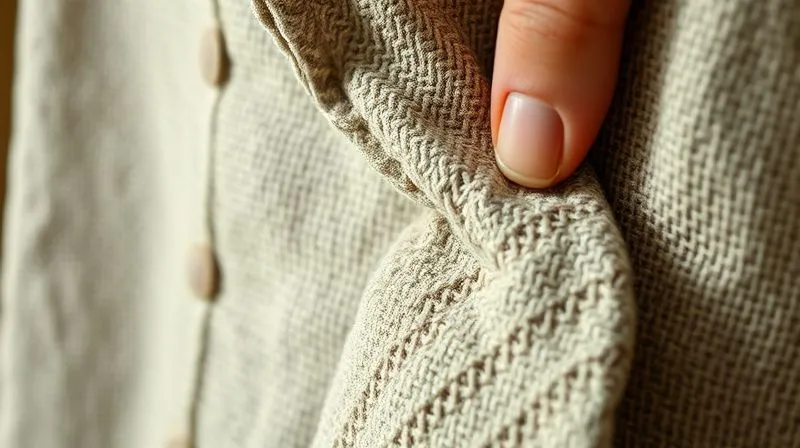
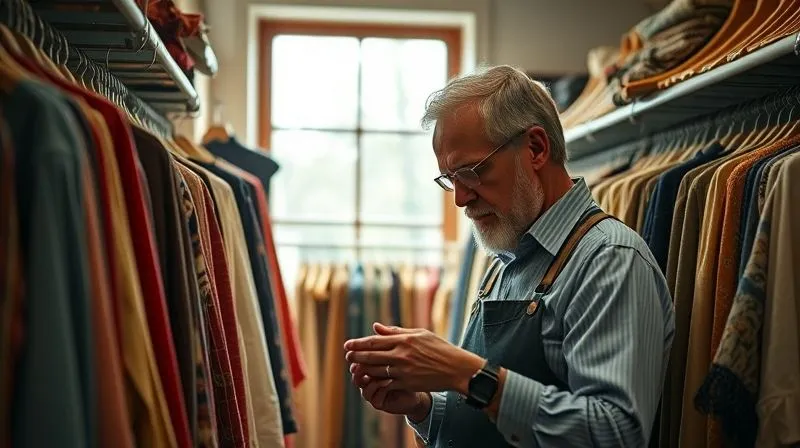
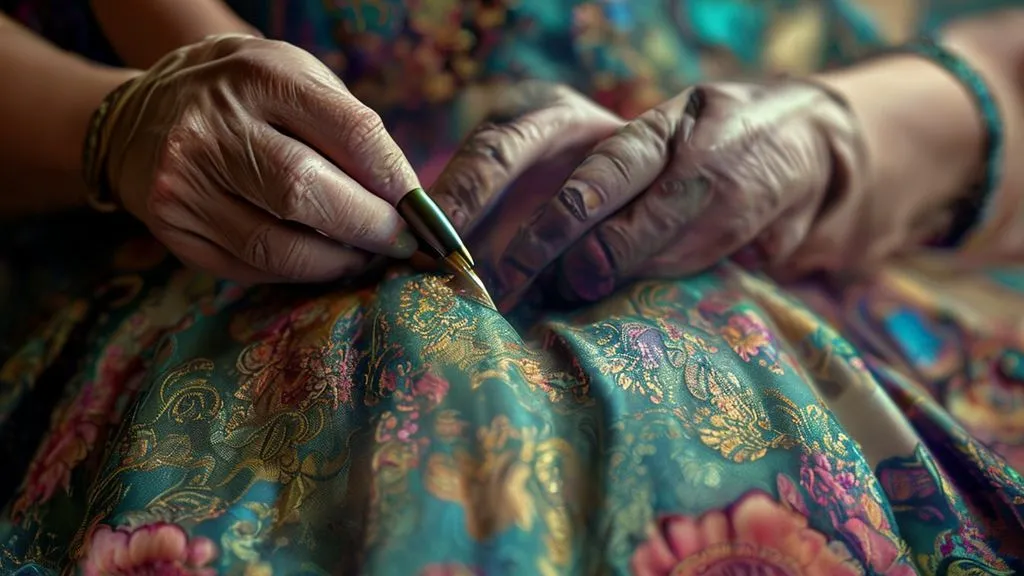
Look for signs of robust construction: strong seams, quality stitching, durable hardware. These indicate a garment designed for longevity, a key aspect of sustainability. I always advise people to feel the fabric; does it have a substantial hand? Does it show resilience, or does it feel fragile?
Production Ethics (If Traceable)
While tracing the exact labor conditions of a garment made in the 1950s is often impossible, understanding the broader historical context is vital. Research the brand's history, if known. Was it a reputable company known for quality craftsmanship, or a lesser-known entity? Certain eras and countries had different labor standards, and while we can't change the past, acknowledging it is part of an honest sustainability narrative. This historical context adds depth to the claim of sustainable consumption.
Authentication & Provenance: More Than Just a Tag
Authenticity and provenance are the bedrock of any genuine vintage claim, and by extension, its sustainability. Proving a garment is truly vintage, from a specific era or designer, gives weight to its intrinsic value and its role in a circular economy. This isn't just about collector's value; it's about validating its history and therefore its environmental benefit.
Decoding Labels and Markings
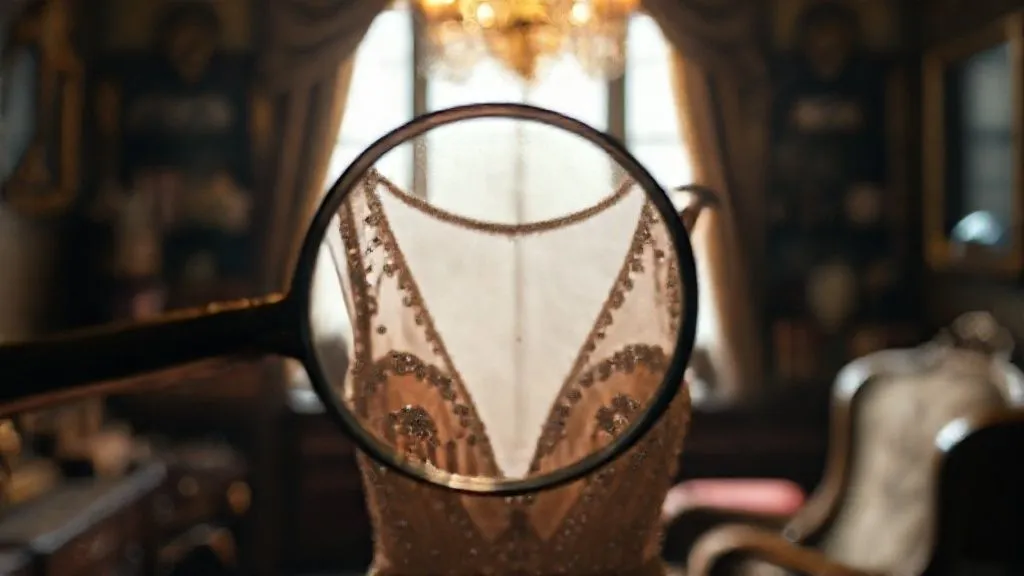
The first line of defense is often the label. Research historical brand labels, union tags (like the ILGWU tag in the US, which can date garments), fabric content labels, and care instructions. These often change over time and can be precise dating tools. Many online resources and vintage collector communities specialize in dating garments based on these seemingly small details. A genuine vintage label, especially with historical context, speaks volumes about the garment's journey.
Expert Appraisal and Documentation
For higher-value or particularly ambiguous pieces, an expert appraisal can be invaluable. A seasoned vintage dealer or textile historian can verify age, origin, and designer based on construction techniques, materials, and stylistic elements. Documentation, such as original receipts (rare but possible), historical advertisements, or even well-researched blog posts from reputable sources, can further bolster claims.
“Provenance isn't merely a selling point; it's the verifiable story of a garment's enduring existence, directly linking it to its sustainable journey of reuse.”
Consider the story of a vintage Chanel jacket. Its sustainability isn't just in being second-hand; it's in the enduring quality of its tweed, the meticulous hand-finishing that allows it to last for decades, and the timeless design that encourages continuous wear across generations. Proving its authenticity through serial numbers, specific hardware, or expert verification directly supports its 'sustainable' longevity claim.
Beyond the Garment: Ethical Sourcing and Business Practices
The sustainability of vintage fashion extends beyond the item itself to the practices of the seller. A truly sustainable vintage business prioritizes ethical sourcing, transparent operations, and responsible stewardship of the garments they sell. This is where the modern aspect of 'sustainable vintage' truly shines.
- Source Transparency: Does the seller openly discuss where they source their vintage? Do they prioritize local sourcing to reduce shipping emissions, or do they import from regions known for textile waste collection?
- Restoration Ethics: How are garments cleaned and repaired? Are eco-friendly detergents used? Are repairs done with sustainable materials and skilled labor, extending the life of the piece without compromising its integrity or adding new environmental burdens?
- Packaging Practices: What kind of packaging do they use? Is it recycled, recyclable, biodegradable, or minimal? This is a tangible demonstration of their commitment to sustainability post-acquisition.
- Community Engagement: Do they support local artisans for repairs, collaborate with textile recycling initiatives, or educate their customers on sustainable care?
Case Study: Verifying "The Timeless Thread" Boutique
"The Timeless Thread," a mid-sized online vintage retailer, faced skepticism from customers about their sustainability claims. I advised them to implement a transparent sourcing and processing log. They began documenting the origin of each garment (e.g., "estate sale, local, 2023," or "European textile recycling facility, 2023"), the cleaning methods used (e.g., "eco-friendly dry cleaning"), and any repairs (e.g., "hand-stitched with organic cotton thread"). They also introduced a "Garment Passport" with each purchase, detailing this journey. This initiative, combined with using recycled paper packaging and carbon-neutral shipping, significantly boosted their customer trust and sales, proving that comprehensive ethical practices resonate deeply with their audience.
The Role of Certification and Industry Standards (or Lack Thereof)
In the broader sustainable fashion landscape, certifications like GOTS, Fair Trade, and OEKO-TEX play a crucial role. However, when we ask 'How to prove genuine sustainability claims for vintage fashion?' the answer regarding formal certification becomes more complex. There isn't a widely recognized, universal certification specifically for vintage items that covers their entire historical lifecycle.
This absence is primarily due to the inherent challenges of tracing historical production data and the diverse nature of vintage sourcing. While some organizations are exploring frameworks for circular fashion, a specific 'vintage sustainability' stamp is still nascent. This places a greater onus on individual sellers and buyers to conduct their due diligence and maintain transparency.
However, sellers can still align with existing principles. For example, adhering to the spirit of certifications by ensuring repairs use certified organic materials or by partnering with ethical cleaning services. Organizations like Fashion Revolution advocate for transparency across the entire fashion supply chain, principles which, while aimed at new production, are highly relevant for the transparency vintage sellers should strive for.
| Certification Type | Focus | Applicability to Vintage |
|---|---|---|
| New Production (e.g., GOTS) | Organic materials, ethical processing | Indirect (e.g., for repair materials) |
| New Production (e.g., Fair Trade) | Worker welfare, fair wages | Indirect (e.g., for ethical business practices) |
| Vintage-Specific (Emerging) | Provenance, repair ethics, seller transparency | Direct (but not yet widespread or standardized) |
Communicating Transparency: Building Trust with Your Audience
For vintage sellers, proving genuine sustainability claims isn't just about internal processes; it's about effectively communicating those efforts to your audience. In an industry where trust is paramount, transparency is your most powerful asset. I've seen countless businesses thrive by simply being honest and open about their practices.
Here's how to build that crucial bridge of trust:
- Detailed Product Descriptions: Go beyond basic measurements. Include information on the garment's estimated era, known history, material composition, and any repairs or alterations made.
- Storytelling: Share the unique journey of each piece. Where was it found? What drew you to it? This humanizes the garment and connects the buyer to its sustainable narrative.
- Visual Proof: High-quality photos are non-negotiable. Show labels, construction details, any imperfections, and the overall condition clearly.
- Sustainability Statement: Have a dedicated page on your website outlining your sourcing philosophy, cleaning methods, packaging choices, and commitment to circularity.
- Engage and Educate: Use social media and blog posts to educate your audience on why vintage is sustainable and how you contribute to that mission. Answer questions openly and honestly.
Consumer Due Diligence: Your Role in the Verification Process
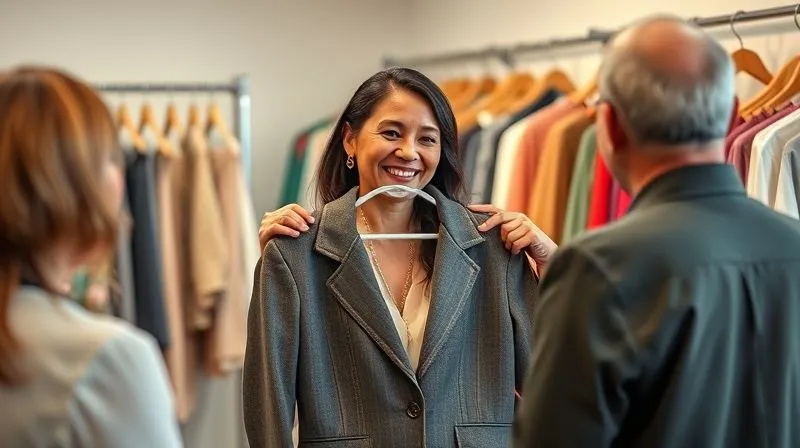
As a consumer, you hold significant power in demanding and verifying sustainable practices. Your informed choices drive the market towards greater transparency. Don't be afraid to ask questions; a reputable seller will welcome them. Understanding how to prove genuine sustainability claims for vintage fashion empowers you to make truly ethical purchases.
- Ask Specific Questions: Inquire about the garment's history, material, any repairs, and the seller's cleaning methods.
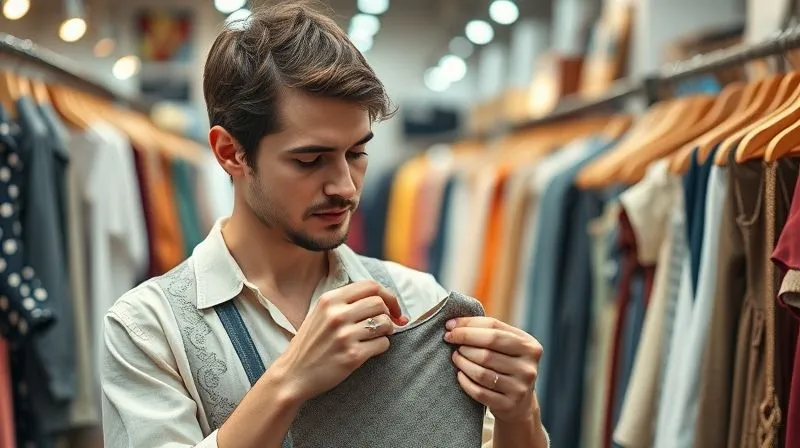
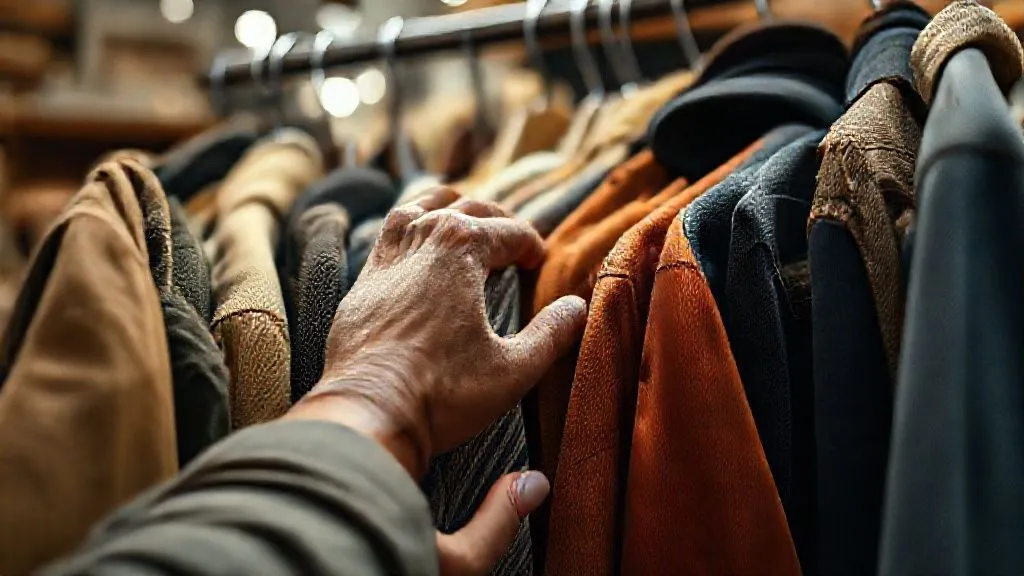
- Inspect Thoroughly: Look for signs of quality construction, durable materials, and any damage. A well-made garment, even if old, will show its quality.
- Research the Seller: Check reviews, their website's 'about us' or 'sustainability' page, and their social media presence. Do their claims align with their actions?
- Learn to Authenticate: Familiarize yourself with common vintage labels, fabric types, and construction methods relevant to the eras you're interested in.
- Prioritize Longevity: Choose pieces that you genuinely love, that fit well, and that you know you will wear for years to come. The most sustainable garment is the one you already own or will wear indefinitely.
“Your critical eye as a consumer is the ultimate check and balance in the sustainable vintage ecosystem. Empower yourself with knowledge.”
The Ellen MacArthur Foundation consistently highlights the importance of circularity in fashion, emphasizing design for longevity and reuse. When you apply these principles to your vintage shopping, you're not just buying a piece of clothing; you're actively participating in a global movement towards a more sustainable future.
The Future of Sustainable Vintage: Innovation and Digital Tools
The landscape for proving sustainability claims, even for vintage, is constantly evolving. I'm excited about the potential of emerging technologies to bring unprecedented levels of transparency and verification. Imagine a world where every vintage garment could have a digital passport!
Blockchain technology, for instance, could provide an immutable record of a garment's journey – from its original production (if data exists) to its various owners, repairs, and certifications. AI-powered authentication tools are already being developed to verify brands and materials with greater accuracy. Digital IDs attached to garments could store comprehensive information about their lifecycle, making it far easier to prove genuine sustainability claims for vintage fashion.
These innovations, coupled with a growing consumer demand for verifiable ethics, will undoubtedly shape how we interact with and understand the sustainability of second-hand and vintage fashion in the years to come. As an industry, we must embrace these tools to push for higher standards of transparency and trust.
Frequently Asked Questions (FAQ)
Question: Can all vintage fashion truly be sustainable? No, not all vintage is inherently sustainable. While reusing an item is always better than buying new, true sustainability also considers the item's original production impact, current condition, and the seller's practices. A poorly made, non-durable vintage item that quickly falls apart, or one sourced unethically, has a limited sustainability benefit. The key is thoughtful selection and verification.
Question: How do I spot "greenwashing" in vintage? Greenwashing often involves vague, unsubstantiated claims. Look for buzzwords without backup, a lack of transparency about sourcing or cleaning, and an unwillingness to answer specific questions. If a seller only highlights the 'second-hand' aspect without detailing their own sustainable practices, be wary. Genuine sustainability provides details.
Question: Is it worth paying more for verified vintage? Absolutely. Paying more for verified vintage often means you're investing in quality, durability, and a transparent supply chain. It reflects the labor involved in sourcing, authenticating, cleaning, and repairing the item ethically. This investment supports a truly circular economy and ensures you're getting a genuine, long-lasting piece.
Question: What if a vintage piece has no labels? Many older vintage pieces, especially handmade or very early factory items, may lack labels. In such cases, rely on expert appraisal (if possible), thorough inspection of construction techniques, fabric analysis, and stylistic dating. Reputable sellers will often provide detailed descriptions and photos to help compensate for the lack of labels.
Question: Are there any universal vintage sustainability certifications? Currently, there isn't a single, widely recognized universal certification specifically for vintage items that covers their entire historical and contemporary journey. However, some organizations are developing frameworks for circular fashion. Reputable vintage sellers often align their practices with broader ethical and environmental standards, even without a specific vintage certification. Always look for transparency in their business model.
Key Takeaways and Final Thoughts
Navigating the world of sustainable vintage requires a blend of historical knowledge, critical thinking, and a commitment to transparency. As an experienced industry specialist, I've seen firsthand how powerful informed choices can be, and how crucial it is to answer 'How to prove genuine sustainability claims for vintage fashion?' with actionable insights.
- Demand Transparency: Always ask questions and seek detailed information about a garment's provenance and a seller's practices.
- Educate Yourself: Learn to identify genuine vintage, understand material properties, and recognize quality construction.
- Value Longevity: Prioritize well-made, durable pieces that will continue their lifecycle for many more years.
- Support Ethical Sellers: Choose businesses that clearly articulate their sustainable sourcing, cleaning, and packaging methods.
- Embrace Innovation: Keep an eye on emerging technologies that will bring greater transparency to the vintage market.
Ultimately, proving genuine sustainability claims for vintage fashion is a shared responsibility. It requires diligence from sellers and informed scrutiny from buyers. By embracing the frameworks and insights I've shared, you're not just making a purchase; you're casting a vote for a more ethical, transparent, and truly sustainable future for fashion. Together, we can ensure that vintage fashion remains a powerful force for good, preserving history while protecting our planet.
Recommended Reading
- Unlock the Secret: How to Balance Oversized Streetwear for a Perfect Look
- 6 Proven Strategies for Quality-First Growth: Scaling Smart Clothing Manufacturing
- Unlock the Secret: How to Achieve Natural Perfect Skin Beauty Photos
- Unlock Deeper Rest: How Blue Light Glasses Transform Executive Sleep
- Craft Believable Characters: Costume Design Secrets Revealed!


Your email address will not be published. Required fields are marked *