

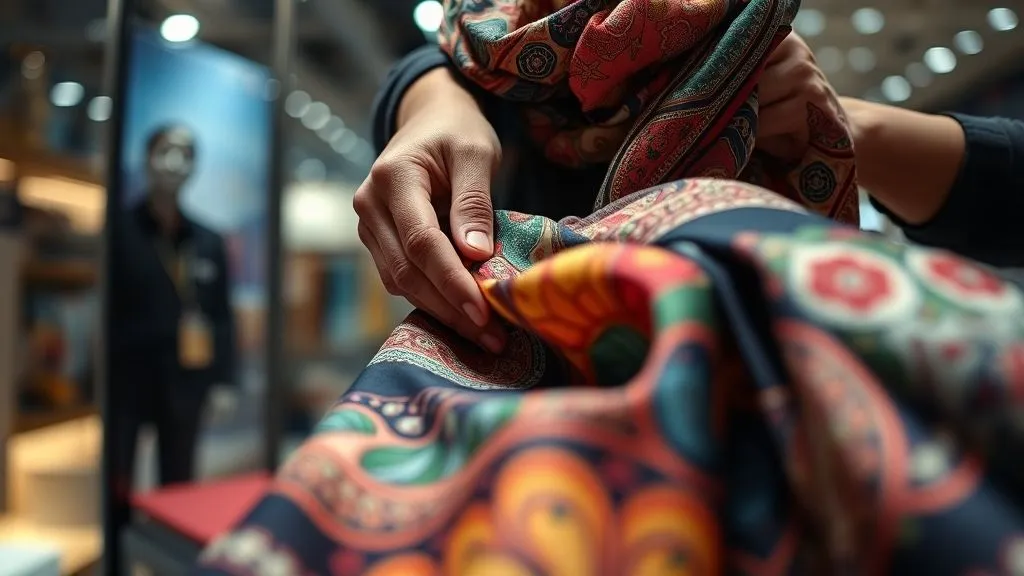
How to curate a unique scarf collection for luxury retail clients?
For over two decades in the luxury fashion accessories market, I've observed countless retailers, even those with prime locations and established brands, struggle with a common pitfall: their accessory offerings, particularly scarves, often lack true distinction. They stock what's 'safe' or 'trending,' inadvertently blending into a sea of sameness, missing the profound opportunity to captivate and convert the discerning luxury client.
The core problem isn't a lack of desire to offer unique items, but rather a lack of a clear, actionable framework for curation. Many feel overwhelmed by the sheer volume of suppliers, the intricacies of textile sourcing, and the challenge of translating brand ethos into a tangible, covetable collection. This often leads to missed sales, diluted brand identity, and a failure to truly resonate with a clientele that actively seeks exclusivity and a story.
In this definitive guide, I will share the exact strategies and insights I've honed over my career to help you master the art of curation. You'll learn how to move beyond generic offerings, source truly unique pieces, craft compelling narratives, and ultimately, discover how to curate a unique scarf collection for luxury retail clients that not only stands out but also deeply connects with your most valued customers.
Understanding the DNA of Your Luxury Clientele
Before you even begin to think about fabrics or patterns, the foundational step in successful curation is an intimate understanding of your luxury client. This isn't just about who they are, but who they aspire to be, what values they hold, and the experiences they cherish. Generic demographics simply won't cut it; we need to delve deeper into psychographics.
Demographics vs. Psychographics: Beyond the Surface
While demographics (age, income, location) provide a basic outline, psychographics paint the full picture. These are the psychological attributes that influence purchasing decisions: lifestyles, values, aspirations, interests, and personality traits. For luxury clients, this often means a preference for heritage, craftsmanship, sustainability, exclusivity, and a desire for products that tell a story.
- Values: Do they prioritize sustainability, artisanal craft, heritage, or innovation?
- Aspirations: What kind of lifestyle do they envision? How does your product fit into that vision?
- Interests: Are they art collectors, global travelers, philanthropists, or connoisseurs of fine living?
- Personality: Are they trendsetters, classicists, minimalists, or maximalists?
Gathering Insights: The Art of Observation and Data
To truly understand your client, you must become a keen observer and an astute analyst. This involves both qualitative and quantitative approaches.
- In-Store Interaction: Empower your sales associates to engage in meaningful conversations. What questions do clients ask? What do they gravitate towards? What stories resonate with them? Record these qualitative insights.
- Sales Data Analysis: Look beyond just what sells. Analyze purchase patterns, average transaction values for accessories, and cross-purchasing behavior. Are clients buying scarves with specific types of apparel?
- High-End Trend Forecasting: Subscribe to and analyze reports from luxury trend forecasters (e.g., WGSN, Fashion Snoops). Pay attention to macro-trends in art, design, and culture, not just fashion.
- Social Listening: Monitor high-end fashion communities and influencers on platforms where your clients engage. What are they discussing? What brands are they admiring?
The goal is Client Persona Development – creating detailed profiles that humanize your target audience, allowing you to curate with precision and empathy.
The Global Tapestry: Sourcing for Exclusivity and Provenance
Once you understand your client's desires, the next crucial step is finding the pieces that fulfill them. This means moving beyond mass-produced options and delving into the world of artisanal craftsmanship and niche suppliers, where true uniqueness resides. The provenance of a scarf can be as important as its aesthetic.
Beyond Brands: Discovering Artisanal Masters and Niche Suppliers
True luxury clients seek items that are rare, often handcrafted, and imbued with a sense of history or cultural significance. This requires looking beyond established brand names to discover hidden gems. Think of regions renowned for specific textile arts: the exquisite silk twills of Como, Italy; the delicate pashminas of Kashmir, India; the intricate weaving traditions of Kyoto, Japan; or the vibrant block prints of Rajasthan.
These are not just products; they are expressions of heritage and skill, often passed down through generations. Sourcing from these masters ensures limited editions and unparalleled quality, instantly elevating your collection's exclusivity.
Ethical Sourcing and Sustainability: A New Luxury Imperative
Modern luxury clients are increasingly conscious consumers. They expect transparency, ethical labor practices, and sustainable production methods. Ignoring this aspect is no longer an option; it's a foundational pillar of trust and brand integrity. According to a Deloitte report on luxury goods, sustainability is increasingly a key purchase driver, influencing purchasing decisions for a significant portion of high-net-worth individuals.
- Research Global Artisans: Utilize online platforms, specialized directories, and cultural organizations to identify artisans and small-batch producers known for their unique techniques.
- Attend Niche Trade Shows: Seek out textile and handicraft fairs that focus on artisanal and sustainable production, often held in specific regions or virtually.
- Build Direct Relationships: Whenever possible, establish direct communication with artisans. This not only ensures authenticity but also allows for custom commissions and a deeper understanding of their craft.
- Verify Ethical Practices: Request certifications, visit workshops (if feasible), and ask detailed questions about labor conditions, material sourcing, and environmental impact.
Crafting a Narrative: Storytelling as a Sales Tool
A unique scarf collection for luxury retail clients isn't just about beautiful objects; it's about the stories they tell. In the luxury market, the narrative behind a product often holds as much value as the product itself. This is where your curation truly transforms into an art form.
The Scarf's Journey: From Artisan to Client
Every unique scarf has a journey, and your role is to translate that journey into an engaging narrative. This includes the story of the artisan – their family lineage, their passion, the techniques they employ – as well as the cultural significance of the patterns, colors, or materials used. Is it a heritage weave from a remote village? A contemporary piece inspired by ancient mythology? An eco-friendly innovation pushing boundaries?
Communicate the intricate details: the specific type of silk, the natural dyes used, the weeks of hand-embroidering, or the rare loom it was woven on. These details are not just facts; they are threads in a rich tapestry that your client will wear and cherish.
Emotional Connection: Why Provenance Matters
Luxury consumers are seeking an emotional connection, a sense of meaning that transcends mere possession. When a scarf comes with a compelling story of its provenance, it becomes more than an accessory; it becomes a piece of art, a cultural artifact, or a statement of personal values. This emotional resonance drives desirability and justifies premium pricing.
"Luxury is about more than just price; it's about perceived value, emotion, and storytelling. A unique scarf collection thrives on its narrative."
This is where your investment in ethical and artisanal sourcing truly pays dividends. The ability to authentically share a scarf's journey from its origin to the client's hands builds an unparalleled level of trust and admiration.
Case Study: 'The Silk Route Collection' by Atelier Lumière
Atelier Lumière, a boutique luxury retailer, initially struggled to differentiate its scarf offerings from competitors. Their scarves were high quality, but lacked a distinct identity. By implementing a strategy focused on storytelling and provenance, they curated 'The Silk Route Collection.'
They sourced directly from artisans in Uzbekistan (for ikat silk), India (for hand-block printed cashmere), and Italy (for intricately woven jacquard silks). Each scarf came with a beautifully designed, parchment-like card detailing the artisan's name, the traditional technique used, the specific region of origin, and a short cultural anecdote related to its design. This transformation enhanced the perceived value of their scarves by an estimated 40% and boosted sales of these specific items by 60% within six months. It also attracted a new segment of discerning clientele who sought meaningful luxury and unique conversational pieces.
Design Cohesion and Variety: Balancing Uniqueness with Commercial Appeal
A unique scarf collection for luxury retail clients must strike a delicate balance: offering a diverse range of styles to appeal to varied tastes, while maintaining an overarching aesthetic cohesion that reinforces your brand's identity. This isn't about stocking every beautiful scarf you find; it's about intelligent editing.
Theme Development: A Curatorial Framework
Instead of a random assortment, organize your collection around compelling themes. These themes can be inspired by art movements, natural elements, cultural journeys, or abstract concepts. A strong theme provides a narrative backbone and guides your selection process, ensuring consistency without sacrificing individuality.
Within each theme, aim for variety across key dimensions:
- Material: Silk (twill, satin, chiffon), cashmere, merino wool, modal blends, linen.
- Size & Shape: Square (carré), rectangular (stole), long and narrow, infinity.
- Pattern & Print: Hand-painted, block-printed, woven jacquard, digital prints, embroidery.
- Color Palette: A mix of neutrals, jewel tones, pastels, and vibrant statements, all harmonizing within the theme.
The Art of the Edit: What to Include, What to Omit
Curation is as much about saying 'no' as it is about saying 'yes.' Every piece in your luxury scarf collection must earn its place. Does it align with your brand's aesthetic? Does it resonate with your client persona? Does it offer something truly unique that your competitors don't? If not, it's an omission. This is where the principle of "Less is More" in Luxury truly applies.
Avoid trends that don't align with your brand's long-term vision. Focus on timeless elegance with a unique twist. Your clients are looking for investment pieces, not fleeting fads.
| Collection Theme | Materials | Pattern Styles | Color Palettes | Unique Selling Proposition |
|---|---|---|---|---|
| Botanical Wonders | Silk twill, organic cotton, cashmere blend | Floral, leaf motifs, abstract nature | Earthy tones, vibrant greens, soft pastels | Hand-painted, limited edition, ethically sourced botanicals |
| Urban Abstractions | Silk satin, modal blend, fine wool | Geometric, architectural, abstract cityscapes | Monochromes, jewel tones, metallic accents | Digital prints, avant-garde design, artist collaborations |
Visual Merchandising: Showcasing Scarf Artistry
A truly unique scarf collection deserves an equally unique and compelling presentation. In luxury retail, visual merchandising isn't just about displaying products; it's about creating an immersive experience that highlights the artistry, craftsmanship, and desirability of each piece. Your displays should evoke emotion and tell a story, just like the scarves themselves.
Creating Experiential Displays: Beyond the Mannequin
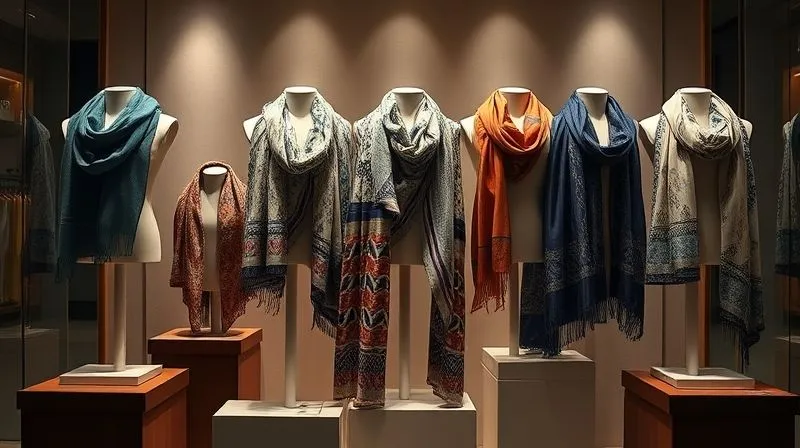
Move beyond simply draping scarves on mannequins or folding them neatly. Think of your scarves as works of art in a gallery. Use bespoke display fixtures – perhaps elegant busts, sculptural stands, or custom-designed pedestals – that elevate the scarf to a focal point. Play with lighting to highlight textures, intricate patterns, and the sheen of silk or the softness of cashmere.
Incorporate props that hint at the scarf's narrative or the luxury lifestyle it represents: antique books, artisanal ceramics, delicate botanicals, or small, curated art objects. These elements create a mood and encourage clients to pause, admire, and engage with the collection on a deeper level.
Digital Presentation: Elevating Online Presence
In today's market, your online presentation is as crucial as your in-store display. High-quality photography is non-negotiable. Invest in professional imagery that captures the texture, drape, and true colors of each scarf. Use both flat-lays that showcase the full design and lifestyle shots that depict the scarf being worn in aspirational settings.
Expert Tip: "Use lifestyle imagery that evokes the aspirational lifestyle of your clients. Show how the scarf integrates into a sophisticated wardrobe and enhances personal style, rather than just presenting it as a standalone item." Consider short, elegant videos demonstrating different styling options, adding dynamic engagement to your digital storefront. This comprehensive approach ensures that how to curate a unique scarf collection for luxury retail clients extends to every touchpoint.
Training Your Sales Associates: The Scarf Storytellers
Even the most unique scarf collection will fall flat without knowledgeable and passionate sales associates to present it. In the luxury segment, your team isn't just selling products; they are brand ambassadors, stylists, and, most importantly, storytellers. Their ability to articulate the value and narrative behind each scarf is paramount to converting interest into purchase.
Product Knowledge: Deep Dive into Materials, Techniques, and Origins
Your sales team must possess an encyclopedic knowledge of every scarf in the collection. This goes far beyond knowing the price and color. They need to understand:
- Material Science: The difference between various silk weaves (twill, satin, chiffon), cashmere grades, and other natural fibers. How do they feel? How do they drape? What are their care instructions?
- Artistic Techniques: The intricacies of hand-rolling edges, block printing, jacquard weaving, or hand embroidery. This knowledge allows them to highlight the craftsmanship and justify the luxury price point.
- Brand/Artisan Stories: The narrative behind each scarf, as discussed earlier. Where did it come from? Who made it? What cultural significance does it hold?
- Styling Versatility: How can the scarf be worn? What outfits does it complement? How can it be tied in various ways to create different looks?
Mastering the Art of Suggestive Selling and Client Engagement
With deep product knowledge, associates can shift from transactional selling to relationship-building. They become trusted advisors who can genuinely help clients find the perfect piece. This involves:
- Active Listening: Understanding the client's needs, existing wardrobe, and personal style preferences.
- Personalized Recommendations: Suggesting scarves that truly complement the client's individual aesthetic and lifestyle.
- Demonstrating Value: Articulating the unique qualities, craftsmanship, and story of each scarf, rather than just its price.
- Styling Demonstrations: Offering to show clients different ways to wear a scarf, making it feel more versatile and desirable.
As sales expert Jeffrey Gitomer famously states, "People don't like to be sold, but they love to buy." Your team's expertise and passion will create an environment where clients feel confident and excited about their purchase.
Exclusive Client Experiences and Personalization
In the competitive luxury market, product alone is often not enough. To truly differentiate and build lasting loyalty, you must offer experiences that are as exclusive and unique as your scarf collection itself. Personalization and bespoke services elevate the client relationship, turning a purchase into a memorable event.
Private Viewings and Trunk Shows: Cultivating Loyalty
Invite your most valued clients to exclusive, by-appointment-only viewings of new scarf arrivals or limited-edition capsules. Host intimate trunk shows where artisans (if possible) or your expert curators present the collection, sharing personal insights and stories. These events create a sense of privilege and allow clients to engage with the collection in a relaxed, luxurious setting, fostering a deeper connection with your brand.
- Offer champagne and canapés.
- Provide one-on-one styling consultations.
- Present a small, branded gift as a token of appreciation.
Bespoke Services and Customization: The Pinnacle of Luxury
For the ultimate in uniqueness, consider offering bespoke or customization services. This could range from monogramming a client's initials onto a silk scarf to commissioning a custom design from one of your artisanal partners. Imagine a client working with an artist to create a scarf inspired by their personal history or a beloved pet. This level of service builds an unparalleled connection, transforming a transaction into a cherished experience and answering the question of how to curate a unique scarf collection for luxury retail clients with a bespoke touch.
Collaborate with local artists for limited-edition series or offer a service where clients can select specific colors or motifs for a custom-made piece. This not only creates an incredibly unique product but also positions your brand as a purveyor of personalized luxury.
Measuring Success and Evolving Your Collection
Curating a unique scarf collection for luxury retail clients is an ongoing process, not a one-time event. To ensure its continued success and relevance, you must regularly measure its performance, gather feedback, and be prepared to evolve. Data-driven decisions, combined with your expert intuition, will guide your collection's growth.
Key Performance Indicators (KPIs) for Scarf Collections
Tracking specific metrics will help you understand what's working and what needs adjustment. Focus on KPIs that reflect both sales performance and client engagement:
- Sell-Through Rate (Scarves): The percentage of scarves sold compared to the inventory received. A high rate indicates strong demand and effective curation.
- Average Transaction Value (ATV) - Scarves: The average amount spent per scarf purchase. This can indicate the perceived value and success of upselling/cross-selling.
- Client Acquisition Cost (CAC) for Scarf-Focused Campaigns: If you run specific marketing for your scarf collection, measure the cost to acquire a customer.
- Repeat Purchase Rate for Scarf Clients: How many clients return to purchase another scarf or other items after their initial scarf purchase? This reflects loyalty.
- Customer Feedback: Qualitative insights from sales associates and direct client surveys about their satisfaction and desires.
Adapting to Trends While Maintaining Brand Identity
While your unique scarf collection should ideally transcend fleeting trends, it's vital to remain aware of broader shifts in fashion, art, and consumer values. This doesn't mean chasing every fad, but rather intelligently incorporating elements that keep your collection fresh and relevant, without compromising its core identity. Perhaps a new sustainable material emerges, or a specific color palette gains prominence in the luxury art world.
Final Thought: "Your unique scarf collection isn't static; it's a living entity that grows with your brand and your clients. Continuous learning, adaptation, and an unwavering commitment to authenticity are the hallmarks of a truly successful luxury accessory program." Regularly revisit your client personas and sourcing strategies to ensure they remain aligned with the evolving luxury landscape.
| KPI | Target | Measurement Frequency | Action if Below Target |
|---|---|---|---|
| Sell-Through Rate (Scarves) | 70%+ | Quarterly | Re-evaluate pricing, enhance merchandising, targeted promotions |
| Average Transaction Value (ATV) - Scarves | $500+ | Monthly | Upsell/cross-sell training, bundle offerings, premium product focus |
| Client Loyalty (Scarves) | 20% Repeat Purchase | Annually | Personalized outreach, exclusive previews, loyalty programs |
Frequently Asked Questions (FAQ)
How do I ensure authenticity for artisanal scarves? Ensuring authenticity is critical. Build direct relationships with artisans or work with reputable, certified suppliers. Request documentation of origin, material composition, and production methods. Consider third-party certifications for ethical sourcing or specific material grades (e.g., for cashmere). Transparency in your supply chain is your strongest defense against counterfeits and misrepresentation.
What's the ideal price range for a luxury scarf collection? The ideal price range depends heavily on your brand positioning, materials, craftsmanship, and target client. For a truly unique and artisanal collection, prices can range from $300 for exquisite silk twills to several thousands for hand-embroidered cashmere or rare, limited-edition pieces. The key is that the perceived value, driven by story, quality, and exclusivity, justifies the price point. Avoid underpricing; luxury clients expect to pay for exceptionalism.
How often should I refresh my unique scarf collection? A unique scarf collection shouldn't follow fast fashion cycles. Instead of a full seasonal overhaul, aim for strategic refreshes. Introduce new capsules or limited editions 2-4 times a year, perhaps aligned with key gifting periods or seasonal shifts. This keeps the collection fresh and exciting without devaluing existing pieces. The core, timeless pieces should remain consistently available.
What role does digital marketing play in selling luxury scarves? Digital marketing is indispensable. High-quality visual content (professional photography, lifestyle videos) across platforms like Instagram, Pinterest, and your brand's website is crucial. Utilize storytelling in your captions and blog posts. Consider targeted ads to reach specific high-net-worth demographics and collaborate with luxury lifestyle influencers whose audience aligns with yours. An engaging online presence amplifies your unique narrative.
Can a small boutique compete with large luxury brands in scarf curation? Absolutely, and often with an advantage! Smaller boutiques can be more agile, building deeper, personal relationships with artisans and offering truly bespoke, limited-edition pieces that large brands struggle to scale. Your niche focus, personalized service, and authentic storytelling can create a compelling competitive edge, appealing to clients who seek individuality over ubiquitous brand names. Focus on what makes you unique and celebrate it.
Key Takeaways and Final Thoughts
Curating a unique scarf collection for luxury retail clients is a nuanced endeavor that extends far beyond simple buying. It's an art form, a strategic play, and a profound opportunity to deepen your brand's connection with its most discerning customers. By focusing on authenticity, storytelling, and an unparalleled client experience, you transform scarves from mere accessories into coveted pieces of art and personal expression.
- Know Your Client Intimately: Go beyond demographics to understand their psychographics and aspirations.
- Source with Purpose: Seek out artisanal craftsmanship and ethical provenance over mass production.
- Weave Compelling Narratives: Every scarf has a story; make sure your team can tell it.
- Curate with Precision: Develop themes and edit ruthlessly to ensure cohesion and exclusivity.
- Elevate Presentation: Treat your scarves as art, both in-store and online.
- Empower Your Team: Train sales associates to be knowledgeable storytellers and trusted advisors.
- Offer Exclusive Experiences: Personalization and private viewings build lasting loyalty.
- Measure and Evolve: Use data to refine your collection while staying true to your brand's unique identity.
Embrace this journey with passion and a commitment to excellence. The rewards are not just increased sales, but a stronger brand identity, unparalleled client loyalty, and the satisfaction of offering truly exceptional pieces. By mastering how to curate a unique scarf collection for luxury retail clients, you're not just selling fashion; you're selling heritage, artistry, and a piece of a story that your clients will cherish for a lifetime.
Recommended Reading
- Find Your Perfect Fit: Best Luxury Eyewear Brands for Oval Faces
- 7 Steps: Translating Brand Vision into Compelling Fashion Magazine Editorials
- 5 Proven Steps: Eliminate Daily Outfit Decisions for Busy Professionals
- 7 Proven Ways: Differentiating Your Clean Beauty Brand from Greenwashing
- How to Maintain Creative Integrity with Restrictive Fashion Briefs


Your email address will not be published. Required fields are marked *