

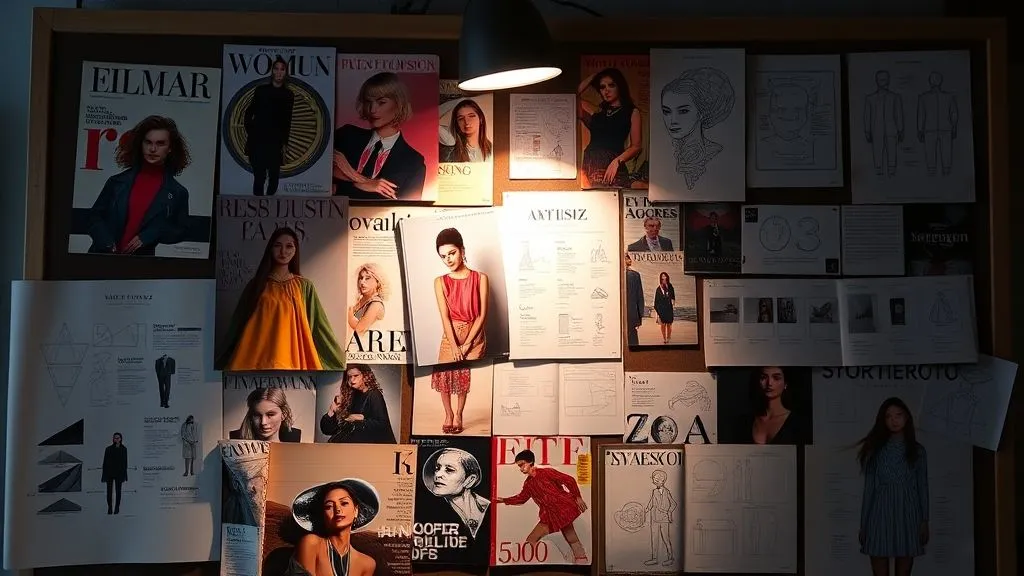
How to Translate Brand Vision into Compelling Fashion Magazine Editorials?
For over two decades in the dynamic world of fashion photography and editorial content, I've witnessed countless brands pour immense resources into campaigns, only to see their core vision get lost in translation. It’s a common pitfall: a brand with a powerful identity struggles to articulate that essence visually in the high-stakes environment of a fashion magazine spread.
The challenge isn't merely about taking beautiful pictures; it's about crafting a narrative that resonates, tells your brand's unique story, and genuinely connects with a discerning audience. Many brands falter here, producing aesthetically pleasing but ultimately hollow visuals that fail to convey their true spirit or value proposition.
In this definitive guide, I will share the precise frameworks, actionable steps, and insider insights I’ve honed over years of working with leading fashion houses. You'll learn not just *what* to do, but *how* to meticulously translate your brand's DNA into compelling fashion magazine editorials that leave an indelible mark.
1. Deconstructing Your Brand's DNA: The Foundational Blueprint
Before you even think about a camera lens or a stylist, you must deeply understand your brand's core. This isn't just about a logo or a color palette; it's about the soul of your brand, its values, its aspirations, and its unique voice. I’ve seen projects derail because this foundational step was rushed or overlooked.
Identifying Core Values and Aesthetics
Start by articulating your brand's non-negotiables. What does your brand stand for? Is it sustainability, rebellious luxury, timeless elegance, or cutting-edge innovation? These values must permeate every visual choice. Furthermore, define your aesthetic: minimalist, opulent, avant-garde, classic? Be precise.
Defining Your Target Audience's Aspirations
Who is your ideal reader, and what do they aspire to? Understanding their lifestyle, their desires, and their emotional connection to fashion is paramount. Your editorial must speak directly to their aspirations, making your brand not just a product, but a part of their desired identity. This is where true resonance begins.
"A compelling editorial isn't just selling a product; it's selling a dream, an emotion, a lifestyle that your brand embodies."
To help systematize this, I often advise clients to fill out a Brand DNA matrix. This ensures all stakeholders are aligned before any creative work begins.
| Aspect | Description | Visual Cues |
|---|---|---|
| Core Values | Sustainability, Craftsmanship, Innovation | Natural textures, clean lines, futuristic elements |
| Target Audience | Discerning, socially conscious, trend-aware 30-50s | Confident poses, diverse models, aspirational settings |
| Brand Personality | Sophisticated, Bold, Authentic | Strong silhouettes, rich color palettes, genuine expressions |
| Unique Selling Proposition | Ethically sourced, high-quality, timeless design | Transparent production imagery, enduring styles |
2. The Art of Concept Development: From Idea to Narrative
Once your brand's DNA is meticulously defined, the next step is to translate these abstract elements into a concrete, compelling editorial concept. This is where creativity meets strategy, transforming raw ideas into a coherent visual story that aligns perfectly with your brand's essence.
Brainstorming Themes and Storylines
Think beyond just showing clothes. What story do your clothes tell? What emotion do they evoke? Brainstorm themes that resonate with your brand values and audience aspirations. A theme could be 'Urban Nomad,' 'Modern Renaissance,' or 'Future Heritage.' Each theme opens up a world of narrative possibilities.
Once you have a theme, develop a storyline. This doesn't need to be a complex plot, but a clear arc or mood. Will it be a day in the life, a journey, a moment of introspection, or a bold statement? This storyline will guide every subsequent creative decision, from styling to location.
Crafting a Visual Mood Board
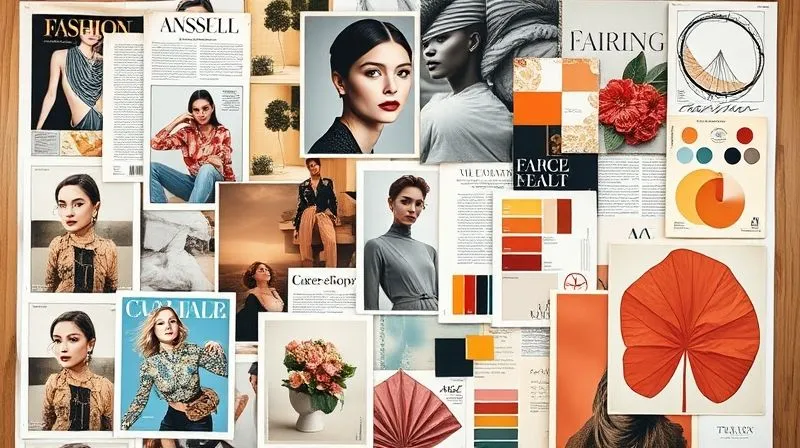
A mood board is your visual blueprint. It's an indispensable tool for communicating your concept to the entire team. It should include images that capture the desired mood, color palettes, textures, poses, lighting styles, and even historical or artistic references. I always insist on a comprehensive mood board; it prevents misunderstandings down the line.
This visual collation is critical for ensuring everyone, from the photographer to the hair and makeup artist, understands the overarching aesthetic and emotional tone.
3. Building Your Editorial Dream Team: Collaboration is Key
Even the most brilliant concept can fall flat without the right people bringing it to life. The team you assemble for your editorial is paramount. Each member plays a vital role in interpreting and executing your brand's vision, and seamless collaboration is non-negotiable.
The Role of the Creative Director
The Creative Director is the visionary leader, the keeper of the brand's flame. They are responsible for ensuring the entire editorial aligns with the brand's DNA, guiding every artistic decision from concept to final edit. In my experience, a strong Creative Director is the single most important factor in a successful editorial.
Photographers, Stylists, and Hair/Makeup Artists
Each specialist brings their unique expertise. The photographer translates the vision into captivating imagery. The stylist curates the wardrobe and accessories, ensuring they tell the story. Hair and makeup artists complete the look, enhancing the narrative. Selecting individuals whose portfolios align with your aesthetic and who understand your brand's voice is crucial. According to a Business of Fashion analysis, team chemistry and shared vision are key.
- Define Roles Clearly: Provide detailed briefs to each team member, outlining expectations and creative boundaries.
- Review Portfolios Rigorously: Look for work that demonstrates an understanding of narrative and brand storytelling, not just technical skill.
- Conduct Collaborative Meetings: Hold pre-production meetings where everyone can contribute ideas and gain a shared understanding of the vision.
- Foster Open Communication: Encourage feedback and discussion throughout the entire process to address issues proactively.
- Trust Your Team: Once briefed, allow your talented team to bring their expertise to the table, empowering them to interpret the vision creatively.
4. Crafting the Perfect Shot List & Production Plan
With your concept refined and your team in place, the next stage is to meticulously plan the production. This involves translating your abstract ideas into a concrete shot list and a detailed logistical plan. This phase is where potential problems are identified and mitigated before they ever reach the set.
Translating Concepts into Specific Imagery
A shot list isn't just a list of pictures; it's a breakdown of the story you want to tell, frame by frame. For each shot, consider the mood, the specific garment or accessory being featured, the model's pose, the framing, and the emotional impact. This ensures that every image serves a purpose within the broader narrative.
Location Scouting and Set Design
The environment plays a crucial role in conveying your brand's message. Whether it's a grand architectural space, a rugged natural landscape, or a minimalist studio, the location must enhance the narrative. Set design further refines this, adding props and elements that reinforce the theme and brand aesthetic. As Forbes often highlights, environment is a silent storyteller.
Here’s a simplified production checklist that I use to keep projects on track:
| Task Category | Items | Status |
|---|---|---|
| Pre-Production | Concept Finalization, Team Selection, Location Scouting, Wardrobe Sourcing, Model Casting, Permit Acquisition | Complete |
| Production Day(s) | Call Sheet Distribution, On-Set Coordination, Photography Execution, Styling Adjustments, Hair/Makeup Touch-ups | In Progress |
| Post-Production | Image Selection, Retouching, Color Grading, Layout Design, Copywriting, Approvals | Pending |
| Distribution | Magazine Submission, Digital Promotion, Social Media Campaign, PR Outreach | Pending |
5. Directing the Narrative: On Set Execution
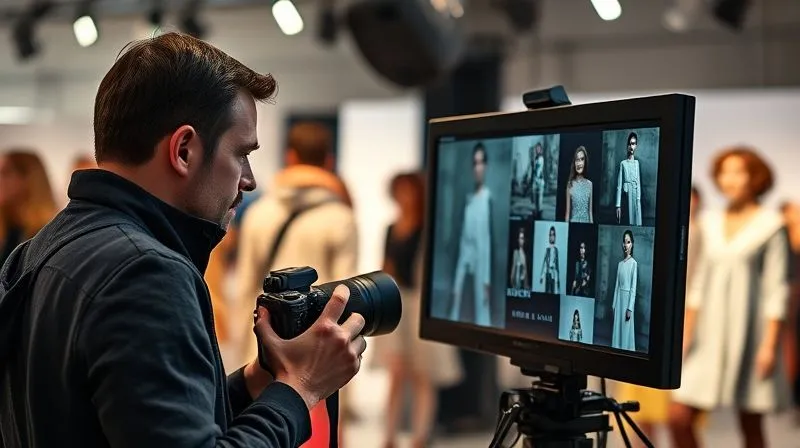
The day of the shoot is where all the planning culminates. This is a high-energy environment where the Creative Director and photographer work in tandem to bring the vision to life. Effective direction on set is about more than just giving instructions; it's about inspiring performance and ensuring every detail aligns with the brand's story.
Guiding the Photographer and Models
The Creative Director must provide clear, concise direction to the photographer, referencing the mood board and shot list constantly. For models, it's about guiding their poses, expressions, and movements to embody the brand's personality and the editorial's narrative. Often, a simple word or a physical demonstration can unlock the perfect shot.
Ensuring Brand Consistency in Every Frame
This is where the meticulous pre-production pays off. Every garment, accessory, hair strand, and makeup detail must be scrutinized to ensure it consistently reflects the brand's aesthetic. I've seen shoots where incredible images were captured, but they didn't feel like the brand. The Creative Director's eye for detail is paramount here, constantly cross-referencing against the brand DNA.
6. Post-Production: Refining the Vision
The work doesn't end when the cameras stop clicking. Post-production is a critical phase where the raw images are transformed into polished, impactful editorial content. This is where the final nuances of the brand vision are etched into every pixel, ensuring cohesion and maximizing visual impact.
Editing for Impact and Cohesion
The selection of images is an art in itself. You're not just choosing the 'prettiest' pictures, but those that collectively tell the most compelling story and best represent the brand. The sequence of images also matters, creating a visual flow that draws the reader in and maintains their engagement throughout the spread.
Color Grading and Retouching for Brand Aesthetic
Color grading sets the mood and reinforces the brand's visual identity. Is your brand warm and inviting, or cool and sophisticated? The color palette of the images must align. Retouching should enhance, not distort, preserving the authenticity of the models and garments while refining imperfections. This is about elevating reality, not creating a false one.
Case Study: How 'Aura Atelier' Elevated Its Editorial Storytelling
Aura Atelier, a luxury sustainable fashion brand, initially struggled with their magazine editorials. Their images were beautiful but lacked a distinct brand voice, often blending into generic high-fashion spreads. Their core value of 'conscious luxury' wasn't coming through.
By implementing a rigorous post-production strategy, they transformed their approach. They developed a specific color grading preset that leaned into warm, natural tones, subtly enhancing the organic textures of their eco-friendly fabrics. Furthermore, their retouching policy focused on enhancing natural beauty rather than heavy manipulation, aligning with their authenticity value. This resulted in their editorials feeling more genuine, visually harmonious, and deeply connected to their brand's ethos. Their engagement metrics on editorial content, as tracked by their PR agency, saw a 25% increase in reader dwell time and a significant rise in positive comments specifically referencing their 'natural aesthetic' and 'authentic luxury.'
7. Strategic Placement and Distribution: Maximizing Reach
Even the most stunning editorial won't achieve its full potential if it doesn't reach the right audience in the right way. Strategic placement and distribution are just as crucial as the creative execution itself. This is about ensuring your meticulously crafted brand story lands where it can make the biggest impact.
Choosing the Right Magazine Partners
Not all magazines are created equal for every brand. Research publications whose readership aligns with your target audience and whose editorial tone complements your brand's voice. A niche independent magazine might offer more authenticity for an avant-garde brand, while a major fashion bible might be essential for mainstream luxury. This is about finding the perfect synergy.
Leveraging Digital and Social Channels
Beyond print, extend the life of your editorial across all digital touchpoints. Share behind-the-scenes content on social media, create blog posts detailing the inspiration, and integrate high-resolution images into your website's lookbook. This multi-channel approach maximizes visibility and allows your audience to delve deeper into your brand's narrative. A recent study by Vogue Business highlighted the exponential reach of digitally amplified editorial content.
Frequently Asked Questions (FAQ)
How do I ensure my brand vision isn't diluted during the editorial process? The key is meticulous pre-production, starting with a crystal-clear Brand DNA matrix and a comprehensive mood board. These documents serve as your North Star. Constant communication with your creative team, and a strong Creative Director who acts as the brand's advocate on set and in post-production, are also crucial. Regular check-ins and approvals at each stage help maintain alignment.
What if my brand is niche or has a very unconventional aesthetic? How can I still get featured in mainstream fashion magazines? Niche brands often have the most compelling stories! Focus on publications that value unique narratives and innovative aesthetics. For mainstream magazines, aim for their 'trend reports' or 'new talent' sections. Highlight what makes your brand distinctive and how it speaks to a broader cultural shift. Sometimes, a striking concept that challenges norms is exactly what an editor is looking for.
How much budget should I allocate for a compelling fashion magazine editorial? Budget varies wildly depending on the scale, team, location, and magazine. A major editorial can range from tens of thousands to hundreds of thousands of dollars. However, impactful editorials can also be created with smaller budgets by focusing on strong concepts, leveraging emerging talent, and optimizing resources. Prioritize the creative director and photographer, as they are central to the visual execution. Consider a phased approach, starting smaller and scaling up.
What's the biggest mistake brands make when attempting to create magazine editorials? The most common mistake I've observed is failing to define a clear, authentic brand vision before embarking on the creative process. Without this foundation, editorials often become generic, beautiful but soulless, and fail to distinguish the brand. Another significant error is micromanaging the creative team, stifling their expertise, or not trusting their interpretation of the vision.
How long does the entire process, from concept to publication, typically take? A realistic timeline for a significant fashion magazine editorial, from initial concept development to final publication, can range from 3 to 6 months, sometimes longer for major seasonal issues. Pre-production (concept, team, planning) usually takes 1-2 months, the shoot itself 1-5 days, post-production 2-4 weeks, and then submission/placement can take another 1-3 months depending on editorial calendars. Patience and planning are virtues in this industry.
Key Takeaways and Final Thoughts
- Start with Your Brand's DNA: A deep understanding of your values, aesthetics, and audience is the bedrock of any successful editorial.
- Concept is King: Translate your brand's essence into a compelling narrative and a visually rich mood board.
- Build a Dream Team: Invest in a talented creative director, photographer, and stylists who genuinely understand and can execute your vision.
- Plan Meticulously: A detailed shot list and production plan are essential for smooth execution and consistent brand representation.
- Direct with Vision: On set, guide your team to capture not just beautiful images, but images that tell your brand's story.
- Refine in Post-Production: Use editing, color grading, and retouching to enhance the narrative and reinforce your brand's unique aesthetic.
- Distribute Strategically: Choose the right publications and leverage digital channels to maximize the reach and impact of your editorial.
Translating brand vision into compelling fashion magazine editorials is an intricate dance of creativity and strategy. It demands clarity, collaboration, and an unwavering commitment to your brand's authentic voice. By following these expert-driven steps, you're not just creating beautiful images; you're crafting powerful narratives that will elevate your brand, resonate deeply with your audience, and leave an enduring legacy in the pages of fashion history. Embrace the journey, trust the process, and watch your vision come to life.
Recommended Reading
- 6 Strategic Moves When Your Streetwear Drop Flops: A Veteran's Guide
- Luxury Footwear's Future: 5 Sustainable Materials Dominating Men's Style
- Authenticate Vintage Eyewear: 5 Steps to Profitable Online Resale
- 7 Ways to Source Sustainable Accessories Affordably: Your Expert Guide
- Secure That Veil: 7 Expert Steps for Fine, Slippery Bridal Hair All Day

Your email address will not be published. Required fields are marked *