


How to Differentiate My Clean Beauty Brand from Greenwashing Competitors?
For over 15 years in the beauty industry, I've witnessed firsthand the incredible evolution of consumer awareness. What started as a niche interest has blossomed into a powerful movement towards 'clean beauty.' Yet, with this growth comes a pervasive challenge: how to genuinely stand out when the market is flooded with brands making similar, often unsubstantiated, claims?
The problem, as I see it, is greenwashing. It's the deceptive practice of making your brand appear more environmentally friendly or 'clean' than it actually is. This not only erodes consumer trust in the entire clean beauty sector but also makes it incredibly difficult for truly ethical and transparent brands to cut through the noise and connect with their target audience.
In this definitive guide, I'll share an actionable framework, drawing from my experience and insights, to help you navigate this complex landscape. We'll explore seven critical pillars that will empower your clean beauty brand to not just differentiate itself, but to build an unshakeable foundation of trust, integrity, and lasting loyalty. This isn't about quick fixes; it's about building a legacy of authenticity.
Understanding the Greenwashing Landscape: What Are We Up Against?
Before we can differentiate, we must understand the enemy: greenwashing. It’s a sophisticated tactic, often subtle, designed to mislead consumers into believing a product is 'clean,' 'natural,' or 'sustainable' without genuine proof. It preys on the very values your authentic brand embodies.
Defining Greenwashing in Beauty
Greenwashing isn't just outright lying; it's often about selective disclosure, vague claims, or emphasizing a minor 'clean' attribute while ignoring larger environmental or ethical concerns. Think of labels like 'natural fragrance' when the ingredients are synthetically derived, or 'eco-friendly packaging' that's still plastic but slightly less of it. Consumers are smart, but they're also overwhelmed by information, making them susceptible to these nuanced deceptions.
In my experience, brands often fall into greenwashing unintentionally due to a lack of understanding or pressure to meet market demands. However, the impact on consumer perception is the same, regardless of intent. It creates a climate of skepticism that makes your job as an authentic clean beauty brand even harder.
The Impact on Consumer Trust
The rise of greenwashing has led to a significant erosion of consumer trust. A recent study by Deloitte found that only 25% of consumers trust companies' environmental claims. This widespread skepticism means that even genuinely clean brands face an uphill battle to convince consumers of their integrity. When every brand claims to be 'clean,' the term loses its meaning, forcing consumers to become amateur detectives.
"In the clean beauty space, authenticity isn't just a marketing buzzword; it's the bedrock of your brand's survival. Without it, you're just another voice in a sea of empty promises."
This environment necessitates a proactive and transparent approach to differentiation. You can't just say you're clean; you must demonstrate it at every touchpoint. This is where your brand's true power lies.

Pillar 1: Unwavering Ingredient Transparency & Sourcing Integrity
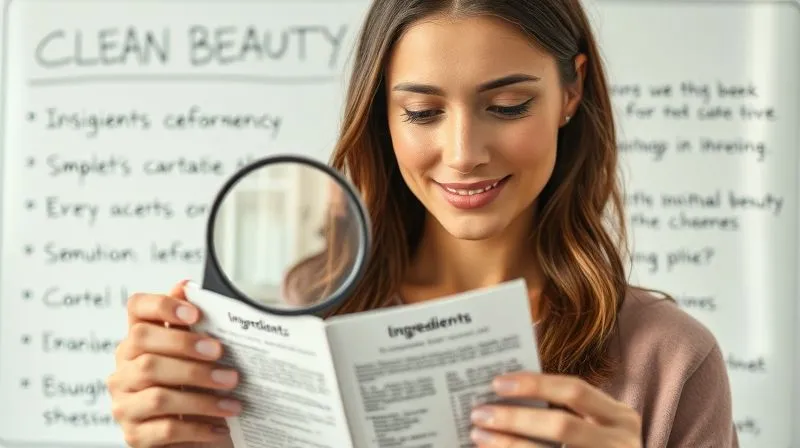
The foundation of any truly clean beauty brand is its ingredients. This isn't just about what you exclude, but what you include, and how you acquire it. Greenwashing often hides behind vague ingredient lists or focuses on a single 'hero' natural ingredient while overlooking problematic fillers or processing methods.
Decoding Your INCI List: Beyond "Free From"
Consumers are increasingly educated about ingredients, but the INCI (International Nomenclature Cosmetic Ingredient) list can still be daunting. Your role is to make it accessible and understandable. Don't just list what you're 'free from'; explain what you're 'full of' and why those ingredients matter. Provide detailed explanations for each ingredient's purpose, source, and benefits.
I always advise brands to think of their ingredient list as a story. Each component has a role to play. By sharing that narrative, you empower your customers to make informed decisions and build a deeper connection with your product. This level of detail instantly sets you apart from brands that simply rely on buzzwords.
Ethical Sourcing and Supply Chain Visibility
Transparency extends far beyond the label. It encompasses your entire supply chain. Where do your ingredients come from? Are they ethically harvested? Are the workers paid fair wages? These are the questions consumers are asking, and your answers build trust.
Consider mapping your supply chain and sharing this information. Whether it's sustainable palm oil, fair-trade shea butter, or organic essential oils, communicate your commitment. This demonstrates a holistic approach to clean beauty that goes beyond just the product's efficacy.
- Identify Key Ingredients: List your core ingredients and their exact suppliers.
- Verify Supplier Practices: Request documentation on ethical sourcing, labor practices, and environmental impact from your suppliers.
- Share the Story: Create dedicated pages on your website or use QR codes on packaging to share ingredient stories, supplier profiles, and certifications.
- Regular Audits: Implement a system for periodic checks and audits of your supply chain to ensure ongoing compliance.
| Ingredient Type | Greenwashing Tactic | Authentic Clean Beauty Approach |
|---|---|---|
| Emulsifier | 'Plant-derived' (often heavily processed with petrochemicals) | Lecithin from non-GMO soy or sunflower, clearly stating processing method |
| Fragrance | 'Natural fragrance' (can contain undisclosed allergens/synthetics) | Clearly listed essential oils or natural isolates with full transparency |
| Preservative | 'Paraben-free' (but uses other problematic preservatives) | Plant-derived preservatives like radish root ferment, with efficacy data |
Pillar 2: Robust Certifications and Third-Party Validation
In a world of self-proclaimed 'clean' brands, independent verification is your strongest ally. Certifications from reputable third-party organizations act as powerful trust signals, cutting through the greenwashing noise and providing tangible proof of your brand's commitment.
Navigating the Certification Maze: Choosing Wisely
Not all certifications are created equal. Some are rigorous and globally recognized, while others are less stringent or even proprietary. Your brand needs to strategically choose certifications that align with your core values and resonate with your target audience. For instance, if animal welfare is paramount, Leaping Bunny or PETA Cruelty-Free certification is essential. If ingredient safety is key, EWG Verified is a gold standard.
I often advise brands to prioritize certifications that address multiple facets of clean beauty – from ingredient sourcing to environmental impact. These multi-faceted seals demonstrate a comprehensive commitment rather than a narrow focus that might still allow for greenwashing in other areas.
- EWG Verified: For comprehensive ingredient safety and transparency.
- Leaping Bunny/PETA Cruelty-Free: For animal welfare and no animal testing.
- USDA Organic: For organic agricultural ingredients.
- B Corp Certification: For overall social and environmental performance.
- COSMOS Organic/Natural: European standard for organic and natural cosmetics.
By investing in and prominently displaying these certifications, you're not just making a claim; you're providing verifiable proof. The Environmental Working Group (EWG), for example, offers a robust database and verification program that consumers actively seek out.
The Power of Independent Audits
Beyond product-specific certifications, consider independent audits of your manufacturing processes, environmental footprint, or labor practices. These audits, conducted by impartial third parties, lend immense credibility to your brand's overall operations. They show that you're not just focused on the end product but on the entire lifecycle and impact of your business.
Sharing the results of these audits, even if they highlight areas for improvement, builds immense trust. It demonstrates a commitment to continuous improvement and transparency, rather than a façade of perfection. This level of honesty is a powerful differentiator in a market often characterized by exaggerated claims.
Pillar 3: Educating, Not Just Marketing: Empowering Your Consumer
True differentiation in clean beauty comes from empowering your consumers to understand and advocate for their own health and the planet. This means shifting from purely marketing your products to educating your audience about the 'why' behind your choices.
Crafting an Authentic Brand Narrative
Every brand has a story, but an authentic clean beauty brand's narrative is deeply rooted in its values, its founders' passion, and its commitment to transparency. This isn't about selling a product; it's about inviting customers into a movement. Share your journey, your struggles, your triumphs, and the ethical considerations that guide every decision.
According to Harvard Business Review, brands with authentic narratives foster stronger emotional connections with consumers. This connection translates into loyalty that greenwashing competitors simply cannot replicate. Your story is unique; tell it with conviction and honesty.
Demystifying Clean Beauty Terms
The clean beauty lexicon can be confusing. 'Vegan,' 'cruelty-free,' 'non-toxic,' 'organic,' 'sustainable' – these terms often overlap but also have distinct meanings. Your brand has an opportunity to clarify this for your audience. Create glossaries, blog posts, videos, and infographics that break down these concepts in simple, digestible ways.
"Your greatest marketing tool isn't a flashy campaign; it's an educated consumer who understands and champions your mission."
When you demystify these terms, you not only educate but also demonstrate your expertise and commitment to clarity. This positions your brand as a trusted resource, not just a seller of products. You become a guide in their clean beauty journey.
Pillar 4: Sustainable Practices Beyond the Formula
Clean beauty isn't just about what's inside the bottle; it's about the entire lifecycle of your product, from creation to disposal. Greenwashing often focuses solely on 'natural' ingredients while ignoring the environmental impact of packaging, manufacturing, or distribution.
Packaging Innovation: Reduce, Reuse, Recycle
Your packaging is often the first physical interaction a customer has with your brand. Make it count. Prioritize materials that are truly sustainable: glass, aluminum, post-consumer recycled (PCR) plastics, or innovative biodegradable options. But don't stop there. Design for reuse (refillable systems) and easy recycling (clear labeling).
I've seen brands make huge strides by not just choosing sustainable materials but by minimizing packaging, eliminating unnecessary components, and collaborating with recycling programs. This demonstrates a commitment that goes beyond aesthetics and truly embodies environmental responsibility. For instance, Forbes highlights key innovations in sustainable packaging that can inspire your brand.
Carbon Footprint and Ethical Operations
Consider your brand's overall carbon footprint. Are your manufacturing processes energy-efficient? Do you use renewable energy? How do you manage waste? Transparently sharing your efforts to reduce environmental impact across your entire operation is a powerful differentiator.
This also extends to your ethical operations. Are your employees treated fairly? Do you give back to the community? These aspects contribute to your brand's holistic 'clean' profile and resonate deeply with conscious consumers. It’s about building a business that is clean from the ground up, not just in its final product.
Pillar 5: Community Engagement and Feedback Loops
Authentic clean beauty brands don't just sell products; they cultivate communities. Engaging with your customers, listening to their feedback, and involving them in your brand's evolution creates a bond that greenwashing brands can never replicate.
Building a Trust-Based Community
Social media, forums, and even in-person events can be powerful platforms for community building. Encourage open dialogue, answer questions honestly, and share behind-the-scenes glimpses of your brand. This humanizes your business and fosters a sense of belonging among your customers.
When customers feel heard and valued, they become your most passionate advocates. They'll defend your brand against skepticism and share their positive experiences, acting as organic, trustworthy marketers. This word-of-mouth validation is invaluable in combating greenwashing.
Listening and Adapting: The Power of Honest Reviews
Negative feedback can be a gift. It provides an opportunity to learn, improve, and demonstrate your commitment to customer satisfaction. Respond to all reviews, positive and negative, with grace and genuine interest. Show that you're listening and willing to adapt based on consumer input.
This transparency in handling feedback differentiates you from brands that only highlight glowing reviews while ignoring criticism. It shows an unwavering commitment to your customers and your product's integrity. It's a testament to your brand's resilience and dedication to continuous improvement.
Case Study: How TerraGlow Organics Built Trust Through Community
TerraGlow Organics, a fictional clean skincare brand, faced stiff competition from larger companies making vague 'natural' claims. Instead of ramping up marketing, they invested heavily in community engagement. They launched a 'Co-Creator' program, inviting 50 loyal customers to test new formulations, provide detailed feedback, and even vote on packaging designs.
They hosted monthly live Q&A sessions with their formulators on Instagram, openly discussing ingredient choices, sourcing challenges, and their vision. When a customer raised concerns about a specific preservative, TerraGlow didn't dismiss it. Instead, they published a detailed blog post explaining their choice, citing scientific data, and promising to research alternatives for future formulations. This level of transparency and active listening transformed their customers into staunch brand advocates, leading to a 25% increase in repeat purchases and a 15% growth in new customer acquisition within a year, purely through word-of-mouth.
Pillar 6: Consistent Communication Across All Channels
Inconsistency is a red flag for consumers. A truly clean beauty brand maintains a unified, authentic voice and message across every touchpoint, from its website to its social media and public relations efforts. Greenwashing often reveals itself through conflicting messages or a lack of detail in certain areas.
Website, Social Media, and PR Alignment
Ensure your website is a hub of transparency, providing detailed ingredient information, certifications, and your brand's sustainability initiatives. Your social media should echo these messages, offering educational content, behind-the-scenes glimpses, and engaging with your community. Your PR efforts should focus on sharing your authentic story and verifiable achievements, not just product launches.
Every piece of content you produce should reinforce your clean beauty values. This consistent narrative builds a strong, cohesive brand identity that is difficult for greenwashing competitors to mimic. As highlighted by HBR, consistent brand messaging is crucial for building trust and recognition.
Training Your Team to Be Brand Ambassadors
Your team, from customer service representatives to sales associates, are the frontline ambassadors of your brand. They must be thoroughly educated about your clean beauty philosophy, ingredient choices, certifications, and sustainable practices. Empower them with accurate information to confidently answer customer questions and articulate your brand's unique selling propositions.
When your team speaks with knowledge and passion, it reinforces your brand's authenticity. Inconsistent or misinformed responses can quickly undermine trust, even if your products are genuinely clean. Invest in comprehensive training to ensure everyone is aligned with your brand's core values.
Pillar 7: The Long Game: Authenticity Over Quick Wins
Differentiating your clean beauty brand from greenwashing competitors isn't a sprint; it's a marathon. It requires unwavering commitment, continuous improvement, and a willingness to prioritize authenticity over short-term gains. Your ultimate goal is to build a brand that is synonymous with integrity.
Measuring Impact and Continuous Improvement
Regularly assess your brand's performance against your clean beauty commitments. This includes tracking your environmental footprint, monitoring customer feedback, reviewing supplier ethics, and staying abreast of new scientific research and industry best practices. Clean beauty is an evolving field, and your brand should evolve with it.
Be open about your progress and your challenges. Share annual sustainability reports or transparency updates. This demonstrates a genuine commitment to continuous improvement and reinforces your brand's dedication to its values, further setting you apart from those who merely pay lip service to clean beauty.
Why Trust is Your Ultimate Brand Equity
In the noise of greenwashing, trust is the most valuable currency your brand possesses. It's what differentiates you from the imitators, fosters fierce customer loyalty, and builds a resilient business that can withstand market fluctuations. Trust isn't built overnight; it's earned through consistent, transparent, and ethical practices.
Your brand's integrity is its strongest asset. By focusing on genuine clean beauty, transparent practices, and unwavering authenticity, you're not just selling products; you're building a movement. This dedication to truth is how you truly differentiate your clean beauty brand from greenwashing competitors and secure its place as a leader in the industry.

Frequently Asked Questions (FAQ)
How do I choose the right certifications for my brand? Selecting certifications depends on your brand's core values and target audience. Start by identifying what matters most to your customers (e.g., ingredient safety, cruelty-free, organic). Research reputable certifications in those areas (EWG, Leaping Bunny, USDA Organic, COSMOS). Prioritize certifications that are widely recognized and have rigorous standards. It's often better to have a few strong, relevant certifications than many obscure ones. Consider your budget and the time commitment for audits, as these can vary significantly.
What's the best way to communicate complex ingredient information without overwhelming consumers? The key is multi-layered transparency. On product labels, provide the INCI list as required, but also use clear, simple language to highlight key ingredients and their benefits. On your website, create dedicated 'Ingredient Glossary' pages with detailed explanations, sources, and scientific backing. Use infographics, short videos, and blog posts to break down complex concepts into digestible content. Offer a 'Why We Use It' section for each ingredient to build understanding and trust.
Can a small brand truly compete with larger brands that greenwash more effectively? Absolutely. In fact, small brands often have an advantage due to their agility, direct connection with customers, and ability to be genuinely transparent. Large corporations often struggle with complex supply chains and legacy formulations, making radical transparency challenging. Small brands can build trust through authenticity, personalized engagement, and a clear, unwavering commitment to their values. Focus on your niche, tell your unique story, and build a loyal community – these are assets larger brands often envy.
How often should I audit my supply chain for clean beauty compliance? The frequency of supply chain audits depends on various factors, including the complexity of your supply chain, the risk profile of your ingredients, and regulatory requirements. As a best practice, I recommend at least an annual internal review, with external third-party audits every 1-3 years for critical suppliers or high-risk ingredients. For new suppliers, a thorough audit is essential before onboarding. Continuous monitoring and strong relationships with suppliers are also crucial.
What are the biggest red flags for consumers trying to spot greenwashing? Consumers should look for vague claims (e.g., 'natural,' 'eco-friendly' without specifics), 'green sheen' packaging (overuse of green colors, leaves, or nature imagery without substance), lack of certifications from reputable third parties, focusing on a single 'free-from' claim while ignoring other problematic ingredients, and a lack of transparency regarding ingredient sourcing or manufacturing processes on the brand's website. If it sounds too good to be true, it often is.
Key Takeaways and Final Thoughts
- Transparency is Non-Negotiable: Be open about ingredients, sourcing, and processes.
- Certifications Build Trust: Leverage reputable third-party validation to prove your claims.
- Educate Your Audience: Empower consumers with knowledge, turning them into advocates.
- Holistic Sustainability: Extend your clean ethos beyond the formula to packaging and operations.
- Cultivate Community: Engage with customers, listen to feedback, and build loyalty.
- Maintain Consistency: Ensure your clean beauty message is unified across all channels.
- Play the Long Game: Authenticity and integrity are your most valuable, enduring assets.
The clean beauty movement is here to stay, and consumers are becoming increasingly discerning. While greenwashing presents a significant challenge, it also creates an immense opportunity for truly authentic brands to shine. By embracing the seven pillars we've discussed, your brand can not only differentiate itself but also become a beacon of trust and integrity in a crowded market. This is your chance to lead with purpose, build a loyal following, and contribute meaningfully to a healthier, more sustainable beauty industry. Your commitment to genuine clean beauty isn't just good for business; it's good for the world.
Recommended Reading
- 7 Steps: Avoid Greenwashing as Your Organic Beauty Brand Grows
- The Ultimate Guide: How to Banish Bridal Hair Frizz on Your Wedding Day
- 7 Ways to Source Sustainable Accessories Affordably: Your Expert Guide
- 5 Ways to Ensure Textile Functionality After Repeated Washing
- Unveiling the True Value: What Makes a Luxury Designer Brand Worth Buying?





Your email address will not be published. Required fields are marked *