


Understanding the Root of the Problem: Why Does Textile Functionality Degrade After Washing?
In my fifteen years navigating the intricate world of textile innovation, one of the most persistent challenges I’ve observed manufacturers and consumers alike grapple with is the inevitable decline in textile functionality after repeated laundering. It's a fundamental issue, often misunderstood as simple wear and tear, but its roots run far deeper into the material science itself.
Understanding this degradation isn't just academic; it's the crucial first step toward designing truly resilient and sustainable textiles that can deliver on their promises throughout their lifecycle.
At its core, the washing process is inherently aggressive. The constant tumbling and agitation within a washing machine subject textile fibers and their intricate structures to significant mechanical stress.
This relentless friction causes fibers to abrade against each other and the machine drum, leading to surface damage, micro-fibrillation, and ultimately, a breakdown of the yarn and fabric integrity. Think of it like bending a paperclip repeatedly; eventually, it weakens and breaks.
I've seen countless examples where this mechanical fatigue compromises critical performance attributes, from reduced tensile strength in workwear to diminished loft in insulation layers, simply due to the physical ordeal of washing.
Beyond the physical forces, textiles face a formidable chemical assault during laundering. Detergents, while essential for cleaning, are complex formulations designed to actively break down substances, and unfortunately, they can also interact adversely with textile components.
The pH levels of washing solutions, often alkaline, can hydrolyze certain polymer chains, especially in synthetic fibers or specific finishes. Moreover, the presence of enzymes, optical brighteners, and even water hardness minerals can all contribute to the breakdown of dyes, finishes, and the fiber itself over time.
A common mistake I see is overlooking the long-term impact of seemingly mild detergents; their cumulative chemical action is a silent killer of textile performance.
Temperature plays a crucial, often underestimated, role in textile degradation. Hot water, while effective for cleaning, accelerates chemical reactions and can induce significant thermal stress on fibers.
Many synthetic polymers, such as polyester or nylon, can experience changes in their crystalline structure at elevated temperatures, leading to shrinkage or a loss of shape retention. Natural fibers like cotton swell considerably in hot water, and repeated swelling and drying cycles weaken their internal structure.
Furthermore, high heat drying can exacerbate these issues, causing irreversible damage to elastic components, adhesive bonds in laminates, and heat-sensitive finishes, effectively 'baking out' their functionality.
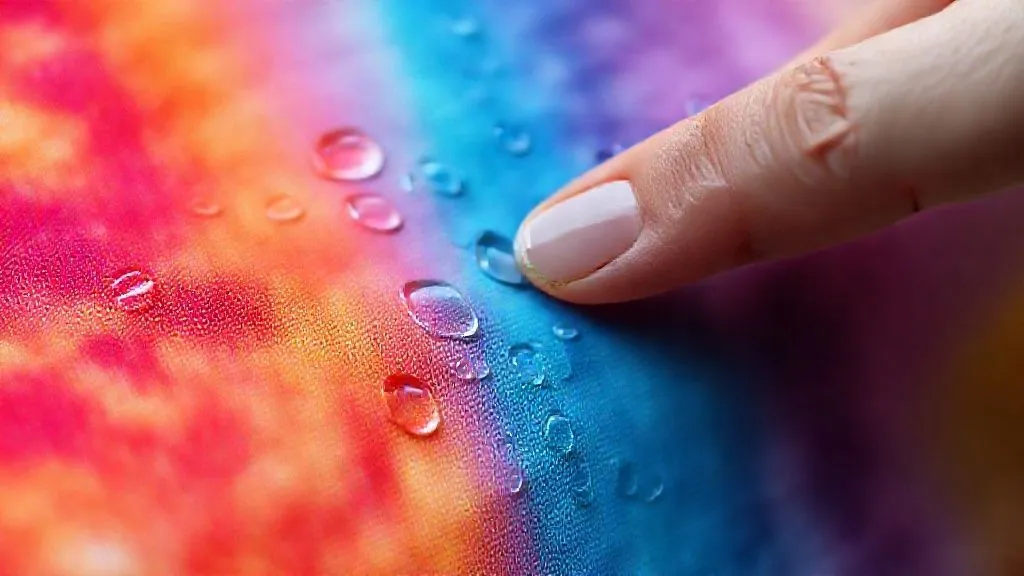
Perhaps the most direct cause of functionality loss is the gradual removal or degradation of functional finishes. These are often surface treatments applied to impart properties like water repellency, antimicrobial protection, wrinkle resistance, or moisture-wicking capabilities.
These finishes, whether they are fluorocarbons, silicones, or specific polymer coatings, are designed to be durable but are rarely permanent. Each wash cycle acts as a stripping agent, physically removing the finish or chemically breaking down its active components.
In my own lab, we frequently observe that the initial excellent performance of a DWR (Durable Water Repellent) finish, for instance, can plummet by 50% or more after just 10-20 washes, rendering the garment far less effective in wet conditions.
It's also essential to acknowledge that different fiber types possess inherent vulnerabilities. Natural fibers like cotton are prone to swelling and shrinking, which can lead to structural distortion and pilling. Wool fibers, with their scale-like structure, are susceptible to felting under agitation and heat.
Synthetics, while generally more robust, can suffer from micro-cracking, loss of elasticity, or chemical degradation of their polymer chains. Blends introduce even greater complexity, as the weakest link often dictates the overall degradation pathway.
Crucially, these factors rarely act in isolation. The true challenge lies in their synergistic interaction. Hot water amplifies the chemical reactivity of detergents, while mechanical stress can accelerate the removal of heat-weakened finishes.
A textile might withstand a single hot wash, or a single harsh detergent, but the combination of heat, chemistry, and abrasion over many cycles creates a cumulative assault that rapidly dismantles its intended performance characteristics.
The journey of a textile from pristine functionality to diminished performance is not a sudden collapse, but a gradual erosion driven by a complex interplay of physical, chemical, and thermal forces. Ignoring any one of these elements is to fundamentally misunderstand the challenge of textile longevity.
By dissecting these root causes, we equip ourselves with the knowledge to innovate more resilient materials and processes, moving beyond superficial fixes to address the core vulnerabilities of functional textiles.
Can fabric softeners harm responsive textile properties?
In my extensive experience in textile innovation, the question of fabric softeners and their impact on responsive textile properties is not just common; it's critical. The short answer is a resounding **yes, they absolutely can harm these properties**, and often do, to the detriment of the textile's intended function.Fabric softeners are primarily composed of cationic surfactants, which are positively charged molecules. When introduced to the wash cycle, these molecules are attracted to the negatively charged surfaces of textile fibers. They then deposit a thin, lubricating film, typically a fatty acid compound, onto the fabric surface.
This coating is designed to make fibers feel smoother, reduce static cling, and impart a pleasant scent. However, it's precisely this coating action that becomes problematic for textiles engineered with specific, often delicate, responsive functionalities.
Consider the spectrum of responsive textiles we work with today – from high-performance athletic wear to advanced medical textiles and smart fabrics. Their functionality hinges on precise material science at the fiber level. When a softener's film coats these fibers, it creates a barrier that can fundamentally alter or completely obstruct their intended behavior.
"The very mechanism that makes fabric softeners effective for comfort often acts as a functional inhibitor for advanced textile properties."
Let's break down how this interference manifests across different responsive properties:
- Moisture-Wicking and Breathability: Textiles designed for activewear or outdoor gear often rely on a specific fiber structure and surface tension to pull moisture away from the skin (wicking) or allow air to circulate. The hydrophobic (water-repelling) film from softeners clogs these microscopic channels, drastically reducing the fabric's ability to wick sweat and breathe effectively. I've seen countless examples where high-performance base layers become clammy and uncomfortable after just a few washes with softener.
- Antimicrobial and Odor Control: Many advanced textiles incorporate antimicrobial agents or odor-absorbing technologies directly into or onto the fibers. Softeners can create a physical barrier over these active sites, making them less accessible to bacteria or odor molecules. In some cases, the fatty residue itself can even provide a food source for certain microbes, exacerbating odor issues rather than preventing them.
- Phase-Change Materials (PCMs) and Thermal Regulation: Fabrics with PCMs are designed to absorb, store, and release heat to maintain optimal body temperature. A softener's coating can act as an insulating layer, hindering the efficient transfer of heat to and from the PCM microcapsules, thereby compromising the fabric's thermal regulatory capabilities.
- Water Repellency (DWR Finishes): While softeners are not typically used on DWR-treated outerwear, a common mistake I see is accidental exposure. The fatty film can bind to the DWR finish, diminishing its ability to shed water and often requiring specialized cleaning or re-treatment to restore function.
- Smart Textiles and Conductive Elements: For fabrics incorporating conductive yarns, sensors, or integrated electronics, softeners pose a significant risk. The insulating film can interfere with electrical conductivity, degrade sensor performance, or even cause short-circuiting in intricate circuits over time. Maintaining the integrity of these conductive pathways is paramount.
From a practical standpoint, my advice to both manufacturers and consumers is unequivocal: **avoid fabric softeners entirely** when dealing with textiles engineered for specific performance or responsive properties. Always refer to the care label, which should explicitly state whether softeners are suitable. If in doubt, err on the side of caution and omit them.
For textile innovators, this means not only developing robust responsive materials but also providing clear, concise care instructions that educate the end-user on how to preserve functionality. It’s about ensuring the consumer's experience matches the sophisticated engineering we put into every fiber.
Reading Recommendations:
- 7 Steps to Flawless Color Grading for Fashion Campaigns: Your Guide
- Unlocking Perfect Fit: How to Integrate 3D Body Scan Data Effectively
- Unlock Fashion Event Networking: The Blogger's Ultimate Guide to Connections
- The Unseen Value: Best Heritage Luxury Brands for Investment Revealed
- Unlock Profit: 7 Strategies for Niche Outdoor Wear Brands
Key Points and Final Thoughts
Having explored the various strategies for maintaining textile functionality, it becomes clear that this isn't merely a quality control step, but a fundamental pillar of sustainable product design and consumer satisfaction. In my experience, the true mark of a superior textile product lies not in its initial appearance, but in its unwavering performance wash after wash. The longevity of a textile directly impacts its environmental footprint. A garment that fails after a few washes contributes significantly to textile waste, undermining any initial claims of sustainability. Moreover, it erodes consumer trust and damages brand equity. A single negative experience with a prematurely degraded product can have lasting repercussions on market perception. A common mistake I see manufacturers make is treating wash testing as a mere compliance hurdle, rather than an integral feedback loop for product development. This often leads to a reactive approach, where issues are identified post-production, incurring significant costs and reputational damage. Proactive, iterative testing from the earliest design stages is paramount. Consider the analogy of a high-performance athletic shoe. Its initial comfort is important, but its true value is measured by how well it supports, cushions, and endures over hundreds of miles and countless training sessions. Similarly, a functional textile must not only meet its initial specifications but consistently deliver on its promise of durability, comfort, or protective properties throughout its intended lifecycle. Manufacturers and designers must adopt a holistic approach, integrating functionality considerations at every stage:- Fiber Selection: Understanding the inherent properties and wash resilience of chosen fibers (e.g., the difference between long-staple cotton and short-staple, or the hydrolysis resistance of certain synthetics).
- Yarn Construction: How twist, ply, and denier impact abrasion resistance and pilling. A tightly spun yarn often performs better under stress.
- Fabric Structure: Weaves vs. knits, and how density and finishing treatments contribute to dimensional stability and strength retention.
- Dyeing and Finishing Chemistry: Ensuring chemical treatments are durable and don't compromise fiber integrity or leach out prematurely.
- Garment Construction: Seam strength, stitching quality, and reinforcement in high-stress areas are just as critical as the fabric itself.
"The true test of textile innovation isn't in creating something new, but in creating something that endures. Durability is not a luxury; it's a fundamental requirement for responsible design and a sustainable future."Looking ahead, the industry must embrace advanced testing methodologies that simulate real-world wear and washing conditions more accurately, moving beyond basic ASTM or ISO standards where necessary. The integration of smart textiles and performance coatings also demands continuous innovation in wash care, ensuring these advanced functionalities are not lost after a few cycles. Ultimately, ensuring textile functionality after repeated washing is an ongoing commitment, a blend of scientific understanding, meticulous engineering, and a deep respect for the end-user experience. It's about designing for longevity, not just for the moment, thereby building trust and contributing to a more sustainable textile ecosystem.


Your email address will not be published. Required fields are marked *