

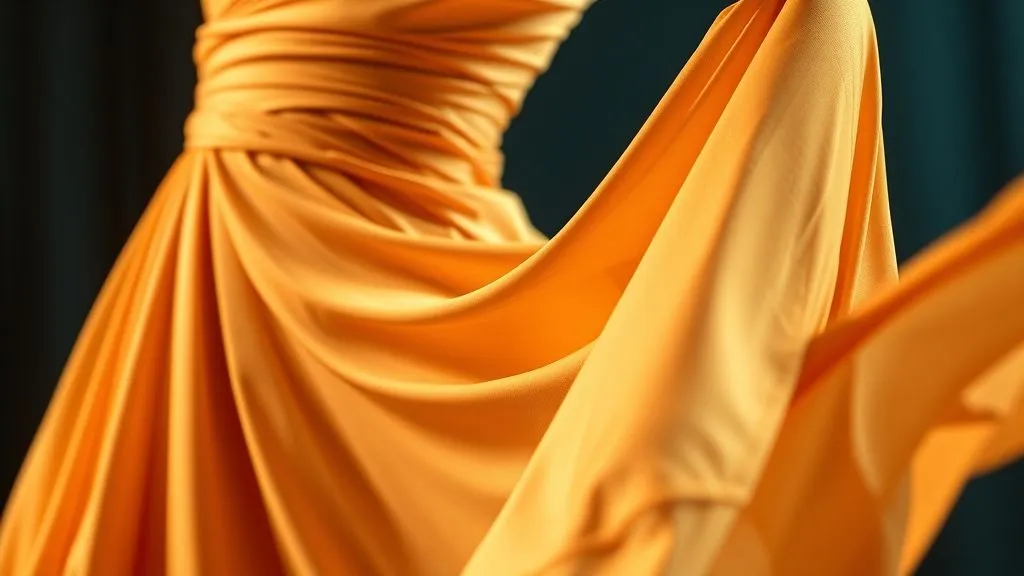
What Material Prevents Costume Tearing During Intense Dance Sequences?
For over two decades in the demanding world of costume design, I've witnessed the exhilarating highs of a flawless performance and the heartbreaking lows of a costume tearing mid-sequence. It’s a designer’s nightmare and a dancer’s worst fear – that sudden rip, the exposed seam, the distraction that pulls both performer and audience out of the magic.
This isn't just about aesthetics; it's about the integrity of the performance, the safety of the dancer, and the significant financial investment in each piece. The problem isn't always obvious; sometimes, it's a cumulative stress, other times a sudden, explosive movement that pushes a fabric beyond its limits.
In this definitive guide, I'll draw upon my extensive experience to dissect the science of fabric resilience, reveal the top materials that truly stand up to intense dance, and share crucial construction techniques. You'll gain actionable insights to design costumes that not only look spectacular but are engineered to endure the most rigorous choreography, ensuring your dancers shine without a single rip.
Understanding the Dynamics of Dance and Fabric Failure
Before we dive into solutions, we must first understand the enemy: the forces that conspire to tear a costume. Intense dance sequences, whether contemporary, ballet, or acrobatic, subject fabrics to a unique combination of stresses. It’s not just about one strong pull; it's a dynamic interplay of tension, torsion, compression, and sheer force, often repeated hundreds of times.
Think of a grand jeté or a rapid pirouette – the fabric stretches violently, then snaps back. A lift involves abrasion against another dancer's costume or even the stage floor. These movements create critical stress points, particularly at seams, armholes, crotches, and areas of high articulation like knees and elbows. Understanding these mechanical stresses is the first step in selecting what material prevents costume tearing during intense dance sequences.
As a designer, I've learned to visualize these forces. I mentally choreograph the dance, identifying every twist, bend, and extension, and then anticipate where the fabric will be most vulnerable. This predictive analysis is crucial for preemptive material selection and strategic reinforcement.
The Core Properties of Tear-Resistant Fabrics
Not all fabrics are created equal when it comes to durability. For dance costumes, we're not just looking for strength; we need a specific blend of properties that allow for extreme movement without compromise. The key characteristics are tensile strength, tear resistance, elasticity, and recovery.
Tensile strength refers to a material's ability to withstand pulling forces before breaking. For dance, this means resisting the strain of a deep lunge or a high kick. Tear resistance, on the other hand, is the fabric's ability to resist the propagation of a tear once a small cut or snag has occurred – vital for preventing a small rip from becoming a catastrophic failure. According to a study published in the Textile Research Journal, the intricate weave structure significantly impacts both tensile and tear strength.
Elasticity is the fabric's ability to stretch, while recovery is its capacity to return to its original shape without bagging or distorting. Without excellent recovery, a costume quickly loses its form, becoming baggy and hindering movement. A high-performance fabric will offer a multi-directional stretch – usually 4-way stretch – allowing unrestricted movement in all planes.
Beyond these, consider abrasion resistance, especially for floor work or partner lifts, and moisture-wicking properties for dancer comfort. A fabric that maintains its integrity even when damp or saturated with sweat is inherently more reliable during intense, prolonged performances.
The Frontrunners: Best Materials for Preventing Tears
Based on decades of practical application and material science, certain fabrics consistently emerge as superior choices for high-intensity dance costumes. These are the workhorses that I turn to time and again when the stakes are high.
Spandex/Lycra Blends: The Unsung Hero
When asking what material prevents costume tearing during intense dance sequences, Spandex (known as Lycra by DuPont) is almost always the answer's core. It's an elastane fiber renowned for its exceptional elasticity and recovery. Blended with other fibers, it imbues fabrics with incredible stretch capabilities, often 400-700% of its original length, returning perfectly to shape.
Common blends include Nylon/Spandex and Polyester/Spandex. Nylon/Spandex offers a smooth hand, excellent drape, and good abrasion resistance, making it ideal for sleek, form-fitting garments. Polyester/Spandex is often more colorfast, resistant to chlorine, and offers superior moisture-wicking, perfect for sweaty performances and frequent washing.
"The magic of Spandex isn't just its stretch; it's its ability to recover tirelessly, maintaining the garment's integrity and fit through countless dynamic movements."
Beyond Basic Stretch: Technical Fabrics
For truly extreme demands, we look to technical fabrics with enhanced properties. Power Mesh, a finely woven mesh with significant Spandex content, offers breathability, stretch, and surprising strength for its weight. It's often used for inserts, linings, or entire costume sections where flexibility and airflow are paramount.
Neoprene, a synthetic rubber, while heavier, offers incredible durability, structure, and compression. It's less common for full costumes but invaluable for structured pieces, armbands, or accents where robust support and tear resistance are critical. Its inherent thickness also provides a degree of padding against abrasion.
Reinforcement and Structure: Ripstop & Heavy-Duty Options
While not typically used for the primary stretch panels, fabrics like Ripstop Nylon or Ripstop Polyester are invaluable for structural elements or areas exposed to extreme abrasion. Characterized by a special reinforcing technique that makes them resistant to tearing and ripping, they incorporate interwoven threads in a crosshatch pattern, preventing a tear from spreading. I often use these for accent pieces, overlays, or areas that need to hold shape while the main body stretches.
For certain theatrical elements or character costumes, a heavy-duty stretch twill or stretch denim (with Spandex content) can provide a robust, structured look while still allowing for necessary movement, far surpassing the tear resistance of their non-stretch counterparts.
| Fabric Type | Key Benefit | Ideal Use |
|---|---|---|
| Nylon/Spandex Blend | High Stretch & Recovery, Smooth Finish, Good Abrasion | Leotards, Unitards, Form-Fitting Costumes |
| Polyester/Spandex Blend | Colorfast, Moisture-Wicking, Chlorine Resistant | Swimwear-inspired, Outdoor Performance, Frequent Washing |
| Power Mesh | Breathable, Lightweight, Flexible Support | Inserts, Layering, Illusion Panels |
| Ripstop Nylon/Poly | Exceptional Tear Resistance, Lightweight | Reinforcements, Overlays, Structural Accents |
| Stretch Twill/Denim | Structured Look, Durable, Moderate Stretch | Character Costumes, Outerwear, Theatrical Pieces |
The Art of Construction: Beyond Just Fabric Choice
Even the most resilient fabric can fail if not constructed correctly. As a veteran in costume design, I can attest that impeccable construction is just as critical as material selection. It's the silent hero that ensures a costume endures the rigors of performance.
- Reinforce Stress Points: Identify areas of maximum tension (crotch, armholes, shoulders, knees) and reinforce them. This can involve double-layering fabric, using stronger interlinings, or applying strategic topstitching.
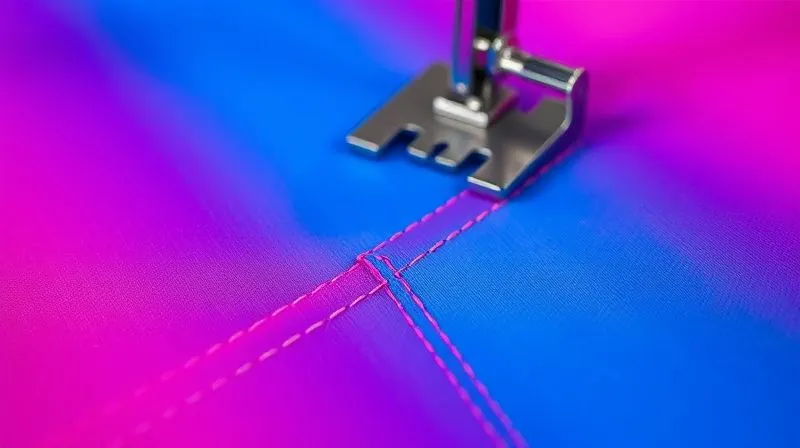
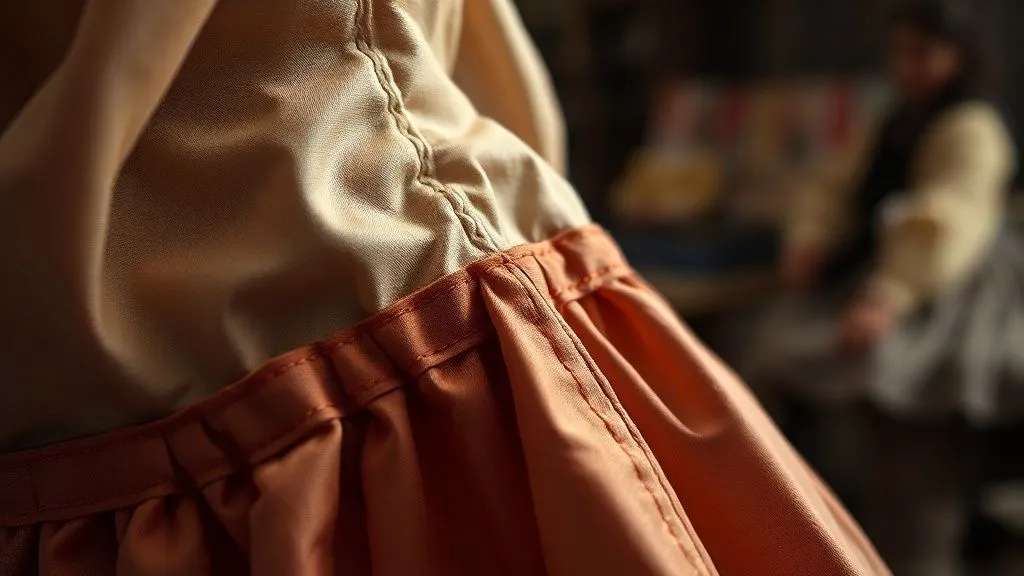
- Choose the Right Seam: For stretch fabrics, a flatlock seam or a serged seam with a differential feed is paramount. These seams allow the fabric to stretch without popping threads. A straight stitch on a stretch fabric will almost always break. For non-stretch structural elements, a French seam or a felled seam can provide incredible durability and a clean finish.
- Use Appropriate Thread: High-quality polyester or nylon threads are essential. They offer strength and elasticity. For performance wear, I often opt for a textured nylon thread in the looper of my serger for added stretch and softness against the skin.
- Strategic Pattern Cutting: Orient fabric grain correctly. For 4-way stretch, this is less critical, but for 2-way stretch, ensure the greatest stretch runs horizontally around the body. Avoid placing seams directly at points of extreme tension if possible; instead, shift them slightly to distribute stress. Gussets – diamond or triangular inserts – in the crotch and underarms are non-negotiable for freedom of movement and tear prevention.
- Edge Finishing: Raw edges on performance fabrics can fray or curl, leading to weakness. Finish all edges, even hidden ones, with a serger, binding, or a narrow hem to maintain integrity.
I've seen costumes made from good fabric fail simply because a designer opted for a cheap thread or a conventional seam. The devil truly is in the details when you're aiming for peak performance and longevity.
Strategic Reinforcement: Where and How to Strengthen
Even with the best fabrics and construction techniques, some areas of a costume are inherently more vulnerable. This is where strategic reinforcement becomes a crucial part of the design process. It's about anticipating failure and proactively building in extra resilience.
One common technique is lining and interlining. A full lining made from a coordinating stretch mesh can add an extra layer of protection, distributing stress across a wider area and providing a smoother interior finish. For specific high-stress zones, a heavier-weight stretch fabric can be interlined, effectively creating a double-layer of durability without significantly impacting flexibility. For example, in the crotch of a unitard, I often use a second layer of the main fabric or a robust power mesh.
Gussets are another non-negotiable. These diamond or triangular shaped fabric inserts are strategically placed in areas of high movement, such as the underarms and crotch. They transform a point of stress into a broader area of distributed tension, allowing for a far greater range of motion without pulling at the seams. Without gussets, even the strongest fabric will eventually tear at the crotch seam during a deep plié or a high kick.
Consider also the use of elastic reinforcement. While typically used for fit, strategically sewn elastic bands at waistbands, necklines, or leg openings can also add structural integrity, preventing stretching out and providing an extra layer of tear prevention at critical edges. For example, a clear elastic sewn into the shoulder seam of a leotard will prevent it from stretching out and potentially tearing under repeated lifts.
Finally, the placement of closures like zippers and snaps needs careful consideration. These can become weak points if not properly reinforced. Backing zippers with sturdy webbing or a double layer of fabric, and ensuring snaps are applied to reinforced sections, prevents the fabric from tearing around the hardware during quick changes or vigorous movement.
Case Study: Elevating Performance for the "Kinetic Collective"
Let me share a real-world (though anonymized) example from my practice. The "Kinetic Collective," a contemporary dance company renowned for its athletic and highly physical choreography, approached me with a persistent problem: their unitards were constantly tearing. Specifically, the crotch and underarm seams were failing within weeks of a new production, leading to costly repairs and last-minute costume changes.
Their previous designer had used a standard polyester/spandex blend, which on paper, seemed adequate. However, my assessment revealed two critical flaws: inadequate seam construction and a complete absence of gussets. The fabric itself had decent stretch, but the straight-stitched seams couldn't handle the dynamic forces, and without gussets, every extreme extension put direct, concentrated stress on the crotch seam.
My solution involved a three-pronged approach:
- Fabric Upgrade: We switched to a higher-grade Nylon/Lycra blend with superior tensile strength and recovery, specifically chosen for its dense knit and robust elasticity.
- Construction Overhaul: Every seam on the unitards was re-engineered. We implemented a four-thread overlock stitch with a differential feed for all primary seams, ensuring maximum stretch and durability.
- Strategic Reinforcement: Crucially, I designed and integrated custom-fit, diamond-shaped gussets into both the crotch and underarm areas, made from a double layer of the main fabric.
The results were transformative. The Kinetic Collective completed an entire national tour – over 50 performances – with zero costume tears. The dancers reported unprecedented freedom of movement and confidence. This not only saved the company thousands in repair costs and new costume fabrication but also significantly boosted morale, allowing the dancers to focus entirely on their art without the anxiety of a potential wardrobe malfunction. It unequivocally demonstrated what material prevents costume tearing during intense dance sequences, when combined with expert construction.
Maintenance and Care: Extending Costume Lifespan
Even the most meticulously designed and constructed costume, made from the most durable materials, requires proper care to ensure its longevity. Neglecting maintenance can prematurely degrade fabric integrity, leading to tears and stretching.
First and foremost, gentle washing is key. For most performance fabrics, hand washing in cold water with a mild detergent is ideal. If machine washing, always use a delicate cycle in a mesh laundry bag to prevent snagging and excessive agitation. Harsh chemicals, bleach, and hot water can break down elastic fibers like Spandex, reducing their recovery and making the fabric more prone to tearing. Always consult the fabric manufacturer's care instructions, if available.
Drying methods are equally important. High heat from tumble dryers is the enemy of elastic fibers. Always air dry performance costumes. Lay them flat or hang them on a padded hanger, away from direct sunlight, to maintain their shape and prevent heat damage to the fibers. This preserves the fabric's elasticity and overall strength.
Proper storage also plays a significant role. Costumes should be stored clean, dry, and hung or folded carefully to avoid creasing or stretching. Avoid overcrowding garment bags, which can compress and distort delicate fabrics. For costumes with intricate embellishments, consider individual garment bags to prevent snags.
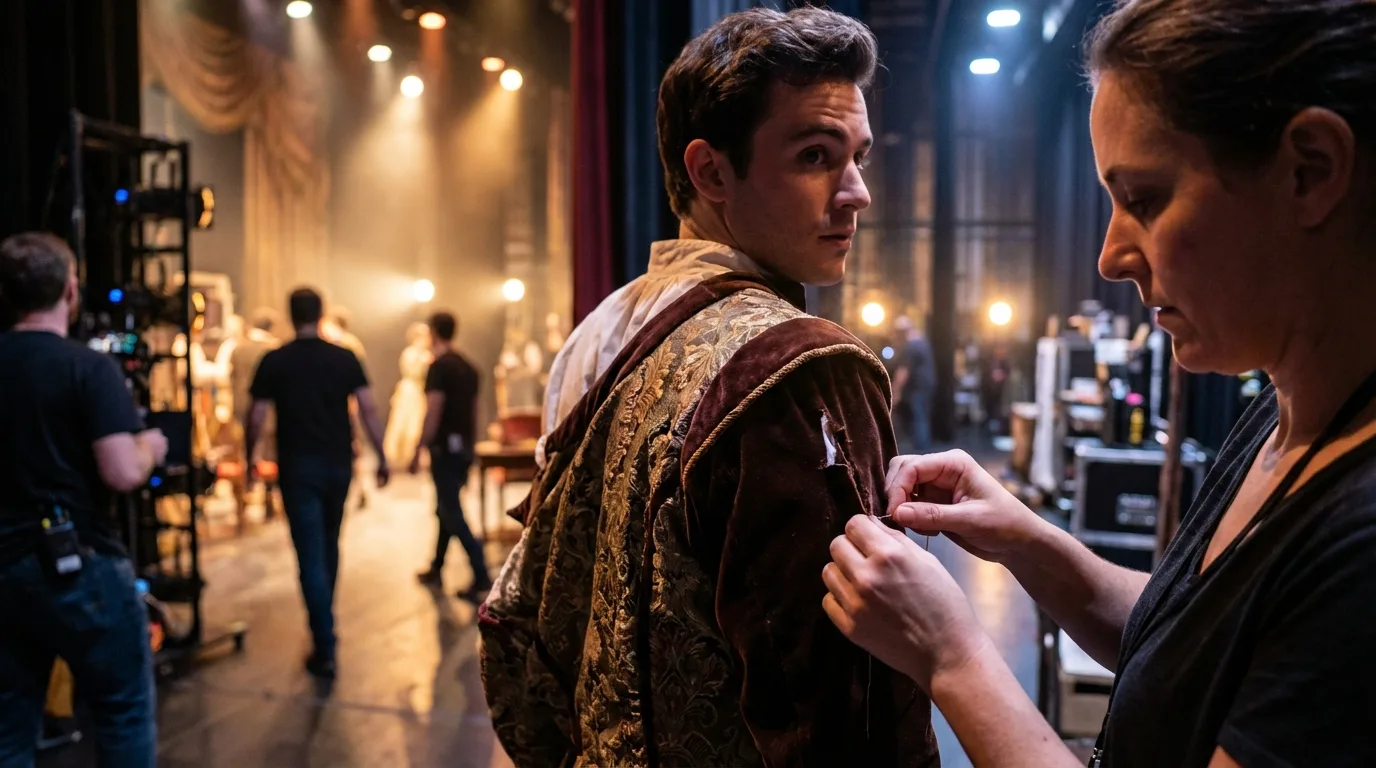
Regular inspection is a proactive measure. Before and after each performance, quickly check seams for signs of stress, loose threads, or small snags. Addressing minor issues immediately can prevent them from escalating into major tears. Small repairs, like re-stitching a loose seam or mending a tiny hole, are far easier and less costly than replacing an entire costume.
"A costume's lifespan isn't just about its initial quality; it's a testament to consistent, mindful care that preserves its performance integrity."
The Future of Durability: Innovations in Performance Fabrics
The textile industry is constantly evolving, and the realm of performance fabrics is no exception. As choreographers push the boundaries of movement, so too must material science push the boundaries of durability and flexibility. I'm always looking for what material prevents costume tearing during intense dance sequences, and the horizon is exciting.
We're seeing advancements in bio-engineered fibers that mimic natural strengths while offering synthetic benefits. Imagine fabrics with self-healing properties, where minor snags could be repaired with a simple application of heat or moisture. Research into materials inspired by natural structures, such as spider silk, promises unprecedented strength-to-weight ratios and elasticity. For instance, companies like Bolt Threads are already developing innovative, sustainable biomaterials.
Smart textiles are also on the rise, though primarily focused on biometric data for now. However, the integration of micro-sensors could one day provide real-time feedback on fabric stress points, allowing designers to predict and prevent tears before they occur. This could revolutionize costume maintenance and design.
Furthermore, the focus on sustainability is driving innovations in recycled and upcycled performance fabrics that don't compromise on durability. Manufacturers are developing methods to create high-quality, tear-resistant fabrics from post-consumer waste, offering an eco-conscious solution without sacrificing performance standards. This aligns with the broader industry push towards more responsible production, as highlighted by organizations like the Textile Exchange.
These innovations promise a future where costumes are not only incredibly resilient but also more sustainable, intelligent, and responsive to the dancer's needs, further refining what material prevents costume tearing during intense dance sequences.

Making the Right Choice: A Designer's Decision Framework
With so many factors at play, how do you make the definitive choice for your next production? I've developed a simple framework to guide my material selection, ensuring I address all critical aspects:
- Choreography Intensity: How extreme are the movements? Does it involve floor work, partner lifts, or rapid, explosive extensions? The more intense, the higher the demand for tear resistance and recovery.
- Aesthetic Vision: What is the desired look and feel? Does the fabric need to be sleek, flowing, structured, or translucent? This will narrow down your options, but never at the expense of functionality.
- Budget Constraints: High-performance technical fabrics can be more expensive. Balance ideal materials with what's financially viable, remembering that preventing tears saves money in the long run.
- Dancer Comfort: Is the fabric breathable? Does it wick moisture? Is it soft against the skin? An uncomfortable dancer is a distracted dancer.
- Longevity Requirements: Is this for a single performance, a short run, or an extensive tour? The expected lifespan directly influences the investment in material durability.
- Color and Dye Sublimation: Does the design require vibrant, long-lasting colors or intricate patterns? Some fabrics take dye better than others, and colorfastness is critical for repeated washing.
By systematically evaluating these points, you can arrive at an informed decision that balances artistic vision with practical durability. It's about finding the sweet spot where aesthetics meet engineering, ensuring your costume not only looks magnificent but also performs flawlessly.
Frequently Asked Questions (FAQ)
Q: Can I use cotton for dance costumes? A: While cotton is breathable and comfortable, 100% cotton lacks the necessary stretch and recovery for intense dance. It will bag, restrict movement, and tear easily under stress. A cotton blend with a significant percentage of Spandex (e.g., 90% cotton, 10% Spandex) can be suitable for lighter movements, but for truly intense sequences, I'd lean towards synthetic blends for superior durability and performance.
Q: How much stretch is enough for a dance costume? A: For high-intensity dance, aim for fabrics with at least 50% stretch in both directions (4-way stretch). Ideally, look for fabrics with 75-100% stretch and excellent recovery. This ensures maximum freedom of movement without putting undue strain on the fabric or seams. Always perform a stretch test on a swatch before committing.
Q: Are reinforced seams visible and will they affect the aesthetic? A: Not necessarily. Expertly executed reinforced seams, like flatlock or well-tensioned serged seams, are often flatter and less bulky than conventional seams. Gussets can be subtly integrated into the design lines or placed in less visible areas. The goal is seamless integration of function and form. Often, the enhanced durability *improves* the aesthetic by preventing rips.
Q: What's the biggest mistake new designers make regarding fabric durability? A: The most common mistake is prioritizing aesthetics over functionality, or underestimating the forces involved in dance. Choosing a fabric purely because it 'looks nice' without considering its stretch, recovery, tear resistance, and construction requirements is a recipe for disaster. Always test fabrics rigorously for their intended use. Another mistake is using the wrong thread or seam type for stretch fabrics, leading to immediate seam failure.
Q: Does fabric thickness correlate with durability? A: Not always directly. While a thicker fabric might seem more durable, it can also be heavier and restrict movement. The weave, fiber content (especially Spandex percentage), and specific technical finishes are often more critical than thickness alone. A high-quality, dense knit performance fabric can be relatively thin yet incredibly strong and tear-resistant, offering superior flexibility compared to a thick, non-stretch material.
Key Takeaways and Final Thoughts
As we've explored, preventing costume tearing during intense dance sequences is a multi-faceted challenge that demands a blend of material science, expert construction, and meticulous care. It's about understanding the dynamic forces at play and making informed choices at every stage of the design and fabrication process.
- Prioritize high-performance stretch fabrics like Nylon/Lycra or Polyester/Spandex blends with excellent tensile strength, tear resistance, and recovery.
- Master advanced construction techniques, especially appropriate seam types (serged, flatlock) and high-quality, elastic threads.
- Implement strategic reinforcement through gussets, linings, and careful hardware placement at all stress points.
- Commit to gentle care and regular inspection to extend the lifespan of your meticulously crafted costumes.
- Embrace a holistic decision framework that balances choreography, aesthetics, budget, and dancer comfort.
My hope is that this guide empowers you, whether you're a seasoned designer, an aspiring costume maker, or a dance company manager, to approach costume durability with renewed confidence and expertise. By investing in the right materials and techniques, you're not just preventing tears; you're investing in the seamless magic of performance, allowing dancers to move freely, express fully, and captivate audiences without a single wardrobe worry. Go forth and create costumes that are as resilient as the artists who wear them!
Recommended Reading
- Stop the Leak: 7 Proven Strategies to Minimize Online Casual Womenswear Returns
- Runway Photography Redefined: Deliver High-Quality Images Quickly
- 7 Proven Strategies: Cut Financial Loss from Unsold Bridal Gowns
- 7 Ways New Streetwear Brands Differentiate in an Oversaturated Market
- Unlock the Secret: How to Care for Contemporary Jewelry Materials?

Your email address will not be published. Required fields are marked *