

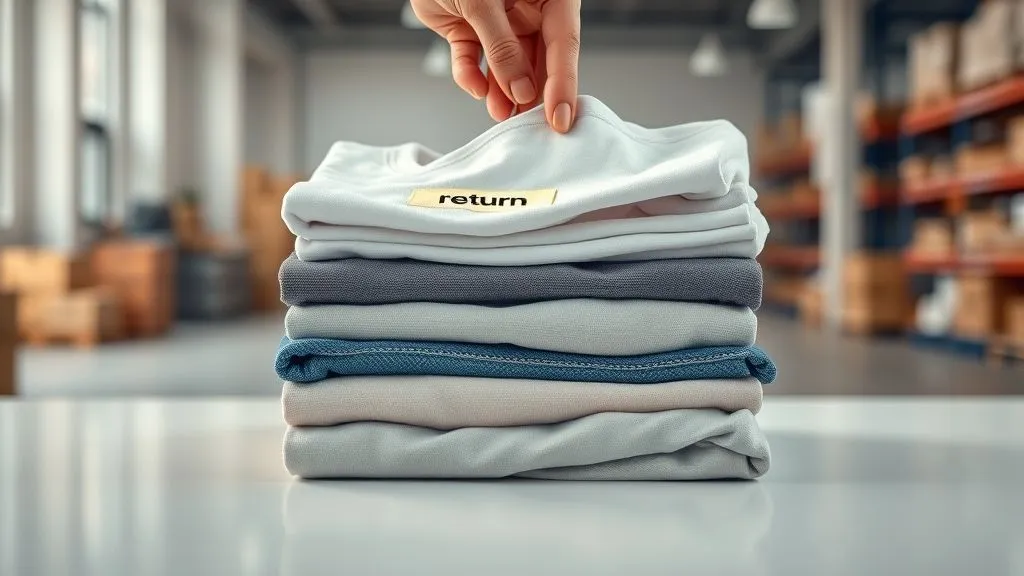
How to Minimize Online Casual Womenswear Returns for Retailers?
For over 15 years in the dynamic world of fashion e-commerce, I've witnessed firsthand how seemingly minor operational inefficiencies can silently erode a retailer's profitability. One of the most persistent and damaging challenges, particularly within the casual womenswear segment, is the relentless tide of product returns.
This isn't just about a lost sale; it's a complex problem encompassing logistics costs, environmental impact, inventory management headaches, and ultimately, a dent in customer loyalty. Retailers often grapple with the 'why' behind these returns, feeling caught in a reactive cycle rather than a proactive strategy.
Today, I'm going to share a definitive framework, born from years of industry experience and observation, designed to empower you. We'll explore seven actionable strategies, backed by data and real-world insights, that will not only help you dramatically minimize online casual womenswear returns for retailers but also enhance your brand's reputation and bottom line.
The Silent Profit Killer: Understanding Casual Womenswear Returns
The allure of casual womenswear lies in its comfort, versatility, and everyday appeal. However, these very attributes also make it uniquely susceptible to high return rates in the online space. Customers expect a certain feel, a specific drape, and an accurate fit that's difficult to convey through a screen.
I've seen countless retailers struggle because they underestimate the nuanced reasons behind these returns. It's rarely just one factor; rather, it's a confluence of issues that create a frustrating experience for the customer, leading them to send items back.
Common Causes: Fit, Quality, Expectation vs. Reality
The primary culprit is almost always fit. Unlike formal wear, where precise measurements are often expected, casual pieces are assumed to be more forgiving, yet inconsistencies across brands lead to widespread confusion. Secondly, quality perception plays a huge role; what looks luxurious online might feel cheap in hand, leading to disappointment.
Finally, the gap between expectation and reality, fueled by aspirational marketing, often leads to returns. A customer might envision themselves looking a certain way, only for the garment to fall short of that idealized image upon arrival. Addressing these core issues is the first step in learning how to minimize online casual womenswear returns for retailers.
Strategy 1: Hyper-Accurate Product Descriptions & Visuals
In the absence of a physical fitting room, your product page is your most powerful sales tool and your first line of defense against returns. Generic descriptions and limited imagery are simply not enough in today's competitive landscape. I advocate for an almost obsessive level of detail.
Every piece of information helps a customer make an informed decision, reducing the likelihood of a mismatch. This granular approach builds trust and sets realistic expectations from the outset.
- Comprehensive Measurements: Provide exact garment measurements (bust, waist, hip, inseam, sleeve length) for each size, not just a generic size chart. Offer a guide on how customers can measure themselves accurately.
- Detailed Fabric Composition: Clearly state fabric type, weight, stretch, and drape. Explain how the fabric feels and behaves, using descriptive adjectives like 'soft cotton jersey' or 'structured linen blend'.
- Care Instructions: Include washing, drying, and ironing instructions upfront. This helps customers understand maintenance and prevents returns due to perceived 'high maintenance' or accidental damage.
- Fit Notes & Styling Tips: Describe the intended fit (e.g., 'relaxed fit, runs true to size', 'designed to be oversized, size down for a slimmer look'). Offer styling suggestions that show the versatility of the garment.
Beyond text, high-quality visuals are non-negotiable. Feature multiple angles, close-ups of fabric texture, and videos showing the garment in motion on various body types. This creates a much richer, more accurate representation.
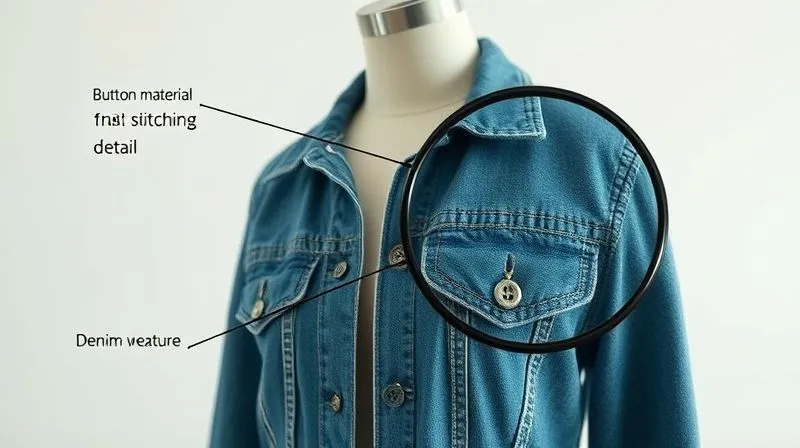
Leveraging Technology for Fit
The rise of AI and augmented reality offers exciting solutions. Virtual try-on tools, while still evolving, can help customers visualize garments on their own bodies. More immediately impactful are AI-powered sizing recommendations that analyze customer data, previous purchases, and brand-specific size charts to suggest the best fit.
According to a Deloitte study on retail trends, consumers are increasingly expecting personalized shopping experiences, and accurate sizing is paramount. Investing in these technologies is a proactive step towards reducing fit-related returns.
Expert Insight: "The clearer you are about what a product is, how it fits, and how it feels, the fewer surprises your customer will encounter. Surprises lead to returns; clarity leads to confidence and loyalty."
Strategy 2: Standardizing and Demystifying Sizing
Sizing inconsistency is a plague in the fashion industry, and casual womenswear is no exception. A 'medium' can vary wildly between brands, and even within the same brand across different product lines. This confusion is a primary driver of 'bracket buying' (ordering multiple sizes of the same item) and subsequent returns.
I believe retailers have a responsibility to simplify this for their customers. It's about creating a consistent, reliable sizing experience that builds trust and reduces guesswork. This is a critical area where retailers can significantly minimize online casual womenswear returns for retailers.
- Universal Size Chart with Body Measurements: Provide a standard body measurement chart (bust, waist, hips) that customers can use to find their general size.
- Garment-Specific Measurements: Crucially, for each product, provide specific garment measurements for key areas. This allows customers to compare directly to clothes they already own.
- "Find Your Fit" Tools: Implement interactive tools that ask customers for their measurements, preferred fit, and even other brands they wear, then recommend the optimal size.
- Customer Reviews on Fit: Encourage customers to leave feedback on how an item fits (e.g., 'runs small', 'true to size', 'runs large') and display this prominently. This social proof is invaluable.
Case Study: How 'StyleSense Boutique' Slashed Sizing Returns
StyleSense Boutique, a mid-sized online retailer specializing in casual dresses and separates, faced a staggering 40% return rate on items due to 'wrong size'. By implementing a three-pronged approach – providing detailed garment measurements on every product page, integrating an AI-powered 'Find Your Fit' tool, and prominently displaying customer fit reviews – they saw a dramatic shift. Within six months, their sizing-related returns dropped by 28%. This not only saved them significant logistics costs but also boosted customer satisfaction, as evidenced by a 15% increase in repeat purchases.
Strategy 3: Enhancing the Post-Purchase Experience & Customer Education
The customer journey doesn't end at checkout; it extends through delivery, wear, and potentially, returns. A positive post-purchase experience can mitigate returns, convert exchanges into sales, and foster loyalty. It's about proactive communication and support.
I often tell clients that even if a customer returns an item, if their overall experience was positive, they are more likely to shop with you again. Think of returns as an opportunity to reinforce your brand's commitment to satisfaction.
- Proactive Communication: Send clear, concise updates on order status, shipping, and delivery. Provide tracking information readily.
- Easy Exchange Options: Make exchanges as simple, if not simpler, than returns. Offer incentives for exchanges over refunds, such as free shipping on the exchanged item.
- Styling and Care Guides: Include digital or physical cards with styling tips for the purchased item or detailed care instructions. This adds value and helps customers get the most out of their purchase, reducing 'not what I expected' returns.
- Dedicated Customer Support: Ensure customer service is easily accessible and empowered to resolve issues quickly. Sometimes, a quick conversation can prevent a return.

The Role of Customer Service
Empower your customer service team to be problem-solvers, not just return processors. Train them to ask insightful questions to understand the root cause of a potential return. Often, a customer just needs styling advice, a clarification on fit, or a simple solution that doesn't involve sending the item back. This human touch can make a significant difference in how to minimize online casual womenswear returns for retailers.
Strategy 4: Data-Driven Returns Analysis for Continuous Improvement
You can't fix what you don't understand. Many retailers track return rates, but few dive deep into the 'why' behind each return. This data is a goldmine for product development, marketing, and operational adjustments.
In my experience, a robust data analytics framework is non-negotiable for long-term success. It allows you to move beyond assumptions and make truly informed decisions.
- Collect Detailed Return Reasons: Don't just accept 'return'. Offer specific categories like 'wrong size', 'poor fit', 'not as described', 'low quality', 'color difference', 'changed mind'.
- Link Returns to Product IDs: Track which specific products or product categories have the highest return rates and for what reasons. This helps identify problematic items or design flaws.
- Analyze Customer Demographics: Are certain customer segments returning more? This could indicate a mismatch in product offering or marketing messaging.
- Track Return Cost Metrics: Calculate the true cost of each return, including shipping, processing, repackaging, and potential markdown if the item can't be resold at full price.
By dissecting this data, you can identify patterns, pinpoint root causes, and implement targeted interventions. As marketing guru Seth Godin often says, "The market wants to know what you stand for." Understanding your returns helps you stand for quality and customer satisfaction.
| Return Reason | Percentage of Returns | Actionable Insight |
|---|---|---|
| Wrong Size | 35% | Improve size charts, implement AI sizing tool |
| Poor Fit (style/cut) | 20% | Refine product descriptions, add fit notes, show on diverse body types |
| Not as Described/Quality | 18% | Enhance product photography, detailed fabric descriptions, quality control |
| Changed Mind/No Longer Needed | 12% | Optimize return window, offer exchange incentives |
| Color Difference | 8% | Calibrate monitor colors, add environmental lighting shots |
| Damaged/Defective | 7% | Improve packaging, enhance quality control pre-shipment |
Identifying Patterns and Root Causes
If a particular casual blouse consistently gets returned for 'poor fit', it's a design issue. If a specific denim wash is frequently returned for 'color difference', your photography needs calibration. This data allows for continuous feedback loops into your design, production, and marketing teams, making it easier to minimize online casual womenswear returns for retailers.
Strategy 5: Sustainable Packaging & Reverse Logistics Optimization
Returns aren't just a financial drain; they carry a significant environmental cost, especially in fast fashion. From excess packaging to transportation emissions, the reverse logistics chain can be incredibly wasteful. Optimizing this process is a win-win for both your bottom line and your brand's sustainability credentials.
I've seen forward-thinking retailers integrate sustainability into every step, including returns. This resonates deeply with today's conscious consumer and can actually reduce the likelihood of returns.
- Eco-Friendly Packaging: Use minimal, recyclable, or compostable packaging that is also durable enough for a potential return journey.
- Streamlined Return Process: Provide pre-paid, easy-to-print return labels. Offer multiple drop-off options (e.g., mail, in-store).
- Efficient Returns Processing Centers: Design your returns centers for speed and efficiency. Quickly inspect, sort, and process returned items to get them back into inventory or designated for refurbishment/resale.
- Refurbishment & Resale Programs: For items that can't be resold as new, explore options for minor repairs, cleaning, and reselling through outlet channels or discounted sections. This reduces waste and recovers some cost.
Expert Insight: "In the age of conscious consumerism, a sustainable returns strategy isn't just good for the planet; it's a powerful brand differentiator that can build trust and reduce initial impulse buys driven by a 'no harm in returning' mentality."
Strategy 6: Implementing Customer Feedback Loops
Your customers are your best source of information. Actively soliciting and listening to their feedback, even on returned items, provides invaluable insights that no internal team can replicate. It’s about creating a dialogue, not just a transaction.
I always emphasize the power of direct customer input. It's not just about what they say, but the sentiment behind it that can guide your strategic decisions.
- Post-Return Surveys: Send short, targeted surveys after a return is processed, asking about the specific reasons and overall experience.
- Website Feedback Widgets: Implement tools that allow customers to provide feedback on product pages or sizing guides.
- Social Listening: Monitor social media for mentions of your brand, especially concerning product quality, fit, or the returns process.
- Customer Reviews and Q&A: Actively encourage and respond to product reviews. A robust Q&A section on product pages can address common concerns before a purchase is made.
This constant stream of feedback allows you to make agile adjustments, whether it's refining product descriptions, improving sizing guides, or even informing future design decisions. It’s a proactive way to minimize online casual womenswear returns for retailers.

Strategy 7: Strategic Return Policy Design
Your return policy isn't just a legal document; it's a strategic tool. While a generous return policy can boost sales by reducing perceived risk, an overly lenient one can encourage frivolous returns and impact profitability. The key is to strike a balance that protects your business while still offering customer confidence.
I've advised many retailers on crafting policies that are clear, fair, and subtly encourage thoughtful purchasing and exchanges over outright refunds. This is a nuanced area where a well-crafted approach can significantly impact how to minimize online casual womenswear returns for retailers.
- Clarity and Transparency: Make your return policy easy to find, read, and understand. Avoid jargon. Clearly state conditions (e.g., tags attached, unworn, within X days).
- Reasonable Return Window: Offer a window that allows customers to try on and decide but isn't so long that it encourages 'wardrobing' or makes items unsellable. 14-30 days is common.
- Incentivize Exchanges: Offer free shipping for exchanges, or a small discount on the exchanged item. This encourages customers to find a suitable alternative rather than simply getting a refund.
- Clear Refund vs. Store Credit Options: Clearly differentiate between refunds to original payment methods and store credit, especially for sale items or late returns.
A well-defined policy, communicated effectively, manages customer expectations and can subtly influence buying behavior towards more considered purchases. According to Harvard Business Review, balancing customer experience with business profitability is crucial for sustainable growth.
| Policy Feature | Lenient Policy | Strategic Policy |
|---|---|---|
| Return Window | 90+ days, no questions asked | 14-30 days, clear conditions |
| Return Shipping Cost | Always free return shipping | Free for exchanges, paid for refunds (unless defective) |
| Refund Type | Always full refund to original payment | Refund or store credit, depending on reason/item type |
| Condition of Item | Minimal scrutiny | Original condition, tags attached, unworn |
| Customer Service Interaction | Automated, hands-off | Empowered CS to resolve issues, offer alternatives |
Frequently Asked Questions (FAQ)
What is the typical impact of offering free returns on profitability? While free returns can initially boost conversion rates by reducing purchase friction, they often lead to higher overall return volumes and increased reverse logistics costs. The key is to balance this with strategies like hyper-accurate product descriptions and sizing tools. The true impact depends on your average order value, product margins, and how effectively you minimize the underlying reasons for returns. It's a calculated risk that needs constant monitoring and optimization.
Can AI technology truly help with sizing accuracy for casual womenswear? Absolutely. AI-powered sizing tools leverage vast datasets, including body scans, garment measurements, and customer feedback, to provide highly personalized recommendations. They can account for variations in body shape and brand-specific sizing quirks, significantly reducing the 'wrong size' return reason. While not 100% perfect, they represent a significant leap forward in improving fit confidence for online shoppers.
How often should retailers review their return data and adjust strategies? I recommend a continuous, agile approach. Monthly deep dives into return data are essential to identify emerging patterns or product-specific issues. Quarterly, conduct a more comprehensive review of your overall return strategy, incorporating customer feedback and market trends. The e-commerce landscape evolves rapidly, and your approach to returns should too.
What is the biggest mistake retailers make when trying to minimize returns? The biggest mistake I've observed is viewing returns solely as a logistics problem rather than a symptom of deeper issues in product presentation, sizing, or customer expectation management. Many focus on making the return process efficient but neglect to address the root causes. True minimization comes from a holistic approach that tackles the problem upstream, not just downstream.
How does sustainability factor into a returns minimization strategy? Sustainability is increasingly vital. Minimizing returns directly reduces waste from packaging, transportation emissions, and discarded garments. Beyond that, a transparent and eco-conscious approach to reverse logistics (e.g., recycling, refurbishing) not only benefits the environment but also enhances brand reputation and resonates with environmentally aware consumers, potentially influencing their purchasing decisions positively.
Key Takeaways and Final Thoughts
Minimizing online casual womenswear returns for retailers is not a simple task, but it is an achievable and highly rewarding one. It requires a multi-faceted approach that integrates technology, detailed communication, customer education, and robust data analytics. It's about moving from a reactive stance to a proactive, preventative strategy.
- Prioritize Clarity: Invest in hyper-accurate product descriptions and stunning, informative visuals.
- Demystify Sizing: Implement consistent, detailed sizing guides and leverage AI tools.
- Enhance Post-Purchase: Make the experience seamless and supportive, even for returns.
- Analyze Data Relentlessly: Understand *why* returns happen to inform future improvements.
- Optimize Reverse Logistics: Streamline processes and embrace sustainable practices.
- Listen to Your Customers: Use feedback loops to continuously refine your offerings.
- Strategize Your Policy: Craft a return policy that balances customer trust with business needs.
By embracing these strategies, you're not just reducing costs; you're building a more trustworthy, efficient, and customer-centric brand. The investment in these areas will yield significant returns, fostering loyalty and ensuring your casual womenswear business thrives in the competitive online landscape. Remember, every return prevented is a step towards a more profitable and sustainable future.
Recommended Reading
- Fashion Blogging: Social Media Style Tips to Explode Your Brand
- 7 Proven Strategies: Cut Financial Loss from Unsold Bridal Gowns
- 7 Strategies: Price Ethical Fashion Competitively, Uphold Your Values
- 7 Design Secrets: How Eyewear Frames Become Cultural Icons
- Master Last-Minute Costume Alterations: 7 Pro Tips for Actor Changes



Your email address will not be published. Required fields are marked *