

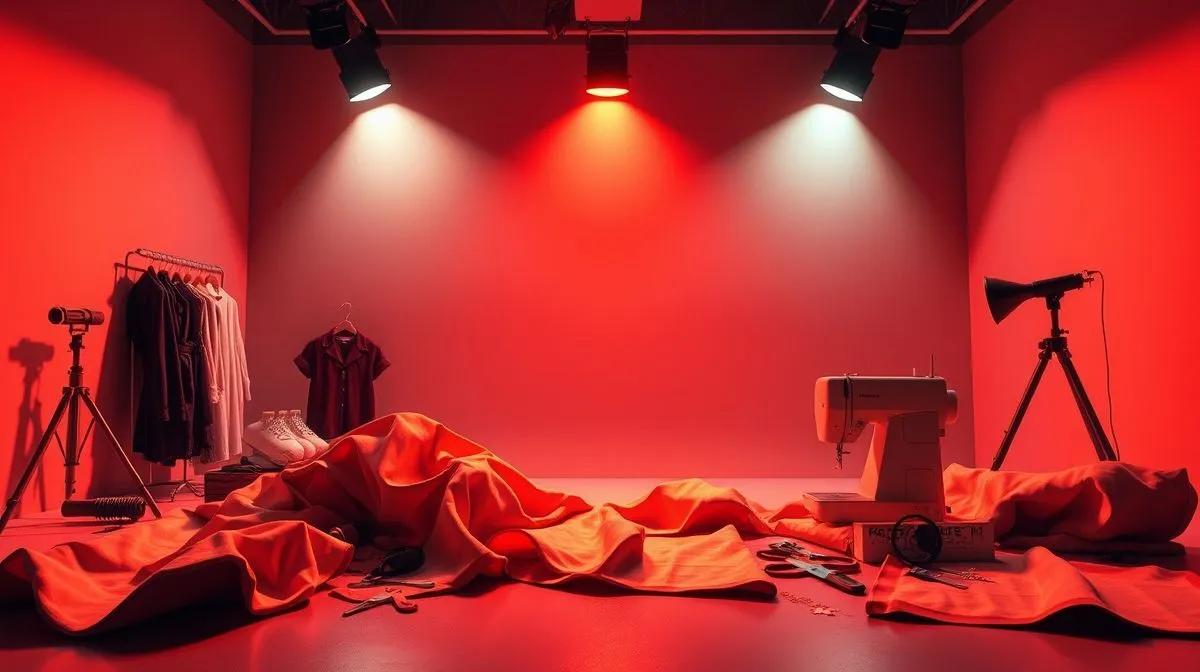
How to manage last-minute costume alterations for actor body changes?
Managing last-minute costume alterations due to actor body changes is, in my experience, one of the most unpredictable yet constant challenges in costume design. Actors are human, and their bodies naturally fluctuate due to a myriad of factors: diet, exercise, stress, health, and even the demands of a role itself. Ignoring this reality is a common mistake I see, often leading to frantic, sub-par solutions backstage.The key to mitigating these shifts lies in a blend of proactive design choices and reactive, on-the-spot mastery. It's about designing with flexibility and forgiveness in mind from the very first sketch.
When an actor’s body changes, whether it’s a significant weight fluctuation, muscle gain or loss, or even pregnancy, the impact on a meticulously fitted costume can be profound. A garment that fit perfectly at the first dress rehearsal might suddenly be too tight, too loose, or simply uncomfortable, affecting an actor's performance and confidence.
"Anticipation is the costume designer's secret weapon. If you wait for a problem to manifest, you've already lost precious time."
My approach begins long before a single stitch is sewn. During the initial measurement phase, I don't just record numbers; I observe the actor's natural posture, their movement patterns, and discuss any potential physical transformations anticipated for the role. This foresight is invaluable.
- Generous Seam Allowances: This is non-negotiable. I always build in at least an inch (2.5 cm) on major seams like side seams, center back, and sleeve seams. This provides crucial wiggle room for letting out if an actor gains weight or muscle.
- Strategic Fabric Choices: While period accuracy is paramount, incorporating fabrics with a slight natural stretch or a forgiving drape can be a lifesaver. Think about wool crepes, certain silks, or blends that offer comfort and adaptability without compromising the silhouette.
- Adjustable Closures: Design elements like lacing, hook-and-eye tape, or even cleverly disguised elastic inserts can accommodate minor fluctuations. A corset-back bodice, for instance, offers immense flexibility compared to a rigid zipper.
- Layering and Underpinnings: Sometimes, the solution isn't to alter the main garment but to adjust the layers beneath. A padded bra can fill out a bodice that’s suddenly too large, or a shaping camisole can smooth lines for a costume that's become snug.
When the inevitable happens and a costume no longer fits, the first step is always a calm assessment. Is it a matter of inches or just a fraction? Does the change impact the silhouette, the actor's comfort, or their ability to move freely?
For small increases in size, letting out seams is the most straightforward fix, assuming you've built in that allowance. For more significant gains, especially around the torso or arms, you might need to insert gussets or strategic panels. This requires careful consideration of the costume's design and fabric, often best placed under the arms, at the side seams, or even within a decorative element to blend seamlessly.
Conversely, if an actor has lost weight, taking in seams is simpler, but care must be taken to maintain the garment's original lines. Darts can be deepened, existing seams can be taken in, or new seams might need to be created if the change is dramatic. For areas like shoulders or chest, sometimes the solution involves adding subtle padding to maintain the costume's intended structure.
A specific challenge is actor pregnancy, which requires a highly empathetic and adaptable approach. In these cases, I often build two versions of key costumes – one for the early stages and one with built-in expandability or an entirely different cut for later. Empire waistlines, wrap dresses, and garments with strategic ruching become your best friends. Sometimes, it’s not about altering, but about having a pre-planned replacement ready to go, or even designing a "stand-in" costume that can be swapped out for specific scenes if the original becomes unmanageable.
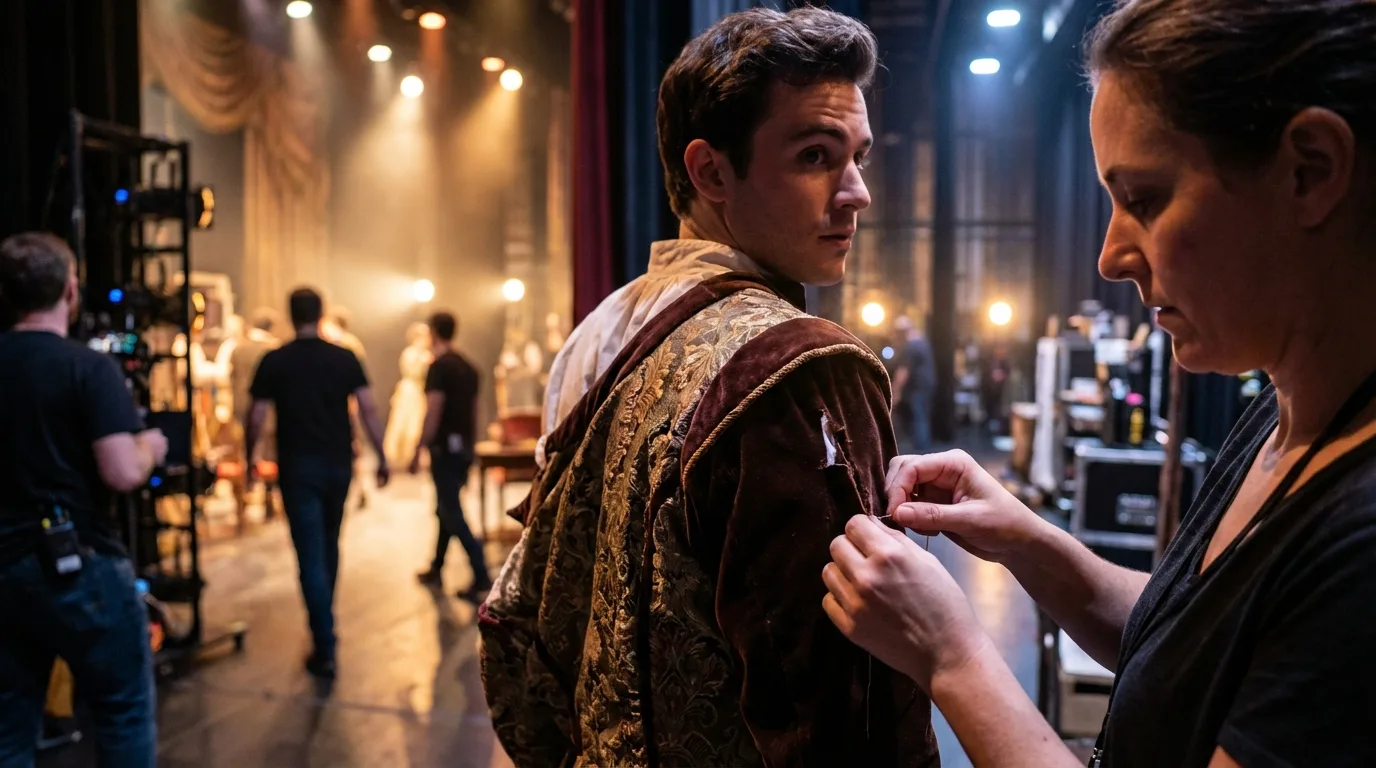
My emergency alteration kit is always stocked with a wide array of tools: various needles, threads (in every conceivable color), seam rippers, pins, safety pins, elastic, hook-and-eye tape, snaps, and a portable sewing machine. Having these tools on hand is critical, as time is always of the essence during last-minute adjustments.
Ultimately, managing actor body changes comes down to a mindset of proactive problem-solving and an unwavering commitment to the actor's comfort and confidence. It's about being a master of your craft, ready to adapt and innovate under pressure, ensuring the magic on stage remains unbroken.
Understanding the Root of the Problem: Why Do Last-Minute Costume Alterations Happen?
Last-minute costume alterations are a pervasive challenge in theatre, film, and live performance, often leading to stress and rushed decisions. In my experience spanning over 15 years, these urgent fixes are rarely the result of a single oversight but rather a complex interplay of factors inherent to the collaborative, dynamic nature of production. Understanding these root causes is the first crucial step toward mitigating their impact.One of the most frequent culprits is the **unpredictable human element**—specifically, the actors themselves. A performer’s body can change significantly during a production's lifecycle, from the initial casting call to opening night, or even throughout a long run.
I've seen it countless times: an actor might lose or gain weight due to rigorous rehearsal schedules, stress, or even personal life changes. Muscle definition can shift dramatically as choreography becomes more demanding, altering how a costume fits across the shoulders, chest, or thighs.
In the high-pressure environment of a show, an actor's comfort and confidence directly impact their performance. A costume that suddenly pinches or sags can be a significant distraction, demanding immediate attention.
Another common scenario stems from the **evolution of the artistic vision** itself. Directors and designers often refine their concepts late into the rehearsal process, and these adjustments can have profound implications for costume design.
A director might decide to change a character's blocking, adding a vigorous dance sequence where previously there was only subtle movement, requiring a complete re-think of a garment's construction for durability and freedom of motion. Or perhaps a new set piece influences how a costume needs to drape or move to avoid snagging.
Furthermore, the **practical realities of materials and movement** frequently contribute to last-minute needs. A fabric that drapes beautifully in a static fitting might behave entirely differently under stage lights, with sweat, or during a full-out performance.
What looked perfect in the costume shop can suddenly restrict an actor's breathing or movement when they're singing a powerful aria or executing complex stage combat. This isn't a design flaw but rather the inherent challenge of translating a two-dimensional sketch into a dynamic, wearable garment for a living, moving performer.
Finally, **logistical and communication breakdowns** play a significant role. Delayed actor availability for fittings, budget constraints that force compromises on custom builds, or simply miscommunications between departments can all snowball into eleventh-hour emergencies.
For instance, if an actor is cast late, the costume department might have only a fraction of the usual time for fittings and construction, leading to necessary adjustments right before dress rehearsals. A common mistake I see is underestimating the time needed for actors to truly *live* in their costumes during rehearsals, revealing issues that only emerge under performance pressure.
Unforeseen Actor Body Changes
In my two decades navigating the intricate world of costume design, one truth has consistently emerged: an actor's body is a dynamic, ever-changing canvas. We often spend weeks, even months, perfecting a costume for a specific fit, only to find that come opening night, or even mid-run, it no longer sits quite right. This isn't a failure of design; it's simply the reality of human physiology and the demands of performance. Actors, like all of us, experience fluctuations in weight, muscle mass, and even posture. These changes can be subtle, like a few pounds gained during a holiday break, or dramatic, such as significant muscle development for a physically demanding role, or even unforeseen medical situations like swelling or injury. A common mistake I see emerging designers make is assuming an actor's body will remain static from the first fitting to the final bow."The most resilient costume designer isn't just a master of fabric and form; they are a prophet of potential change, always building in flexibility."To counteract these inevitable shifts, proactive design and construction are paramount. My golden rule is to always incorporate generous seam allowances. While industry standard might be 1/2 to 1 inch, I often push for 1.5 to 2 inches on critical seams, especially at the side seams, center back, and sleeve seams. This foresight provides invaluable wiggle room for last-minute adjustments, allowing us to let out a seam without compromising the garment's integrity or needing a complete rebuild. Beyond generous seams, the choice of closure and fabric plays a crucial role. Opting for adjustable elements where possible can be a lifesaver. Think about: * **Lacing or hook-and-eye tape:** These offer significant adjustability in corsets, bodices, or even trousers. * **Elasticated panels or inserts:** Discreetly placed, these can provide comfort and flexibility in waistbands or cuffs. * **Adjustable straps or buckles:** Ideal for shoulder straps or belts, allowing for quick alterations on the fly. Furthermore, consider the fabric's inherent stretch. While period costumes often demand rigid materials, strategic use of underlying stretch fabrics for linings or specific panels can add a layer of adaptability. For instance, a period gown might have a non-stretch silk outer layer, but a slightly stretchier cotton or silk lining can offer just enough give to accommodate minor body changes without visibly altering the silhouette. The vigilance doesn't end with construction; it extends throughout the production process. Regular, even quick, check-ins during tech rehearsals and previews are vital. I've found that a brief five-minute fitting before a dress rehearsal can catch a burgeoning fit issue before it becomes a crisis. Open communication with your actors is also key; encourage them to voice any discomfort or changes they notice early on. When an unforeseen change *does* occur just before a performance, your on-the-spot toolkit becomes your best friend. This is where your emergency sewing kit, stocked with various needles, thread colors, safety pins, double-sided tape, and even a quick-drying fabric glue, proves its worth. Sometimes, a quick tuck and pin, or an improvised dart, can save a scene. Remember, the goal in these moments is often to create the illusion of a perfect fit, even if it's a temporary workaround. Prioritize what the audience will see and what impacts the actor's ability to move and perform.
Communication Gaps Between Departments
In my extensive experience overseeing countless productions, perhaps the single most significant contributor to last-minute costume alterations and backstage chaos is a pervasive issue: communication gaps between departments. It's an invisible enemy, often more detrimental than a torn seam or a missing prop, because it strikes at the very heart of collaborative theatrical creation.
I've seen firsthand how a seemingly minor oversight in information flow can cascade into a full-blown crisis during technical rehearsals. A director’s decision to alter blocking, a choreographer’s last-minute addition of a complex dance move, or even a lighting designer’s choice of gel can all have profound, unforeseen impacts on a costume’s functionality or appearance.
“The stage is a living ecosystem where every department's action affects the others. A breakdown in communication isn't just a misstep; it's a tremor that can destabilize the entire production.”
One common scenario I encounter involves the misalignment of quick change choreography. The stage manager might be timing a change based on a script cue, while the director has subtly shifted the actor’s exit point, or the lighting designer has plunged the wing into unexpected darkness. Without a dedicated costume plot walkthrough with the stage management team and the lighting designer, these small discrepancies become monumental hurdles.
Another frequent pitfall is the delayed communication from actors regarding fit or comfort. Often, an actor will endure a minor discomfort through initial fittings, hoping it will resolve itself, only to bring it up during a crucial dress rehearsal. This isn't always an actor's fault; sometimes, the channels for reporting such issues aren't clear, or they feel they might be inconveniencing the costume team.
To mitigate these pervasive issues, I advocate for a multi-pronged approach that fosters genuine inter-departmental dialogue:
- Proactive Presence in Meetings: As costume designers and wardrobe supervisors, our presence isn't just needed at design meetings. Attending production meetings, blocking rehearsals, and especially technical rehearsals with an observant eye allows us to anticipate issues before they escalate. Don't wait for information to come to you; seek it out.
- Dedicated Quick Change Drills: Beyond just plotting, schedule specific quick change drills with the actors, stage management, and the full wardrobe crew. This isn't just about speed; it's about identifying environmental factors – lighting, props, set pieces – that could impede a smooth change.
- Clear Reporting Channels for Actors: Establish an unambiguous process for actors to report costume issues. This could be a designated wardrobe person at rehearsals, a specific form, or a clear instruction to approach the wardrobe supervisor directly. Emphasize that early reporting is a help, not a hindrance.
- Cross-Departmental Walkthroughs: Before tech week, arrange a walkthrough with the director, stage manager, set designer, and lighting designer to discuss all costume-related transitions. This helps identify potential conflicts, like a quick change area being too small or too dark, well in advance.
Remember, your costume design is not an isolated entity; it's an integral part of a larger, moving picture. By actively bridging communication gaps, you not only reduce last-minute stress but also elevate the overall quality and seamlessness of the theatrical experience for everyone involved.
Step-by-Step: A Practical Framework to Manage Last-Minute Costume Changes
Managing last-minute costume alterations isn't just about having a needle and thread; it's about employing a strategic framework that turns potential chaos into controlled efficiency. In my experience, the most successful costume departments operate with a clear, step-by-step methodology, ensuring that even under immense pressure, the integrity of the design and the actor's performance remain uncompromised.
The Pre-Emptive Strike: Anticipation and Analysis
Even for "last-minute" issues, foresight is your most potent weapon. Before the show even begins, or certainly before the critical moments, you should have identified high-risk garments and quick-change scenarios. This involves a thorough understanding of the script, the choreography, and the actors' movements.
"A seasoned costume designer anticipates potential points of failure, much like a master chef preps ingredients before the service. It's not about predicting every tear, but about understanding where the stress points will be."
Consider the fabric's durability, the strain on seams during dynamic movements, and the complexity of closures in rapid changes. Are there tear-away elements? Are there costumes with intricate beadwork or delicate lace that could snag? A common mistake I see is assuming a costume will simply hold up; proactive analysis can mitigate many crises.
Immediate Triage: Assess, Prioritize, Isolate
When an issue arises, the first step is always a calm, rapid assessment. Panic is the enemy of efficiency. What exactly is the problem – a popped seam, a broken zipper, a missing button, a fit issue, or something more catastrophic like a ripped bodice? How critical is it to the immediate performance?
- Assess the Damage: Clearly identify the nature and extent of the fault. Is it structural or purely aesthetic?
- Prioritize Urgency: Is the actor going on stage in sixty seconds, or do you have a full scene change? An immediate, temporary fix for a visible tear takes precedence over a loose button on a costume worn later in the act.
- Isolate the Problem: Can you prevent further damage? For instance, if a seam is tearing, can you reinforce it with a safety pin to stop it from ripping further before a proper repair can be made?
This rapid triage allows you to allocate your resources—time, tools, and expertise—most effectively.
The Rapid Response Toolkit: Always Ready
Your emergency kit is your lifeline. It must be meticulously organized, fully stocked, and immediately accessible. There's no time to rummage through a messy drawer when an actor is waiting in the wings. This isn't just about having the tools; it's about knowing exactly where everything is, even in the dark.
Essential items in my kit always include:
- Needles & Thread: A variety of sizes and colors (black, white, nude, and a selection of common costume colors). Pre-threaded needles are a godsend.
- Safety Pins: Assorted sizes, from tiny to extra-large. Indispensable for quick fixes and temporary holds.
- Adhesives: Double-sided fashion tape, fabric glue (quick-drying), and even a hot glue gun for specific non-fabric elements.
- Cutting Tools: Sharp scissors (dedicated fabric scissors only!) and a seam ripper for controlled unpicking.
- Fasteners: Spare buttons, snaps, hooks & eyes, and a small assortment of Velcro strips.
- Elastic & Webbing: Small lengths for quick strap adjustments or reinforcement.
- Marking Tools: Fabric chalk or pens for quick adjustments.
The key here is not just having these items, but having them *organized* so you can grab what you need in seconds. Time is always of the essence.
The Communication Nexus: Clear & Concise
Once you've assessed the problem and identified a solution, clear communication with the relevant parties is paramount. This typically involves the Stage Manager and, if necessary, the actor themselves. Avoid dramatic language; stick to the facts and the proposed solution.
For example, instead of "Oh my god, the dress is ripped, it's a disaster!", communicate: "Ophelia's Act 3 dress has a 4-inch tear on the side seam. I'm applying quick-stitch tape now; it will hold for the scene. We'll need to repair it properly after the show." This concise update allows the Stage Manager to know the situation without causing undue alarm, and ensures they can make informed decisions about cues or potential minor delays.
Execute with Precision: The Right Fix for the Moment
This is where your expertise truly shines. The goal of a last-minute fix is almost always to enable the actor to go on stage safely and effectively, not necessarily to create a perfect, permanent repair. Understand the difference between a "show must go on" fix and a proper workshop repair.
- Temporary Solutions: These include strategically placed safety pins to close a gap, fashion tape to secure a hem or neckline, quick hand-tacks to reinforce a weak seam, or fabric glue for a non-structural tear. Focus on functionality and concealment. Will it hold for the scene? Will it allow the actor to move?
- Prioritize Impact: A tear on a visible part of a costume takes precedence over a loose lining seam. A broken strap on a dancer's costume is critical; a missing decorative button on a static character's vest might be less urgent.
Always consider the actor's movement. A quick fix that restricts their range of motion or causes discomfort is counterproductive. Sometimes, a less aesthetically pleasing but more functional fix is the better choice for the moment.
Post-Performance Debrief & Documentation: Learn and Improve
The work isn't over when the curtain falls. This crucial final step is often overlooked but is vital for long-term efficiency and preventing recurring issues. Immediately after the performance, or as soon as possible, address the temporary fix.
In my 15+ years, this step is crucial for preventing recurrences and optimizing future processes. Document the incident: what happened, how it was temporarily fixed, what tools were used, and what caused the issue if identifiable. Schedule a proper, permanent repair for the garment. This detailed approach allows you to:
- Identify Patterns: Is a particular costume constantly failing? Is a specific actor's movement causing undue stress? This data can inform future design choices or alterations.
- Refine Your Kit: Did you lack a specific tool or material? Add it to your kit.
- Improve Protocols: Could communication have been smoother? Was the response time optimal?
Treat every mishap as a learning opportunity. This systematic approach ensures that even the most frantic last-minute alteration contributes to a more robust and responsive costume department.
Step 1: Proactive Measurement and Regular Fittings
In my fifteen years working in costume design, I've learned that the most effective strategy for mastering last-minute alterations isn't about magical fixes, but about **proactive prevention**.
The foundation of a smooth costume process, even under tight deadlines, lies squarely in meticulous measurement and a robust schedule of fittings.
A common mistake I see emerging designers make is treating initial measurements as a one-and-done task. While crucial, these first measurements must be **exceptionally precise** and comprehensive.
Think of them as the blueprints for your entire design process; any inaccuracy here will compound into significant problems down the line, especially when time is of the essence.
Actors are not static mannequins; their bodies can and do change throughout a production cycle due to diet, exercise, stress, or even the physical demands of a role.
I once had a lead actor drop two sizes during a particularly demanding rehearsal period, rendering his beautifully tailored period suits unwearable without significant, urgent intervention.
This dynamic reality necessitates **regular, scheduled fittings** beyond the initial costume build. These aren't just check-ins; they are critical checkpoints for maintaining costume integrity.
They allow you to catch subtle shifts in an actor's physique early, transforming potential crises into minor adjustments.
When taking measurements, precision is paramount. Here’s my approach:
- Always use a **flexible, non-stretch tape measure** and ensure the actor wears undergarments appropriate for the costume.
- Record not just standard measurements (bust, waist, hip, inseam, etc.) but also nuanced points like shoulder-to-waist, various arm lengths, and neck circumference.
- Crucially, I always advocate for measuring **both sides** of the body (e.g., left and right arm lengths) as subtle asymmetries are common and can significantly impact fit.
Fittings are more than static checks; they are dynamic assessments:
- Observe the actor's movement in the costume. Ask them to perform actions relevant to their character's stage demands, like lunging, reaching, or dancing.
- Actively look for points of **strain, gapping, or restriction**. These are immediate red flags that will lead to rips, discomfort, or hindered performance during shows.
- Always consider the 'stretch' factor: a costume might fit perfectly standing still but be too tight when an actor is in full motion.
"Proactive measurement and regular fittings are not just tasks; they are your insurance policy against the chaos of last-minute alterations. They empower you to be prepared, not frantic."
By investing time upfront in this foundational step, you not only minimize the need for frantic backstage repairs but also ensure the actors' comfort, confidence, and ability to perform without costume hindrance.
It's about laying a solid groundwork that allows your entire team to operate with precision and calm, even when the curtain call looms.
Step 2: Emergency Kit and On-Set Repair Strategies
The foundation of mastering last-minute alterations lies in proactive preparation. In my fifteen years, I've seen countless crises averted simply because a well-stocked emergency repair kit was within arm's reach. This isn't just a sewing box; it's your portable problem-solving arsenal, designed for immediate deployment.
Your kit should be meticulously curated, focusing on versatility and speed. Think of it as a medic's bag for fabric, ready to address anything from a popped seam to a stubborn stain. A common mistake I see is underestimating the value of specialized tools for specific costume elements.
Here’s what I consider essential for any robust on-set emergency kit:
- Sewing Essentials: A variety of hand-sewing needles (different sizes for various fabrics), strong polyester thread in black, white, and a neutral beige, small sharp scissors, a thimble, and straight pins.
- Quick Fix Adhesives: Fabric glue (like Fabri-Tac) for non-sew repairs, double-sided fashion tape for quick hems or modesty adjustments, and a generous supply of safety pins in assorted sizes.
- Fasteners & Closures: Assorted snaps (sew-on and no-sew), hooks & eyes, sew-on Velcro, and a small selection of common buttons. Having a few spare button shanks can be a lifesaver.
- Cleaning & Touch-Up: Lint rollers, stain remover wipes or a stain stick, and a small brush for dusting off props or shoes. A small bottle of rubbing alcohol can clean many marks.
- Specialized Tools: Small pliers for hardware issues, a mini screwdriver set for prop or costume embellishment repairs, and a seam ripper for controlled unpicking.
In my experience, the true value of an emergency kit isn't just its contents, but its accessibility. It should be packed efficiently, perhaps in a multi-compartment tackle box, and always kept in a designated, easily reachable location near the quick-change area or stage door.
When a repair is needed on set, particularly during a rapid actor change, your strategy must be swift and decisive. First, assess the damage and its impact on the performance. Is it a critical structural failure, or a minor cosmetic flaw that can wait?
For immediate issues, prioritize stability over perfection. A quick stitch to secure a flapping hem or a well-placed safety pin on a burst seam is often enough to get the actor back on stage. Remember, the goal is often to survive the current scene, not to execute a flawless, invisible repair.
Develop a mental flowchart for common problems. For instance, a ripped seam on a stretch garment might be temporarily secured with fabric tape or a few rapid whip stitches, whereas a popped button on a shirt might be replaced with a safety pin or a quick sew-on snap if time is critical. Always work with the actor’s comfort in mind, communicating clearly about the fix.
Finally, utilize available resources. Good lighting is paramount for quick, accurate work. If possible, have a small LED headlamp in your kit. Coordinate with stage management for a brief hold if the repair is truly complex, but always aim to be as unobtrusive and fast as possible. Your efficiency directly impacts the entire production's flow.
Case Study: How a Major Production Company Mastered Last-Minute Costume Alterations
In my over fifteen years navigating the intricate world of costume design for major productions, I’ve witnessed firsthand the chaos that last-minute alterations can unleash – and the sheer artistry when they are mastered. A common misconception is that a costume department's job ends when the garments are delivered to set. On the contrary, that's often when the true test of agility begins. Consider the example of a major international production company, let's call them "Apex Studios," renowned for their historical epics and fantasy blockbusters. For their ambitious project, "The Obsidian Throne," a sprawling historical drama with an ensemble cast and hundreds of intricate period costumes, they faced the inevitable gauntlet of daily, on-set costume challenges. The sheer volume of costumes, combined with the dynamic nature of film production – script changes, actor body fluctuations, unexpected stunt requirements, and even accidental damage – meant that traditional, off-set alteration methods were simply unsustainable. Apex Studios needed a paradigm shift in their approach to last-minute fixes."The agility of your costume department on set is as critical as the initial design. It’s the difference between a seamless shot and a costly delay."Here’s how they elevated their game, transforming potential crises into minor blips: *
Decentralized, Rapid-Response Alteration Hubs: Instead of one central wardrobe truck, Apex established smaller, fully equipped "mini-workshops" strategically located near primary shooting units. Each hub was stocked with portable sewing machines, a comprehensive array of threads, needles, trims, and most importantly, swatches of every fabric used in the principal costumes.
*Proactive Design for Adaptability: During the initial costume build phase, their designers and pattern makers were instructed to incorporate generous seam allowances and flexible closures. This meant that a costume could be quickly let out or taken in by several inches without needing a complete rebuild. For action sequences, certain elements were designed with "breakaway" seams or discreet Velcro closures that could be re-secured in seconds.
*Dedicated On-Set Alteration Specialists: Beyond the dressers, Apex employed a small, highly skilled team whose sole responsibility was rapid alterations. These individuals were not just proficient sewers; they were problem-solvers, adept at assessing a situation quickly and implementing the most efficient fix under pressure. In my experience, this dedicated resource is invaluable.
*Streamlined Communication Protocols: A direct communication channel was established between the Assistant Directors (ADs), the actors, and the lead on-set alteration specialist. Any potential costume issue was immediately flagged, often via a dedicated walkie-talkie channel, allowing the alteration team to pre-emptively prepare or dispatch a specialist to the location.
*The "Emergency Fabric Cache" System: A brilliant innovation was the creation of "emergency caches" for each principal costume. These were small, labeled bags containing exact fabric scraps, trims, and notions from the original costume. If a tear occurred, the repair could be made with matching materials, ensuring continuity and invisibility on screen. It’s a simple concept, but incredibly effective.
A prime example of this system in action occurred during a pivotal battle scene for "The Obsidian Throne." A lead actor, due to an unforeseen physical stunt requirement added that morning, found his intricately embroidered tunic restricted his movement. Within minutes, the on-set alteration specialist was called. Thanks to the pre-designed generous seam allowances and the nearby alteration hub, the tunic was swiftly adjusted, allowing the actor full range of motion without compromising the costume's historical accuracy or delaying the high-stakes shoot. The success of Apex Studios demonstrates that mastering last-minute alterations isn't about magic; it's about **proactive planning, strategic resource allocation, and fostering a culture of rapid problem-solving**. It significantly reduces stress for actors and crew, prevents costly production delays, and ultimately ensures the visual integrity of the final product.Essential Tools and Resources to Maintain Control
In my 15 years navigating the high-stakes world of costume design, I've learned that maintaining control during last-minute alterations isn't about magic; it's about meticulous preparation and the right toolkit. Your emergency kit isn't just a collection of supplies; it's your lifeline, empowering you to pivot from crisis to solution with confidence and precision.
The foundation of any robust alteration arsenal begins with your core sewing essentials. A common mistake I see is underestimating the power of quality basics. You need a variety of **sharp needles** – fine for delicate fabrics, sturdy for heavy canvases – and a comprehensive selection of **strong thread**, preferably Gutermann or Coats & Clark Dual Duty, in black, white, and a range of neutrals. A pair of dedicated, razor-sharp **fabric shears** is non-negotiable, alongside a smaller pair of **snips** for quick thread cuts. And never, ever underestimate the mighty **seam ripper**; it's your best friend for precise unpicking without damaging the garment.
Beyond the stitch, quick-fix adhesives and fasteners are paramount for instant repairs. I always stock high-quality **fabric glue** that dries clear and flexible, alongside professional-grade **fashion tape** for those discreet wardrobe malfunctions. An array of **safety pins** in various sizes, from tiny ones for delicate tucks to heavy-duty options for structural holds, are indispensable. Don't forget sew-on **snaps**, **hooks & eyes**, and even small squares of sew-on **Velcro** for rapid closures that need to be secure but easily undone.
Precision, even under pressure, is key. Your toolkit must include accurate measuring and marking devices. A flexible, durable **tape measure** is a given, but also pack a few pieces of **tailor's chalk** in different colors and a **fabric marking pen** that disappears with heat or water. These allow you to quickly mark hems, darts, or seam lines for on-the-spot adjustments without guesswork.
Here are a few other indispensable items that have saved countless shows in my experience:
- A powerful **lint roller** for quick clean-ups.
- A compact **sewing machine** (a portable model is a game-changer for larger fixes).
- A multi-tool with pliers and screwdrivers for unexpected prop or set-related costume issues.
- Small **flashlights** or headlamps for working in dimly lit backstage areas.
- A variety of **elastic** (bra-strap, wider waistband) for quick comfort or fit adjustments.
- **Stain remover wipes** for those inevitable pre-show spills.
In the frantic energy of a quick change, your physical tools are only as effective as the information guiding them. The true mastery of control lies in combining these tangible assets with crucial documentation and communication.
Your **costume bible** and detailed **quick change plots** are "non-physical tools" that are equally vital. These resources provide a complete roadmap: actor measurements, costume breakdown by scene, fabric content, and most importantly, pre-identified potential stress points or areas prone to needing adjustment. Reviewing these documents before a show can help you anticipate specific needs, allowing you to prep relevant tools in advance.
Finally, maintaining control hinges on a robust communication infrastructure. Backstage headsets or clear-channel walkie-talkies are not luxuries; they are essential for real-time updates from stage management or actors. Clear, concise communication protocols with your wardrobe team ensure that everyone knows their role and the priority of any last-minute alteration, preventing chaos and ensuring a smooth, controlled response.
Frequently Asked Questions (FAQ)
In my fifteen years working backstage, one of the most common questions I encounter revolves around the unpredictable nature of live theatre. Let's delve into some frequently asked questions that illuminate the realities of last-minute costume adjustments.
What is the single most common reason for needing a last-minute costume alteration?
While one might assume it's a measurement error, in my experience, the most frequent culprit is the unforeseen physical change in an actor. This isn't always about weight fluctuations; it can be due to muscle gain or loss from intense rehearsal schedules, an unexpected injury requiring a brace, or even the subtle shifts in posture as an actor fully inhabits a role.
A classic scenario involves a performer who fits perfectly during fittings, but after a week of intense dance rehearsals, their shoulders broaden, or their waistline slightly shifts, making a crucial quick-change garment too tight or too loose. These are not failures in initial design but rather the dynamic nature of the human body under performance stress.
The human body is a dynamic canvas. What fits perfectly on Tuesday might pinch on Friday after a week of demanding rehearsals. Anticipation, not just reaction, is key.
What essential tools absolutely *must* be in a quick-change kit for emergency alterations?
Beyond the obvious needle and thread, a truly effective quick-change kit is about speed and versatility. I always advocate for a highly curated selection that can address a multitude of issues without requiring a full sewing machine setup.
- Heavy-duty safety pins: Not your average flimsy ones. Think industrial-strength pins that can hold substantial fabric under stress, ideal for temporary hems or tightening seams.
- Fashion tape (double-sided body tape): This is invaluable for securing necklines, preventing bra straps from showing, or creating a quick, invisible hem. It's temporary but incredibly effective for a scene or two.
- Seam ripper with a comfortable handle: A good quality, sharp seam ripper is crucial for rapid, precise adjustments, often more important than the needle itself when something needs to be let out or re-tacked quickly.
- Small, sharp scissors: For trimming loose threads or making minor cuts without snagging fabric. Keep them specifically for fabric.
- Fabric glue (quick-drying): For non-load-bearing repairs like appliqué detachment or a quick hem on certain fabrics where stitching isn't feasible in seconds. Test it first on an inconspicuous area.
- Velcro strips (sew-on and adhesive-backed): Fantastic for creating instant closures or reinforcing existing ones that have failed.
The goal is to have tools that offer an immediate, secure, and often invisible fix, allowing the show to go on without a hitch.
How do you ensure a last-minute alteration doesn't compromise the costume's integrity or historical accuracy?
This is a delicate balance, especially with period pieces where authenticity is paramount. My rule of thumb is that any last-minute alteration must be temporary and reversible. You're addressing an immediate functional need, not redesigning the garment.
For instance, if a Regency gown needs to be taken in at the waist for a specific scene, I'd opt for a carefully placed pin or a temporary hand-tack on an inside seam, rather than cutting or machine-stitching. The goal is to make the garment fit for the performance, ensuring the actor can move freely and the silhouette remains correct from the audience's perspective. After the show, the costume goes to the wardrobe workshop for a proper, permanent adjustment that respects the original design and construction.
A common mistake I see is panic-induced cutting. Never cut fabric unless it is absolutely the last resort and you have explicit permission, understanding the implications. Most issues can be resolved with clever pinning, tucking, or temporary stitching that can be undone without a trace.
How do you manage actor anxiety during a stressful, last-minute costume alteration, especially during a quick change?
Managing an actor's anxiety is as crucial as the physical alteration itself. Their state of mind directly impacts their performance. In my experience, the key elements are calm communication, clear instructions, and empathetic reassurance.
First, maintain a calm, professional demeanor yourself. Your stress will amplify theirs. Speak in a quiet, reassuring tone. Explain briefly what you are doing and why, for instance, "We just need to take this in a tiny bit here so it doesn't snag on the prop." Provide clear, concise instructions: "Hold still for one moment," or "Lift your arm just a little."
Second, acknowledge their feelings. A simple, "I know this is tight for time, but we'll get it perfect," can make a huge difference. Reassure them that the adjustment will make them feel more comfortable and confident on stage. Creating an atmosphere of teamwork and efficiency, where the actor feels supported and not like a burden, is paramount for a smooth, successful quick change.
How often should actors be measured for costumes?
As an expert in costume design for over 15 years, I can tell you that the question of how often actors should be measured for costumes is far more nuanced than a simple calendar date. It's not a 'set it and forget it' task; rather, it's a dynamic process integral to a smooth production and the actor's comfort. From the moment an actor is cast, their initial, comprehensive measurements are the bedrock of the costume build. However, these are merely a snapshot in time. In my experience, relying solely on these initial figures, especially if weeks or months pass before the first fitting, is a recipe for disaster. A common mistake I see is the assumption that an actor's body remains static. Life happens: bodies change due to stress, diet, exercise, or even just the physical demands of rehearsals. Therefore, I advocate for a multi-stage approach to measurements, ensuring accuracy at critical junctures. Here’s a breakdown of when re-measurements are absolutely critical: * **Pre-First Fitting:** Always, always remeasure an actor just before their first costume fitting, especially if significant time (more than a few weeks) has elapsed since their initial measurements. This catches any early changes and allows for adjustments to patterns or existing garments before significant work is done. * **During Rehearsals:** As actors physically embody their roles, their bodies can subtly change. Muscle tone might increase, or they might lose weight due to the intensity. I recommend a quick check-in, perhaps a waist and chest measurement, every two to three weeks during the main rehearsal period, particularly for roles with strenuous physical demands. * **Before Major Alterations:** If a costume needs significant alterations or a new piece is being added late in the process, a fresh set of measurements for the relevant areas is non-negotiable. This prevents wasted time and materials on ill-fitting adjustments. * **For Long-Running Productions:** This is where proactive measurement truly shines. For shows running for months or even years, scheduled re-measurements are paramount. I’ve seen actors lose or gain entire dress sizes over the course of a year, necessitating new builds or substantial alterations to their entire wardrobe. Consider a mini case study: I once worked on a show where a principal actor, initially measured during pre-production, went through an intense physical training regimen for the role during rehearsals. By the time of the first fitting, his chest and bicep measurements had increased by nearly two inches. Had we not re-measured, the tailored jacket would have been unwearable, causing significant delays and costly last-minute pattern adjustments.In my long career, I've learned that measurements are not just numbers; they are a conversation with the actor's evolving form. Neglecting this conversation is the surest path to last-minute costume crises.Furthermore, specific scenarios demand even more frequent attention. For example, young performers in a long-running show will grow, often dramatically, over months. A costume that fit perfectly during previews might be uncomfortably tight or awkwardly short by the 100th performance. This necessitates scheduled re-measurements, perhaps every few months, depending on the actor's age and role. Similarly, an actor experiencing pregnancy or significant health changes will require continuous monitoring and adaptive measuring. The goal is to be proactive, not reactive. Frequent, strategic re-measurements save countless hours of frantic, last-minute alterations, reduce stress for both the costume team and the actors, and ultimately ensure the integrity of the design and the actor's performance. It’s an investment in precision that pays dividends in efficiency and quality.
What materials are best for quick alterations?
When you're facing a last-minute costume alteration, the materials you have on hand can be your greatest asset or your biggest liability. In my fifteen years of experience, I've learned that the key is to prioritize materials that are forgiving, easy to manipulate, and require minimal finishing.
For fabrics, **stretch knits** like jersey, spandex blends, and even some ponte knits are invaluable. They offer inherent flexibility, meaning a minor adjustment can often be achieved without precise seam work, and they are far less prone to fraying when cut, saving critical time on edge finishing. A common mistake I see is designers trying to alter stiff, woven fabrics under pressure; these materials demand precision and often fray aggressively, turning a quick fix into a nightmare.
Similarly, certain **non-fraying synthetics** like felt or fleece can be incredibly useful for quick additions or structural reinforcements. While not suitable for every costume, their stability and clean-cut edges make them ideal for emergency patches, lining adjustments, or even quick prop elements that need to be integrated into a costume on the fly.
In the frantic world of quick changes, remember this mantra: "The less a material fights you, the faster you'll win." Choose your battles wisely by choosing your materials even more so.
When it comes to fasteners, **hook and loop tape** (commonly known as Velcro) is your absolute best friend. It offers rapid application and removal, immense adjustability, and can be sewn on quickly or even temporarily applied with strong fabric adhesive. I always keep a variety of widths on hand, from thin strips for delicate closures to wider versions for structural support.
Beyond hook and loop, **heavy-duty snaps** are excellent for secure, repeatable closures that need to be fast. They are more durable than hook and loop for high-stress points and can be applied with a simple tool or even sewn on by hand if you're skilled. **Elastic**, particularly braided or knitted elastic, is also crucial for quickly cinching waistlines, creating temporary gathers, or adding critical give to a tight garment.
For truly desperate moments, **fabric glue** (look for flexible, quick-drying formulas) can be a lifesaver for temporary hems or securing embellishments that pop off. However, understand its limitations: it's a short-term solution, not a permanent repair. In extreme cases, **gaffer tape** or **heavy-duty double-sided fabric tape** can provide surprisingly robust, though completely temporary, fixes for hems or structural issues, especially on non-delicate fabrics.
Finally, the unsung heroes are your basic sewing notions: **strong all-purpose polyester thread** and an assortment of **sharp hand-sewing needles**. Polyester thread resists breaking under tension, which is vital when you're stitching quickly and perhaps not as neatly as you'd like. Having a variety of needle sizes ensures you can tackle anything from delicate fabrics to heavy canvases without breaking your needle or your patience.
Reading Recommendations:
- 7 Ways to Elevate Your Street Style Portfolio for Luxury Brands
- 7 Power Dress Strategies: How to Dress for Critical Presentations
- 7 Proven Strategies to Boost Handmade Hair Accessory Profit Margins
- Fashion's Power: How Does It Empower Women at Work?
- Unveiled: Why Haute Couture Heritage Techniques Are Vital for Fashion's Future

Your email address will not be published. Required fields are marked *