

How to differentiate my street style portfolio to attract luxury brands?
For over two decades in the demanding world of fashion photography, I've had the privilege of witnessing countless portfolios—some brilliant, some forgettable. I've seen aspiring photographers pour their hearts into their work, only to hit a wall when trying to break into the exclusive realm of luxury brands. It's a common, heartbreaking scenario.
The core problem isn't a lack of talent; it's a lack of targeted differentiation. In a saturated market, a generic street style portfolio, no matter how technically proficient, simply won't cut through the noise. Luxury brands aren't just looking for good photos; they're seeking a unique vision, a narrative that resonates with their brand identity, and an impeccable standard of execution that often feels miles away from traditional street photography.
This article isn't about quick fixes or superficial tricks. Instead, I'll share the frameworks, insights, and actionable strategies I've gleaned from years of working with top-tier labels and mentoring photographers. You'll learn how to redefine your street style, curate a portfolio that speaks the language of luxury, and position yourself as the visionary collaborator high-end brands are desperately seeking.
Beyond the Snapshot: Understanding the Luxury Aesthetic
Many photographers assume that 'street style' is inherently casual or raw. While that's true for its origin, to attract luxury brands, you must understand that the aesthetic of luxury is about far more than just expensive clothes on a busy street. It's about aspiration, narrative, and an almost intangible sense of elevated reality.
The Nuances of High Fashion vs. Street
Luxury fashion photography, whether studio or on location, tells a story. It evokes emotion, creates desire, and subtly reinforces the brand's heritage and values. Traditional street style, on the other hand, often captures fleeting moments, authentic individuality, and the immediacy of current trends. The challenge, and indeed the opportunity, lies in bridging this gap.
Your street style portfolio must demonstrate an ability to transform the transient into the timeless, the candid into the curated. It's about finding the elegant gesture, the sophisticated juxtaposition, or the dramatic light that elevates a simple street scene into something editorial and aspirational. This requires a shift in perspective, moving from merely documenting to actively creating a luxurious vision within an urban landscape.
Here’s how to start 'seeing' luxury in everyday street scenes:
- Focus on Isolation and Cleanliness: While street photography can be chaotic, luxury rarely is. Look for moments where your subject is isolated from distracting elements, or where the background, even if urban, presents clean lines, interesting textures, or a minimalist aesthetic. Less clutter often means more impact.
- Observe Light with Intent: Luxury imagery often utilizes dramatic, soft, or cinematic lighting. Pay attention to golden hour, blue hour, or even harsh midday sun that can create strong, architectural shadows. Use light to sculpt your subject and add mood, rather than just illuminating.
- Prioritize Posture and Poise: Even in candid moments, subjects can exude elegance. Look for natural poses that convey confidence, grace, or a sense of purpose. Avoid overly casual or slumped postures unless it's a deliberate, edgy artistic choice that aligns with a specific luxury brand's vibe.
- Seek Architectural and Artistic Backdrops: Modern luxury often intertwines with contemporary architecture, art installations, or historically significant locations. These elements can instantly elevate a street shot, adding a layer of sophistication and grandeur that complements high-end fashion.
- Emphasize Detail and Texture: Luxury is in the details – the stitching on a bag, the drape of a fabric, the subtle sheen of a leather shoe. Train your eye to capture these intricate elements that communicate quality and craftsmanship, even from a distance.
“True luxury isn't about showing off; it's about a deep understanding of quality, design, and an experience that transcends the ordinary. Your street style portfolio must reflect this philosophy.”
Curating Your Vision: Quality Over Quantity
I've seen countless portfolios bloated with hundreds of images, hoping that sheer volume will impress. It never does. For luxury brands, less is almost always more. They are busy, discerning, and their time is incredibly valuable. Your portfolio is not a chronological dump of your work; it's a meticulously curated collection of your absolute best, most relevant, and most differentiating images.
The Editor's Eye: Selecting Your Best Work
Every single image in your portfolio must earn its place. It needs to be technically flawless, aesthetically compelling, and strategically aligned with the type of luxury work you aspire to do. Think of yourself as an editor-in-chief, ruthlessly cutting anything that doesn't elevate the overall narrative or demonstrate a consistent, high-end vision. Consistency in quality is paramount; one weak image can undermine the entire presentation.
Case Study: The Transformation of 'Urban Chroma' Studios
A few years ago, I consulted with 'Urban Chroma' Studios, a talented collective specializing in vibrant street photography. Their portfolio was extensive, full of energetic shots, but it lacked focus for luxury clients. Their churn rate for high-end inquiries was dishearteningly high. By implementing a rigorous curation process, they reduced their 300-image portfolio to a tight 30, focusing exclusively on shots that showcased sophisticated styling, clean compositions, and a distinct narrative. They also invested in subtle, high-end post-production. Within six months, their inquiry-to-booking conversion rate for luxury brands tripled, and they landed a campaign with a prominent sustainable luxury fashion label, proving that meticulous curation is a direct pathway to attracting the right clients.
As marketing guru Seth Godin often says, "The market doesn't pay you for quantity; it pays you for quality, for scarcity, for remarkable." Your portfolio must be remarkable.
Storytelling Through Imagery: Crafting a Narrative
Luxury brands don't just sell clothes; they sell a dream, a lifestyle, an identity. Your street style portfolio should do the same. Isolated, disconnected shots, no matter how striking individually, won't convey the depth and vision that luxury clients demand. They want to see that you can weave a cohesive narrative, that you understand the power of visual storytelling.
From Isolated Shots to Cohesive Series
Instead of presenting a random collection of your best street shots, consider organizing your portfolio into mini-series or thematic chapters. Each series should explore a particular mood, a specific location, a recurring motif, or a subtle narrative arc. For example, a series might focus on 'The Poise of the City Dweller,' showcasing individuals in various urban settings, each image subtly contributing to a larger theme of sophisticated city life. This demonstrates not just your photographic skill, but your conceptual thinking and your ability to build a world around a product or idea.
Here’s how to develop compelling visual stories within your street photography:
- Identify a Theme: Before shooting, or even when reviewing existing work, think about overarching themes. Is it about urban solitude? The interplay of light and shadow? The fusion of classic and contemporary? A strong theme provides direction.
- Build a Color Palette: Consistency in color grading can tie disparate images together. Decide on a dominant mood – warm, cool, monochromatic, vibrant – and apply it cohesively across a series of images.
- Showcase Consistency in Styling (Even If Not Styled By You): Look for subjects whose personal style aligns with a particular luxury aesthetic. If you’re shooting new work, consider collaborating with a stylist to ensure the fashion elements are precisely what luxury brands are looking for.
- Vary Your Shots Within a Theme: Don't just show close-ups. Include wide shots that establish context, medium shots that capture detail and interaction, and tight shots that highlight specific elements like accessories or textures.
- Write Concise Captions: While the images should speak for themselves, a brief, evocative caption for each series can further articulate your vision and the story you're telling. This is especially useful for online portfolios.
Elevating Production Value: The Devil is in the Details
Street photography is often celebrated for its raw, unpolished authenticity. However, when targeting luxury brands, 'raw' must be synonymous with 'intentionally refined.' The production value of your street style portfolio needs to be on par with a high-end editorial shoot, even if the scene itself was spontaneous. This means obsessive attention to light, composition, and post-production.
Mastering Light, Composition, and Post-Production
Even if you're using natural light on the street, you must master it. Understand how light falls, how it shapes a figure, and how to use it to create mood and depth. Composition should be impeccable, guiding the viewer's eye and creating visual harmony. This often means carefully framing your subjects to exclude distracting elements or using leading lines to add dynamism. Think beyond just 'getting the shot' to 'crafting the image.'
Post-production is where your unique artistic signature truly emerges. It’s not about over-editing, but about meticulous refinement. This includes precise color grading that aligns with your desired aesthetic, subtle skin retouching, cleaning up distracting elements in the background, and ensuring perfect contrast and sharpness. According to a recent article from Adobe on color grading in photography, a consistent and sophisticated color palette is critical for professional visual storytelling. Your post-production should enhance, not detract from, the inherent quality of the image.
“The luxury market has an unspoken expectation of perfection. While street photography embraces the real, your presentation of it must be meticulously polished, demonstrating professional control over every single pixel.”
Brand Alignment: Speaking Their Language
This is arguably the most critical step in learning how to differentiate your street style portfolio to attract luxury brands. You wouldn't pitch a vegan restaurant a steak ad, would you? The same principle applies to fashion photography. You need to understand the specific luxury brand you're targeting as intimately as you understand your camera.
Researching and Tailoring Your Portfolio
Start by identifying your dream luxury brands. Don't just pick the biggest names; select those whose aesthetic, values, and current campaigns genuinely resonate with your photographic style. Then, do your homework. Dive deep into their history, their seasonal collections, their past advertising campaigns, and their social media presence. Who is their target demographic? What kind of narrative do they consistently promote? What is their brand's 'personality'?
Once you have this deep understanding, you can begin to tailor your existing portfolio, or even shoot new work, specifically to align with their visual language. For example, if a brand is known for minimalist, architectural lines, highlight your street shots that feature clean urban backdrops and sharp silhouettes. If another brand embraces bold, vibrant colors and playful energy, showcase your more dynamic and colorful work. Your goal is to make it abundantly clear that your unique street style not only fits seamlessly with their brand ethos but also offers a fresh, compelling perspective they haven't yet explored.
A recent article in Business of Fashion highlights how luxury brands are increasingly seeking authentic, yet polished, visual content. Your street style can offer this authenticity, provided it is presented with a luxury lens.
Strategic Presentation: Your Portfolio as a Luxury Product
The medium through which you present your work is almost as important as the work itself. For luxury brands, your portfolio isn't just a collection of images; it's a testament to your professionalism, your attention to detail, and your understanding of high-end aesthetics. It must feel like a luxury product itself.
Digital Presence and Physical Deliverables
Your primary digital presence should be a bespoke, high-end website. It needs to be clean, intuitive, mobile-optimized, and visually stunning. The user experience (UX) should be seamless, allowing art directors and brand managers to effortlessly navigate your curated work. Ensure fast loading times and high-resolution images that display beautifully on any device. For insights into effective digital portfolios, see this article from Smashing Magazine on designing online portfolios.
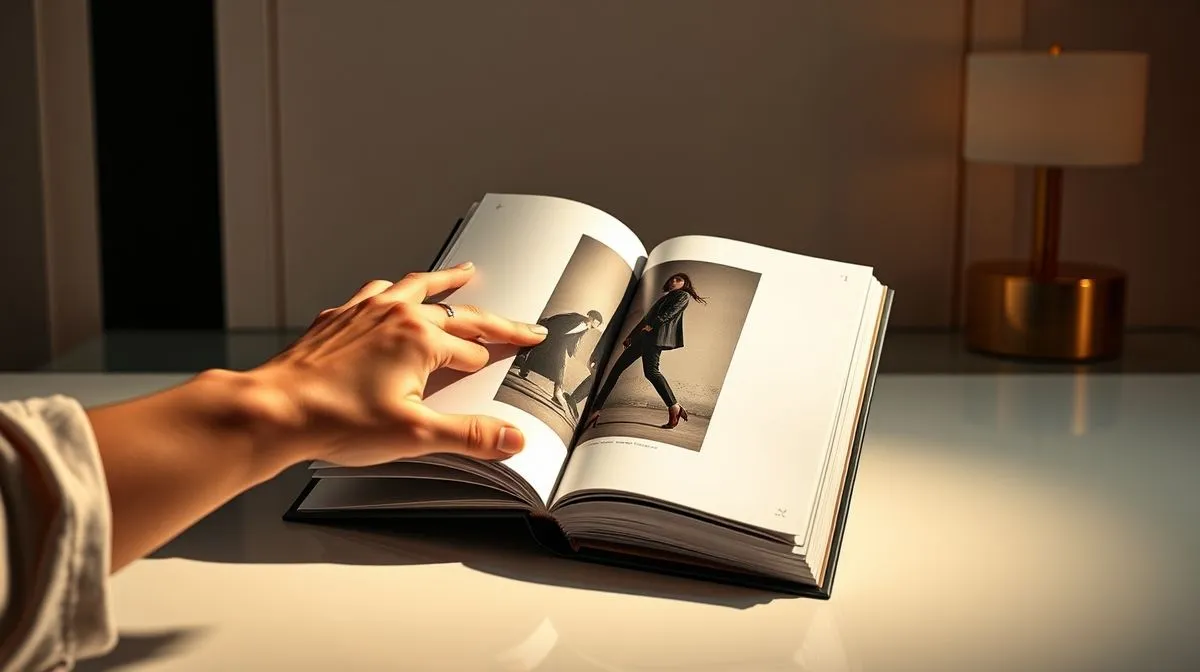
Beyond your website, prepare a refined, custom PDF portfolio. This is ideal for email pitches or for leaving a concise, impactful impression. Avoid generic templates. Design it yourself or hire a graphic designer who understands luxury branding. Every page should reflect your aesthetic, with ample white space, elegant typography, and perfectly laid out images. Consider a physical, printed portfolio for key in-person meetings. A beautifully printed, handcrafted book speaks volumes about your dedication to quality and your understanding of tactile luxury. This tangible item can leave a lasting impression that a digital screen simply cannot.
Networking and Pitching: Getting Through the Door
Even with the most spectacular portfolio, it means nothing if the right people don't see it. Networking in the luxury fashion industry is less about aggressive self-promotion and more about building genuine, respectful relationships. Cold emails rarely work; warm introductions are gold.
Beyond Cold Emails: Building Genuine Connections
Attend industry events, fashion weeks, and gallery openings. Don't go with the sole intention of handing out business cards; go to listen, learn, and engage in meaningful conversations. Follow art directors, creative directors, and brand managers on professional platforms like LinkedIn and Instagram. Engage thoughtfully with their content, demonstrating your expertise and genuine interest in their work. When the time is right, a well-crafted, concise email that references a mutual connection or a relevant piece of their work will be far more effective than a generic plea.
Your pitch, whether verbal or written, must be succinct and compelling. Highlight how your unique street style vision aligns with their brand's current needs or future aspirations. Show them not just what you do, but how you can solve a problem or create value for them. According to Forbes, mastering the art of the pitch is crucial for landing high-value clients. Be prepared to articulate your unique selling proposition clearly and confidently.
The Power of Personal Branding: You Are Your Brand
Ultimately, to truly differentiate your street style portfolio and attract luxury brands, you must understand that *you* are your most valuable asset. Your unique perspective, your artistic voice, and your professional integrity are what will set you apart in a crowded market. Luxury brands often invest in individuals, not just their skills.
Authenticity and Consistency
Cultivate a strong personal brand that is authentic to who you are as an artist and professional. What is your unique worldview? What emotions do your images evoke? What is your signature style that no one else can replicate? Be consistent across all your platforms—your website, social media, and personal interactions. This consistency builds trust and recognition. It allows luxury brands to see you not just as a photographer, but as a visionary partner who can consistently deliver exceptional, on-brand content.
Your long-term vision should be clear. Are you aiming to redefine street style for a new generation of luxury consumers? Do you want to bring an edgy, urban sensibility to classic couture? Having a clear direction for your artistic journey will make your portfolio feel purposeful and compelling, drawing in brands that share your vision.
Frequently Asked Questions (FAQ)
Question? Can street style genuinely compete with studio fashion for luxury brands?
Answer: Absolutely. In fact, many luxury brands are actively seeking the authenticity and relatability that street style can offer, as long as it's executed with the same level of sophistication and production value as studio work. It's about finding the 'luxury' within the street, elevating candid moments into editorial-quality content that resonates with modern consumers who often find traditional studio work too sterile. The key is in curation, post-production, and storytelling that aligns with the brand's aspirational narrative.
Question? How important is my social media presence for attracting luxury clients?
Answer: Extremely important, but not in the way many think. It's less about follower count and more about the quality, consistency, and curated nature of your feed. Your Instagram, in particular, acts as a secondary, dynamic portfolio. It should showcase your unique aesthetic, behind-the-scenes glimpses (if appropriate), and your personality. Luxury brands look for taste, consistency, and an understanding of visual storytelling. Engage thoughtfully, use high-quality visuals, and maintain a professional tone. It's a window into your daily creative process and a strong indicator of your brand alignment.
Question? Should I specialize in a particular street style niche (e.g., minimalist, avant-garde)?
Answer: Yes, specializing can be a powerful differentiator. While versatility is good, luxury brands often seek photographers with a distinct, recognizable voice. If you can become known as 'the' photographer for minimalist street style, or for capturing avant-garde fashion in urban settings, it makes you incredibly valuable to brands operating in those specific niches. Specialization helps you stand out, establishes you as an expert, and makes it easier for brands to find and categorize your unique offering. It doesn't mean you can't shoot other things, but your public-facing portfolio should have a strong, focused identity.
Question? What's the biggest mistake photographers make when approaching luxury brands?
Answer: The biggest mistake is failing to do thorough research and thus presenting a generic portfolio that doesn't speak to the specific brand's aesthetic or needs. Many photographers pitch with a 'here's what I do, hope you like it' approach, rather than a 'here's how my unique vision can specifically benefit YOUR brand' approach. Not understanding their current campaigns, their target demographic, or their specific brand values is a fatal flaw. It shows a lack of respect for their brand and a lack of strategic thinking on your part. Always tailor your approach.
Question? How do I price my street style photography for luxury collaborations?
Answer: Pricing for luxury collaborations is complex and depends on many factors: usage rights (how long, where, how many platforms the images will be used), the scope of the project, your experience level, and the brand's budget. It's rarely a simple day rate. Research industry standards for similar projects and be confident in valuing your unique expertise and the quality you bring. Always factor in pre-production, shooting time, post-production, and licensing fees. If unsure, consult with an agent or an experienced colleague. Undervaluing your work is a common mistake that can actually deter luxury clients, as they often associate higher prices with higher quality and expertise.
Recommended Reading
- Unlocking Perfect Fit: How to Integrate 3D Body Scan Data Effectively
- Unlock Style: Integrating Luxury Runway Trends into Your Classic Wardrobe
- The Ultimate Guide: How to Authenticate a Pre-Owned Luxury Watch Before Buying
- The Ultimate Guide: How to Properly Store Leather Handbags Long Term
- The Future of Fashion: How Advanced Materials Will Reshape Clothing Design
Key Takeaways and Final Thoughts
- Redefine Street Style: Elevate your work from candid snapshots to curated, editorial-quality visual narratives that embody luxury aesthetics.
- Curate Ruthlessly: Focus on quality over quantity. Every image in your portfolio must be impeccable and contribute to a cohesive, high-end vision.
- Master Storytelling: Group your images into thematic series that tell a compelling story, demonstrating your conceptual thinking.
- Perfect Production Value: Obsess over light, composition, and meticulous post-production to ensure every detail exudes professionalism.
- Align with Brands: Research your target luxury brands deeply and tailor your portfolio to speak their specific visual language and ethos.
- Present Impeccably: Your website and physical portfolio should be luxury products themselves, reflecting your high standards and attention to detail.
- Network Strategically: Build genuine relationships and craft compelling pitches that highlight how your unique vision can solve their specific needs.
- Embrace Personal Branding: Your authentic artistic voice and consistent professional identity are your ultimate differentiators.
The journey to attracting luxury brands with your street style portfolio is not an overnight sprint; it's a marathon of continuous refinement, strategic thinking, and unwavering dedication to your craft. By embracing these principles, you're not just showcasing your photography; you're building a brand, a vision, and a professional presence that resonates with the discerning eye of the luxury fashion world. Go forth, create with intent, and let your unique perspective shine. The industry is waiting for photographers like you to redefine what's possible.


Your email address will not be published. Required fields are marked *