

How to Prevent Self-Cleaning Sportswear Losing Efficacy from Sweat?
For over two decades in the dynamic world of textile innovation, I've had the privilege of witnessing groundbreaking technologies emerge, transform, and sometimes, regrettably, fall short of their potential due to simple misunderstandings. Self-cleaning fabrics in sportswear are a prime example: a marvel of material science designed to repel sweat, dirt, and odors, promising a revolution in activewear maintenance and hygiene. They represent a significant leap forward, offering athletes and casual wearers alike the convenience of less frequent washing and extended garment freshness.
However, the initial promise of these 'set-it-and-forget-it' garments often collides with the harsh realities of intense workouts. I've heard countless stories of frustration: the premium self-cleaning top that suddenly retains sweat stains, the shorts that develop persistent odors, or the leggings that simply stop repelling water like they once did. The culprit, more often than not, is sweat – not just its presence, but its complex chemical composition and the subsequent, often improper, care routines that inadvertently strip away the very properties that make these fabrics 'self-cleaning'. It's a common pain point for consumers who've invested in this advanced technology, only to see its efficacy wane prematurely.
My goal with this definitive guide is to demystify the science behind self-cleaning sportswear and, more importantly, to equip you with an actionable, expert-backed framework. We'll delve into the nuanced interactions between sweat and fabric, uncover the hidden pitfalls in conventional care, and provide you with precise strategies – from pre-wear preparation to advanced restoration techniques – to ensure your performance gear retains its innovative properties for as long as possible. This isn't just about washing clothes; it's about preserving an investment in cutting-edge textile technology.
The Science Behind Self-Cleaning Fabrics: A Quick Primer
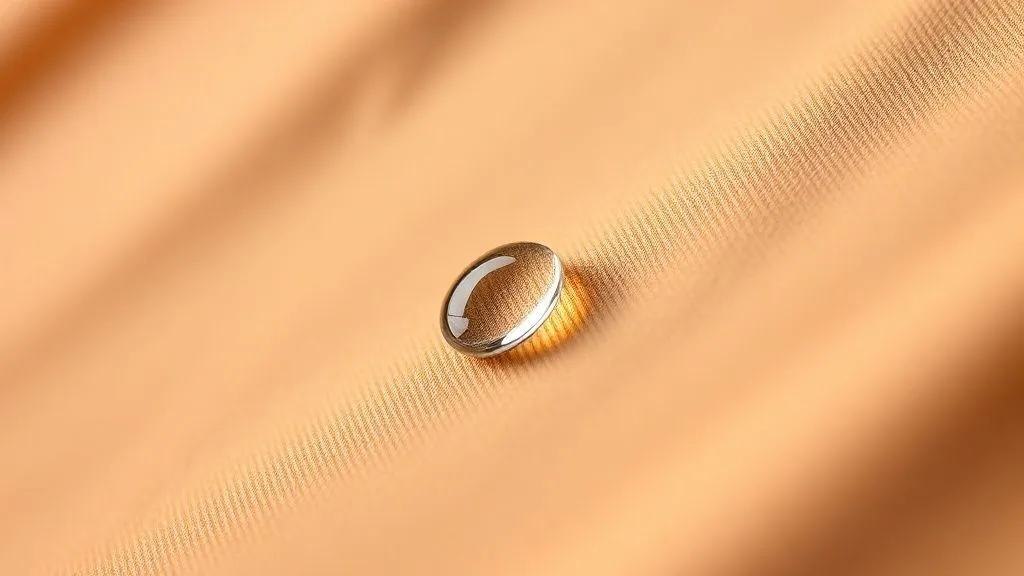
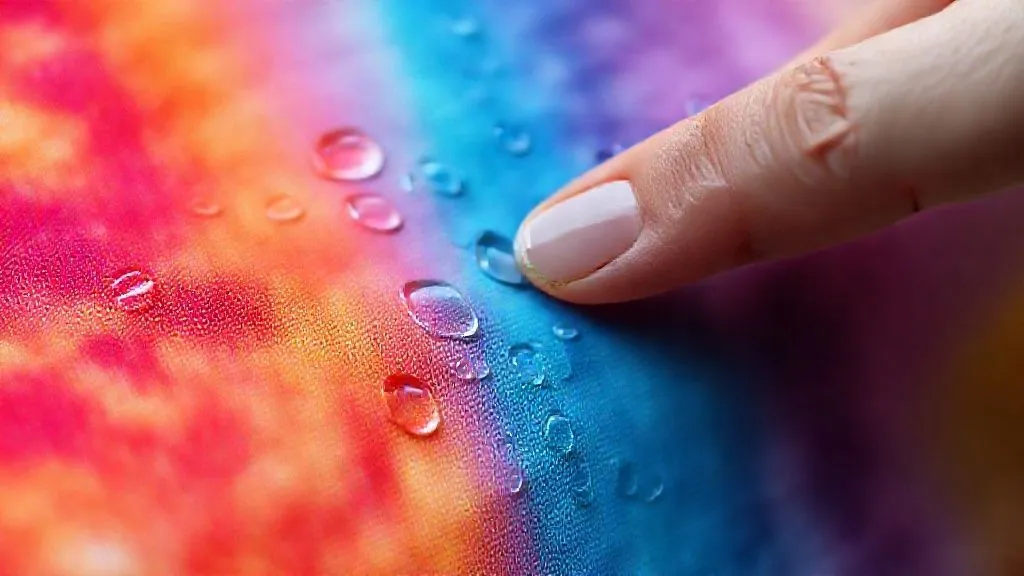
Before we can protect these advanced textiles, it's crucial to understand what makes them 'self-cleaning'. At their core, most self-cleaning sportswear fabrics utilize surface modifications, often at the nanoscale, to mimic natural phenomena. The most famous example is the 'lotus effect', where a superhydrophobic and often oleophobic surface creates a high contact angle with liquids, causing water and dirt to bead up and roll off, taking contaminants with them. This is achieved through engineered micro- and nano-structures on the fabric's surface, sometimes combined with specific chemical coatings.
These coatings are typically fluorocarbon-based (DWR – Durable Water Repellent) or, increasingly, newer fluorocarbon-free alternatives, which create a low surface energy. This low surface energy means that liquids, including sweat and oils, have a harder time adhering to the fabric. Instead of soaking in, they form spherical droplets that can be easily dislodged, effectively 'cleaning' the fabric as they roll away. This mechanism is revolutionary for sportswear, where moisture management and hygiene are paramount.
For athletes, this translates to fabrics that resist sweat penetration, dry faster, and inherently deter microbial growth that causes odor, as there's less organic matter for bacteria to feast on. The promise is clear: enhanced comfort, reduced washing frequency, and a longer-lasting fresh feel. However, the delicate balance of these surface structures and chemical bonds is precisely what makes them vulnerable to degradation from environmental factors and, crucially, from sweat itself.

Sweat's Corrosive Impact: More Than Just Water
Many assume sweat is just salty water. In my experience, this oversimplification is where the misunderstanding begins. Human sweat is a complex biological cocktail, far more insidious than plain water when it comes to textile integrity. It's an aqueous solution containing a myriad of components: sodium chloride (salt), urea, lactic acid, proteins, lipids (oils), ammonia, and various electrolytes. Each of these components plays a role in challenging the self-cleaning properties of your sportswear.
Consider the salts and acids: Sodium chloride, while seemingly innocuous, can leave crystalline residues that physically abrade or clog the microscopic structures of the fabric's surface. Lactic acid can chemically react with certain coatings, altering their molecular structure over time. Then there are the organic compounds – proteins and lipids. These oils and proteins are particularly problematic because they can adhere to the hydrophobic surfaces, effectively masking the low surface energy and reducing the fabric's ability to repel subsequent moisture. They can also provide a nutrient source for odor-causing bacteria, which then further compromises the 'self-cleaning' promise.
The cumulative effect of repeated exposure to this complex bodily fluid, especially when garments are left damp for extended periods, is significant. The very act of drying allows these sweat components to concentrate and crystallize within the fabric's pores and surface structures. Over time, this buildup creates a hydrophilic pathway, essentially creating tiny channels through which water and sweat can now penetrate, bypassing the intended repellency. This isn't an overnight phenomenon; it's a gradual, insidious degradation that requires a proactive and informed approach to mitigate.
The Hidden Enemies: Detergents, Friction, and Heat
Beyond sweat, the very methods we use to 'clean' our clothes can be the primary antagonists to self-cleaning fabrics. I've often seen well-intentioned care routines inadvertently accelerate the demise of these innovative textiles. Understanding these hidden enemies is paramount to preserving your investment.
Detergents: The vast majority of standard laundry detergents are formulated with surfactants – molecules designed to reduce water's surface tension, allowing it to penetrate and lift dirt. While excellent for regular clothes, these same surfactants are the arch-nemesis of hydrophobic coatings. They work by lowering the surface tension of water, which is precisely what self-cleaning fabrics are designed to resist. Regular washing with these detergents can gradually strip away the delicate nano-coatings or clog the microscopic structures, rendering the fabric's repellency ineffective. Moreover, many detergents contain optical brighteners, fabric softeners, or enzymes that can leave residues or chemically degrade the specialized treatments.
Friction: The mechanical action of washing is another significant factor. Tossing self-cleaning garments into a washing machine with abrasive items like jeans, towels, or anything with zippers or Velcro can cause physical abrasion. This friction literally wears down the delicate surface structures and chemical bonds that provide the self-cleaning properties. Even the high-speed spinning in a washing machine, or the rubbing of the fabric against itself during wear, contributes to this mechanical degradation over time.
Heat: High temperatures, whether from washing, tumble drying, or ironing, are also detrimental. The chemical bonds that form the hydrophobic coatings are often sensitive to heat. Excessive heat can denature these chemicals, causing them to break down or melt, thereby losing their effectiveness. While some re-proofing agents require heat activation, this is a controlled process, distinct from the sustained high heat of a conventional dryer or iron. I've seen countless garments prematurely lose their performance due to a single high-heat wash or dry cycle.
| Factor | Impact on Fabric | Mitigation Strategy |
|---|---|---|
| Sweat Composition | Salts and oils break down surface tension, proteins clog pores | Rinse immediately, specialized washes |
| Harsh Detergents | Surfactants strip hydrophobic coatings | Use pH-neutral, non-bio detergents |
| Mechanical Friction | Physical abrasion of nano-layers | Gentle wash cycles, wash inside out |
| High Heat | Denatures chemical bonds, melts coatings | Air dry, low heat settings |
Proactive Pre-Wear and Post-Workout Care Protocols
The battle against efficacy loss begins even before your first workout and continues immediately after. Implementing a robust pre-wear and post-workout care protocol is fundamental to maximizing the lifespan of your self-cleaning sportswear. Think of it as preventative medicine for your high-tech textiles.
Pre-Wear Preparation: It might seem counterintuitive, but some self-cleaning garments benefit from an initial gentle wash before their first use. This can help set the factory-applied treatment and remove any residual manufacturing chemicals that might hinder performance. Always consult the garment's specific care label, as manufacturers often have precise recommendations for initial care. This step is about ensuring the fabric is primed to perform from day one.
Immediate Post-Workout Action: This is arguably the most critical phase. The longer sweat, oils, and bacteria sit on and in your fabric, the more damage they inflict. My advice is simple: act swiftly.
- Rinse Immediately: As soon as possible after your workout, give your sportswear a thorough rinse under cold, running water. This isn't a wash, but a crucial step to flush away the majority of surface sweat, salts, and loose oils before they have a chance to dry and bond with the fabric's fibers or coatings. Focus on areas that accumulate the most sweat.
- Avoid Piling: Never, ever leave sweaty sportswear balled up in a gym bag or a laundry hamper. This creates a warm, moist, anaerobic environment – an ideal breeding ground for odor-causing bacteria and fungi. It also allows sweat components to deeply penetrate and concentrate within the fabric, making them much harder to remove later.
- Gentle Airing: If you can't wash the garment immediately, hang it up to air dry in a well-ventilated area. This allows moisture to evaporate and minimizes the time sweat residues remain in a concentrated, liquid state on the fabric. Ensure it's not in direct sunlight, which can cause fading or heat damage.
The key here is consistency. Making these steps a habitual part of your post-workout routine will significantly reduce the cumulative damage from sweat and dramatically extend the effective life of your self-cleaning sportswear. It's a small effort for a substantial return on your investment in advanced textile technology.
The Washing Wisdom: Selecting the Right Detergent and Cycle
When it comes to the actual washing, conventional wisdom often fails self-cleaning fabrics. The wrong detergent or wash cycle can undo the sophisticated engineering of these textiles faster than you might imagine. This is where informed choices truly make a difference in how to prevent self-cleaning sportswear losing efficacy from sweat.
Detergent Selection: The pH-Neutral, Non-Bio Imperative: This is non-negotiable. You need to entirely avoid standard biological detergents that contain enzymes designed to break down organic matter (like proteins and fats from sweat – which they will do, but will also attack your fabric's coatings). Also steer clear of optical brighteners, chlorine bleach, and especially fabric softeners. Fabric softeners leave a residue that clogs the microscopic pores of performance fabrics, effectively nullifying their wicking and self-cleaning properties. Instead, opt for pH-neutral, non-biological detergents specifically formulated for technical or performance fabrics. These 'tech washes' are designed to clean effectively without stripping DWR coatings or leaving residues. Brands like Nikwax or Granger's offer excellent options that are gentle yet effective. Learn more about specialized technical washes here.
Washing Cycle: Gentle is Gold: Your washing machine's settings are just as critical as your detergent choice. Always select the most gentle cycle available, such as 'delicate', 'hand wash', or 'sports wash'. Use cold water; hot water can damage the delicate chemical bonds of the fabric's coatings and can also set stains. A low spin speed is also preferable to minimize mechanical friction. To further protect the treated surface, always wash your self-cleaning garments inside out. This shields the exterior from direct abrasion against the drum or other items in the wash.
Separate from Abrasive Items: Never wash self-cleaning sportswear with items that have zippers, buttons, Velcro, or rough textures like denim. These can snag, abrade, and physically damage the delicate surface treatments. Ideally, wash your performance gear in a separate load, or at least in a mesh laundry bag to provide an extra layer of protection. This simple step can significantly extend the life and efficacy of your garments.
"The longevity of innovative textiles hinges not just on their initial design, but on the diligent, informed care they receive post-purchase. It's an investment in performance, protected by knowledge."
Drying Dilemmas: Air, Low Heat, and Avoiding the Iron
The drying process is often overlooked but plays a pivotal role in preserving the integrity of self-cleaning sportswear. Just as with washing, conventional drying methods can be detrimental to the delicate coatings and fabric structures. My professional advice is to err on the side of caution and prioritize methods that minimize heat and mechanical stress.
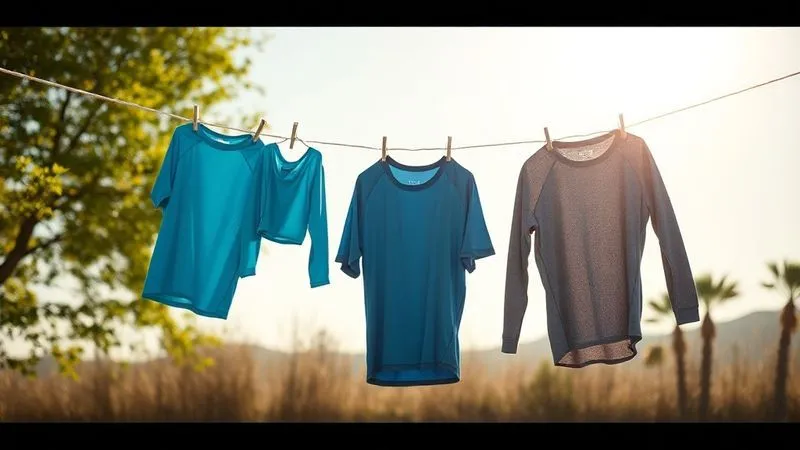
Air Drying is King: Without a doubt, air drying is the safest and most effective method for maintaining the performance of self-cleaning fabrics. Hang your garments on a line or a drying rack in a well-ventilated area, away from direct sunlight. The gentle, natural airflow allows the fabric to dry without exposing it to the high temperatures or abrasive tumbling of a machine dryer. This preserves the chemical bonds of the hydrophobic coatings and prevents the physical distortion of the fabric's structure. It's a slow process, but it's the best investment in your garment's longevity.
If Tumble Drying is Necessary: I understand that air drying isn't always feasible, especially for those with busy schedules or limited space. If you must use a tumble dryer, it is absolutely crucial to use the lowest heat setting possible, ideally 'air fluff' or 'no heat'. Select a delicate or synthetic cycle and remove the garments promptly once dry to avoid excessive tumbling and static buildup. Over-drying or using high heat can cause irreversible damage to the coatings, essentially melting or deactivating them. This is a common mistake that quickly degrades self-cleaning properties.
Never Iron Directly: High heat from an iron is an absolute no-go for most self-cleaning and technical fabrics. The direct, intense heat can melt, deform, or completely destroy the delicate surface treatments and even the synthetic fibers themselves. If a garment absolutely requires ironing (which is rare for sportswear), use the coolest setting, place a pressing cloth between the iron and the fabric, and iron only on the reverse side. However, in my experience, proper air drying usually eliminates the need for ironing performance sportswear altogether.
The Periodic Recharge: Restoring Hydrophobic Properties
Even with the most diligent care, the self-cleaning and water-repellent properties of your sportswear will eventually degrade. This is a natural consequence of wear, repeated washing cycles, and exposure to sweat's complex chemistry. The good news is that this loss of efficacy isn't always permanent. In many cases, you can restore or significantly enhance the fabric's hydrophobic properties through specialized re-proofing treatments.
Understanding Re-Proofing Sprays and Wash-Ins: These products are designed to replenish or reactivate the DWR (Durable Water Repellent) finish on your garments. They typically come in two forms: wash-in treatments, which are added to your washing machine during a cycle, and spray-on treatments, which are applied directly to the clean, damp garment. Modern re-proofing agents are increasingly fluorocarbon-free, offering an environmentally friendlier alternative to older PFAS-based chemistries, while still providing excellent water repellency.
How they work is by depositing a new layer of water-repellent polymers onto the fabric's surface, restoring the low surface energy required for water and dirt to bead up and roll off. It's like giving your fabric a fresh shield against the elements.
Application Techniques for Optimal Results:
- Clean Fabric Thoroughly: Before applying any re-proofing agent, ensure your garment is spotlessly clean. Any dirt, sweat residue, or detergent residue will prevent the re-proofing agent from bonding properly to the fabric fibers. Wash the garment with a technical cleaner designed for performance fabrics, ensuring all residues are removed.
- Apply Evenly: Whether using a wash-in or spray-on product, follow the manufacturer's instructions precisely. For spray-ons, aim for an even, saturated coating, particularly on areas that experience the most wear or sweat exposure. For wash-ins, ensure the correct dosage for your load size.
- Heat Activation (if required): Many re-proofing agents, especially those designed for DWR, require a gentle heat treatment to fully activate and bond to the fabric. This usually involves a low-heat tumble dry cycle (as discussed earlier, low heat is key!) or even a very brief, low-heat iron with a pressing cloth. This step is crucial for the durability and effectiveness of the new DWR layer. Always check the specific product instructions.
By periodically recharging your self-cleaning sportswear, you're not just bringing back its water repellency; you're often restoring its resistance to dirt and oils, and by extension, its ability to resist odor-causing bacteria. It's a vital step in ensuring the long-term performance and sustainability of your advanced activewear. Explore reputable re-proofing solutions and guides for application.
Case Study: "The Marathoner's Miracle Fabric Revival"
Let me share a real-world scenario that encapsulates the value of these care protocols. Sarah, an avid marathoner, invested in a high-end self-cleaning running top, expecting it to withstand her rigorous training schedule. For the first few months, it was a dream – no lingering odors, sweat beaded off beautifully, and it required minimal washing. However, after about a year, she noticed a distinct decline. The top started absorbing sweat, retaining a faint, persistent odor even after washing, and sweat stains became visible.
Her initial mistakes were common: she was washing it with her regular laundry detergent, using warm water, and often tumble-drying it on a medium heat setting for convenience. These seemingly innocuous habits were slowly, but surely, stripping away the fabric's innovative properties. The harsh surfactants in her conventional detergent were dismantling the hydrophobic coating, and the heat was accelerating its degradation. The accumulated sweat residues were also creating a hospitable environment for bacteria, leading to the odor issue.
When Sarah approached me, we outlined a new care regimen. First, she switched to a specialized, pH-neutral technical wash. Her wash cycle was changed to cold water, delicate setting, and always inside out. Crucially, she committed to air drying her top. Finally, after a thorough clean, we applied a high-quality fluorocarbon-free spray-on re-proofing agent, followed by a very short, low-heat tumble dry to activate the new DWR layer. The transformation was remarkable.
Within a few washes and the re-proofing treatment, Sarah's running top began to repel sweat effectively again. The persistent odor vanished, and the fabric felt lighter and performed better. She experienced renewed confidence in her gear, and her investment was saved from premature retirement. This wasn't just about cleaning; it was about understanding the science and implementing precise care to preserve the garment's engineered performance. It's a testament to how proper care can bring a 'failing' self-cleaning garment back to life.

Beyond the Basics: Advanced Considerations for Longevity
While the core care protocols are paramount, there are additional considerations that, in my experience, further contribute to the long-term efficacy and lifespan of your self-cleaning sportswear. These are often subtle but can collectively make a significant difference.
Proper Storage: How you store your sportswear matters. Always ensure garments are completely clean and dry before storing them. Storing damp or dirty clothes encourages mildew growth and can further embed odors and sweat residues. Store them in a breathable space, ideally folded or hung, rather than tightly compressed in a drawer. Avoid plastic bags, which trap moisture and can lead to degradation of synthetic fibers over time.
Garment Rotation: If you have multiple pieces of self-cleaning sportswear, consider rotating them. Constant wear and washing of a single item will naturally accelerate its degradation. By rotating your gear, you distribute the stress of workouts and washing across different garments, allowing each piece to last longer and maintain its efficacy more consistently. This is a simple strategy to extend the life of your entire activewear collection.
Understanding Fabric Blends and Technology: Not all 'self-cleaning' fabrics are created equal. Some utilize surface coatings, others embed nanoparticles directly into the fibers, and some employ a combination. Different fabric blends (e.g., polyester with elastane) can also react slightly differently to care processes. While the general principles outlined here apply broadly, always pay close attention to the specific care instructions provided by the manufacturer. Some cutting-edge technologies might have unique requirements or recommendations for maintenance that go beyond the standard advice. Staying informed about the specific technology in your garment can lead to more tailored and effective care. Delve deeper into textile research and innovation for advanced insights.
Frequently Asked Questions (FAQ)
Q: Can I use fabric softener on self-cleaning sportswear? A: Absolutely not. Fabric softeners leave a waxy residue that coats the microscopic structure of self-cleaning and performance fabrics. This residue clogs the pores and effectively nullifies their hydrophobic, oleophobic, and wicking properties. It also traps odors and can break down the integrity of synthetic fibers over time. Always avoid them for any technical sportswear.
Q: How often should I re-proof my self-cleaning garments? A: The frequency depends heavily on wear, wash frequency, and the intensity of your activities. For active users, I generally recommend assessing the DWR performance every 10-15 washes. A simple test is to sprinkle a few drops of water on the fabric; if it soaks in rather than beading up and rolling off, it's a clear sign that re-proofing is needed. Some advanced, durable re-proofers might last longer, but regular checks are key.
Q: Are there specific brands of self-cleaning sportswear that are more durable against sweat? A: While brand reputation for quality often correlates with overall durability, the efficacy against sweat varies depending on the specific self-cleaning technology employed. Look for brands that are transparent about their DWR or nanocoating technology (e.g., C0 DWR, specific photocatalytic or hydrophobic treatments) and provide detailed care instructions. Brands specializing in outdoor gear or high-performance athletic wear often invest in more robust and tested treatments. Always cross-reference with independent reviews for long-term performance insights.
Q: My self-cleaning fabric now smells, what went wrong? A: Odor buildup usually indicates that the self-cleaning or antimicrobial properties have been compromised, allowing sweat, oils, and odor-causing bacteria to penetrate and thrive within the fabric fibers. This can happen due to improper washing (e.g., using wrong detergents that leave residue, not washing inside out, high heat), or simply the natural degradation of the coating over time. A thorough wash with a specialized technical cleaner designed for performance fabrics, sometimes followed by a re-proofing treatment, can often help mitigate the odor issue by restoring the fabric's ability to shed contaminants.
Q: Is there a difference between "water-repellent" and "self-cleaning" fabrics in terms of care? A: While often related, there can be subtle distinctions. "Water-repellent" (DWR) primarily focuses on shedding water. "Self-cleaning" often implies broader repellency, including water, dirt, and oils, and might involve more complex surface structures (like the lotus effect) or photocatalytic properties. Generally, the core care principles for preserving these surface treatments—avoiding harsh detergents, excessive friction, and high heat—are very similar, as both rely on maintaining the integrity of surface coatings or structures. However, always defer to the garment's specific care label, as some advanced self-cleaning technologies might have unique requirements.
Key Takeaways and Final Thoughts
In my decades navigating the intricacies of textile innovation, one truth has consistently emerged: even the most advanced technologies require informed care to reach their full potential. Self-cleaning sportswear is a marvel, offering unparalleled convenience and performance, but its efficacy is not immutable. It's a delicate balance of science and stewardship.
- Understand the Science: Appreciate the hydrophobic and oleophobic mechanisms that make your fabrics self-cleaning.
- Implement Immediate Post-Workout Rinsing: This is your first line of defense against sweat's corrosive impact.
- Choose Specialized Detergents and Gentle Cycles: pH-neutral, non-bio technical washes and cold, delicate cycles are non-negotiable.
- Prioritize Air-Drying: Avoid high heat from tumble dryers and irons to preserve delicate coatings.
- Consider Periodic Re-Proofing: When efficacy wanes, specialized treatments can restore performance and extend garment life.
By integrating these expert-level insights and actionable strategies into your routine, you're not just caring for your sportswear; you're actively preserving its cutting-edge performance, ensuring your investment continues to work as hard as you do. The future of activewear is smart, and with the right knowledge, you can ensure your gear stays at the forefront of that innovation, performing optimally for countless workouts to come.
Recommended Reading
- Unearthing Obscure Costume Details: A Filmmaker's 7-Step Research Guide
- Mastering Elegance: Your Ultimate Guide to a Thorough Luxury Fashion Review
- Unlock the Secrets: How to Create Dramatic Fashion Photography Lighting Outdoors?
- 7 Steps: Verify Sustainable Jewelry Material Sourcing Claims Effectively
- Bespoke Jewelry Copied? 5 Steps to Protect Your Design & Brand


Your email address will not be published. Required fields are marked *