

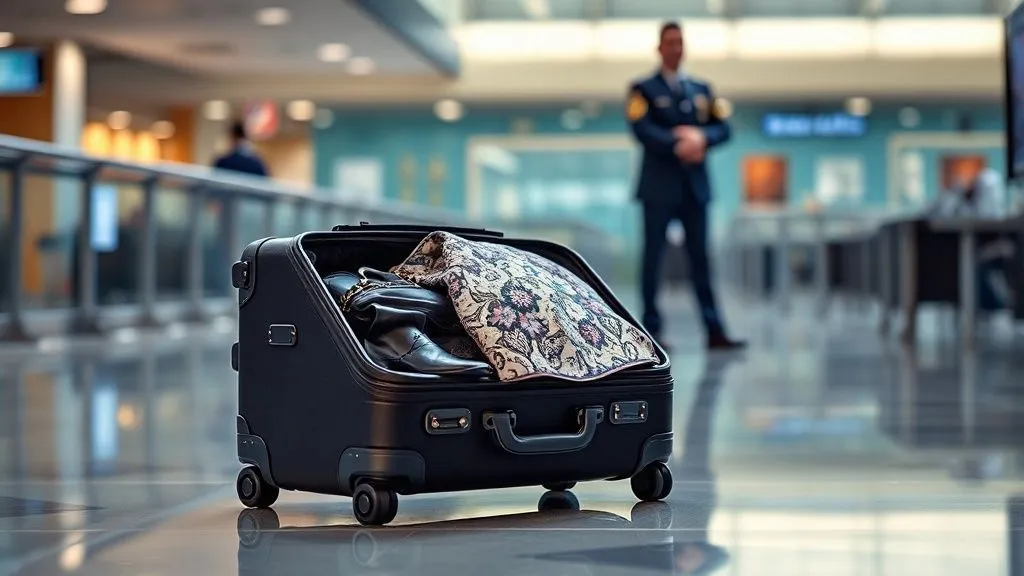
Securely Transport High-Value Fashion Samples Through Airport Customs?
For over two decades in the niche world of luxury fashion accessories and sample logistics, I've witnessed firsthand the exhilaration of successful collection launches and the crushing disappointment when high-value samples are damaged, delayed, or even confiscated at airport customs. It's a high-stakes game where a single misstep can jeopardize months of design, production, and marketing efforts. I've seen brands lose significant capital and market opportunities because they underestimated the complexities of international sample transport.
The pain point is palpable: you've poured your creativity and resources into developing exquisite fashion samples, often one-of-a-kind prototypes or limited editions destined for crucial presentations, photoshoots, or buyer meetings. The thought of these irreplaceable items being mishandled, lost, or subjected to unexpected duties and delays at airport customs is a constant source of anxiety for designers, sales executives, and production managers alike. The stakes aren't just financial; they're reputational and often deeply personal.
This definitive guide isn't just a collection of tips; it's a strategic framework born from years of navigating the intricate labyrinth of global logistics and customs regulations. I'll share actionable steps, real-world analogies, and expert insights to equip you with the knowledge and confidence to securely transport high-value fashion samples through airport customs. We'll cover everything from meticulous documentation and strategic packaging to choosing the right carrier and handling on-site interactions, ensuring your precious cargo arrives safely and on schedule.
1. Pre-Travel Documentation: The Unsung Hero of Seamless Transit
In my experience, the single biggest differentiator between a smooth customs clearance and a nightmare scenario lies in the preparation of your documentation. This isn't just about filling out forms; it's about building an irrefutable case for your samples' temporary import or export status. Overlooking a single detail can lead to significant delays, fines, or even seizure.
The ATA Carnet is your absolute best friend for temporary imports/exports. It's often referred to as the 'Passport for Goods' and allows for the duty-free and tax-free temporary admission of goods for up to one year. I've seen it save countless hours and thousands of dollars for brands showcasing collections abroad. Without it, you're often left to the mercy of local customs bonds or paying refundable deposits, which can tie up capital for months.

Beyond the Carnet, you'll need a comprehensive commercial invoice, even for samples with 'no commercial value.' This invoice should clearly state the item descriptions, quantities, materials, country of origin, and a declared value for customs purposes (even if nominal, for insurance). Crucially, mark it 'FOR CUSTOMS PURPOSES ONLY – SAMPLES, NO COMMERCIAL VALUE.' This distinction is vital for avoiding unexpected duties.
Crafting Your Documentation Strategy: A Step-by-Step Approach
- Identify the Purpose: Clearly define if samples are for exhibition, photoshoot, sales meeting, repair, etc. This dictates the required documentation.
- Research Destination Regulations: Before anything else, check the specific import/export regulations of your destination country. Some countries have unique restrictions on certain materials (e.g., exotic leathers, furs) or specific labeling requirements. The World Customs Organization (WCO) website is an invaluable resource.
- Prepare the ATA Carnet: Apply well in advance through your local Chamber of Commerce or equivalent authority. Ensure every item is listed accurately, including its estimated value and weight.
- Detailed Commercial Invoice: Create a proforma invoice for customs. Include:
- Shipper and Consignee details.
- Detailed description of each item (e.g., "Women's silk evening gown sample, prototype, HS Code 6204.42.00, 1 unit, declared value for customs: $100").
- Harmonized System (HS) Codes for each item. This is critical for accurate classification.
- Reason for export: "Temporary Import for Exhibition/Photoshoot/Sales Presentation."
- Terms of Sale (e.g., DAP, DDP – though for samples, often just for customs clarity).
- Proof of Ownership/Origin: Have certificates of origin for materials if required, especially for items made from regulated resources.
- Packing List: A detailed list correlating each item in the shipment to its specific box or case.
- Letter of Authorization: If someone other than the owner is transporting, a letter authorizing them to carry the samples and represent the company at customs.
Expert Insight: Always carry physical copies of all documents with your samples, and have digital backups accessible via cloud storage. Customs officials appreciate preparedness and clarity. A well-organized folder signals professionalism.
| Document Type | Purpose | Key Data Points | Urgency |
|---|---|---|---|
| ATA Carnet | Temporary duty-free import/export | Item list, values, quantities | High |
| Commercial Invoice (Proforma) | Customs valuation & classification | HS codes, detailed descriptions, reason for export | High |
| Packing List | Inventory verification | Box contents, item count | Medium |
| Certificate of Origin | Material compliance | Country of manufacture, material source | Situational (High if applicable) |
2. Strategic Packaging: Beyond the Bubble Wrap
When it comes to high-value fashion samples, packaging isn't just about protection from physical damage; it's also a statement of value and an aid to customs inspection. I've seen brands invest fortunes in design only to skimp on packaging, leading to crumpled garments, broken accessories, and a diminished perception of their brand.
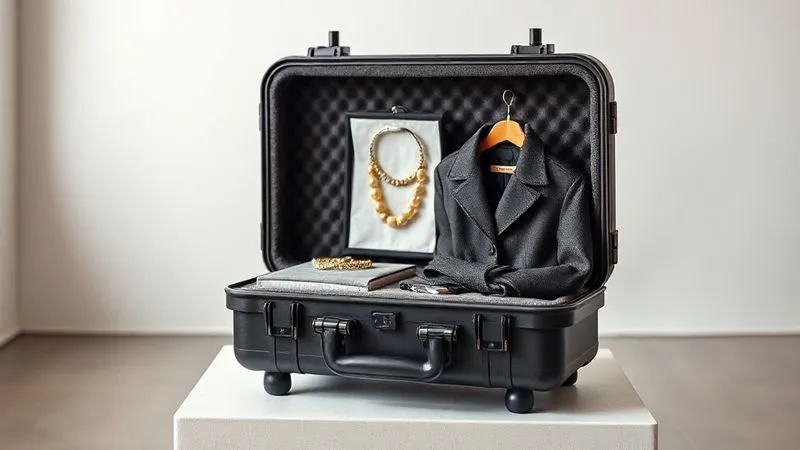
Your packaging needs to be robust, secure, and smart. For garments, this means using sturdy garment bags, acid-free tissue paper, and custom-fit boxes that prevent crushing and creasing. For accessories, individual padding, shock-absorbent foam inserts, and hard cases are non-negotiable. Consider the environmental conditions: temperature fluctuations, humidity, and pressure changes can all affect delicate materials.
Advanced Packaging Tactics for Fashion Samples
- Custom-Fit Cases: Invest in professional-grade, hard-shell cases (e.g., Pelican, Rimowa) with custom foam inserts for delicate items like jewelry, eyewear, or intricate prototypes. These offer superior impact protection.
- Climate Control: For extremely sensitive materials (e.g., certain leathers, silks, or embellished pieces), consider cases with built-in humidity control packs or temperature-regulating liners.
- Layered Protection: Combine soft inner packaging (acid-free tissue, silk bags) with robust outer protection (sturdy boxes, hard cases). Each layer should serve a purpose.
- Clear Labeling: Clearly label each package with contents (e.g., "Box 1 of 3: Dresses," "Box 2 of 3: Accessories"), your company name, and contact information. This aids quick identification and reassembly.
- Tamper-Evident Seals: Use numbered security seals or tamper-evident tape on all cases. This not only deters theft but also provides immediate visual evidence if a package has been opened without authorization. Document the seal numbers before departure.
3. Choosing Your Carrier & Route: Risk Mitigation is Key
The choice of how your samples travel – whether as accompanied baggage, unaccompanied cargo, or via a specialized courier – profoundly impacts security, speed, and cost. This decision isn't just about the cheapest option; it's about minimizing risk for your high-value assets. I've learned that a slightly higher cost upfront can save astronomical amounts in potential losses or delays down the line.
For truly irreplaceable or time-sensitive samples, accompanied baggage (hand-carry) is often the safest bet, allowing you to maintain direct control. However, this has limitations on size and quantity. For larger volumes, a reputable, specialized logistics provider with experience in high-value goods is indispensable. Avoid generic, low-cost carriers for anything critical.
Evaluating Transport Options
- Accompanied Baggage:
- Pros: Direct personal control, immediate resolution of customs issues, minimal risk of mishandling.
- Cons: Limited volume/weight, personal travel constraints, increased personal liability.
- Best For: Prototypes, singular high-value pieces, extremely time-sensitive items.
- Specialized Cargo/Courier Services:
- Pros: Handle larger volumes, expert customs brokerage, door-to-door tracking, often faster than standard freight. Companies like IATA-certified cargo agents or luxury logistics firms specialize in this.
- Cons: Higher cost than standard freight, less direct control than hand-carry.
- Best For: Full collections, multiple samples, when time is critical but hand-carry isn't feasible.
- Standard Air Freight:
- Pros: Cost-effective for larger, non-urgent shipments.
- Cons: Slower, less specialized handling, higher risk of delays or damage.
- Best For: Lower-value, non-critical samples, or bulk materials. (Generally NOT recommended for high-value fashion samples.)
Expert Insight: Always choose a carrier that offers robust tracking capabilities and dedicated customer support for high-value shipments. The ability to know exactly where your samples are at all times provides immense peace of mind and allows for proactive problem-solving.
4. Navigating Customs Declarations: Precision is Paramount
This is where many brands falter. A customs declaration isn't just a formality; it's a legal document. Any inaccuracies, omissions, or ambiguities can trigger red flags, leading to intrusive inspections, delays, and potentially significant duties or penalties. I've seen brands incorrectly declare 'gifts' or 'personal items' to avoid paperwork, only to have their samples seized.
Precision means using the correct Harmonized System (HS) codes, providing clear and consistent descriptions, and accurately stating the purpose of the samples. If you're using an ATA Carnet, ensure the declaration perfectly matches the Carnet's inventory. Discrepancies here are a surefire way to invite scrutiny.
Mastering the Customs Declaration
- HS Code Accuracy: Every fashion item has a specific HS code. Use the most precise code available. Incorrect codes can lead to misclassification and incorrect duties. Consult customs brokers or online HS code databases.
- Detailed Descriptions: Instead of "clothes," write "Women's silk blend evening dress, sample, prototype for SS25 collection." Specify material, gender, type of garment, and its sample status.
- Consistent Valuation: If using a nominal value for customs, ensure it's consistent across all documents (commercial invoice, Carnet, declaration). For insurance purposes, you'll have a separate, higher replacement value.
- Purpose of Import/Export: Clearly state "Temporary Import for Exhibition/Photoshoot/Sales Presentation" or "Return of Samples." This distinguishes them from commercial goods intended for sale.
- Country of Origin: Always declare the country where the samples were manufactured, not just where they were shipped from.
Case Study: Elegance Atelier's Customs Triumph
Elegance Atelier, a luxury accessories brand, was preparing to showcase their new collection of bespoke handbags at a major European fashion week. In previous years, they had faced significant delays due to inconsistent HS codes and vague descriptions, resulting in missed appointments. Following my advice, they meticulously prepared an ATA Carnet, ensuring every bag was listed with its precise material composition, size, and HS code. Their commercial invoice clearly stated 'Samples for Exhibition – No Commercial Value,' and they attached detailed photographs of each item. At customs, their representative presented the organized folder. The customs officer, seeing the thoroughness and clarity, conducted a swift, superficial check and cleared the samples within minutes. This attention to detail saved them a critical day, allowing them to set up their showroom perfectly and secure a major buyer order.
5. On-Site Protocols: Airport & Border Control Interaction
Even with impeccable documentation, the human element at customs can be unpredictable. How you or your representative interact with customs officials can significantly influence the outcome. I've found that a respectful, confident, and prepared demeanor goes a long way. Aggression or evasiveness, conversely, is a recipe for trouble.
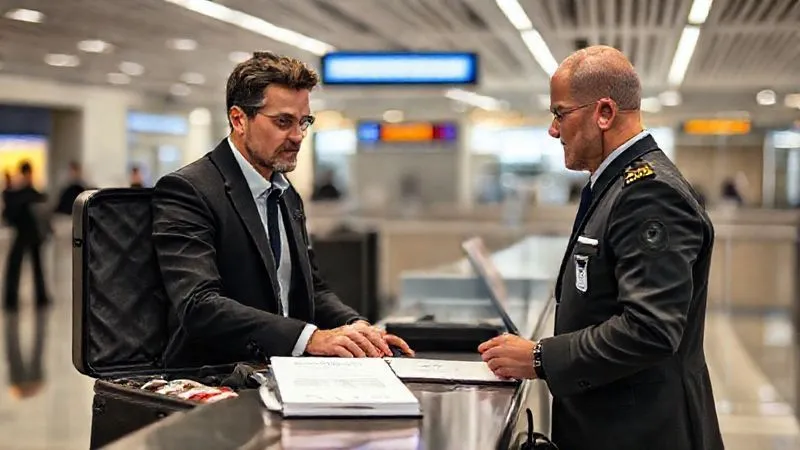
When approaching customs, have all your documents ready and easily accessible. If asked to open your cases, do so calmly and professionally. Be ready to explain the purpose of your samples clearly and concisely. Remember, their job is to ensure compliance, and your job is to demonstrate it without ambiguity.
Navigating Customs Interactions with Grace and Authority
- Be Prepared: Have your ATA Carnet (if applicable), commercial invoices, packing lists, and any authorization letters in a dedicated, easily accessible folder.
- Politeness and Professionalism: Greet customs officers respectfully. Answer questions truthfully and concisely. Avoid jargon unless it's an industry term they'd understand.
- Know Your Documents: Be familiar with the contents of your documents. If asked about a specific item, you should be able to point to it on your packing list or Carnet.
- Stay Calm: If there's an issue, remain calm. Ask for clarification if you don't understand a question. If necessary, request to speak with a supervisor.
- Never Offer Bribes: This is illegal and will lead to severe consequences.
- Document Everything: If an issue arises, note down the officer's name/badge number, the time, the specific issue, and any instructions given.
6. Insurance & Contingency Planning: Your Safety Net
Even with the most meticulous planning, unforeseen events can occur – a lost case, accidental damage, or an unexpected customs ruling. This is why comprehensive insurance and a robust contingency plan are not optional; they are essential components of securely transporting high-value fashion samples through airport customs. I've advised countless brands to consider their insurance policy as their ultimate safety net, ensuring continuity even in the worst-case scenario.
Standard travel insurance typically doesn't cover high-value commercial samples. You need specialized cargo insurance or an extension to your business's existing policy that specifically covers goods in transit, including temporary imports/exports. Understand the coverage limits, deductibles, and the claims process *before* you travel.
Building Your Contingency Framework
- Specialized Cargo Insurance: Obtain 'all-risk' cargo insurance that covers loss, theft, and damage during transit. Ensure the declared value for insurance purposes reflects the true replacement cost, not just the nominal customs value.
- Duplicate Samples: For truly critical items, consider creating a duplicate sample and shipping it separately or via a different route/carrier. This 'redundancy' strategy is a lifesaver if one shipment encounters issues.
- Emergency Contact List: Have a readily accessible list of contacts: your customs broker, insurance agent, legal counsel (if needed), local embassy/consulate, and key personnel at your destination.
- Financial Buffer: Budget for potential unexpected duties, storage fees, or expedited shipping costs. Having a financial buffer prevents panic decisions.
- Digital Copies of Designs: While not a physical sample, having secure digital copies of your designs, patterns, and material specifications can be crucial for recreating lost items or proving authenticity.
Expert Insight: Never underestimate the value of a strong relationship with a customs broker in your destination country. They are your eyes and ears on the ground and can often pre-empt or resolve issues before they escalate. Think of them as your local customs concierge.
7. Post-Travel Audit: Learning from Every Journey
The journey doesn't end when your samples clear customs and arrive at their destination. The most successful brands I've worked with treat every international transport as a learning opportunity. A post-travel audit is crucial for refining your processes, identifying potential pitfalls, and ensuring continuous improvement in your logistics strategy.
This involves documenting what went well, what went wrong, and what could be improved. It's about gathering feedback from your team, the carrier, and any customs officials interacted with. This proactive approach builds institutional knowledge, making future transports even smoother and more secure.
Conducting a Comprehensive Post-Travel Audit
- Debrief Your Team: Gather feedback from anyone involved in the transport – the person who packed, the person who traveled, the recipient. What challenges did they face? What went smoothly?
- Review Documentation: Check if all documents were correct and complete. Were there any discrepancies? Did customs ask for anything you didn't have?
- Assess Carrier Performance: Evaluate the chosen carrier's performance. Was the tracking accurate? Was delivery on time? Was customer service responsive?
- Analyze Costs: Compare actual costs (shipping, duties, unexpected fees) against budgeted amounts. Identify areas for cost optimization or better budgeting.
- Inspect Samples: Thoroughly inspect all samples upon arrival. Document any damage or discrepancies immediately, photograph them, and initiate insurance claims if necessary.
- Update Protocols: Based on your findings, update your internal packing lists, documentation templates, and transport protocols. Share these updates with all relevant team members.
By consistently performing these audits, you transform potential weaknesses into strengths, building a robust and resilient system for transporting your invaluable fashion samples. This iterative process is the hallmark of truly expert-level logistics management.
Frequently Asked Questions (FAQ)
Question? What if customs insists on charging duties even with an ATA Carnet, claiming the samples have commercial value?
Detailed answer... This can happen if the customs officer perceives the samples as intended for immediate sale or if the documentation is unclear. First, politely but firmly present your ATA Carnet and explain its purpose (temporary import, no sale intended). Point to the 'Samples, No Commercial Value' notation on your commercial invoice. If they persist, request to speak with a supervisor and calmly explain the situation again. If all else fails, you may have to pay the duties under protest, ensuring you get a receipt and documentation, then immediately contact your customs broker or ATA Carnet issuing body for assistance in claiming a refund upon re-export. Document everything meticulously.
Question? Are there specific restrictions on certain materials like exotic leathers or furs when traveling internationally with fashion samples?
Detailed answer... Absolutely. Many countries have strict regulations or outright bans on the import/export of products made from endangered species (e.g., CITES-listed animals). Before traveling, thoroughly research the CITES regulations of both your origin and destination countries. You may need specific permits (e.g., CITES permits) for such materials, even for samples. Failure to have these permits can lead to confiscation, significant fines, and even legal action. Always declare such items clearly and have all necessary documentation ready.
Question? What's the best way to handle a situation where a customs officer wants to conduct a very thorough and potentially damaging physical inspection of delicate samples?
Detailed answer... This is a delicate situation. While you must comply with customs inspections, you can request that the inspection be conducted with care and, if possible, in your presence. Politely explain the delicate nature and high value of the items. You can offer to assist in unpacking and repacking the samples to minimize potential damage. If you have custom-fit packaging, explain how it works. If an item is damaged during inspection, document it immediately with photographs and request an incident report from the customs officer. This documentation is crucial for any potential insurance claims.
Question? How can I ensure my team members, who might be less experienced, follow these protocols consistently?
Detailed answer... Consistency comes from clear training, standardized procedures, and readily available resources. Create a comprehensive 'Customs Compliance Manual' for your team, outlining all steps, required documents, and emergency contacts. Conduct regular training sessions, perhaps with a mock customs scenario. Use checklists for packing and documentation. Assign a senior team member as a 'Customs Champion' who can answer questions and oversee critical shipments. Regular audits (as discussed in Section 7) will also reinforce best practices and identify areas for further training.
Question? Is it always better to hand-carry samples, or are specialized couriers truly as secure for high-value items?
Detailed answer... For singular, absolutely irreplaceable prototypes, hand-carrying often provides the highest level of personal control and immediate problem-solving capability. However, for larger collections or when personal travel isn't feasible, specialized couriers (those with a proven track record in luxury goods logistics) can be equally, if not more, secure. They offer expertise in customs clearance, specialized packaging, climate-controlled transport, robust tracking, and dedicated security protocols that individual travelers might not have access to. The key is choosing the *right* specialized courier, not just any express service. Weigh the volume, fragility, value, and your team's capacity against the courier's expertise and insurance offerings.
Key Takeaways and Final Thoughts
- Preparation is Paramount: Meticulous documentation, especially an ATA Carnet, is your first line of defense against customs issues.
- Invest in Packaging: Your packaging isn't just protection; it's a security measure and a brand statement.
- Choose Wisely: Select carriers and routes based on risk mitigation, not just cost.
- Precision in Declarations: Accuracy in HS codes and descriptions is non-negotiable for smooth customs clearance.
- Professional Interaction: Approach customs officials with respect, clarity, and preparedness.
- Insure and Plan: Comprehensive insurance and a robust contingency plan are your essential safety nets.
- Learn and Adapt: Use post-travel audits to continuously refine your logistics strategy.
Navigating the complexities of securely transporting high-value fashion samples through airport customs might seem daunting, but with the right strategy and meticulous execution, it becomes a manageable, even predictable, part of your global operations. Embrace these expert-backed strategies, and you'll not only protect your precious assets but also enhance your brand's reputation for professionalism and reliability. Your samples represent your vision; ensure they travel with the respect and security they deserve.
Recommended Reading
- The 7 Pillars: What Elements Define an Iconic Haute Couture Masterpiece?
- Scaling Textile Recycling: 7 Strategies for Circular Fashion Profit
- Boost Sales: 5 Pillars for Training Luxury Eyewear Staff Effectively
- 5 Essential Rules: Styling Premium Men's Denim for Executive Business Casual
- 7 Proven Ways to Distinguish Rare Vintage from Reproductions



Your email address will not be published. Required fields are marked *