

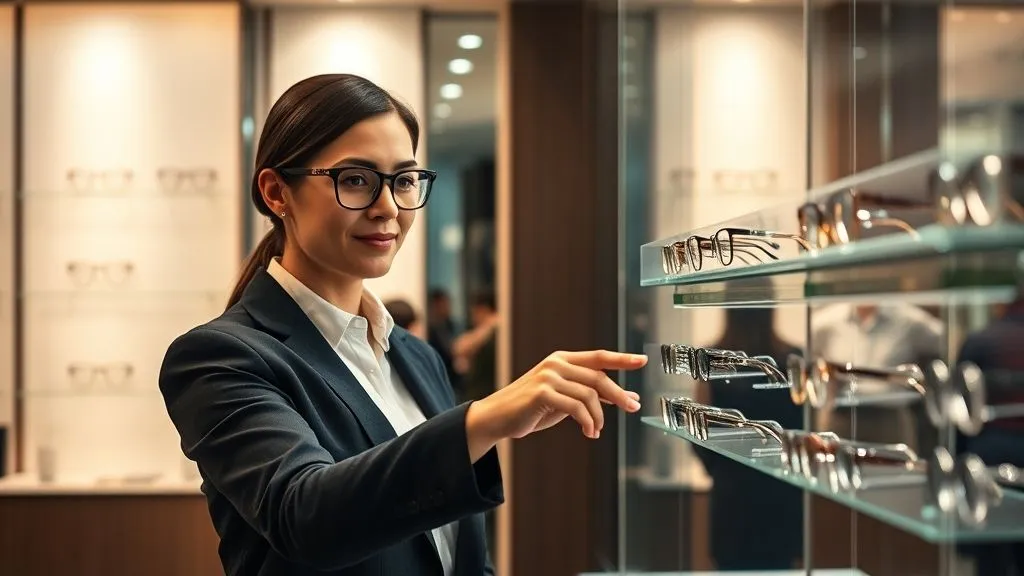
How to Train Staff to Sell High-End Designer Glasses Effectively?
For over two decades in the luxury eyewear sector, I've observed a recurring challenge: stores invest heavily in exquisite inventory and stunning interiors, yet often overlook the most critical asset—their sales team. The disconnect between a premium product and an under-prepared staff isn't just a missed opportunity; it's a direct threat to brand perception and profitability.
Many business owners struggle with staff who, despite good intentions, treat a five-figure frame sale with the same transactional approach as a budget pair. This leads to lost sales, dissatisfied high-net-worth clients, and a failure to capitalize on the immense potential of the luxury market. The nuanced art of selling high-end designer glasses demands more than basic product knowledge; it requires a sophisticated understanding of client psychology, brand narrative, and impeccable service.
In this definitive guide, I will share the actionable frameworks and expert insights I’ve developed and refined over my career. You'll learn how to implement a comprehensive training program that transforms your team into confident, authoritative luxury eyewear ambassadors, ensuring every client interaction is an experience that justifies the premium price point and fosters unwavering loyalty. This isn't just about sales techniques; it's about cultivating a culture of excellence.
The Foundation: Understanding the Luxury Eyewear Client
Before we delve into specific training methodologies for how to train staff to sell high-end designer glasses effectively, it's paramount that your team understands *who* they are selling to. The luxury eyewear client isn't just purchasing a functional item; they are investing in identity, status, craftsmanship, and an experience. Their motivations extend far beyond mere vision correction.
Beyond Price: The Psychology of Luxury Buyers
Luxury consumers are driven by a complex interplay of desires: self-expression, exclusivity, heritage, and the assurance of superior quality. They seek products that reflect their personal brand and values, often valuing scarcity and bespoke services. Understanding these underlying psychological drivers allows your staff to connect on a deeper, more resonant level than simply discussing features.
“In luxury retail, you don't just sell a product; you sell a dream, an aspiration, and a meticulously crafted narrative. Your staff must be fluent in this language of desire.”
I’ve seen countless times where a salesperson focuses on frame dimensions when a client is truly interested in the story behind the artisan who crafted it, or the limited-edition nature of the piece. Training must shift the focus from 'what it is' to 'what it means' for the client.

Pillar 1: Deep Dive into Product Knowledge & Brand Storytelling
For staff to effectively sell high-end designer glasses, encyclopedic product knowledge is non-negotiable. This goes beyond knowing brand names and price tags; it encompasses materials, manufacturing processes, design inspirations, and the unique heritage of each brand. This depth of understanding builds confidence in your staff and trust with your clients.
Mastering the Material and Craftsmanship
Your team must be able to articulate the difference between Japanese titanium and Italian acetate, the benefits of specific lens coatings, or the intricacies of a hand-finished hinge. This detail provides tangible justification for the premium price point. Training should include hands-on sessions where staff can truly feel the quality.
- Material Immersion: Conduct workshops focused solely on materials—acetate, metal alloys, horn, wood, precious metals. Provide samples, discuss sourcing, and explain the benefits of each.
- Manufacturing Tours (Virtual or Real): If possible, arrange visits to a local artisan or factory. If not, use high-quality videos and presentations to illustrate the meticulous craftsmanship involved in luxury eyewear production.
- Design Philosophy Deep Dive: Explore the vision of specific designers. What inspired their collections? What makes their aesthetic unique? This helps staff connect design to the brand's overarching philosophy.
The Art of Brand Narrative
Every luxury brand has a story, a heritage that adds immeasurable value. Your staff need to be master storytellers. They should be able to weave tales of innovation, tradition, celebrity endorsements, or philanthropic efforts associated with a brand. This narrative transforms a pair of glasses into a piece of art or history, creating an emotional connection with the client.
For example, instead of just stating 'This is a Cartier frame,' a trained associate might say, 'This piece, with its iconic panther motif, draws directly from Cartier's rich heritage of jewelry design for royalty and film stars. Each detail, from the exquisite plating to the intricate temple work, reflects over a century of unparalleled craftsmanship and timeless elegance.'
Pillar 2: Cultivating Elite Communication & Clienteling Skills
In the luxury market, the sales interaction is a dialogue, not a monologue. Superior communication and clienteling—the art of building long-term relationships with clients—are paramount. This is where the transactional sales approach utterly fails and a consultative, empathetic style shines.
Active Listening and Needs Assessment
Training staff to actively listen means teaching them to hear not just what the client says, but what they *don't* say. It involves asking open-ended questions that uncover lifestyle, aspirations, aesthetic preferences, and even their current eyewear frustrations. This allows for personalized recommendations that feel bespoke, not generic.
I've always emphasized the '3-second rule': after a client speaks, pause for three seconds. It encourages them to elaborate, and it shows you're truly absorbing their words. This simple technique can unlock invaluable insights into their true desires.

Building Rapport and Trust
Trust is the currency of luxury retail. Staff must be trained to build genuine rapport, which comes from authenticity, respect, and a non-pushy demeanor. This means understanding social cues, mirroring body language subtly, and remembering personal details about clients for future interactions.
Clienteling involves maintaining a detailed client book, noting preferences, past purchases, special occasions, and even family details. This allows for personalized outreach, such as notifying a client when a new collection from their favorite designer arrives or sending a birthday greeting. It transforms a one-time buyer into a lifelong patron.
Here's a comparison of traditional versus luxury sales dialogue:
| Aspect | Traditional Sales | Luxury Sales |
|---|---|---|
| Initial Approach | 'Can I help you find something?' | 'Welcome! I noticed you were drawn to our [Brand] collection. May I share a bit about its unique story?' |
| Questioning | 'What's your budget?' | 'What aspects of your current eyewear do you love, and what would you ideally like to enhance?' |
| Product Presentation | 'This one is popular.' | 'This piece, crafted from [material], embodies [designer's vision], and I believe it would beautifully complement your [style/face shape].' |
| Objection Handling | 'It's worth the price.' | 'I understand your consideration. Many of our clients find the investment in [feature] truly elevates their daily experience and longevity. May I explain why?' |
| Follow-up | None or generic email | Personalized call/email referencing specific conversation points and offering further assistance. |
According to a report by Harvard Business Review, customers who feel a personal connection to a brand have a 306% higher lifetime value. This underscores the critical importance of robust clienteling in luxury sales.
Pillar 3: The Consultative Sales Approach & Customization
Selling high-end designer glasses isn't about pushing a product; it's about providing a solution that enhances a client's life, style, and vision. This requires a consultative approach, positioning your staff as trusted advisors rather than mere salespeople. Customization is also a key differentiator in the luxury market.
From Transaction to Transformation
Your team should be trained to guide clients through a discovery process, helping them articulate their needs and desires, even if they weren't consciously aware of them. This involves presenting options that align with their lifestyle, facial features, and personal brand, ultimately transforming their perception of eyewear from a necessity to an essential luxury accessory.
- Lifestyle Profiling: Teach staff to ask about hobbies, profession, social life, and fashion preferences. This paints a holistic picture, enabling precise recommendations.
- Face Shape & Color Analysis: Provide advanced training on how to professionally assess face shapes, skin tones, and hair colors to recommend frames that truly flatter and enhance.
- Lens Consultation Mastery: Luxury eyewear isn't complete without premium lenses. Staff must be experts in discussing advanced lens technologies, coatings, and custom options that optimize visual clarity and comfort, justifying their higher price point.
Case Study: Elevating Sales at 'Visionary Optics'
Visionary Optics, a boutique luxury optical store, faced stagnant sales despite carrying top-tier brands. Their staff were knowledgeable but lacked a cohesive consultative selling framework. I worked with them to implement a 6-week intensive training focused on client profiling, advanced frame styling, and bespoke lens consultations.
Within three months, their average transaction value for luxury frames increased by 28%, and repeat client visits for new purchases saw a 15% jump. The key was empowering the staff to act as personal eyewear stylists and vision consultants, rather than order-takers. This resulted in stronger client relationships and a significant boost in both revenue and client satisfaction, demonstrating how to train staff to sell high-end designer glasses effectively by shifting their mindset.
As noted by Forbes, the future of luxury retail lies in highly personalized, experiential interactions, making consultative selling indispensable.
Pillar 4: Overcoming Objections with Grace and Authority
In luxury sales, objections are rarely about the product's inherent quality. They are often about perceived value, investment justification, or underlying insecurities. Training staff to handle these objections gracefully, with empathy and authority, is crucial for closing high-value sales.
Addressing Price Sensitivity
The most common objection in luxury sales is price. Staff should be trained not to immediately discount or apologize for the cost. Instead, they must reiterate the value proposition by highlighting the craftsmanship, brand heritage, exclusivity, longevity, and the transformative experience the eyewear provides. It's about reframing 'cost' as 'investment.'
“Never let the price be the last thing you mention. Always follow it with a compelling value statement that justifies the investment and reinforces the client’s desire.”
For example, instead of saying, 'It's expensive because it's designer,' a trained associate would articulate, 'This frame represents an investment in unparalleled craftsmanship, using ethically sourced [material] and engineered for exceptional durability. It's not just an accessory; it's a statement piece designed to last and elevate your personal style for years to come.' This approach helps to train staff to sell high-end designer glasses effectively by anchoring value.
Handling Style & Fit Concerns
Clients might express doubts about a frame's suitability or comfort. Staff should be equipped with advanced styling techniques to reassure and guide. This includes showing how a frame complements facial features, offering expert adjustments for perfect fit, and providing genuine, constructive feedback. Visual aids, such as showing the client in different lighting or with various outfits, can be highly effective.
It's also important to empower staff to gently challenge a client's initial perceptions if they truly believe a different frame would be a better fit. This demonstrates expertise and a genuine desire to find the perfect match, rather than just making a quick sale.
Pillar 5: Post-Sale Engagement and Relationship Building
The sale of luxury eyewear doesn't end when the client walks out the door. In fact, that's often just the beginning of a long-term relationship. Effective post-sale engagement is vital for fostering loyalty, encouraging repeat business, and turning clients into brand advocates.
The Power of Follow-Up
Training should include clear protocols for post-sale follow-ups. This could involve a personalized thank-you note or email within 24-48 hours, a call after a week to check on comfort and fit, or an invitation to an exclusive in-store event. These gestures reinforce the luxury experience and show that the relationship extends beyond the transaction.
Building a Loyal Client Base
Beyond initial follow-ups, staff should be trained in ongoing clienteling strategies. This includes updating client profiles with new information, remembering anniversaries or significant life events, and proactively informing clients about new collections or limited editions that align with their preferences. A loyal client is not just a source of repeat business; they are a powerful referral engine in the luxury market.
Consider implementing a loyalty program that offers exclusive benefits, early access to new collections, or complimentary cleaning and adjustments for luxury purchases. These programs, when executed with a personal touch, significantly enhance client retention.
As renowned marketing guru Seth Godin often says, "People do not buy goods and services. They buy relations, stories, and magic." This is especially true in luxury eyewear, where the ongoing relationship is as valuable as the product itself. Maintaining these relationships is key to how to train staff to sell high-end designer glasses effectively for long-term success.
Implementing Continuous Training & Performance Metrics
Training is not a one-time event; it's an ongoing process, especially in the dynamic world of fashion and luxury. To ensure your staff remain at the peak of their selling abilities, a robust system for continuous education and performance evaluation is essential.
Ongoing Education and Workshops
Regular training sessions should cover new brand arrivals, emerging fashion trends, advanced sales techniques, and customer service refreshers. Invite brand representatives to conduct product knowledge sessions directly. Utilize role-playing scenarios to hone communication and objection-handling skills. Encourage staff to attend industry events and webinars to stay current.
Foster a culture of continuous learning where sharing best practices and insights is encouraged. Create a resource library with brand manuals, fashion trend reports, and sales psychology articles. This investment in ongoing education pays dividends in staff confidence and sales performance.
| KPI | Definition | Target for Luxury Eyewear |
|---|---|---|
| Average Transaction Value (ATV) | Total revenue divided by number of transactions. Indicates upsell/cross-sell effectiveness. | 20%+ increase year-over-year. |
| Units Per Transaction (UPT) | Number of items sold per transaction. Reflects ability to bundle frames, lenses, accessories. | 1.5 - 2.0+ (frame + premium lenses/accessories). |
| Client Retention Rate | Percentage of customers who return for repeat purchases over a period. | 70%+ for high-value clients. |
| Conversion Rate | Percentage of visitors who make a purchase. Measures sales effectiveness. | 20-30% (indicates strong client engagement). |
| Net Promoter Score (NPS) | Measures customer loyalty and willingness to recommend. | 60+ (indicates strong brand advocacy). |
Performance Feedback and Coaching
Regular, constructive feedback is crucial. Implement one-on-one coaching sessions where sales performance metrics are reviewed, successes are celebrated, and areas for improvement are identified. Use mystery shopping programs to gain objective insights into the client experience. Provide specific, actionable advice rather than generic criticism.
Empower your senior staff to mentor newer team members, creating a peer-to-peer learning environment. Recognize and reward exceptional performance, not just in sales figures, but also in client satisfaction and demonstration of luxury service principles. This reinforces positive behaviors and motivates the entire team to excel.

According to a study by Deloitte, companies with strong coaching cultures report 21% higher profits and 45% higher employee engagement. This highlights the tangible benefits of consistent performance management in luxury retail.
Frequently Asked Questions (FAQ)
How do I motivate staff who are intimidated by selling high-priced items? The key is to build confidence through deep product knowledge and role-playing. When staff genuinely understand the value and craftsmanship, and have practiced articulating it, their intimidation transforms into authority. Focus on the 'why' behind the price – the story, the materials, the exclusivity – rather than just the number. Empower them to see themselves as luxury consultants, not just salespeople.
What's the best way to integrate new luxury eyewear collections into staff training? For new collections, prioritize hands-on training directly from brand representatives or your most knowledgeable team members. Focus on the collection's inspiration, key design elements, unique materials, and target demographic. Create 'cheat sheets' with talking points for each significant piece. Role-play scenarios where staff introduce and sell these new items, ensuring they can articulate the novelty and value effectively.
How can I ensure consistency in luxury service across all staff members? Develop a detailed 'Luxury Service Playbook' outlining every step of the client journey, from greeting to follow-up, with specific examples of luxury-level interactions. Conduct regular audits and mystery shopping. Crucially, cultivate a leadership team that consistently models the desired behaviors and provides ongoing coaching and feedback based on these standards. Consistency comes from clear expectations, continuous training, and vigilant oversight.
Is it better to hire experienced luxury sales professionals or train existing staff? Both approaches have merits. Experienced luxury professionals bring established clienteling skills and an understanding of the luxury mindset. However, training existing staff who already possess strong optical knowledge and a passion for eyewear can be highly effective. They often have a foundational understanding of the product and just need to elevate their sales and service approach. A blended strategy, hiring some experienced talent while upskilling your current team, often yields the best results.
What role does technology play in training staff to sell high-end designer glasses effectively? Technology can be a powerful enhancer. Use virtual reality (VR) for immersive product experiences or virtual store tours. Implement CRM systems for detailed clienteling and personalized follow-ups. Utilize e-learning modules for continuous product knowledge updates and sales technique refreshers. Digital look books and styling apps can also aid staff in making personalized recommendations, enhancing the client's journey and empowering your team with modern tools.
Key Takeaways and Final Thoughts
- Understand the Luxury Client: Recognize their motivations extend beyond function to identity, status, and exclusivity.
- Master Product & Story: Equip staff with encyclopedic knowledge of materials, craftsmanship, and brand narratives.
- Cultivate Elite Communication: Train in active listening, rapport building, and advanced clienteling for lasting relationships.
- Embrace Consultative Selling: Position staff as trusted advisors, guiding clients to bespoke solutions, not just transactions.
- Handle Objections with Grace: Teach staff to reframe price as an investment and address concerns with authority and empathy.
- Prioritize Post-Sale Engagement: Implement robust follow-up and relationship-building strategies to foster loyalty.
- Commit to Continuous Improvement: Establish ongoing training, performance metrics, and a culture of feedback for sustained excellence.
Transforming your staff into effective sellers of high-end designer glasses is an investment in your brand's future. It's about elevating every touchpoint, from the initial greeting to the long-term relationship. By implementing these pillars, you won't just increase sales; you'll cultivate a team of passionate luxury ambassadors, enhance your store's prestige, and build a loyal clientele who truly understand and appreciate the value you offer. This journey requires dedication, but the rewards—in revenue, reputation, and customer devotion—are immeasurable. Start today, and watch your luxury eyewear business truly shine.
Recommended Reading
- Unlock Camera Confidence: The Ultimate Guide to Posing for Fashion Bloggers
- The 7 Pillars: What Elements Define an Iconic Haute Couture Masterpiece?
- 7 Smart Moves: Elevate Your Casual Menswear Style Beyond Basics
- Unlock Savings: Do Grow With Me Clothes Truly Save Parents Money?
- 5 Steps to Resolve Custom Engagement Ring Appraisal Disputes Fairly




Your email address will not be published. Required fields are marked *