

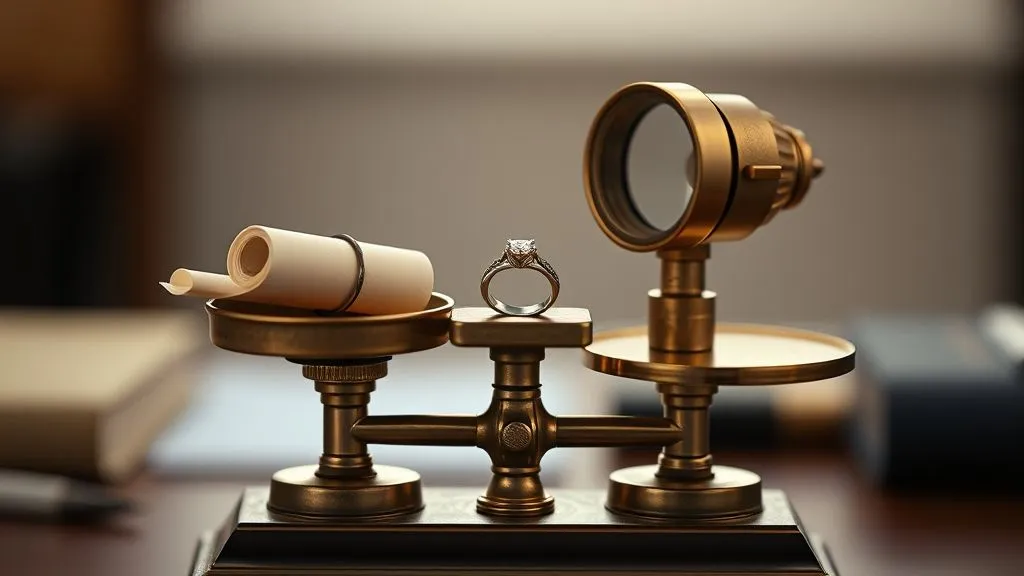
How to Resolve Disputes Over Custom Engagement Ring Appraisal Value?
For over two decades in the bridal fashion industry, I've had the privilege of witnessing countless love stories unfold, often starting with that perfect, unique engagement ring. Yet, I've also seen the less glamorous side: the occasional, deeply frustrating challenge of custom engagement ring appraisal value disputes. It's a scenario that can cast a shadow over what should be a joyous symbol of commitment, leaving couples feeling confused, undervalued, and sometimes, even betrayed.
The problem often arises because custom pieces, by their very nature, defy easy categorization. They are more than just the sum of their parts; they embody artistry, sentiment, and bespoke craftsmanship that standard appraisal models can struggle to capture. When an appraisal comes back significantly lower or higher than expected, it can lead to disagreements with jewelers, insurers, or even between partners, creating unnecessary stress at an already significant time.
This article isn't just about identifying the problem; it's about empowering you with a clear, actionable framework to navigate these complex situations. Drawing from my extensive experience and insights from leading gemological experts, I'll guide you through understanding the nuances of custom appraisals, identifying discrepancies, and implementing proven strategies – including expert intervention and negotiation tactics – to achieve a fair and satisfactory resolution. My goal is to equip you with the knowledge and confidence to protect your investment and ensure your cherished custom ring is valued appropriately.
Understanding the Nuances of Custom Ring Appraisal
Before diving into dispute resolution, it's crucial to understand why custom rings are unique in the appraisal world. Unlike mass-produced items where market value is relatively standardized, bespoke pieces introduce layers of complexity that impact their perceived worth.
Why Custom Rings are Different
A custom engagement ring isn't just a diamond set in gold. It's a unique design, often a collaboration between the wearer and the jeweler, reflecting personal style, specific aesthetic preferences, and sometimes, innovative techniques. The value here isn't solely in the raw materials. It encompasses:
- Design & Craftsmanship: The skill, time, and artistic vision of the jeweler. This 'labor' component can be substantial for intricate designs.
- Exclusivity: A one-of-a-kind piece holds a different kind of value than a mass-market design.
- Sourcing of Materials: Sometimes, specific or rare stones are sourced, or unique metal alloys are used, adding to the cost and complexity of valuation.
- Brand Reputation: A custom piece from a highly renowned artisan or atelier might command a premium.
These elements make a simple 'cost-of-materials-plus-markup' appraisal insufficient, often leading to disagreements when appraisals don't account for the intangible value of bespoke work.
Common Appraisal Methodologies and Their Limitations
Appraisers use several methodologies, each with its own purpose and limitations, particularly for custom jewelry. Understanding these can illuminate why discrepancies arise:
- Replacement Value: This is the most common for insurance purposes. It estimates the cost to replace the item with a new one of similar kind and quality in the current market. For custom pieces, this can be tricky, as 'similar kind and quality' might mean commissioning a new custom piece, which includes labor.
- Fair Market Value (FMV): Often used for estate planning, divorce settlements, or resale. FMV is the price a willing buyer would pay a willing seller, neither being under compulsion to buy or sell, and both having reasonable knowledge of relevant facts. Custom pieces, being unique, have a smaller 'market' of willing buyers, which can depress FMV compared to replacement cost.
- Liquidation Value: The amount an item would bring in a forced sale, such as an auction or pawn shop. This is almost always significantly lower and rarely relevant for personal insurance appraisals.
The challenge with custom rings is that a standard replacement value might not fully capture the unique design and artistry, while a fair market value might struggle to find a comparable market for a one-off creation. This inherent tension is often at the heart of appraisal disputes.
Identifying the Root Cause of the Discrepancy
Before you can resolve a dispute, you must understand its origin. In my experience, appraisal discrepancies for custom engagement rings usually stem from one of a few key areas. Pinpointing the exact issue will dictate your resolution strategy.
Material Value vs. Craftsmanship Value
This is arguably the most common point of contention. An appraisal might accurately value the diamond and the precious metal, but significantly undervalue the labor, design, and artistic merit that went into creating the custom piece. I've seen this mistake countless times. A generic appraiser, accustomed to catalog items, might not fully appreciate the hours of design consultation, CAD work, hand-setting, and intricate finishing that a master jeweler puts into a bespoke ring.
Conversely, a jeweler might overemphasize the 'artistic' value, leading to an inflated appraisal that doesn't align with a conservative material valuation. It's a delicate balance, and the appraiser's expertise in custom jewelry is paramount here. According to the Gemological Institute of America (GIA), a comprehensive appraisal should detail not just the 4Cs of a diamond, but also the metal type, weight, and a detailed description of the mounting and craftsmanship, including any unique design elements.
Market Fluctuations and Rarity Considerations
The market for precious metals and gemstones is dynamic. Gold, platinum, and diamond prices can fluctuate, impacting valuation over time. An appraisal done a year ago might not reflect today's market realities. Furthermore, the rarity of certain stones or the unique sourcing of materials can influence value, but only if the appraiser has access to and understands this information. If the original jeweler used a rare colored diamond or a unique cut that isn't easily quantifiable against standard market comparisons, an appraiser without specialized knowledge might default to a more common, lower valuation.
"A custom piece is a narrative in metal and stone. An appraisal should tell that story, not just list its characters." - Industry Veteran Insight
Inadequate Documentation or Communication
Often, the problem isn't the appraiser's intent but a lack of comprehensive information. Did the original jeweler provide detailed documentation outlining the design process, specific material choices (e.g., specific alloy mix), and the unique aspects of the craftsmanship? Was a detailed invoice provided that clearly separated material costs from labor and design fees? Without this, an appraiser is working with incomplete data, forcing them to make conservative estimates.
Similarly, poor communication between the client, the jeweler, and the appraiser can lead to misunderstandings. Ensure all parties have the same understanding of the ring's provenance and unique attributes.
Step-by-Step Guide to Initiating a Resolution
Once you've identified the potential root cause, it's time to take structured steps towards resolving the dispute. This isn't about confrontation, but about informed, methodical problem-solving.
- Review All Documentation Thoroughly: Gather every piece of paper related to your ring: original purchase receipts, design sketches, CAD renderings, invoices detailing material costs and labor, diamond grading reports (GIA, AGS, etc.), and the appraisal document itself. Compare the descriptions across all documents. Are the diamond specs identical? Is the metal type consistent? Is the craftsmanship described in the appraisal adequately reflecting the work detailed in the jeweler's notes?
- Communicate with the Original Jeweler: Before engaging an appraiser, speak directly with the jeweler who created your custom ring. Share your concerns about the appraisal value. They are often your best advocate. They can provide additional documentation, clarify design complexities, or even suggest an appraiser they trust who specializes in custom work. They might also be able to explain their valuation methodology, which could shed light on the discrepancy.
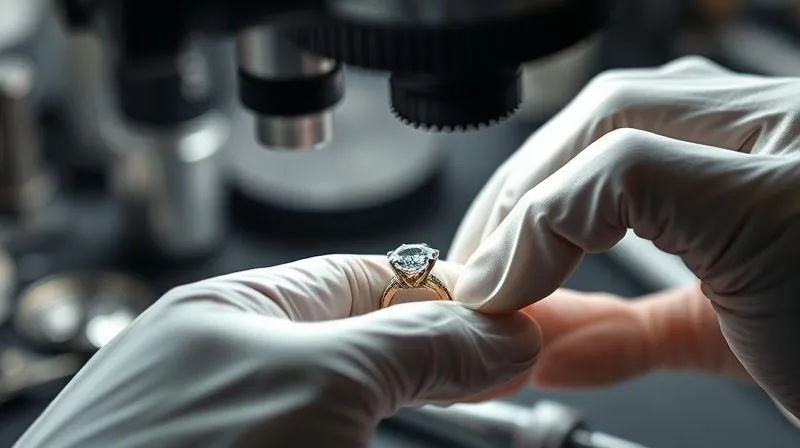
- Obtain a Second, Independent Appraisal: If discussions with the jeweler don't yield a satisfactory explanation or resolution, your next crucial step is to seek a second appraisal from a truly independent gemologist. This appraiser should have no affiliation with the original jeweler or the insurer (if applicable). Look for appraisers with credentials from reputable organizations like the GIA (Graduate Gemologist), American Society of Appraisers (ASA), or National Association of Jewelry Appraisers (NAJA). Ensure they specialize in custom or unique pieces.
- Compare Appraisal Reports and Identify Specific Discrepancies: With two appraisals in hand, conduct a detailed comparison. Look beyond the final dollar figure. Are there differences in the grading of the central diamond? Are the metal weights different? Does one report describe the craftsmanship in detail while the other is generic? Highlighting these specific points of divergence is key for any further discussion.
- Present Your Case with Evidence: Armed with detailed documentation and a second appraisal, approach the party responsible for the initial appraisal (or the insurer if it's an insurance claim). Present your findings calmly and professionally. Focus on the factual discrepancies and the expert opinions from your independent appraiser. Your goal is to demonstrate why the initial appraisal might be inaccurate or incomplete for your unique custom piece.
The Role of Independent Gemological Experts
When you're dealing with a custom engagement ring, an independent gemological expert isn't just a luxury; they're a necessity. Their unbiased assessment can be the linchpin in resolving your dispute.
An independent appraiser brings specialized knowledge and an objective perspective. They are trained not only in gemology but also in valuation science, understanding market trends, and the intricacies of craftsmanship. Crucially, they have no vested interest in the outcome, ensuring their report is impartial. They can provide a comprehensive report that addresses the specific points of contention, often detailing elements like:
- Detailed stone grading and identification (beyond what may have been initially provided).
- Analysis of the metal purity and weight.
- A thorough description of the design, construction, and quality of craftsmanship.
- A well-reasoned explanation of the valuation methodology used, tailored for a custom piece.
Case Study: How Sarah Resolved Her Custom Ring Valuation Discrepancy
Case Study: Sarah's Bespoke Ring Valuation Challenge
Sarah commissioned a unique engagement ring featuring an antique-cut diamond and intricate filigree work from a boutique jeweler. When she sought an appraisal for insurance, the initial report came back significantly lower than her purchase price and expected replacement cost. The appraiser, while certified, primarily dealt with standard retail jewelry and had undervalued the complex craftsmanship and the rarity of the antique diamond cut. Sarah was frustrated, feeling her ring's true worth wasn't recognized.
Following my advice, Sarah first discussed her concerns with her jeweler, who, while sympathetic, couldn't directly influence the independent appraiser. Sarah then sought a second appraisal from a GIA Graduate Gemologist who specialized in antique and custom jewelry. This expert meticulously documented the filigree, identified the specific antique cut, and provided a detailed breakdown of the labor involved, citing current market rates for such specialized work. The second appraisal was 30% higher, aligning closely with her expectations.
Armed with both appraisal reports and her jeweler's original design notes, Sarah presented her case to her insurance company. The detailed second appraisal, specifically addressing the unique aspects of her custom ring, provided the necessary evidence. The insurer reviewed the documentation and ultimately accepted the higher valuation, ensuring Sarah's cherished ring was adequately protected. This resulted in peace of mind and appropriate coverage for her unique investment.
Navigating Negotiation and Mediation
If simply presenting a second appraisal doesn't resolve the issue, you might need to engage in negotiation or consider mediation. This requires a strategic approach and a clear understanding of your bottom line.
Preparing for Negotiation
Before any negotiation, clearly define your desired outcome. What is the fair value you believe the ring should be appraised at? What evidence supports this? Be prepared to compromise, but know your non-negotiable points. Focus on facts, not emotions. Highlight the specific discrepancies between appraisals and the unique aspects of your custom ring that may have been overlooked.
The Role of Mediation
If direct negotiation proves difficult, or if there's a significant disagreement between parties (e.g., you and an insurance company, or you and the original jeweler), a professional mediator can be invaluable. A mediator is a neutral third party who facilitates communication and helps both sides reach a mutually acceptable solution. They don't make decisions but guide the discussion towards common ground. Organizations like the American Arbitration Association can provide resources for finding qualified mediators specializing in consumer disputes.
| Strategy Step | Key Action | Expected Outcome |
|---|---|---|
| Gather Documentation | Collect all receipts, reports, design specs | Comprehensive evidence base |
| Communicate with Jeweler | Discuss concerns, seek clarifications/support | Potential for direct resolution or further evidence |
| Obtain Independent Appraisal | Engage GIA/ASA certified expert in custom work | Objective, expert second opinion |
| Compare & Present Evidence | Highlight discrepancies, present facts calmly | Stronger position for negotiation |
| Consider Mediation | Engage neutral third-party if impasse reached | Facilitated resolution, avoids legal action |
Legal Avenues and When to Consider Them
While I always advocate for amicable resolution, there are rare instances where legal action becomes necessary. This should always be considered a last resort due to the time, cost, and emotional toll involved.
When to Seek Legal Counsel
You might consider legal counsel if:
- There's evidence of gross negligence or fraudulent appraisal practices.
- The financial discrepancy is substantial enough to warrant legal fees.
- All other resolution attempts (direct communication, independent appraisal, mediation) have failed.
- You suspect a breach of contract by the jeweler (e.g., materials used were not as specified).
A legal professional specializing in consumer law or contract disputes can advise you on the strength of your case and the potential for success. They can help you understand your rights and the legal avenues available, such as small claims court or formal litigation.
Understanding Consumer Protection Laws
Many regions have consumer protection laws designed to safeguard buyers against unfair business practices. These laws can sometimes be leveraged in cases of significant appraisal discrepancies, especially if misrepresentation or negligence can be proven. Familiarize yourself with the consumer protection agencies in your area and consider filing a formal complaint, as this can sometimes prompt businesses to resolve disputes to avoid regulatory scrutiny.
Remember, the goal is to resolve the dispute, not escalate it unnecessarily. Legal action should be a carefully weighed decision, taken only when all other reasonable avenues have been exhausted and the stakes justify the effort.
Proactive Measures: Preventing Future Appraisal Issues
The best way to resolve a dispute is to prevent it from happening in the first place. My advice to every client is to be proactive and informed, especially when commissioning a custom piece of such profound sentimental and financial value.

- Choose a Reputable Jeweler: Select a jeweler with a strong reputation for custom work and transparent business practices. Look for certifications, positive reviews, and a clear portfolio of bespoke designs. A good jeweler will welcome your questions and provide detailed documentation.
- Demand Detailed Documentation: Insist on comprehensive documentation for your custom ring. This should include:
- Detailed design sketches and CAD renderings.
- A clear breakdown of material costs (e.g., specific diamond grading reports, metal type and weight).
- A separate line item for labor and design fees.
- Any warranties or guarantees on craftsmanship.
- Understand the Appraisal Purpose: Clarify upfront whether the appraisal is for insurance, resale, or another purpose, as this influences the valuation methodology. Discuss this with both your jeweler and the appraiser.
- Seek Timely Appraisals: Get your ring appraised shortly after purchase, and then periodically (every 3-5 years) to account for market fluctuations and ensure your insurance coverage remains adequate.
- Use a Certified Independent Appraiser from the Start: While your jeweler might offer an appraisal, for true objectivity, consider obtaining an appraisal from an independent, certified gemologist specializing in custom and unique pieces *before* you need it for insurance. This can set a baseline and prevent future disagreements.
Frequently Asked Questions (FAQ)
What's the difference between a jeweler's estimate and an independent appraisal? A jeweler's estimate is typically a valuation provided by the seller, often for insurance purposes based on their replacement cost. An independent appraisal is conducted by a third-party gemologist with no vested interest in the sale, providing an unbiased, objective valuation based on current market conditions and recognized methodologies. For resolving disputes, an independent appraisal carries significantly more weight.
How often should I get my custom engagement ring appraised? I recommend getting your custom engagement ring appraised every 3 to 5 years. Market values for precious metals and gemstones can fluctuate, and insurance policies often require up-to-date appraisals to ensure adequate coverage. This also accounts for any changes in the ring's condition over time.
Can I use my purchase receipt as an appraisal for insurance? While some insurance companies might accept a recent purchase receipt for a short period, most reputable insurers will require a formal appraisal from a qualified gemologist for custom or high-value pieces. A purchase receipt reflects the retail price you paid, which may include markups not considered in an appraisal that focuses on replacement value.
What if the original jeweler refuses to cooperate or provide additional documentation? If your original jeweler is uncooperative, document all your attempts at communication. Proceed with obtaining a second, independent appraisal. You may also consider filing a complaint with a consumer protection agency or a relevant industry association. In extreme cases, and if the financial stakes are high, consulting legal counsel might be necessary, as noted earlier.
Are there specific accreditations I should look for in an independent appraiser? Absolutely. Look for appraisers with credentials such as Graduate Gemologist (GG) from the Gemological Institute of America (GIA), Certified Gemologist Appraiser (CGA) from the American Gem Society (AGS), or designations from the National Association of Jewelry Appraisers (NAJA) or the American Society of Appraisers (ASA). These indicate rigorous training and adherence to ethical standards in valuation.
Key Takeaways and Final Thoughts
Navigating disputes over custom engagement ring appraisal values can be daunting, but with the right approach, it's a challenge you can overcome. Remember these critical steps:
- Understand the Nuances: Custom rings have unique value components beyond just materials.
- Document Everything: Comprehensive records are your strongest allies.
- Seek Independent Expertise: A second, unbiased appraisal from a qualified gemologist is invaluable.
- Communicate & Negotiate: Approach discussions calmly, armed with facts and expert opinions.
- Be Proactive: Prevent future issues by choosing reputable jewelers and demanding thorough documentation from the outset.
Your custom engagement ring is a symbol of a cherished commitment and a significant investment. By understanding the complexities of appraisal and following these expert-backed strategies, you can ensure its true value is recognized and protected. Don't let a dispute diminish the joy your unique piece brings; empower yourself with knowledge and pursue a fair resolution with confidence and clarity.
Recommended Reading
- Unlock Summer Style: How to Choose Breathable Streetwear for Ultimate Comfort
- 5 Proven Strategies: Differentiating Your Costume Jewelry Brand in a Saturated Market
- Unlock Your Style: Solving Fashion Blogger Content Block Issues Fast
- 7 Strategies: Innovating Haute Couture While Respecting Brand Heritage?
- Future Eyewear: 5 Lens Innovations Shaping Tomorrow's Fashion Trends




Your email address will not be published. Required fields are marked *