


How to Reduce Online Returns with Virtual Try-On Tech?
For over 15 years in the fashion technology landscape, I've witnessed countless brands grapple with a persistent, profit-eroding challenge: online returns. It's a silent killer for many e-commerce operations, often seen as an unavoidable cost of doing business. But in my experience, what's truly unavoidable is the need to innovate.
The pain points are palpable: logistical nightmares, wasted resources, environmental impact, and perhaps most critically, a dent in customer trust. Shoppers buy multiple sizes 'just in case,' or purchase items that look entirely different in person, leading to frustration and, inevitably, a return. This cycle isn't sustainable, and it certainly isn't conducive to building a loyal customer base.
But what if there was a technology that could fundamentally alter this dynamic? A solution that empowers customers to make more informed decisions, drastically reducing the impulse to return? I'm here to tell you that Virtual Try-On (VTO) technology isn't just a futuristic gimmick; it's the strategic imperative for fashion e-commerce today. In this deep dive, I'll share expert insights and actionable frameworks on how to reduce online returns with virtual try-on tech, transforming your return rates into retention rates.
The Hidden Costs of Online Returns: A Wake-Up Call for Fashion Retailers
Before we dive into the solution, it's crucial to fully grasp the magnitude of the problem. Online returns aren't just a minor inconvenience; they represent a significant drain on resources, often far exceeding the initial shipping costs. I've seen brands hemorrhage profits due to a lack of understanding regarding the true cost of returns.
Consider the financial implications: inbound shipping, processing fees, repackaging, quality control checks for damaged goods, inventory write-offs, and the labor involved. A study by the National Retail Federation (NRF) consistently highlights that returns can cost retailers 10-15% of their total sales. This doesn't even account for the opportunity cost of returned items sitting in transit or processing, rather than being available for sale.
The true cost of a return often goes beyond the refund; it encompasses logistics, labor, potential damage, and the erosion of brand loyalty. Ignoring these hidden costs is a luxury no modern fashion retailer can afford.
Beyond the direct financial hit, there are broader impacts. Environmentally, the carbon footprint of reverse logistics is substantial, a growing concern for eco-conscious consumers. Reputational damage occurs when a customer repeatedly receives ill-fitting items or experiences a clunky return process. This can lead to negative reviews and a reluctance to purchase again, directly impacting your Customer Lifetime Value (CLTV). Understanding these multifaceted costs is the first step toward embracing a transformative solution like VTO.

Understanding Virtual Try-On (VTO) Technology: Beyond the Gimmick
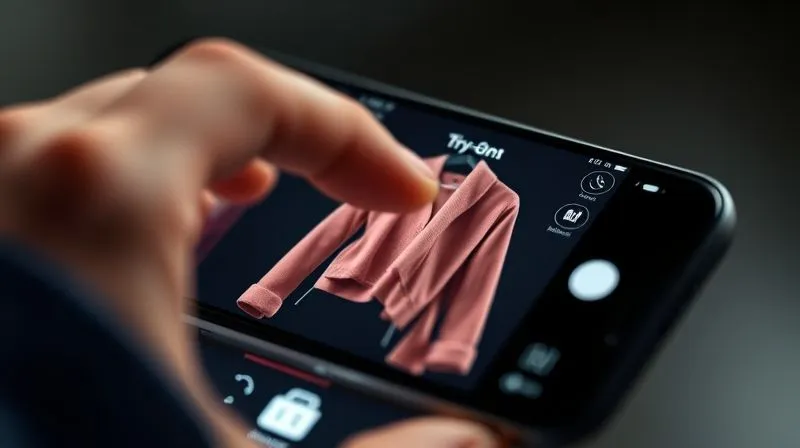
So, what exactly is Virtual Try-On (VTO) technology? At its core, VTO leverages a combination of Augmented Reality (AR), Artificial Intelligence (AI), and 3D modeling to allow customers to 'try on' clothing or accessories digitally. It's not merely uploading a static image; it's about creating an interactive, personalized experience that mimics the physical fitting room.
In my early days in fashion tech, VTO was rudimentary, often clunky and inaccurate. However, advancements in computer vision, AI-driven body scanning, and hyper-realistic 3D rendering have propelled VTO into a sophisticated tool. Modern VTO solutions can accurately map garments onto a user's body in real-time, accounting for individual body shapes, fabric drape, and movement.
The technology works by either using a customer's webcam or uploaded photos to create a personalized avatar or by overlaying 3D garment models directly onto their live video feed. This virtual representation can then be dressed in various items, allowing the customer to see how different sizes, styles, and colors look on them without ever physically trying them on. As Forbes often highlights, these technologies are no longer nascent; they are mature and ready for prime time.
Core Mechanisms: How VTO Directly Addresses Return Triggers
The beauty of VTO lies in its direct attack on the primary reasons for online returns. Based on extensive industry analysis, most returns stem from issues related to fit, appearance, and unmet expectations. Virtual try-on tech systematically dismantles these triggers.
1. Accurate Sizing and Fit Prediction
One of the biggest culprits for returns is incorrect sizing. Standardized sizing charts are notoriously inconsistent across brands, leaving customers guessing. VTO addresses this head-on by:
- Personalized Body Mapping: Utilizing AI to analyze a user's measurements (either self-reported, derived from photos, or through advanced body scanning) to recommend the most accurate size.
- Dynamic Fit Visualization: Showing how a garment will drape and fit on *their* unique body shape, highlighting potential areas of tightness or looseness.
- Comparative Sizing: Allowing users to compare how different sizes of the same item would look, often with visual cues.
This level of precision significantly reduces the need for customers to order multiple sizes, a common practice known as 'bracketing,' which inflates return rates.
2. Enhanced Product Visualization
Another major return trigger is when an item doesn't look as expected upon arrival. Static product photos, no matter how professionally shot, can only convey so much. VTO transforms this by offering:
- 3D Realistic Models: Presenting garments as fully rendered 3D objects that can be rotated, zoomed, and viewed from every angle.
- Material and Texture Fidelity: Advanced rendering techniques can accurately simulate how different fabrics (silk, denim, knitwear) will appear and move.
- Contextual Styling: Allowing customers to see how an item looks with other pieces, or in different lighting conditions, providing a more holistic view.
VTO moves beyond passive viewing to active immersion, allowing customers to truly 'experience' the product before they buy, bridging the gap between digital perception and physical reality.
3. Boosted Customer Confidence
Ultimately, the goal is to empower customers to make purchases with absolute confidence. When a customer can see exactly how an item will fit and look on them, the psychological barrier to purchase diminishes, and the likelihood of a return plummets. This confidence translates into:
- Reduced Purchase Anxiety: Eliminating the 'what if it doesn't fit?' dilemma.
- Increased Satisfaction: Customers receive exactly what they expect, leading to a positive post-purchase experience.
- Higher Engagement: The interactive nature of VTO makes the shopping process more enjoyable and memorable.
As Harvard Business Review consistently points out, customer satisfaction is a cornerstone of brand loyalty and repeat business. VTO directly contributes to this by aligning expectations with reality.
Implementing VTO: A Strategic Roadmap for Success
Implementing virtual try-on tech isn't a 'set it and forget it' endeavor. It requires a strategic approach, careful planning, and a commitment to continuous improvement. Based on my work with various fashion brands, here’s a roadmap I recommend:
Step 1: Data Acquisition and 3D Asset Creation
This is the foundational step. The quality of your VTO experience hinges on the accuracy and realism of your digital assets.
- Garment Digitization: Use 3D scanning technology or specialized software to create highly accurate 3D models of your physical garments. This captures precise measurements, fabric drape, and texture.
- Body Data Integration: Determine how you'll acquire user body data. Options include AI-driven photo analysis (users upload photos), direct measurement input, or integration with smart sizing tools.
- Texture Mapping & Material Simulation: Ensure your 3D models accurately represent the fabric's appearance, sheen, and how it reacts to light. This is crucial for realism.
Step 2: Integration with E-commerce Platforms
Seamless integration is key to user adoption. The VTO experience should feel like a natural extension of your existing online store.
- API/SDK Implementation: Work with your VTO provider to integrate their solution via APIs or SDKs into your existing e-commerce platform (e.g., Shopify, Magento, Salesforce Commerce Cloud).
- Mobile-First Design: Ensure the VTO experience is optimized for mobile devices, where a significant portion of online shopping occurs.
- Performance Optimization: Prioritize fast loading times and smooth interactions to prevent user frustration.
Step 3: User Experience (UX) Optimization
Even the most advanced tech fails if it's not user-friendly. I always advise brands to focus heavily on the customer journey.
- Clear Call-to-Action: Make it obvious how users can access the VTO feature on product pages (e.g., a prominent 'Virtual Try-On' button).
- Intuitive Interface: Design a simple, guided process for users to input their data or activate the AR experience. Provide clear instructions.
- Feedback Mechanisms: Allow users to save their virtual try-on looks, share them, or provide feedback on the accuracy of the experience. This also provides valuable data.
Measuring Impact: Metrics That Matter for Return Reduction
Once implemented, the critical next step is to measure the impact of your VTO investment. This isn't just about anecdotal evidence; it's about hard data that justifies your strategic choice. You need to know if you are effectively learning how to reduce online returns with virtual try-on tech.
Key Performance Indicators (KPIs)
I always recommend focusing on a specific set of KPIs to truly understand VTO's effectiveness:
- Overall Return Rate: The most obvious metric. Track the percentage of orders returned before and after VTO implementation.
- Category-Specific Return Rates: VTO might have a more significant impact on certain categories (e.g., dresses, jeans) where fit is paramount. Monitor these closely.
- Conversion Rate: Does VTO encourage more confident purchases, thus increasing your conversion rate?
- Average Order Value (AOV): Confident shoppers might be more willing to purchase higher-priced items or add more to their cart.
- Customer Satisfaction (CSAT) Scores: Look for improvements in post-purchase surveys related to fit and expectation matching.
- VTO Engagement Rate: How many users are actually using the VTO feature? A low engagement rate might indicate a UX issue or lack of promotion.
Case Study: Aura Apparel's VTO Success Story
Let me share a fictional but highly realistic example. Aura Apparel, a mid-sized online retailer specializing in occasion wear, faced a persistent 28% return rate on their dress collection, primarily due to sizing and fit issues. They invested in a robust VTO solution, focusing initially on their top-selling dress lines.
After three months of implementation and active promotion of the VTO feature, Aura Apparel saw significant shifts. They meticulously tracked the KPIs I outlined above, segmenting data for VTO users versus non-VTO users.
| Metric | Before VTO | After VTO (VTO Users) | Delta |
|---|---|---|---|
| Dress Return Rate | 28% | 11% | -17% |
| Overall Return Rate | 18% | 14% | -4% |
| Dress Conversion Rate | 2.5% | 4.8% | +2.3% |
| Customer Satisfaction (Fit) | 3.5/5 | 4.6/5 | +1.1 |
This resulted in a projected annual savings of over $500,000 in return processing costs for their dress category alone, alongside a noticeable boost in overall conversion and customer sentiment. The data clearly demonstrated that learning how to reduce online returns with virtual try-on tech directly impacted their bottom line and brand reputation.
Overcoming Implementation Challenges: My Expert Advice
No new technology comes without its hurdles. From my vantage point, the key is to anticipate these challenges and have a strategy to overcome them. Implementing VTO is no different.
Challenge 1: Cost and ROI Justification
VTO solutions can represent a significant upfront investment. Convincing stakeholders of the ROI is critical. My advice here is to:
- Start Small: Pilot VTO on a high-return product category or a limited selection of new arrivals to demonstrate immediate impact.
- Quantify Hidden Costs: Present a comprehensive analysis of all the costs associated with returns (as discussed earlier) to show the true savings potential.
- Project Long-Term Value: Emphasize not just return reduction, but also increased conversion, AOV, and improved customer loyalty that VTO fosters.
Challenge 2: Data Accuracy and Garment Representation
The 'garbage in, garbage out' principle applies rigorously here. If your 3D models are inaccurate or your body scanning is flawed, the VTO experience will be poor, and trust will erode.
- Invest in Quality Digitization: Partner with VTO providers who prioritize high-fidelity 3D garment scanning and rendering.
- Continuous Calibration: Regularly audit the accuracy of your VTO by comparing virtual fits with actual garment fits. Solicit user feedback.
- Material Science: Ensure the VTO can accurately simulate how different fabrics behave (e.g., stretch, drape, transparency).
Challenge 3: User Adoption and Education
Even the best tech won't succeed if customers don't use it. Many users might be unfamiliar with VTO or hesitant to try it.
- Prominent Placement: Make the VTO feature highly visible on product pages.
- Clear Onboarding: Provide simple, step-by-step instructions or a quick tutorial for first-time users.
- Marketing and Communication: Educate your audience through social media, email campaigns, and blog posts about the benefits of VTO (e.g., 'Find your perfect fit every time!').
As Deloitte's retail outlooks consistently emphasize, consumer education and seamless integration are paramount for new tech adoption.
The Future of Fashion Retail: Beyond Just Reducing Returns
While the immediate benefit of VTO is undeniably its power to reduce online returns, its potential extends far beyond this singular goal. I see VTO as a foundational technology that will redefine the entire fashion retail experience.
Imagine a future where VTO enables hyper-personalization, suggesting outfits tailored not just to your size, but to your style preferences, body shape nuances, and even upcoming events. It will foster a more sustainable fashion ecosystem by reducing overproduction and returns, aligning with growing consumer demands for ethical practices. Furthermore, VTO is a natural bridge to the metaverse, allowing consumers to dress their digital avatars with the same garments they wear in the physical world, creating a truly omnichannel identity.
For brands, VTO provides invaluable data insights into customer preferences, fit issues, and popular styles, informing design and inventory decisions. It transforms shopping from a transactional activity into an engaging, personalized, and truly interactive journey. Embracing VTO today isn't just about solving a problem; it's about future-proofing your business and staying ahead in an increasingly competitive digital landscape.
Frequently Asked Questions (FAQ)
Is VTO only for certain clothing types or garments? While VTO has seen early success with structured garments like dresses, jackets, and trousers where fit is critical, advancements in 3D modeling and fabric simulation mean it's now effective for a much wider range, including knitwear, swimwear, and even accessories like glasses and jewelry. The key is the quality of the 3D asset creation and the VTO platform's rendering capabilities.
How accurate is VTO sizing and fit prediction? Modern VTO solutions, particularly those leveraging AI and advanced body scanning algorithms, boast very high accuracy. Many claim 90%+ accuracy in predicting the best size and visualizing fit. The accuracy depends heavily on the quality of the input data (user measurements/photos) and the sophistication of the VTO engine's algorithms for body mapping and garment draping.
What's the typical ROI for investing in VTO technology? ROI can vary significantly based on the retailer's existing return rates, product categories, and the specific VTO solution implemented. However, brands often report a 15-30% reduction in returns for categories using VTO, alongside increases in conversion rates and AOV. The ROI is typically realized through saved return processing costs, reduced inventory write-offs, and increased sales. Payback periods can range from 6 months to 2 years.
Does virtual try-on technology replace physical fitting rooms? Not entirely. VTO complements, rather than replaces, physical fitting rooms. It serves as a powerful pre-purchase tool that significantly reduces the *need* for physical try-ons, especially for online shoppers. In an omnichannel strategy, VTO can even enhance the in-store experience by allowing customers to virtually try on items not physically available.
What are the privacy concerns related to body data in VTO? Privacy is a valid concern. Reputable VTO providers adhere to strict data privacy regulations (like GDPR and CCPA). They typically use anonymized data for body mapping and do not store identifiable personal body scans. Users should always be informed about how their data is used and have control over it. Transparency and clear consent are crucial for building trust.
Key Takeaways and Final Thoughts
- Online returns are a significant, multifaceted problem for fashion e-commerce, impacting profits, sustainability, and brand reputation.
- Virtual Try-On (VTO) technology directly addresses the core triggers of returns: inaccurate sizing, poor product visualization, and low customer confidence.
- Successful VTO implementation requires a strategic roadmap, focusing on accurate 3D asset creation, seamless e-commerce integration, and user-friendly design.
- Key performance indicators like return rates, conversion rates, and customer satisfaction must be meticulously tracked to measure VTO's impact.
- Beyond reducing returns, VTO is a transformative technology that drives personalization, sustainability, and prepares fashion retailers for the future of commerce.
The question of how to reduce online returns with virtual try-on tech is no longer a theoretical exercise; it's a practical imperative for any fashion brand looking to thrive in the digital age. By embracing VTO, you're not just solving a problem; you're investing in a superior customer experience, a more efficient operation, and a sustainable future for your brand. The time to act is now. Transform your return rates into a testament to intelligent innovation and customer-centric design.
Recommended Reading
- 7 Proven Ways to Diversify Your Fashion Blog Income Beyond Ads & Affiliates
- 1950s Dress Styles: Find Your Perfect Fit for Any Body Type!
- 7 Pro Steps: Prevent Razor Burn & Ingrown Hairs for Daily Shaving
- 7 Proven Strategies: Attracting Luxury Buyers for Bespoke Footwear?
- 7 Steps: Verify Sustainable Jewelry Material Sourcing Claims Effectively





Your email address will not be published. Required fields are marked *