

Why do innovative clean beauty formulations fail stability tests?
For over two decades in the beauty fashion and cosmetic innovation space, I’ve witnessed countless brilliant clean beauty concepts falter, not in the lab during initial ideation, but in the crucial, often underestimated, stability testing phase. It’s a heart-wrenching experience to see a product with immense market potential, meticulously crafted with the purest intentions and cutting-edge natural ingredients, simply fall apart under temperature stress or over time.
The allure of 'clean' beauty, with its promise of natural, non-toxic, and sustainable ingredients, has rightly captured the consumer's imagination. Yet, this very commitment to minimalism and natural derivation often introduces a unique set of challenges that traditional cosmetic formulation, relying on robust synthetic stabilizers and preservatives, never truly contended with. Brands are pouring resources into R&D, only to be met with frustrating failures – emulsions separating, colors shifting, microbial growth appearing, or active ingredients degrading long before their intended shelf-life.
In this definitive guide, I want to pull back the curtain on why innovative clean beauty formulations fail stability tests. We'll delve deep into the scientific complexities, explore the pitfalls of conventional testing, and, most importantly, equip you with actionable frameworks, real-world case studies, and expert insights to not only anticipate these challenges but to overcome them, ensuring your next clean beauty innovation stands the test of time and market scrutiny.
The Intricate Dance: Understanding Clean Beauty's Unique Challenges
The foundation of clean beauty is often its biggest hurdle: the ingredients themselves. While consumers demand 'natural' and 'free-from' lists, these very attributes can introduce inherent instability.
The 'Natural' Paradox
Natural ingredients, by their very nature, are complex matrices. Unlike purified synthetic compounds, botanical extracts contain hundreds of different molecules, many of which can be reactive, sensitive to light, heat, or pH changes. Their composition can vary significantly based on harvest location, season, and extraction methods. This variability makes consistent formulation incredibly challenging.
Shifting Consumer Expectations
Modern clean beauty consumers expect efficacy, luxurious textures, and long shelf-lives, often without understanding the scientific compromises involved in achieving these with purely natural components. They want the sensory experience of conventional beauty but with the ingredient integrity of nature. This places immense pressure on formulators to achieve the impossible without the traditional toolkit.
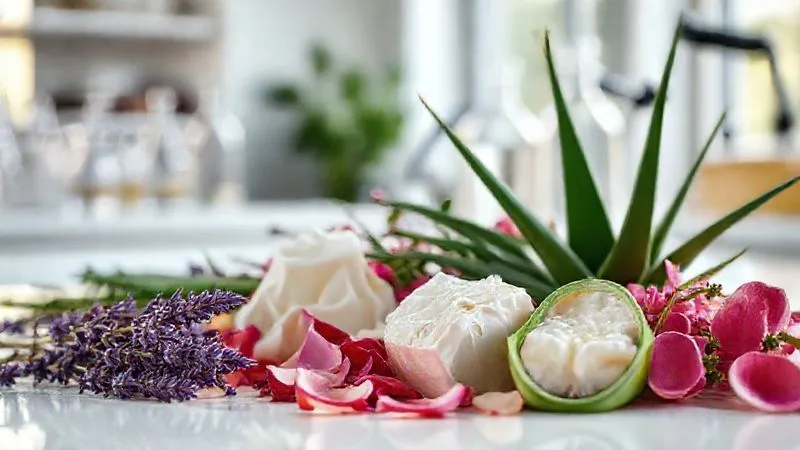
Preservation Predicaments: Why Traditional Methods Fall Short
Perhaps the most common reason why innovative clean beauty formulations fail stability tests lies in the realm of preservation. The 'free-from' movement has demonized many highly effective, safe synthetic preservatives, leaving formulators with a limited and often less potent arsenal.
The "Free From" Mandate
Parabens, formaldehyde-releasers, and certain synthetic antioxidants have been cornerstones of cosmetic preservation for decades, known for their broad-spectrum efficacy. The clean beauty movement, driven by consumer perception and sometimes misinformation, has pushed for their complete removal. While some concerns are valid, this has led to a landscape where robust preservation is incredibly difficult to achieve using 'clean' alternatives.
Efficacy of Alternative Preservatives
Alternative preservation systems, such as organic acids (e.g., benzoic acid, sorbic acid), natural antimicrobials (e.g., honeysuckle extract, radish root ferment filtrate), and multifunctional ingredients (e.g., glycols, caprylyl glycol), often have narrower antimicrobial spectrums, are highly pH-dependent, or require higher concentrations to be effective. These higher concentrations can sometimes alter texture, scent, or even irritate sensitive skin. Balancing efficacy with sensory appeal and regulatory compliance becomes a delicate act.
"In my experience, the biggest misconception in clean beauty is that 'natural' automatically means 'safe' and 'stable'. The truth is, nature is inherently unstable and teeming with microbial life. Our job as formulators is to tame that wildness without sacrificing integrity."
| Preservative Type | Broad-Spectrum Efficacy | pH Sensitivity | Typical Usage % | Consumer Perception |
|---|---|---|---|---|
| Traditional Synthetic (e.g., Parabens) | High | Low | 0.1-0.8% | Negative |
| Organic Acids (e.g., Sorbic Acid) | Medium-Low | High (requires acidic pH) | 0.2-1.0% | Neutral to Positive |
| Natural Antimicrobials (e.g., Ferments) | Low-Medium | Variable | 1.0-5.0%+ | Positive |
| Multifunctional Ingredients (e.g., Caprylyl Glycol) | Low (boosters) | Low | 0.5-2.0% | Positive |
Ingredient Incompatibility: A Silent Formulation Killer
Even with robust preservation, internal ingredient interactions can compromise a formulation's integrity. This is particularly pronounced in clean beauty where complex botanical extracts meet novel emulsifiers and active ingredients.
Botanical Extracts & Their Volatility
Consider the delicate balance within a botanical extract. These extracts often contain enzymes, tannins, volatile compounds, and various phytonutrients. When combined with other ingredients – different pH levels, metal ions from water, or even other extracts – unexpected reactions can occur. These might manifest as color changes, precipitation, loss of active ingredient efficacy, or off-odors over time. For example, certain polyphenols can react with iron ions present even in trace amounts in water, leading to discoloration.
Emulsion Stability & Phase Separation
Many clean beauty formulations strive for a luxurious emulsion – a stable blend of oil and water. However, clean emulsifiers, often derived from natural sources, can be less robust than their synthetic counterparts. They might be more sensitive to temperature fluctuations, electrolyte concentrations, or pH shifts. This sensitivity can lead to phase separation (when oil and water layers split), creaming, or coalescence, rendering the product unusable. I've seen countless innovative clean beauty serums and creams fail due to subtle incompatibility between a natural emulsifier and a botanical active, leading to a slow, insidious breakdown over months.
"The true art of clean formulation lies not just in selecting 'good' ingredients, but in understanding how those ingredients will behave when forced to live together in a jar for two years."
The Waterless & Low-Water Trend: New Stability Hurdles
As consumers demand more sustainable and concentrated products, waterless and low-water formulations are gaining traction. While these reduce the need for traditional preservatives, they introduce their own unique set of stability challenges.
Anhydrous Formulations and Oxidation
Waterless products, such as balms, oil serums, and powders, are often perceived as inherently more stable because the absence of water limits microbial growth. However, they are highly susceptible to oxidation. Natural oils and fats, especially those rich in unsaturated fatty acids (common in nourishing clean beauty products), can become rancid when exposed to air, light, and heat. This leads to off-odors, discoloration, and the degradation of fat-soluble vitamins and antioxidants. Protecting these lipid-rich systems requires sophisticated antioxidant blends and airtight packaging.
Microbiological Risks in Low-Water Systems
While anhydrous products are less prone to bacterial growth, low-water systems (e.g., thick creams, gels with minimal water) can still pose risks. If any water is introduced during manufacturing or consumer use (e.g., a wet finger dipping into a jar), it can create micro-environments where microbes can thrive. Furthermore, certain fungi and yeasts are more tolerant of low-water activity. This means formulators must be vigilant about water activity (aw) and ensure robust preservation for any product containing even a small amount of water.
Testing Protocols Reimagined: Beyond Standard Stability Tests
A significant reason why innovative clean beauty formulations fail stability tests is often that the testing protocols themselves aren't rigorous enough or tailored to the unique vulnerabilities of clean ingredients. Relying solely on conventional tests can lead to false positives or delayed failures.
Accelerated vs. Real-Time Testing: The Gaps
Accelerated stability testing (e.g., storing products at elevated temperatures like 40°C or 50°C for weeks) is crucial for predicting long-term stability quickly. However, natural ingredients can react unpredictably to extreme heat, sometimes degrading faster or differently than they would under real-time conditions. While accelerated tests are a good screening tool, they should always be validated by parallel real-time studies. I've seen brands rush products to market based on promising accelerated results, only to face recalls months later due to real-time failures.
Crucial Stress Tests for Clean Formulations
For clean beauty, I advocate for a more comprehensive suite of stress tests:
- Freeze-Thaw Cycling: Essential for emulsions, especially those with natural emulsifiers. Repeated freezing and thawing simulate shipping conditions and can reveal structural weaknesses, leading to separation or texture changes.
- Light Stability Testing: Many botanical extracts and natural pigments are highly photosensitive. Exposing samples to intense UV and visible light for extended periods helps identify potential color shifts or degradation of actives.
- Centrifugation: Spinning samples at high speeds can accelerate sedimentation or phase separation in emulsions and suspensions, quickly revealing formulation weaknesses.
- Packaging Compatibility: The packaging material itself can interact with the formulation, especially with essential oils or certain plant extracts. Testing in the final packaging is non-negotiable to prevent leaching, discoloration, or material degradation.
- Microbial Challenge Testing (PET): Absolutely critical. This involves inoculating the product with various microorganisms (bacteria, yeast, mold) to ensure the preservative system is effective over time and against a broad spectrum of contaminants. This is where many clean formulations with weak preservation systems truly fail.
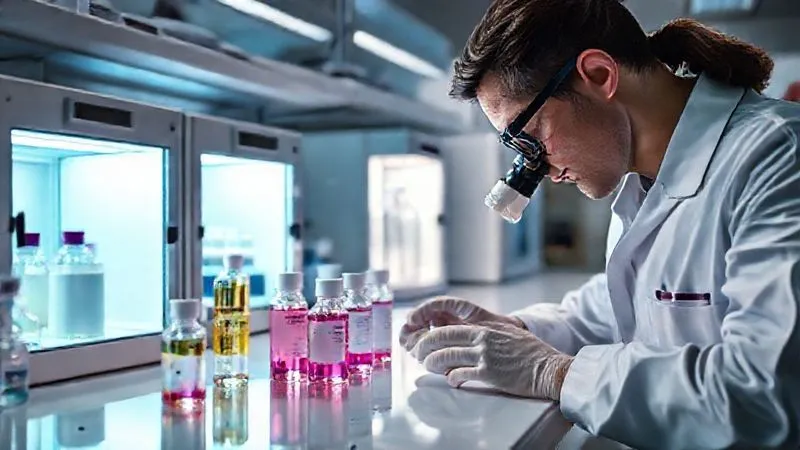
Mastering the Matrix: Advanced Formulation Strategies
Overcoming stability challenges in clean beauty requires a holistic and intelligent approach to formulation, leveraging advanced science and a deep understanding of ingredient behavior.
Smart Emulsification Systems
Instead of relying on a single natural emulsifier, formulators are increasingly using synergistic blends. Combining a primary natural emulsifier (e.g., lecithin, polyglyceryl esters) with co-emulsifiers or thickeners (e.g., natural gums, fatty alcohols) can create more robust and stable emulsion structures. Understanding the HLB (Hydrophilic-Lipophilic Balance) of your oil phase and matching it to your emulsifier system is paramount. I often recommend exploring liquid crystal forming emulsifiers, which create highly organized and stable lamellar structures.
Antioxidant Powerhouses
For lipid-rich clean formulations, a multi-pronged antioxidant strategy is vital. This means combining water-soluble antioxidants (e.g., Vitamin C derivatives, green tea extract) with oil-soluble ones (e.g., Vitamin E, rosemary extract, astaxanthin). Chelating agents (e.g., phytic acid, sodium phytate) can also be added to bind metal ions that catalyze oxidation. This layered approach provides comprehensive protection against oxidative stress, extending shelf-life and preserving efficacy.
Case Study: How Aura Botanicals Achieved Breakthrough Stability
Aura Botanicals, a promising clean skincare startup, faced a critical challenge: their hero hydrating serum, rich in potent botanical extracts and a delicate natural emulsifier, consistently failed accelerated stability tests due to phase separation and discoloration. Their initial preservation system was also struggling with microbial challenge tests. After consulting with my team, we identified several key issues. The problem wasn't a single ingredient, but the interplay of a pH-sensitive emulsifier with certain acidic botanical extracts, exacerbated by trace metal ions in their water source, and an under-powered preservative blend. By implementing a synergistic emulsifier system, incorporating a natural chelating agent, adjusting the pH buffer system to optimize both emulsifier and preservative efficacy, and upgrading to a broad-spectrum, pH-tolerant natural preservative blend, Aura Botanicals achieved a 24-month shelf-life in real-time stability tests. This resulted in a successful product launch, rave reviews, and a significant boost in brand credibility.
"Stability isn't just about preventing spoilage; it's about preserving the promise of your product – its efficacy, its texture, its scent, its very essence – from day one to the last drop."
Supply Chain & Manufacturing: The Unsung Heroes (or Villains)
Even the most perfectly formulated clean beauty product can fail due to issues outside the R&D lab. The integrity of the supply chain and the manufacturing process are often overlooked culprits in stability failures.
Ingredient Sourcing & Purity
The quality and consistency of raw materials are paramount. Variations in botanical extracts (e.g., different active compound concentrations, microbial load, pesticide residues) can dramatically impact stability. Establishing robust supplier qualification programs, demanding Certificates of Analysis (COAs) for every batch, and conducting in-house quality control checks are essential. I've seen instances where a product that was stable for years suddenly failed because a supplier changed their extraction method or source material without notification. Ensuring raw material quality is a foundational step for stability.
Production Environment & Cross-Contamination
The manufacturing facility itself can be a source of instability. Inadequate sanitation, poor air filtration, or cross-contamination from other product lines can introduce microbial contaminants that overwhelm even a well-designed preservative system. Furthermore, inconsistent mixing times, incorrect temperatures during heating/cooling phases, or improper filling techniques can all compromise the physical stability of emulsions. Good Manufacturing Practices (GMP) are not just regulatory checkboxes; they are critical for product integrity. Adherence to GMP guidelines, such as those from the EU, is non-negotiable.
Building a Resilient Clean Beauty Brand: My Expert Recommendations
Navigating the complexities of clean beauty stability requires foresight, scientific rigor, and a willingness to challenge conventional wisdom. Here are my key recommendations for brands aiming for long-term success:
- Invest in R&D Early: Don't treat stability as an afterthought. Integrate stability considerations from the very first stages of concept development.
- Embrace a Holistic Formulation Approach: View your formulation as a complex ecosystem. Understand how each ingredient interacts with others and the environment.
- Adopt Enhanced Testing Protocols: Go beyond basic accelerated tests. Incorporate freeze-thaw cycles, light stability, centrifugation, and rigorous microbial challenge tests tailored to clean ingredients.
- Prioritize Supplier Relationships: Work with trusted suppliers who provide detailed COAs and are transparent about their sourcing and processing.
- Educate Your Team & Consumers: Ensure your internal teams understand the nuances of clean beauty stability. For consumers, manage expectations regarding product longevity and usage, especially for highly natural or minimal-preservative formulations.
- Consider Water Activity: For low-water systems, actively measure and manage water activity (aw) to further mitigate microbial risks.
- Optimise Packaging: Choose packaging that protects your formulation from light, air, and external contamination. Airless pumps, opaque bottles, and amber glass are often superior to clear jars.
Frequently Asked Questions (FAQ)
Q: Are natural preservatives truly as effective as synthetic ones? A: Generally, no, not in the same broad-spectrum, robust manner. Natural preservatives often have a narrower range of activity, are more pH-sensitive, and may require higher concentrations or a combination of ingredients to achieve adequate protection. The key is intelligent formulation and rigorous testing to ensure their efficacy within a specific product matrix.
Q: How can I tell if my clean beauty product is failing stability tests without a lab? A: While a lab is essential for definitive testing, early signs of instability can be observed at home: changes in color, scent (especially rancid or off-notes), texture (separation, thinning, thickening, grittiness), gas production (bulging packaging), or visible mold/yeast growth. If you notice any of these, discontinue use.
Q: Is 'preservative-free' clean beauty truly safe? A: The term 'preservative-free' can be misleading. Often, it means the product doesn't contain traditional preservatives but relies on 'self-preserving' strategies like high alcohol content, very low water activity (anhydrous products), or multifunctional ingredients that also have antimicrobial properties. These can be safe if expertly formulated and rigorously tested, but they are not without their own challenges and limitations. Water-containing products without any form of antimicrobial protection are inherently risky.
Q: What role does pH play in clean beauty stability? A: pH is absolutely critical. Many natural preservatives (like organic acids) are only effective within a specific, often acidic, pH range. Similarly, certain botanical actives are stable only at specific pH values. Emulsifier systems can also be pH-sensitive. Maintaining the optimal pH throughout the product's life is crucial for preserving integrity, efficacy, and preventing microbial growth.
Q: Can packaging choices really impact clean beauty product stability? A: Absolutely. Packaging is the first line of defense. Opaque packaging protects light-sensitive ingredients. Airless pumps minimize oxygen exposure, crucial for preventing oxidation of delicate oils. Materials must also be inert and not leach into the product. Choosing the right packaging is as important as the formulation itself for clean beauty stability. The clean beauty market is growing, and packaging innovation is key to its success.
Key Takeaways and Final Thoughts
The journey to creating truly innovative and stable clean beauty formulations is complex, demanding a blend of scientific acumen, creative problem-solving, and unwavering dedication. It's a field where 'natural' doesn't always equate to 'easy,' and where the very attributes that make a product desirable can also make it vulnerable. I hope this deep dive into why innovative clean beauty formulations fail stability tests has illuminated the path forward.
- Embrace Complexity: Understand that natural ingredients bring inherent variability and reactivity.
- Rethink Preservation: Develop synergistic, multi-pronged preservation strategies tailored to clean formulations.
- Test Rigorously: Implement comprehensive stability testing protocols that go beyond the basics.
- Control the Ecosystem: Manage every aspect from raw material sourcing to manufacturing conditions.
- Innovate Smartly: Leverage advanced formulation techniques to build resilient product matrices.
The clean beauty revolution is here to stay, and with a nuanced understanding of its scientific intricacies, you can not only meet but exceed consumer expectations. Your next innovative clean beauty product doesn't have to be a stability statistic. With the right knowledge and a meticulous approach, it can be a beacon of both purity and performance, standing strong against the tests of time and the market.
Recommended Reading
- 7 Proven Strategies: Attracting Younger UHNW to Haute Couture Collections
- 7 Pro Strategies: Navigating Unrealistic Bridal Beauty Client Expectations
- Mastering Scarcity: 7 Strategies for Luxury Shoe Launches Without Alienating VIPs
- Shrinking a Fragile Vintage Gown: 7 Expert Steps to Multi-Size Alterations
- Unlock Profit: 7 Strategies for Niche Outdoor Wear Brands



Your email address will not be published. Required fields are marked *