

How to Prevent Allergic Reactions from Costume Jewelry Materials?
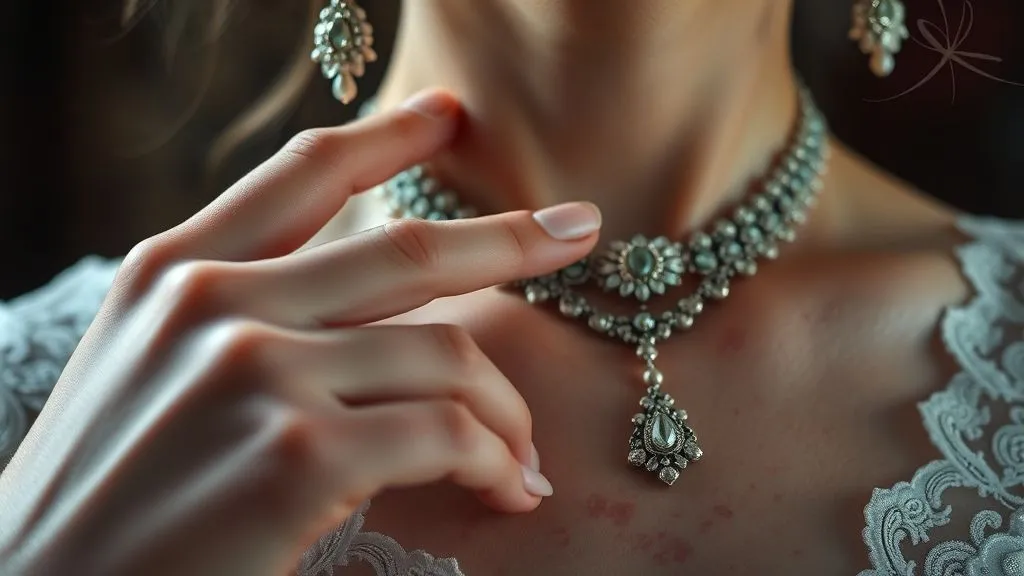
For over 15 years in the jewelry design world, I've witnessed firsthand the joy a stunning piece of costume jewelry can bring. But I've also seen the frustration, discomfort, and even embarrassment when that same beautiful piece turns skin red, itchy, or blistered. It's a common problem, often leading people to abandon their beloved accessories entirely.
This isn't just a minor annoyance; for many, it's a significant barrier to expressing their personal style. The culprit is almost always contact dermatitis, an allergic reaction to specific metals, most commonly nickel, which is prevalent in affordable jewelry. The good news is, you don't have to give up on your passion for fashion-forward pieces.
In this definitive guide, I'll share my expert insights and actionable frameworks to not only identify the root causes of these reactions but, more importantly, equip you with proven strategies to prevent them. You'll learn how to safeguard your skin, extend the life of your jewelry, and confidently wear any piece you desire, transforming discomfort into pure style satisfaction.
Understanding the Culprits: Common Allergens in Costume Jewelry
Before we can prevent allergic reactions, we must understand what causes them. The vast majority of skin irritations from costume jewelry stem from contact allergies, primarily to nickel. Nickel is a silvery-white metal that is inexpensive, easy to work with, and durable, making it a popular choice for alloys in fashion jewelry.
However, an estimated 10-20% of the population, predominantly women, are allergic to nickel. When nickel comes into prolonged contact with the skin, especially in the presence of sweat, it leaches out and forms salts that penetrate the skin, triggering an immune response. This manifests as redness, itching, swelling, and sometimes blistering, typically appearing 12-48 hours after exposure.
While nickel is the most common offender, other metals can also cause reactions, albeit less frequently. These include cobalt and sometimes copper, which can cause green discoloration on the skin (oxidation) that isn't necessarily an allergy but can be mistaken for one. Understanding these primary irritants is the first step toward effective prevention.
In my experience, almost 90% of costume jewelry allergies can be traced back to nickel. It's the silent saboteur of many a jewelry box.
The Chemistry of Skin Contact Dermatitis
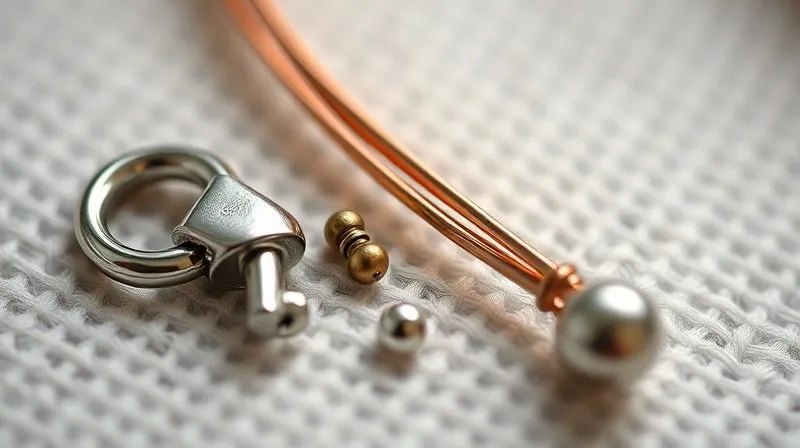
An allergic reaction isn't immediate; it's a delayed hypersensitivity. The immune system identifies the metal ions as foreign invaders, and subsequent exposures trigger a more rapid and intense response. This is why you might wear a piece for a while without issue, only for a reaction to suddenly appear. Factors like humidity, sweat, and friction can exacerbate the leaching of metal ions, making reactions more likely in warmer climates or during physical activity.
According to a study published by the American Academy of Dermatology, nickel allergy is one of the most common causes of allergic contact dermatitis. It's a lifelong condition once developed, meaning prevention is key, as is managing exposure if you already have the allergy.
Identifying Your Specific Triggers
While nickel is the prime suspect, I always advise my clients to pay close attention to which specific pieces cause reactions. Is it earrings, necklaces, or rings? This can help pinpoint if the allergy is to a specific component (e.g., earring posts are notorious for nickel content) or if it's a more generalized sensitivity. Patch testing by a dermatologist can also definitively identify your specific allergens.
The Barrier Method: Creating a Shield Between Skin and Metal
One of the most effective and accessible ways to prevent allergic reactions is to create a physical barrier between your skin and the offending metal. This strategy is particularly useful for beloved pieces you already own or for unique finds where the material composition is unknown.
- Clear Nail Polish: This is the classic DIY solution, and it works surprisingly well.
- Jewelry Barrier Sprays: Several brands offer specialized barrier sprays designed specifically for jewelry.
- Liquid Bandage or Medical Adhesive: For smaller, specific contact points, a dab of liquid bandage can provide a strong, flexible barrier.
How to Apply: Carefully paint a thin, even layer of clear nail polish on all parts of the jewelry that will touch your skin. This includes the back of pendants, earring posts, earring backs, the inner surface of rings, and clasps. Allow it to dry completely, then apply a second coat for extra durability. Reapply every few weeks, or as soon as you notice chipping, to maintain the protective seal.
How to Apply: These sprays create an invisible, protective coating that seals the metal, preventing contact with your skin. They are often more durable and less noticeable than nail polish. Follow the product instructions carefully, typically involving spraying from a short distance and allowing ample drying time.
How to Apply: Apply a tiny amount directly to the skin where the jewelry makes contact, or to the jewelry itself. This is particularly useful for earring posts or the inside of a ring band. Ensure it's completely dry before wearing the jewelry.
A robust barrier isn't just about comfort; it's about preserving your skin's integrity and allowing you to enjoy your jewelry without compromise. Don't skimp on reapplication!
Case Study: How Amelia Reclaimed Her Statement Earrings
Case Study: Amelia's Allergy Breakthrough
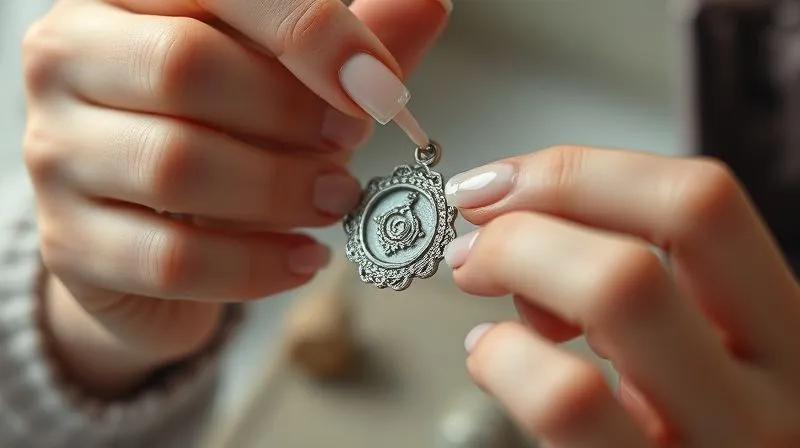
Amelia, a vibrant marketing professional, loved bold, statement earrings. However, her nickel allergy meant that most of her favorite pieces caused severe itching and redness within hours. She was on the verge of giving up on her signature look. After a consultation, I suggested a two-pronged barrier approach. She meticulously applied a high-quality jewelry barrier spray to all her existing earrings, focusing on the posts and backs. For new purchases, she also started looking for 'hypoallergenic' labels. Within a month, Amelia reported no allergic reactions, even after wearing earrings all day. This simple yet diligent application of a barrier allowed her to confidently wear her entire collection again, transforming her daily style and boosting her confidence.
Choosing Wisely: Hypoallergenic Materials & Smart Shopping
The best defense is a good offense. If you're prone to allergic reactions, making informed choices when purchasing new jewelry can save you a lot of discomfort. Look for jewelry explicitly labeled as 'hypoallergenic' or 'nickel-free'.
Understanding Hypoallergenic Claims
The term 'hypoallergenic' can be a bit ambiguous, as there's no universal standard. However, reputable brands that use this label generally ensure their products contain minimal to no known allergens like nickel. Always check the product description for specific material details. For truly sensitive skin, I recommend focusing on materials known for their inertness.
- Surgical Stainless Steel: Often used for body piercings and medical implants, surgical stainless steel (specifically 316L grade) contains nickel but in a tightly bound alloy that rarely leaches. It's a fantastic, affordable option for sensitive ears and skin.
- Titanium: This lightweight, extremely strong, and biocompatible metal is virtually inert and causes no allergic reactions. It's an excellent choice for earrings and other direct skin contact jewelry, though it can be more expensive.
- Niobium: Similar to titanium, niobium is a non-reactive metal that is completely hypoallergenic. It's often used in high-quality body jewelry and can be anodized to create beautiful colors.
- Sterling Silver (.925): While sterling silver is 92.5% pure silver, the remaining 7.5% is typically copper. Pure silver is hypoallergenic, but some individuals can react to the copper alloy. Most people with nickel allergies tolerate sterling silver well, but it's worth noting the copper content.
- Gold (14K and above): Pure gold (24K) is hypoallergenic, but it's too soft for most jewelry. Lower karat golds (14K, 10K) are alloyed with other metals like copper, silver, and sometimes nickel (especially white gold). Opt for 14K yellow gold or higher, and inquire about nickel content in white gold, which is often alloyed with nickel for its color. Platinum is an excellent, hypoallergenic alternative to white gold.
When shopping, don't be afraid to ask questions about the metal composition. A trustworthy retailer will be transparent about their materials. If a piece doesn't specify 'nickel-free' or 'hypoallergenic', assume it contains nickel.
Maintenance Matters: Keeping Your Jewelry Clean and Safe
Even hypoallergenic jewelry can cause irritation if not properly maintained. Dirt, oils, cosmetics, and sweat can accumulate on jewelry surfaces, trapping allergens and creating a breeding ground for bacteria, which can exacerbate skin reactions. Regular cleaning is a simple yet crucial preventative measure.
- Gentle Cleaning After Each Wear: For pieces that come into direct contact with your skin, a quick wipe-down with a soft, lint-free cloth after each wear can remove surface oils and sweat before they have a chance to react with the metal.
- Regular Deep Cleaning: Depending on how often you wear your jewelry, a deeper clean is necessary.
- Fill a small bowl with warm water and a few drops of mild dish soap (like Dawn).
- Soak your jewelry for 10-15 minutes.
- Gently scrub with a soft-bristled toothbrush (a baby toothbrush works great for intricate areas).
- Rinse thoroughly under cool, running water to remove all soap residue.
- Pat dry completely with a soft cloth. Ensure no moisture remains, as this can lead to tarnishing or further reactions.
- Avoid Harsh Chemicals: Steer clear of harsh chemical cleaners, as these can strip platings, damage gemstones, and potentially leave residues that irritate the skin.
- Store Properly: Store your jewelry in a clean, dry place, ideally in individual pouches or compartments to prevent scratching and exposure to air, which can accelerate tarnishing and oxidation.
Steps for Deep Cleaning:
Cleanliness isn't just about sparkle; it's about minimizing the contact of irritants with your skin. A clean piece of jewelry is a safer piece of jewelry.
| Metal Type | Allergen Potential | Common Use | Recommendation for Sensitive Skin |
|---|---|---|---|
| Nickel-Plated Base Metal | High | Fashion Jewelry, Clasps | Avoid or use strong barrier |
| Surgical Stainless Steel (316L) | Very Low | Body Jewelry, Watch Cases | Excellent choice |
| Titanium/Niobium | None | High-End Piercings, Medical Implants | Superior choice |
| Sterling Silver (.925) | Low (due to copper) | Fine Jewelry, Everyday Wear | Generally safe, monitor for copper reaction |
| 14K Yellow Gold | Very Low | Fine Jewelry, Engagement Rings | Generally safe, avoid white gold with nickel |
Professional Solutions: Plating and Coatings for Enhanced Protection
Sometimes, a DIY barrier isn't enough, or you want a more permanent solution for a cherished piece. This is where professional plating and coating services come into play. These methods can significantly enhance the wearability of costume jewelry for those with sensitivities.
Rhodium Plating
Rhodium is a rare, precious metal in the platinum family. It's naturally hypoallergenic, incredibly bright, and highly resistant to tarnishing. Many white gold jewelry pieces are rhodium plated to give them a brilliant, white finish. This same process can be applied to costume jewelry.
- How it Works: A thin layer of rhodium is electroplated onto the surface of the jewelry, creating a durable, protective barrier. This effectively seals in any nickel or other reactive metals underneath.
- Benefits: Provides a beautiful, shiny finish; highly hypoallergenic; prevents tarnishing.
- Considerations: Rhodium plating wears off over time, especially on high-friction areas like rings. It will need to be re-plated periodically (every 1-2 years, depending on wear) by a professional jeweler.
E-Coating (Electrophoretic Coating)
E-coating is a process that applies a clear, protective acrylic or epoxy resin layer to metal surfaces. It's commonly used in the jewelry industry to protect finishes and, crucially, to create a barrier for sensitive skin.
- How it Works: The jewelry is submerged in a liquid solution containing the resin, and an electric current is used to deposit a uniform, thin layer onto the entire surface.
- Benefits: Provides an even, transparent, and durable coating; excellent for intricate designs; highly effective barrier against metal contact.
- Considerations: Like rhodium, e-coatings can wear off, particularly with heavy use, and may require reapplication. It's a specialized process usually done by manufacturers or professional jewelers.
Investing in professional plating can transform a problematic piece into a wearable treasure. It’s a long-term solution that’s often overlooked by those struggling with allergies.
When All Else Fails: Dermatological Approaches and Self-Care
Even with the best preventative measures, sometimes a reaction can occur. Knowing how to treat the symptoms and when to seek professional help is vital for managing a nickel allergy effectively.
Immediate Relief for Skin Reactions
- Remove the Jewelry: The first and most crucial step is to immediately remove the offending piece of jewelry.
- Cleanse the Area: Gently wash the affected skin with mild soap and cool water to remove any lingering metal ions or irritants.
- Apply a Topical Cream: Over-the-counter hydrocortisone cream (0.5% or 1%) can help reduce inflammation, itching, and redness. Apply a thin layer to the affected area 2-3 times a day.
- Cool Compresses: Applying a cool, damp cloth to the irritated area can provide soothing relief from itching and burning.
- Avoid Scratching: While tempting, scratching can worsen the irritation, break the skin, and lead to infection.
When to See a Dermatologist
If home remedies don't alleviate symptoms within a few days, or if the rash is severe, blistering, spreading, or showing signs of infection (pus, increased pain, fever), it's time to consult a dermatologist. They can prescribe stronger topical corticosteroids, oral antihistamines, or, in severe cases, oral steroids. A dermatologist can also perform patch testing to definitively identify your specific allergens, which can be incredibly helpful for future prevention.
As the National Institutes of Health (NIH) highlight, proper diagnosis and management of contact dermatitis are essential for preventing chronic skin conditions and improving quality of life.
Debunking Myths: What Doesn't Work (and Why)
In my years, I've heard countless folk remedies and misconceptions about preventing jewelry allergies. It's important to separate fact from fiction to avoid wasting time and potentially worsening your skin condition.
- "Green Skin Means It's Cheap, Not Allergic": While copper can turn skin green due to oxidation, many people mistakenly believe this is the only sign of 'cheap' jewelry. Nickel allergies don't cause green skin; they cause an itchy, red rash. A piece can be nickel-laden without turning your skin green.
- "Rubbing Garlic on It Helps": Absolutely not. Garlic is a skin irritant for many and can cause its own form of contact dermatitis, further inflaming an already sensitive area.
- "Wearing it a Lot Will Build Up Tolerance": This is a dangerous myth. Unlike some environmental allergens, you cannot build up a tolerance to nickel. In fact, repeated exposure will only strengthen your immune system's response, making future reactions more severe.
- "Just Clean It With Alcohol": While alcohol can clean, it's not a barrier. It evaporates quickly and doesn't seal the metal. Moreover, it can strip certain platings and dry out your skin, making it more susceptible to irritation.
- "Pure Silver is Always Safe": As mentioned, sterling silver contains copper. While generally well-tolerated, some individuals may react to the copper. True pure silver (99.9% fine silver) is rare in commercial jewelry due to its softness.
Don't fall for quick fixes or old wives' tales. Effective prevention is rooted in understanding the science of your allergy and applying proven strategies.
My Personal Toolkit: Essential Items for Sensitive Skin
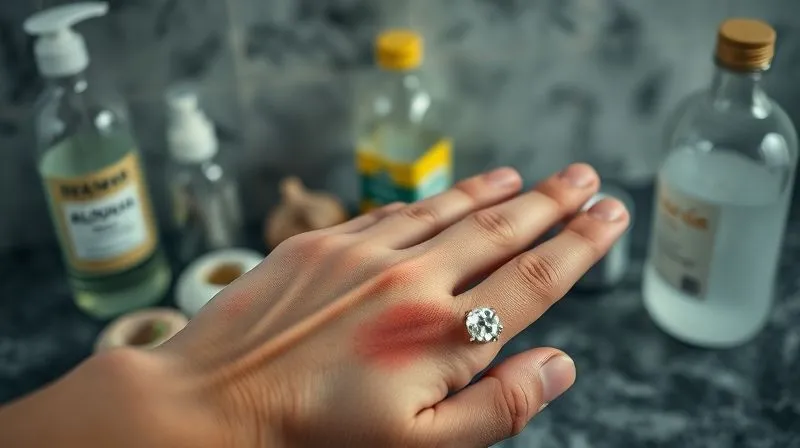
As an industry specialist, I've curated a list of go-to items that I recommend to anyone who wants to enjoy costume jewelry without the fear of allergic reactions. Having these on hand can make all the difference.
- Hypoallergenic Earring Backs & Posts: Invest in a set of surgical stainless steel or titanium earring backs and posts. Many beautiful earrings have nickel-free designs but come with problematic backs. Swapping them out is a simple, effective fix.
- Jewelry Barrier Spray: Keep a high-quality, clear jewelry barrier spray in your dressing table. Brands like 'Jewelry Shield' or 'Hypoallergenic Jewelry Protectant' are excellent. They offer a more durable and invisible coat than nail polish.
- Mild Jewelry Cleaner: A gentle, non-abrasive jewelry cleaner is essential for regular maintenance. Look for formulas specifically designed for fashion jewelry.
- Soft Microfiber Cloths: Keep several dedicated microfiber cloths for wiping down jewelry after wear and for drying after cleaning.
- Small, Airtight Storage Bags: Individual resealable bags or velvet pouches prevent jewelry from rubbing against each other, which can wear down protective coatings, and protect against air exposure.
- Over-the-Counter Hydrocortisone Cream: For those unexpected reactions, a small tube of 0.5% or 1% hydrocortisone cream is a must-have for soothing irritated skin.
By having these tools readily available, you're not just reacting to allergies; you're proactively preventing them, giving you the freedom to explore and enjoy the vast world of costume jewelry.
| Preventative Strategy | Key Action | Best For | Frequency |
|---|---|---|---|
| Barrier Method | Apply clear nail polish/jewelry sealant | Existing jewelry, unknown materials | Every few weeks/as needed |
| Smart Shopping | Choose hypoallergenic materials (SS, Ti, Nb) | New purchases, long-term wear | During purchase decisions |
| Maintenance | Clean jewelry regularly, store properly | All jewelry, prolonging protection | After each wear, weekly deep clean |
| Professional Coatings | Rhodium/E-coating by jeweler | Cherished pieces, durable protection | Every 1-2 years/as needed |
Frequently Asked Questions (FAQ)
Can I develop a nickel allergy later in life, even if I've never had one before? Yes, absolutely. Nickel allergy is a type of delayed hypersensitivity, and it can develop after repeated exposure over time. It's not uncommon for individuals to suddenly develop a reaction to jewelry they've worn for years. Once developed, the allergy is typically lifelong.
Is 'nickel-free' always truly nickel-free? The term 'nickel-free' generally means that the amount of nickel released from the jewelry is below a certain threshold deemed safe by regulatory bodies (e.g., the EU Nickel Directive). While it should contain negligible amounts, it doesn't always mean 0% nickel. For severe allergies, looking for materials like titanium or niobium, which are inherently nickel-free, is the safest bet.
Can I wear costume jewelry if I have sensitive skin but not a diagnosed nickel allergy? Many people with generally sensitive skin find that while they don't have a full-blown nickel allergy, certain costume jewelry can still cause irritation due to other alloys or even just friction. Following the barrier and cleaning methods described in this article can significantly reduce general sensitivity issues and prevent the development of a nickel allergy. Opting for surgical stainless steel or sterling silver is a good starting point.
What about children's jewelry? Are there special considerations? Children are particularly vulnerable to developing nickel allergies because their immune systems are still developing, and they often have prolonged skin contact with jewelry. I strongly recommend choosing only truly hypoallergenic materials like surgical stainless steel, titanium, or high-karat gold for children's jewelry, especially earrings. Avoid cheap, unlabelled costume jewelry for kids.
Does sweat make an allergic reaction worse? Yes, sweat can significantly exacerbate an allergic reaction to costume jewelry. Sweat is slightly acidic and contains salts, which can accelerate the leaching of metal ions (like nickel) from the jewelry into your skin. This is why reactions are often more common in warmer weather or during exercise. Always clean your jewelry after sweating and consider using a barrier method for active wear.
Key Takeaways and Final Thoughts
- Nickel is the primary culprit behind most costume jewelry allergic reactions.
- Barrier methods like clear nail polish or specialized sprays create a protective shield between your skin and reactive metals.
- Prioritize 'hypoallergenic' and 'nickel-free' materials like surgical stainless steel, titanium, and niobium when buying new pieces.
- Regular cleaning and proper storage are crucial for preventing allergen buildup and extending jewelry life.
- Professional plating (rhodium, e-coating) offers more durable, long-term solutions for cherished items.
- Know how to treat reactions with topical creams and when to consult a dermatologist.
- Debunk common myths; true prevention is based on informed choices and consistent care.
The world of costume jewelry is a vibrant tapestry of style, personality, and artistic expression. Don't let a common allergy diminish your ability to participate in it. By understanding the causes, implementing preventative measures, and maintaining your cherished pieces, you can confidently wear any accessory that catches your eye. Embrace these strategies, and you'll not only protect your skin but also unlock a new level of freedom and enjoyment in your personal style journey. Go forth and shine, comfortably and beautifully!
Recommended Reading
- Slash Sampling Costs: 7 Ways 3D Fashion Design Software Delivers ROI
- Transforming Tradition: 7 Steps to Modernize Your Bridal Gown Fit
- Wardrobe Malfunction Proof: Stylists' Top 5 Red Carpet Strategies
- Unlock the Secrets: How to Write an Engaging Fashion Blog Post That Captivates
- Beat Digital Eye Strain: 7 Stylish Eyewear Solutions for Professionals


Your email address will not be published. Required fields are marked *