

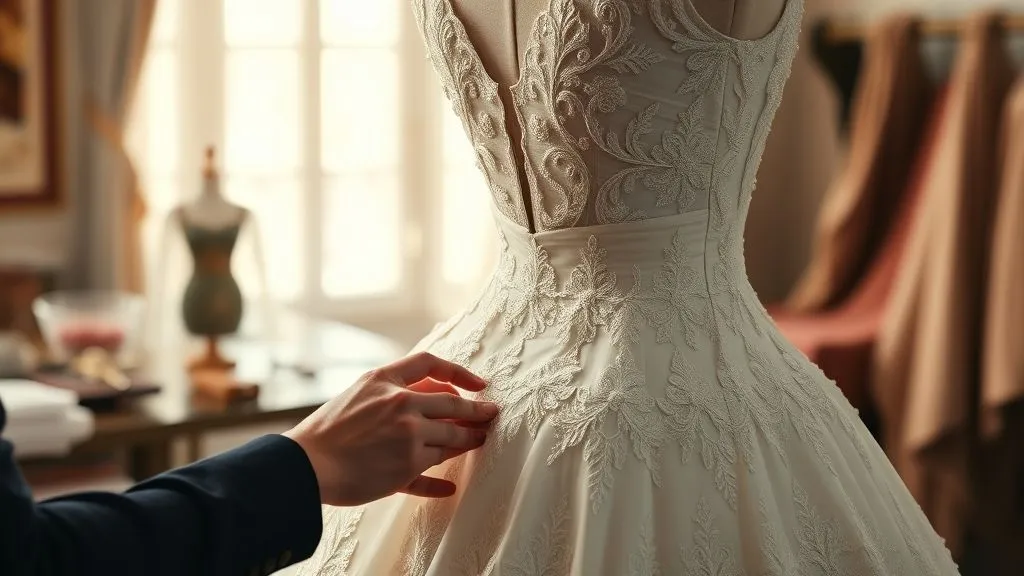
How to alter complex traditional wedding gowns for a modern fit?
For over 15 years in the intricate world of bridal fashion, I've had the profound privilege of witnessing countless brides embark on their journey to find 'the dress'. Often, this journey leads them to a cherished family heirloom – a grandmother's elegant gown, a mother's timeless creation. While these dresses carry immeasurable sentimental value, I've seen firsthand the challenge many brides face: how to honor the past while embracing their present self.
The problem is often twofold: traditional gowns, especially those from decades past, frequently feature silhouettes, heavy fabrics, and structural elements that simply don't align with contemporary aesthetics or comfort expectations. They can feel bulky, outdated, or simply not 'you', leading to internal conflict between sentiment and personal style. It's a delicate balance, and without expert guidance, the dream of wearing a family heirloom can quickly turn into a sartorial nightmare.
This article is your definitive guide, born from years of hands-on experience and countless transformations. I will walk you through the precise frameworks, actionable steps, and expert insights required to master the art of altering complex traditional wedding gowns for a truly modern fit. You'll learn not just what's possible, but how to achieve a breathtaking, personalized result that feels both deeply personal and fashion-forward.
Understanding the Nuances of Traditional Gown Construction
Before any snip or stitch, understanding the original gown's DNA is paramount. Traditional gowns are often masterpieces of craftsmanship, built with techniques and materials distinct from modern designs. Ignoring these foundational elements is, in my experience, the quickest path to irreversible mistakes.
Fabric Considerations: The Soul of the Gown
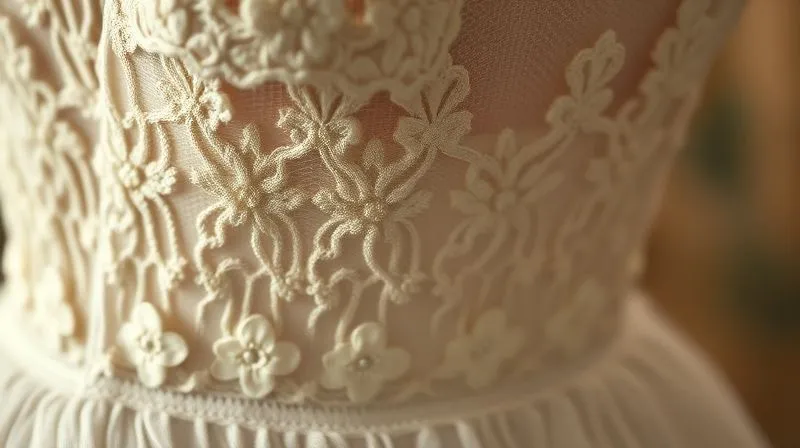
Older gowns often feature luxurious, yet delicate, fabrics like heavy silk satins, brocades, rich velvets, and intricate laces. These materials behave differently than contemporary synthetics or blends. Silk, for instance, can be prone to water staining and snags, while aged lace might be brittle and tear easily. Beading, often hand-sewn, can be heavy and require careful reinforcement if repositioned.
Expert Insight: Always perform a patch test on an inconspicuous area of the fabric (like an inner seam allowance) if considering any dyeing, steaming, or cleaning. The integrity of aged fibers can be unpredictable.
Structural Elements: The Hidden Architecture
From built-in corsetry with metal boning to multiple layers of crinoline, petticoats, and voluminous trains, traditional gowns are often engineered for grandeur and specific silhouettes. These structures contribute significantly to the gown's weight and shape. Modernizing often involves carefully deconstructing these elements without compromising the dress's overall integrity. I've seen countless gowns where a simple reduction in crinoline layers completely transformed the wearer's comfort and mobility.
The Initial Consultation: Your Vision Meets Expert Reality
This is where the magic begins – a collaborative dance between your aspirations and your expert's capabilities. A thorough consultation is non-negotiable for success.
Finding the Right Seamstress or Atelier
This is not a job for just any tailor. You need a bridal alteration specialist with a proven track record in intricate, traditional gowns. Look for portfolios showcasing similar transformations, ask for references, and prioritize clear communication. Experience with delicate fabrics, complex structures, and a deep understanding of historical garment construction is crucial. Finding the right bridal alterations specialist is an investment, not an expense.
Communicating Your Modern Aesthetic
Come prepared. Bring mood boards, reference images of modern gowns you love, and photos of yourself to illustrate your desired fit and style. Be specific about what you dislike about the current gown (e.g., 'too much volume,' 'sleeves feel dated,' 'neckline isn't flattering'). An expert can translate your vision into a feasible alteration plan.
Preparation Steps for Your First Consultation:
- Clean the Gown: Ensure the gown is professionally cleaned and preserved before any alterations begin.
- Gather Inspiration: Collect images of modern gown styles, necklines, and silhouettes you admire.
- Bring Undergarments & Shoes: Wear the exact undergarments and shoes you plan to wear on your wedding day. These critically impact the fit.
- Discuss Budget: Be open about your budget. Complex alterations can be significant, and your seamstress can guide you on what's achievable within your financial plan.
- Understand Timeframes: Bridal alterations are not quick. Discuss realistic timelines, especially for intricate work.
Strategic Deconstruction: Where to Begin the Transformation
With an expert eye, we identify the key areas that need modification to achieve a modern fit and feel. This isn't about destroying the original; it's about respectful reinvention.
Analyzing the Silhouette: From Grandeur to Grace
Often, the most dramatic transformation comes from altering the gown's overall silhouette. A voluminous ball gown can be streamlined into an elegant A-line or even a sophisticated fit-and-flare. This involves reducing layers of crinoline, reshaping the underskirt, and potentially adjusting the waistline. I always start by pinning the excess fabric to visualize the new shape before making any cuts.
Addressing Volume: Less Can Be More
Traditional gowns often feature excessive fabric in the skirt, sleeves, or train. Reducing crinoline layers, shortening an overly long train, or even removing bulky sleeves can instantly lighten the gown and create a more contemporary flow. This is where a skilled hand understands how to remove volume without making the dress look 'emptied' or unbalanced.
Bodice and Neckline Updates: Framing Your Face
Necklines from previous eras might feel too high, too modest, or simply not flattering for a modern bride. Transforming a high-neck into a sweetheart, a boat-neck into an illusion, or adding delicate off-shoulder straps can dramatically update the look. This requires meticulous work to ensure the new neckline seamlessly integrates with the existing bodice structure and fabric.
| Original Silhouette | Modern Transformation Option |
|---|---|
| Voluminous Ball Gown | A-Line, Soft Fit-and-Flare |
| High-Neck, Long Sleeve | Sweetheart, Illusion Neckline, Cap Sleeve |
| Heavy Brocade, Large Train | Reduced Train, Sleeker Skirt Layers |
| Structured Empire Waist | Natural Waistline, Dropped Waist |
The Art of Reshaping: Precision and Preservation
Once the deconstruction plan is set, the real artistry of reshaping begins. This phase demands extreme precision, an understanding of fabric behavior, and a commitment to preserving the gown's inherent beauty.
Modernizing Sleeves and Straps
Puffy sleeves, long lace sleeves, or even sleeveless designs can be updated. Transforming a long sleeve into a delicate cap sleeve, an illusion sleeve, or even going strapless (if the bodice structure allows for adequate support) are common requests. This often involves carefully detaching existing sleeves and then recutting or creating new ones from the gown's existing fabric, perhaps from the train or excess skirt material.
Waistline and Skirt Integration
Adjusting the waistline from an empire style to a natural waist, or even a dropped waist, can completely redefine the gown's proportions. This is a complex alteration that often requires disassembling the bodice from the skirt and then meticulously re-attaching them, ensuring a smooth, flattering transition. The goal is to create a seamless flow that enhances the bride's figure.
Incorporating Contemporary Details
Sometimes, modernization means adding subtle, functional elements. Hidden pockets, a discreet zipper closure replacing intricate buttons (while keeping the original buttons for aesthetic effect), or even a touch of contemporary sparkle can elevate the gown. I've even guided brides to incorporate a subtle blue ribbon or a piece of lace from another family garment as their 'something blue' inside the gown – a hidden modern touch with deep meaning.
Navigating Delicate Fabrics and Embellishments
Working with aged and embellished fabrics requires a gentle touch and specialized techniques. This is where expertise truly shines, preventing damage and ensuring a flawless finish.
Lace Appliqué Repositioning and Removal
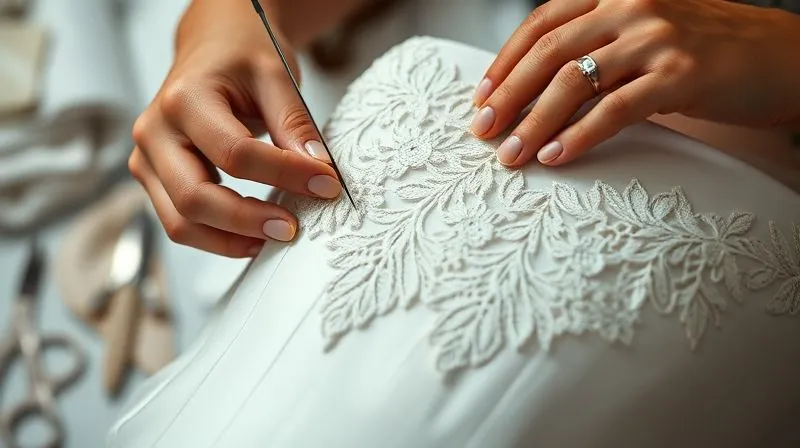
Lace is often the most iconic feature of a traditional gown. Modernizing might involve carefully removing heavy lace overlays, repositioning individual appliqués to create a more contemporary pattern, or even using sections of lace to create new straps or an illusion neckline. Each piece must be meticulously unpicked, cleaned, and then hand-stitched back into place, often with invisible thread. Understanding textile properties is vital here.
Beading and Embroidery Rework
Traditional gowns can be heavily beaded. For a modern look, sometimes less is more. This could mean removing excess beading from certain areas, or carefully restitching existing beads into a more minimalist or contemporary pattern. If new beading is added, it must match the existing quality and style seamlessly. This is incredibly labor-intensive work, often done bead by bead.
Dyeing and Toning: Subtle Shifts
While less common, some brides opt for a subtle shift in the gown's color – perhaps toning down a stark white to an ivory, or even introducing a blush undertone. This is a highly specialized process, and I've always advised extreme caution. Only natural fibers can be dyed effectively, and even then, results can be unpredictable. Always consult with a professional textile dyer who specializes in delicate garments. Modern bridal trends sometimes feature subtle color shifts, inspiring these requests.
Expert Insight: Never attempt to dye a vintage gown yourself. The risk of irreversible damage, uneven coloring, or fiber degradation is extremely high. Trust only a professional with specific expertise in delicate garment dyeing.
Case Study: From Heirloom Grandeur to Contemporary Chic
Case Study: Eleanor's Grandmother's Gown
Eleanor approached me with her grandmother's 1950s ball gown – a stunning creation of heavy silk satin, intricate beading on the bodice, voluminous crinoline, and long, structured lace sleeves. While she adored the sentiment, the high neckline, full skirt, and heavy sleeves felt overwhelming for her intimate garden wedding.
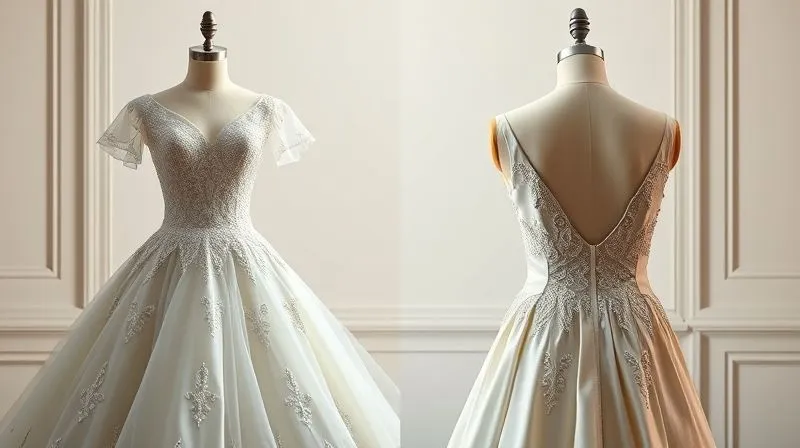
Our goal was to transform it into a lightweight, elegant A-line gown with a modern sweetheart neckline and delicate cap sleeves, while retaining the original beading's charm. We began by carefully deconstructing the bodice, reducing three layers of crinoline to one soft tulle layer, and meticulously removing the long lace sleeves. The excess lace from the sleeves and train was then repurposed to create new, delicate cap sleeves and to enhance the new sweetheart neckline with a subtle, modern appliqué pattern. The original buttons were kept, but a hidden zipper was installed for ease of wear. The waistline was brought up slightly to Eleanor's natural waist, creating a more flattering proportion.
The result was breathtaking: a gown that honored her grandmother's legacy with its timeless fabric and re-imagined lace, yet perfectly suited Eleanor's modern aesthetic and the relaxed elegance of her wedding. She looked radiant, comfortable, and truly herself, demonstrating that with expert hands, a complex traditional gown can indeed achieve a stunning modern fit without losing its soul.
The Fitting Process: Iteration and Refinement
Alterations, especially for complex gowns, are rarely a one-and-done affair. Expect multiple fittings – they are crucial for achieving perfection.
Multiple Fittings Are Key
For a significant transformation, I typically recommend 3-5 fittings, sometimes more. The first fitting is usually about major structural changes, the second for refining the silhouette, and subsequent fittings for intricate details, hemming, and final adjustments. Each fitting allows the seamstress to fine-tune the fit as the gown evolves.
Bringing Your Accessories
Always bring your wedding day shoes, undergarments (bra, shapewear), and any specific jewelry or veil you plan to wear to every fitting. These elements directly impact how the gown hangs and fits, and their absence can lead to inaccurate measurements and future adjustments.
Trusting Your Seamstress
While your vision is paramount, trust the expertise of your seamstress. They understand fabric limitations, structural integrity, and what is realistically achievable. Be open to their suggestions and insights, as their experience can often prevent costly mistakes or suggest innovative solutions you hadn't considered.
| Fitting Stage | Primary Focus |
|---|---|
| First Fitting | Major structural changes, silhouette definition, pinning new lines |
| Second Fitting | Refining bodice fit, sleeve/strap adjustments, initial hem check |
| Third Fitting | Finalizing details, embellishment placement, precise hem adjustment |
| Fourth/Final Fitting | Full dress rehearsal with all accessories, comfort check, minor tweaks |
Budgeting and Timeline: Realistic Expectations
Transforming a complex traditional gown is a significant undertaking, both in terms of cost and time. Managing expectations is vital for a stress-free experience.
Understanding Alteration Costs
Complex alterations on traditional gowns can range anywhere from a few hundred to several thousand dollars, depending on the extent of the changes, the delicacy of the fabric, and the labor involved. Deconstructing a bodice, repositioning lace, or entirely reshaping a silhouette are labor-intensive tasks. Always get a detailed quote upfront. Understanding typical wedding dress alteration costs can help set your budget.
Planning Your Alteration Schedule
I strongly advise initiating alterations 6-12 months before your wedding date, especially for complex projects. This allows ample time for multiple fittings, unforeseen challenges, and delicate handwork. Rushing the process often leads to compromises in quality and increased stress. Your final fitting should typically be 2-4 weeks before the wedding.
Expert Insight: View alteration costs not as an added expense, but as an investment in transforming a cherished heirloom into your perfect, personalized wedding gown. The value extends beyond monetary cost to emotional and sentimental worth.
Preserving the Legacy: Post-Alteration Care
After all the meticulous work, ensuring your modernized heirloom remains pristine for years to come is the final step in honoring its legacy.
Cleaning and Storage
After your wedding, have your gown professionally cleaned by a specialist in delicate garment preservation. Standard dry cleaners often lack the expertise for intricate bridal fabrics and embellishments. Once cleaned, store it in an acid-free archival box or a breathable garment bag to prevent yellowing, creasing, and damage. Proper wedding dress preservation is key to its longevity.
Documenting the Transformation
Take 'before' and 'after' photos of the gown. Document the story of its transformation, including details about your grandmother or mother, the alterations process, and how it felt to wear it. This creates a beautiful narrative that can be passed down with the gown, adding another layer to its rich history.
Frequently Asked Questions (FAQ)
Can every traditional gown be modernized? While most traditional gowns can be significantly updated, there are limitations. The fabric's condition, the gown's original construction, and the extent of desired changes all play a role. An experienced seamstress can assess feasibility. Extreme transformations, like turning a heavy velvet ball gown into a slinky bias-cut slip dress, might be impractical or compromise the fabric's integrity.
What if the gown is too small or too large? Sizing is a common challenge. If a gown is too large, it can almost always be taken in. If it's too small, there might be options like letting out seams (if there's enough seam allowance), incorporating new fabric (from the train, sleeves, or a matching fabric purchased separately), or creating a corset back for adjustability. This is where creative problem-solving from your seamstress is invaluable.
How much does it typically cost to alter complex traditional wedding gowns for a modern fit? The cost varies widely based on the gown's complexity, the fabric, and the extent of the alterations. Simple adjustments might be a few hundred dollars, but a complete redesign involving deconstruction, reshaping, and embellishment work can easily range from $1,000 to $4,000 or more. Always get a detailed estimate after your initial consultation.
What's the biggest risk when altering a complex traditional gown? The biggest risk is irreversible damage to delicate, aged fabric, or an outcome that doesn't meet your expectations due to miscommunication or an inexperienced tailor. This underscores the critical importance of choosing a highly experienced bridal alterations specialist and maintaining clear, consistent communication throughout the process.
Can I add new fabric or embellishments to a traditional gown? Yes, absolutely! New elements can be incorporated to modernize the gown. This could include adding a contemporary lace overlay, illusion netting, updated beading, or even pockets. The key is to ensure any new materials blend seamlessly with the existing gown in terms of color, texture, and style, maintaining a cohesive aesthetic.
Key Takeaways and Final Thoughts
- Prioritize Expertise: Only trust a specialized bridal alterations expert with your heirloom gown.
- Communicate Clearly: Bring inspiration and articulate your vision precisely to your seamstress.
- Understand the Gown's DNA: Respect the original construction, fabrics, and embellishments.
- Embrace Iteration: Expect and plan for multiple fittings to achieve the perfect modern fit.
- Budget Realistically: Complex alterations are an investment in a unique, personalized gown.
- Preserve the Legacy: Ensure proper post-wedding cleaning and storage for lasting beauty.
Transforming a complex traditional wedding gown for a modern fit is more than just an alteration; it's an act of love, a bridge between generations, and a statement of your unique style. It requires patience, vision, and the skilled hands of an artisan. By following these expert strategies, you're not just altering a dress; you're crafting a new chapter in its story, ensuring it shines as brightly on your wedding day as it did on those who wore it before you, tailored perfectly for the modern bride you are today. May your journey be as beautiful as your reimagined gown. For more inspiration, explore the latest bridal fashion trends.
Recommended Reading
- Apple Picking Perfection: Best Fall Accessories for Your Outfit
- 7 Design Secrets: How Eyewear Frames Become Cultural Icons
- Wardrobe Malfunction Proof: Stylists' Top 5 Red Carpet Strategies
- Unveiling the Secret: Why Choose Organic Cotton for Your Baby's Clothing?
- Stop Wasting Money: How to Size Clothes for Rapidly Growing Kids?

Your email address will not be published. Required fields are marked *