

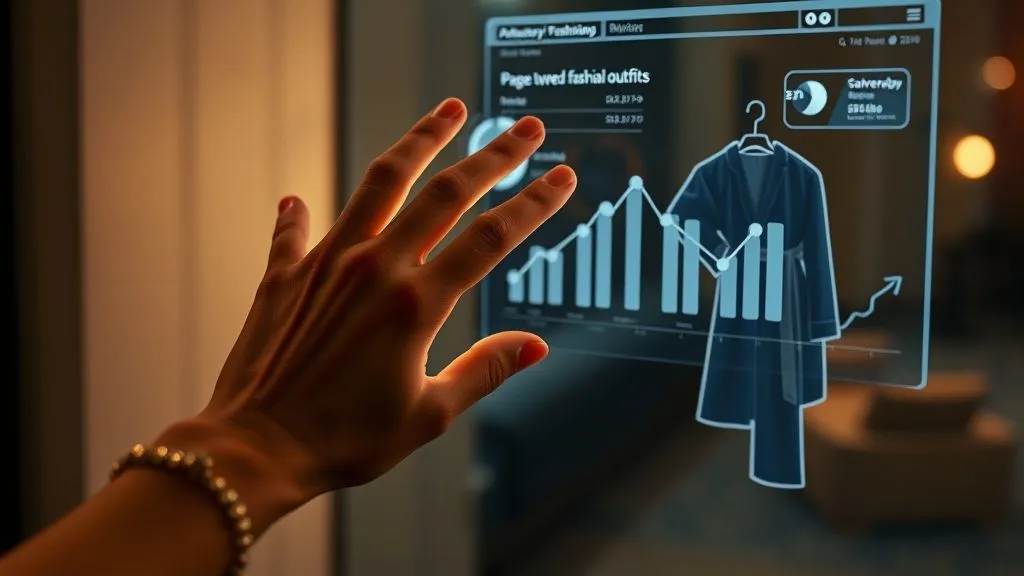
Introduction: How do fashion bloggers create content that actually sells?
For over 15 years in the fashion and digital content space, I've witnessed a profound shift. I've seen countless talented fashion bloggers pour their heart and soul into creating stunning imagery and eloquent prose, only to be met with lukewarm sales figures. It’s a common, heartbreaking scenario: beautiful content, high engagement, but a distinct disconnect when it comes to actual conversions.
The problem often lies in a fundamental misunderstanding of the sales funnel within content creation. Many focus solely on aesthetics or trends, forgetting that for content to truly sell, it needs to address a need, build trust, and guide the audience seamlessly towards a purchase. It’s not just about showcasing; it’s about strategically influencing.
In this definitive guide, I will share the exact frameworks, psychological triggers, and practical strategies I've seen successful fashion bloggers implement to turn their passion into a profitable enterprise. You'll learn how to move beyond vanity metrics and create genuinely valuable content that resonates deeply with your audience and, crucially, drives sales.
Understanding Your Audience Beyond Demographics: The Psychographics of Purchase
One of the biggest mistakes I see fashion bloggers make is assuming they know their audience simply because they track age, gender, and location. While demographics are a starting point, they tell you very little about *why* someone buys. To truly understand how fashion bloggers create content that actually sells, you must delve into psychographics.
Identifying Pain Points and Aspirations
Your audience isn't just looking for clothes; they're looking for solutions to their fashion dilemmas or ways to express their aspirations. Are they struggling to find work-appropriate outfits? Do they dream of a capsule wardrobe that simplifies their mornings? Are they seeking sustainable fashion options? Understanding these deeper motivations is paramount.
I always advise my mentees to think like a detective. What problems does your content solve? What desires does it fulfill? This empathic approach transforms generic product recommendations into targeted, valuable solutions.
Crafting Buyer Personas for Fashion
Once you've identified pain points and aspirations, develop detailed buyer personas. Give them names, backstories, and specific fashion challenges. This isn't just an academic exercise; it makes your audience real and tangible, allowing you to tailor your content and product recommendations with precision.
- Conduct Surveys: Use tools like Google Forms or SurveyMonkey to ask direct questions about fashion challenges, shopping habits, and style inspirations.
- Analyze Social Media Comments: Pay close attention to questions, complaints, and compliments your audience leaves. What are they asking for?
- Review Blog Analytics: Which posts perform best? What search terms led people to your site? This reveals their interests and needs.
- Engage in Direct Conversations: Respond to DMs, host Q&A sessions, and truly listen to your community.
“Understanding your audience's emotional landscape – their fears, hopes, and desires – is the bedrock upon which truly compelling and converting fashion content is built.”
By investing this time upfront, you'll ensure every piece of content, every outfit recommendation, and every styling tip is laser-focused on what your audience actually wants to buy, rather than what you *think* they want.

The Art of Authentic Storytelling: Weaving Sales into Narrative
In a saturated market, simply showing a product isn't enough. People buy into stories, experiences, and emotions. The most effective fashion bloggers understand that how do fashion bloggers create content that actually sells isn't about hard selling, but about soft influencing through compelling narratives.
From Product Feature to Lifestyle Solution
Instead of saying, 'This is a red dress,' tell a story about how that red dress made you feel confident at a crucial business meeting, or how its versatile fabric allowed you to transition effortlessly from day to night. Connect the garment to a lifestyle, an emotion, or a transformative experience.
Focus on the benefits, not just the features. A feature is '100% cotton'; a benefit is 'breathable and comfortable for all-day wear, keeping you cool during summer events.' This subtle shift in language is incredibly powerful for conversion.
The Power of Personal Endorsement and Trust
Your audience follows you because they trust your taste and judgment. When you integrate a product recommendation into a personal story or a genuine experience, it feels less like an advertisement and more like a trusted friend’s advice. This authenticity is your most valuable currency.
Case Study: How ‘Style by Sarah’ Transformed Her Sales
Sarah, a fashion blogger with a respectable following, initially focused on showcasing elaborate outfits (OOTDs) with direct links. Her engagement was high, but sales were stagnant. After implementing a storytelling approach, she started sharing personal anecdotes about her life – a busy mom trying to look chic, a professional navigating corporate events, a traveler seeking versatile pieces.
For example, instead of just linking a blazer, she'd write, 'This blazer became my superpower during a hectic week of client meetings. Its wrinkle-resistant fabric and sharp silhouette made me feel polished even when I was running on fumes.' She paired this with images of her *living* in the blazer – at her desk, grabbing coffee, even on a casual weekend. Within three months, her affiliate sales saw a remarkable 45% increase, proving the immense power of integrating products into a relatable narrative.
“People don't buy products; they buy better versions of themselves. Your content's job is to paint that picture.”
This shift from mere display to deep narrative engagement is a cornerstone of how fashion bloggers create content that actually sells.
| Content Style | Approach | Audience Reaction | Sales Impact |
|---|---|---|---|
| Feature-Focused | Lists product attributes (fabric, color, price) | Informative, but impersonal | Low conversion rates, requires high intent |
| Story-Driven | Integrates product into personal narrative, highlights benefits and emotions | Engaging, relatable, inspiring | Higher conversion, builds lasting loyalty |
Strategic Content Pillars for Conversion: Beyond the OOTD
While OOTDs have their place, relying solely on them limits your sales potential. To answer how do fashion bloggers create content that actually sells, you need a diverse content strategy that inherently guides your audience toward purchase decisions.
Curated Lookbooks with Direct Shoppable Links
Develop themed lookbooks (e.g., 'Work from Home Chic,' 'Weekend Getaway Essentials,' 'Fall Layering Guide'). Each lookbook should feature cohesive outfits with clear, direct shoppable links for every item. Make it incredibly easy for your audience to recreate the looks.
"How-To" Guides and Styling Tutorials (Problem-Solution Focus)
These are evergreen content goldmines. Think: 'How to Style a Midi Skirt for Any Occasion,' '5 Ways to Elevate Your Basic White Tee,' or 'Mastering the Art of Layering for Winter.' In these guides, you naturally integrate and recommend specific products as solutions to styling challenges. This positions you as an expert and your recommendations as essential tools.
Behind-the-Scenes & Transparency (Building Trust for Product Recommendations)
Show snippets of your creative process, your thought behind selecting certain brands, or even unboxing videos. This humanizes your brand and builds trust. When your audience sees the effort and genuine enthusiasm you put into curating, they are far more likely to trust your shoppable recommendations.
- Identify Audience Pain Points: What fashion challenges do your followers frequently ask about?
- Brainstorm Solutions: How can specific garments or accessories solve these problems?
- Develop Themed Collections: Create mini-collections around these solutions (e.g., 'The Perfect Interview Outfit').
- Integrate Affiliate Links Naturally: Don't just list products; explain *why* they are the best solution.
- Add a Clear Call-to-Action: Guide them to where they can purchase immediately.
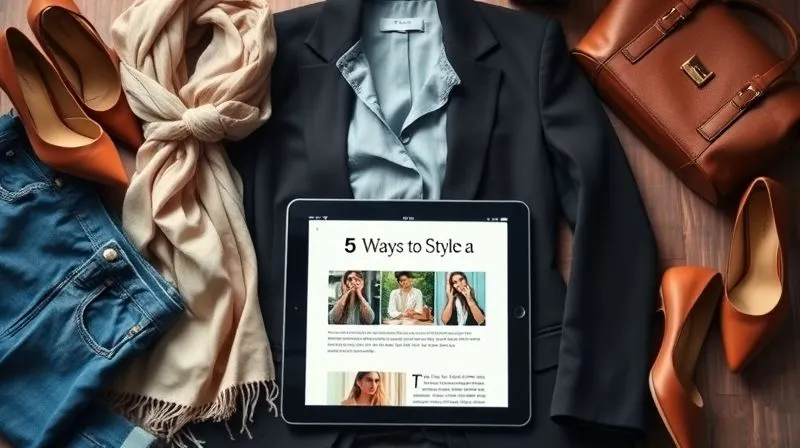
Leveraging Visuals for Irresistible Impulse Purchases
Fashion is inherently visual. Your imagery isn't just decoration; it's a critical sales tool. High-quality, strategic visuals are non-negotiable for how fashion bloggers create content that actually sells.
High-Quality Photography & Videography: It's Non-Negotiable
Blurry, poorly lit, or amateur-looking photos instantly erode trust and diminish the perceived value of the product. Invest in good equipment (or learn how to maximize your smartphone camera), lighting, and editing skills. Every image should be aspirational, clear, and showcase the product in its best light.
Video content, especially short-form (Reels, TikTok), is powerful for demonstrating movement, texture, and how garments fit and flow. A quick styling video can be far more persuasive than a static image.
Showcasing Versatility and Fit on Diverse Body Types
One common barrier to online fashion purchases is uncertainty about fit. If possible, showcase garments on different body types or explain how they can be styled for various figures. This helps your audience visualize themselves in the clothes, significantly increasing purchase confidence. Versatility demonstrations also highlight value, showing how one item can be worn in multiple ways.
The Psychology of Color and Composition in Fashion Sales
Colors evoke emotions. Warm colors like red can stimulate excitement and urgency, while blues and greens convey calm and trust. Understand basic color psychology and composition principles (rule of thirds, leading lines) to create visually appealing and psychologically persuasive imagery. A well-composed image isn't just pretty; it guides the viewer's eye to the key selling points.
“In fashion blogging, your visuals are your storefront. They must be impeccable, inspiring, and inherently shoppable to convert browsers into buyers.”
According to a study by Shopify, products with multiple images have a significantly higher conversion rate. Visuals are not just about showing; they are about selling the dream.
The Seamless Path to Purchase: Optimizing Your Sales Funnel
Even the most compelling content won't convert if the path to purchase is riddled with friction. To understand how do fashion bloggers create content that actually sells, you must obsess over the user journey from discovery to checkout.
Clear Calls-to-Action (CTAs) That Convert
Your CTAs should be unambiguous and compelling. Instead of a generic 'Shop Now,' try 'Get the Look,' 'Discover Your Style,' or 'Add to Your Wardrobe.' Place them strategically within your content – after an outfit reveal, at the end of a styling guide, or integrated into an engaging story.
Ensure your CTAs are visually distinct and easy to click. A prominent button often outperforms simple text links. HubSpot offers excellent insights into crafting high-converting CTAs.
Streamlining the Shopping Experience (Affiliate Links, Direct Shop, LiketoKnow.it)
Minimize the number of clicks required for a purchase. If you're using affiliate links, ensure they go directly to the product page, not a brand's homepage. Platforms like LiketoKnow.it (LTK) or ShopStyle Collective are designed specifically to create a seamless shoppable experience by centralizing links and making them easily accessible.
Consider creating a dedicated 'Shop My Looks' page on your blog where all your shoppable content is aggregated and easily navigable. This gives your audience a single destination for all your recommendations.
Retargeting and Follow-Up Strategies
Not everyone buys on the first visit. Implement retargeting pixels (e.g., Facebook Pixel) on your blog to show ads to visitors who viewed your shoppable content but didn't purchase. Follow up with email newsletters that recap recent shoppable posts or offer exclusive deals to your subscribers. A multi-touch approach often seals the deal.
- Embed Direct Links: Place affiliate or product links directly within the content, not just at the end.
- Utilize Shoppable Widgets: Platforms like LTK allow you to embed visually appealing, shoppable carousels.
- Optimize Mobile Experience: Ensure all links and buttons are easily clickable on smartphones, as most fashion content is consumed on mobile.
- Test Link Functionality: Regularly check that all your links are working correctly and lead to the intended product pages.
Data-Driven Decisions: Measuring What Matters for Sales
Guesswork is the enemy of sales. To truly understand how fashion bloggers create content that actually sells, you must become fluent in analytics. Data provides objective insights into what’s working and what isn’t, allowing you to optimize your strategy for maximum conversion.
Key Metrics Beyond Page Views (Conversion Rate, AOV, CTR)
While page views and likes are gratifying, they don't directly translate to sales. Focus on these critical metrics:
- Conversion Rate: The percentage of visitors who complete a desired action (e.g., make a purchase, click an affiliate link). This is the ultimate measure of your content's selling power.
- Average Order Value (AOV): The average amount spent by a customer in a single transaction. Higher AOV means more revenue per sale.
- Click-Through Rate (CTR): The percentage of people who click on your shoppable links. A low CTR indicates your CTAs or content aren't compelling enough.
- Return on Investment (ROI): For sponsored content or paid promotions, measure the revenue generated against the cost.
A/B Testing Content and CTAs
Don't just assume what works. A/B test different elements of your content: headlines, images, product placements, and especially CTAs. For example, test two different CTA phrases to see which generates more clicks. Test two different photo styles for the same product to see which resonates more.
Even minor tweaks based on A/B testing can lead to significant improvements in conversion over time. This iterative process is crucial for continuous growth.
Utilizing Google Analytics & Affiliate Dashboards
Google Analytics is your best friend for understanding user behavior. Track traffic sources, time on page for shoppable content, and exit points. Set up goals to track affiliate link clicks or specific page visits. Learn how to set up and interpret your Google Analytics data effectively.
Your affiliate program dashboards (e.g., RewardStyle, Amazon Associates) provide crucial data on clicks, conversions, and commissions. Analyze which products sell best, which brands perform, and at what price points your audience is most willing to buy.
| Metric | Relevance to Sales | Actionable Insight |
|---|---|---|
| Page Views | Low (Vanity metric) | Indicates content popularity, not purchase intent |
| Click-Through Rate (CTR) | Medium | Measures interest in shoppable links/CTAs |
| Conversion Rate | High (Direct sales indicator) | Directly measures effectiveness of content to drive purchases |
| Average Order Value (AOV) | High (Revenue optimization) | Identifies opportunities for upselling/bundling |
Building Community and Amplifying Reach for Sales
Your audience is more than just eyeballs; they are a community. Nurturing this community and strategically amplifying your reach are essential components of how fashion bloggers create content that actually sells.
Engaging with Your Audience: Comments, DMs, Live Sessions
Respond to comments, answer DMs, and host live Q&A sessions. This direct interaction builds loyalty and trust, making your audience feel valued and heard. When they feel connected to you, they are more likely to trust your recommendations and become repeat buyers. Community engagement turns passive followers into active advocates.
Collaborations with Brands and Fellow Bloggers
Strategic collaborations can exponentially expand your reach to new, relevant audiences. Partnering with complementary fashion bloggers or brands can introduce your content and recommendations to a wider demographic who are already interested in fashion. Choose partners whose values align with yours to maintain authenticity.
Strategic Social Media Distribution
Don't just post and pray. Understand which platforms your target audience frequents most and tailor your content for each. Use visually rich platforms like Instagram and Pinterest for fashion, engaging with relevant hashtags and trends. Leverage platforms like TikTok for short, engaging styling videos that can go viral. Your social media isn't just for sharing; it's a funnel for driving traffic back to your shoppable blog content.
“Your community is your most powerful sales team. Empower them, listen to them, and they will not only buy from you but also advocate for you.”
Building a strong online community is a recognized strategy for business growth and loyalty.
Ethical Monetization and Maintaining Authenticity
In the pursuit of sales, it's easy to lose sight of the authenticity that attracted your audience in the first place. Ethical monetization is not just good practice; it's crucial for long-term success and trust.
Disclosure Best Practices
Always be transparent about sponsored content, gifted items, and affiliate links. Use clear and conspicuous disclosures like '#ad,' '#sponsored,' or 'Affiliate link' at the beginning of your posts. This builds trust and complies with advertising regulations. Honesty fosters a stronger relationship with your audience.
Recommending Products You Genuinely Love
Only promote products you genuinely use, love, and would recommend to a friend. Your audience is discerning; they can sense insincerity. Recommending products you don't believe in, even for a higher commission, will erode your credibility over time and ultimately harm your ability to sell in the long run.
“Authenticity is not a marketing tactic; it's the foundation of a sustainable and profitable fashion blogging career. Protect it fiercely.”
Your reputation is your brand. Maintaining integrity in your recommendations is the most powerful long-term strategy for how fashion bloggers create content that actually sells, ensuring your audience continues to trust your judgment.
Frequently Asked Questions (FAQ)
How often should I post shoppable content? The ideal frequency varies, but a good rule of thumb is to integrate shoppable elements into 50-70% of your content. However, not every post needs to be a hard sell. Focus on value-driven content that naturally leads to product recommendations. Balance direct shoppable posts with styling guides, trend analyses, and personal narratives. Consistency is key, whether it's 2-3 times a week or daily.
Is it better to focus on one niche or broader fashion? While broader fashion can attract more initial traffic, a niche focus (e.g., sustainable fashion, petite styling, minimalist wardrobes, luxury vintage) often leads to higher conversion rates. A niche allows you to become the go-to expert for a specific audience, building deeper trust and targeting your recommendations more effectively. When you try to appeal to everyone, you often appeal to no one.
How do I handle negative feedback on sponsored products? Transparency and grace are vital. If a product you recommended receives negative feedback, acknowledge it respectfully. If the feedback is constructive, use it to inform future recommendations. Avoid getting defensive. Sometimes, a product simply doesn't work for everyone, and your audience will appreciate your honest response. This further builds trust.
What's the biggest mistake new fashion bloggers make regarding sales? The biggest mistake is focusing solely on aesthetics without a clear strategy for monetization and audience connection. They might create beautiful flat lays but fail to provide clear CTAs, understand their audience's buying motivations, or track sales data. It’s a common trap to mistake engagement for sales. Content must be beautiful, but it also needs a purpose beyond just looking good.
Can I really make a full-time income from fashion blogging sales? Absolutely, yes. Many fashion bloggers globally earn a substantial, full-time income through a combination of affiliate marketing, sponsored content, product sales, and brand collaborations. It requires consistent effort, a strategic approach to content that sells, deep audience understanding, and a willingness to adapt based on data. It’s a marathon, not a sprint, but the potential is significant.
Key Takeaways and Final Thoughts
Mastering how fashion bloggers create content that actually sells is a journey that blends creativity with strategic thinking. It's about moving beyond pretty pictures to purposeful content that deeply resonates and guides your audience toward valuable solutions.
- Know Your Audience Intimately: Go beyond demographics to understand their psychographics, pain points, and aspirations.
- Embrace Storytelling: Weave products into compelling narratives that highlight benefits and emotional connections, not just features.
- Diversify Content Strategically: Utilize lookbooks, how-to guides, and behind-the-scenes content to create multiple pathways to purchase.
- Optimize Visuals & User Experience: Invest in high-quality imagery and ensure a seamless, friction-free path from discovery to purchase.
- Be Data-Driven: Track key metrics like conversion rate and AOV, and use A/B testing to continuously refine your strategy.
- Build and Nurture Community: Engage with your audience, collaborate strategically, and amplify your reach across relevant platforms.
- Prioritize Authenticity & Transparency: Ethical monetization builds long-term trust, which is the ultimate currency for sales.
Remember, your blog is more than just an online diary; it's a powerful platform for influence and commerce. By applying these expert strategies, you can transform your passion for fashion into a thriving, profitable business. Start implementing these insights today, and watch your content not just engage, but truly sell.
Recommended Reading
- Best Comfort Shoes for Plantar Fasciitis Relief: Your Ultimate Guide
- 7 Ways High Fashion Magazines Balance Print Heritage & Digital Growth
- 7 Ways Retailers Adapt Teen Fashion for Micro-Trends & Boost Sales
- The Ultimate Guide: How to Properly Clean White Mesh Athletic Shoes
- Boost Your Tee Drops: 7 Proven Ways to Ignite Streetwear Hype Now



Your email address will not be published. Required fields are marked *